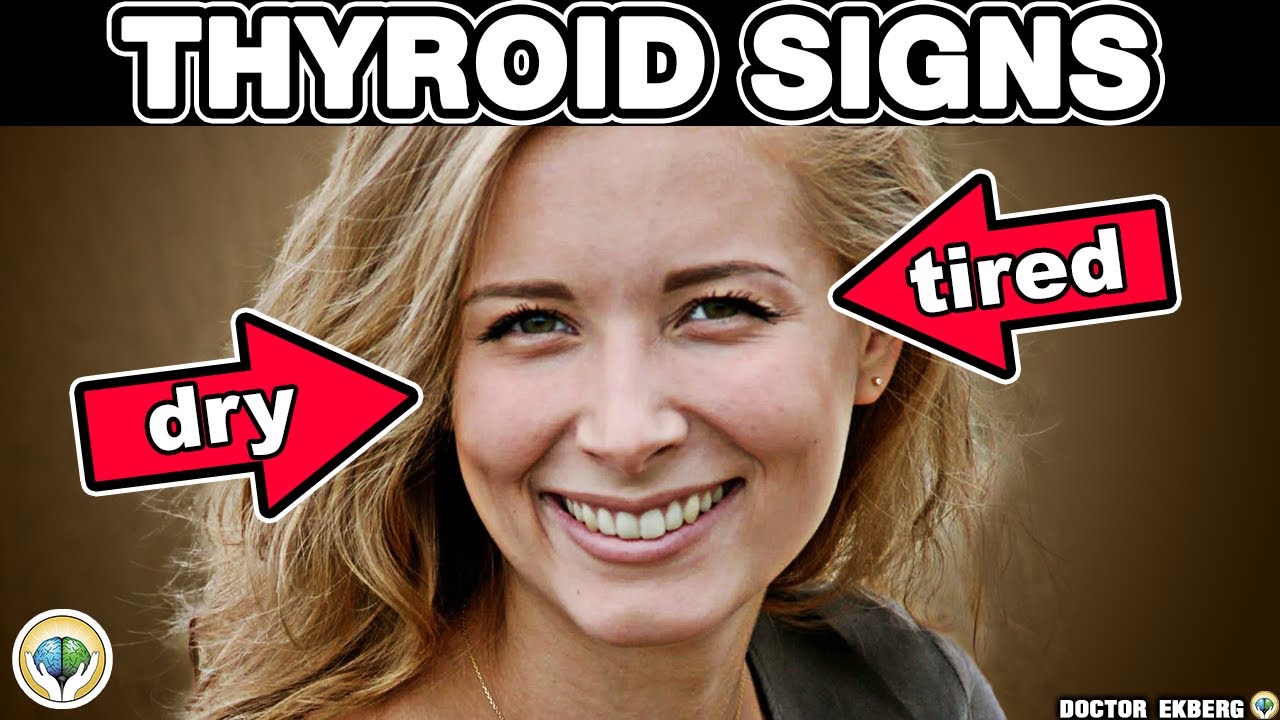
Imagine waking up every morning feeling exhausted, no matter how much sleep you've had. Your hair is thinning, your skin is dry, and you can't seem to shake off those extra pounds despite your best efforts. What if I told you that the culprit behind these mysterious symptoms could be sitting right on your plate?
Today, we're diving deep into the hidden world of thyroid health and uncovering five common foods that could be secretly sabotaging your well-being. By the end of this video, you'll not only know which foods to watch out for, but you'll also understand why your body might be sending you these distress signals and what you can do about it. But here's the twist – some of these foods might surprise you.
In fact, a few are often touted as "health foods. " So, buckle up and prepare to challenge everything you thought you knew about nutrition and thyroid health. Your body might just thank you for it.
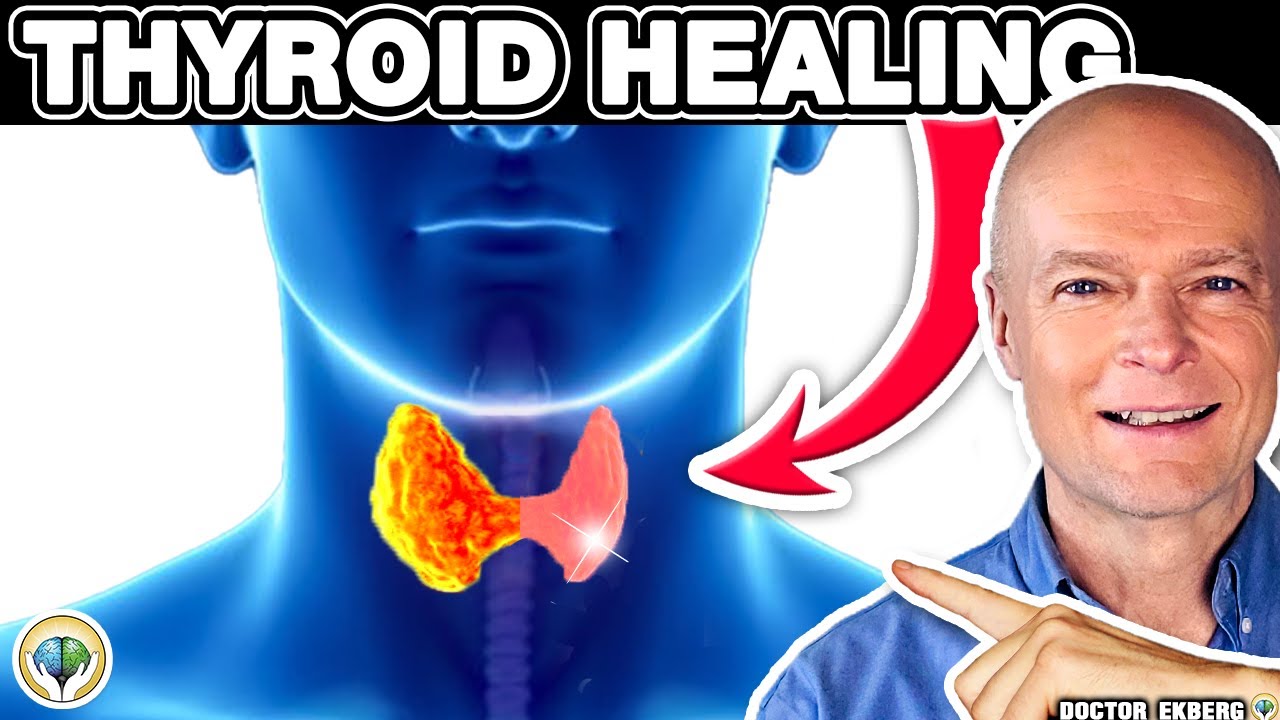
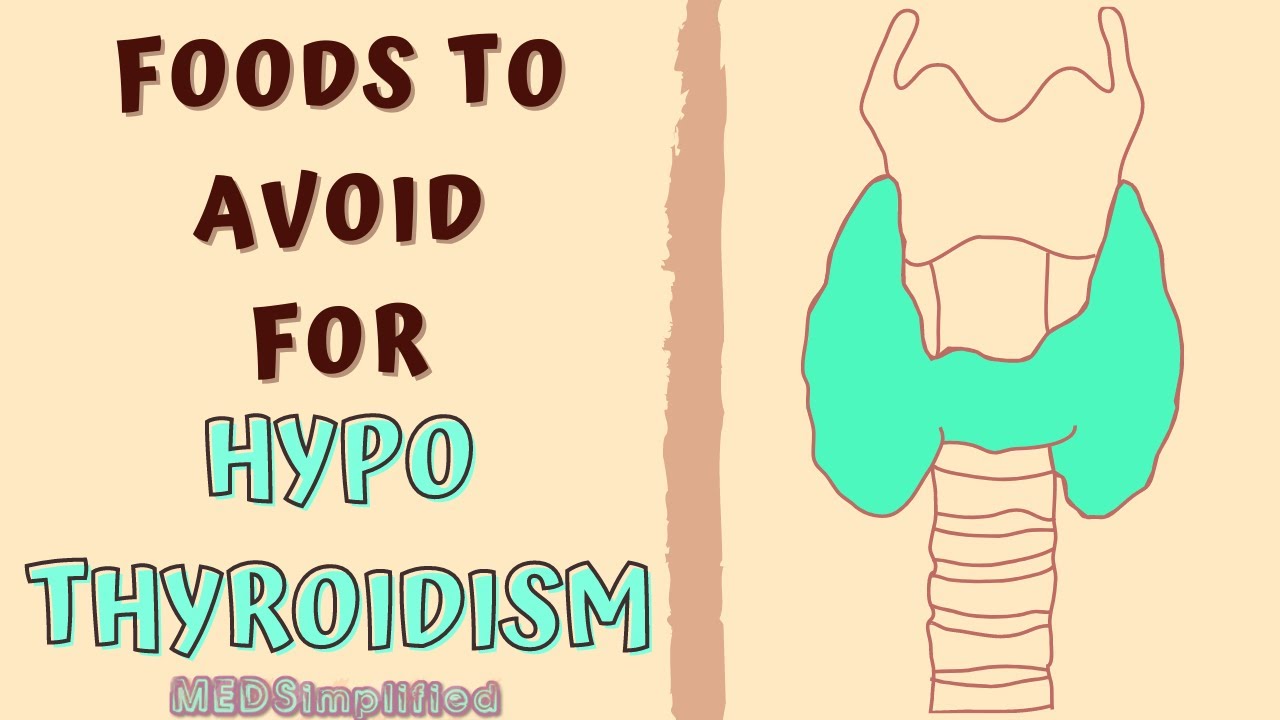
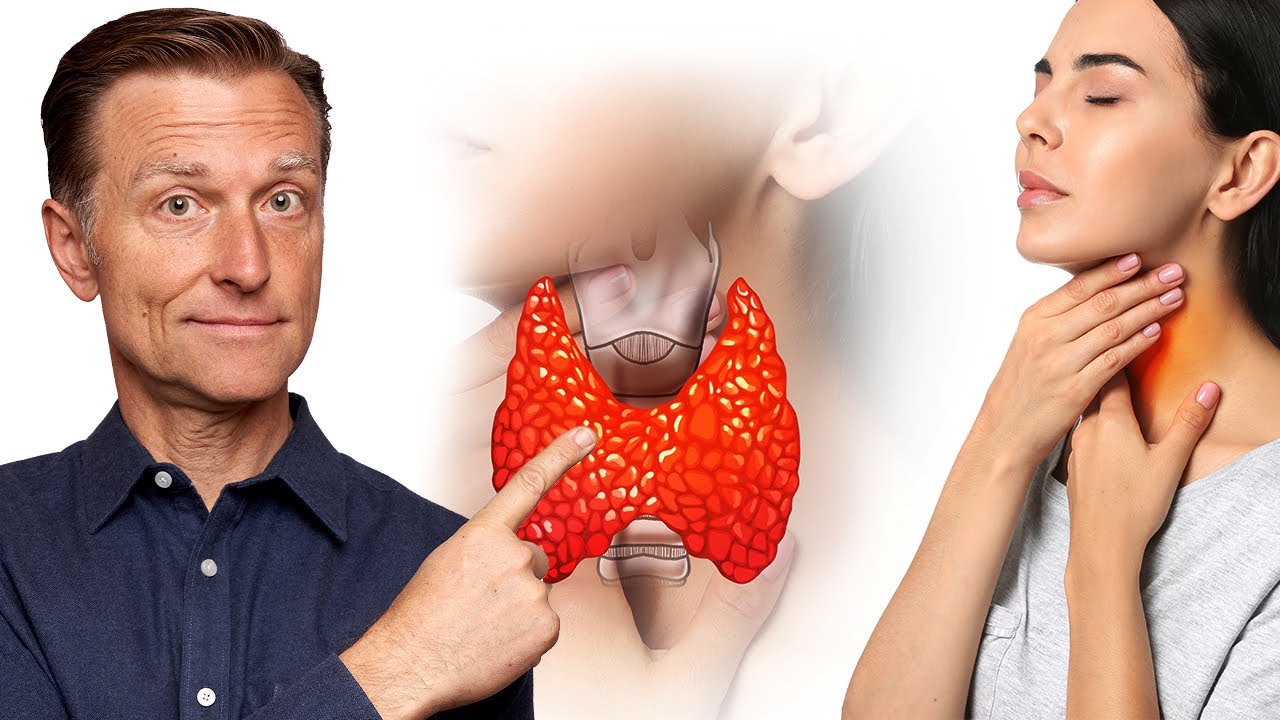
Let's start by understanding why the thyroid gland is so crucial to our overall health. This small, butterfly-shaped gland in your neck might seem insignificant, but it's actually a powerhouse that influences nearly every cell in your body. The thyroid produces hormones that regulate your metabolism, heart rate, body temperature, and even your mood.
When it's functioning properly, you feel energetic, your weight remains stable, and your mind stays sharp. But when your thyroid is out of whack? That's when things start to go south.
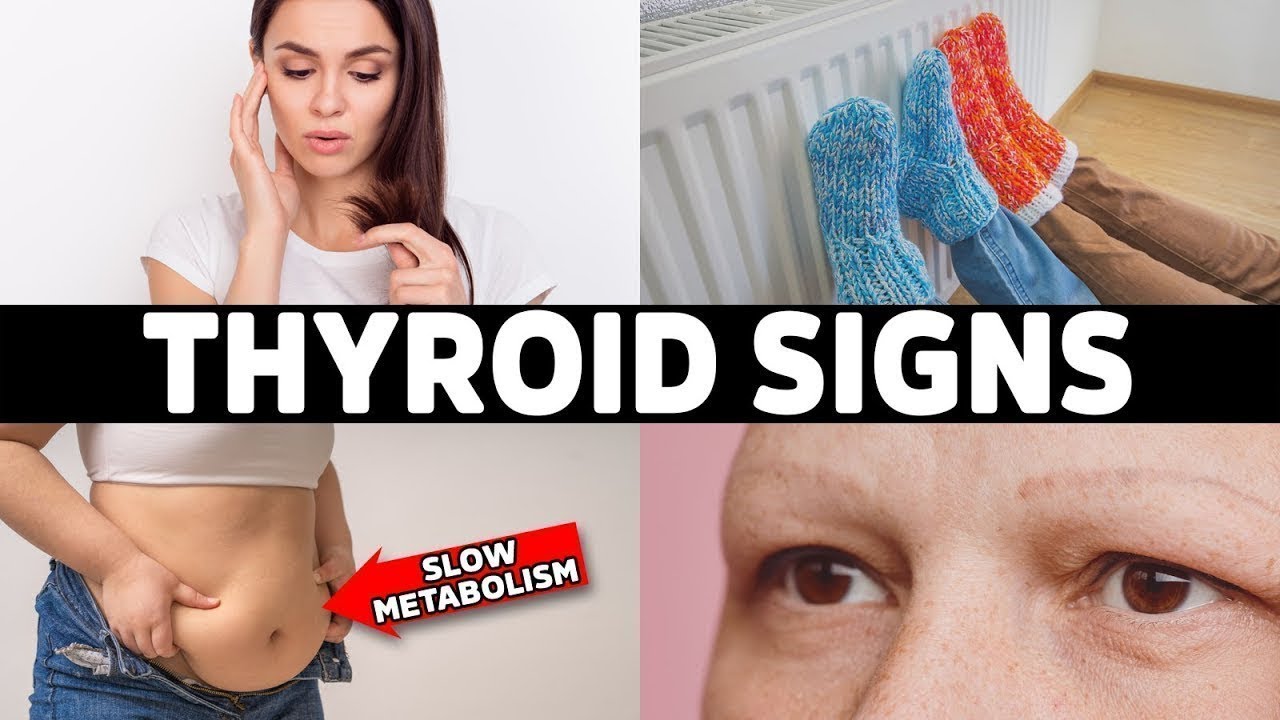
You might experience unexplained weight gain or loss, fatigue, depression, or even cognitive issues. The scary part? Many people don't even realize their thyroid is struggling until the symptoms become severe.
Now, you might be wondering, "What does my diet have to do with all this? " Well, it turns out, quite a lot. The foods we eat play a crucial role in supporting – or hindering – our thyroid function.
Certain nutrients are essential for thyroid hormone production, while others can interfere with this delicate process. This is where our investigation begins. We're about to uncover five common foods that could be silently harming your thyroid.
Some of these might be staples in your diet, others might be occasional indulgences. But all of them have the potential to impact your thyroid health in ways you never imagined. Let's start with our first culprit: unfermented soy.
Soy products have gained popularity in recent years, especially among those following plant-based diets. Tofu, soy milk, and edamame are often praised for their protein content and versatility. But here's the catch – unfermented soy can be problematic for your thyroid.
Soy contains compounds called isoflavones, which can interfere with the production of thyroid hormones. These isoflavones can inhibit an enzyme called thyroid peroxidase, which is crucial for the production of thyroid hormones. In essence, consuming large amounts of unfermented soy can potentially slow down your thyroid, leading to symptoms of hypothyroidism.
But before you swear off soy completely, there's good news. Fermented soy products like tempeh, miso, and natto are actually less likely to cause these issues. The fermentation process helps break down the problematic compounds, making these options safer for your thyroid.
If you're a soy lover, consider swapping out your regular tofu for tempeh, or try incorporating small amounts of miso into your soups and dressings. And remember, moderation is key. Even with fermented soy products, it's best not to go overboard.
Moving on to our second thyroid saboteur: raw cruciferous vegetables in excess. Now, this one might come as a shock. After all, aren't vegetables supposed to be good for us?
Generally, yes. Cruciferous vegetables like broccoli, cauliflower, kale, and Brussels sprouts are packed with nutrients and offer numerous health benefits. However, when consumed raw and in large quantities, they can potentially interfere with your thyroid function.
These vegetables contain compounds called goitrogens, which can interfere with iodine absorption. Iodine is a crucial nutrient for thyroid hormone production, so anything that hinders its absorption can potentially impact thyroid function. But don't panic and toss out all your greens just yet.
The key here is moderation and preparation. Cooking these vegetables can significantly reduce their goitrogenic effects. Steaming, boiling, or roasting your cruciferous veggies can make them much safer for your thyroid.
Moreover, unless you have a pre-existing thyroid condition or iodine deficiency, moderate consumption of raw cruciferous vegetables is unlikely to cause significant issues. The problem arises when people go overboard, like drinking large amounts of raw kale smoothies every day. So, what's the takeaway?
Enjoy your cruciferous vegetables, but mix up your greens, cook them when possible, and don't overdo it on the raw stuff. Your thyroid will thank you, and you'll still reap all the amazing benefits these nutritious veggies have to offer. Now, let's talk about our third potential thyroid disruptor: gluten.
Gluten, a protein found in wheat, barley, and rye, has become a hot topic in nutrition circles. While not everyone needs to avoid gluten, for some people, it can be a real problem for thyroid health. The connection between gluten and thyroid function is complex and not fully understood.
However, research suggests that people with autoimmune thyroid conditions, such as Hashimoto's thyroiditis, may be more likely to have celiac disease or non-celiac gluten sensitivity. Here's where it gets interesting: gluten has a molecular structure that's similar to thyroid tissue. In people with gluten sensitivity, consuming gluten can trigger an immune response.
Due to this molecular mimicry, the immune system might mistakenly attack the thyroid gland, thinking it's dealing with gluten. But how do you know if you're sensitive to gluten? Some signs include digestive issues, fatigue, headaches, and joint pain after consuming gluten-containing foods.
However, these symptoms can be vague and overlap with many other conditions, including thyroid disorders themselves. If you suspect you might be sensitive to gluten, it's worth discussing with your healthcare provider. They might recommend an elimination diet or testing for celiac disease.
Remember, going gluten-free is a big dietary change and should be done under professional guidance to ensure you're still getting all the nutrients you need. For those who do need to avoid gluten, there are plenty of alternatives available today. Quinoa, rice, corn, and gluten-free oats can be excellent substitutes for wheat-based products.
Just be sure to choose whole, unprocessed options as much as possible to maximize nutritional value. Moving on to our fourth thyroid-disrupting food: artificial sweeteners. In our quest to reduce sugar intake, many of us have turned to artificial sweeteners as a calorie-free alternative.
But could these sugar substitutes be doing more harm than good, especially when it comes to our thyroid health? Research in this area is ongoing, but some studies suggest that artificial sweeteners might interfere with thyroid function. One particular sweetener, sucralose, has been shown in animal studies to potentially reduce thyroid hormone levels and alter thyroid gland structure.
Moreover, artificial sweeteners may disrupt the balance of gut bacteria, which plays a crucial role in converting inactive thyroid hormone - T4 - to its active form - T3. An imbalanced gut microbiome can potentially lead to reduced thyroid function, even if your thyroid gland itself is producing adequate hormones. But the impact of artificial sweeteners goes beyond just thyroid health.
Some studies suggest they might actually increase cravings for sweet foods, potentially leading to overconsumption of calories and weight gain – which, in turn, can affect thyroid function. So, what are some safer alternatives? If you're looking to sweeten your foods and beverages, consider natural options like stevia, monk fruit extract, or small amounts of raw honey.
Better yet, try to reduce your overall intake of sweet tastes. Over time, your taste buds will adjust, and you may find you need less sweetness to feel satisfied. Remember, the key is moderation.
While an occasional artificially sweetened beverage is unlikely to cause significant harm, relying on these products regularly might not be the best choice for your thyroid or overall health. Now, let's dive into our fifth and final thyroid-disrupting food: mercury-rich seafood. Fish and seafood are often recommended as part of a healthy diet, and for good reason.
They're excellent sources of protein, omega-3 fatty acids, and various minerals. However, certain types of fish can also be high in mercury, a heavy metal that can interfere with thyroid function. Mercury can bind to iodine receptors in the thyroid gland, potentially leading to reduced thyroid hormone production.
It can also interfere with the conversion of T4 to T3, the active form of thyroid hormone. Over time, high mercury exposure can contribute to thyroid dysfunction and autoimmune thyroid conditions. Some of the fish highest in mercury include king mackerel, swordfish, shark, and certain types of tuna, particularly bigeye and ahi.
These are often large, predatory fish that accumulate mercury from the smaller fish they eat. But don't worry – you don't have to give up fish entirely. There are plenty of low-mercury options that are still rich in beneficial nutrients.
Some excellent choices include salmon, sardines, trout, and cod. These fish are not only lower in mercury but also high in omega-3 fatty acids, which can actually support thyroid health. When choosing fish, a good rule of thumb is to opt for smaller species, as they tend to accumulate less mercury.
Also, vary your seafood choices to minimize potential exposure to any one contaminant. Now, you might be wondering, "What are the signs that my thyroid isn't functioning correctly due to my diet? " Well, some common symptoms of thyroid dysfunction include unexplained weight changes, fatigue, sensitivity to cold or heat, changes in heart rate, and mood swings.
However, these symptoms can be subtle and develop slowly over time. Another question you might have is, "If I've been regularly consuming some of these foods, how long will it take to see improvements in thyroid function after stopping? " The answer isn't straightforward and can vary from person to person.
Generally, it can take several weeks to months to see significant changes in thyroid function after making dietary modifications. Remember, the thyroid gland responds slowly to changes, so patience is key. You might also be wondering, "Do these foods affect people with normal thyroid function the same way they affect those with pre-existing conditions like hypothyroidism or hyperthyroidism?
" The impact can indeed vary. People with existing thyroid conditions or those at risk for thyroid problems - due to factors like family history or autoimmune disorders - may be more sensitive to these dietary factors. However, even those with normal thyroid function should be mindful of these potential thyroid disruptors, especially if consumed in large quantities over long periods.
As we wrap up our journey through the world of thyroid health and nutrition, what can we conclude? First and foremost, it's clear that our diet plays a crucial role in thyroid function. The foods we eat can either support or hinder this vital gland, influencing our overall health and well-being in profound ways.
Remember, moderation is often the best approach. Many of the foods we've discussed today can be part of a healthy diet when consumed in appropriate amounts and prepared properly. It's about finding the right balance for your individual needs.
Lastly, while diet is important, it's just one piece of the thyroid health puzzle. Regular exercise, stress management, adequate sleep, and avoiding environmental toxins are all crucial factors in maintaining optimal thyroid function. Thank you for joining me on this exploration of thyroid health and nutrition.
Until next time, take care and stay curious about your health!