hi friends I am John Kemp hosting this podcast I am passionate about developing regenerative agriculture systems that improve soil health produce crops that are completely resistant to diseases and insects and produce fruit of such an exceptional quality that we can have a legitimate conversation about growing food as medicine I've discovered that there are many people with incredible knowledge and information about soil and plant systems and how to develop regenerative agriculture systems however much of this knowledge and this information is scattered it's found all over the place some of it has been published in peer-reviewed publications
but there are many incredible stories and a lot of knowledge that has not been published and that hasn't been shared with many people I started advancing eco agriculture in 2006 to bring this knowledge together in a more coherent fashion and incorporated into products and growing systems that growers can easily put into practice it's my personal mission to have these regenerative agricultural systems become adopted globally and become the mainstream the status quo against which all other growing systems are compared to help achieve this goal I want to share the knowledge that we have learned in the
last decade and make it available to everyone well we have developed products at AEA that embody the principles of regenerative agriculture systems and make them easier for growers to apply this knowledge and these principles can be applied anywhere and when they are applied properly they will always increase farm profitability and resilience to climate stress if you have any questions suggestions comments or ideas topics that you would like for me to discuss please connect on LinkedIn or on Twitter where my username is at vision builder 7 or you can also email me at John at and
John Kenneth calm I would very much like to hear from you and to hear your feedback be sure to subscribe to this podcast and thank you very much for listening enjoy the show hi friends welcome to the regenerative agriculture podcast I've been asked a lot recently about how to use nutrients to manage vegetative growth versus reproductive growth and how we can produce high quality fruit wood on trees while still getting strong vegetative growth at the same time this is a very important topic I've been asked a lot about it recently and so I wanted to
share with some thoughts with you about some of the things that we've observed and that we have learned over the years there are some nutrients which drive strong vegetative growth and there are some nutrients which drive strong reproductive growth and reproductive development and then for some of these nutrients in both categories they interact with and synergize with different groups of plant hormones so you can have this synergistic effect where you have certain nutrients synergizing with certain hormones and then others and tightlining other hormones you have this kind of two-tier effect where you can really shape
how plants trigger reproductive buds reproductive blood development and fruitwood development I so wanted to talk about some of those pieces so perhaps to begin from a nutrient management perspective there are four nutrients which drive strong vegetative growth or a different terminology different way of thinking about it might be to say that they have a strong male energy and male energy development so that that is strong vegetative growth so those four nutrients which drive vegetative growth are nitrate nitrogen specifically nitrate not ammonium or urea or other forms and potassium and chloride and calcium so those four
nitrate potassium chloride calcium will drive very strong vegetative growth and we can see this being expressed in how we manage agronomy and plant nutrition on a number of different crops for many grassy plants such as corn and sorghum etc we use nitrate to get our strong vegetative growth shot with with very strong nitrogen applications and this is true of many tree fruit production as well almonds etc and then there are other crops where we use potassium to get a very strong vegetative growth response such as alfalfa chloride also contributes a very strong growth response because
of the energy similarities that it carries to potassium and some of the ways that it functions in cells and so on brains so you have these four nutrients giving us a strong vegetative growth on the reproductive side essentially everything else all the other nutrients excluding these four will trigger a slight reproductive response in plants but there are three in particular which are the heavyweights of the reproductive category the three nutrients which drive strong reproductive development or bud initiation would be manganese phosphorus and ammonium in that sequence in that order of priority manganese tends to have
a very strong reproductive crop response followed by phosphorus and then lastly followed by ammonium which is then followed by the long tail of everything else the way to think about this as this relates to plant management and crop management is that there is both vegetative growth and reproductive growth happening all the time in every single organelle and every cell within the planet there is never a complete dominance where you have 100 zero or even ninety ten ratio between these two instead this is a relatively sensitive fulcrum balance beam where the ratio might be fifty five
forty five where you have 55% vegetative energy 45% reproductive energy or vice versa so what this means because there is both vegetative and reproductive growth happening all the time it means that very small amount of nutrient applications can actually trigger and switch from one side to the other and for example one of the common challenges that we see sometimes with tomato production some varieties of tomatoes under some management systems when we have an over application of nitrogen which converts in the soil to the nitrate form we end up with a tomato plant that is lush
and green has a lot of vegetative energy but has no fruit you have this beautiful green plant but it doesn't have a single blossom on it doesn't have a single bud that's a plant that is completely vegetative Lea dominant you can switch a plant like that from being vegetative dominant to reproductive dominant with a single foliar application of manganese and five for example that the nutrients which have a very strong reproductive trigger you can you can literally paint a tomato field from green to yellow in a matter of about seven to ten days with the
right foliar application so it's possible by managing nutrients to produce a very rapid switch from vegetative growth to reproductive growth or vice versa but there's another layer here which is where it starts getting to be really fascinating and when we understand how these two layers interact we can begin producing very Reproductive dominant plants that also have very strong vegetative growth but it's very high quality vegetative growth and I work to describe this because it's very important so the second layer is understanding how plant hormones interact with these base nutrients so there are five major groups
of plant hormones you have auxins your cytokinins gibberellins ethylene cystic acid etc acetic acid but the two that I want to focus on are kind of the two foundational groups for plant development which would be auxins and cytokinins so auxins are for those of you not familiar with this terminology auxins is spelled 8ux i ns and you can do more research and looking at some of these various plant hormones but the the very simplistic explanation is that auxins are produced in two parts or two locations inside the plant one is they're produced in a growing
chute tips so the shoot tip at the top of the plant the apical meristem has to be growing every day every 24 hours and as that growing chute tip is growing it is producing oxen the second place that oxen is being produced is in the developing seed so once you have blossoming and pollination and the seed begins forming the seed begins developing now you have oxen production in the seed now the interesting part about oxen is that you can think of oxen to some degree as being the sugar magnate wherever oxen is in the highest
concentrations that is where the sugar goes from the photosynthesis factory called the leaves so every 24 hour photo period as we have photosynthesis and sugar production in the leaves that sugar moves out of the leaves in the afternoon and evening moving to the sugar sinks and though the sugar sinks are determined by the auxin concentrations so when we have high aux-in concentrations in developing seed or in the new shoots that's where most of the sugar is going to go now the interesting part is that oxen when it's produced in the shoots or in the seeds
it but particularly shoots it will move out of the chute move down through the plant out through the root system to the growing root tips and when it gets to the growing root tips it shuts down cytokine and production so let's switch gears from aux-in - cytokine on for just a moment cytokinins unlike auxins auxins are produced in growing chute tips and seeds cytokinins are produced in growing root tips so again this means that we need to have the root tips growing every single day for new cytokine and production if we want to maintain a
balance between cytokinins and auxes so cytokinins when cytokine ions are produced in growing root tips they now move up to the upper part of the plant and they slow down chute growth they slow down vegetative chute growth and they trigger reproduction so you can think of these two hormones cytokinins and auxins to some degree as having an antagonistic relationship they're constantly competing with each other each is trying to be dominant inside the plant structure auxins are trying to be dominant and suppress cytokine in formation cytokinins are trying to be dominant and slow down chute growth
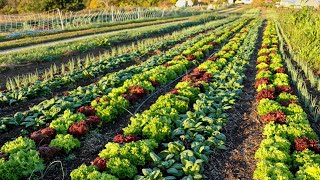
and aux information so these two are constantly butting heads this becomes very important because the when we think about vegetative growth vegetative growth is not all equal we know that we can have vegetative new chute growth on let's say a cherry or an apple tree or a peach or any any tree fruit or berry plant or any annual vegetable crop we can poor quality shoot growth and high correlation both and the way that that's commonly defined and looked at is on annual crops and also to some degree on perennial crops we look at internode spacing
we want to have Internode's spaced as tightly together as possible so if we have inter nodes that are 2 inches apart instead of being 6 inches apart we know that we have that much more opportunity for Reproductive buds in the future and that is much higher quality fruit would at the same time would that has more closely spaced Internode's also is going to have a higher carbon content and higher carbohydrate concentrations so again you have the potential to have much more reproductive fruit wood so when we look at quality of shoot growth we're looking at
internode spacing for all crops and on tree fruit we're also looking at carbon content and what really defines high quality chute growth the interesting part is that you can have equally rapid growth you can have a chute that extends 18 inches in three weeks I'm just making up a hypothetical example a chute that extends 18 inches in three weeks with inter nodes that are spaced at two inches or inter nodes that are spaced at six inches the same amount of lateral growth can happen in the same amount of time but the number of inter notes
that are spaced along that chute are determined by the nutrient ratios and by the hormone ratios that are present inside the plant so this brings us back to our discussion of these four nutrients which drive vegetative growth and how they combine with these two hormones actually before I go there let's back up on just one piece I mentioned that auxins are produced in two locations one is in the chutes and the second is in the seed as the seed is developing what often happens for many crops is as the seed begins developing as the fruit
begins developing it becomes the dominant auxin source and it becomes the dominant SugarSync so most of the sugars that are being produced are moving into the fruit which is appropriate as long as not so many sugars are moving into the fruit that they are dodging root growth and sabotaging shoot growth so the the root growth and the shoot growth will be the first to get less sugar the sugar is always going to move into the fruit because the plant has a desire to reproduce we can monitor sugar production photosynthesis and the overall energy of a
plant or a tree by monitoring the shoot growth while we have fruit on the plant or on the tree so we do if we're growing blueberries or cherries or stone fruit or apples it doesn't really matter there the same principle holds true we want to have the new chute tips constantly growing as long as there is fruit on the tree it doesn't need to be growing rapidly but we never wanted to set the terminal bud the moment the growing shoots set their terminal bud we know that has happened because the plant did not have enough
energy to both fill the fruit and maintain chute growth so we can actually look at should growth and chute extension as an indicator for whether a plant had enough energy but there's another aspect to this as well which is the chute growth is actually not the first to drop off and to decline it's actually the root growth which is the first to be sacrificed so because chutes are producing auxins and seeds are producing auxins but the roots are not producing auxins so the oxidant concentration in the root system is the first to decline which means
that it is the sugar sink which will get the least amount of sugar and will no longer be supplied sugar first when the plant cannot produce enough to fully fill the fruit load that it has on the tree what this means for annual plants in particular and to some degree perennials as well is when the root system no longer gets enough sugars in every 24 hour photo period it no longer has the energy to keep growing so root growth declines or in many cases stops entirely now when the root growth stops remember you need cytokine
and production in growing root tips so when the growing root tips stop you no longer have any new tip extension that means you also halt the production of cytokinins now there is no cytokinins there are no cytokinins moving up to the upper parts of the plant to trigger the initiation of reproductive buds so on some crops take tomatoes for example it's very common to see some are indeterminate tomato varieties that are staked and tied fresh market tomatoes the field looks like an absolute picture every Road looks like a hedge there forty to forty two inches
tall the crop that the top is very dense and it looks like a clipped hedge you have very tight internode spacing three to four inches apart and as the fruit begins sizing and the seed begins producing a lot of oxen the root system is no longer getting enough sugar because now the sugar is moving into the fruit and all of a sudden you see this rapid chute extension happening out of the top of the plant where you get now get internodes where for the first ten weeks of this plant's life ten twelve weeks of this
plant's life you have all these tight inter nodes that are three to four inches long and now you get this rapid chute extension where the shoots are six to eight inches long or ten to twelve inches long and all of a sudden this tight clipped hedge appearance becomes very ragged you have all this chute extension happening out of the top of the plant that is your first indication your first signal that the root system has gone into decline there is no longer any active root growth because sugars are all moving into the fruit and no
longer moving down to the root system when that happens you see that is that is the trigger that triggers a lot of the root disease susceptibility so when you first begin seeing challenges with Phytophthora or Rhizoctonia or anther quino's or any any number of these various soil borne diseases it often becomes exacerbated and begins developing quickly when you reach this stage of fruit development because the plant is not producing enough sugars to sustain both the fruit and the root system and I should just clarify that plans this doesn't need to be the kid this is
what is common this is what is normal but it's not what needs to be the case it is possible plants have the genetic capacity to photosynthesize to much higher level and be able to fill a fruit load and be able to sustain constant root growth and root development throughout the entire fruit fill period so circling all the way back to understanding the synergies between nutrients and hormones there are of the four vegetative nutrients three of them have a synergistic relationship with oxen they drive rapid vegetative development and they drive oxen formation those three nutrients are
nitrate potassium and chloride so when a plant has a generous supply of nitrate potassium and or chloride either of those three contributors responds this is when you get very rapid growth but you have ox and dominance and because you have ox and dominance you have very wide inter note spacing where you will have Internode's that are six to eight inches apart or longer depending on what plant or crop we're talking about but the fourth of these vegetative nutrient drivers calcium does not have a synergistic relationship with oxen instead it has a synergistic relationship with cytokinin
so this is this is kind of the secret you can achieve the same amount of chute extension when you use calcium to drive your vegetative growth as you can when you use nitrate or potassium or chloride but instead of having inter nodes that are spaced that are widely spaced you now have inter notes that are very tightly spaced because you have cytokine and dominance instead of aux-in dominance and this is also how you produce high carbon wood on perennial tree crops and berries etc so the key cutting at the bottom line if I were to
summarize it all and wrap it all up very neatly if you want to produce plants that tree structure and plant structure that can support and sustain a heavy fruit load and be extremely reproductive and extremely healthy while also getting strong vegetative growth high quality vegetative growth at the same time you want to balance plant nutrition in such a fashion so that you have cytokine and dominance and calcium dominance at the same time in other words you want to get your vegetative growth energy from calcium instead of from nitrate and potassium and chloride you still need
those nutrients nitrate and potassium in particular on some crops so I'm not suggesting you discontinue the use of those but instead of using those nutrients to get your vegetative growth response when you use calcium to get your vegetative growth response you can achieve the same quantity of growth but a much higher quality growth and that is the bottom line for producing exceptional yields and quality at the same time thanks for listening I appreciate all the work that you guys do in the field and please give me any feedback and let me know if there's any
questions that you have on this topic and I will follow up thanks guys this podcast was brought to you by a great company that I work for AEA advancing eco agriculture the leader in regenerative agriculture since 2006 at AEA we believe in challenging the status quo to find more profitable and regenerative ways to grow crops we also believe that healthy plants are resistant to pests and disease and that to grow healthy plants we must first think differently about agriculture about empowering life instead of suppressing life about regeneration instead of degeneration to achieve this we formulate
and sell products that help growers produce higher-quality yield with less risk of crop failure in short we help growers make more money with less risk thank you for listening