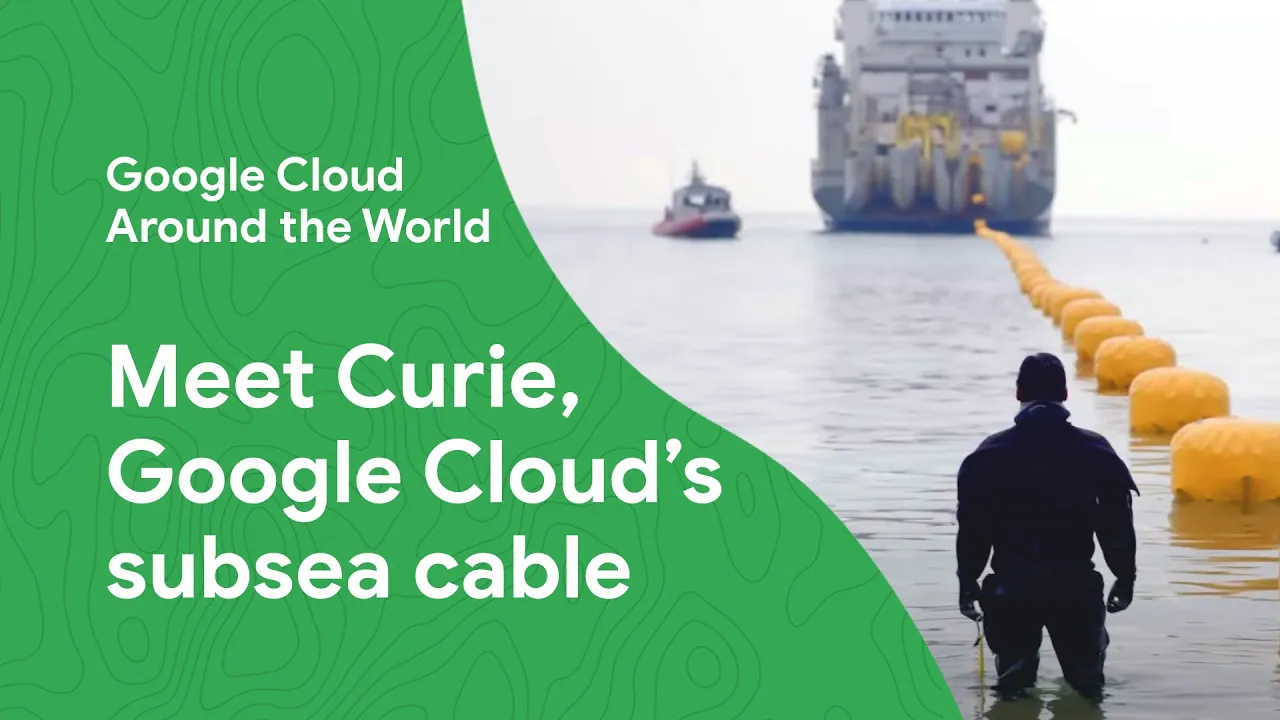
people think that the internet is in the cloud people think of wireless things going through the air but the reality is 98% of traffic goes through fiber optic cables seventy percent of the world is covered with water these are fiber optic cables that are laid under the water and that's why we call them subsea cables we have a data center in July we need to connect the data center with the u.s. our products are growing our products are more sophisticated they need more bandwidth South America is a very costly region we cannot scale using the
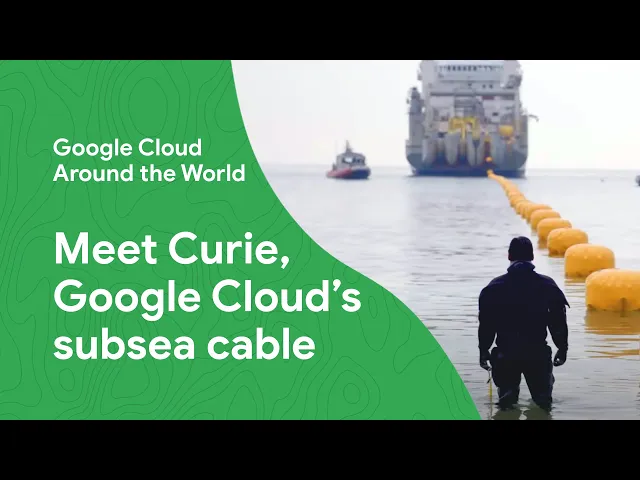
existing cables because they don't have enough capacity they are almost end-of-life and there are costs is very high Gerry is a submarine cable system that Google has built between Los Angeles [Music] and appraised of Chile so we said well first experience on an international private cable we are going to be able to bring more content to the region and extend our ability to connect to users in that part of the world kiri consists of about ten thousand five hundred kilometers of submarine cable which is about two and a half times the length between the east
and west coasts the United States in optics the further you go the lower the capacity per fiber varies so if you take something like Curie we decided to go with four fiber paths it supports approximately 18 terabytes per second for total of about 72 terabytes per second on that cable and spaced out every 100 kilometers along that cable we have an amplifier which is also called a repeater in the industry to amplify the signal as light traverses through the fiber it loses some of its intensity so imagine if you did not have a repeater it
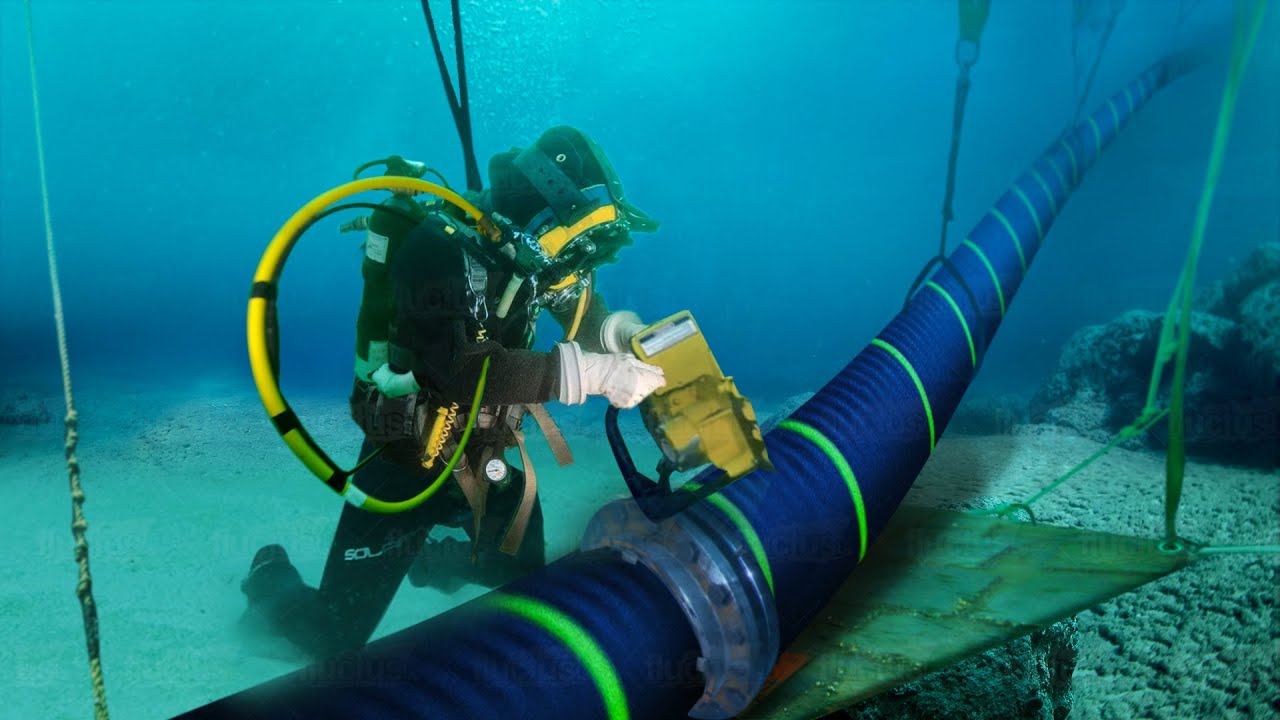
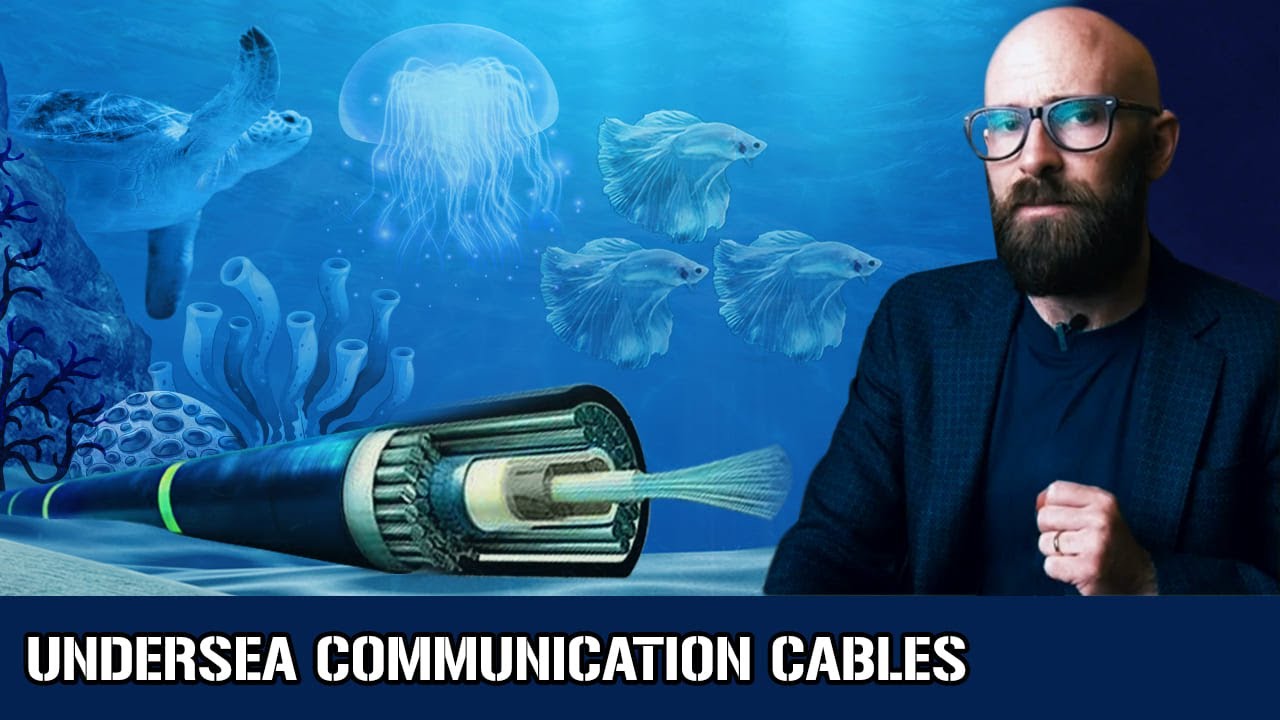
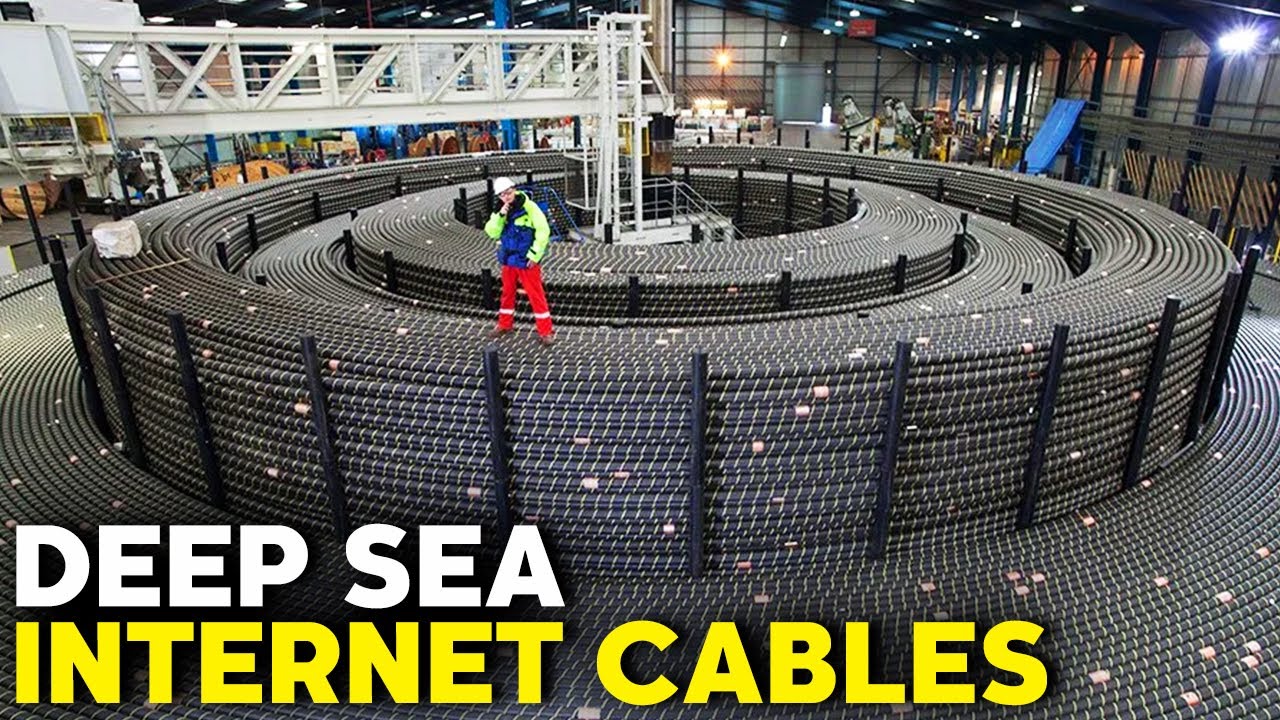
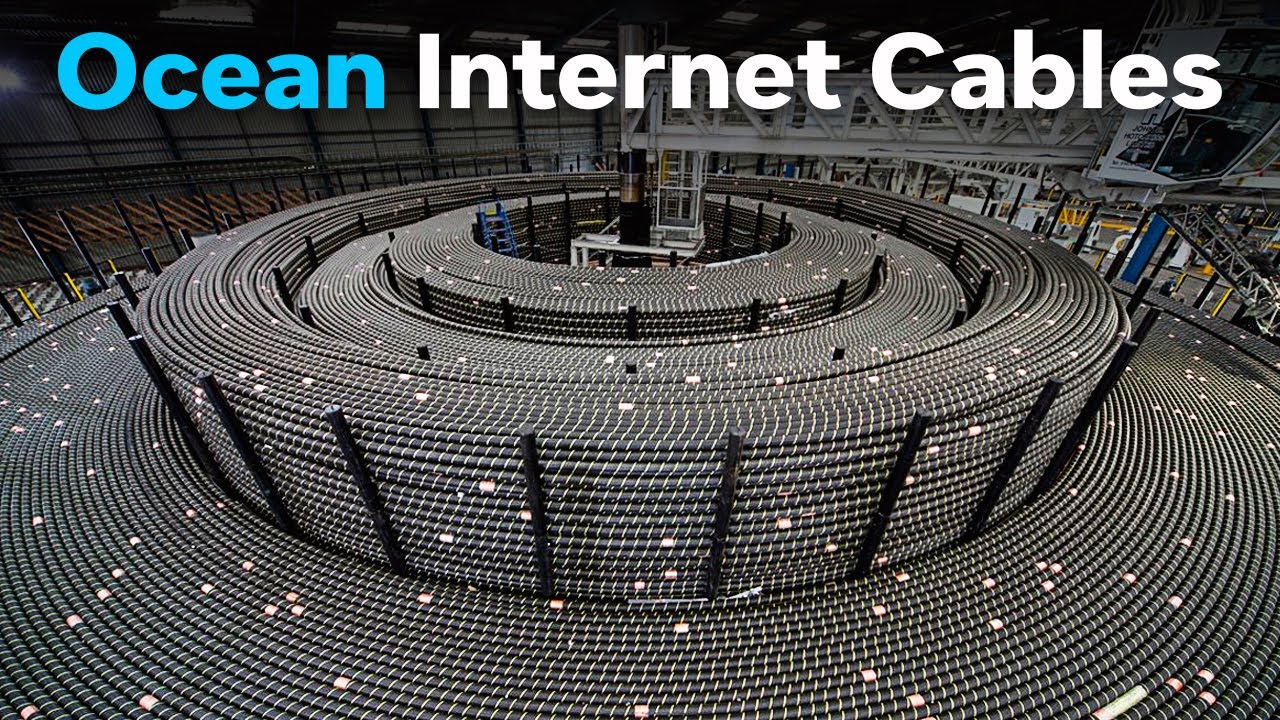
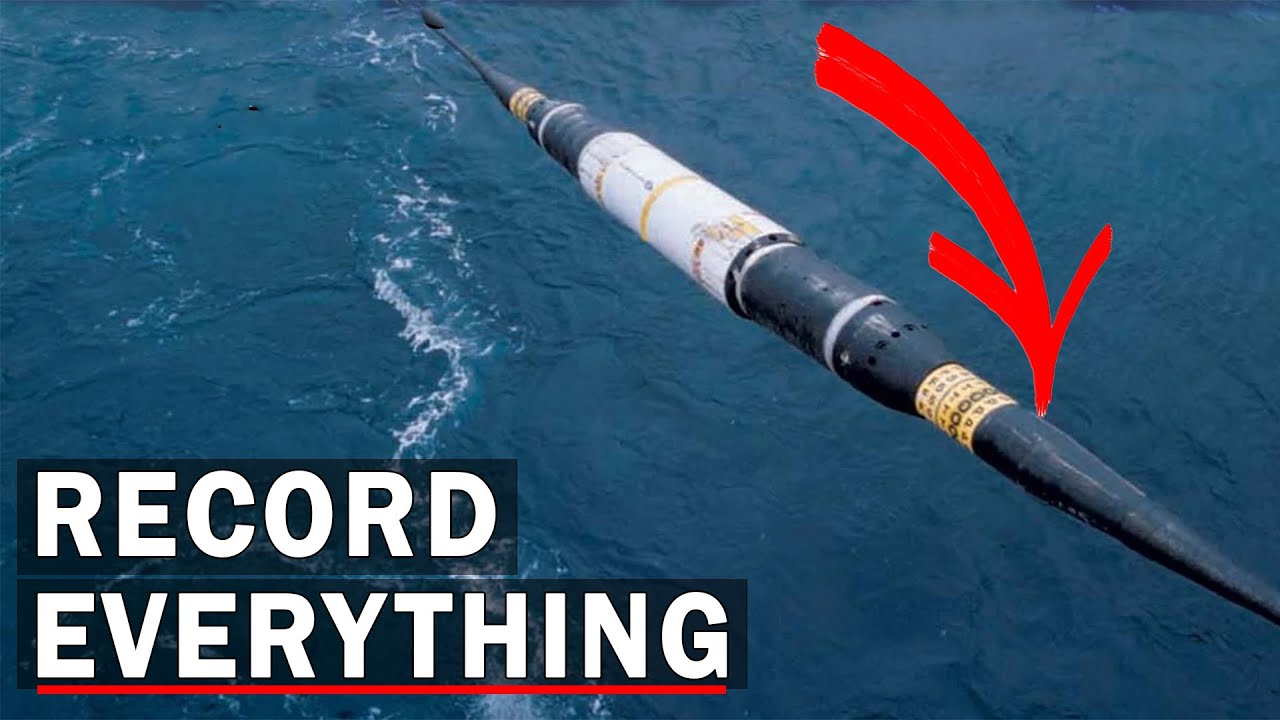
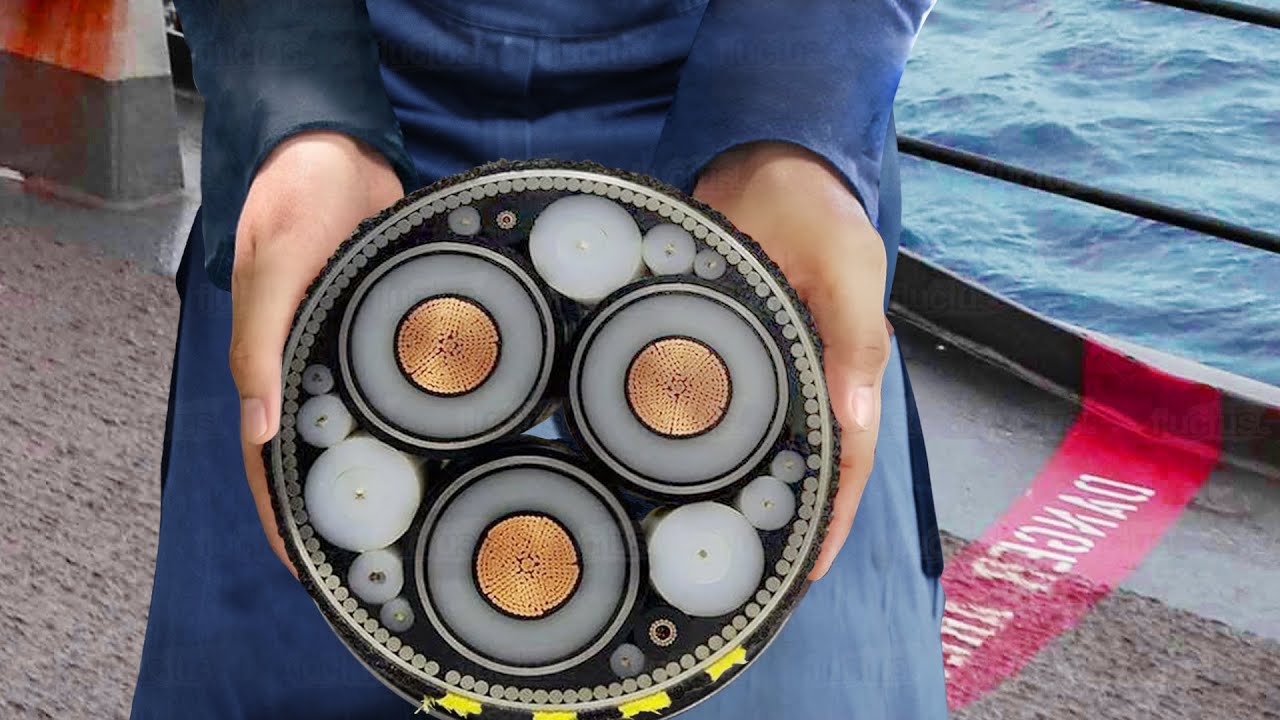
just becomes impossible to recover that signal but that signal is now absolutely indistinguishable from noise the undersea cables basically started out with copper cables now it's basically the size of a garden hose without armor so on top of our fiber-optic core there are some armored wires to add strength and then on top of that is a copper path which allows us to power our repeaters and amplifiers on top of that you have a protective coating so that you don't have electrical short to the ocean there is no adverse environmental impact from submarine cables they are
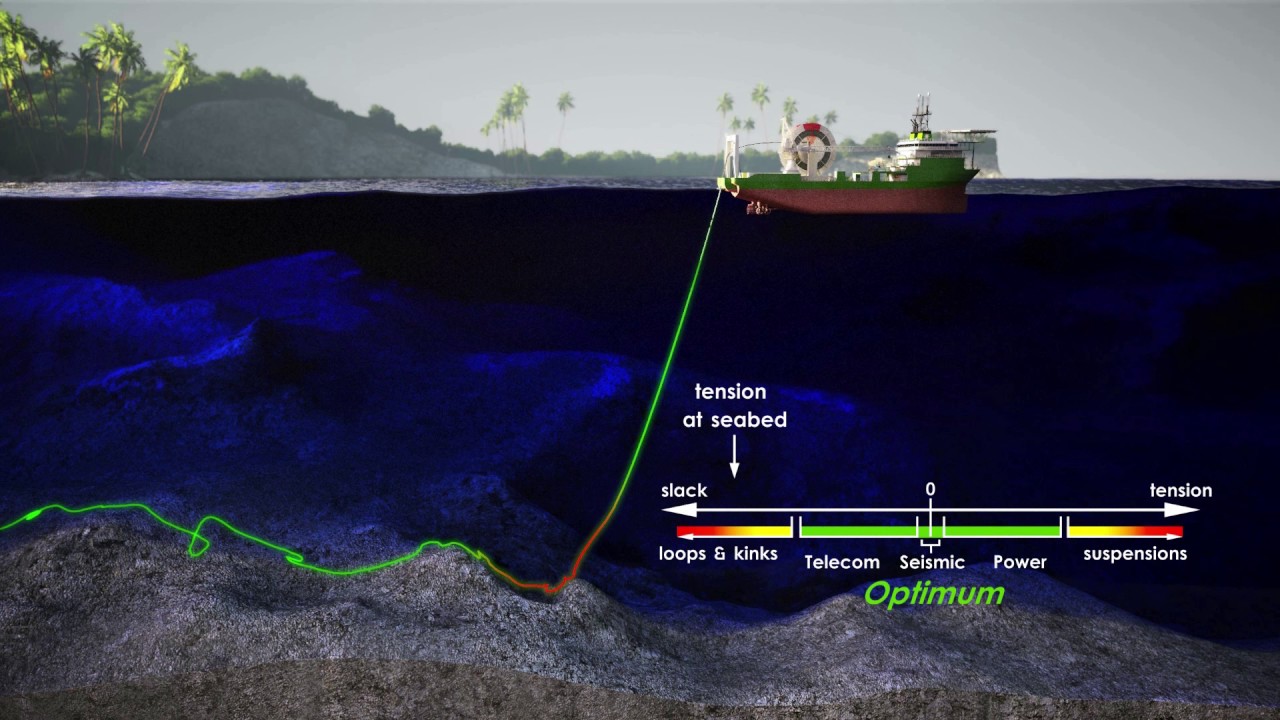
made of completely inert materials that do no harm to the flora the fauna of the oceans there is a short period of disruption during the time of installation or repair but nature covers it very very quickly so we're on board the sub-continent doraville in the distance you can see the cable Factory and that long structure coming down to the ship is called the High Line that conveys the cable from the storage area in the factory onto the cable tip pieces of the manufacturing process are automated and the actual deployment of the cable into the ocean
is automated as well the loading part is the most manual part of the project [Applause] no new cable has landed in Chile for over 15 years so there was not a lot of experience within the government of how to process all the necessary permits or which permits were needed for winding the cables we set up a workshop with some of the local authorities to really inform them about why this was important for the country what were the benefits what were the risks we really wanted them to to feel like they were part of this process
and they were installing a base here and the servers are now connecting the cable is a physical and very material demonstration of trust in the capabilities that our country has been chosen for this it means that we are advancing in the right direction [Music]