It went up 600% just because of a Mania you everybody's everybody's neighbor is doing it and so they're missing the boat and more and more people pile on till the last person buys it it was never my thinking that made the money it was my sitting and so in this one concise sentence he gets down this this concept that the way real money is made Market is by staying with a position that's good for the long [Music] term hello everybody this is Anthony for investors underground and welcome to episode one of the Traders journey in
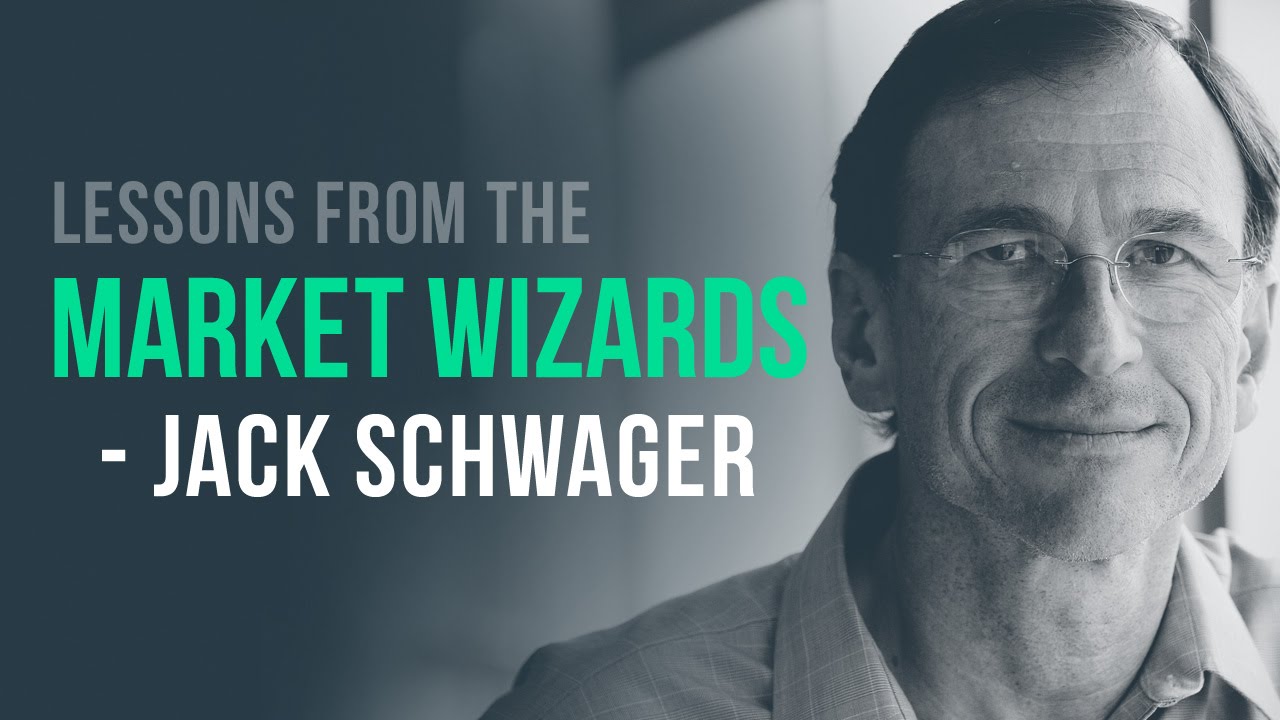
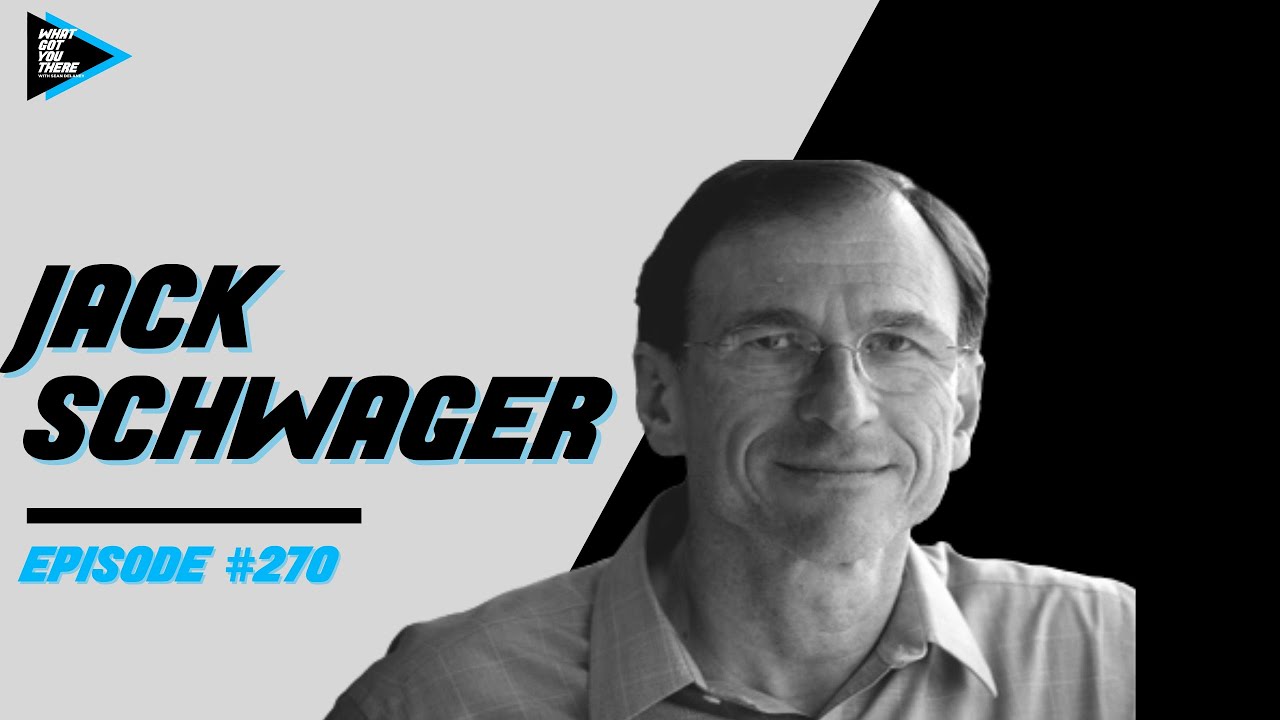
this episode I wanted to kick things off by speaking with someone who's played a role in each of our trading lives either directly or indirectly he's a Trader and author of the trading Classic series Market Wizards I'll be speaking with none other than Jack schwager Jack first got his start as a book author in 1984 With the release of a complete guy to the futures markets but in 1989 Jack caught the attention of Traders and investors everywhere with the release of Market Wizards which offered unprecedented access to the minds and strategies of successful traders that
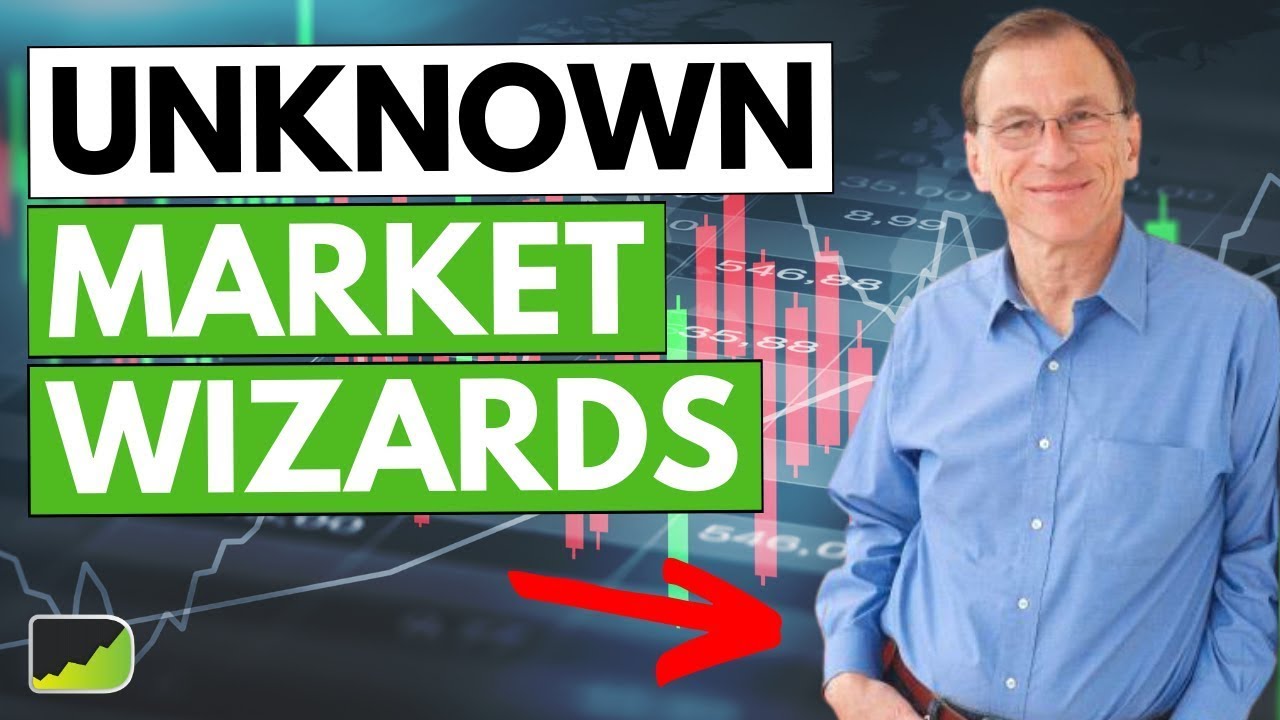
book was followed up in 1992 with the new market Wizards again in 2001 with stock market Wizards hedge fund Market Wizards in 2012 and in 2020 he released unknown Market Wizards the best Traders You've never heard of an update to that book released in November of 2023 includes an update of all the interviews and an exclusive interview with Jack schwager Jack has also written about the market in his 2013 book Market sense and nonsense today I'll get a chance to talk to Jack about all of those books that he's written his overall views on the
markets lessons he's learned from Top Traders and so much more Hello Jack thank you for being here and taking the Time to speak with me today sure thanks for the Jack I know you've asked a lot of successful Traders about their lives and how they got started and that's exactly where I wanted to speak with you and start so how did you first get interested to in the stock market and what was sort of the Allure to trading or Investing For You in the markets my interest in whole entry was accidental and sort of a
demonstration that so much of our lives are really a a product of Of luck fate whatever you want to call it you know aside of our skills or lack of skills but uh and success I think is really a combination you do have to have some Fortune as well um so in my case uh I I was had no real interest in markets you know growing up per se n particular and I graduated with an economics degree was just looking drob and it so happened that the job I I landed in was was a market
analyst for uh Commodities that you know that's Really Futures are better at name for but was then it was called Commodities and uh so I was hard as an analyst and that that gave me an intro to markets via Futures and really futures was my my main career and then over time eventually also uh as I started writing the other books uh began getting exposed and involved with stocks as well because a lot of Traders I interviewed probably the majority were were stock Traders rather than Futures Traders but that's that that's how I got into
the business was it anything particular about the Futures Market uh that sort of kept your interest or did you sort of Branch out into stocks and other types of markets no I I I particularly like Futures because via Futures you really have the entire world I mean especially as when I got into the business it was mainly literally Commodities but in the late 70s and then early 80s more and More broad markets were introduced so you had the introduction of stock index Futures currency Futures interest rate Futures and in fact those those sectors now now
which are the financial sector uh are probably 2third or more of of old trading the the old Commodities is more of a minor thing but through Futures you really have exposure to all markets and uh I like that I like the fact that Futures is really symmetrical in that stocks everybody's long not everybody But the vast majority of Traders or or investors are long and you have a small short short contingent but it's by no means balanced of course uh and there's a reason for that stocks you basically have a secular uptrend over time and
uh you have the open-ended risk of being short but in Futures there's really no bias between being long and short and by definition there's always an equal number of Longs and shorts so I'd like that aspect of you not have to it wasn't A matter of just deciding what to be in but what direction to be it you know long or short What attracted you to the markets was it this idea of making money was it the intellectual pursuit of it all was it both none of those things what was it no I mean I
I like the aspect that there was no uh there's no definition of no cookbook definition of what to do so I I I always wanted a job which was variable you know wasn't doing the same thing over and over and by and Being in a markets by definition you know it's not you're always doing it's always different markets are always changing and I like the fact that you have to find your own way you have to do your own analysis um so that aspect of it is what I what I found intriguing did you have
any eye-opening realizations at the start of your trading that maybe you didn't know until you sort of got more in tune with what the the Market's actually doing I don't find eye opening but uh just that it wasn't it wasn't you you couldn't just do something and develop something and it would just be ecstatic forever nor would could you be sure anything's going to be right you're going to be wrong a lot and uh it's a difficult puzzle and U um I guess just maybe eye opening is that it it's not easy it's a difficult
thing to to get it right and and trading is even more you know getting the direction Right is one thing trading successfully is is a measure more difficult how would you define sort of your trading style and how has that maybe changed over the years first I should say I don't consider myself a Trader predominantly it's always been you know it's always been an adjunct in fact when I my first job we weren't even supposed to allow to trade although I did trade and the story of that is in in Mar in the first chapter
of Market Wizards having said That my own approach changed completely over years so I came into it with a graduate degree in economics and therefore automatically biased the fundamentals and uh dismissive of technicals you know as being just some you know nonsense or whatever you know that just a natural bias of view and uh sort of over time uh and we can go into if you want but I found for me fundamentals actually didn't work and technicals were chart analysis worked Much better and it really has to do uh in my case it had more
to do with the fact that I once I learned that risk management was the essential element to trading technical analysis really it really goes very well with risk management because for most approaches and technical analysis uh if the market goes against you it violates the reason you're in the trade to begin with so it's easy to be consistent with money management and your and your Initial trading opinion but in fundamental analysis if you say we'll take a stock example you know say hey this stock is underpriced at 50 bucks it should be should be 100
and nothing changes fundamentally and the stock goes down to to 40 well then it's an even better buy you should should buy more and if it goes to 30 you should buy even more so and a fundamental approach the more it goes against you borrowing there's a visible change in fun Fundamentals the more it goes against you the more the logic is you should put you should buy even more so it's exact anthesis of risk management uh so that's why I think fundamental analysis is is difficult to combine with risk management but I by no
means mean to say that fundamental analysis is isn't valid or isn't a successful approach for those who it works for but for me it didn't work sort of as a general sort of Philosophy and outlook on the market I know you sort of pitch this idea and posit this idea of the deficient Market hypothesis you know as an alternative to what many sort of consider as efficient market uh hypothesis can you talk a little bit about that and sort of how you came to that conclusion and how you approach markets sure I came to conclusion
through experience but the the idea of the efficient market hypothesis simplify it and to just Paraphrase it is basically the market always right everything's always priced in into the market and uh and therefore you really can't get ahead because uh anytime anything changes it gets price in the market and I think any any person who's has open eyes and is invol the markets will see there's many many situations where the price is not right you know just by you know you take it I mean just recent examples uh gam takes like GameStop right no way
that stock Should have you the fact that the mark the stock at one point went to 500 doesn't mean that it was right in the market it was completely absurd it was just you know complete human emotion and had no bearing whatsoever to the stocks value now you know currently something like djt same thing I mean the stock really no way it should be worth more than single digits and probably all single digits and eventually it's going to end up there but but in the meantime You first day of trading it goes to 70 does
does that mean that that the price was right so so I think the whole concept that the market is always right is wrong and P and things get absurdly priced and that like so you so um that that's how the markets are non-efficient they're non-efficient because human emotions can have a very large impact now the the markets in Broad sense act like they're efficient because they're difficult to beat but uh the fact that They're difficult to beat doesn't mean that they're efficient it it's you know it it's a flaw in in logic to look at
it that way okay thank you yeah I I think that makes sense in a lot of Traders especially those who are on the opposite side of some of those short squeezes definitely you know feel the same way it's not a matter of the stock is inherently worth more and that's why they're losing it's more a matter of too many people may be stuck in a position And and getting squeezed out as we saw so many times in in a number of stocks over the years that's and that's why you get the bigs up up and
down famous example would be like the internet stocks at the late 90s into 2000 you had a year and a half where the internet stocks go up 600% and the index and then in 17 months the same period they go all the way back down again and I defy anybody to go back and find the developments that would Explain why it went up 600% and the developments why it went down 600 it went up 600% just because of a Mania you everybody's everybody's neighbor is doing it and so they're missing the boat and more and
more people pile on till the last person buys it and then you know the Music Stops and it goes all the way back down again that's the explanation it's not that the market was eff the market was inefficient really all you know going through those Extremes and well going down you can argue it's sufficient because it's correcting to a a valid level is there anything you think Traders should keep in mind or even investors you know in trying to pick an entry or an exit position and keeping sort of in mind this idea that the
market isn't always efficient well it's just merely the main point is simply that it is if the markets are not efficient then theoretically it's possible to beat the Markets I mean that's really the key Point whether you're interested in testing out some new proprietary trading tools or simply networking with other experienced Traders investors underr has something to offer Traders on their trading Journey you'll have access to courses and mentors to learn from some of the best technology available for scanning stocks and breaking news and access to the chat rooms we'll find a Vibrant Community of
focused traders who Share their trade ideas in real time each day IU members also have access to the morning broadcast where Nate and IU moderators share their trade ideas for the day ahead during the pre-market session members have access access to the midday study sessions with Stan the midweek study sessions with Sam webinars moderator watch lists and all the other resources that investors underground has to offer listeners of the Traders Journey can access special deals for Membership available at investors underground.com journey and now back to our episode with Market Wizards author Jack schagger can you
talk a little bit about what it was like to write that first book about Futures and what sort of the origin was for that I had been in the business for about 10 years at that point and I didn't think there was actually a good good broad General book on Futures so I took a sub the right one and it was Simply a matter I thought I could write the best book on Futures at that time you know so so that was my go that was my goal was simply it wasn't to make money I
should be clear because you know writing a book an analytical book of that type uh has limited potential and and there's a whole section in that book which is uh statistical in nature and I Knew by putting that whole section and that was an enormous amount of work I Knew by putting that that section in it Would decrease sales you know I think there's a I don't know if anybody said it or was just my own thought but I think the sales of a book are inversely proportional to the number of formulas in it so
um so I wasn't trying to make money was simply trying to write the best book and people and you know I said people you know I think in the book I said you can chip this you can skip this section if you know if you're not interested in that but um that was my Goal and it was difficult because this was prep PC PCS existed in their infancy but you know I didn't I wasn't using it so everything uh everything had to be done by hand so charts you know do by hand uh you know
any any statistics I was doing I was doing multiple aggression I would had a calculator I was actually doing these things by hand so everything took a long time plus the writing and it's a long book it's like almost 800 pages and um so it it took a Tremendous amount to work because it was all manual and um and I and you know that's it was I could never do it again I mean I just had the energy and the focus to do it at that point what was the reception like for that book from
your point of view oh it did fine I mean for that type of book it did well and in fact uh it ended up being kind of maybe the best if there was a financial reward to that book the best thing was that it was the trigger For my writing Market Wizards because I had the market Wizards idea but I was a you know at the time a research director which was a more than full-time job and I just didn't have time I I really didn't have the time but I got approached to do more
an analytical books and I told them I told the you know the publisher or the editor um I had no interest but this by another editor another house and I told him I was I wasn't interested but if I ever Didn't another a book I said it was I told them Market Wizard's idea I had and he said fine do that and he was the Catalyst of that no push okay I did it so that was a nights and weekend type of thing uh and while I was riding it there was a really intense cuz
full-time job plus the book um but that's that's how that that's that's how that book came about if you had to maybe amend or write another chapter to that book which as you've said is a is a long book you know What would you write about would it be about the change in Futures markets over the the years would it be about something else be there I did update the book in 2017 so there is an updated version and the updated version is probably is is shorter actually than the original version and I actually took
some stuff out um and I the really basically there wasn't I didn't cover new topics that I Didn't cover in the old book really um course things that changed didn't really change the analysis so uh what changed I mean went to electronic trading big change but that didn't change the analysis uh the whole computerization thing big change but the the the um discussion of fundamental analysis and technical analysis in that original book is was still valid it didn't didn't change that so the big changes we had in the markets didn't really change the the Analytical
solidity of the original book you mentioned Market Wizards the series that I'm assuming most people know you by can you talk a little bit about what it was like to write that very first book Market Wizards and you know did you ever think that it was going to be as popular as it eventually became yeah so first of all that was a more fun book to do which I knew it would be which is the reason I didn't want to do you know another analytical Book I wanted to do a more General audience book so
that was more of a it was actually an idea that appealed to me because I wanted to do it uh sort of the you know going having an excuse to go around the country and interview some of the world's best Traders um and and writing about the experience of doing that and writing up the actual interviews writing up the insights gained from those interviews uh so that was kind of a it was a fun project to do In that sense um did I ever think it was going to be as successful well I wrote it
with the intention that and I I still remember this clearly in my mind when I wrote Market Wizards there was a book that I had in mind called reminiscence of of a stock operator which is a famous book written in the 1920s uh where the protagonist is Jesse Livermore presumably uh the writer was not Jesse Livermore people back when I read it some people thought that it was A student of Jesse limore it wasn't uh Edwin leev was actually a journalist who wrote a number of financial books um so I had that book in mind
and what I what I understood was when I read it I said gee you know and this was written in the 20s when there were bucket shops and all these things that are no were no longer relevant but the essence of the book and the lessons in there were totally relevant I was struck by how much sense those a lot of those uh a lot of his Thoughts still made in the markets and I said I'm reading this book 60 70 years after it's written and it still resonates so when in my in my mind
uh when writing Market wizes I was trying to to shoot for for timelessness uh you know to this should be something that that somebody could read 60 to 70 years now did I think did I think yeah this is going to be red I don't really didn't think that necessarily or know it but that's what I was I was shooting for a Book that had that quality um and of course once it came out and it did well but the initial you think okay well hopefully it'll last but once you get to 10 20 I
guess what is it 30 years or more now so at that point you if a book lasts that long it's going to be around so uh absolutely it still is highly relevant today were there anything or anything that you learned uh from you know reminisces that sort of appeal to you in terms of selecting what might be Timeless you know what makes something Timeless is it just the markets itself is it the human story there is it a combination of all of those it's the insights about trading and there's lots of you know I read
the book quite a while ago I should say also I on his 75th Anniversary I actually wrote I wrote the preface for the pre for the I was asked to write the preface for the 75th Edition and I went back and did some research and actually spoke to his Grand the Ed ever's grandson who was in his 80s at the time and but um anyway so what's so there was things like uh he's talking about some positions he had and he talks about how he had one position let's say call a cotton I Market say
where which just making money another weat that was losing money and uh and uh he ended up getting out of the one that was making money and holding the one that you losing losing money just talking about how that was you know one Of the dumbest decisions he could make you know so things of things like that which which still yes you really it still applies it doesn't change and applies now too uh we're talking about um the need uh need for patients in trading uh he says uh something along the line I'm paraphrasing it
was never my thinking that made the money it was my sitting and so in this one concise sentence he gets down this this concept that the way real money is made Market Is by staying with a position that's good for the long term um or to allow it to through inter to rition so there's you know tons of insights like that and it's those trading insights that I found personally um meaningful and and I guess were the type of things I was looking to draw out from the Traders I interviewed as well about the traders
that you decided to interview you know you weren't living in the times necessarily of Google and YouTube where you could Much more easily research who might be a good fit how did you find the people how did you decide who you wanted wanted to talk to and what was your preparation like okay so first how I found the people I I one reason I had the idea of Market rizes is because I had the advantage of knowing some really good Traders um or or people who ended up in the book are great traitors and uh
so that gave me a leg up I knew some and I knew them Like Michael Marcus I talked my first job being a research analyst Michael Marcus was was clearing I was taking his position he was leaving to become a Trader and uh we spoke a little bit my first day when I came in he was leaving and then we kept in touch while he was in New York we had lunch you know every a number of weeks and so I knew him personally and uh then I knew through him Michael Marcus hired Bruce Governor
uh of of kton you know so um and so I Knew Bruce directly for Michael and you know other Traders a couple other trainers the same way uh and then I uh how do I find some other and uh just by word of mouth I guess for for most of the other Traders and from the Traders Traders I interviewed I asked them who they knew who I should talk to and um and and some people had some very few had public visibility uh but uh of the ones that did you know I knew just from
even Though we didn't have Google we didn't have the internet per se but I I knew of them um you know so people like um well well Jim Rogers you know with uh who originally was George service's partner and then went off to be his own investor but I knew I knew him you know however you know through media and uh Somebody Like Richard Dennis was just so famous you know having turned you know a sub $1,000 account into 200 million so anybody in F just knew Richard nness and So you know some people I
knew through that way so my prefer ation I really didn't do much preparation I knew you know a bit about the background of trainers in a little bit but um I didn't do much preparation nor do I ever do much preparation deliberately other than no I mean I I get the numbers of you know the say trading history I know that and um uh and and the first marked Wizards book I made index cards with a stack of questions and I which I Intended to flip through but what I naturally Evol to doing was not
not using those cards directly and just having a conversation and that worked so well um that I just continued that process so it I wanted to let the conversation go where it went and uh take the tangents where they LED and only at the very end we were all finished whenever the interview was finally over um would I say well uh look I got some questions I want to make sure I hit all of them and I flipped through the NX cards in most cases I had hit the I hit the questions anyway and every
now and then there were a couple of questions but usually not much came of that so uh there really wasn't a lot of preparation the work the work for the market wises books is not in the interview process neither the neither the pre neither the preparation nor the interview itself the work is really in taking those sometimes voluminous Interviews and boiling them down into readable chapters yeah that's that's a great point then every single one of the interviews that you do there's something very unique about every one of the people and I always wondered if
that was you know part of your choosing you know what to edit down and to pair it all down and make it manageable and memorable you know how much work goes into that sort of editing in deciding what you know tangents you don't want to Leave in I would say it's two to three% the indiv you 90 you know 97 98% is the editing well editing and I would also there are sections which are not which are which are you know my own writing so uh the the interview sections themselves probably are three quarters of
the book and there are introduction sections and summary sections and other chapters and uh those are also included in that you know 97% um and they come out different part I think a big thing is because the people I'm interviewing everybody's a different character so that's and I'm trying to capture their character so so that's probably one reason I'm also looking for anything that I find interesting and so everybody's own stories to what I find interesting presumably readers find interesting since the books have sold so uh is is those individual stories which vary from Trader
to Traer are there any Particular Trad that come to mind in terms of just shocking you in the way that they approached the market or trading itself or was everybody sort of similar enough no well you know no they're they're similar there's certainly common a lot of commonalities and there's a lot of similarity when it comes to stuff like Risk Management in that almost all the Traders think it's you know critical and a lot of the approaches they use may have overlapped So there there's where the similarity are and the approaches can very be very
very different are very different but ask me somebody shocked me to just would anybody ask me if I get anything like that of a question there's always one Traer I think of immediately and is a fellow called Jimmy badinas who was a prop Trader uh in New York and I here here's a Trader I found because my son out of college got a his first job was as an intern a training intern and he Got uh uh he was given to jimy badmus as the as an assistant so at sometime he' had been working at
The Firm for a bit and he said dad you wouldn't believe this Trader work before and he told me a bit about him so uh I was at the time I was good writing another book so I think hey you know it's a it be a good interview now Jimmy madus is just I think the uh phrase uh the first one of that chapter I believe is jibb baladas breaks all the rules or Something along the deadlines and he does and my first line of the summary section is don't try this at home paraphrasing you
know um and I totally believe that anybody reading that chapter who tries to do what he does will go broke you know think the odds are probably 99.9% they'll they'll go broke uh but Jimmy balus was s very successful and is a approach was always fighting the market always counter to the main Trend Uh no specific risk management that I could discern other than diversification and um like I say uh if if I had just talked to him without knowing that he had done this for quite a while successfully I would I would take the
BET to help blow up but he you know he had done quite well for a long time was one of the best Traders at the firm so maybe the best I don't know um and just some listeners will be curious how the hell did he was he so successful Always betting against the main Trend and uh and not using any risk management uh well it's he was phenomenally talented in in uh trading against this position so part of his philosophy besides go always wanting the everybody was uh that was his nature was um to constantly
be taking money off the table so he go a short a stock at at 80 and it go down to 79 he take you know he take half of it off and then you know and then it'd go up to 80 one he put more You know he' go short again and but he was constantly taking these these small profits so even when the trend kept on going and he would didn't get the the stop uh the spot anywhere near where the where this thing eventually top uh he would still pull enough money out that
sometimes completely broke even or sometimes at least moderated the damage um and so that was that's that's why he was okay and of course when the markets a lot of the markets he did do Did eventually go his Direction and then he got that first wave down and and then and he made money on that so uh but you know nobody could pull almost nobody could pull that offense that's a trade that surprised me even having risk management in check you can go against the market to certain degrees as long as you've got the other
parts of your your training strategy taken care of you know I I don't is that about accurate he was skilled enough Just pulling money off it the ironic thing I did it's in the interview I said to him Jimmy you know why don't you do the exact same thing you're doing but do it with the trend you know just take money off the table but with the TR and he would have done I think he but he he couldn't do that it's against his nature he had to be fighting the market yeah yeah it goes
sort of just to to the idea that our personalities tend to make themselves known in the market that's Critical see so he was successful because he was doing a an approach that fit his personality and what I was suggesting to him was perfectly logical it made total sense but it wouldn't have worked because it didn't fit his personality and that's a really important point it's one of the key things to be successful in the markets is to find an approach that fits your personnal that's why you can't just learn it off somebody Else yeah great
point it to be able to be individual enough to know what works for you who you are and to follow that instead of trying to follow someone else's strategy Michael Marcus had a line uh he said you can take two great Traders um and put them together and you'll get the worst of each you know the idea of listening to and he was thinking of he didn't say it but I knew he was talking about himself and cner two great Traders but his point was each One of them had to do what was what what
was right for them and he said basically you have to follow your own right which is a good line it's a it's good advice in terms of risk management just on that topic which is a huge one that we could probably do a whole EP episode on I'm sure but on risk management was there anybody's risk management that you think was just very comprehensive and you think sort of like best in class or was everybody's risk management at that Level you just had to be you know top of your game actually risk manager is one
of those things that people feel is much more complicated than really is uh there've been books written about risk management entire books but the the fact is you can get 99% of risk management on one page down to one page and you can probably get most of it down to one paragraph and in fact you can get a good deal of it with just one sentence and I think of one of Bruce Ker's line he said I always know where I'm going to get out before I get in and that one if you follow that
and I Do by the way I do I put on if I put on a trade uh a trade is is is accompanied by a stop all the time you know so I decide where I'm going to be out you know part of the deciding if they go into a trade is where is the trade going to get stopped out if I'm wrong so that's it's part of the same it's part of it's integral it's it's they're connected so but if you do that You've achieved a great amount you know the vast P portion of
risk management because you before you go in you've already determined the maximum risk you're going to take Bing the market gapping you know let's say if we had ear if you're going through earnings towards the markting G you know but if you avoid situations where you can have large gaps uh that pretty much defines the maximum risk of what you're loseing that you trade so that's that's a key essential Part and it's not difficult the other idea as I said you know like what Peter Grant does or a lot of other Traders mentioned Larry hey
in the first book saying about never risking more than 1% similar idea um it's it if you do that uh if each trade is limited in the amount you're risking you're you know the the Covenant line is how you can do that and the the idea at its core is you don't risk more than a small percent and that allows you to be wrong A lot of Times and still be in the game um and then uh you know not not having a lot of positions on that are all identic similar because then your risk
is greater than than your you know than than you're allowing I mean if you have a bunch of oil stocks on well they're all going to go up and down together right so that type of thing so you have to allow for that there's some other nuances but those simple ideas really capture capture most of risk manager Risk management you could boil it down I think in reality actually the practice of of keeping a risk management why is it so hard you think for people to do because it fights human uh human uh emotions and
in our internal instincts as as humans so think about it uh risk management basically means that you're going to get out of the loss people don't like getting out of the loss because it means they're admitting they're wrong and it's eviscerating any Possibility or any hope of things coming back so as long as people stay in a position they can always say well maybe it'll bounce back you know or maybe tomorrow maybe this is the bottom or they can keep on rationalizing all the way down um so so that's one that's the main reason why
people fail to do it is because it's admitting that they're wrong which is counter to human nature and human ego and uh it's also wiping out any hope of Recovery which which again you know is is part of human nature yeah and were there any particular unique strategies or ways of thinking that the market Wizards that you've interviewed counteracted that human emotion was there anything unique that they were they were doing that youve found you know um besides just you know maybe yeah get out of the position was there anything in particular that you found
that that they were doing did they Have sort of a way to think about maybe celebrating this might be a strong word but their loss is but being able to walk away from A Loss in a way that just the average Trader couldn't yeah so I think part of that is internal I remember like in part of the character so I remember like Paul Tutto Jones talking about his mentor which is Eli tulis who's a cent trator I believe it was Eli TS and he he talks he gives us tells a story about where Tas
had lost a lot of money had a Horrible day lost lot ofone had some visitors and he go as pleasant could be and you couldn't you couldn't know anything was wrong you know and it's like and he he he told that story with admiration that this is this is an ideal this is the way you should be but not everybody can do that so like I say part of it is that internal character to deal with it that way that you can just absorb it uh it's also an attitude of you know having enough confidence
that You're going to come out ahead in the long in the long run that you can view any short-term uh setbacks as just setbacks and and not not let it really get you down um so it's not something that you know a lot of people can do I don't think I'm good at that myself um but you can force yourself into It by Say by by putting in by following covor by call Governor's DIC them sort of you know the signing where you get out before you get in so even if you don't Have the
emotional makeup to do it you've kind of pre forced that unless you go in and cancel your stop order you know which some people do and that's a particular you know failure of risk management and I wanted to talk a little bit about resilience because there have been a number of of the interviews that I read where you know a Trader may have stopped trading so much or they say that they're you know they lost a huge amount of their account and they kind of step Away for a little bit um can you talk a
little bit about what you found in terms of the market Wizards being resilient and continuing to either push on even though they might you know take a step back but still going can you talk a little bit about what you've found in terms of that sort of characteristic in in those successful Traders so for resilience is is really one of me is a critical character trait that for a lot of these people and nobody probably Illustrates that that better than Mark Mark Michael Marcus where in that chapter I kind of go through like he blew
up multiple times and in horrendous ways and and just still kept on going so um you know what I draw two conclusions out of that one being that preliminary failure is not necessarily indication that you'll be a long-term failure and secondly that this confidence to keep on going this ability to keep on going is an essential to eventually succeed and That's true of a lot of people probably not only in trading but in in lots of endeavors where there were initial failures and then ultimate success so resilience is is an important trait uh one of
the things I've been wanting to ask you chck is whether there have been any interviews uh you know particularly of the the good informational kind that after you had the interview you were asked to not publish it I don't need any names but were you know were there any Do you think it was for the best that the general world didn't get to hear that interview or were there any of those interiew inters that you think should have been published because they were great again don't need names but yeah yeah there were there were a
couple of interviews where that happened and I should explain that part of my process is I tell the Traders I interview I will send you the final draft you know before it's published and if there's anything That's wrong you know you can have chance to correct it if there's anything you disagree with um you know you can suggest how to change and you know as long as you know we'll you we'll come to some sort of thing that we're both comfortable with or or else leave it out whatever so I I do that so they're
could to be less in inhibited because it's a difficult thing a lot of these people have know a lot of these people don't manage money and have no reason to to You know to be doing interview really there's different motives but whatever so uh I I don't want them to be self-censoring or want to limit that as much as possible so I kind of and sometimes people even ask me to sign sign a sign a onepage contract saying that I'll do this and that's happened too but I do it so a couple of times that
happened where the trader said um you know you can't use the interview and uh I mean there's one case uh I give you One example uh it was a Trader who the interview is very very eclectic so it got into different things like uh Zen and trading and dreams and trading you know uh just you know a lot of these all offbeat topics and um the interview was interesting and you know I wrote it up I sent it to him and I get a call back a week later and he says BR the interview you
know it's it's very nice you know but I felt there was a butt coming and the butt was I couldn't use it so why Could I use it well this fellow was a currency Trader and he decided to also go into get being a you know advising um corporations on hedging currencies and he had hired a business manager the business manager read read my interview saw all the stuff of dreams and trading and Zen and trading or whatever now was not the corporate image he said no way and the trader said no way so I
said hey just let me use just this one piece here where which I really think is so good Just let me just use this one page or two and I'll call you Trader X so which any agreed and that's in it's in the I think second Market Wizards book uh New Market Wizards and it goes something like this he said do you ever read Zen In The Art of archery and I say semi factiously I'm I'm afraid I missed that one and he said no no I'm being very very serious he said in in trading
just like an archery he says and I'll quote him word for word Whenever uh whenever there's any uh effort struggling straining or trying it's uh it's wrong and uh that was and that goes to the heart of when people hit these hard periods sort of when things are not going right um You just can't work harder to make it right his point was good trading has to be effortless and um I mean that doesn't mean that trading process or trading preparation doesn't require a lot of effort but the actual Act of trading should should be
effortless and if if there is that effort and struggling and trying and straining then something's wrong and so that was an example of a chapter I couldn't use we at least pulled out so the the page and the other interview I don't remember that much in detail whether there were critical things in it but over it hasn't happened much it just happened a couple of times I wanted to talk a little bit as well about fun Seater a platform that you're working on now can you talk a little bit about you know what your efforts
are there and how that you know trying to match investors with managers and Traders um you know sort of upends kind of the standard or traditional um methods that exist sure the concept of fun I should say was my idea was it was a CEO Emanuel bolari who asked me you know told me I didn't wanted me to join him but uh the idea is simply that the the believe that there's A lot of Traders out there that nobody knows actually unnown Mark Wes is somewhat connected to this and uh and uh are you know
very good and will'll never have a chance to manage any money even if they want to because they don't have the pedigree you know they didn't go to they didn't go to Yale you know they whatever they they uh they they they're in some country you know not not a major Western developed country or you know they just don't have the right uh Connections they don't have the background but they can trade okay so this was the premise and so the idea funed was to have a platform where people could get free analytics uh on
their trading all sorts of statistics and charts uh diagnosing their trading um but we would basically get the data of those Traders and they would link their accounts to fundseeder so by linking their accounts we're getting the results from the Broker not from them so you know you're looking at real things not madeup things um in any case that was the basic concept and essentially it's it's true in the fact that there are you know as I thought as manual thought there'd be some small percentage of traders that have exceptional you know uh ability and
some of the Traders from unknown Market wizard inde came off of you know funer connections that's the so the technology side which is the platform of the trader Analytics the investment side is only at its infancy and looking now to be formulated and the idea is there to to form a fund or some investment product or an index where you've had an index based on the traders in the fund and and you're picking the best Trader each up to each point in time and then assuming they get the equal allocation for the next month and
that index has done phenomenally well so uh we we we're just looking for a partner to to you know on The investment side so I'm not my my was basically in in helping structure the original analytics and uh you know sometimes I interview Traders whatever but the uh but I'm not really at the you know I have no function in the actual uh marketing side or or the development side or the investment side when when there an investment product I'll probably have some involvement and maybe you know interview Traders and stuff like that I was
going to ask if there's Any key characteristics that you think make a Trader stand out to potential investors I look at return risk uh predominantly my first filter is um something I call the gain pain ratio which ideally using daily data essentially sums up all the all the returns and divides it by the sum of all the losses and I look at that uh you know I look at that ratio so you know all the returns include WI and losers and then divide that by all the losses And on a daily basis so you basically
any down Bay gets captured and has an impact on the index um on the on the ratio and I like that and I I find that that return risk measure is is very good at highlighting potentially uh Superior Traders a return loan is not good because you can have people be right on one trade or have spectacular returns or whatever for a short per you know for some period and uh you can you can then still be vulnerable to lot of losses and Uh so I that's that's the first line is looking at a return
risk ratio of that type if it's okay I'd love to go through sort of a lightning round set of questions kind of quick questions and pretty quick answers is that okay yeah sure I'll try to give short answers great what would you say is the most important characteristic or maybe top three uh that Traders should be developing if they want to stay successful over a long Period okay so risk management I said and I have to repeat it because it's got to be in adop three uh discipline and flexibility the ability to change your mind
when you're going quickly what parting advice would you give to readers who've read every book every interview uh in terms of taking their trading to the next level got to Define your own style and believe there's an edge and marry it to to risk management and also I would add one more Thing here particularly for early on Traders uh uh I would you start with money I would always start with a small amount of money and decide how much of the account you're willing to lose before you stop trading and let's say you start with
$30,000 and you say if I lose third of it 10 you know 10,000 I stop trading fine that's good so if you do lose 10,000 you've lost 10,000 not the end of the world but you go back to the drawing boards come back and you can Try it again and you're can have lots of shots at that so that's like a really important thing that I think that Traders should do is decide where they GNA stop trading uh if if it starts going against them so they have a chance to come back again what advice
would you give to traders who are doing exceptionally well in 2024 Trader doing exceptionally well in any time is always watch out my own experience is the worst my worst losses Have always come after doing well and I find that's been true for a lot of the trainers that I've interviewed and there's a couple of reasons for that uh one is you know if you're doing really well you tend to you tend to get more complacent and you get sloppier and you start doing stuff that maybe you wouldn't do otherwise so you know it's that's
human nature you going to be care uh so yeah so the advice is you know maintain the same discipline and and Caution for Traders who are struggling in 2024 or anytime for that matter and are considering quitting what advice would you give to them if you're struggling and things are not going right at any point 24 in the time just stop you know take a break now taking a break could be a day a week a month three months it depends you know but when when is it time to come back in when you have
the desire to come back in you need to clear your head and you need To want to trade again and you know that's when those things are are aligned again you can try it again but you need to break the process one question I asked you know a lots of Traders was how do you handle a losing period and the answer always is take a break or otherwise in some cases the answer would be tremendous cut your position side so while you're trading it doesn't mean that much anymore is there one particular interview or book
even that You are especially proud of yeah I I've thought about this question before and not really um I I don't among the all the books I've written I can't say I really you know feel most strongly about the certain ones are like you know the original futur book was probably the the thing that took the most work and is maybe in a sense a big achievement but all the market Wizards books in their own right I think because they've been successful And have resonated with so many people you know I have the same feeling
and a book Market sense Market sense and nonsense uh I personally like because it gave me the chance to to air some of my uh uh my my beefs with the way people look at markets I just want to underscore Market sense and nonsense I I almost finished reading this past weekend and it's exceptional so anybody who thinks that that what Jack does is just all Market Wizards is Is in for an Awakening and I hope they they check out that book it's it's it really is phenomenal thank you very much another question I had
Jack is when you're not focused on the markets or interviews or writing what do you do to sort of step away from the stress of all of that yeah so right now you know my G point in life it's stepping away which is predominant so I I'm I'm out of the phase where I produced all those things and uh I really my my my my days are More leisurely now I'm sort of unless I write another book I'm more retired than not and uh and my typical day depends where I'm at but uh this time
of year my current location you know I kayak in the mornings and so you know it depends a couple years ago I was in Colorado so I'd be you know I'd be hiking or cross country skiing depending on the season so I'm kind of just doing some physical stuff uh basically and then reading and uh yeah and occasionally occasionally do Something but workwise but very limited if you can interview anybody Trader or otherwise throughout history who do you think it would be oh it would be George s Soros because uh um I think one of
the most phenomenal traitors that ever lived and I tried a couple of times to get to get to interview him I never got past this in his circle of people and uh for whatever reason just never you know never gotten him to agree to do do the interview but that that was the one Interview I really wanted to do that I never got to do for those who would like to learn more about you Jack how can they do so in unknown Market Wizards as you mentioned earlier in your introduction the last chapter is a
chapter where I'm interviewed by my son actually and so somebody wanted to know my personal history besides what we've discussed here um you know that's the source and other than that you know fun not about me but funer does have a you Know website obviously fun cater.com and I have my own website but uh but I don't update it and so but it does have just basic information and that's just my name Jack Jack schwager dcom Jack it's been an honor getting to speak with you today thank you so much for speaking with me and
I I hope everybody finds this interview as useful and absolutely fun as as I have well thanks I appreciate it thank you we hope you enjoyed this episode of The Traders Journey podcast we have other content we believe you might also enjoy so don't forget to subscribe you'll be notified of upcoming releases the moment they become available thank you for watching thank you for listening