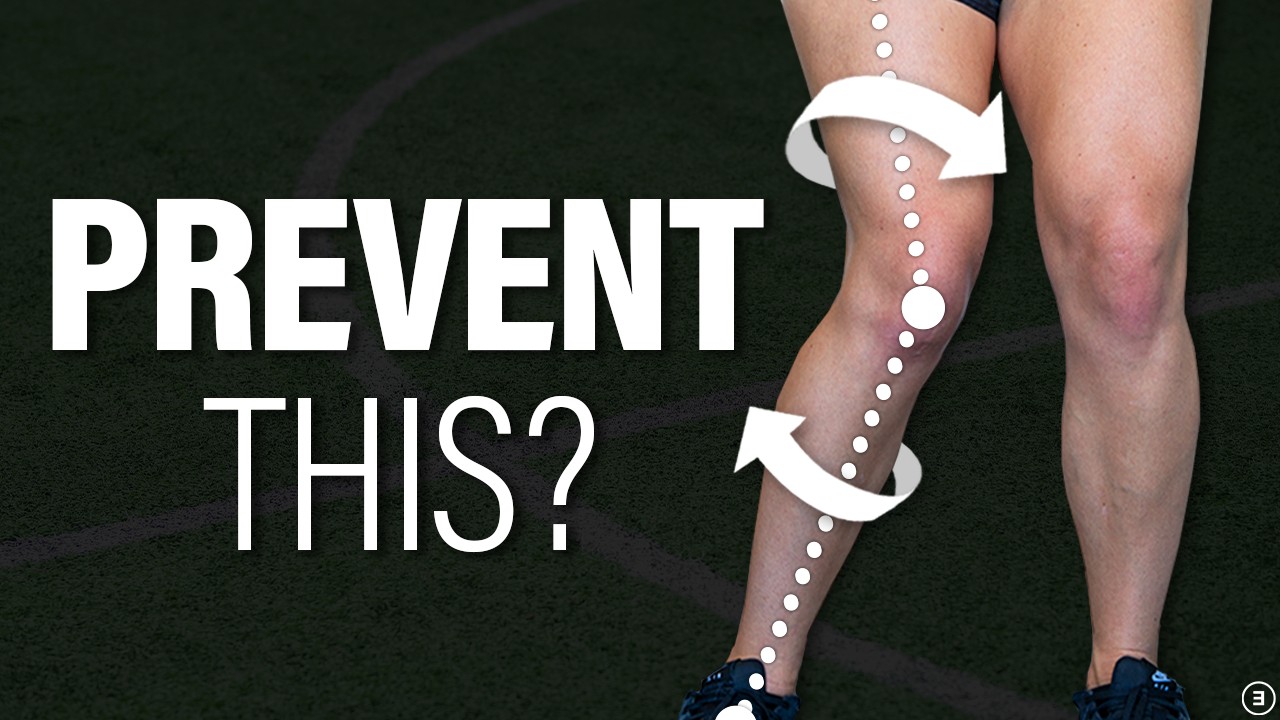
did you know that an ACL injury not only affects your knee but also creates changes in your brain in this video I'm going to tell you what actually changes in your brain after an ACL injury explain how those changes might impact your function or sport performance and show you how to incorporate training the brain into your ACL rehab program let me start by explaining the neuroplastic changes that occur after an ACL injury neuroplasticity is your brain's ability to to adapt and change this happens as a result of new experiences learning new things or in this
case injury if you're sitting down right now chances are you don't have to look at your knee to know that it's bent that's because there are receptors in the joint that send information to your brain about how your joint is positioned this sensation of joint position is called proprioception if you decide to stand up and walk away your brain will take it information about the environment around you like if there are any obstacles in your way and then create a plan to produce the necessary movements using visual input to plan and produce movements is done
by the visual motor system and this all happens automatically without you having to think about it when the anterior cruciate ligament or ACL is injured the messages about proprioception become disrupted as a result the brain starts to rely more heavily on the visual system to tell it information about the knee's positioning since the brain is compensating for this impaired proprioception by increasing its Reliance on Vision it loses some of its ability to scan the environment and look for obstacles in the way in addition to this there's something called arthrogenic muscle inhibition that occurs after an
ACL injury this just means that it requires more signals than normal from from your brain to your quadriceps muscles for them to contract and initiate movement in other words it's harder to make your quads work your brain compensates for this by using the areas that usually respond to the environment and plan movement to help generate a quad contraction instead you end up spending more brain power to perform simple movements which takes away from the brain's ability to make last minute adjustments and move automatically all of this essentially means that there's less information coming from your
knee to your brain your brain adapts by trying to get that information elsewhere mostly from your visual system the brain also starts using more of its processing power to generate muscle contractions around the knee and produce movement it does this by hijacking some of the areas of the brain that are usually reserved for planning and coordinating movements not only not only do these neuroplastic changes occur as a result of the injury but they're further perpetuated by the compensatory movement strategies after an ecl injury as well as certain aspects of the rehabilitation program itself for example
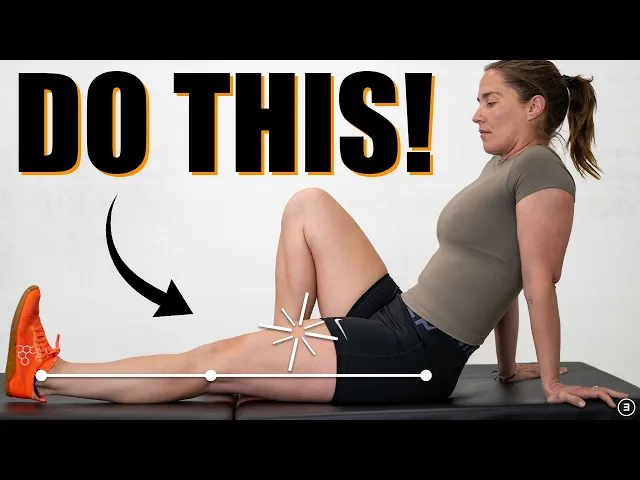
an exercise you might do very early after an ACL reconstruction is quad sets it might be tempting to stare at your knee and thigh while performing this exercise to make sure you're Contracting your quads however since your knee is now sending disrupted messages to your brain about its positioning the brain is already relying too much on vision for this information staring at your knee and thigh during this exercise just perpetuates that Reliance it's okay to look at your leg initially when you first begin this exercise but you should eventually try to do it without looking
another example is doing exercises like squats or lunges in front of a mirror it might be helpful at first but eventually you have to take that mirror away so you don't become reliant on that visual input it's important to address these neuroplastic changes and train the brain during ACL rehab because functional and sporting tasks require automatic movements in response to the environment you can't be dependent on watching your knee while you're trying to run jump or player sport an athlete like a soccer player needs to be able to scan the environment take in information about
where they are in relation to the goal their opponents their teammates and the ball listen to their coach and teammates and make quick movement decisions in response to all of these things after an e injury the parts of the brain normally dedicated to processing visual feedback from the environment are now being used for feedback about knee joint positioning and the areas of the brain that are meant to make rapid motor Corrections like cutting away from a Defender at the last second now have decreased activity this could have an array of negative consequences including poor performance
and increased risk of yet another injury so how do you actually train the brain in ACL rehab Grooms one of the leading researchers in this field and his colleagues in 2015 state that an ACL rehab program should aim to address the neuroplastic changes that occur with an ACL injury by implementing visual motor training visual motor training refers to training the system that helps you scan the environment and produce movement in response it can be done through dual tasking which is essentially performing two tasks at once the most important ways to perform dual tasking are with
either visual obstructions or environmental interactions visual obstructions can be created with the use of stroboscopic glasses which have lenses that flicker between clear and opaque to obstruct Vision eyes closed or blindfolded conditions or through the use of augmented or virtual reality you can include environmental interactions by performing a movement while having to look around you it sounds like a lot but I'm going to show you how these neuroplastic changes can be addressed embedded within a holistic rehabilitation program from the acute stage all the way through to return to sport keep in mind that these are
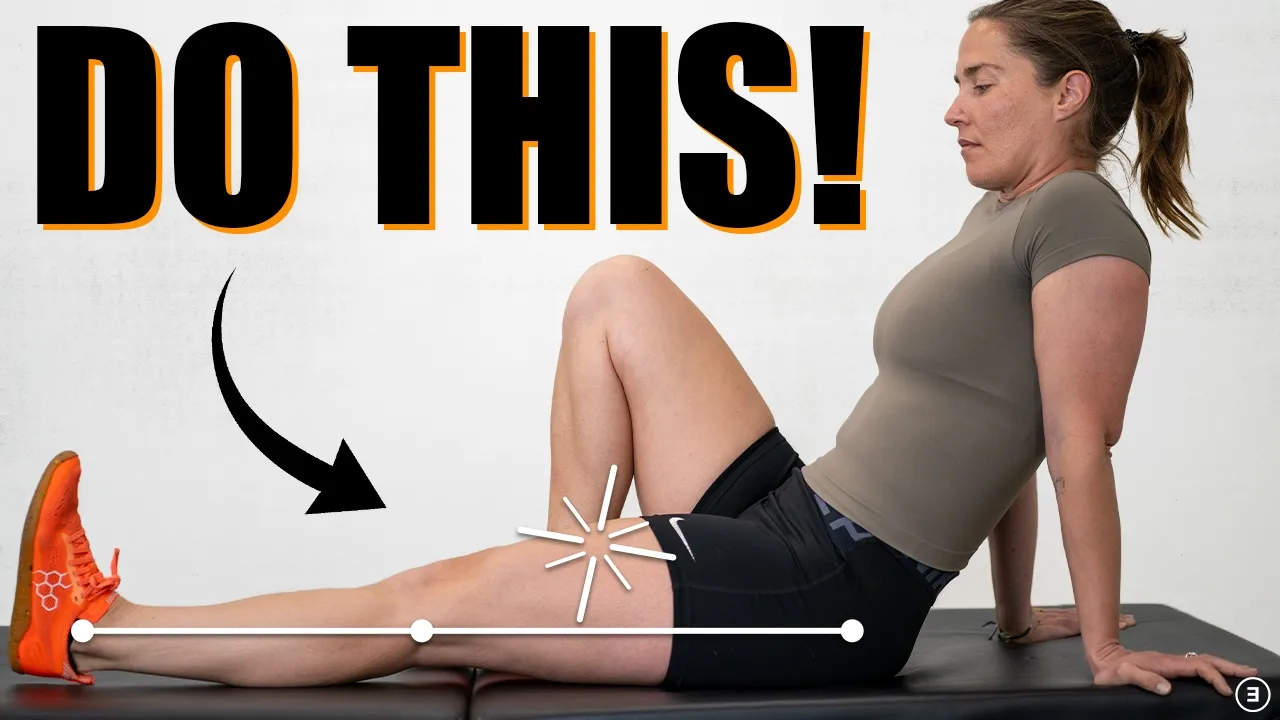
merely suggestions and this is not an exhaustive list of all the many ways you can train the brain in ACL rehab the top priorities right after ACL reconstruction are decreasing effusion or swelling and increasing range of motion while trying to decrease the rate of atrophy or muscle loss some of the most commonly performed exercises are quad sets heel slides and straight leg raises as I mentioned earlier it's tempting to want to look at your knee as you perform these exercises in order to decrease Reliance on Vision close your eyes or at least look away from
your leg you can include visual motor training through an environmental interaction by looking at a screen that flashes colors and Performing the exercises when a specific color comes up you can test your brain even more by varying your exercises for instance every time the color green flashes on a screen you have to do a straight leg raise every time red flashes you have to do a heel slide and every time yellow flashes you have to do a quad set you can get as creative as you want here the number one priority is relying on your
vision as little as possible for these basic exercises without sacrificing improvements in your range of motion or quad activation in the midstage of rehab the primary goals are muscle hypertrophy movement quality and keeping a quiet knee which means minimizing swelling and maintaining range of motion here are some common exercises performed in this phase of rehab and neurocognitive considerations for each one knee extensions don't look at your knee while performing instead close your eyes look at an external visual cue like a specific color or word being shown on flash cards or a screen to trigger the
movement or wear virtual reality goggles and perform the movement in response to a cue there like kicking a ball two squats movement quality is an important aspect of this stage of rehab it can initially be helpful to watch yourself in a mirror when performing exercises like squats to ensure the movement is done with control however if you want to decrease Reliance on the visual system you should eventually try to take the mirror away if you still need help with the quality of your movement there are other things you can try for example you can attach
a laser pointer to your knee and try to keep it pointed straight ahead if you don't have laser pointers you can still use this cue by imagining laser pointers coming out from your kneecaps you can also try to watch a video of someone else doing the movement and mimic it instead of watching yourself in a mirror three step UPS or step Downs you can introduce dual tasking with an environmental interaction here here by stepping up or down to catch an object being tossed to you four standing balance it can be fun to get creative during
standing balance challenges aside from the typical shoes on shoes off and standing on unstable surface conditions typically done in rehab you can perform dual tasking by juggling or solving cognitive challenges like completing math problems on a screen if you have the equipment you can use use Virtual Reality goggles to watch an immersive sport video like skiing or surfing or even riding a roller coaster while trying to maintain standing balance a side note on balance exercises try not to combine balance exercises with exercises being used for strength or hypertrophy being on more stable footing is better
for higher Force production which is needed when trying to gain muscle mass and strength also also since regaining muscle mass is one of the primary goals here you don't have to incorporate all of these elements into every set exercise or training session for example you might incorporate these principles into one or two exercises per training session rather than overhauling your entire program at the expense of the other specific adaptations important to ACL rehab sometimes your focus just needs to be on executing a movement to failure or close to it in the late stage of rehab
the focus is pure strength and power you can also begin to introduce plyometric and change of Direction activities in this phase this phase is really fun because you can get creative in the exercise prescription and there is a seemingly Limitless way to incorporate training the brain here are a few examples one jumping variations you can add dual tasking by jumping in respon response to a moving Target like jumping up to catch a ball or by having to react to a visual stimulus like a flashing light in order to perform the jump while I wouldn't necessarily
recommend performing many jumping variations blindfolded for safety reasons your physical therapist might have other tools such as stroboscopic glasses to provide visual obstructions while jumping two change of Direction tasks when performing change of Direction tasks asks you typically begin with pre-planned submaximum movements progress into pre-planned maximum movements then reactive submaximum movements and finally into reactive maximal effort movements a partner Chase game or game of tag is a great way to add a reactive component with dual tasking because you have to watch and respond to your partner while moving if you have the equipment there is
some great virtual reality games that incorporate reactive movements and submaximal change of Direction tasks a few of my favorites are resle player Power Beats VR hollow point and eye of the temple common mistakes made when it comes to implementing these strategies are being overwhelmed and then not doing them at all as a result forgetting the basics and doing exercises that look fancy at the detriment of creating true adaptations for the phys IAL qualities needed after ACL injury simply tacking on an extra 15 minutes at the end of the session to do it and waiting until
late stage rehab to start training the brain I know I covered a lot here today the main things I hope you take away from this video are one that an ACL injury affects more than just the tissues in the knee it creates neuroplastic changes that are A disruption to the sensory input coming from the knee to the brain which leads to an increased Reliance on the visual system there is also disrupted output from the brain to the injured limb which leads to more of the processing and motor planning areas of the brain being needed to
produce and control movement which creates even more of a need for visual input to help with the processing and planning of movement two there are specific ways that you can train the brain during ACL rehab to address these neuroplastic changes the most important way to train the brain is through dual tasking to address the changes in the visual motor system after an e injury three and finally these interventions to train the brain do not have to be overly fancy or their own separate rehab sessions they can be weaved into a holistic ACL rehab program if
you want to get a more in-depth look at the science behind this topic IC go check out the blog at E3 rehab.com if you need help with your ACL rehab consider our one-on-one coaching thanks for watching