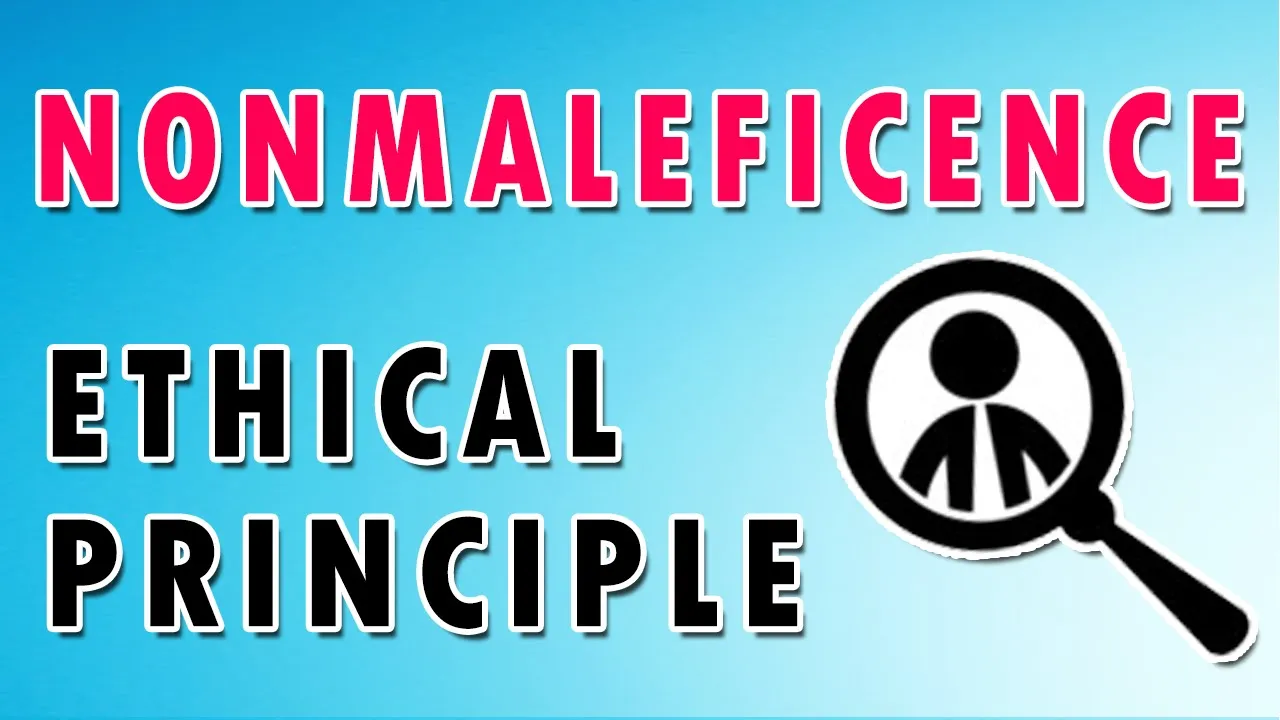
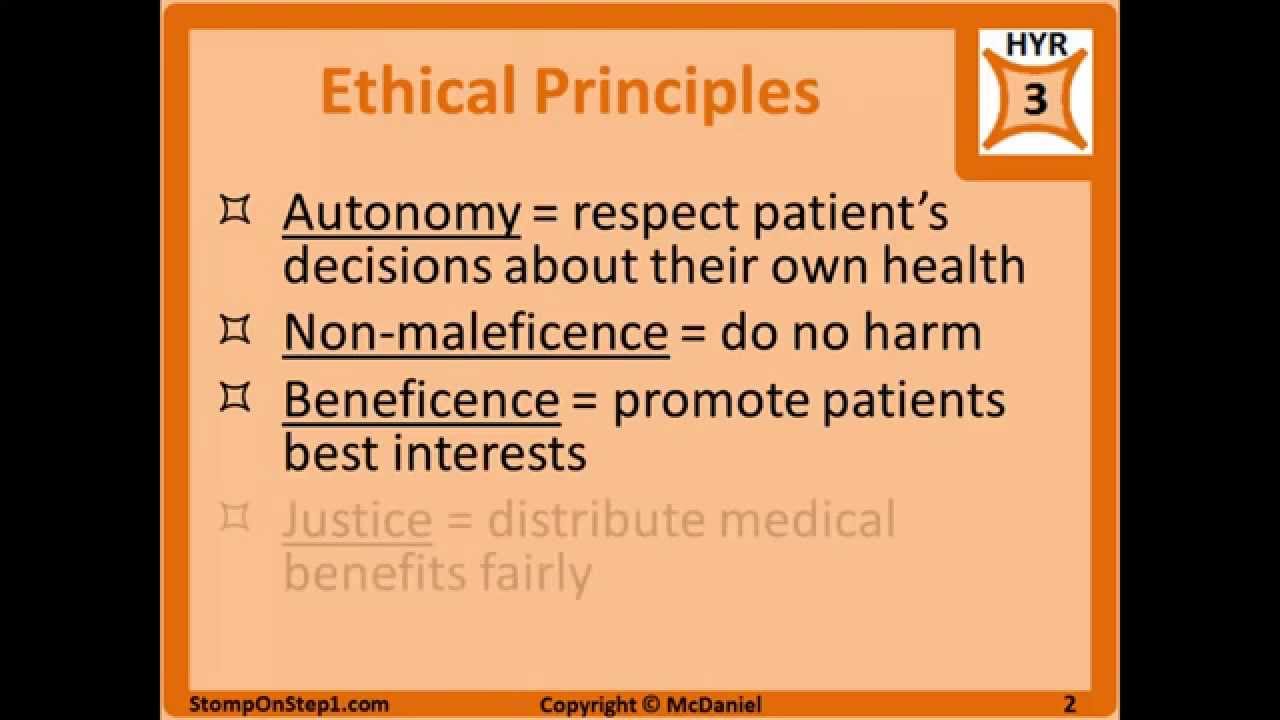
Welcome back! In this video, we'll talk about the ethical principle of non-maleficence. It is commonly known as "do no harm," and it simply means that each decision the physician makes must produce more good than harm.
In certain scenarios where doing harm is unavoidable, you have to minimize the harm. For example, consider a chronic diabetes patient who has developed a gangrenous complication on their foot, and the surgical consultant recommends cutting off the foot. This is a scenario of unavoidable harm.
Now, to practice non-maleficence, the treating physician has to take out only the infected parts and minimize the degree of amputation. In certain scenarios, non-maleficence can outweigh autonomy, such as in the case of a tuberculosis (TB) patient who refuses treatment. In this scenario, the patient has to receive treatment, even by force, to protect the community.
Basically, in every decision the physician makes, they have to weigh the risks and benefits. In the first example, the risk of septicemia and bacteremia is very serious, and this could lead to death, while the benefit is stopping the infection from spreading. In the second example, the risk of infecting the entire community the patient lives in is quite serious, and the risk of the patient's own demise is also significant.
Although overriding autonomy is not something that is taken lightly, the benefits clearly outweigh the risks. And here's a small quiz: try to see whether or not the principle of non-maleficence was practiced here. And here is the answer!
Alright guys, that's all I have. Thank you so much for watching, and hopefully, this helps you!






![Medical School Interview [UK] - Medical Ethics - Autonomy](https://img.youtube.com/vi/XSDXZ9UMAWk/maxresdefault.jpg)