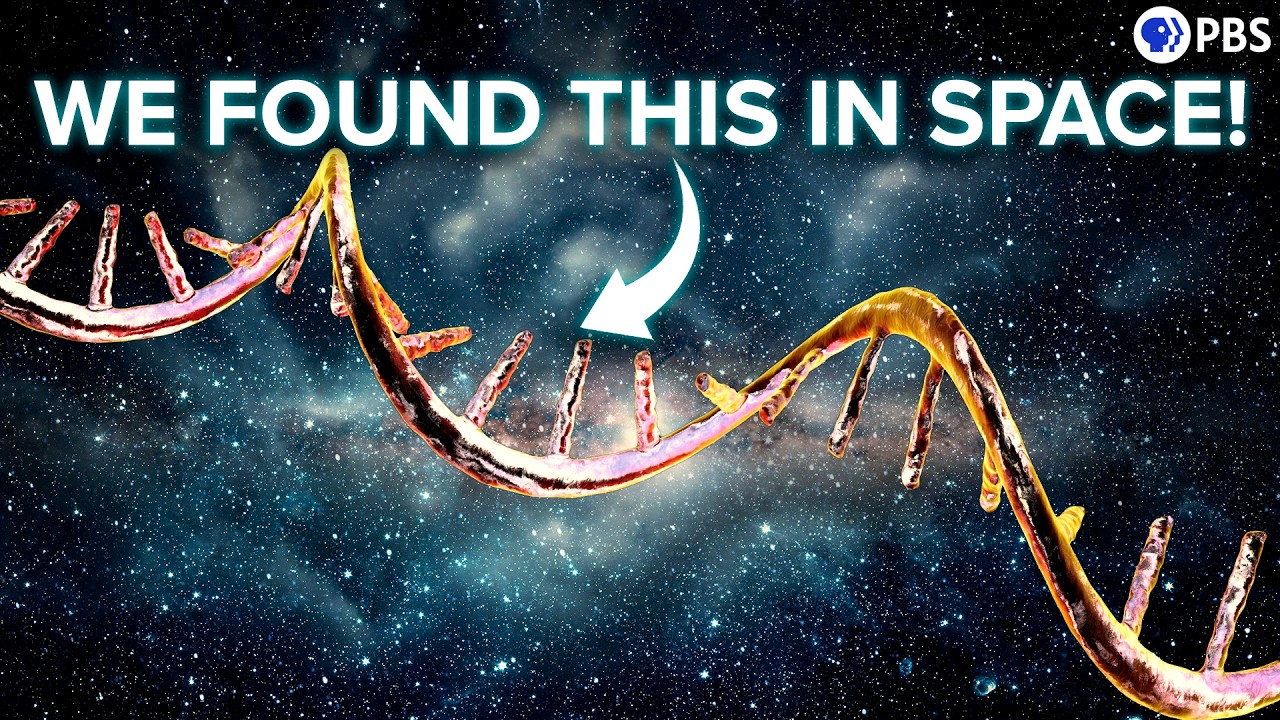
scientists have discovered that a new piece of the immune system which could be a gold mine of potential antibiotics has been discovered tests reveal that proteosome a protein recycling structure found in every cell in our body can produce bacteria killing chemicals when it detects infections the importance of this is that it offers hope amid Rising resistance among microbes to drugs while Professor yat mble from The vitman Institute of Science in Israel told us how they made this breakthrough so as you clearly uh defined it the proteosome is the garbage can of the cells if you
will and using the technology we developed a way back we actually collected the ability to have dumpster diving into these garbage cans and examine which are the pieces of little proteins that are being um tossed away and cleaved away like in recycling and the discovery was actually to ask what do we see there and when we looked inside we actually saw that a lot of these little little pieces are actually antimicrobial agents they serve as natural antibiotics that their body all the time produces but we didn't know anything about these process before so I mean
it seems incredible that we didn't know anything about it uh before because I mean the potential for this we we all know that people are becoming resistant to antibiotics so how can this help that in particular so we believe and we showed it very nicely in the paper but of course these are just preliminary studies because it opens the whole field of innate immunity but you can actually once you identify these little pieces and you can test their effect on bacteria and show that they kill different types of bacteria even ones that are very dangerous
for um patients we showed in mice that you can produce them on the outside and then provide them as therapy um to mice that were infected with either bacteria which is may cause sepsis and actually kill the mice and we can save them and also have reduced um tissue damage and also in a in a model of pneumonia which of course is a major concern um so if you can now have a whole list and we found hundreds of thousands of such peptides of such little pieces you can now try to ask whether you can
give them in different combinations and different patients to actually try to fight infectious diseases and perhaps other diseases that are um you know we have H with immune compromised patients like in the case of transplantations and cancer patients that are awaiting therapy and so on so you must have had a bit of a Eureka moment when it happened because the potential for this obviously you're right at the beginning of the scientific uh process but the potential for this is enormous absolutely and we had about two Eureka moments in this and this I think the best
moments that a scientist can have I was never working on microbiology and this came out as a complete surprise and the Eureka moment was in fact when we looked in the proteome in the garbage can and we infected cells with bacteria we actually saw that the scissors the recycling being operated differently meaning it generated a different types of the these little peptides and then we asked oursel why that is and we identified that if we just isolated them and tried to allow bacteria to grow in their presence they actually died okay so what's the next
step uh there are plenty of next steps both in the basic biology of this because the proteome we thought we knew almost everything there is to know about it but obviously it opens up a completely different avenue to look in different tissues in different disease context like fosis autoimmunity cancer and so on but from the translational perspective and as you point as you clearly stated in the beginning um you know we have to prepare for antibiotic resistance which is becoming a a really major issue healthwise worldwide and so if we can now test these different
types of pieces across different types of bacteria and understand whether we can have a therapy that will be provided to human beings um with a natural source that is not so toxic presumably again we didn't prove it in humans yet this will require clinical trials but since the body is the generator of these products it can actually be much safer and have less side effects than we have with the chemical antibiotics that are being treated heavily today and our thanks once again to Professor yat merble for that um well detailing potentially a real scientific breakthrough