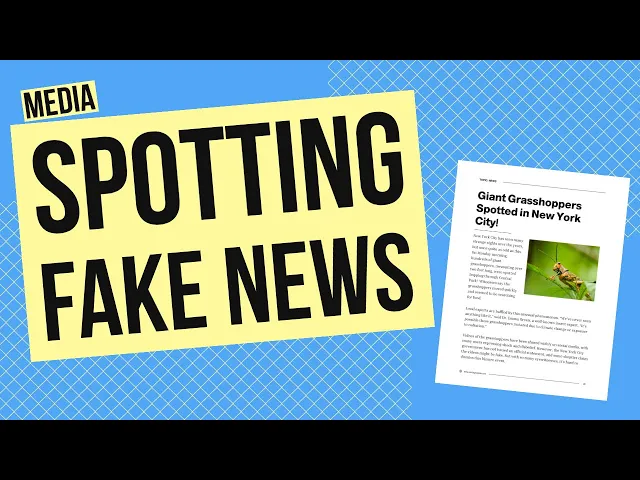
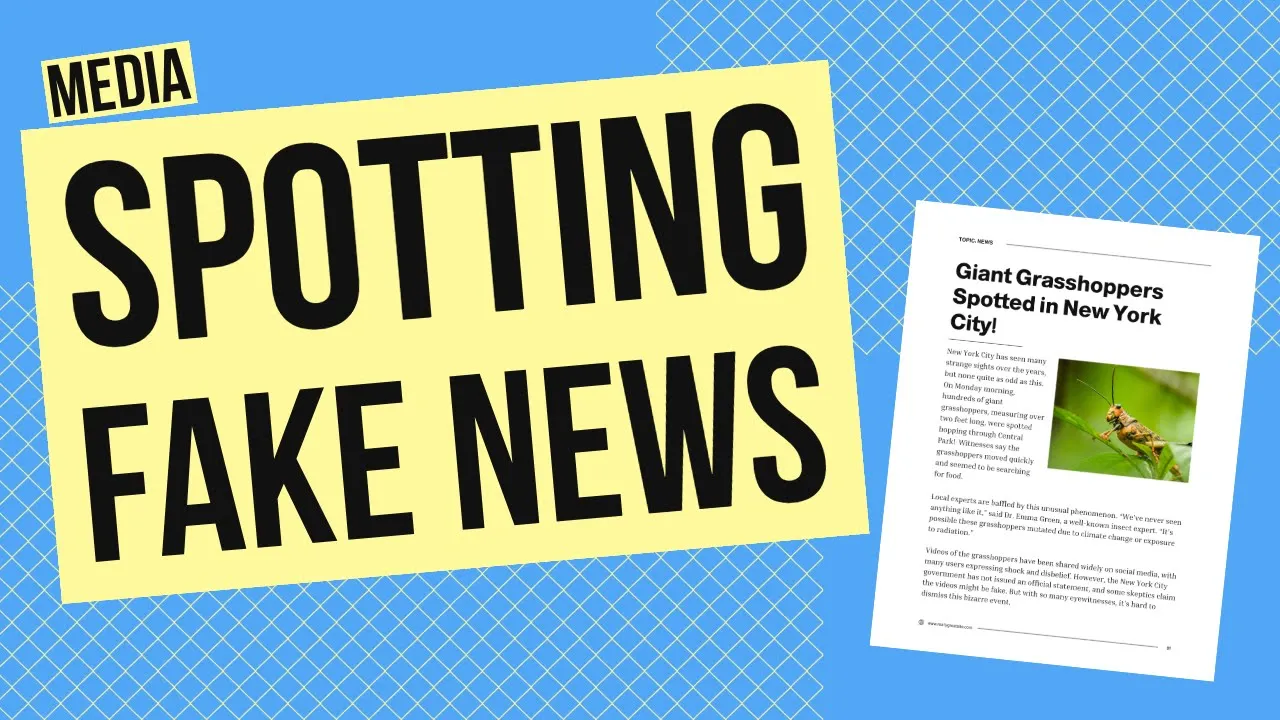
have you ever seen a story online that seemed so shocking or unbelievable that you just had to share it maybe you've read a headline that made you stop and think wait could this really be true if you have you're not alone the internet is full of all kinds of information but not all of it is true in fact some of it is completely made up or designed to mislead you that's what we call fake news fake news is any kind of article story or report that presents false information as if it were real it can
range from completely madeup stories to real events that are twisted or exaggerated to mislead people here are some reasons why fake news is often written to grab your attention with shocking or Sensational headlines to spread rumors or incorrect information to make people believe something that isn't true or to cause emotional reactions like anger fear or excitement but why do people create fake news in the first place sometimes it's to push a particular agenda or Viewpoint and other times it's simply for clicks because more clicks often mean more money for advertisers whatever the reason it's important
to know how to recognize fake news when you see it that way you can avoid being tricked and help stop the spread of false information now here's the tricky part sometimes fake news can be really convincing it might even look like it comes from a reliable source so how do we tell the difference between what's real and what's fake let's go through some key strategies to help you spot fake news check the source is the story from a website you've heard of before if it's a well-known trusted news site it's more likely to be real
but if it's from a website you've never heard of or if the website has a history of publishing misleading or false information you should be more skeptical examine the headline headlines are often designed to grab your attention sometimes they're written in a way that exaggerates or distorts the truth if the headline sounds too shocking or outrageous it might be a sign that the article is fake a real headline tends to focus on facts not emotions look for evidence a reliable news story will usually have quotes from experts or official sources it might also include links
to other articles studies or data to support its claims fake news often lacks solid evidence or it might refer to vague or non-existent sources cross check the story if the story is real other trustworthy news outlets are probably reporting it too if you can't find the same story on more reliable websites that's a red flag consider the author and date is the author someone you've heard of before do they work for a known news organization is the article very old but it's being shared as if it's breaking news these are all clues that help you
evaluate whether the information is trustworthy watch out for bias and emotional manipulation fake news is often designed to make you feel a strong emotion like anger fear or excitement if the article seems more focused on getting you to react emotionally than on giving you information it might be fake now that we have these strategies in mind let's put them to the test today we're going to apply what we've learned by reading three different articles spoiler alert they all contain fake news your job is to evaluate the Articles and find the red flags that reveal the
fake news here's what we're going to do choose one of the three articles to evaluate read the article carefully and as you do keep the strategies we just discussed in mind you'll be given a checklist to guide your thinking as you evaluate the article check off the items as you go and make notes about what makes the article seem trustworthy or suspicious identify what's convincing think about what makes the article feel believable is it the way they mention an expert is it because the headline grabs your attention what makes it seem like it might be
true spot the red flags then try to find what reveals the article as fake are there no real ources is the claim way too extreme to believe are there any clues that show the article isn't reliable like vague information no credible links or an exaggerated headline once you've completed the checklist for your chosen article you and your classmates can come together to talk about what you discovered what made the fake news article seem convincing how did it try to trick you into believing it was it the headline the way they talked about experts or leaked
information what were the red flags that gave away the fake news what Clues helped you realize the article wasn't trustworthy did it lack evidence was it overly exaggerated or emotional could you not find the story on any other reliable sites by the end of this activity you'll not only be able to spot fake news more easily but you'll also be more confident about checking sources examining evidence and making sure the information you use and share is reliable fake news spreads fast especially online when we see an outrageous headline or a shocking story we might be
tempted to Believe it or share it with others without thinking twice but spreading fake news can have serious consequences it can misinform people create unnecessary Panic or even damage someone's reputation that's why it's so important to take the time to evaluate the news we come across by using strategies like checking the source looking for evidence and cross referencing with other outlets we can make sure that we're getting the facts becoming a smart responsible newsreader is one of the most important skills in today's digital world let's make sure that were not just readers of information but
evaluators of Truth