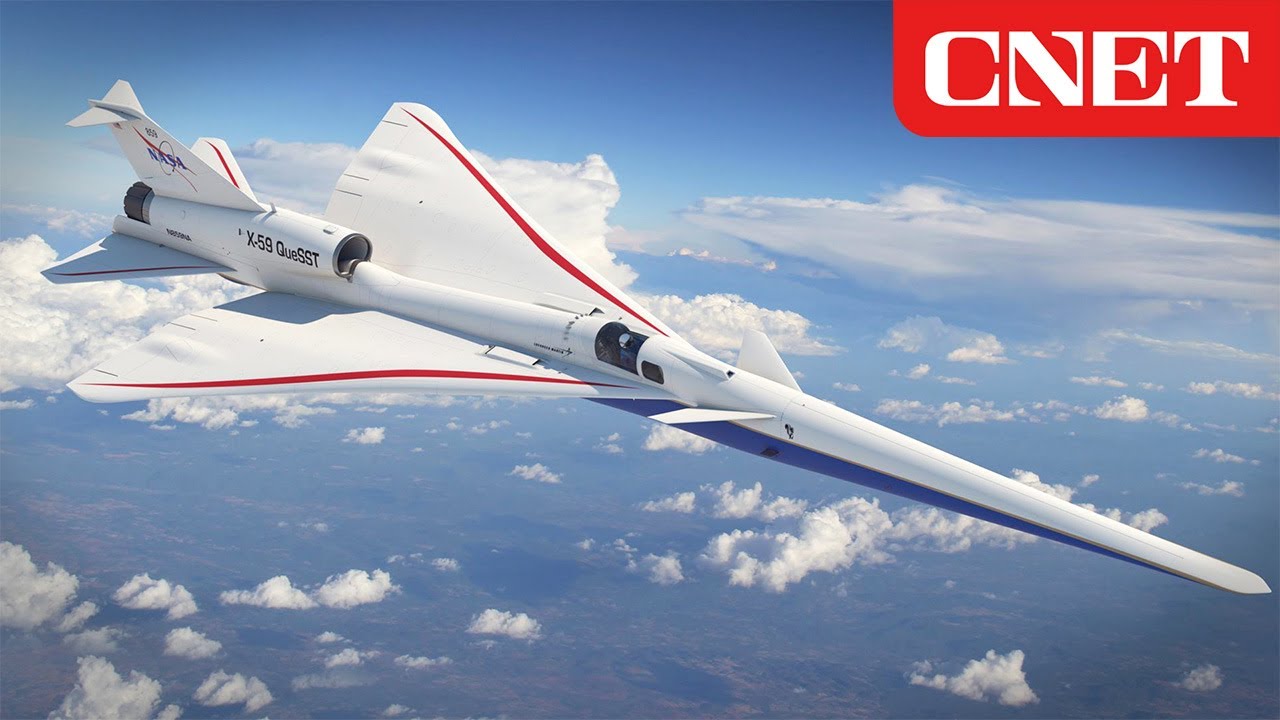
[Music] we are surrounded by sound every day from household sounds like dogs barking and people talking to noise pollution from highways industry and planes our days have gotten very noisy nasa is working to reduce some of these unwanted noises as a leader in aeronautics research nasa is working to reduce the sounds produced by aircraft below boom flight demonstration a nasa aeronautics mission includes the design building and testing of the x-59 quiet supersonic technology aircraft or x-59 quest for short the x59 will be able to fly at supersonic speeds faster than the speed of sound without
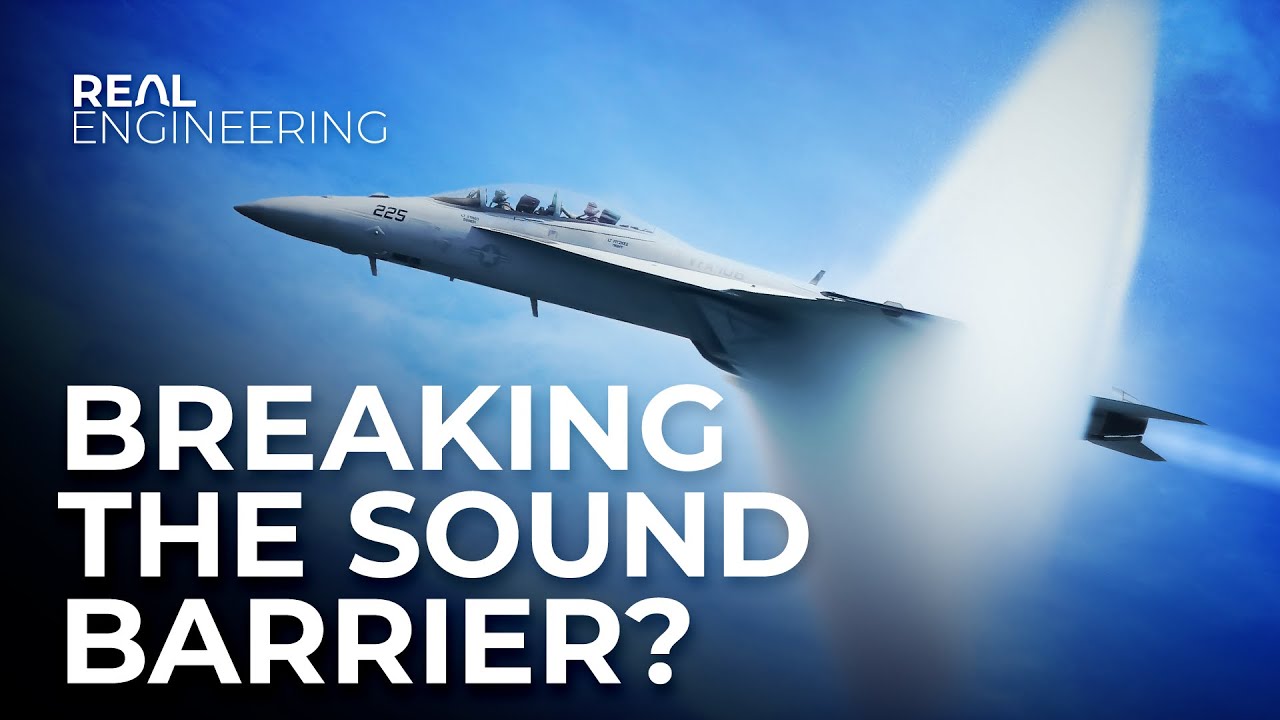
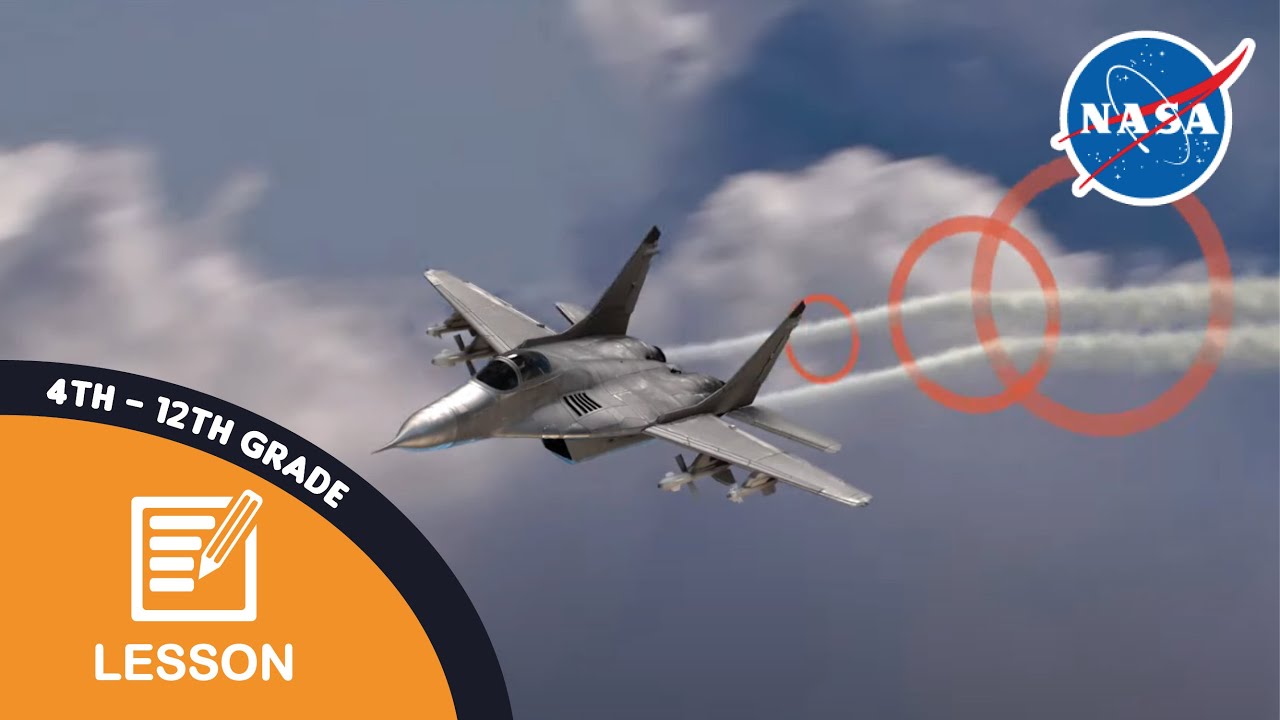
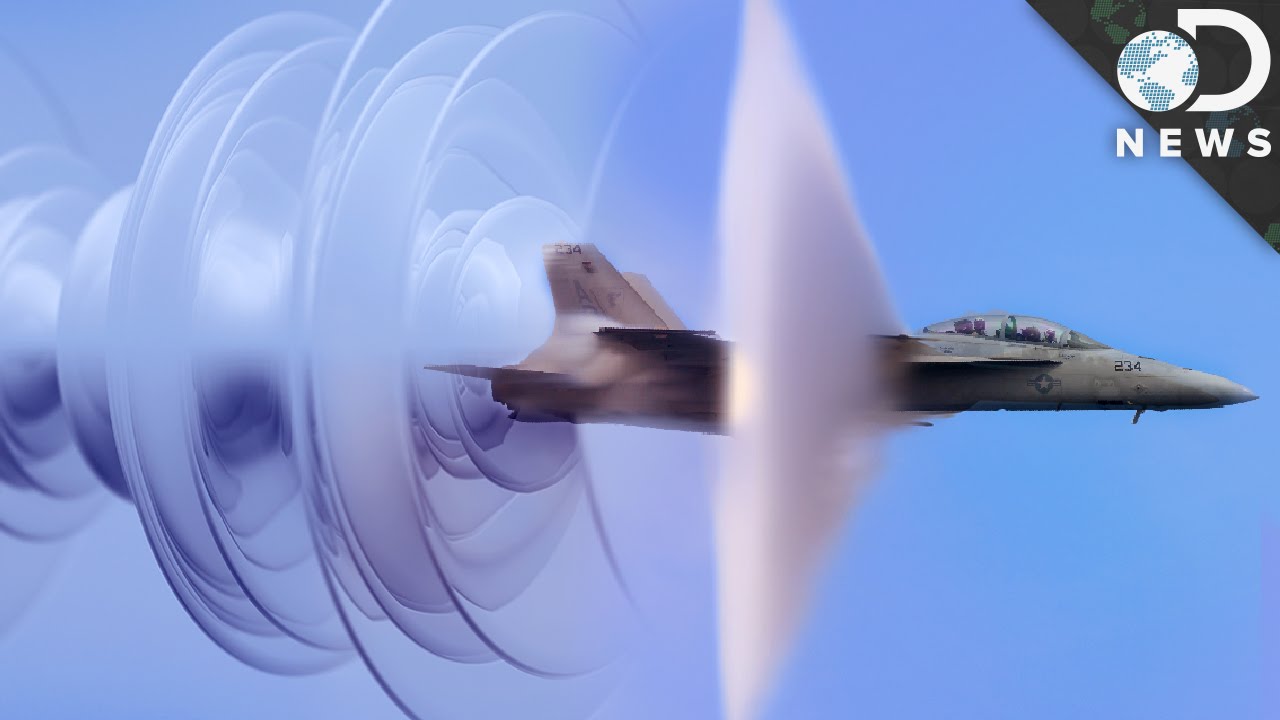
producing a loud sonic boom but what is a sonic boom a sonic boom is the thunder like noise a person on the ground hears when an aircraft or other type of aerospace vehicle flies overhead faster than the speed of sound or supersonic picture an aircraft flying through the air as the aircraft moves it pushes air out of its way continuously creating sound waves these sound waves or air pressure waves move away from the aircraft in all directions at the speed of sound like ripples that form by dropping a pebble in a pond by increasing the
aircraft speed to supersonic or faster than the speed of sound the air pressure waves begin to pile up ahead of the airplane and compress forming shock waves these are similar to waves that pile up in front of a boat as it moves through water in the air the shock waves will move out and away from the aircraft this creates a sudden change in pressure the change happens so quickly that when the energy from the shock wave reaches our ears it's heard as a loud crack of a sonic boom so how is nasa trying to quiet
the sonic boom with the x59 let's find out from an x-59 nasa engineer [Music] well the x-59 is designed to generate a quiet sonic boom when it fly supersonically traditional airplanes apply supersonically such as the concord or military jets develop a very loud sonic boom as they fly over the ground it's very disturbing to people on the ground and that's a big impediment to being able to just fly commercially all the time supersonically so this airplane is a demonstration of a capability that we think we've developed to be able to shape the airplane such that
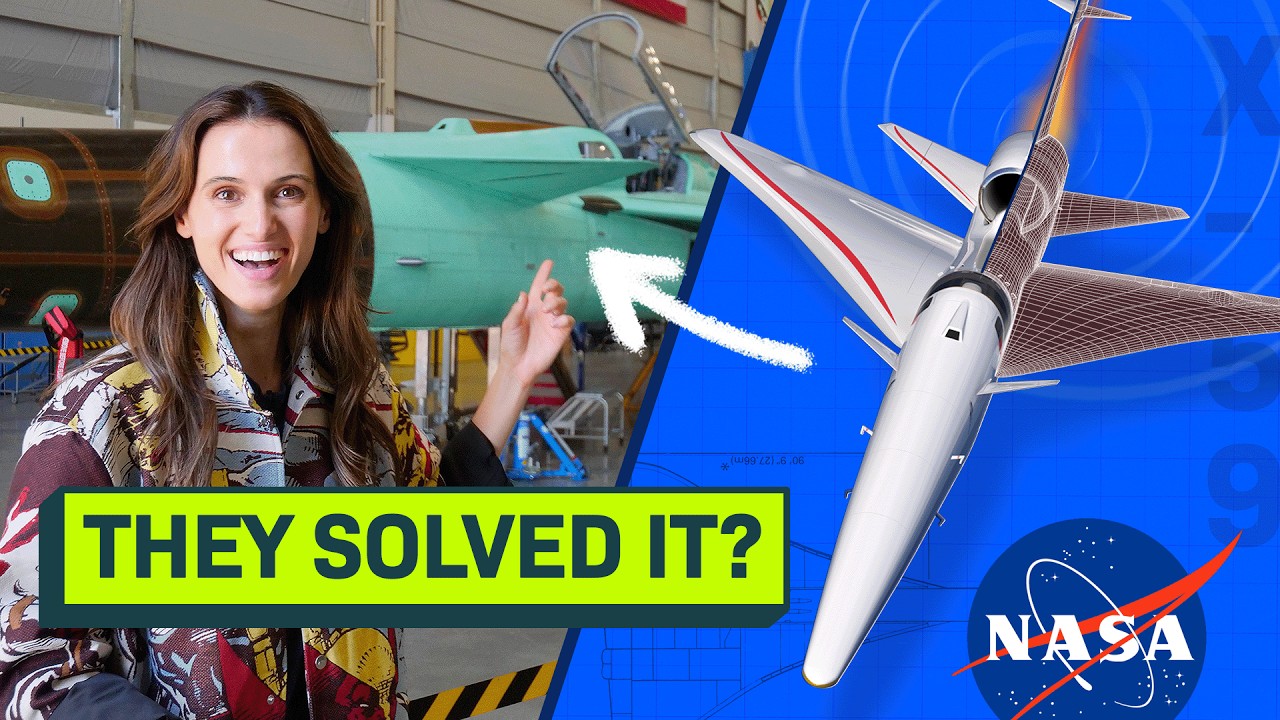
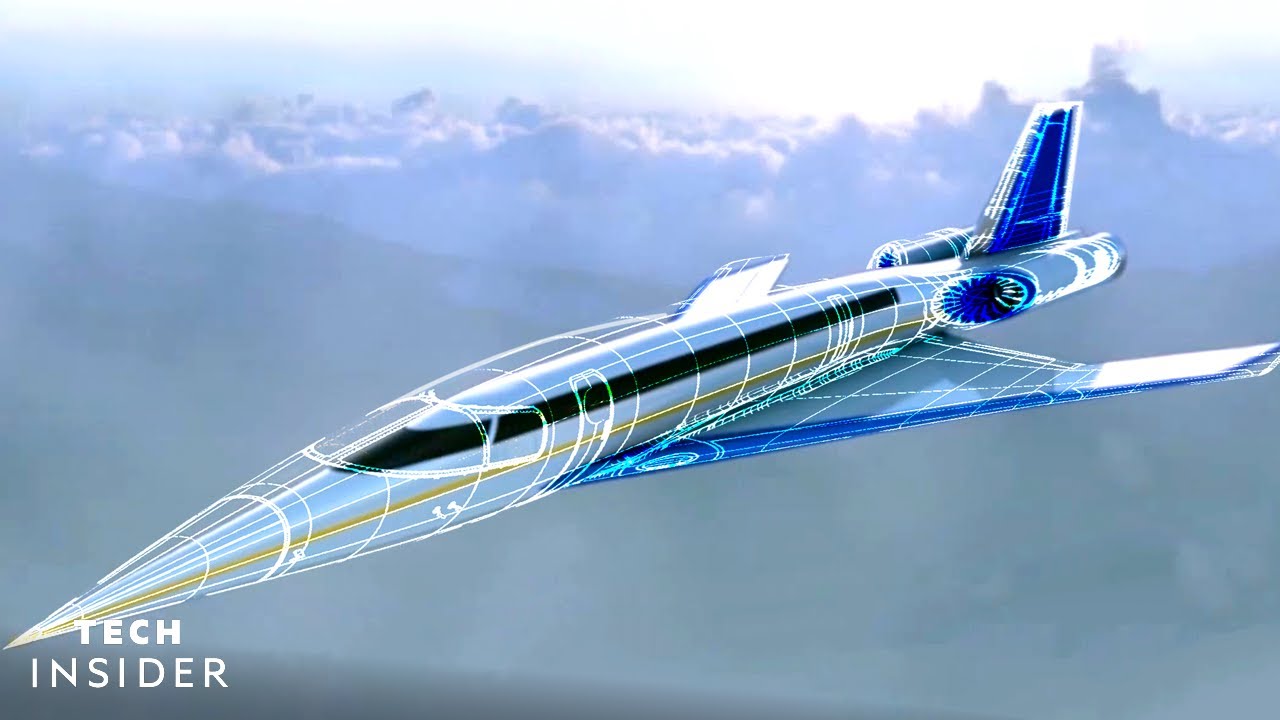
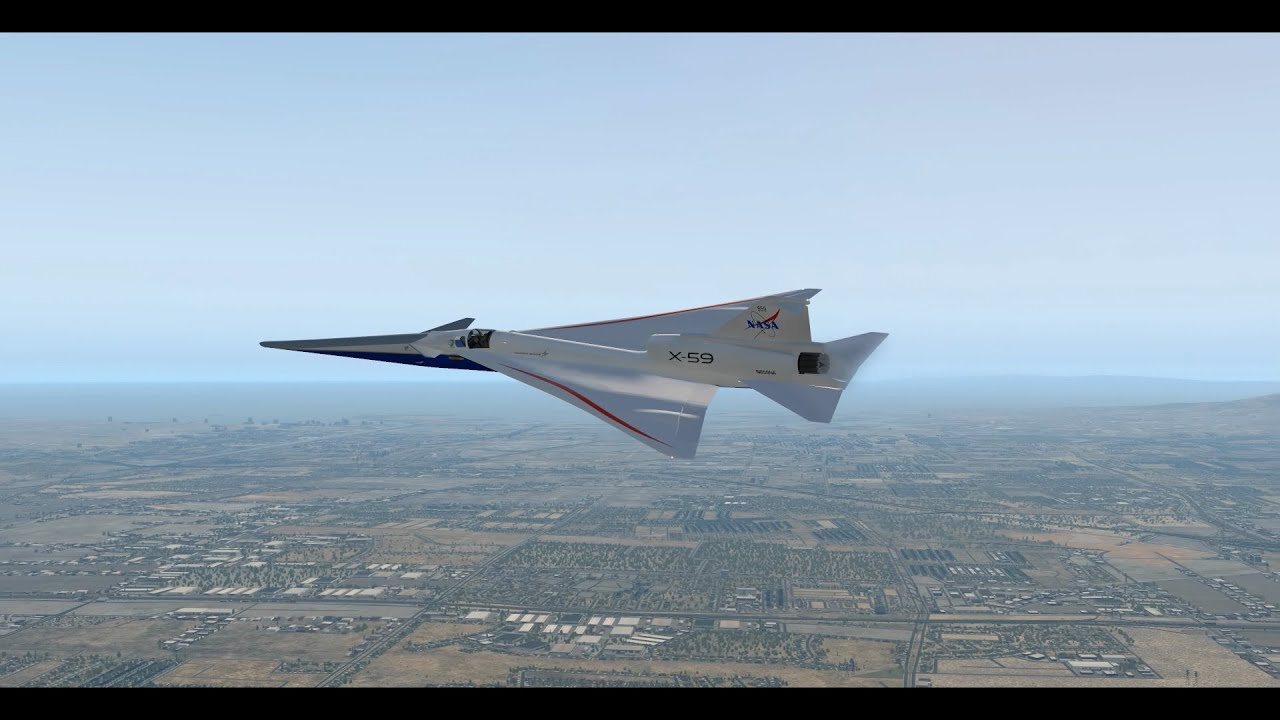
it will not generate that loud sonic boom and so if you look at a picture of the airplane design you'll see that unlike a normal airplane it's very long and slender and the reason for that is to be able to shape the volume distribution and the lift distribution over the airplane in such a way that the shocks don't all coalesce into a very strong front and rear shocks that make that loud sonic boom the airplane is designed to fly at a higher altitude for a number of reasons one of which is the distance away from
the ground reduces the noise from the sonic booms so higher farther away would be quieter the other is of course that the airplane is designed such that the lift distribution over the airplane is what we need at a given angle of attack and the angle attack is the wind angle going into the airplane how it touches the airplane and so to get that angle correctly at the mach number we want to fly at put you up to 55 000 feet mid-50s so the biggest challenge historically has been just in the capability of being able to
analyze how the airplane is going to act we've recently developed the tools to be able to predict how the sonic boom will be produced on the airplane and to be able to trace that to features on the airplane and then that allows us to design the airplane like you see in the picture the long cylinder airplane that then develops the quiet sonic boom thank you for watching and don't forget to watch our next video about nasa's long history with supersonic flight you