To move towards a circular model, organizations cannot simply recycle better or improve their existing offers. They must also stop the logic of “always producing more”. Why?
Because that will allow a significant reduction of environmental impacts. But for this to be possible for you, it has to be profitable. And to do that, you have to rethink your business models.
So, how do we do that? Well, this means acting on the USE of your products and services. In this video, we will present you innovations that revolve around 3 major means of action.
The first one is to extend the useful life of products. By using them longer, the production of new ones is limited, and so is the impact on the environment… this is one of the goals of eco-design. One example is the brand SEB, which has committed to ensuring that its appliances are repairable for a minimum of 15 years.
For this, it looked at 3 points: - the equipment must be easily dismantled and reassembled - spare parts for repairs must be available quickly, at an affordable cost, and for up to 15 years AFTER the device has been discontinued - Finally, the company is working to build a network of repairers wherever the brand is present. But extending the life of a product is not just about eco-design. It also means creating new business models!
Since 2020, SEB has introduced a new offer: a fixed price that allows customers to have their products repaired beyond the warranty period. This extends the life of products and is a new source of revenue for SEB. The second way to act on usage, is to encourage the sharing of your products.
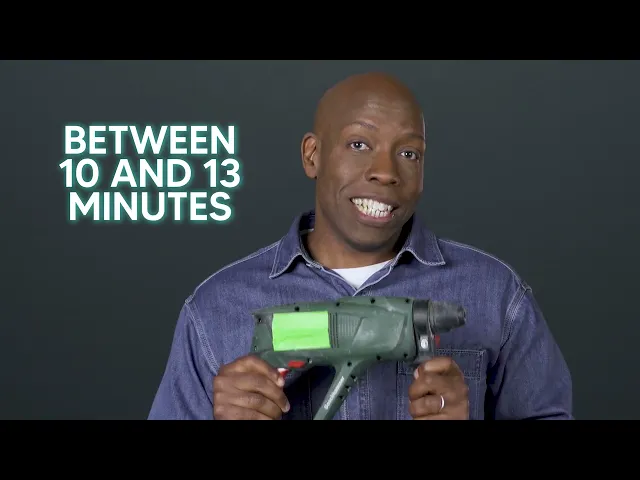
This is called the sharing, or collaborative economy. To illustrate this, here’s a little brainteaser. Yes, it’s a drill!
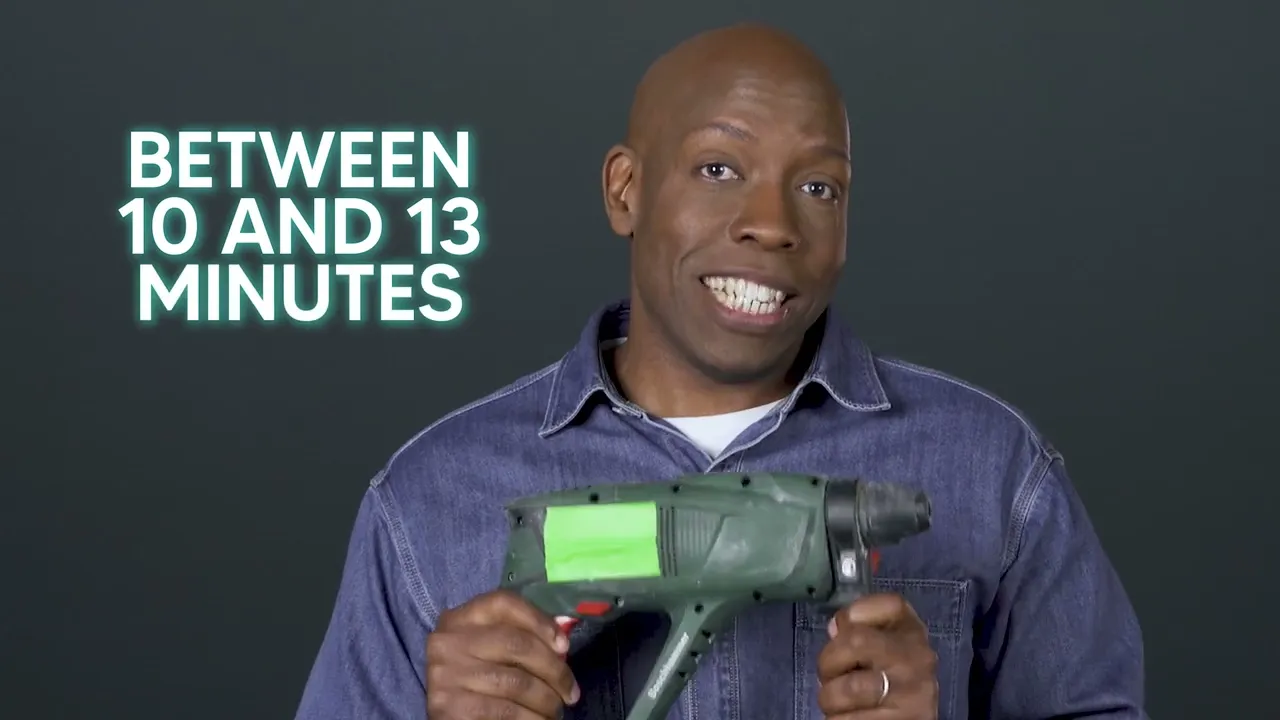
Between buying it and throwing it away, how long do you think a consumer has used their drill on average ? Ok, time's up. Between 10 and 13 minutes.
That’s less time than you’ve spent with me since the beginning of this course! Not enough, right? ;)) We can look at cars the same way: they are parked on average 90% of the time.
This is why platforms have been developed to share certain goods. Like drills… or cars. This is what BlaBlaCar offers for carpooling, or GetAround for carsharing!
This is a model that emerged several years ago… and is also developing for professionals! Let’s take an example from the building industry. EquipmentShare in the U.
S. allows construction companies to rent construction equipment to each other. Here’s another example, from healthcare: Cohealo allows MRIs or scanners to be shared between different hospitals.
Finally, the third way to act on usage is selling the use of a product, rather than selling the product itself. Here’s the idea: you, the company, remain the owner of the product you produce. But you create value on the FEATURES it offers.
We call that “functional economy. ” Some examples. In the Netherlands, Bundles install washing machines in private homes.
The machine and installation are free. Customers pay to use the machine: depending on the number of washes per month, they pay a corresponding fee. Maintenance and repairs are also the company’s responsibility.
It is therefore in the interest of the company to help customers use the machines well, so they last as long as possible, which is good for the environment. Another classic example is Michelin, the tyre manufacturer. In the 1950s, Michelin began offering a pay-as-you-go service to trucking companies.
Instead of selling tyres, Michelin installs them on trucks and charges for them according to the number of kilometers traveled, taking care of all maintenance… For the customer, the overall cost is reduced: no need to store tyres, nor to have an in-house maintenance team. . .
For Michelin, this is also beneficial: instead of trying to resell tyres every six months, Michelin secures its customers over time with long contracts. And this offer allows it to differentiate itself from its competitors by getting out of the price war. What about the environment?
Well, it wins too! Michelin has a vested interest in extending the life of its tyres. And for this, the manufacturer uses refurbishment, for example.
1 tyre out of 2 used in this offer is refurbished, compared to an average of 1 tyre out of 5 on the market. As a result, this saves extracting tens of thousands of tons of material each year, compared to the sale of new tyres. So, to have that kind of approach, there are some very significant changes to implement.
Let’s talk about it now with Raphaël Masvigner, cofounder of Circul’R, which supports companies in the circular economy. Hello, Raphaël! Hello.
What advice would you have for implementing a usage-based business model in your organization? For me, there are three main tips to consider when setting up a usage business model. The first is to adapt your value chain.
In fact, all the jobs in the value chain will have to change. Design will have to focus on eco-design, and logistics on reverse logistics. And the marketing side will have to promote this usage model.
To do this, it is critical to support the transformation of these new jobs and these new skills. A mistake to avoid is underestimating the time it takes for your teams to become familiar with this new usage model. The second important tip is to identify the performance indicators that will highlight the success of a usage-based model.
In a classic business model, we look at turnover. In a usage-based business model, we are interested in other indicators such as monthly recurring income, i. e.
, the income we have each month from the rental of a product or a service, or the churn rate. The mistake to avoid is thinking the return on investment will be quick. Unlike the product business model, a usage business model implies a return on investment in the medium to long term.
And if I followed correctly, there is one last tip! The last piece of advice I’d like to share with you is to make users aware of this new usage business model. This is a fairly common model in the B-to-B industry.
Today companies like Xerox rent printers to other companies. Michelin rents tyres, Philips rents lights. But today, for consumers, renting certain products like jeans or a tent is not so obvious.
It is therefore extremely important to repeatedly make the point to users, to frame the need in terms of use and not in terms of purchase and possession of a product. Thank you very much, Raphaël! Does this give you any ideas?
We hope so!