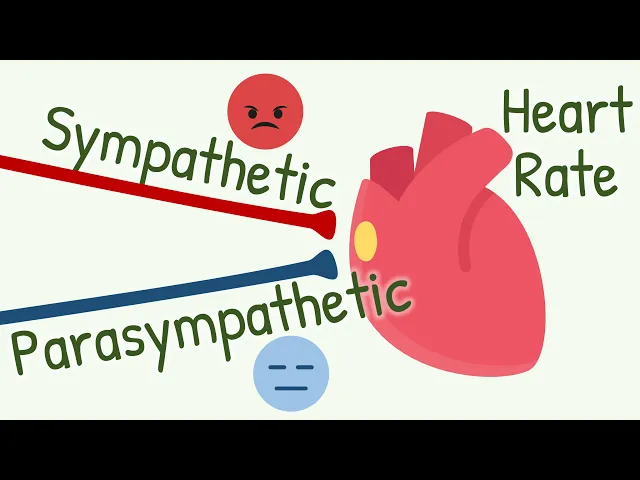
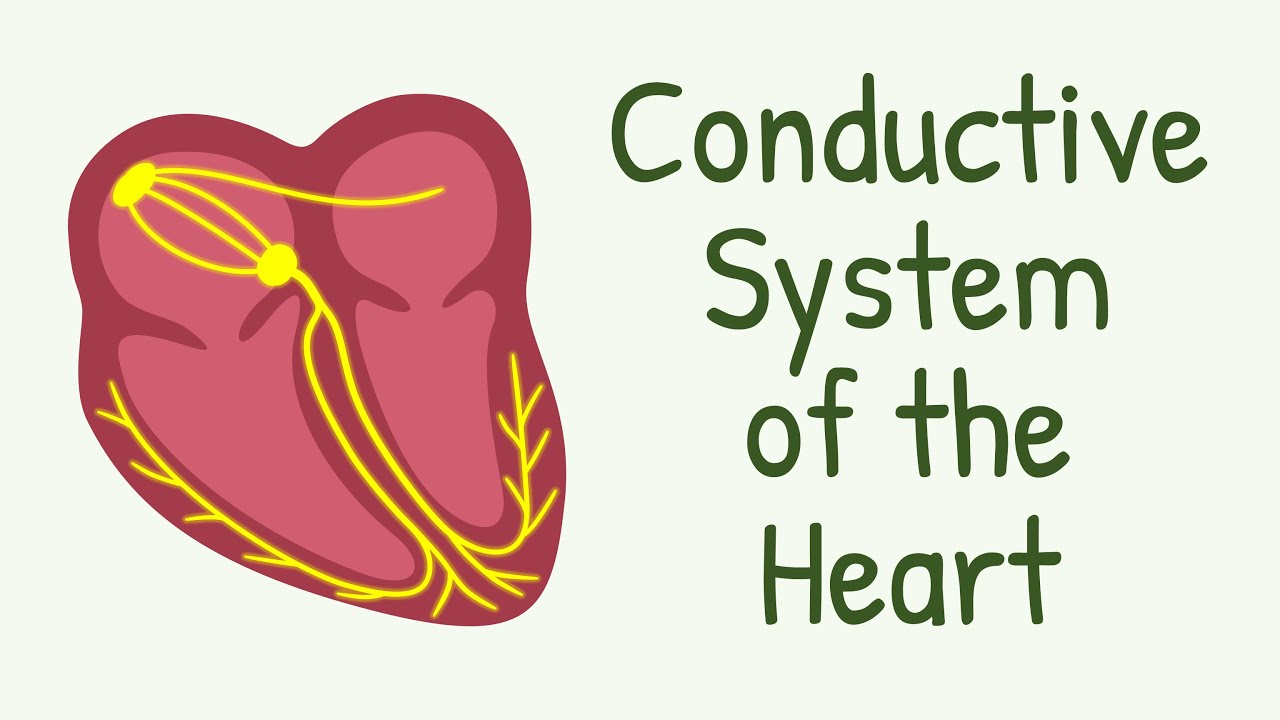
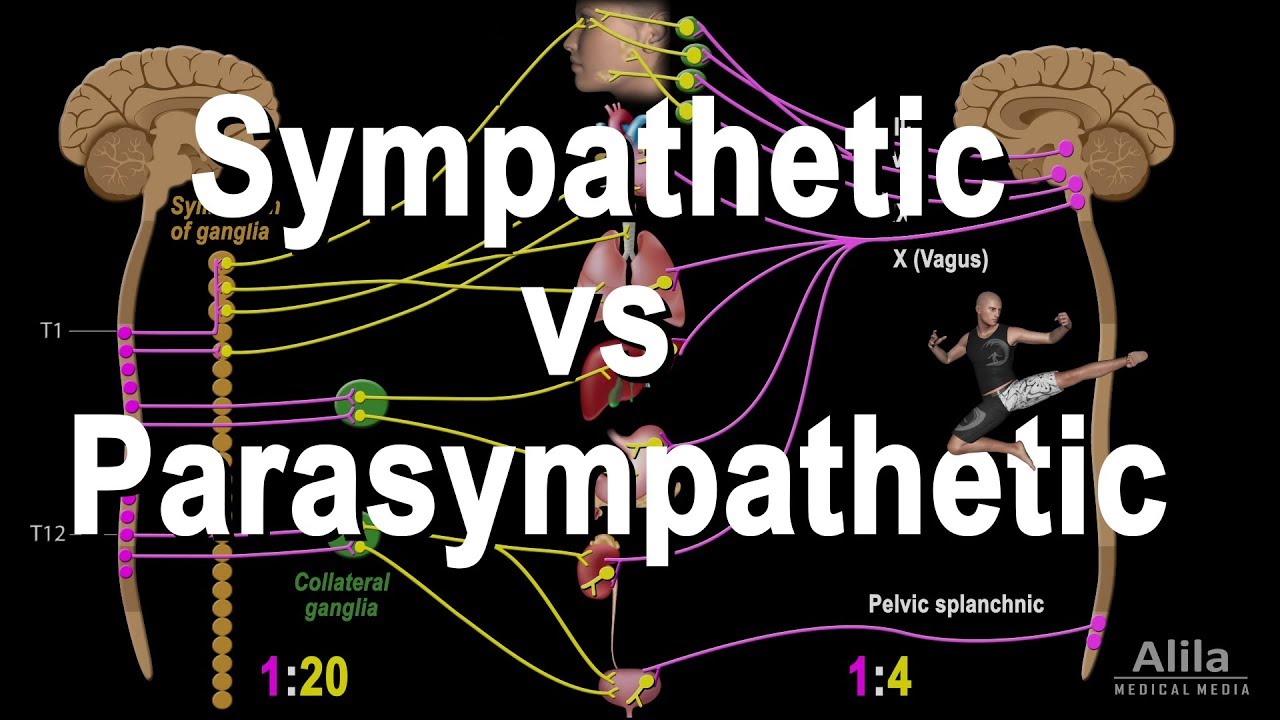
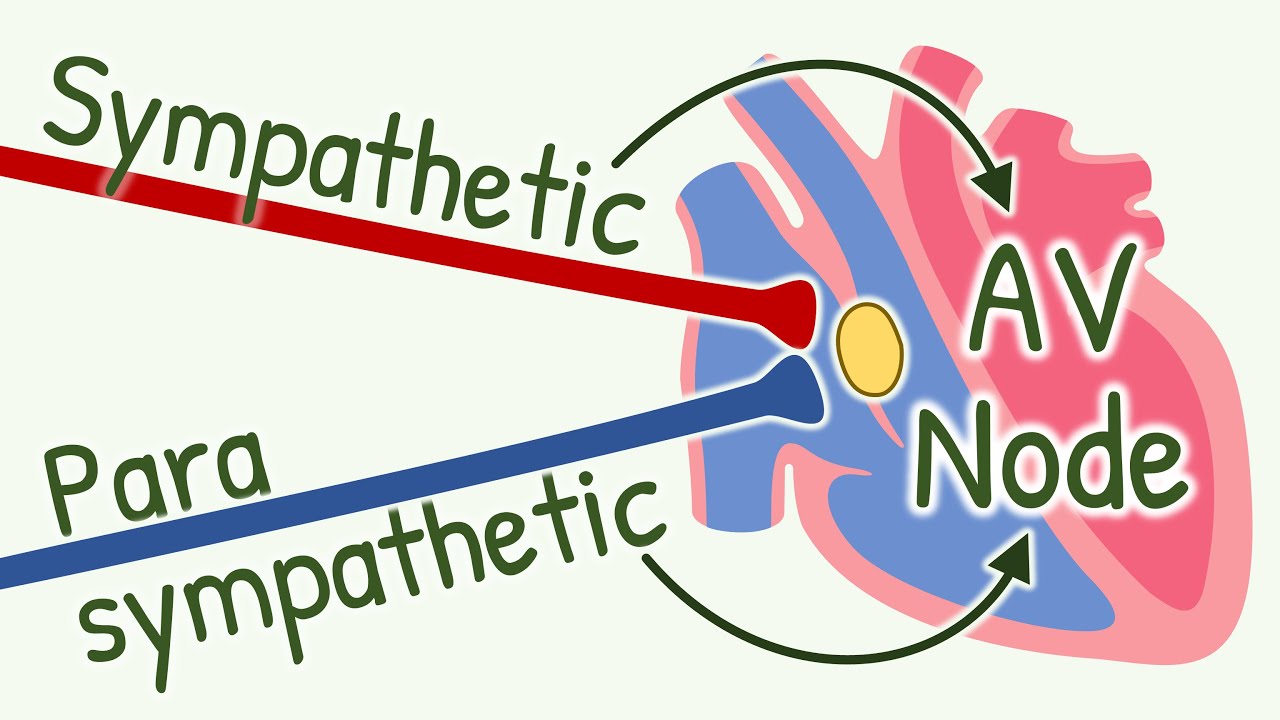
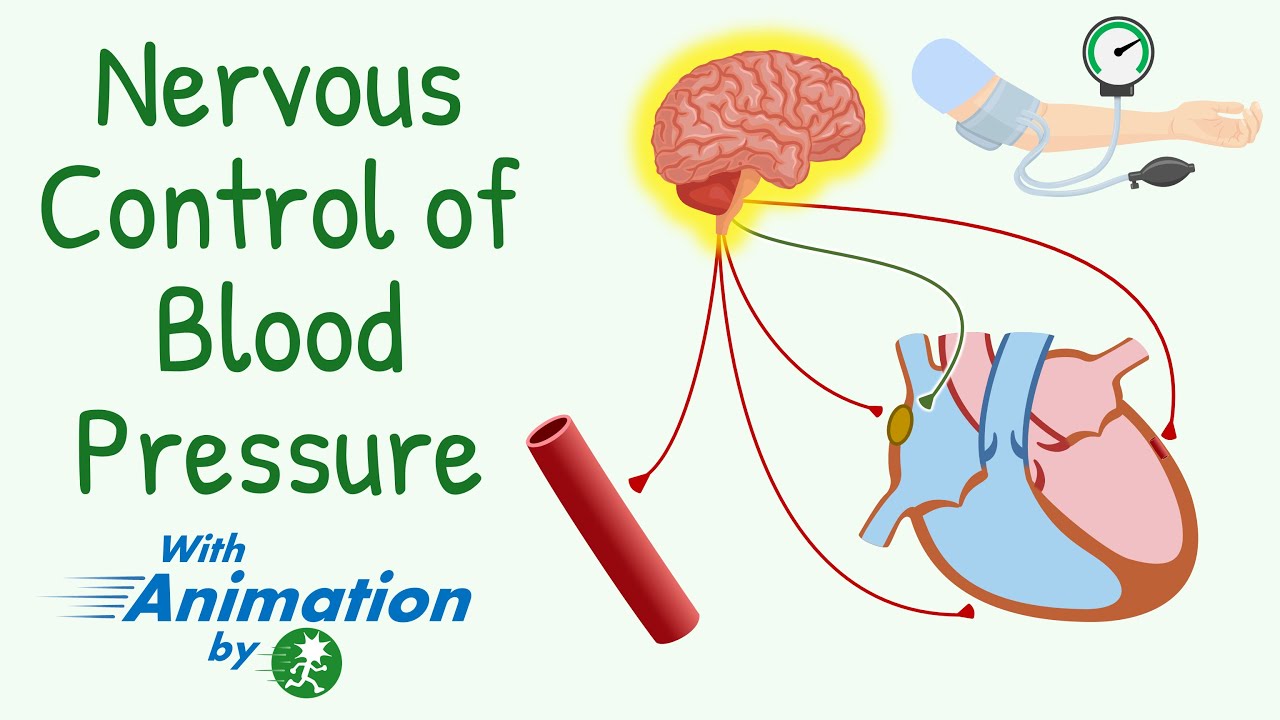
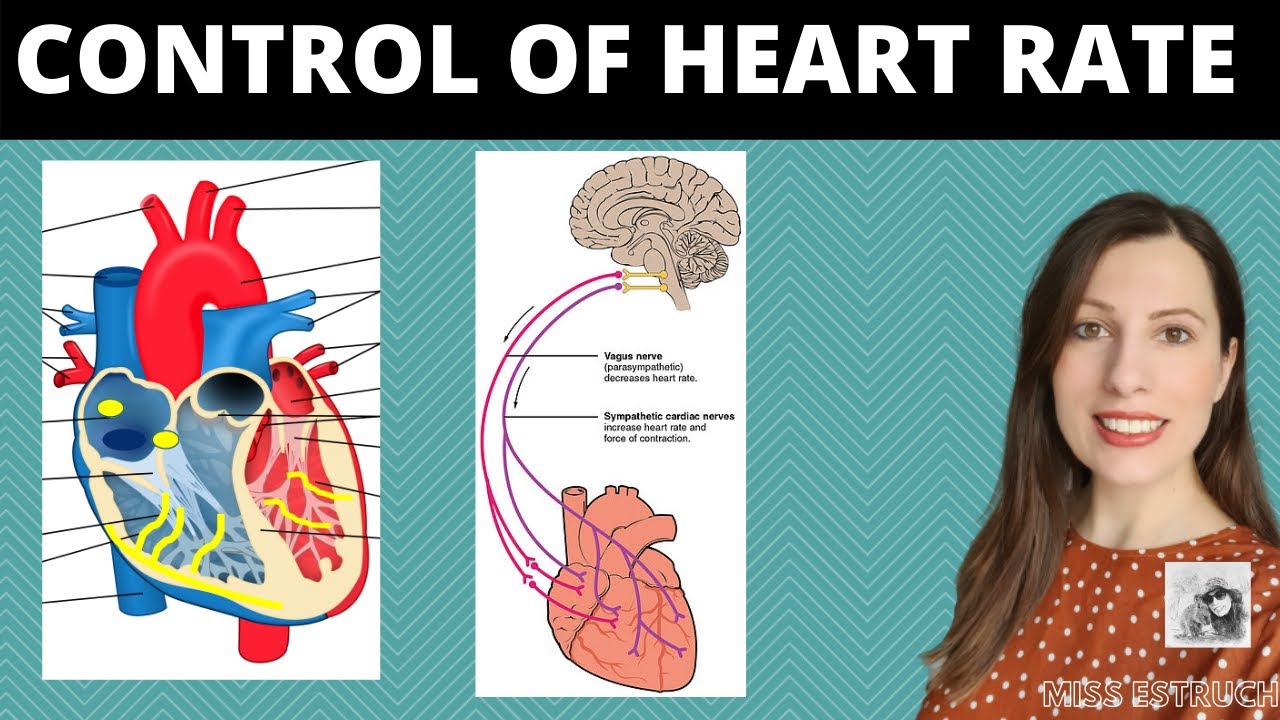
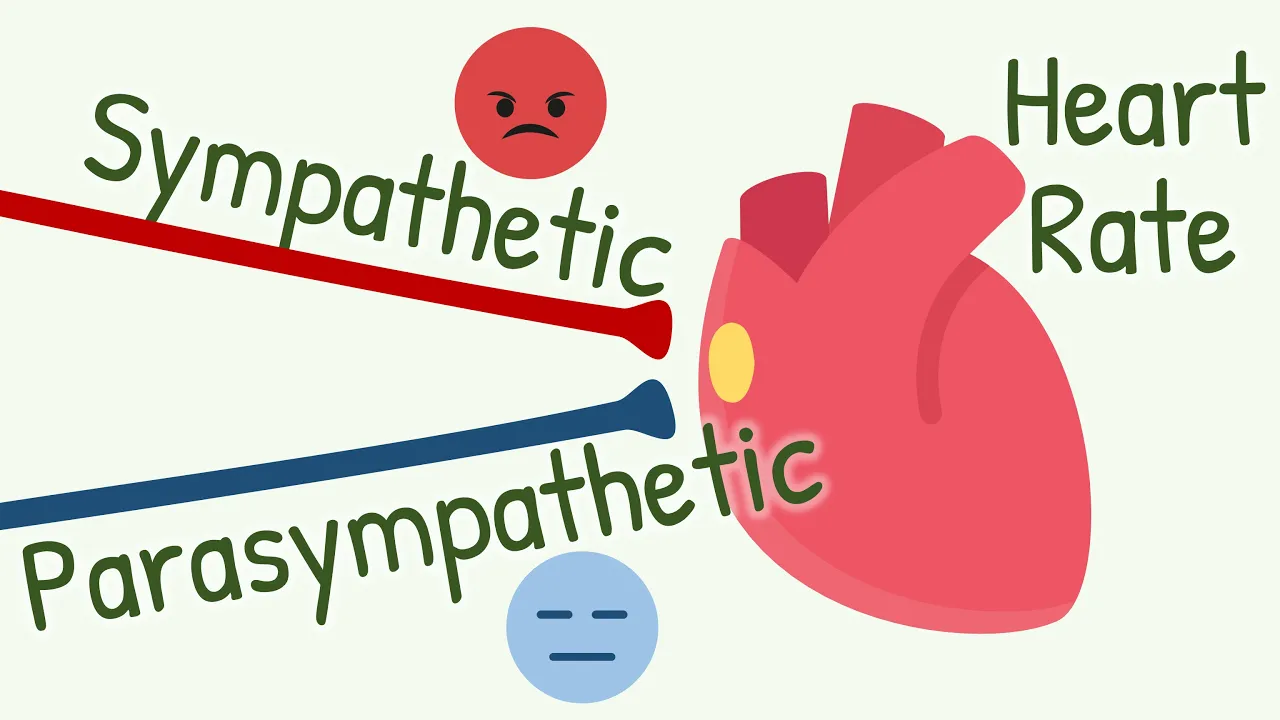
We all know that parasympathetic activation decreases heart rate and sympathetic activation increases heart rate. But do you know how exactly are these effects are produced? We will find out the answer as we study the effect of parasympathetic and sympathetic activation on the SA node.
Welcome back to Nonstop Neuron. com where learning medical concepts is as easy as watching cartoons. To understand the concepts of this video, you should know how an action potential is generated in the SA node.
We have already covered that in a separate video. Although we will be revising relevant points here, it's recommended that you watch that video first. And if you are ready, let's get started.
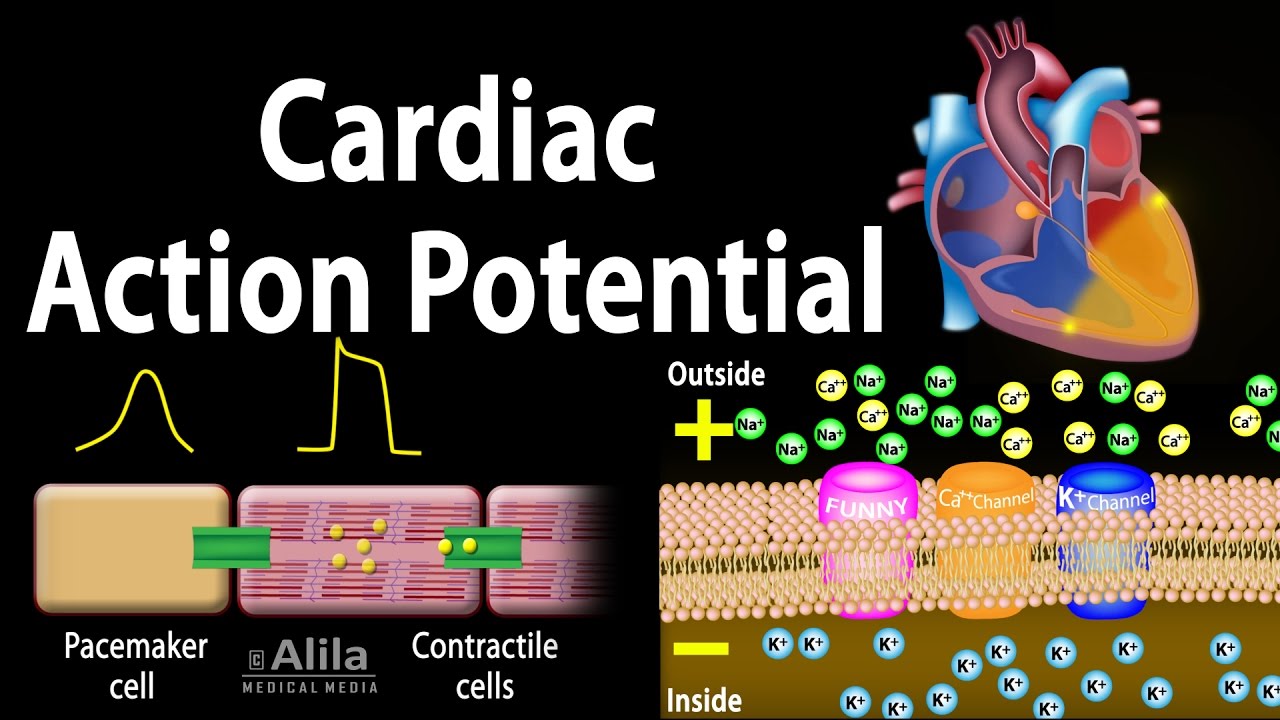
SA node is the normal pacemaker of the heart. That means SA node sets the heart rate. Here this is inside of the cell and this is interstitium.
Now let's see the action potential in the SA node. The maximum diastolic potential in the SA node is about -60 mV. Now the SA node has leaky Na and Ca channels.
The leaking of Na and Ca through these channels slowly rises the membrane potential. Once it reaches the threshold value of about -40 mV, an action potential is triggered. After that, the K channels open so K ions diffuse out of the cell.
This takes the membrane potential back to from where we started. The leaking of Na and Ca again rises the potential and everything is repeated. In this way, the SA node keeps generating impulses.
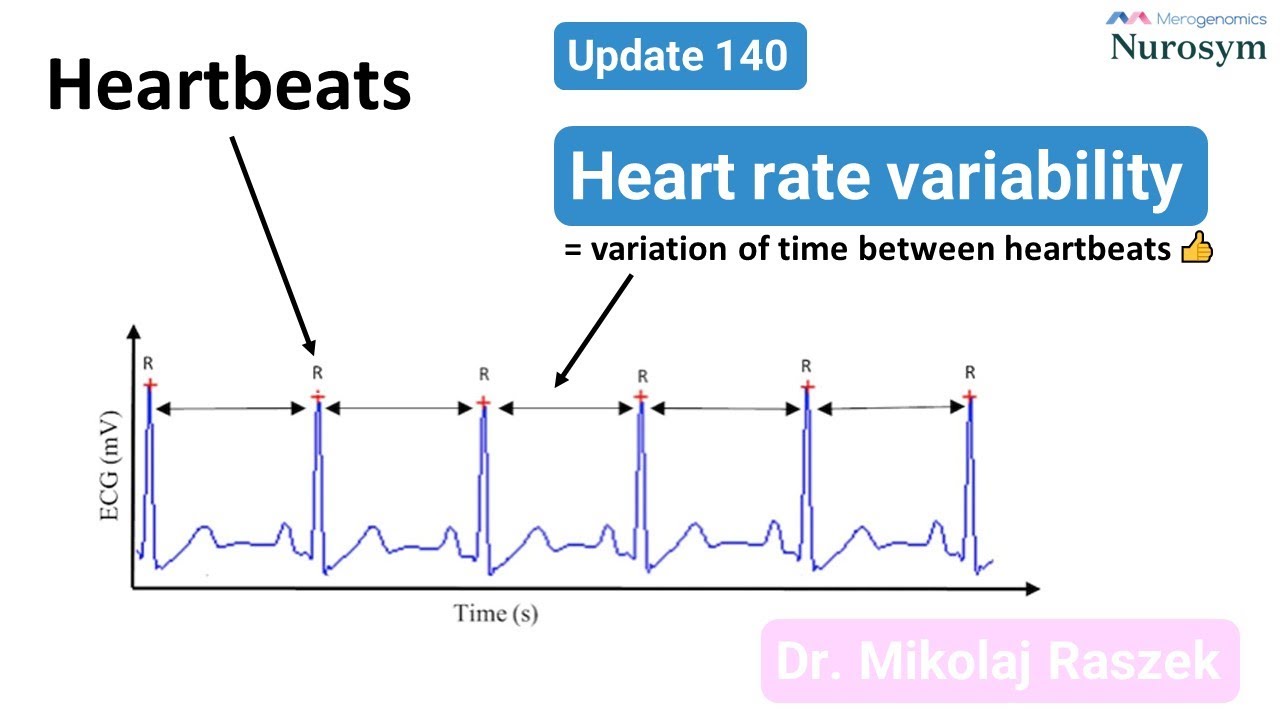
Each impulse spreads to all the tissues of the heart and triggers a heartbeat. So naturally, the faster the rate of a generation of the action potential, the more the heart rate. When it comes to the control of heart rate, this part of the action potential is very important.
It is called phase 4 or phase of slow diastolic depolarization. It is this part that gives automaticity to the SA node. On that note now let's see how autonomic control affects the heart rate.
First, the effect of parasympathetic activation. The parasympathetic innervation to the SA node comes via the vagus nerve. Its endings release acetylcholine.
The acetylcholine acts on M2 receptors on the membrane of SA nodal cells. M2 receptor is a Gi protein-coupled receptor. Its activation triggers many events that eventually decrease heart rate.
Let's see these effects one by one. First, regarding Na. We know that slow entry of Na ions contributes to a slow rise in the potential during phase 4.
At the threshold, the action potential is triggered. Now, under the parasympathetic influence, the Na current decreases. So the potential rises very slowly or in fancy words, the steepness of phase 4 decreases.
So now it takes longer than before to reach the threshold. So the appearance of an action potential is delayed. In this way, each action potential takes longer to appear.
This contributes to a decrease in heart rate. For example, in this recording, we can see that without the acetylcholine we were getting more action potentials. But under the influence of acetylcholine, each action potential is getting delayed.
So we are getting fewer action potentials in the same duration. Thus the heart rate decreases. But as I already said, this is not the only mechanism by which acetylcholine decreases the heart rate.
So let's move to the mechanism involving K ions. We know that the maximum diastolic potential in the SA node is -60 mV. Now acetylcholine increases the permeability of the membrane to K ions.
So K moves out of the cell down its electrochemical gradient. Due to the exit of positive ions, this potential becomes more negative, or in fancy words, the cell is hyperpolarized. Because of this increased gap to the threshold, it takes longer for phase 4 to reach the threshold.
So every action potential takes longer to appear and the heart rate decreases. Now the final mechanism, which involves Ca ions. We have seen that Ca entry also contributes to the slow rise in potential during phase 4, and normally the threshold for the action potential is about -40 mV.
But acetylcholine decreases the entry of Ca into the cell. This produces two effects. First, it moves the threshold to a more positive value.
And second, it reduces the steepness of phase 4 depolarization. So not only the rise in potential during phase 4 gets slower but also it has to travel more distance now. Because of this also it takes longer to reach the threshold and each action potential takes longer to appear.
So heart rate is decreased. So far we studied each mechanism separately. If we combine all the effects in one graph it would look like this.
Hyperpolarization, decreased slope of phase 4 depolarization, and increased threshold, all result in a decreased rate of impulse generation at the SA node and therefore decrease in heart rate. With very strong excitation of the vagus nerve, there can be a complete block of SA node activity. So this is how parasympathetic activation decreases heart rate.
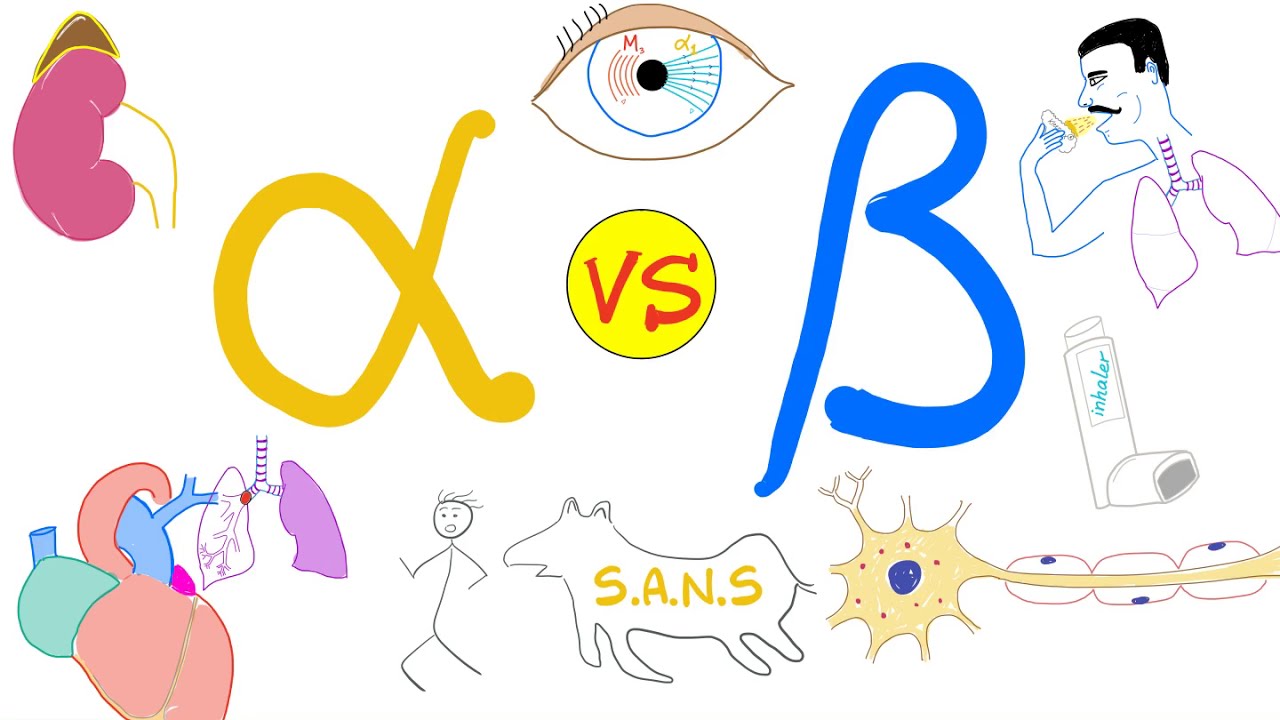
Now let's see how sympathetic activation increases heart rate. Sympathetic neurons release norepinephrine which is also called noradrenaline. It stimulates β1 receptors on the cell membrane.
In contrast to M2 receptors, this one is a Gs protein-coupled receptor. Its stimulation produces effects that are somewhat opposite to those we studied for parasympathetic activation. Let's see them one by one.
Again we will go back to the slow entry of Na and Ca which is responsible for the slow rise in potential during phase 4. Now norepinephrine increases Na entry. So the rise of potential during phase 4 occurs faster, in fancy words, phase 4 becomes steeper.
Also, epinephrine increases Ca entry. This also contributes to increasing the slope of phase 4 depolarization. Apart from that, the increased Ca entry makes the threshold more negative.
So phase 4 has to travel less distance. Because of all these, the threshold is reached earlier. So the action potential appears earlier.
In this way, each impulse takes less time to generate. So heart rate is increased. For example, in this recording, we can see that without noradrenaline we were getting fewer action potentials.
But under the influence of noradrenaline, each action potential is appearing earlier. So we are getting more action potentials in the same duration. Thus the heart rate is increased.
So this is how sympathetic activation increases the heart rate. Now let's have a quick summary. Parasympathetic activation makes cells of the SA node less excitable and thereby decreases heart rate.
Whereas sympathetic activation makes the cells of the SA node more excitable and thereby increases heart rate. That's it for this video. If you feel this video will help your friends and colleagues, please share it with them too.
And don't forget to subscribe because lots more to come. At nonstop neuron, learning medical concepts is as easy as watching cartoons. Thanks for watching, see you in the next video.