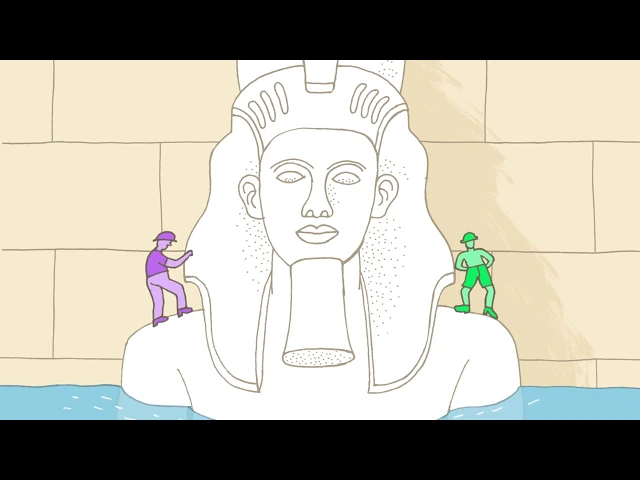
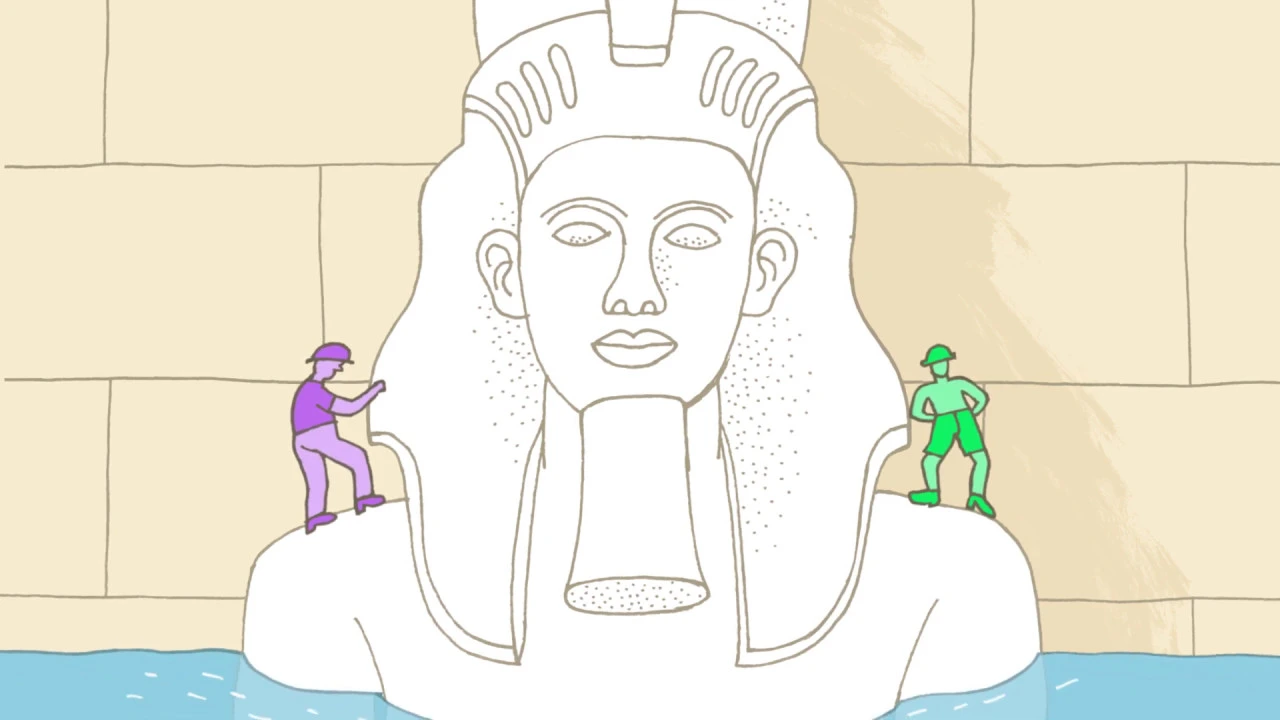
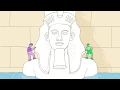
In order to learn from the devastation and destruction of the two world wars, to promote understanding between peoples and to secure peace, UNESCO was founded in 1945 as the educational, scientific and cultural organisation of the UN. A remarkable event strengthened further international cooperation: following the construction of a dam in the 1960s, the ancient temples of Abu Simbel were literally on the verge of sinking. An international rescue mission prevented this by dismantling the monuments and rebuilding them on higher ground.
This successful project raised awareness about the fact that all over the world there are places that are of outstanding value to all mankind and which therefore must be protected from threats such as armed conflict, deliberate destruction, economic pressure, natural disasters and climate change. The idea of the World Heritage was born. In 1972, the first member states of UNESCO signed the World Heritage Convention and committed to preserving natural and cultural monuments and sites of outstanding, universal value on their territory.
For a site to be included in the World Heritage List, it must first be nominated by the country in which it is located. The nomination is examined by international experts, who decide whether the inclusion in the list is justified. Finally, the World Heritage Committee, a body of 21 elected states, takes a vote.
World Heritage sites show the diversity of cultures and natural phenomena and are tangible evidence of the bond between human beings and nature. The UNESCO World Heritage contributes to the preservation of these remarkable places and to promoting cultural exchange, dialogue and peace in a sustainable way.