Many pieces of evidence indicate that the Egyptians produced bread and fermented beverages more than 5,000 years ago. Hieroglyphs and illustrations depicting the production of these foods have already been found. And not only that, several utensils and containers and even samples of beer and bread were preserved by the warm and dry climate of the region.
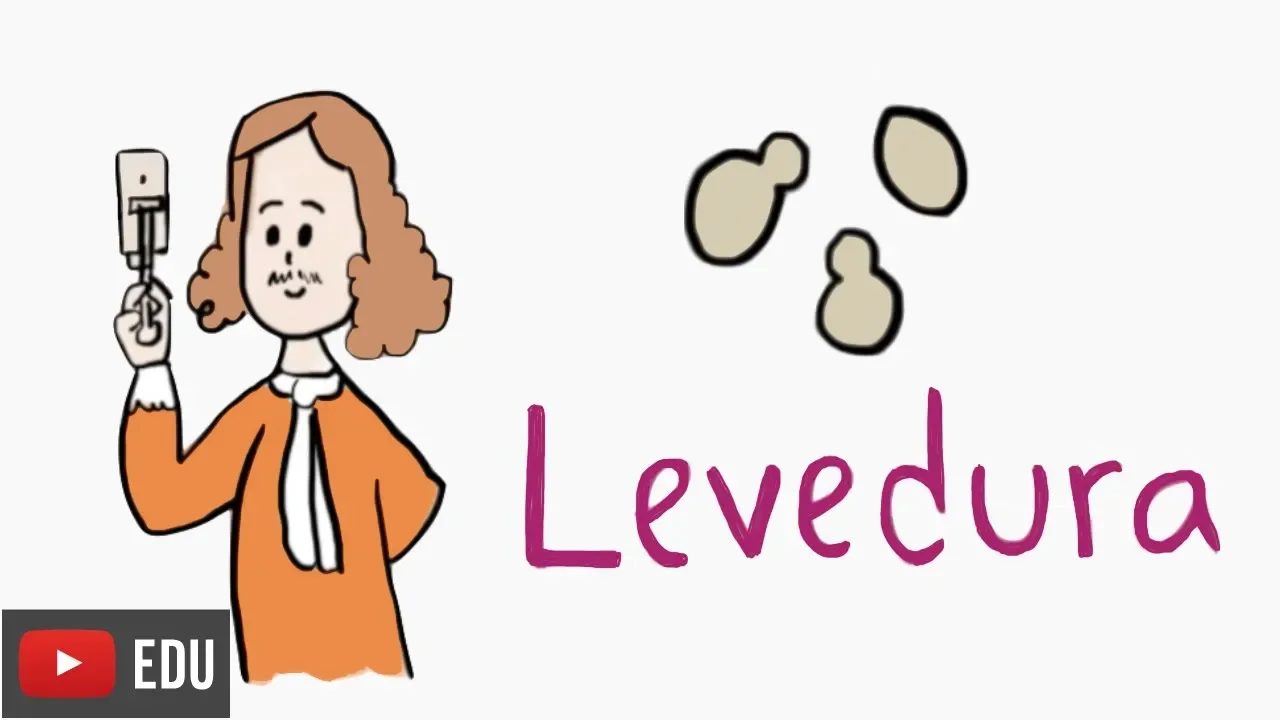
Wine waste in utensils and jugs found in Iranian mountains dating back 7,000 years ago are, to date, the earliest evidence of brewing beverages. And all thanks to a microorganism. The word yeast comes from the Latin levare, which means to grow, because in the process of fermenting loaves, the increase of the volume of the dough occurs through the release of gases and the formation of foam.
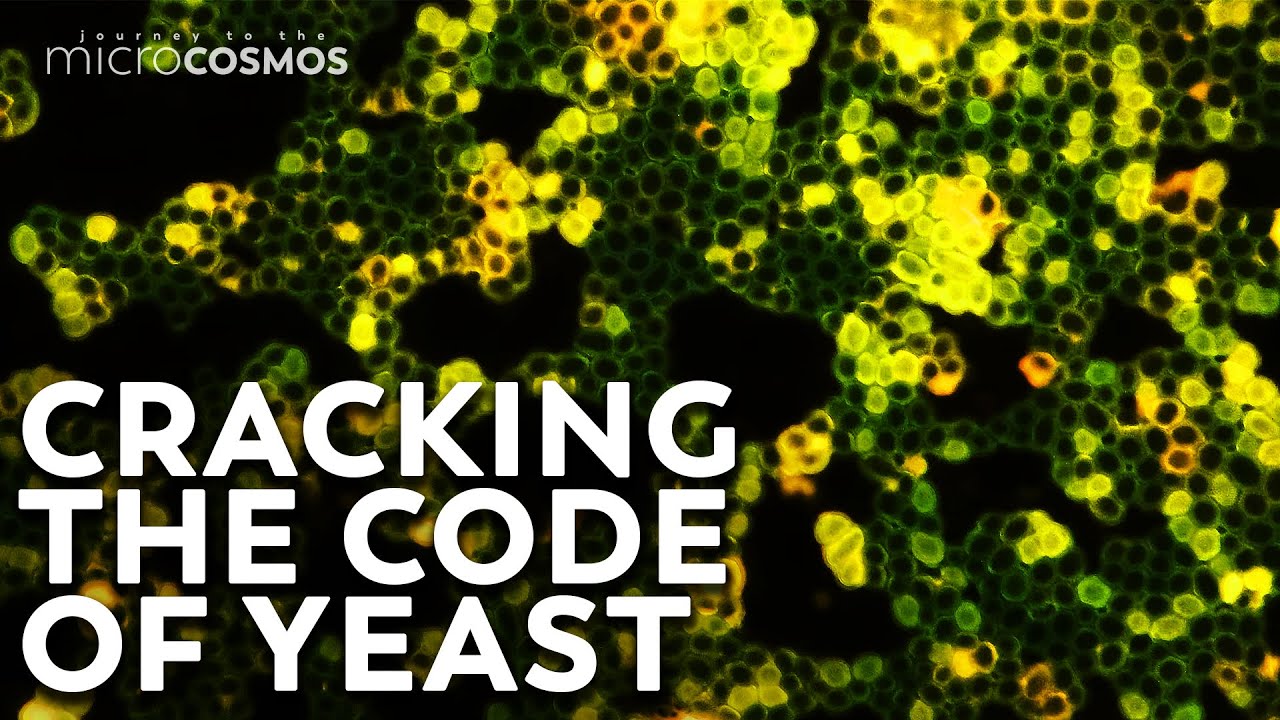
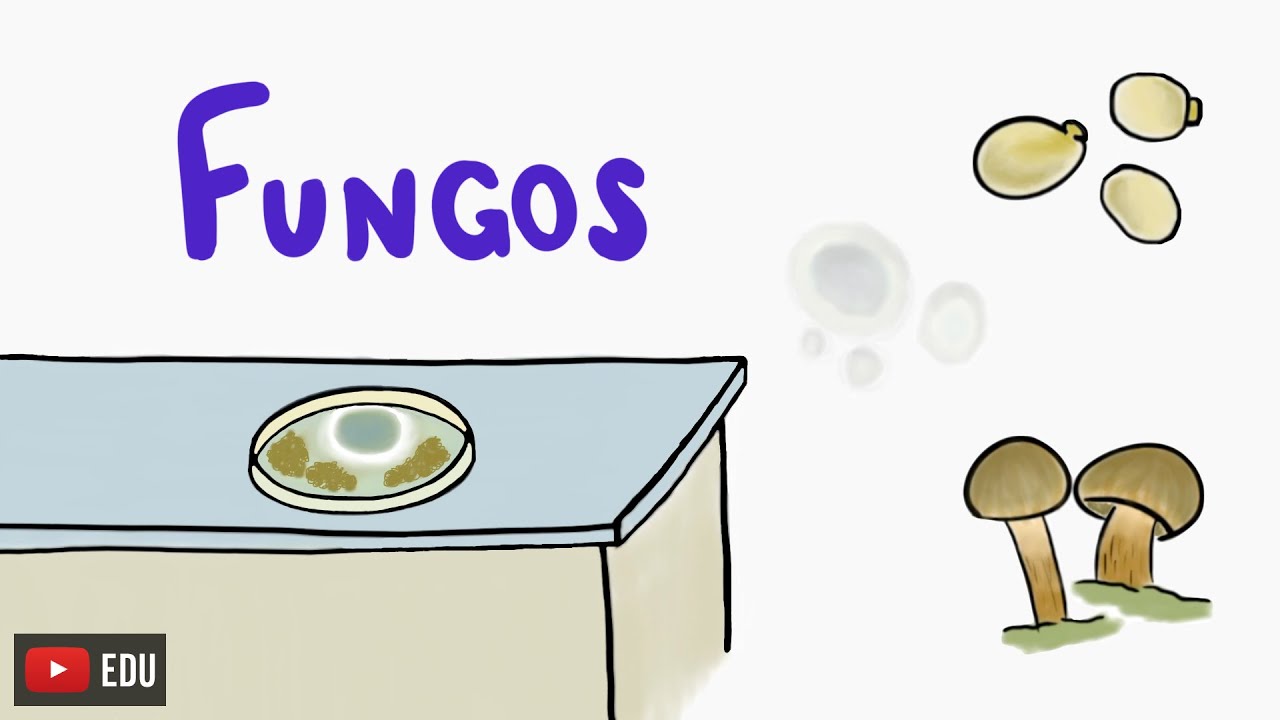
Yeasts are unicellular fungi and constitute about 1% of all known fungus species. Mushrooms and mold of gorgonzola cheese, for example, are fungi but are not yeast. Typically, yeasts are 3 to 4 micrometers in diameter, but some species may reach up to 40 μm.
The first time a yeast was seen under a microscope was in 1680 by the Dutch naturalist Antonie van Leeuwenhoek. He discovered that yeasts were floating globules, but he thought they were just globular particles of starch. It was only in 1875 that the famous French microbiologist Louis Pasteur proved that the alcoholic fermentation was done by living yeasts and not by a chemical reaction.
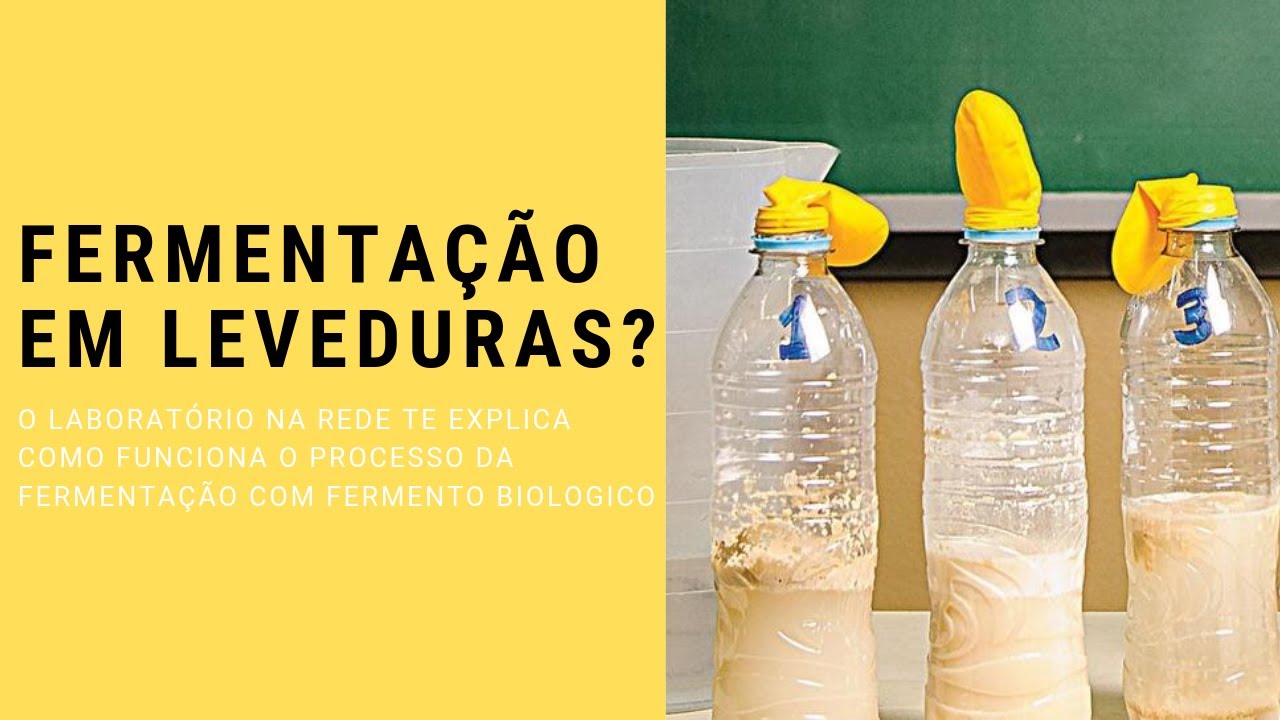
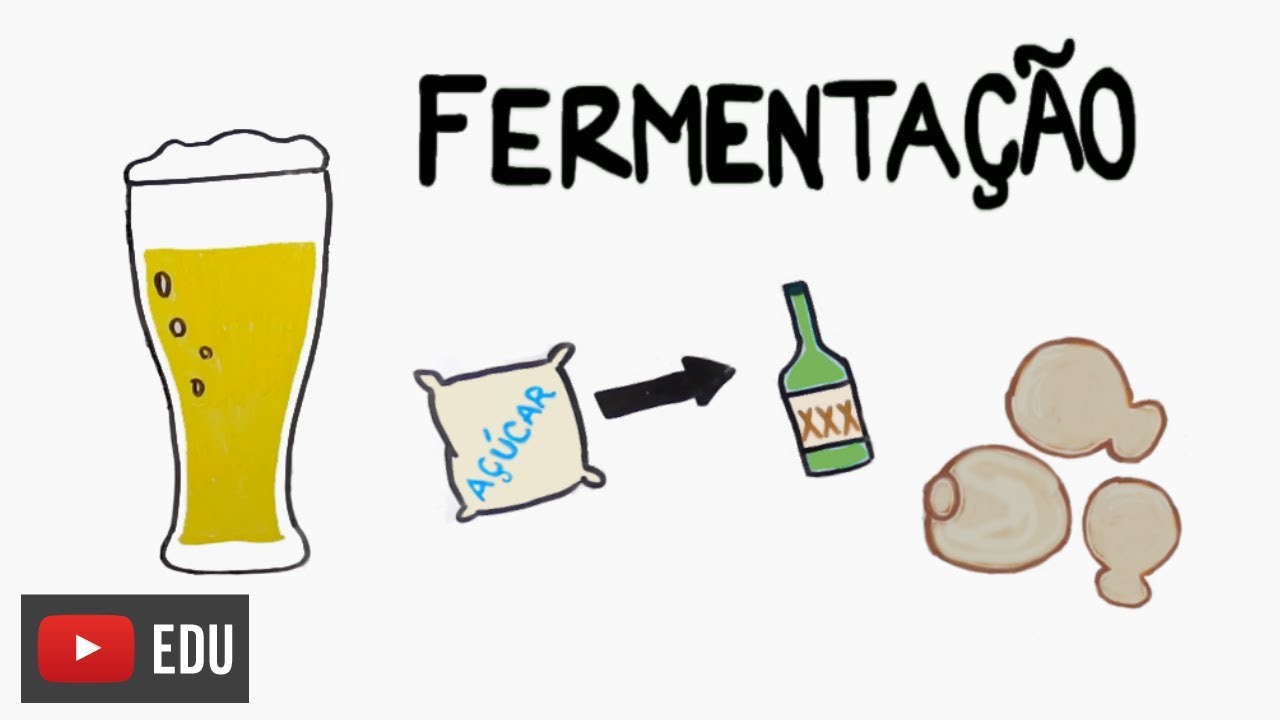
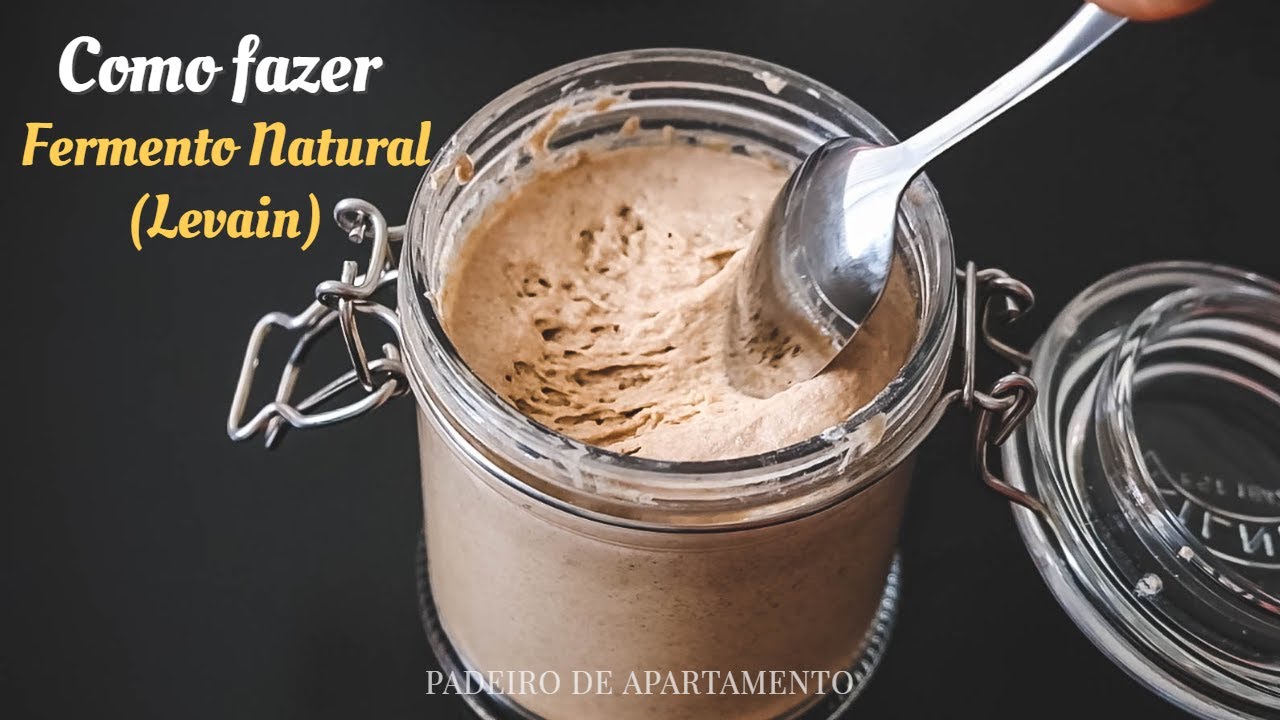
In this fermentation the yeast feeds on the sugar and produces, as a result, alcohol and gases. Therefore, yeasts are widely used in biotechnology. Due to its ability to ferment sugars, we can produce beers, wines, breads, and alcohol fuel.
But they are not just for that, some species are capable of doing even more incredible things: The yest Yarrowia lipolytica is able to degrade the TNT explosive and some industrial effluents. Saccharomyces cerevisiae, which is famous for bread and beverages, also has potential for bioremediation, eliminating toxic pollutants such as arsenic from industrial effluents. The yeast Saccharomyces boulardii is used as a probiotic supplement to maintain and restore the natural microbiota of the gastrointestinal tract.
But some yeasts can also cause diseases. Some species are opportunistic pathogens and cause infection in people with compromised immune systems, such as Cryptococcus yeast that can cause meningitis. Another example is Candida.
It is found in human mucous membranes, but can sometimes become pathogenic causing candidiasis. If you liked the video, give a thumbs-up and share it too. See you next time!