Sierra Leone in West Africa is rich in natural resources. And yet, it’s still one of the poorest countries in the world. We have a lot of companies, embarking on large-scale mining or agriculture.
They use us as working tools. From there, they drop us and go. They can’t fulfill our promise.
But as corporations scramble for the country's riches, people in Sierra Leone are fighting back. We make sure to put the law in the hands of the communities. A group of paralegals in Sierra Leone is trying to change the way land deals are made and shift the power into local hands.
Abdulai Tommy is a paralegal at the organization, Namati. While they're not fully-qualified lawyers, Tommy and his team are trained to conduct legal research, and support communities in negotiations with investors. In Sierra Leone, we have paucity of lawyers, and even the lawyers - majority of them - are in the city.
Our work is to make sure that communities access justice. As paralegals, we go out to communities to make sure that we help them to understand the law, to use the law. And at the end of the day, we are able to shape the law.
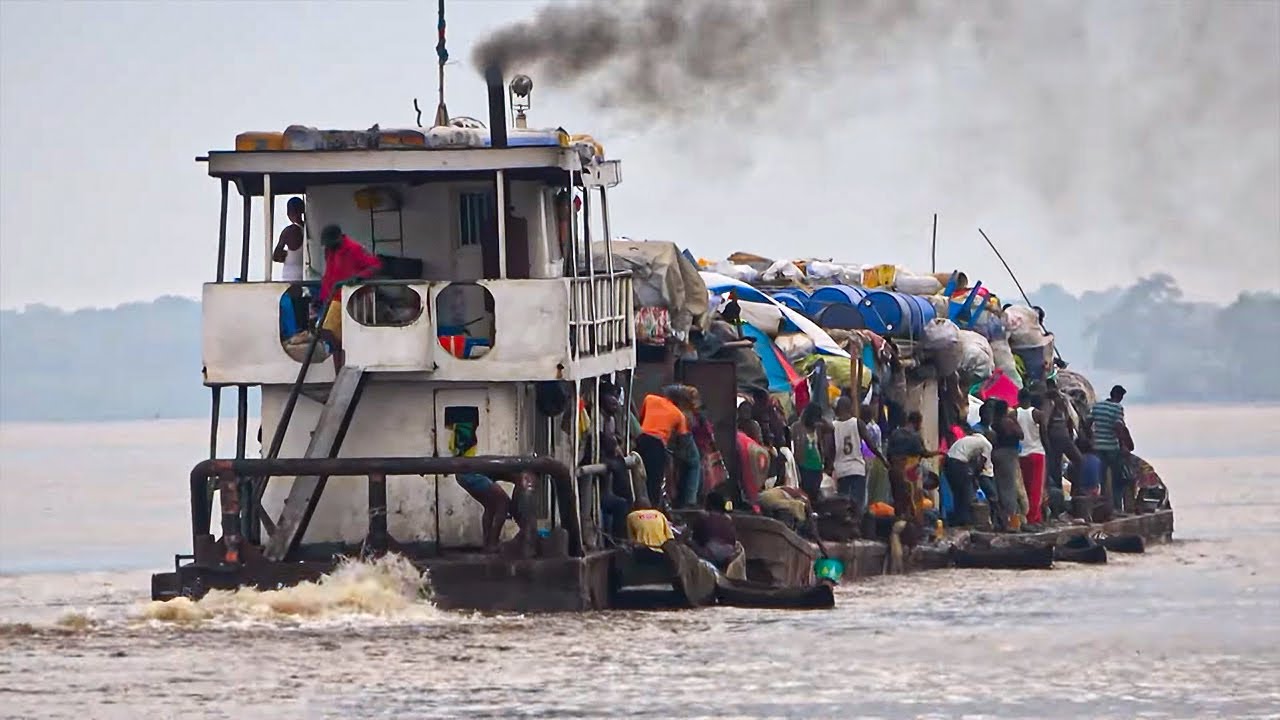
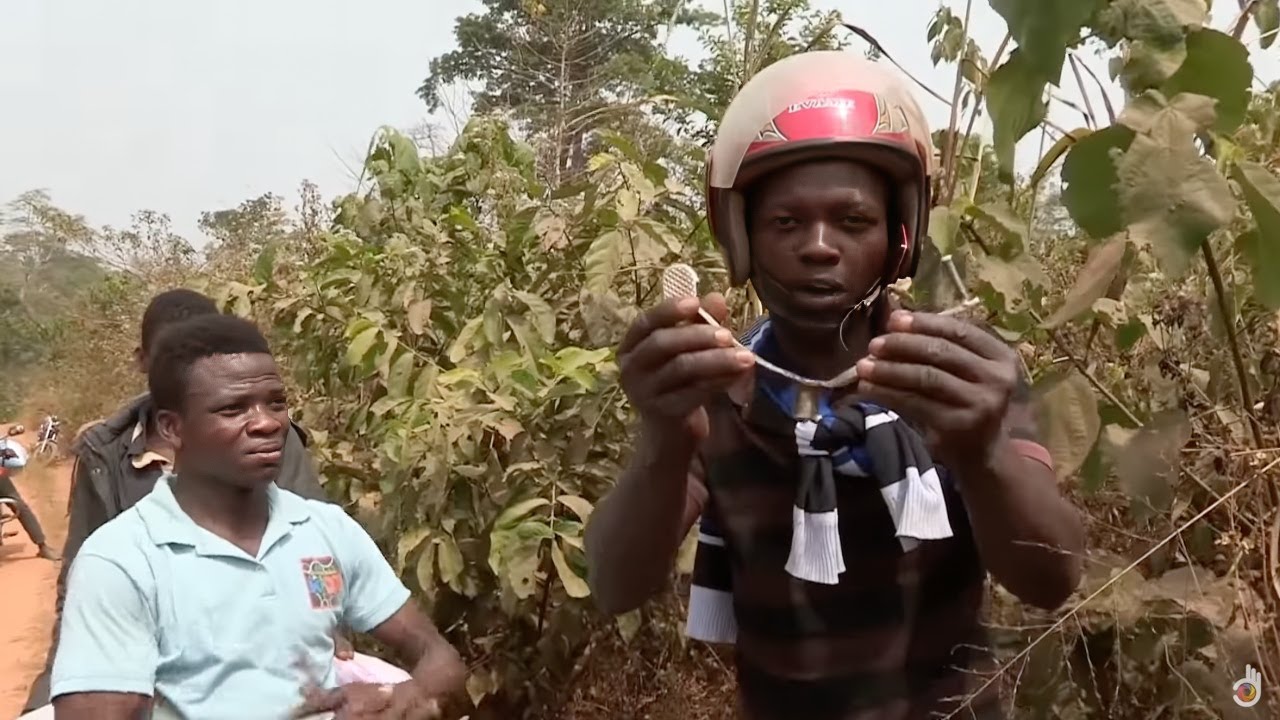
Tommy and his team are on their way to Bonthe on Sherbro Island, in Sierra Leone’s remote south. Unlike many lawyers in the city, Tommy and his fellow paralegals work in rural communities, that are often only accessible on foot, by motorbike, or boat. It’s rarely an easy journey.
The bridge got broken last year, and there were serious challenges in terms of getting over. This ferry is used to ferry people across. Drving through the country, they often see the effects of land-grabbing by multinational companies.
So, what are those deals with the corporations about? And why are they such a problem? For years now, selling and leasing land has been one of the government's main strategies for development.
A study by the University of Lagos found: an estimated 2 million hectares of arable land in Sierra Leone out of 5. 4 million are leased to foreign companies - nearly 40%. These deals are often done without any participation by the local community.
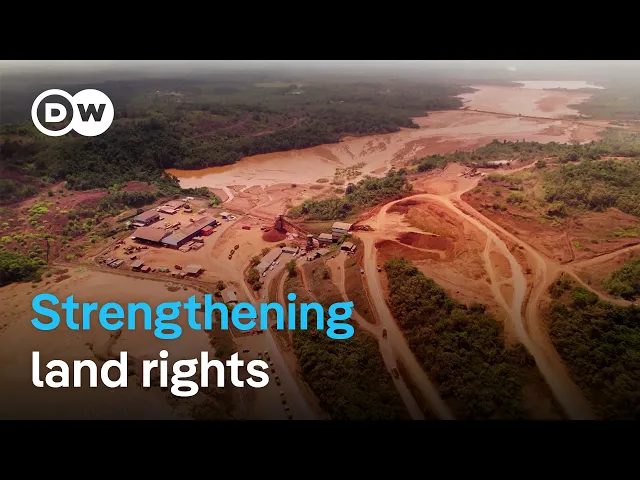
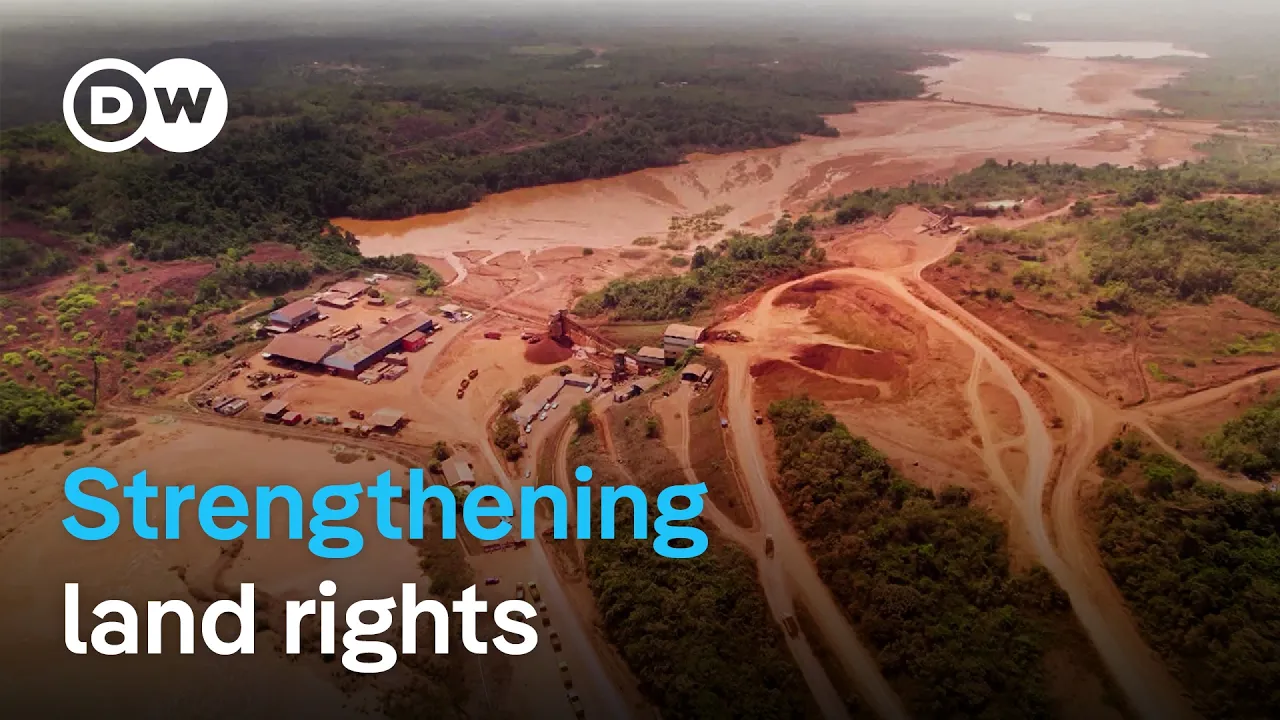
We have witnessed a lot of companies embarking on large-scale mining or agriculture. And some of these corporate institutions are also very difficult to deal with, when it comes to compliance. This lack of compliance can have extreme consequences.
There was a community here. The operations of the company destroyed their water source. And as a result, there was a need for the community to be relocated to another place.
Mining activities are devastating to the environment. We begin to engage communities to see how they can take steps, to make sure that the environment is protected. The team is headed to Bonthe.
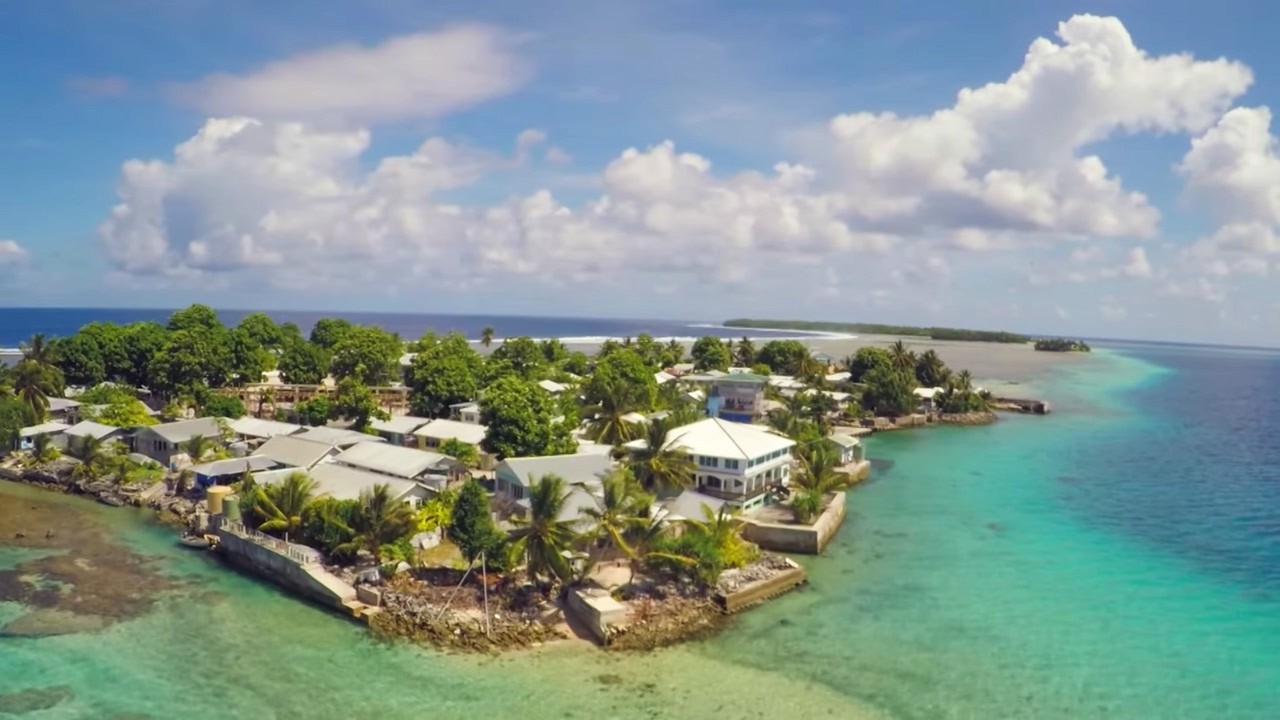
From here, boats are the only means of transport. Tommy and his team pass through the Sherbro River Estuary. Mangrove forests line the route on either side.
The journey takes another hour by speedboat. Ah, Bonthe island. Bonthe’s architecture is a reminder of Sierra Leone's past as a British colony.
Back then, the British claimed, and extracted, the minerals. Now international corporations have taken over. The company that plans to invest in the Bonthe region is called "West Africa Blue" known locally as the Africa Conservation Initiative, or ACI.
They're interested in the mangrove forests. So what value do the mangroves hold for the company? ACI plans to lease the mangroves for their ability to store carbon.
Their business model is to work with communities to reduce deforestation, by identifying and managing conservation areas and shifting to more sustainable harvesting practices. The lower rates of deforestation can be quantified, and sold to companies as carbon credits. We’ll learn more about how that all works - later.
Tommy and the team travel to one of the many communities in negotiations with ACI over mangrove forests. Namati has been supporting communities in developing their own rules or bylaws for protecting and using the mangroves, which provide a livelihood for many here. Upon arrival, they are greeted by local leader and fisherman, Pa Thomas Fama.
He explains some ways the mangroves are essential to life here. We use mangroves to build our houses. We cut them to smoke-dry our fish.
When you get to these communities, they have, like, given up because they have nowhere to make their complaints, or to have their grievances redressed. So, how are the paralegals helping the communities? The Namati team and the community members gather in the shade of palm trees.
The first thing we do, is we make sure to put the law in the hands of the communities, provide legal education on basic tenure rights. We don't tell them we provide all the answers. We tell them, OK, we'll work with you to get the answers.
They make bylaws. . .
In a country with over 20 spoken languages, this kind of community participation is only possible if the paralegals are able to communicate in the local language. Paralegal Dauda Golia was born in Bonthe. You must know the traditions and culture of the people, to be able to work there.
Because each of these communities we visit, they have their own customs, they have their own traditions to follow. This community-centered approach has been reinforced by laws that took effect in 2022. They require any land agreement to first pass review by village communities, like this one.
We asked them to suggest laws that they think is fitting for them, and laws that will not further destroy the mangroves. By creating these bylaws, communities can collectively set their own priorities before negotiating an agreement with a big company. We need to see the development before we start implementing the laws.
This is the first time Pa Thomas Fama and his community have had legal counseling. Namati is a non-profit, funded by grants and donations. The support they provide is free of charge.
Before, you could only get a lawyer if you had a lot of money. And no one here knew they even had rights. Back to the African Conservation Initiative.
Who are they? And how do 'carbon credits' work? ACI is holding a training session on how to build cooking stoves that use less wood.
The company introduces what are called, "Alternative Livelihood" projects, to encourage ways of living that reduce mangrove deforestation. Sean Fitzpatrick is ACI’s technical lead. You know, I'm a satellite analyst, so I've seen all the different countries around.
And Sierra Leone: they are blessed. They're lucky to have this big forest of mangroves still here. Fitzpatrick explains how preserving this precious resource can be turned into profit.
So, if we have a thousand hectares of mangroves, that have been cleared every year, for the past six to ten years, and now we come, and we do some conservation, we bring alternative livelihoods, and next year only 500 hectares were deforested, we can say, okay, that extra 500 hectares is equivalent to exactly this many tons of carbon dioxide emissions that would have gone into the atmosphere, if they had not been conserved. Private companies are interested in buying to offset their own carbon footprint. Some locals are skeptical of ACI’s business model.
How does it affect local fishers? Nearby, we meet up with Emmanuel Kpange who relies on the mangroves for his livelihood. Did you see the oyster?
One source of his income is harvesting oysters from the mangrove roots. Later, he sells them for 70 cents a kilo. For the carbon storage to work, and for the carbon credits to be internationally verified, ACI needs the rate of the deforestation of the mangroves to be slowed down.
Kpange is willing to make changes - but he needs support. For example: the means to keep his fish fresh, so it can be sold at the market. We can stop.
But the only thing, you can do for us: we need cold rooms, we need electricity, then we need transportation. Kpange is scarred by a lifetime of hearing false promises, of watching corporations come and extract wealth from his land, with no benefits to locals like him. This feeling of powerlessness is exactly what Namati tries to address.
Tommy believes the deal with ACI is different from many others he’s seen because of the community’s greater participation. The difference here is that, at the onset of everything, we have started engaging community members. They have a say.
They have a voice. They participate in land acquisition processes. This makes me happy, because these people tell me about my rights.
So I am not just going to let someone take over my own land, without a proper agreement. The next stage of the negotiations is the benefit-sharing agreement. This will decide how the profits from the carbon credits are to be divided up.
ACI plans to expand from 10,000 hectares to 74,000. Experts estimate that the deal could generate millions of euros in the coming decades. The company has promised that half of the revenue will go to the local communities.
Together with Namati, the community wants to make sure this time, these promises are kept.