so how do you Empower great doers great thinkers to be great speakers rudimentary sense right it infers that you're telling people how to how to speak in stories 90% of the work is about understanding the stories that you believe so what what motivates you as a human being to get to the top. 1% you believe in a story and this story is what determines your performance because of the journey you get to it's like sushi not everybody likes it but once you start liking it you can't stop eating sushi actually now I realize why I
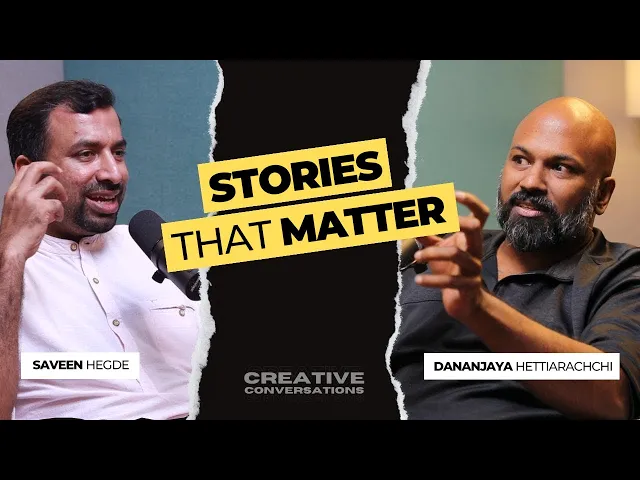
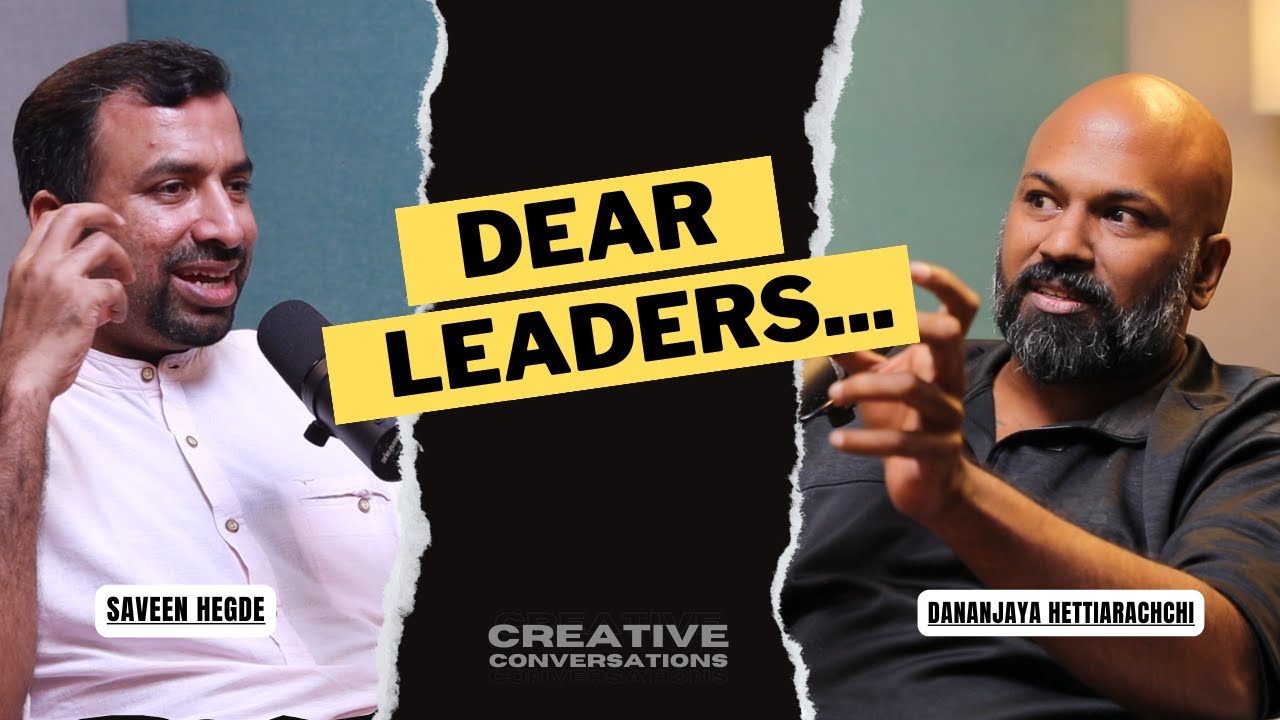
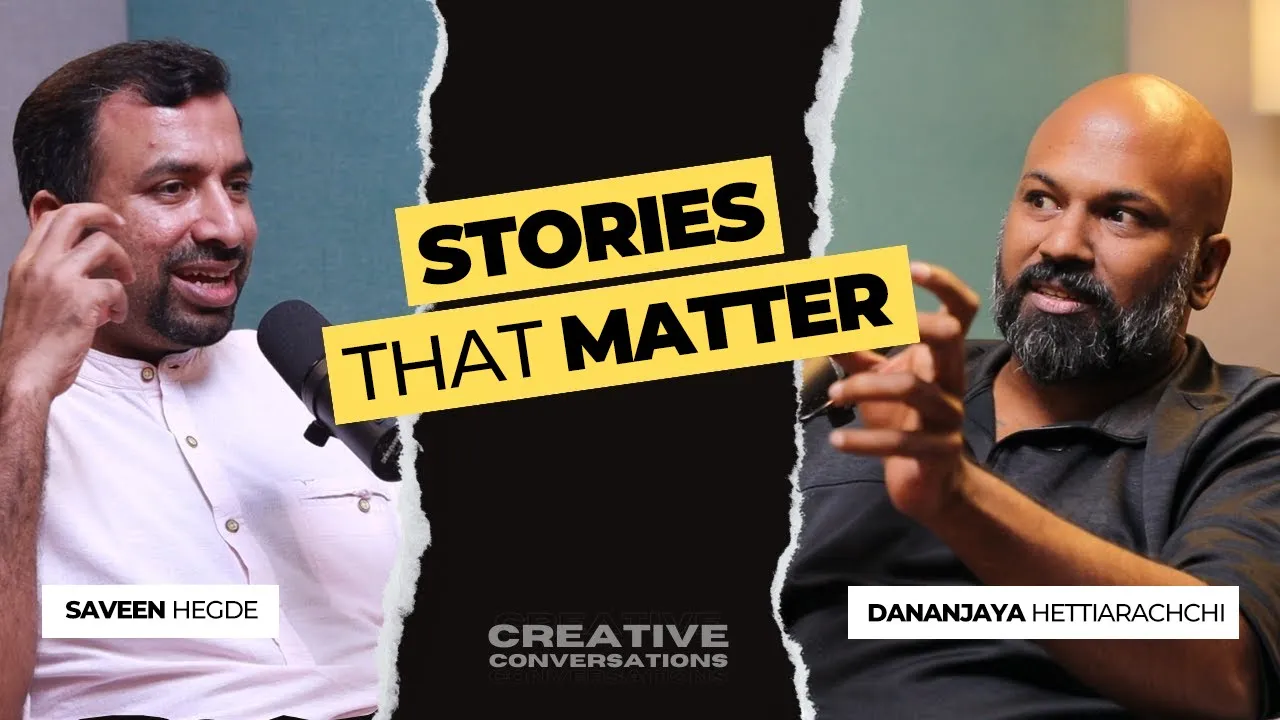
lost the championship I didn't know how to dance there you go s there you go that's the competitive Advantage I [Music] had okay good afternoon uh Dan thank you for coming in to this creative conversations generally I do these conversations with interesting people around the world and it has been a dream to do this with you so thank you for being here so I mean first of all I'm flattered you find me interesting and second of all the pleasure is all mine great uh and I know a lot of You Know Dan already but for
the few people who may not know danay hiachi the world champion of public speaking 2014 uh he's been a coach a mentor and helping leaders across the world on how to be better and reach the top 1% or top 0 1% Peak Performance coaching so I've had the privilege to work with Dan and he's been a great mentor a support a great friend every time I hit a roadblock in my life I pick up the phone and talk to you so uh it's been it's been great so I want want you to talk me through
yeah uh what changed it's been 10 years since the world championship of public speaking uh we're in 2024 2014 is when you did that so how has the last decade been I think the last decade has been interesting savine because uh predominantly because of the type of stories that are changing I think the stories that you and I grew up on um to visualize our own future right are no longer valid some are still valid but most of our old stories are invalid and there's a new set of stories and narratives that are coming into
cultures around the world right so my work um you know really revolves around these new stories and what these new stories are setting because the value systems of the world are changing uh Ambitions of people are changing and U there is a constant search for a new set of stories and leaders around the world need to now start telling these new stories because that's the philosophy on which the future generation of leaders will aspire to grow on so it's been a lovely shift to see this Dynamic um and be a part of that Journey it's
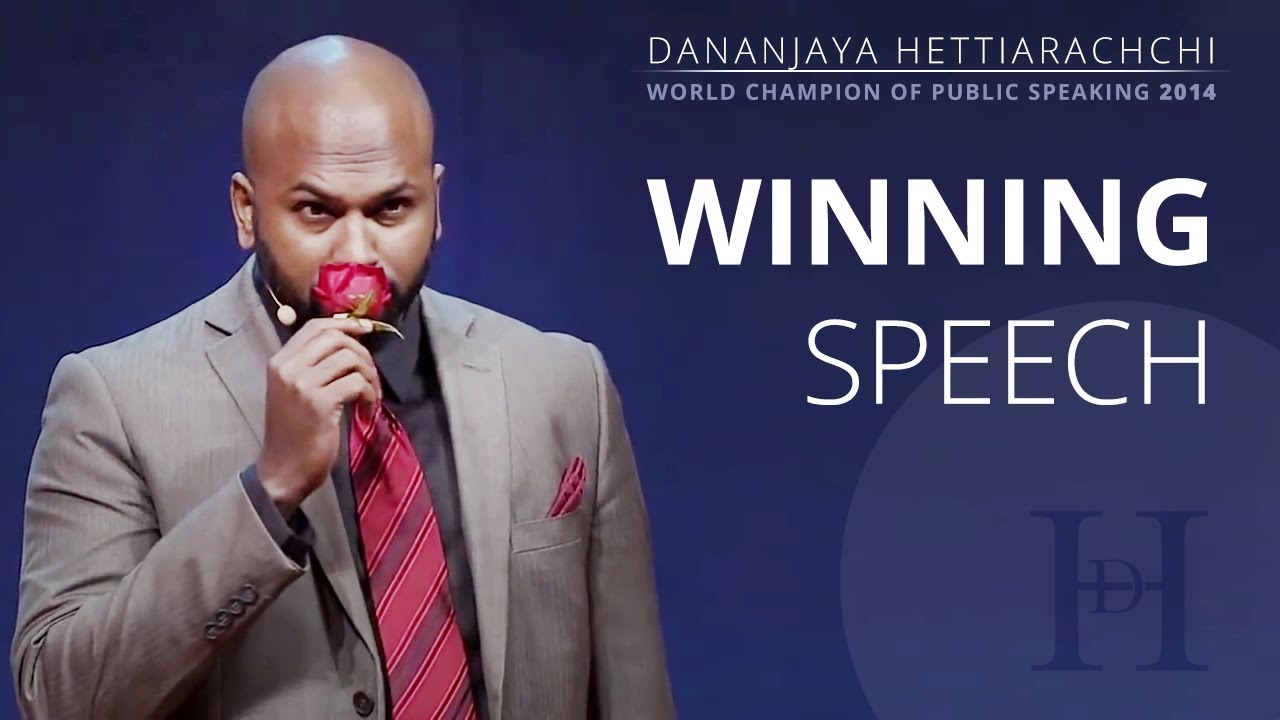
pretty good absolutely and this is something that you've told me a few years back that still stays with me that what you speak on stage and the story you tell is not to impress the audience but more to change your own mindset So Stories shift your own mindset right and I've seen that through your speaking across the world in different stages and I've also felt it myself when I was going through that journey and uh that is something that is incredible yeah uh the world championship winning speech of yours I see something in you it's
been a game changer I think the highest watched uh World Championship speech on YouTube Till date uh 7.58 million views and so on and the beauty of it is I still remember this I won't be quoting any names but 2017 when I was in the finals and uh all of us who lost the championship there was this guy who was next to me and he was angry and I thought maybe he's angry because he lost the contest and you won't believe what he said right he said I wish I lost to danay okay okay so
he was not angry that he lost the contest but he was like I wish I lost to somebody who did so well you changed the game of Water World Championship ship speech means and what it stood for yeah and uh I remember talking to you after the contest and you told me that was not the speech that I gave for 7 minutes it was 10 years of work that you put in so walk us through that 10 years of preparation for that one 7 minute speech yeah that yeah and that's interesting take I think if
you split what you said in two parts right about how stories transform not only the audience but the Storyteller right stories I always consider as the programming of the human mind so just how code uh programs a certain software uh if you want to reprogram or deprogram your mind it happens through stories and if you look at history people have done incredible things because of a story they believed and then people have done disastrous things because of a story they believe so inside all of us human potential starts with the story that you believe in
and you know depending on who you are the more times you tell it uh it becomes a reality and the more times you tell it to people and if you articulate it in a correct way they start to get programmed into it and there are many examples of positive versions of this as well as negative versions of this um a story in itself right is just like a piece of code that gets inserted into your mind and uh you know it works depending on the conviction of the person that's telling the story now now coming
into the latter part of your question on this journey uh one of the things that uh really kind of Baseline very early on in my life is what's the story that I believe in and is this story Universal enough yeah because to win a world championship of public speaking or if you want to be a leader that influences masses the story has to be Universal now for a story to be Universal it has to be a universal truth now you can argue there's nothing called a universal truth but if you take an era let's take
of 100 years U there are some truths that are common across all cultures yeah so a great speech a great piece of communication a great piece of art it doesn't necessarily have to be only speeches it could be a piece of film um painting photography has to be based on a universal truth and when it's a universal truth right it's easier for people to accept yeah right and lot of the filters that are there from our different cultures are bypassed and then it's internalized so much of the Journey of the 10 years was to find
out hey what's that universal truth and very later on after trying close to a thousand speeches um towards the latter part of the contest I found that hey you know actualizing human potential is one universal need that's there yeah so what's the truth the truth is that we don't know what we are capable of that's the universal truth yeah and something that supplements the need and the truth is that sometimes more often than not that capacity that potential is unlocked through the people we associate yeah so if you ever find yourself struggling to figure out
you know who you are what are you capable of what can you do and these are hard questions for an individual to answer and more often than not you can find the answers through the people that you associate and that was the basis of uh the speech um much of the work was done after the concept was found and articulating the con uh the the concept was basically the art of public speaking but 90% of it is coming down to that Universal need and that universal truth yeah and articulating it as I see something in
you yeah and that's the speechcraft right so you can have the great idea you can have a great concept but then the real art in bringing it alive is the craft of yeah public speaking and that's the challenge that a lot of leaders go through today because the amount of depth and reflection needed for you to craft a story versus just articulating it right uh that is the copy or the text that you're talking about so everybody wants a shortcut right to say what can I say that'll impress people yeah versus what you're talking about
is really going to the depth and saying do I really want to say this do I mean it from the bottom of my heart um it's part of it it's part of it it's not about what I want right um and I'll go back to what I told you before it's about hey is what I'm trying to tell Universal enough now I might want to talk about a particular topic with a lot of conviction yeah but if it's not a universal need if it's not a universal truth then your ability to influence the masses reduces
so a leader can have a passionate topic but for it to resonate with the audience it has to be a fundamental truth and coming to the art of articulation right as much as it depends on reflection it's also a byproduct of iterations any piece of art let it be a speech or a piece of innovation yeah doesn't come only through reflection it comes from iteration and you know this more than me right and where people struggle right is the level of iteration they're willing to commit or the number of times you're willing to commit and
that's the level of iteration right so if you look at the greatest Innovations in the world have a level of iteration that's almost Beyond human capability right 99% of the population won't iterate it to that level but it's in that iteration the nth level iteration you find that final piece of art and this is same to a speech it's same to a design it same to a product that you're innovating in a company um it's the same thing in a story yeah I remember seeing that speech in its very raw form when you delivered it
in the Ted platform it was 25 30 minutes long speech but I could see the essence there and then what you delivered at qual Lampur on stage was completely a different version of it or or like said the end iteration of it with the with the rose in your hand and all of that so uh walk us through those iterations how did that happen um you know I think the iteration process is is something that uh any expert needs to master if you want to be a master in any field right it's not only in
public speaking it's about living with a solution a Half Baked solution and then constantly iterating it until it comes to a standard that's world class right so much of the pain wasn't uh wasn't in the iteration part it's just that you got to constantly fight your urge to put a full stop right it's like you know you design a flly right and and there's a let's say you design a piece of uh material right let's say for example like a poster right and you know you have this urge to quickly put a full stop and
say I'm done done yeah right but then you know you also have this opportunity to not put a full stop but continuously iterate it right now how long do you have to iterate it for and how much of incremental gain can you get from iteration these are all uh products of your capability so you know when you start out right in speaking you might iterate it a thousand times and the Quantum of difference may be very minimal but then when you iterate it to the thousand and first time you can see that Quantum doesn't increase
proportionately it increases exponentially and there this sudden burst of U Quantum gain right that's disproportionate to your effort so if you look at my journey and the iteration of the first version of my world championship speech and the last version the one for one year and 6 months the gain was minimal you know I I cut a word put a word you like it's like oh it's just 2% better but something amazing happened to us the last two months because of the momentum the tweaks that I did in the last couple of months had a
disproportionate gain and I call this a Quantum Leap right and you know you can you can find Quantum leaps uh in in many uh many types of Industries and one of the examples that I love to give is uh this famous uh quotation by one of my friends uh who's a who's a very good process consultant in Sri Lanka um he said that a light bulb didn't come from iteratively in iteratively innovating a candle right you can improve a candle all you want but you're not going to get a light bulb there is this moment
where a Quantum Leap happens from candle to light bulb yeah right and that's what you know 0.1% know hey I'm going to put 10 years of work I'm not going to get the gain I want but 10 year and first day I'm going to get that Quantum Leap we don't know when that Quantum you don't know when the Quantum Leap comes right but they stick to it whereas uh many people um they they get half a just put a full stop wow so what do you recommend if somebody is aspiring to build something world class
that you keep iterating and somewhere down the line the Quantum Leap happens or what's what's your strong recommendation yeah well more often than not right I think great greatness right you could be entrepreneur you could be a speaker you know you could be in any profession um I always say this right that um a greatness at the start of greatness is a vision misguided right you know you start your initial start is never your uh ultimate goal more often than not the intention you start out something let it be a company or whatever um is
coming from a very misguided sense but when you take the journey uh you find the clarity yeah right I never wanted to become a Toast Master because I was going wanted to win the World Championship or become a better Communicator right I became a Toast Master because uh you know I was I was very bad at school and I just wanted to make my dad happy right because he's the one who introduced me to Toast Masters in the hopes that it'll give me some philosophy life but it was not my intention yeah so my intention
was misguided my vision of joining Toast Masters was misguided all great things start with a misguided Vision but in the journey and like it happened to me through the people that I met you start Co correcting right and and you start building this philosophy so step one start know that this is not the end step two in the journey build your philosophy uh that belongs to you that belongs to you so your philosophy is a set of rules and ethics that apply to you and Define your success you need this philosophy not before you become
successful but you need it after you become successful and there are plenty of examples of people who have attained success without a philosophy having a very rapid fall in life right but people who have a philosophy and then scan opportunities uh with that philosophy after getting success can sustain it yeah right so my recommendation if you're starting out in anything is these two things are important realize that where you start is not important iterations are important and then use the journey to build a set of rules that guarantee your success and that's my recommendation and
these rules you find out through the Journey you don't start out you find out through the Journey just look at me and you right you have a fantastic company U you're a great manager people and you know you relish the opportunity to scale organizations and and and that's a rule for you for me I like to be a individual contributor I work best alone right I'm more like a special ops guy right uh and I achieve things faster when I work alone so both of us are going to success but the rules are different different
right and if I try to do something that you're doing or you try to do something that I'm doing it might not work out so life is about discovering those set of rules that guarantee your success will sustain irrespective of how big it irrespective of how big you are right um and and lot of people don't contemplate enough on hey here's my set of rules and I'll evaluate the world and opportunities that are there from that set of rules right and and that assures that success is sustained I I want to Deep dive on your
area of expertise that you've lived and demonstrated to the world right on on storytelling and what if there are leaders who have great ideas and and that's one of the reasons I started doing what I'm doing right I feel that great leaders need to be not just great speakers they need to be great doers right just because they don't have the ability to speak does not mean they're not good leaders yeah so how do you Empower great doers great thinkers to be great speakers as well yeah I I'll answer that question but I want to
make a slight correction right so when you when you say storytelling it almost in in a very rudimentary sense right it infers that you're telling people how to how to speak in stories which is a very basic level understanding and my work and the type of work that I do maybe 10% of it is that 90% of the work is about understanding the stories that you believe so you may be a CEO of a Fortune 500 company you may be uh you know CEO of a boutique shop down you down the road yeah you believe
in a story and this story is what determines your performance so you come back to what you're able to do in life is directly proportional to the story you believe yeah right so my job is about helping people reprogram those stories because you can't for example take a company you can't be a CEO with a manager's mindset yeah so what what is a manager's mindset a manager's mindset is the stories that you believe so if you want to be effective CEO you got to change those stories you got to unlearn those stories right and relearn
the stories that will help you become a better CEO you can't be a husband with a boyfriend mentality right um what's a boyfriend mentality right it's a set of stories yeah you got to change that set of stories and then have another set of stories that allow you to play a different role right so a lot of my work revolves around helping people unlearn learn and relearn the type of stories internal programming that's needed to become successful in different parts of their life so can I say it's more story thinking and changing rather than telling
it's more kind of like uh internal change management right but it's about it's about what's the narrative because if you something if you believe in a story and to tell you that Hey listen what you believe is not the right thing for this level it's a difficult thing to digest yeah right and and change starts with fundamentally changing your internal story yeah right and and this becomes more as you go into U you know uh leadership because you have your ego right and you know Leaders with you know very strong personalities cling to those stories
that they believe in which may not be successful now so going back to what you talked about it's not about whether people are able to articulate stories which are important for leadership but even for you to get results you need to figure out whether the story you believe in works or not yeah so what should they do as a leader to find what they believe in because that's a lot of thinking time and understanding um it's not it's not uh the type of work that I do right is not it's not necessarily uh preemptive right
A lot of people that I work with uh come to me after facing disastrous consequences right so they've already experienced failure right and they don't know how to um how to make sense of the failure so the need to reprogram is already there so my conversation or my work with a lot of these leaders is to help them see the fallacy in their own stories and then start first believing a new set of stories and then start telling those stories articulating right so it's three stages so though we fundamentally bucket all of this under storytelling
it's a very basic way of um describing a very complex process uh of growth right at at you know at the growth of you me and every civilization is a story and uh you know in India uh you know you you believe in the mahabarata right in Sri Lanka we have the mahavan all of these stories are cultures cultures are a set of rules and philosophies that Society lives by they thought to their children by their parents and grandparents and you know everything that you see around us has manifested from these stories yeah and um
reprogramming that is a very challenging task and which is the first task telling the story is the last part which is the easier part to do but I think the shortcut to telling it right versus crafting it for yourself and changing it for yourself is the tougher part yeah changing it for yourself is the tougher part as a leader and then when you start doing things based on those new story assumptions and then you had to change the culture of your organization of your team you do that by communication culture is not influenced by hard
stuff it's not it's not influenced by infrastructure yeah a culture is influenced by the stories you tell so if you want your team to do better things they all have to believe in a better story um and and let's take some well-known examples of this like uh you know let's take some very explicit examples like Steve Jobs right or even kind of um you Richard Branson um at the heart of their achievements like Jeff Bezos is the story they're telling and the the people believing in the story drives the performance this is a different question
and this has been my personal OB observation as well yeah that as time passes through and you've gotten so many opportunities to tell your story be keynote speakers at large conferences and one of the patterns that I've noticed is that are they really looking at learning or are they looking at just being entertained by you and not really go back and reflect and so what has been your observation how the audiences have changed over the last uh few years that they come to you with with a question to improve their learning or they come to
you with with the picture that they want to click with you or I think my work kind has two components right I think there's entertainment value to it I think there's uh you know there's a light-hearted part of it where you just you know go after listening to someone like me or any any other speaker you feel motivated you know you got a slight spark in it right uh but the real uh but the real magic happens when you meet people that have a have a deep requirement deep requirements come through failure right and and
I think the most of the successful people that I've met have found me as opposed to me finding them and they've come to me with a compelling reason that has stemmed from some form of failure I I don't like using the word failure but in the absence of a better word um you know they've come to me through some sort of pain right so I think there are two two components um you know both sides are enjoyable in equal proportions yeah and uh so what what motivates you as a human being to get to the
top 1% or top. 1% in general so if somebody is starting out new and whatever they want to do how do you get there or how do you start thinking about that level of refinement because it is really scary at times and there's a lot of disbelief in yourself so where do you start I think um I think the start right there are two ways to start this journey right one is to model yourself under somebody you know who's at the proverbial top right uh it could be a father you know it could be a
CEO that you know and and when you use when I use the term top 1% it doesn't necessarily have to have a monetary aspect of it you could you know how do you get become the top 1% of being a dad right or or being a top 1% of being a son right or a daughter right so um you know I think you start by modeling and modeling starts with Association and this is something a lot of people don't do right they don't associate uh successful people um and uh they don't know what that world
is like so step number one is to get exposure right and you know just like how uh I reached out to my Idols they are sometimes more than willing to spend time and what I mean by top again in the lack of some better words it doesn't mean Global you might have a great entrepreneur in your village in your town right you might have a great uh professional right a great teacher who who demonstrates the same qualities that's the likes of a multi-billionaire uh would do uh around the world and co-associate that person yeah that's
number one second thing associate what it's not right I mean experience what abject failure looks like and this for me was a very strong motivator I've seen people who are in powerful positions who are abject failures and and the consequences that happens because of that and therefore the you know you get this urge to become the counter narrative and uh what's the other type of a voice that can count to balance this so so for you to get taken seriously you got to become great you got to come to the top 1% to influence your
society and if you want to have a counter narrative um against what you don't like right and there again plenty of examples of this um so those are two ways you can start start by associating what you like to be like or then go and experience what the abject failure looks like so that you're compelled to go the other way absolutely and you can even like when I say experience subject failure it can be you can be in the victim of that yeah right you know you can be the victim of bureaucracy you can be
the victim of bad teaching you can be the victim of you know bad Finance yeah what you know being a victim gives you an opportunity to then turn the page become the antithesis of it and then become the best at it to change what you don't like yeah I think a lot of movie stories are written like this yeah that's right I mean it's you know you know Joseph Campbell you know articulated all of this like it's like you know you go to this call you know Call to Adventure right and Adventure always starts either
because there has a need or you're the victim of something that you didn't want to be a part of and once you start how do you keep up with that Journey yeah and and it's nice because you know I think again because of the cultural uh influences we've had through Cinema uh and uh more often than not than uh Cinema through books and so on and so forth progress is generally defined as a linear trajectory right so you start and then every other step is supposed to be upward incrementally upwards it doesn't work like that
right and I think it's a very commonly talked about topic and this is why I always say uh you have to constantly go back to zero constantly go back to zero and you got to be comfortable going back to zero but when you go back to zero and you take the next step it's going to be a little bit bigger than the first step you took from zero yeah right and then when you come to an you know you go uh th000 meters and you come back to zero you know the next step you take
is going to be like 2,000 meters like the step is going to get bigger so back to zero is a is a very uh theme that's close to my heart right I like visiting zero often in my life so uh you know it's not about how to keep up just accept and relish the part of going back to basics back to your zero what if there's unwillingness to go back to zero yeah because you've achieved something and right right and there's there's nothing wrong in that there's nothing wrong in that look I think it's it's
important to understand that if you have a 9 to-5 job right if you're paying your bills you got no drama in your life you have no aspiration for greatness you have no aspiration for object failure also right you're in the right comfortable Zone and there's nothing wrong with that right there's nothing wrong with that greatness is not something you choose neither is failure if but if you wake up one day in the morning and you realize right there's something missing in your life there is a spark that you need to have but it's not there
that's the first sign that you're destined for something bigger because once you have that you can't shut it out people who are not meant to be in the 0.1% never have that they they happy being average and they've got a balanced life but you want to get to the top of your field there is a lot of sacrifice and just like failure is a sacrifice greatness in your field is a sacrifice it's a tough cost not not many can bear the other uh glass ceiling that sort of got broken when you were competing year on
year is I could see that you were going every year and uh somebody from a particular region uh especially North America kept winning yeah and the a a is from there yeah and there was a moment of doubt that all of us had as audience members that will anybody from Asia right who have South soueast southeast Asia have the capability to win this at all yeah and um how how did you gear yourself up to go back no that that's a good challenge cuz you know English is not my first language it's not your first
language right um it's something that we had to learn from scratch um then master it and then Champion it right uh but I I I I think sometimes there's this thing called ignorance is bliss um and I was ignorant to a level that it didn't bother me it bothered a lot of other people but it didn't bother me because I knew I could do it like deep down I knew I just needed to figure out the how yeah right so I think I think though that is a you know I think is a tremendous uh
achievement in the fact that it opened up soon as I finished if you look at the 80y year history of the contest it's America America America you know you got Australia then you got UK and then you have Sri Lanka right right and then afterwards it was Singapore uh you know and India Malaysia Middle East and and you know it really opened up a Floodgate that said that he here is something that was thought imaginarily impossible but now it's it's regular it's regular right and breaking the glass ceiling was never the objective yeah it just
happened it just happened the objective was to create a piece of art that even when I listen to it I go holy crap did I do this right like even today when I look at my I see something in your speech I'm surprised I did it and that's the Hallmark of a great piece of art the artist cannot replicate it again the one and one has become a three there was a set of circumstances that led to it and it can never be reproduced just like how Michelangelo can never make never paint another mon Lisa
and just like sorry Leonardo can never paint another mon Lisa and how Michelangelo can never make another statue of David right and I have a beautiful uh video on my YouTube channel called times make the man to articulate this even further and for me right that's fulfilling because here is something that the Creator himself cannot reproduce but also in know of and I I remember you telling me this that a lot of places you got called for after that they would say can you do this yeah reproduce the same thing and my flat answer is
no like it can never be reproduced yeah and that's really interesting because uh I know you you telling me the story that you found the dust bin that was on stage there in your room and it was all by chance and yeah yeah yeah no there's there is this thing right like I think it happens to all great athletes uh you know all great leaders you know when you put in uh 10 years of work Savin um you know sometimes circumstances Bend in your favor right um I don't want to get metaphysical or spiritual here
CU I'm I'm generally not but there is this X Factor that comes into play when there is enough evidence that you've put in the effort yeah right and that's the uncontrollable right you it's what I'm saying is it's it's not what I'm saying is the opposite right I think I think it was uh I think it was um Henry Ford who said that the human will is the most powerful tool there is because it can even bend nature in your favor yeah and what I'm saying is that when you put in that effort right right
that murderous will yeah sometimes circumstances Bend in your favor so for others it's uncontrollable but for those that have the will you can bend it in your favor okay um I I want to take some questions from the audience as well we can do [Music] that yeah do you have any pre-speech rituals pre-speech rituals yeah uh I yeah and tremendously I do this uh people find it fascinating uh when they discover this I sleep a lot wow yeah I sleep a lot cuz uh I don't want to call it sleep in the traditional sense but
more of a meditative state where I keep replaying my performance or what I'm supposed to do because professionally I'm a speaker right I I mentally visualize every aspect of it in detail and I do this in a bit of a subconscious sleep state so that's my prual so do you do every word position I imagine the audience the position the smell the sound how I'm feeling um you know what my head feels like what my gut feels like uh and and I do this in like a semi sleep State wow very interesting so one day
A friend of mine who was sharing a room at a conference he was like shocked like he he just woke up into the streets so he didn't know what was going inside in the mind yeah uh how do you deal with the pressure when you stand in front of the crowd because one thing is to get to the world championship but after that every time people are expecting magic to happen so um one of the things that I when you talked about the journey right is you cultivate appetite for things that usually scam people and
it happens in all professions yeah um so I built this appetite uh to love that pressure like I love thousands of people looking at me like I spoke at The Rotary convention which was the largest audience I've spoken to 30,000 people yeah in the stadium right in the aircraft hanger right um man I was I was alive right so you because of the journey you get to it's like sushi not everybody likes it but once you start liking it you can't stop eating sushi same thing when you go on a journey of Excellence you get
you start to love the things that make you afraid um you said speaking came very naturally to you so what was the challenge that you had to tackle in the journey the challenge is the how right challenge is the how everybody assumes that the way they speak now is more more than enough to be accepted at a world stage and you see this in leadership across the world s you know you have your titles yes you have all of those stuff great stuff you've done everything and then they think like okay look you know the
way I speak in a board meeting the way I speak you know at home should be enough for me to shine on any stage this fundamental error in Assumption for me the challenge was also the same right I thought the way I talk was fantastic um nothing to change and I was wrong so it took me 10 years to figure out the tone The Voice combination of sentences that work in a global stage timing Rhythm uh that project your personality and Charisma so the how was the challenge words came yeah but not the how not
the how and that's what got fine tuned a lot more in iterations like we talked about yeah is it okay to know what you is it okay to not know what you want to do and also is it okay to do something totally different than what you have studied 100% 100% right 100% doing things that you are not you have not particularly studied is a Hallmark of very successful people uh you want to start your career as broad as possible so if you can do Commerce with engineering with philosophy with design you could do like
make the pyramid broad something yeah in Asia we have this issue that we want to teach our kids only maths only science but you know through my job I've had the privilege of associating um you know the 0.1% of the world like the really successful people like billionaires in dollar terms they don't teach their kids mathematics and science right they send their kids to Art School right philosophy culture right they're learning something very different from what we are learning in Southeast Asia right they learning history poetry um we are not and I think you got
to you got to have both worlds together so if you're doing something very different from what you have studied you're probably on the right track so this is one that's a good measure that's a very good measure of success right cuz you're building lateral pillars of knowledge right as opposed to just one ver iCal pillar and then to come back to first you know do you know what you want to do this is not a static question right so if you ask me Dan what do you want to do now I'd say I don't know
right I'm doing what I'm good at but what do you want to do now in this stage of your life I don't know but I'm I love the journey to discover it I'm in love with the process of discovering it and I'm excited for that process right so I find comfort in the Journey of figuring it out as opposed to the discomfort comfort of not knowing and that's the shift that you need to make fantastic um in the corporate world uh just a lot of them work to pay their bills but actually they don't really
want to do what what they want what they really want to do what do you say to them I'm I'm I'm going to give you a very realistic answer to this one right once again you got to work to pay your bills you're never going to start off where you would love to start off like if you start with your dream job you are probably in like the very very slimmest of minorities right and even if you get the dream job you might not get a dream boss right or a dream piece of work that
you want to do everybody starts off left field just like I said like every great vision starts from some sort of misguided concept however here's how it works when as Steve Jobs said when you look back is when the dots connect yeah you see the dots connect right I was a professional dancer for four years of my life ballroom dancing right might find it hard to believe now but I had hair at one time and uh I thought I was going to be the world champion of dancing it's very simple I started dancing at 17
years old um I was a gold medal dancer and the first money that I made was from dancing for a wedding like uh walls dancing I loved it I was really good at it um did I know what I wanted to do in the future at that time no I wanted to be a dancer right and did he pay the bills it gave me pocket money then when I started Toast Masters I realized that it was dancing that was giving me the confidence on stage right the body language came from dancing the gestures came from
dancing so instead of dancing I was just substituting it with speaking now then when I went into becoming um an hrd specialist in Learning and Development I realized said hey holy cow like look dancing is contributed to my speaking now my speaking is contributing to uh as a L&D practitioner and then all of that contributed into coaching so even if you feel like you're not doing something you love now focus on the skill you're developing because that skill is going to get like you know just in a relay how you pass the Baton that skill
is going to get passed on to the next job to the next job until you come to a place where you really love and you have all the skills you need to become successful at it actually now I realized why I lost the championship I didn't know how to dance there you go some there you go that's the competitive Advantage I had but it's really interesting so I for me it was theater like how it was dance for you so every time somebody asks me a question about how do you handle this what do you
do here uh there is so much failure that like you said the iteration that I went through in theater uh there was a time when I performed for six people people in a room where there were 180 chairs empty and there was a time when somebody threw a chair at me on stage right right right so today when I go onto a stage I'm like okay that I've been through a lot more so this can't be so bad so there's a lot of learning there but when I recommend this to leaders to step out of
their comfort zone uh in the journey that they come with us on storytelling and so on there's a lot of resistance to leave what they've done and step out and you called it going back to zero yeah going back to zero and and something mean that's that's because they don't have a compelling reason yeah right and I use the word compelling and I'll paraphrase this again a compelling reason comes from Pain very simple it doesn't come from anything else so if you don't have a reason it's because you have a felt the pain and this
is why I'm very selective of the people that I work with my first question to them is not what is your desire what's hurting right what's hurting CU unless the hurt is there you're not going to step out of your comfort zone right you're not going to step out of and and start growing right now you know coming back to you know what you um talked about failure is not only learning right failure it builds endurance lot of people don't get this point that success is rented you can you know you can battle for 50
years of your life right come to a level of success let's imagine that as a couple of million dollars in your bank but listen that's rented it's not permanent right soon as you start shining there'll be people to take you down different level of enemies different self of haters competitions creeping up and you know just like how you can only be at the summit of Mount Everest for a couple of minutes before you freeze to death success also has a shelf life how do you prolong this success so you can soak in the view comes
from the endurance that you have gone through in Failure otherwise you'll just be like a match you know when you strike a match you know it bride bursts and it dies that's how it's going to be okay so observation versus articulation versus internalization what's the driving Factor uh the driving factor is intention right I think the base of observation Artic you know the three things that you talked about right observation articulation and internalization internalization comes this intention right it's it's what Simon synic says you know what's your why right if that's not strong you won't
go through this process yeah it's it's a lot of work in all three dimensions yeah right and for someone with a intention it's not work yeah it only becomes work if you don't have an intention perfect what was that point in your career when you knew that this is what you want to do when I started enjoying the stage right when I started enjoying when I started be when I started um building an appetite to being in front of an audience it's one of the few moments in my life where I'm fully present like when
I'm speaking on stage I'm 100% there when I get off the stage I'm thinking about the past or I'm thinking about the future you I'm a Loof all the time you ask my wife she has to knock on my head to see whether danan is there right U my mind is always wondering but when I get on stage something I'm there 100% yeah I I think that's that's how I describe it to myself as well incidentally that it it's the same feeling so uh yeah this is something that I have seen but I'll still read
the question right so once you've delivered your speech did you feel the sense of accomplishment irrespective of the result uh funny feeling I think when I won the world championship of public speaking it was more uh anti-climatic climatic was delivering the speech uh anti-climatic was win winning and it's a it's a it's because it marked the end of a journey right so you you you you had the M you monster there you killed the monster now right you climbed the mountain right and and you think you should feel elated exhilarated but you you you now
have this okay now what yeah now what right um so I felt a great sense of presence when I was delivering the victory created the road to a New Journey a new Mountain so okay we understand mentors play a big role in our lives so how do we choose mentors I think I think the mentor chooses you you know uh I think your job is to make yourself visible like what I did was when I when when I was young I joined Toast Masters when I was 19 20 I just spoke right and there was
arunam balraj one of my mentors in the audience who just felt like look you know I need to coach this kid so it's not about finding a mentor it's about creating visibility to your work so you may be an artist you may be a musician you may be in theater right you may be a Serial entrepreneur make your work visible and the person that's supposed to ment to you will come to you as you know the very old Chinese adage right the when the student is ready the master will appear it's very true making yourself
worthy enough to find that Mentor is that I don't think Worthy is the right word I think creating visibility is the right word right so what do you mean by visibility it's not visibility to yourself it's visibility to your work say you like poetry right is your poetry out there in the world today U you like writing short stories get your short stories out in the world today right go speak in um not only in Toast Masters but different clubs that are there right around the world show people that you're constantly building a body of
work however small it is and then you will see that the mentors will come to you them coming to you is a sense of your worth uh in the course of Your World Championship Journey if given a chance what would you do differently I wouldn't do anything differently I I've had Incredible Journey sa um I have no regrets in life you know uh if I die tomorrow I would die with a smile like I have no regrets and that's how I know I'm I'm I'm there right I'm I have my version of success I have
you know I'm my one of my friends always tell me this like Dan you're on bonus time and I'm on bonus time I've achieved everything I want to achieve in life uh I've being the master of my CR CFT I have three beautiful children um a lovely wife that I've Loved for you know what 18 years I met her in high school um you know and I've made this little corner In My Universe that's very fulfilling right so for me there's nothing to change and the most glorious part of my journey is that I've had
the fortune of associating some tremendous people um these are the mentors that I work with right and um that's my greatest treasure right is the pure joy of being surrounded by a group of people that the new generation will never associate they're gone your generation like our generation was the last to bridge the old generation with the new right and I think I was fortunate enough to get uh a little bit of that uh and uh it's made me a very happy man so I wouldn't change anything awesome so do you think uh the person
needs to be narcissist to be successful H you do you have to be narcissistic to be successful in today's world uh I would say yes I I would say that in the generations to come um and and this goes back to what I talked about uh honest people uh people with Integrity uh people with values will not be successful and this is why I constantly teach my kids a new story of success I'm not telling them you know about money I'm not telling them about uh cars clothes what you and I grew up with right
because if they have to get there uh they'll have to do some pretty bad things right uh so if you are a honest person the like hood of you achieving material success in the next 20 to 50 years is very slim very slim uh so to answer that question it will be yes so the world needs a different Narrative of success for those who don't want to be narcissist sociopaths you know they need a different narrative and people are struggling for the narrative uh narratives of it right so people who don't want to be cutthroat
people who don't want to be politically manipulative they are struggling for a new story that helps them feel successful and that's why leaders like you and me and you know a lot of people who are in this field need to come and say look it's okay right here's a new story and it's okay to believe in this story that'll allow you to be a good human being and live a good life that's successful but not go to uh any of the extremes yeah that's uh very thought-provoking and uh just just to add on that there
is hope that we can make us make a name and define the success parameters for ourselves that I think for individuals yes um as a collective Society it's questionable yeah so I think I think there still salvation for good people but you won't be Filthy Rich right but you could still be the best at what you do yeah right you could still be the best at what you do you could still be the best but but I don't see material success coming to honest people anymore that's great uh any uh on Final thoughts right any
anything that you want to share that will serve as a guiding path to people who constantly lose motivation because of of maybe a small failure or like we constantly look for motivation outside so how do you find that inside um look um if it was one piece of advice um that I would love to give everybody listening to this podcast right is live a life of No Regrets let's forget the motivation ation right let's forget the inspiration just ask yourself right if your life ended tomorrow would you have regrets and what that regret could be
not eating a certain type of ice cream in a shop it could be not going after the you know your love of your life it's important to understand this little time we have on this planet Earth which is extremely small amount of time right um You should not have any regrets even if you fail failure doesn't lead to regret not trying leads to regret yeah so forget the result try right just try and try a 100,000 times the 100,000 things you want to do forget the result and you'll be a very happy person fantastic all
right thank you so much danay this was uh really a very very deep conversation a lot of learning and thank you for your time and this was great thank you for having me S pleasure being here with you great [Music]