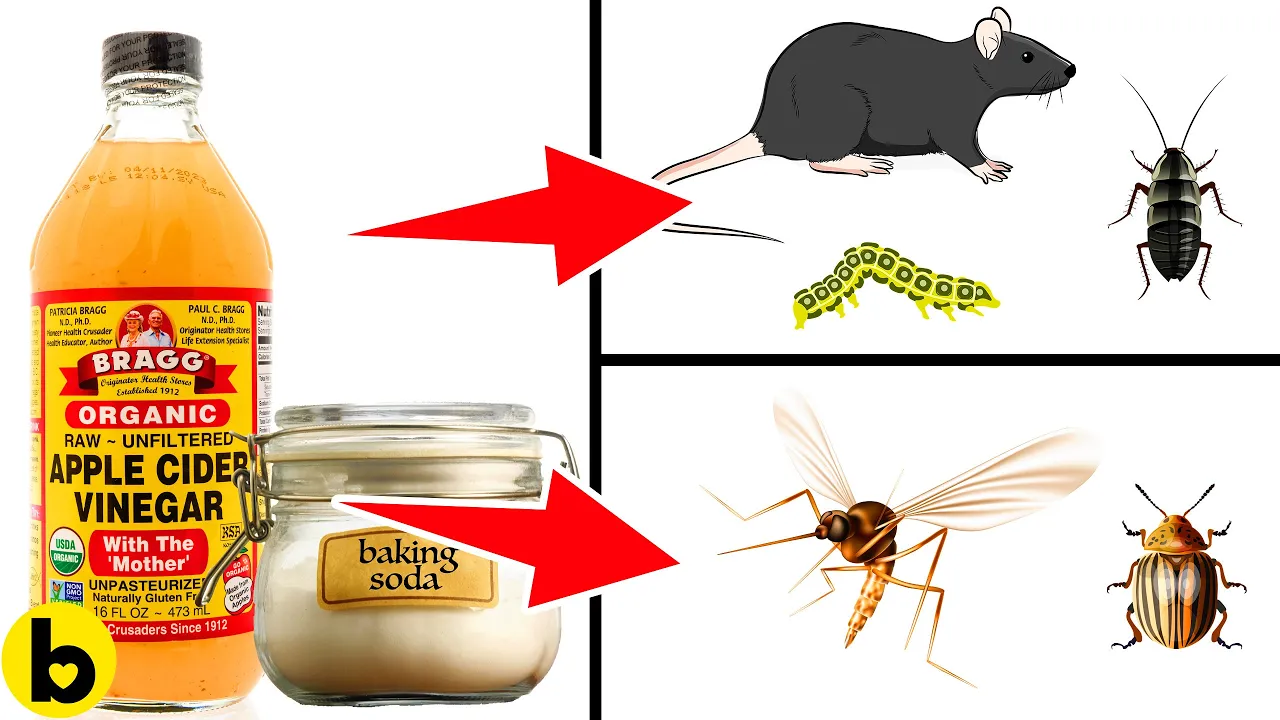
pests may be a real headache whether they're munching on your garden plants or sneaking into your home instead of reaching for chemical filled sprays did you know that you could use Simple household items to keep these annoying Critters at Bay Epsom salt and baking soda are two effective ingredients that may help you get rid of pests without harming your family or pets in today's video we'll explore practical ways to use epsom salt and baking soda to get rid of pests in your home if you have any health concerns consult your healthcare provider before using these
methods extensively but even these non-toxic elements may be harmful if you do not take precautions hence watch the video till the end to find out how you may protect your family and yourself while using these methods now let's started one Epsom salt barrier for Slugs and snails slugs and snails are notorious for destroying Gardens as they feed on leaves Lees stems and even the roots of plants leaving behind a trail of damage that may severely impact the health of your garden for Generations Epsom salt also known as magnesium sulfate has offered a simple and natural
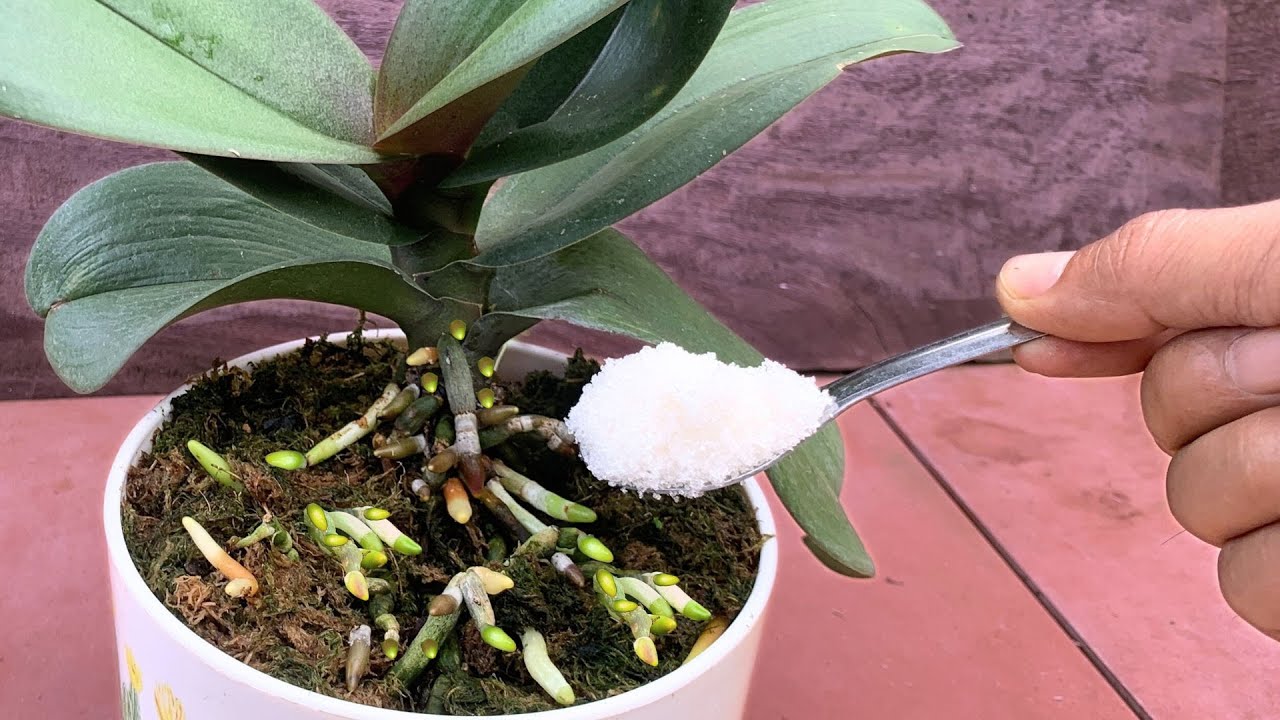
solution to this problem however ug today has stated that there is no scientific research behind this the way Epsom salt works against slugs and snails is pretty straightforward these creatures need a lot of moisture to move around and survive their bodies are mostly water and they depend on staying moist to function properly Epsom salt when it comes into contact with these pests draws moisture out of their bodies through a process called osmosis essentially the salt causes them to lose water rapidly leading to dehydration this is fatal for Slugs and snails because they can't maintain their
internal moisture balance which eventually kills them this makes Epsom salt an effective remedy as it directly targets their vulnerability to dehydration to use epsom salt effectively for getting rid of slugs and snails it's important to apply it correctly sprinkle the Epsom salt in a line around the base of your plants this will act as both a deterrent and a defense mechanism stopping slugs and snails from getting to the plants you want to protect you could also sprinkle it in areas where you've noticed a lot of Slug and snail activity such as damp corners or Shady
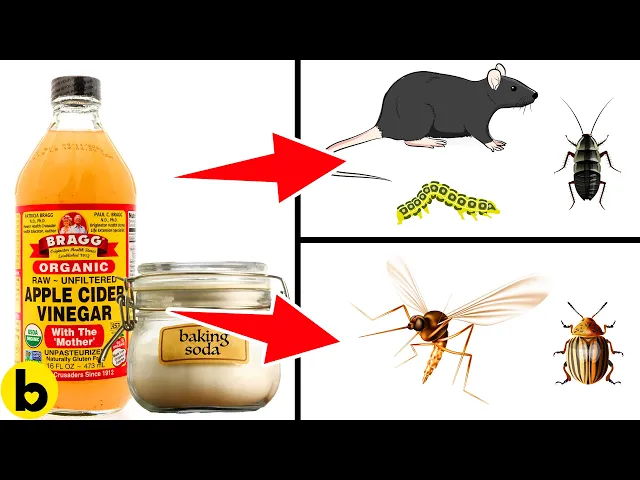
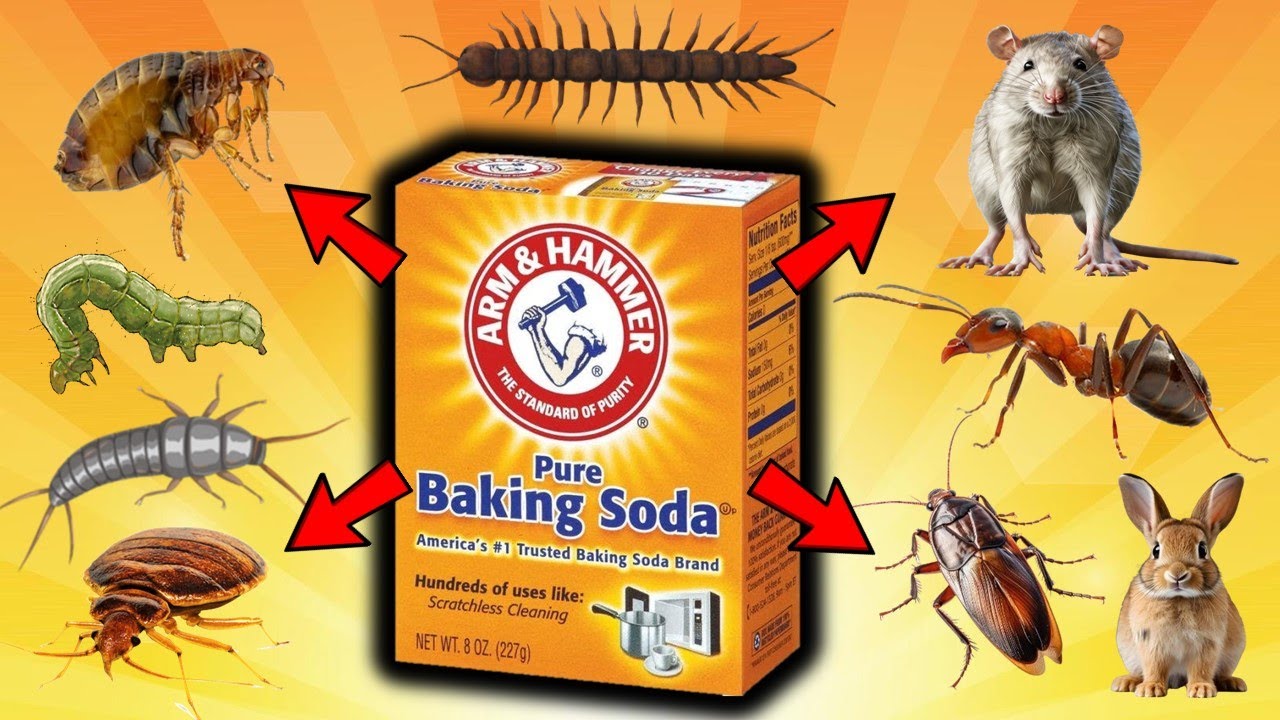
spots where they tend to hide during the day two baking soda and sugar mix for Cockroaches cockroaches are a common household Pest and they are not only unsightly but may also carry bacteria and allergens that make them a health risk according to the heredan journal baking soda and sugar mixtures work effectively as killing agents among selected American cockroaches the effectiveness of this mix lies in the way it works on cockroaches after they consume it cockroaches have an attraction to sugary foods which makes sugar the perfect bait for this method by combining sugar with baking soda
you create a bait that cockroaches are drawn to the sugar lures them in and once they consume the mixture the baking soda comes into play when baking soda mixes with the acids in a cockroach's stomach it creates carbon dioxide gas unlike humans or other animals cockroaches can expel gas easily so this buildup of gas becomes fatal for them causing their digestive systems to burn internally which ultimately kills them this makes baking soda an effective natural poison without the dangers associated with store bought insecticides start by mixing equal parts of baking soda and sugar this may
be a couple of tablespoons of each depending on the severity of the infestation you then need to place this mixture in in areas where you have seen cockroach activity these areas are typically dark warm and moist such as under the sink behind appliances like the refrigerator or stove and along baseboards in the kitchen or bathroom the goal is to place the bait in spots where cockroaches are most likely to come across it during their nightly Scavenging three Epsom salt spray for plant pests using Epsom salt or magnesium sulfate is not just about killing pests it's
also about creating stronger plants that may naturally fight off potential threats in gardening healthy plants are much less likely to be attacked by pests because they have stronger defenses and are better able to recover from any damage according to Frontier and plant science magnesium plays a big role in photosynthesis the process by which plants make their food when plants are healthier and better nourished they are less likely to attract pests like AIDS beetles and caterpillars Epsom salt spray therefore acts in two ways it helps directly repel pests while also boosting the health of the plants
the physical aspect of Epsom salt is also important when you spray a solution made with epsom salt onto plant leaves it leaves behind a slight residue that some pests find unappealing the fine crystals may act as a mild irritant making it uncomfortable for inspects to feed on the plant this discourages pest from sticking around which ultimately helps reduce the number of pests attacking your garden to make an Epsom salt spray you'll need to mix 2 tablespoons of Epsom salt with a gallon of water it's important to make sure the salt is fully dissolved before you
start spraying so that it doesn't clog your spray bottle once mixed the solution may be transferred into a spray bottle for easy application the key is to spray thoroughly covering both the tops and undersides of the leaves as pests often hide underneath it's best to do this in the early morning or late evening to avoid the heat of the day which may cause the Le leaves to burn if they are wet four baking soda ant repellent the way baking soda works against ants comes down to its unique chemical properties baking soda or sodium bicarbonate reacts
in a specific way with the acids present in an ant's digestive system ants are drawn to anything sweet so mixing baking soda with something like powdered sugar is a good way to lure them in the sugar acts as bait attracting the ants to the mixture PubMed confirms that baking soda reacts with the acidic substances in their stomach producing carbon dioxide gas which becomes deadly for them essentially the baking soda causes a fatal reaction inside the ant eventually killing it another reason baking soda works well as an ant repellent is because it disrupts their communication ants
rely heavily on scent trails to move around find food and communicate with their colony by sprinkling baking soda along these Trails or in places where ants are frequently seen you effectively confuse and block their ability to navigate when the ants come across the baking soda it masks the scent of the trail making it difficult for them to follow their usual path this leads to a breakdown in their orderly movement causing them to get lost or lose interest in the area altogether in this way baking soda not only kills ants but also acts as a barrier
that may prevent them from returning to get rid of ants you may mix it with an equal part of powdered sugar this combination works well because the sugar draws the ants and while the baking soda acts as the lethal ingredient once mixed sprinkle this bait in areas where you've seen inactivity like along window sills doorways kitchen countertops or other areas where they tend to gather five dish soap according to Colorado State University soaps have been used to control insects for more than 200 years dish soap Works particular particularly well against soft body pests like AIDS
spidermites and white flies which may cause serious damage to plants if left unchecked the way dish soap Works to eliminate pests is by breaking down the protective outer layer that insects have this outer layer often referred to as their cuticle is essentially a waxy coating that helps them retain moisture and protects their internal organs when you spray dish soap on pests the soap penetrates and breaks down this coating without their protective layer pests quickly lose moisture and become dehydrated leading to their death this process is called desiccation dish soap acts almost like a chemical that
strips away their protective barrier causing the pests dry out and die in a relatively short amount of time dish soap also acts by disrupting the way pests breathe many small insects breathe through tiny openings on their bodies called spiracles when you apply a dish soap solution it may clob these spir Miracles essentially suffocating the insect this means that the soap not only dehydrates the pests but also prevents them from getting the oxygen they need to survive it's a two-pronged attack that is both simple and effective without the use of harsh chemicals a common anti-pest spray
mix is about 1 to 2 teaspoons of dish soap per quart of water it's crucial not to use too much soap because it may harm your plants if the concentration is too strong once you've mixed your soap solution pour it into a spray bottle for simple application spray it directly onto the pests you want to get rid of making sure to thoroughly cover them including the undersides of leaves where many pests like to hide six apple cider vinegar apple cider vinegar or ACV is an effective natural remedy that may be used to help get rid
of various types of pests both inside your home and in your garden the sharp Tangy odor of vinegar is something that a lot of insects find in incredibly offputting for pests like fruit flies spiders and ants the smell is overwhelming which discourages them from lingering and treated areas according to the Polish Academy of Sciences acetic acid changed the narrow-headed ants behavior in a big way thus an apple vinegar treated Place becomes inaccessible for ants in the garden ACV may be used to deter pests like aphids and caterpillars that are known to cause damage to plants
the acidity in vinegar makes it unpleasant for these pests to feed on treated plants to use ACV in the garden it's important to dilute it properly as undiluted vinegar is too strong and may harm plants by burning their leaves a beneficial mixture is one part ACV to three parts water you may spray this diluted solution onto the leaves of plants that are prone to pest damage seven vix wo rub typically used for relieving coughs and congestion vix contains several ingredients that make it useful as a natural pest repellent these ingredients particularly Menthol eucalyptus oil and
Cur are key to its Effectiveness in keeping unwanted bugs at Bay pests such as mosquitoes ants and even flies are highly sensitive to strong smells and Vic's wo rub has just the kind of intense pungent scent that these pests can't stand research gate says is that for outdoor use vixs may be applied directly to the skin to keep mosquitoes and other biting insects Away by rubbing a small amount on areas like your ankles wrists or behind your ears you create a natural barrier that repels mosquitoes the combination of menfall and eucalyptus oil makes it difficult
for mosquitoes to detect your body's natural odors making you less of a target for bites it's an easy and convenient option especially for those who want to avoid chemical-based insect repellents that that may have questionable ingredients however it's important to use only a small amount as vix may be quite strong and overuse could potentially irritate the skin eight peppermint oil peppermint oil is a natural and highly effective remedy for getting rid of pests and it's a great choice for anyone looking for a safe and eco-friendly alternative to chemical pesticides the National Library of Medicine has
stated that peppermint oil contains compounds like Menthol which have a strong pungent Aroma insects including ants spiders and mosquitoes find the intense smell of peppermint overwhelming making it a powerful repellent for various types of pests moreover peppermint oil is also useful for keeping rodents like M away mice rely on their Keen sense of smell to detect food sources and navigate their surroundings the strong scent of peppermint oil is highly irritating to them and they tend to avoid areas where the smell is strong you may use cotton balls soaked in peppermint oil and place them in
areas where you have seen Mouse activity such as cupboards behind appliances or in the garage this simple approach may help deter Mice from entering your home without using harmful traps or toxic rodenticides nine neem oil neem oil is derived from the seeds of the neem tree which is native to India and it contains powerful compounds particularly azadir actin that make it extremely effective in managing a wide variet iety of pests neem oil Works differently from chemical pesticides because it doesn't just kill pests instantly instead it disrupts their life cycle and makes the environment inhospitable for
them one of the primary reasons neem oil is so effective is because of aidara which acts as an insect growth regulator according to Frontier implant science Aid duratin affects pests in a number of ways it disrupts their hormones which prevents them from molting properly meaning that immature pests can't develop into adults this stops their life cycle in its tracks which in turn reduces the population over time furthermore neem oil works as an anti-feedant this means that when pests ingest neem oil they lose their appetite and stop feeding on the plants many pests like beetles or
caterpillars do significant damage to plants by eating the leaves stems or even roots when neem oil is applied to the plant It Coats the leaves with a layer that once ingested causes insects to stop eating neem oil on its own is quite thick so it needs to be diluted with water and mixed with a bit of liquid soap to help the oil blend with water a common recipe is to mix one to two tablespoons of neem oil with a gallon of water along with a few drops of dish soap the soap acts as an emulsifier
helping the oil mix evenly with the water so that it may be applied effectively once mixed the solution may be poured into a spray bottle for easy application now let's discuss how to safely use these methods to safely use natural pest control methods like epsom salt baking soda dish soap apple cider vinegar vix wayo rub peppermint oil and neem oil it's important to follow proper guidelines to avoid causing harm to plants pets or even yourself here's how to safely use each of these methods one gloves and skin protection when using natural Pest Control Solutions like
epsom salt baking soda or essential oils always wear gloves to protect your skin from irritation many of these substances may be harsh especially in concentrated form and may cause dryness or sensitivity gloves help ensure that your hands stay protected during mixing and application making the process safer for you two proper dilution it's important to dilute concentrated ingredients like peppermint oil neem oil or ACV properly before use in their pure form these substances May harm plants irritate your skin or damage surfaces always follow recommended dilution ratios to ensure the solution is effective without being overly harsh
proper dilution makes the treatment safe for both plants and people three ventilation when applying strong smelling substances like vinegar or essential oils make sure that the area is well ventilated these natural remedies May produce powerful odors that may cause headaches or irritation if used in enclosed spaces ventilating the area helps disperse the strong smells making it more comfortable and safer to use these methods especially indoors four keep away from children and pets many natural Pest Control Solutions may be harmful if ingested by children or pets ingredients like vix wo rub essential oils and a CV
should be stored Out Of Reach and applied in areas where children and pets won't come into direct contact keeping these substances secure ensures that accidental ingestion or exposure doesn't happen keeping your family safe five spot testing on Plants before applying any Pest Control mixture broadly to your plants it's crucial to do a spot test on a small area first different plants have varying levels of sensitivity and testing on a small part ensures that there's no adverse reaction this simple precaution helps you avoid potentially damaging the entire plant while ensuring the remedy is effective using household
items like epsom salt baking soda and other natural remedies may be an effective safe and eco-friendly way to manage pests each remedy works uniquely whether by dehydrating suffocating or repelling pests making them a great alternative to chemical pesticides remember while these natural remedies may be highly effective it's important to be consistent and Vigilant well viewers today we learned about some amazing ways to use baking soda and epsom salt to get rid of pests in our homes but do you know that there are many signs your body signals when it's in danger from signs of vitamin
E deficiency to signs your farts are smelling deadly want to find out more watch nine alarming signs your body is missing vitamin E or watch 10 alarming reasons why your farts are smelling deadly you may watch either or both of them will you be using Epsom salt and baking soda more often to repel pests from your home tell us in the comment section e e