this week has been the craziest one in space history filled with an emotional roller coaster of highs and lows first we witnessed blue origins new Glenn rocket launch for the first time in history after countless delays and technical issues 5 4 1 lift off on the very same day spacex's Starship launched for the seventh time and in an incredible feet the mechanical arms of mechazilla successfully caught the super heavy booster for the second time tower for catch booster coming in ready for that boom down to three engines but just when we thought this historic day
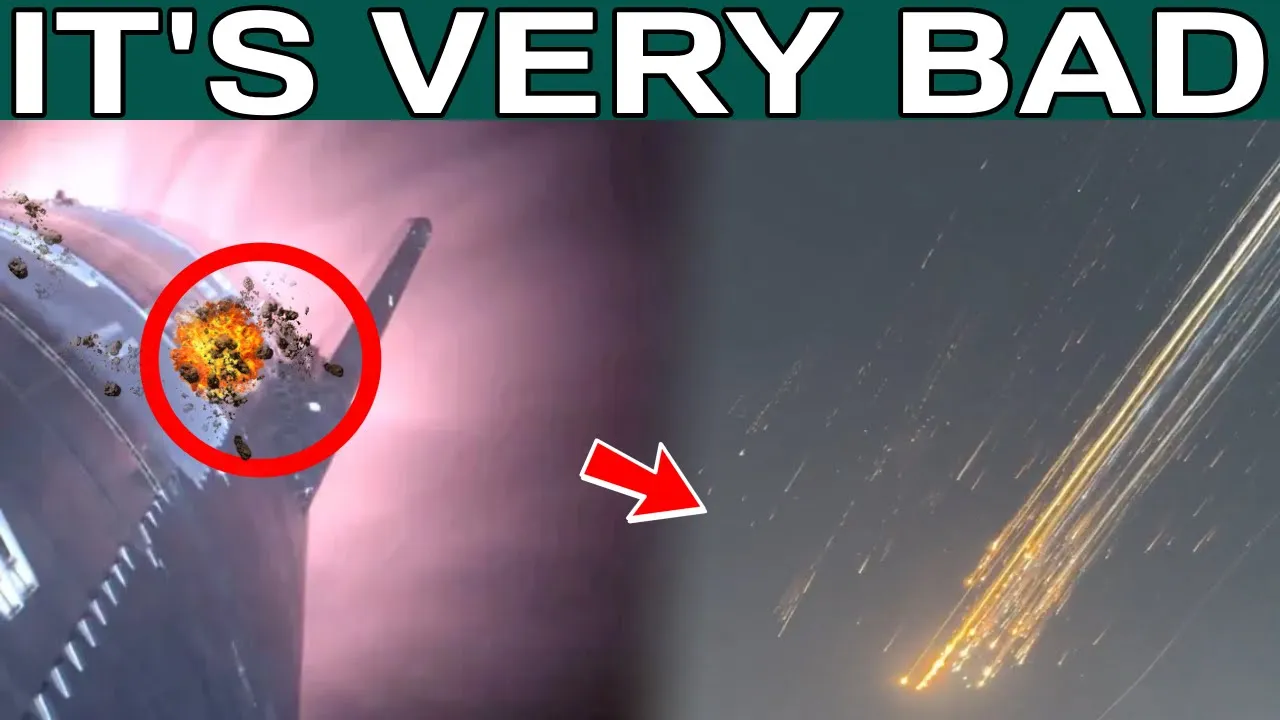
couldn't get any better disaster struck the Starship upper stage experienced a catastrophic failure not just a minor explosion but a complete obliteration raining debris over an island in what looked like a scene straight out of a Sci-Fi Disaster Movie now SpaceX has revealed the cause of this tragic incident shedding light on what went wrong and how they plan to prevent it in the future we'll dive into all the details in this video so before we delve any deeper make sure to subscribe to our channel for future updates on this incredible journey through space exploration on
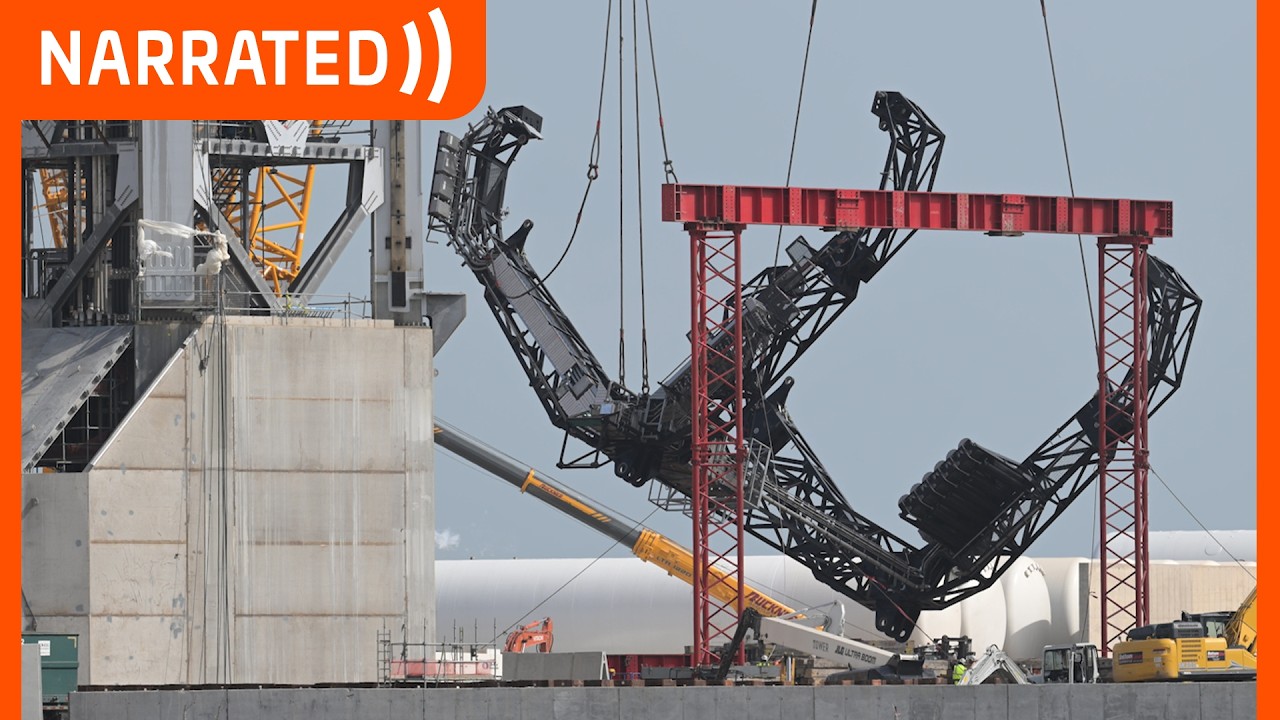
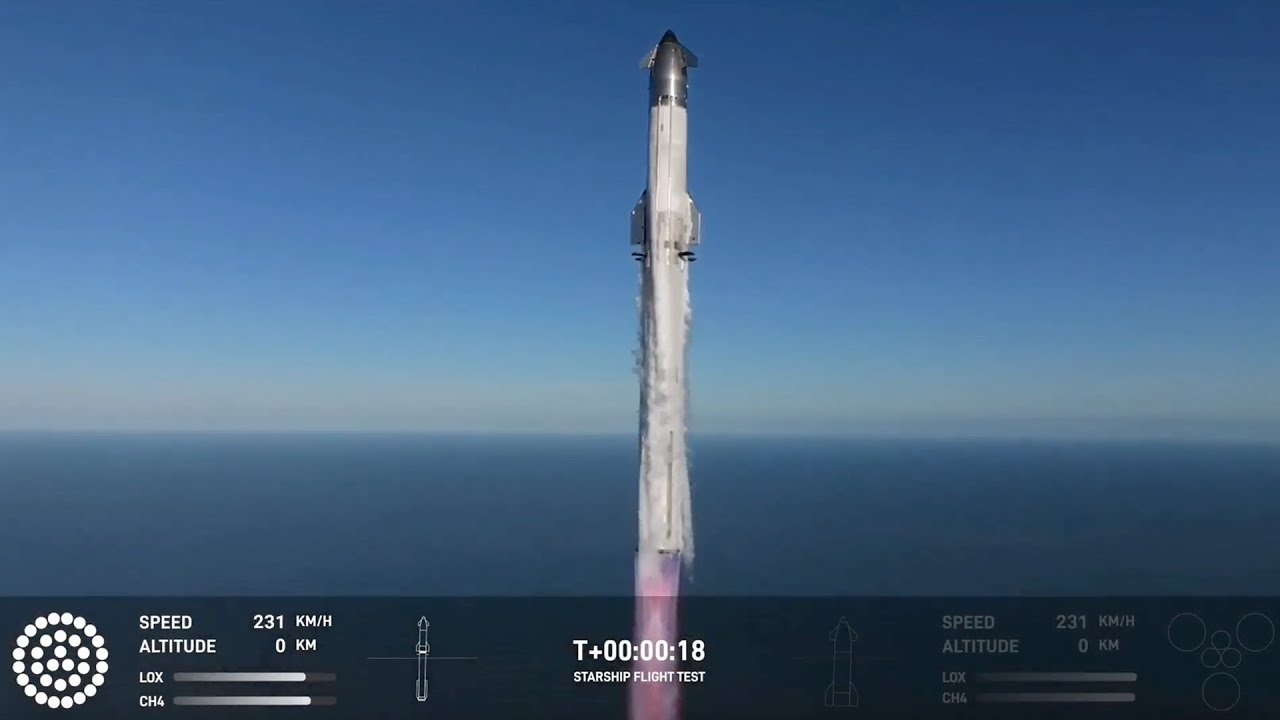
January 16th 2025 SpaceX conducted its seventh Test Flight of the Starship rocket launching from the Star base facility in Brownsville Texas the initial phase of the flight proceeded smoothly showcasing the advancements made in the Rocket's design and capabilities approximately 2 and A2 minutes into the flight the super heavy booster completed its burn and separated from the starship sh upper stage in a remarkable demonstration of Precision Engineering the booster executed a controlled descent back to the launch site utilizing spacex's Chopstick arms the super heavy was successfully caught and secured marking the second time SpaceX achieved this
feat following the separation the Starship upper stage continued its Ascent aiming to reach an altitude of approximately 90 Mi and achieve a speed of 13,24 MI hour the mission plan included the deployment of 10 starlink simulator satellites intended to test the deployment mechanisms for future satellite missions however at approximately 8.5 minutes into the flight communication with the Starship upper stage was unexpectedly lost shortly thereafter the vehicle experienced a catastrophic failure resulting in an explosion over the Turks and Kos Islands the disintegration of the spacecraft created a dramatic visual with glowing debris raining down reminiscent of
a meteor shower preliminary investigations by SpaceX indicated that the explosion was likely caused by a significant oxygen or fuel leak in the AFT section of the Starship this leak may have led to a buildup of pressure beyond the structural limits of the vehicle culminating in the explosion in response to the incident musk addressed the situation on social media stating preliminary indication is that we had an oxygen fuel leak in the cavity above the ship engine firewall that was large enough to build pressure in excess of the vent capacity he further added apart from obviously double-checking
for leaks we will add fire suppression to that volume and probably increase vent area despite the setback musk expressed optimism about future flights noting nothing so far suggests pushing next launch past next month the explosion had immediate repercussion beyond the mission itself debris from the disintegrated Starship upper stage fell over the Turks and Kos Islands prompting the Federal Aviation Administration to issue temporary flight restrictions in the area several commercial flights were diverted or delayed to ensure passenger safety highlighting the broader implications of such inflight anomalies in the aftermath of the incident SpaceX emphasized its commitment
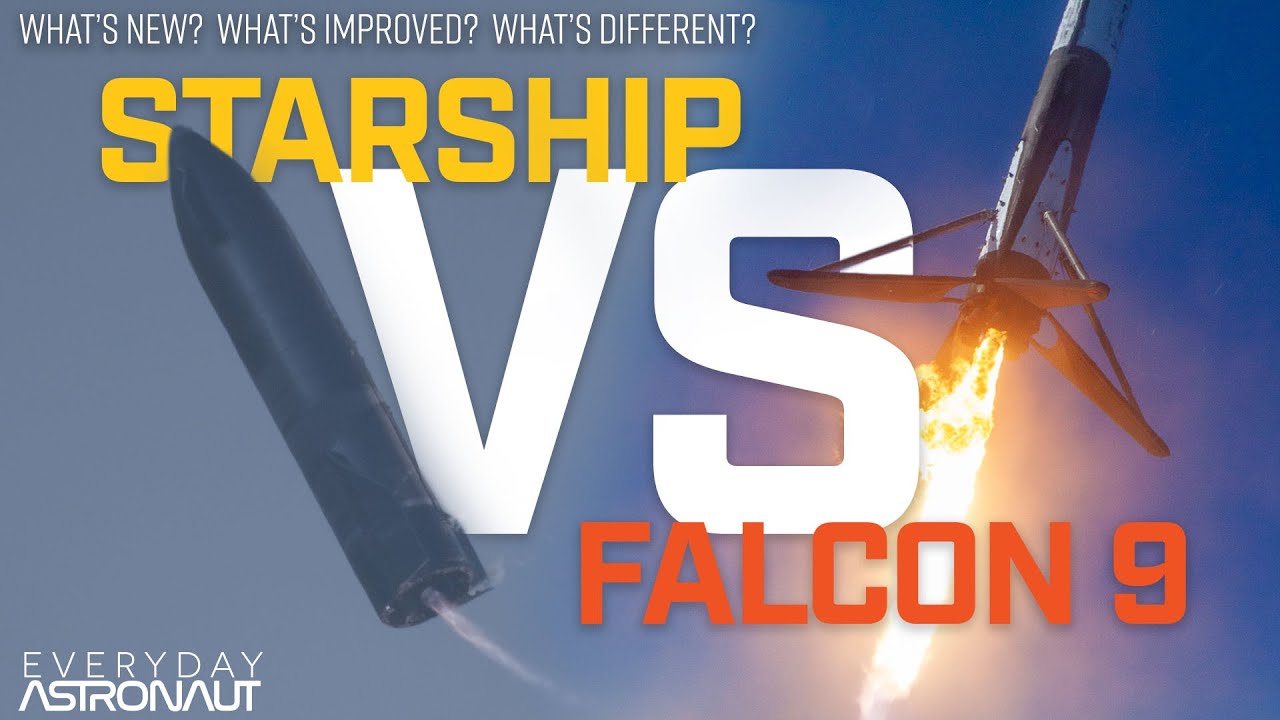
to learning from the test flight this explosion will definitely not happen in the next launches because SpaceX has an impressive track record of learning from every test flight not a single Starship launch mistake has been repeated so far they have always improved upon previous designs and systems out of all Seven Starship launches conducted so far it's surprisingly the fifth flight that stands out as the most successful overall what makes flight 5 so remarkable is not just its smooth execution but also how it set a benchmark for what star could achieve like the seventh flight flight
5 also managed to catch the super heavy booster with mechazilla spacex's towering Chopstick arms where flight 5 outshines flight 7 is in the performance of the upper stage unlike flight 7 which ended with the Starship upper stage exploding over the Turks and Kos Islands flight 5 saw the upper stage complete its Mission successfully it followed a Flawless trajectory and splashed down in the ocean exactly as planned flight 7 ever encountered several significant issues that overshadowed its successes at tus 2 hours the fueling process began SpaceX loaded the booster with supercooled liquid oxygen and liquid methane
carefully monitoring the pressurization of the tanks Engineers also verified the structural Integrity of the heat shield tiles on Starship which had been updated to improve thermal resistance during re-entry at tus 1 hour the final go noo poll was conducted each team leader confirmed their systems Readiness from propulsion to guidance and navigation the results were positive across the board signaling that the mission was proceeding as planned the live broadcast began with SpaceX providing realtime updates and visuals of the rocket on the Launchpad at tus 10 minutes the automated launch sequence was initiated the launch Tower's Chopstick
arms were retracted to their holding positions ensuring a clear path for the Rockets Ascent Engineers monitored the countdown closely watching for any anomalies at tus 2 minutes the Rocket's autonomous systems took over with the onboard computers finalizing pre-launch diagnostics at T-minus 10 seconds the Raptor engines ignited in a staggered sequence generating a deafening Roar and a bright plume of exhaust the engines ramped up to full power producing a combined thrust of 16.7 million PB at T minus 0 the clamps holding the super heavy booster in place were released and the rocket began its Ascent the
initial phase of the launch was smooth the super heavy booster performed flawlessly propelling the Starship vehicle into the sky with unprecedented power the live feed provided breathtaking views of the rocket climbing through the atmosphere leaving a trail of fire and smoke the Raptor engines operated at optimal efficiency with no signs of instability or performance degradation at t plus 2 minutes the rocket passed through Max Q the point of Maximum aerodynamic pressure this Milestone was crucial as it demonstrated the structural resilience of both the booster and the spacecraft at t plus 3 minutes the main engine
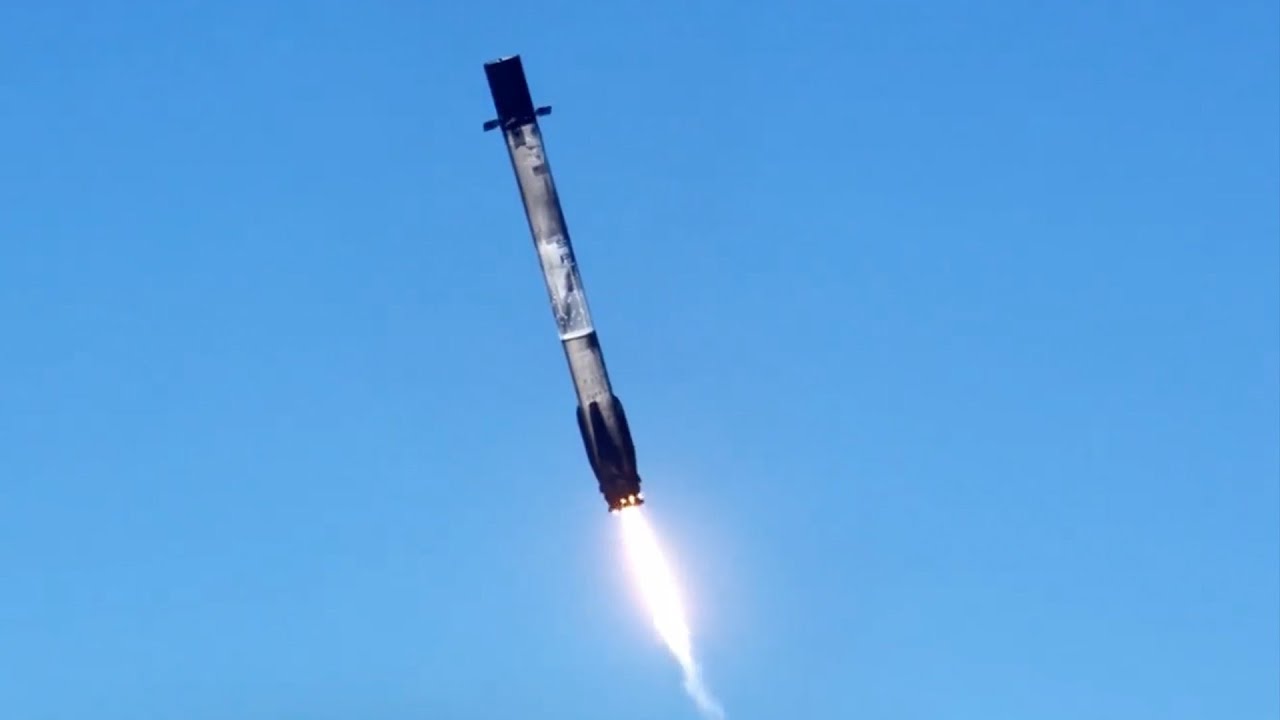
cuto off occurred the super heavy booster shut down its engines completing its primary role in the mission moments later the booster separated from the Starship spacecraft which continued its trajectory using its own Raptor engines the separation was seamless marking another successful step in the mission the focus then shifted to The booster's Descent and Recovery equipped with grid fins for stability the booster began its controlled fall back to Earth spacex's Engineers monitored its trajectory closely making realtime adjustments to ensure it would land precisely on the Launchpad this phase was particularly critical as it tested the updated
guidance systems and the capability of the Chopstick arms to catch the booster meanwhile the Starship vehicle continued its flight carrying 10 starlink simulators these mock satellites were designed to replicate the size and weight of actual Starling satellites providing valuable data for future deployments the spacecraft followed a suborbital trajectory reaching its intended altitude before beginning its descent at t plus 6 minutes the booster approached approached the launch site the grid fins worked in tandem with the Raptor engines to align the booster with the designated Landing Zone the Chopstick arms extended preparing to catch the massive rocket
the live feed captured the booster's dramatic descent showcasing the Precision of spacex's engineering at t+ 7 Minutes the booster successfully landed with the Chopstick arms catching it midair and securing it to the launch Tower the booster was then safely lowered onto the pad for post-flight inspections the Starship vehicle continued its descent with the upgraded heat shield tiles performing exceptionally well protecting the spacecraft from the intense heat of re-entry but just as the mission seemed to be proceeding flawlessly an unexpected event occurred at approximately 8.5 minutes into the flight Telemetry from the upper stage was abruptly
lost moments later the vehicle exploded breaking apart during re-entry over the Turks and koos vience the debris scattered across the sky creating a spectacle that resembled a meteor shower Witnesses in the region describe the scene as both mesmerizing and unnerving with fragments of the spacecraft lighting up the night sky as they burned upon re-entry initial investigations point to several potential causes for this catastrophic failure one possible issue may have Arisen during the propellant venting process toward the end of the burn excess liquid oxygen is typically vented to maintain balance and stability a leak or an
improper venting sequence in the AF section could have created an unstable environment potentially leading to a combustion event in an area that should have remained inert we'll share more updates about the cause of this issue as we uncover them don't forget to subscribe and we'll see you in the next one









![Starbase Tour with Elon Musk [PART 2 // Summer 2021]](https://img.youtube.com/vi/SA8ZBJWo73E/maxresdefault.jpg)