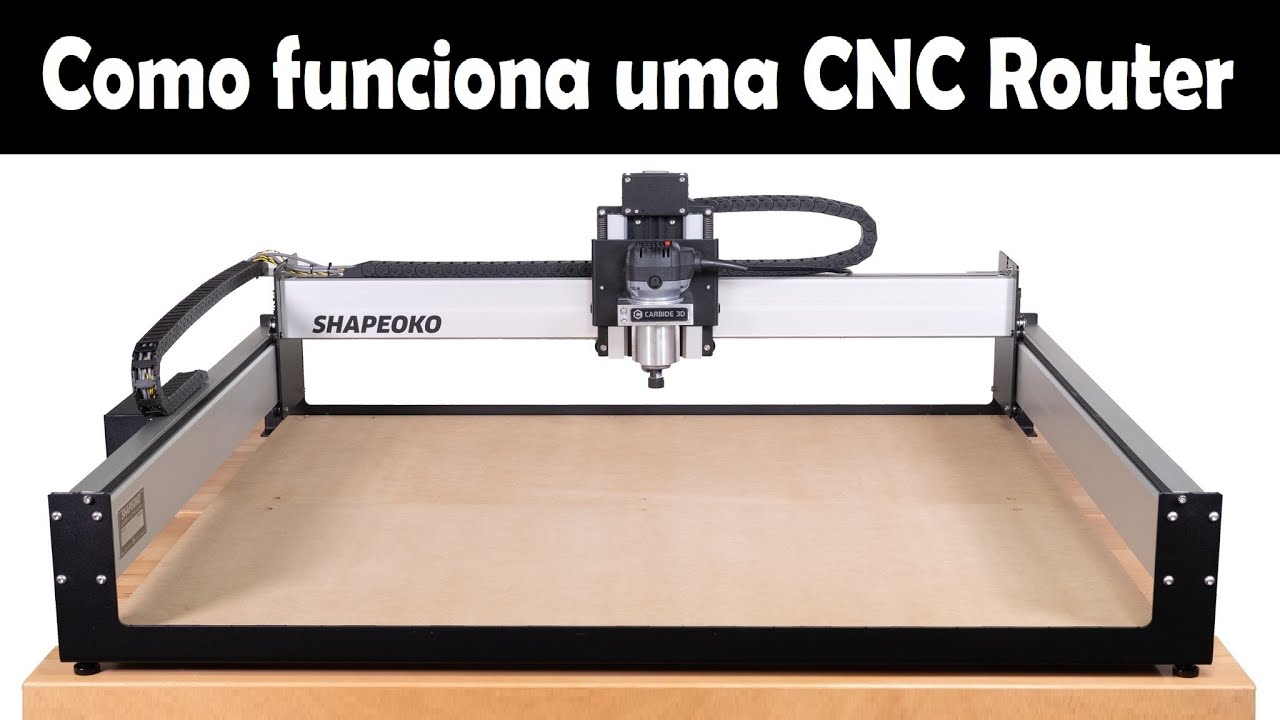
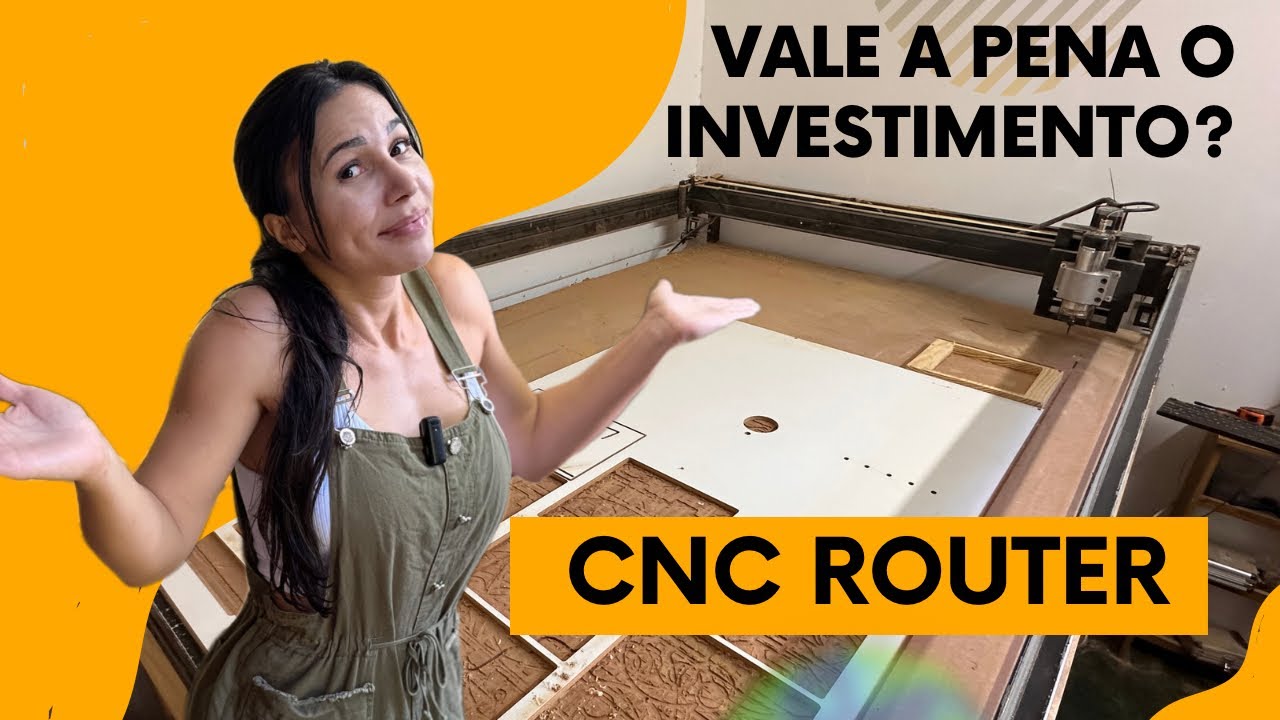
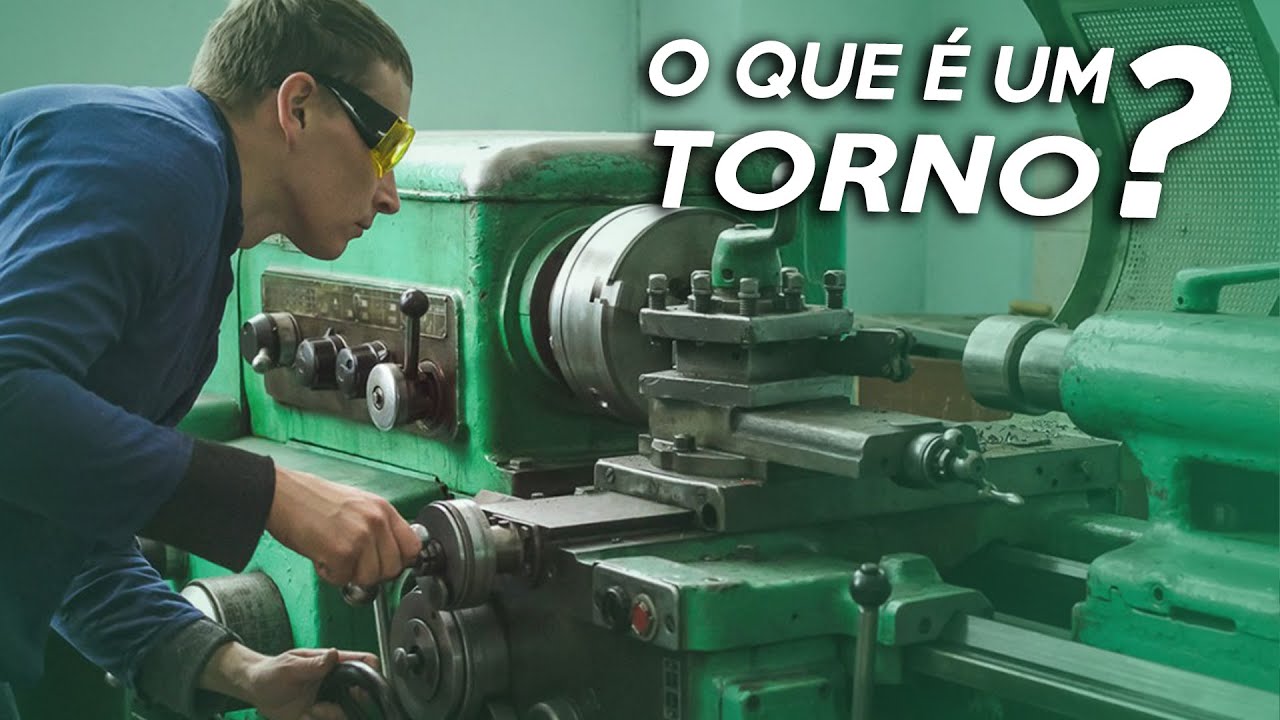
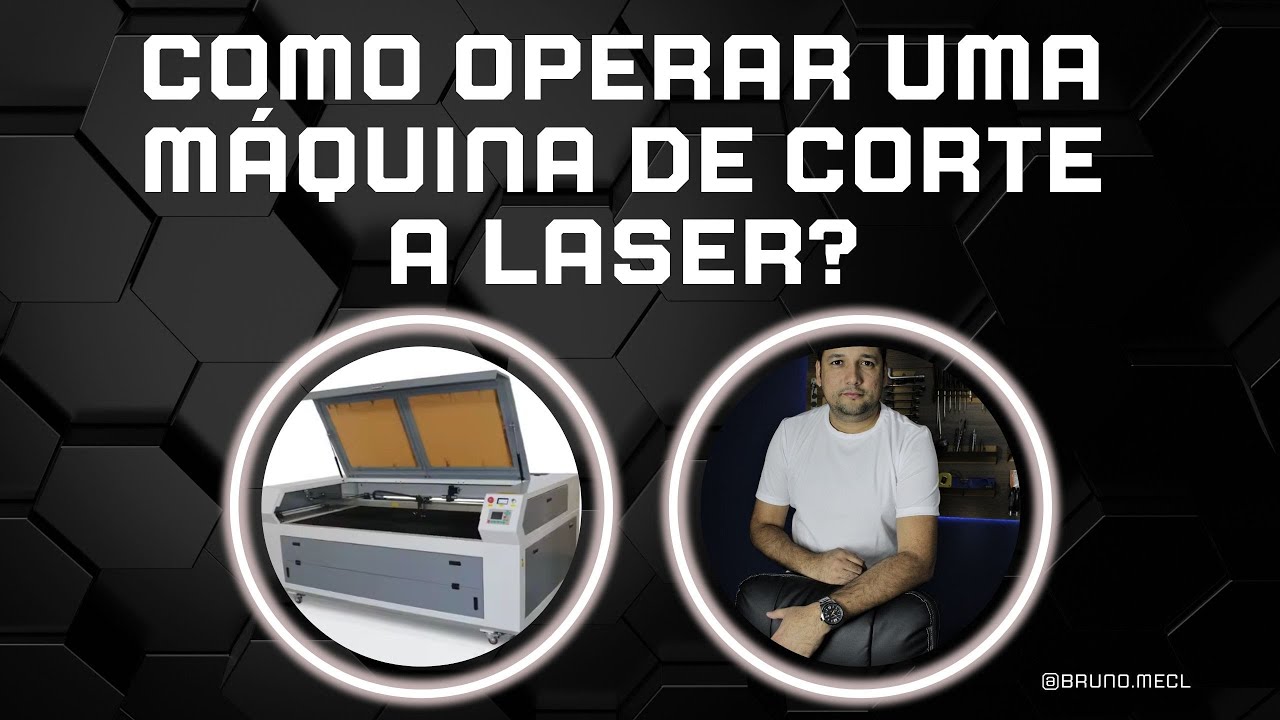
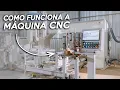
What is a CNC machine and how does it work? Hey Engineering Lovers, my name is Gustavo Pereira and today we're going to tell you what a CNC machine is. We recently posted a video on the channel in which we talked about lathes, and if you haven't checked out this video, I'll leave a card for him at the end of this video, ok?
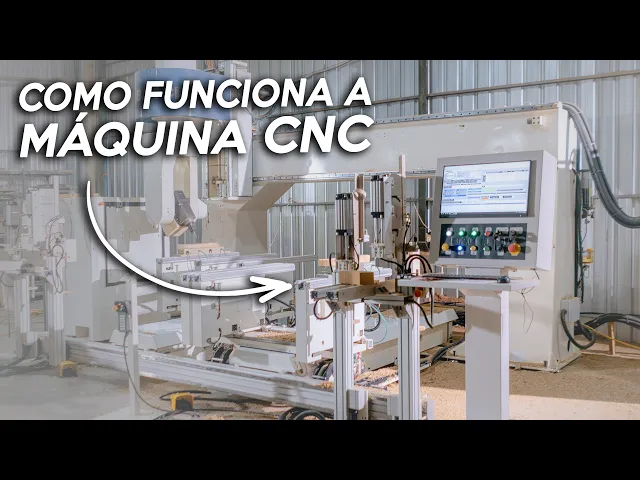
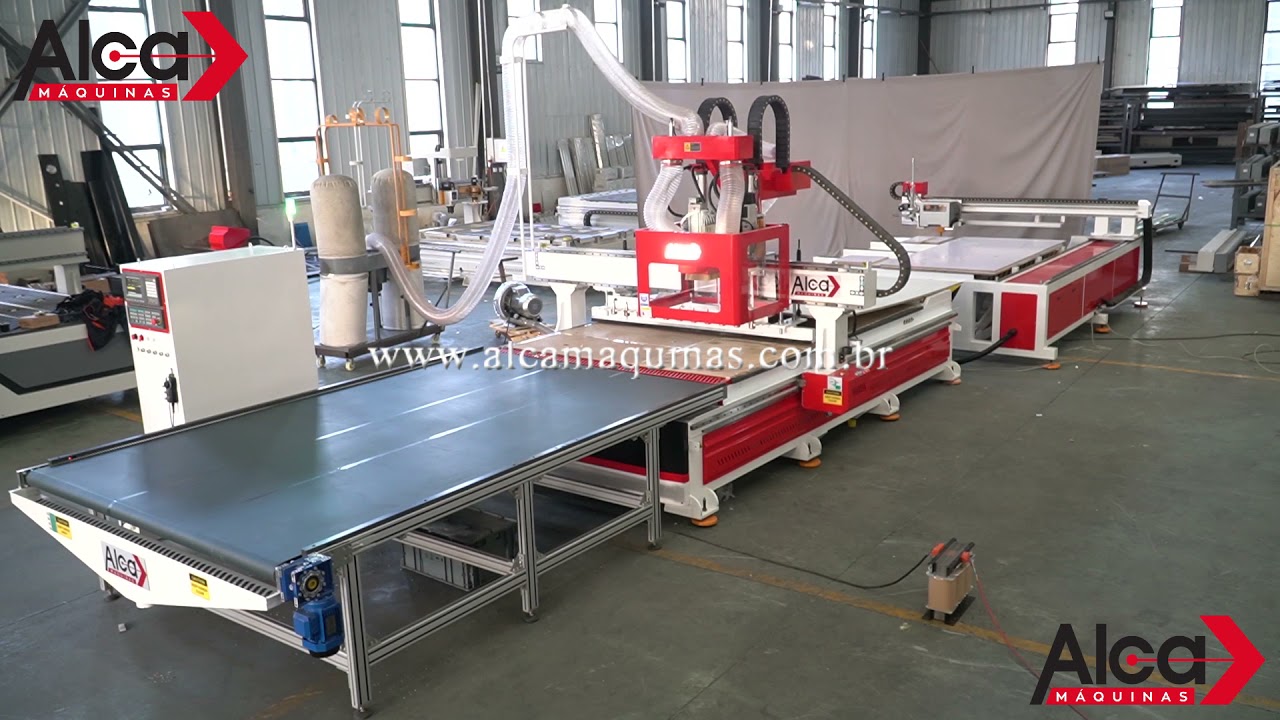
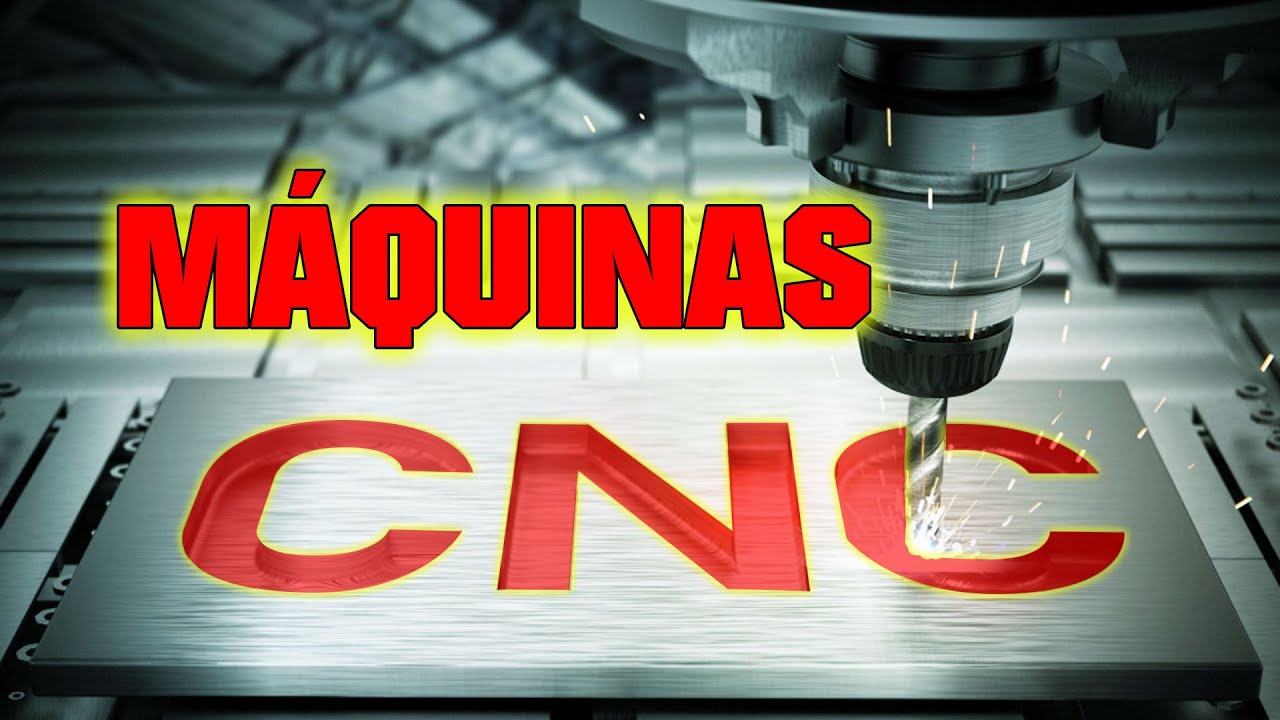
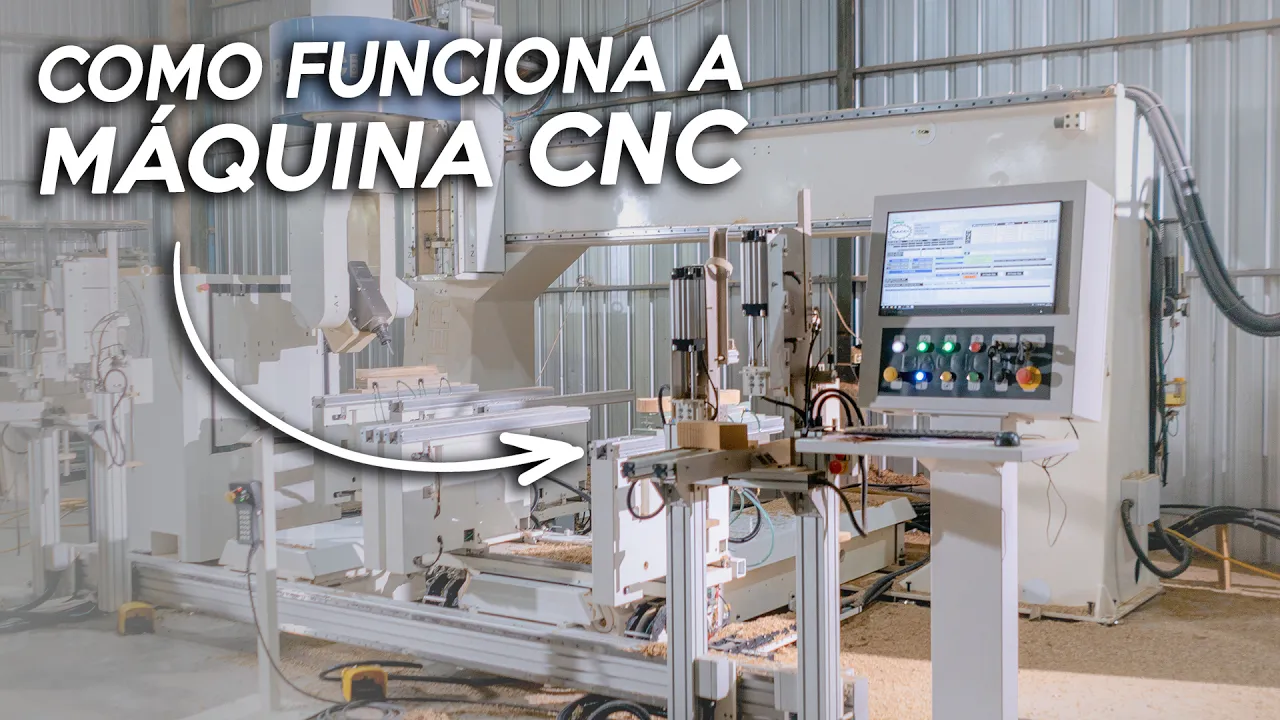
And before continuing, if you are watching this video and are not subscribed, take the opportunity now to subscribe, leave your like and activate the bell, and with that, you will be part of the largest community of engineering lovers on YouTube. So, what is CNC? A computer numerical control machine, or CNC, is a tool that works with computerized control of equipment in order to manufacture something in the desired shape that will meet manufacturing guidelines and component requirements.
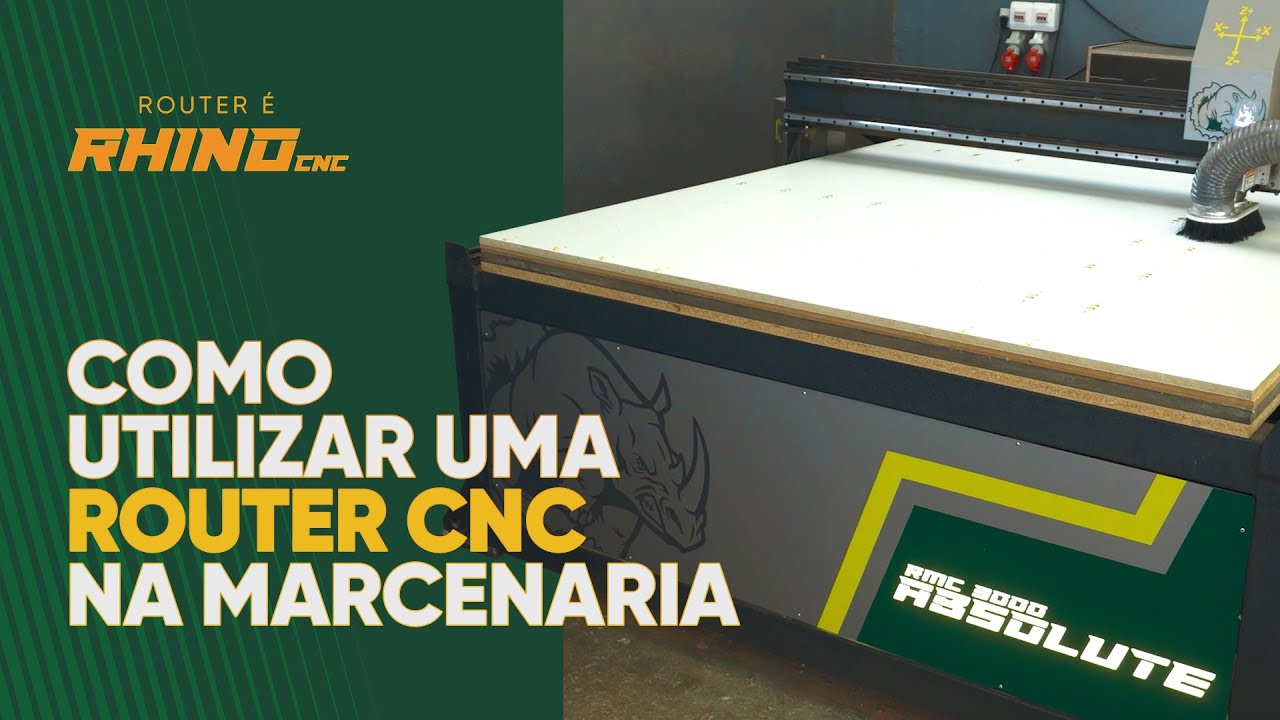
CNC machines use pre-programmed software to control the movements of complex machines, including grinders, lathes, mills, and other cutting tools used to remove or deposit material. These computer-aided manufacturing techniques can perform a wide range of complex and precise tasks to create manufactured products and parts designed specifically for the automotive, defense, and aerospace industries. Although 3D printing and other additive manufacturing processes take center stage in the production of components made from soft materials in the 21st century, most everyday items are still the result of highly automated subtractive machining techniques.
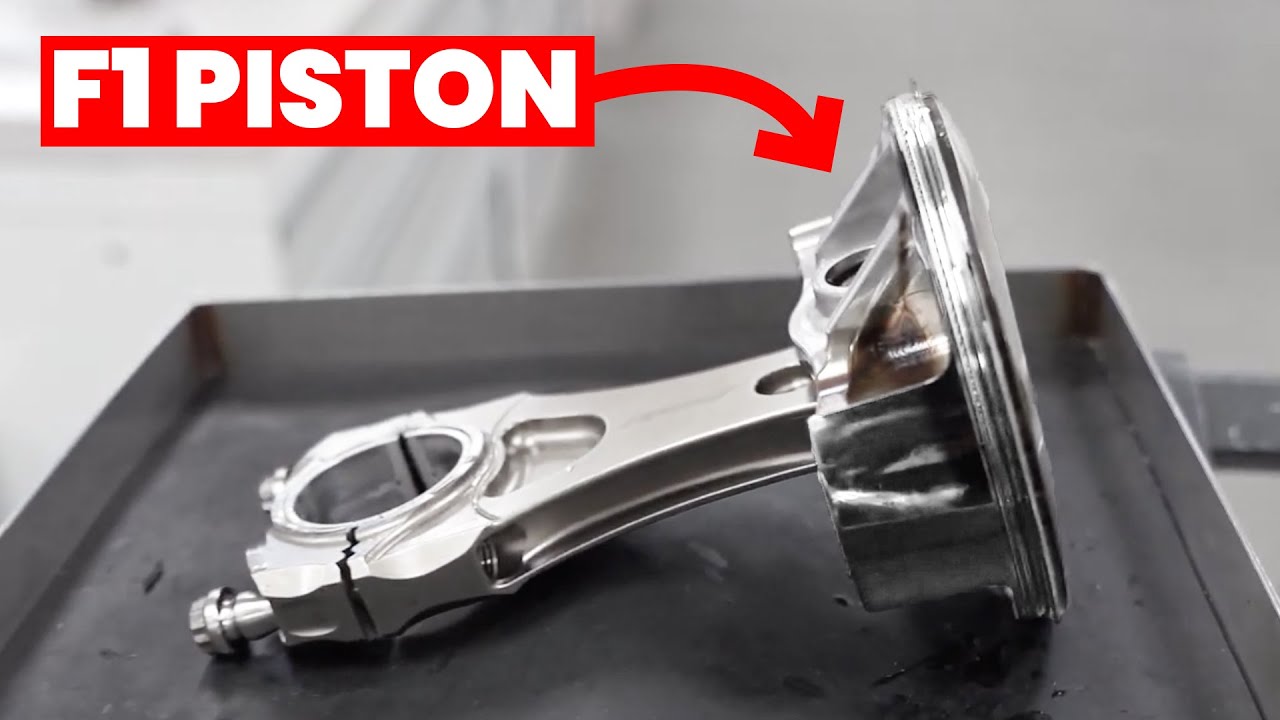
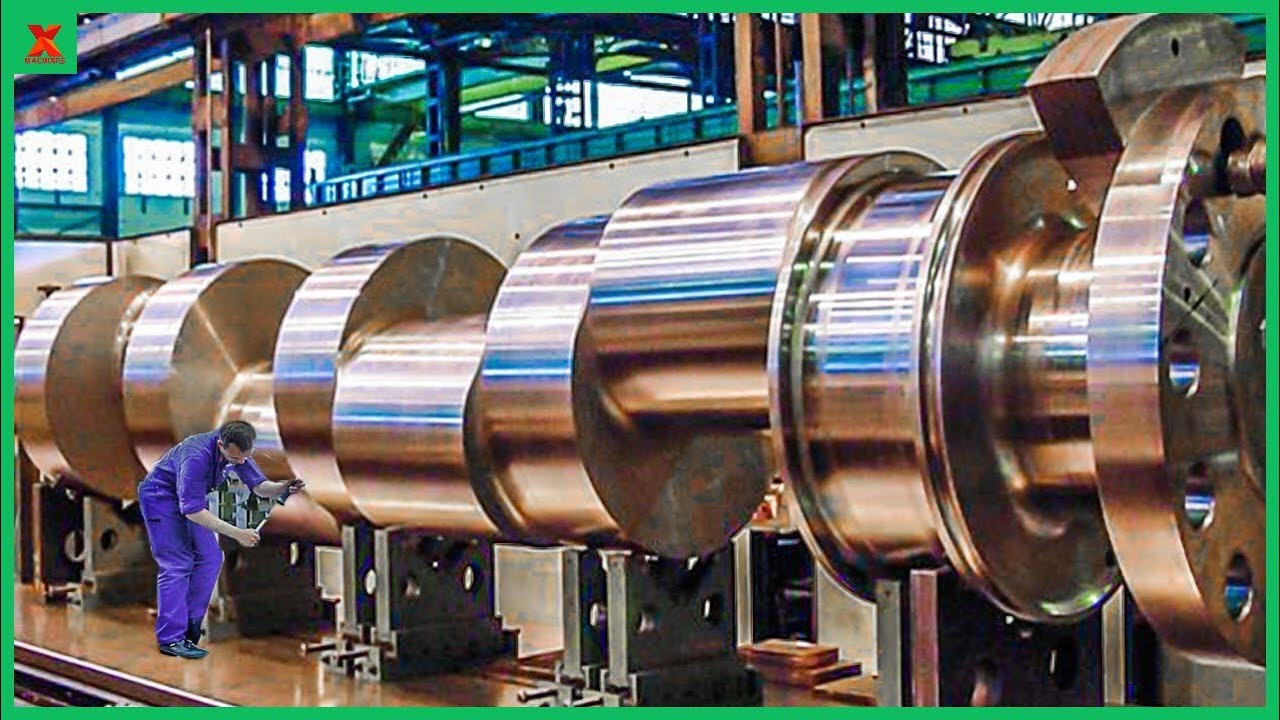
Plastic water bottles are produced from molds that use CNC machining, and the individual components from the engine to the gearbox of a car are milled to precise dimensions using large-scale CNC . Chances are that almost everything in that you touch in your everyday life has, at some point, been touched by a CNC machine or tool. If you have ever traveled in an airplane, like a Boeing 747 for example, more than a million separate components were machined and assembled to make that plane take off using CNC machines.
But when were these machines invented? CNC systems are rooted in technological advances during the Industrial Revolution in the mid-19th century, when manufacturing companies began using cam-based lathes and milling tools in the mass production of firearms, factory equipment, and industrial items. day to day.
In the 1940s and 1950s, rudimentary numerical control machining in the form of punched cards, began to automate various manufacturing tasks that were originally controlled manually by a team of workers. As digital computers and computer software improved in the 1970s and 1980s, more manufacturing tools could be automated to improve production speed and overall efficiency. Now, in the 21st century, CAM and CAD software and cutting-edge CNC machines allow small production teams a cost-effective strategy for manufacturing large quantities of complex parts.
But, how does a CNC machine or tool work? This type of equipment is as versatile and dynamic as the variety of items they can create. However, most CNC machines work within two structures: an open-loop or closed-loop system.
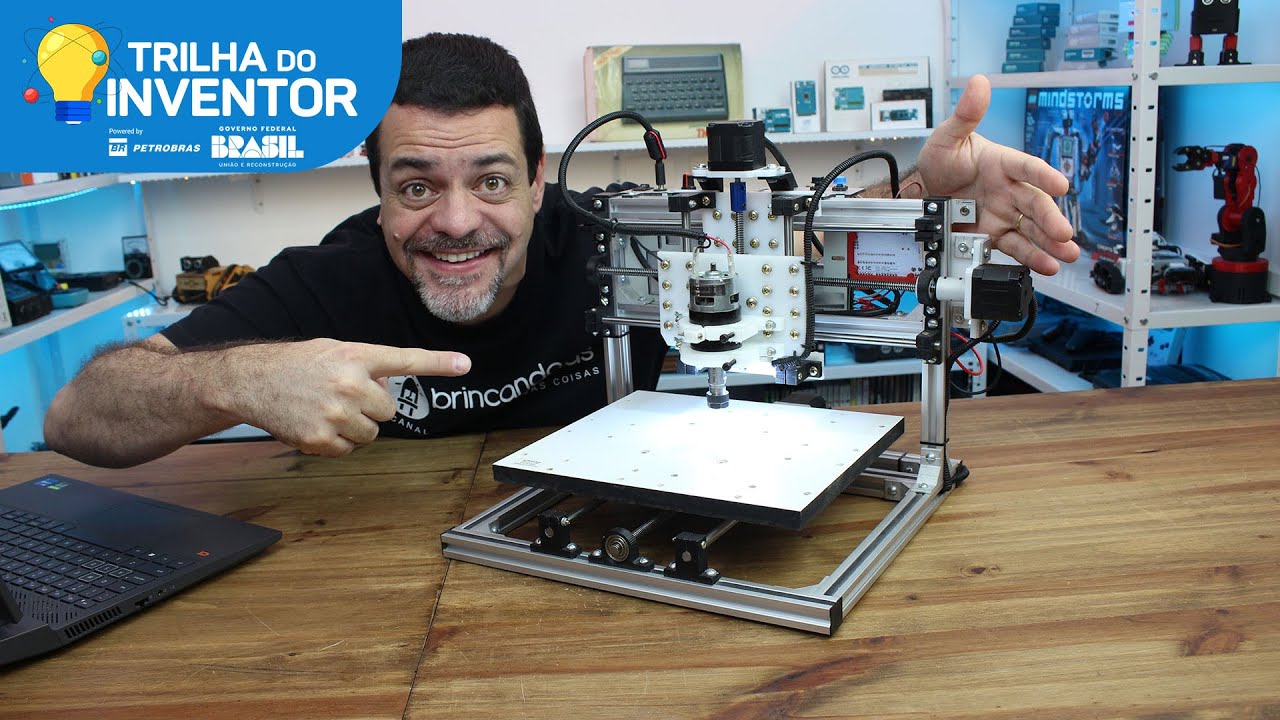
In open-loop CNC systems, the operator will develop computer numerical control for the task at hand and generate a code called a g-code or job file using CAD software. The computer then relays the appropriate steps to the controller and its connected servomotors according to their axes. These motors manipulate cutting tools, such as lathes or grinders, along at least two axes such as X and Y, although high-end CNC machines can increase versatility and accuracy by moving CNC mills and other accessories around several additional axes.
For example, a 3D printer uses a CNC system to manufacture parts, but in this case, it uses an additive manufacturing method, that is, it extrudes and adds material to manufacture items. CNC machining, on the other hand, removes material from an existing block, something we call subtractive manufacturing, where the machine will remove excess material to manufacture the final item. Closed-loop CNC systems provide feedback data to a monitor to resolve inconsistencies as the CNC machines move through the material.
This communication between motors and monitors allows systems to change speed, position and advance rate in real time. And what are the main functions of CNC machines? CNC machines are highly efficient and precise tools used in a wide variety of industrial and manufacturing projects.
For example, material grinding systems using CNC can use two techniques, EDM, which stands for electrical discharge machining, or wire EDM. In EDM electrical erosion, thermal erosion occurs between two electrodes, where one of them is connected to the tool, usually made of copper or graphite, and the other immersed in a dielectric fluid where the material is bathed. This technique is widely used in the manufacture of molds and dies for the plastics and metallurgy industry.
For example, it is possible to create complex cavities in a plastic injection mold using EDM, which allows for the mass production of detailed products. Wire EDM uses wire electrodes as precision cutting tools. This technique is widely applied in sectors that require high precision, such as the aerospace industry and the production of electronic components.
In an aircraft turbine manufacturing process, EDM wire can be used to cut cooling channels in the metal, ensuring adequate cooling of the engine. Another operation performed by CNC machines is drilling, which involves using rotating cutting tools such as drills or high-speed water jets to create round holes in a part. These holes are essential in the manufacture of printed circuit boards or PCBs, where holes are drilled to fix electronic components, enabling the assembly of complex electronic devices.
Additionally, grinding is a technique used in CNC machines, where abrasive wheels produce near-perfect surface finishes. This technique is widely used in the automotive industry, in the manufacture of molds and matrices for metal parts. For example, when producing an engine part, CNC milling can be used to ensure that critical surfaces of the part, such as the cylinder head, have the precision needed for optimized performance.
In milling, the CNC machine employs lathes, water jets, or turning tools to remove material from a part. It is widely used in the manufacture of mechanical parts, automobile components, product prototypes and even in artistic metal or wood sculptures. When manufacturing an automotive transmission component, CNC milling can be used to precisely create gears and ensure a perfect fit in the transmission system.
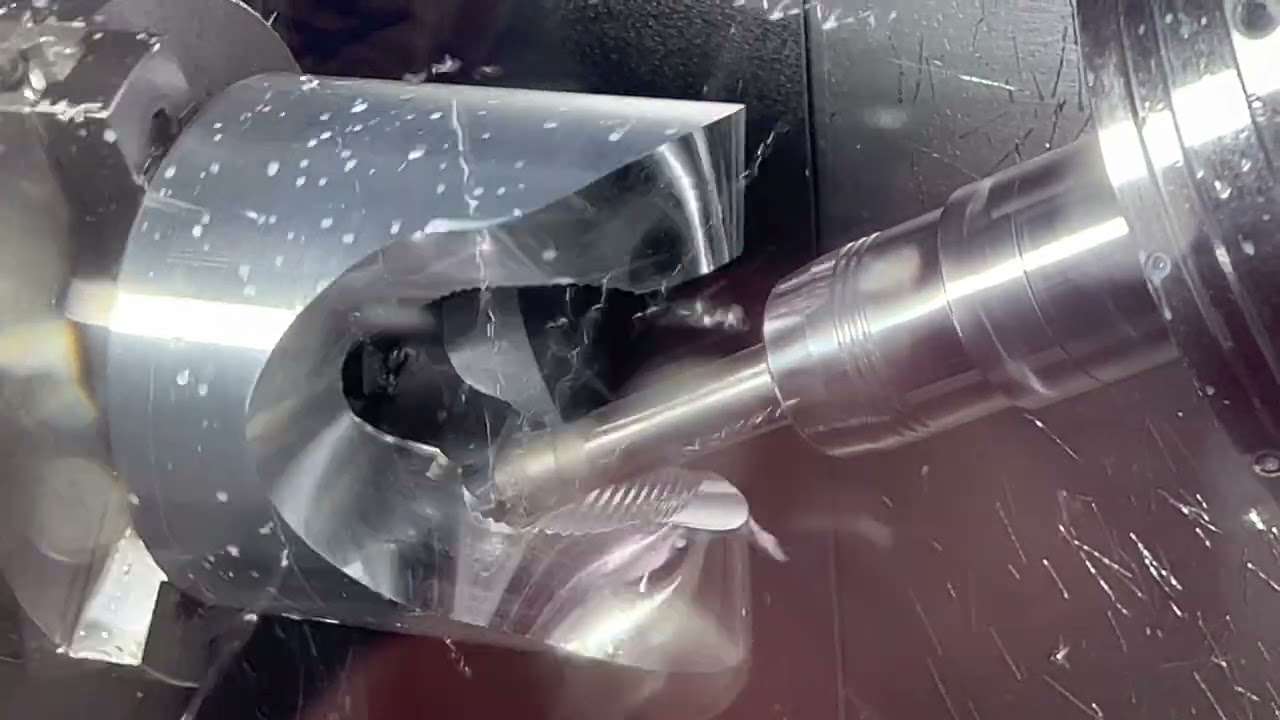
Finally, the twisting process is similar to milling, except the material is clamped onto a rotating mechanism that rotates at high speed. CNC turning is widely used in the metallurgy industry to produce cylindrical parts such as shafts, pulleys and screws. For example, in the manufacture of an automotive transmission shaft, CNC turning can be used to obtain a precise cylindrical shape and ensure the functionality of the shaft in the vehicle.
This type of machine is extremely important today, mainly because it opened up the possibility of manufacturing parts on a large scale, while maintaining precision and control. Many pieces of equipment, including your cell phone today, use several parts that are made from CNC machines, and with that, they have brought a giant advance to industry and society. And you, have you ever had the opportunity to see a CNC system working up close?
Have you ever worked with CNC machines and had to manufacture parts using this type of system? Leave it here in the comments and I want to know. I'm going to leave two videos aside that are seriously worth checking out.
If you liked the video, leave a like, subscribe to the channel, activate the bell, and by the way, share this video with more people. And that's it, engineering lovers, a big hug, and I'll see you in the next video.