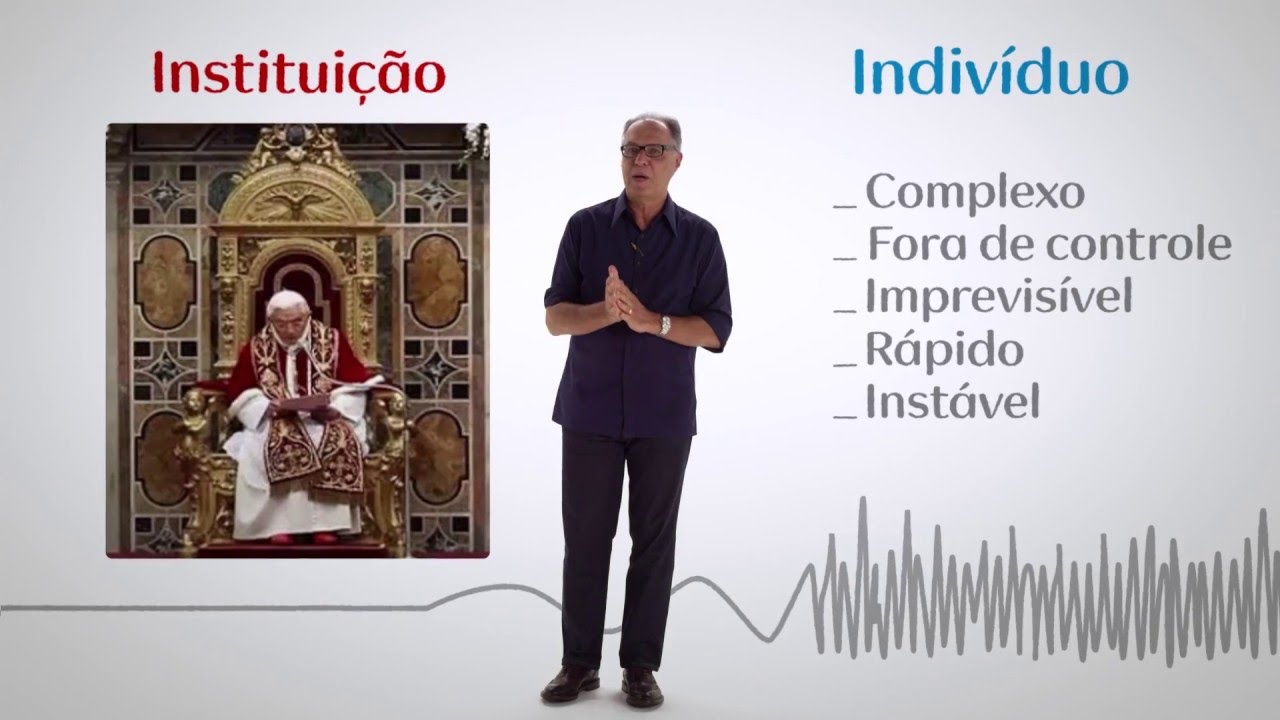
Hello! Looking at this turbulent scenario, endangering so many companies, no matter the size, no matter what market segment it operates in, we produced a study to understand about perennity. Here is a typical scenario for better understanding: In this line, we are talking about a growing scenario out of control.
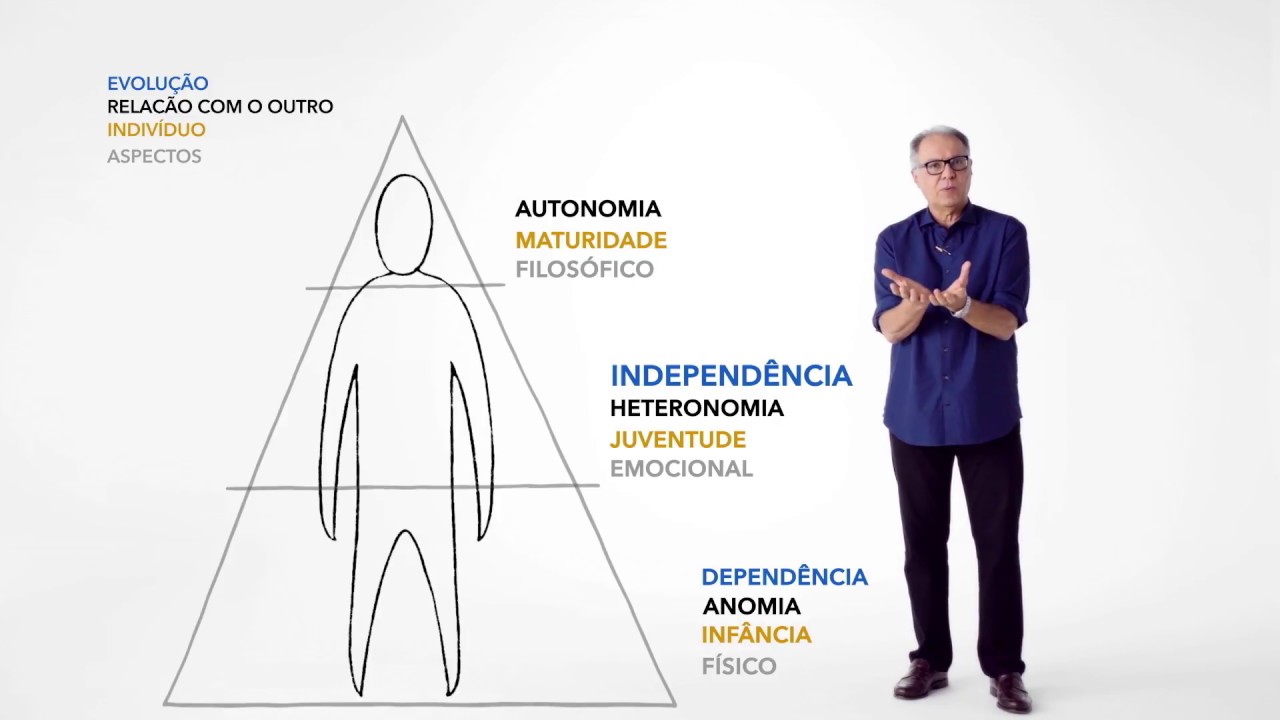
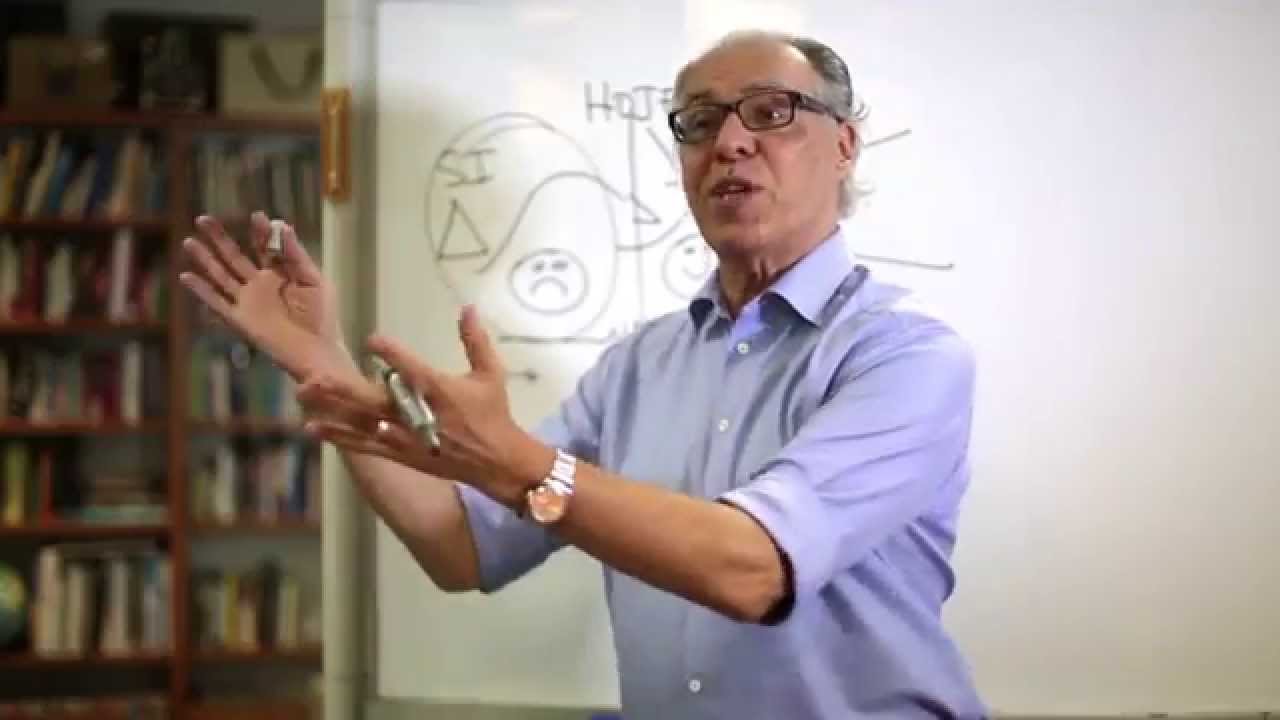
In this line, we are talking about an increasingly competitive scenario, and here above, surely, a hostile, increasingly hostile environment, and here is where we going to seek perennity. Here are three phases of the company's evolution: creation, expansion and perennity. In this first phase the creator is present.
The environment is very emotional because it depends upon his day’s mood. Everything is very improvised because the company is new and everything is being done for the first time. The founder will hire people he trusts, people like brothers, cousins, son-in-law, but not necessarily people with skills for the job.
People want to know if their pay-check is guaranteed at the end of the month. And the most important thing in this culture is what to do. It is a culture of action, not reflection, people have shining eyes, they make mistakes and easily corrects them, because the owner is present and solves everything.
If the business went well, the company grew and became complex. The owner became rich and aged. With no patience to run the business anymore.
He has to make a transition and change the governance of the company. To deal with new complexities, new areas, new markets, new business units, the founder has to hire a manager. This manager will streamline the decisions.
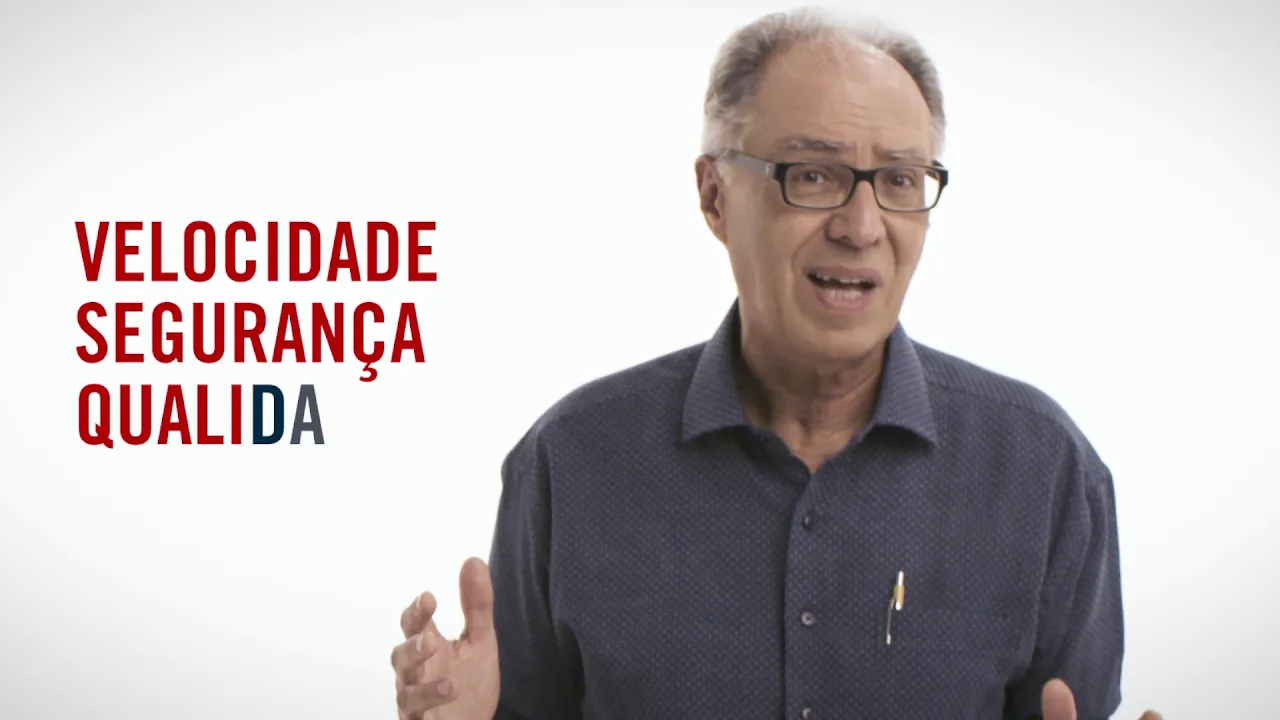
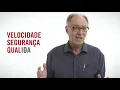
He'll get the old man’s idea, one that worked and systematize, he will create a benchmark, insert controls, and stablish a blue print of everything. The name of the game is quality, speed and safety. For this to take place, he will hire people who like to control, to maintain, to conserve.
This is the appropriate professional profile for this company. The company grows fast and people want to know if they have future in the firm. And just as important as what to do is how to do it.
It's all written and agreed. It is a culture of textbook and process. Everything under control.
The company's success attracts new competitors within the market, who innovate faster and have a bolder attitude hence they gain ground. The business is at high speed as a formula 1. Speed, safety and quality.
Innovations brings risk, therefor it’s not allowed. Then, an innovation department is created. But it moves slowly and expensively.
Then, the company starts to lose market share, lose people, lose supplier, lose investor. So the company has to make another transition in order to survive. So, besides preserving the financial health, it has to live along with competitors, study the market, look outside.
It has to observe this new complexity. The manager, his systems and controls do not account for an more agile, complex and innovative market; which is the market that is up here. The manager has to change, he must be replaced by the leader.
The difference between the leader and the manager is that the manager has the respect of people for the position he holds and the leader has the trust of people for the person he is. The leader takes his biography to work, he doesn't start a meeting with an Excel presentation in hands, rather than that, he talks about the previous night when he went to his children's school, to discuss what kind of education they are giving his children, in order to excel in this future, depending on how he was imagining the future. He brings his worldview to work and that's why people trust him.
He uses intuition, this is what gives him the speed to understand the scenario with less information, and still get ahead. Innovation in this company is part of the culture and not just a department. People are encouraged to have critical vision and to contribute.
The cleaning lady is able to say that she can do two toilets in one, reducing costs and speeding up the business. Employees are self-employed, with their ideas, like the cleaning lady who brings her personal home experience, where she has an appreciation for hygiene, but has neither the time nor the money to clean according to the best cleaning International practices. People will work fully, as self-employed individuals, and they know they won't be there for a lifetime, so they want to know if that job will improve their market value, their employability.
And as important as what to do and how to do is why to do it, the purpose. This is what gives people autonomy to innovate in what and how. At this stage it is the competence that defines success.
In this more agile and innovative scenario you need the whole chain to help you innovate and reduce costs to ensure your perpetuity. That is why we say that while in this stage the owner's culture reigns. At this stage is the organizational culture, because it is within the company.
In this phase is the brand culture. It is a way of thinking and doing that is born in the company but is appreciated and adopted by the market. That’s your market value.
This phase is very centralized. Me and them. This is the fragmentation stage, us versus them.
It is the phase of competition, internally and externally, in between areas. On one hand it guarantees its rapid and secure growth, but on the other hand it is what prevents innovation and agility. Here, the challenge is to integrate and interact in order to learn fast, grow fast, at lower costs.
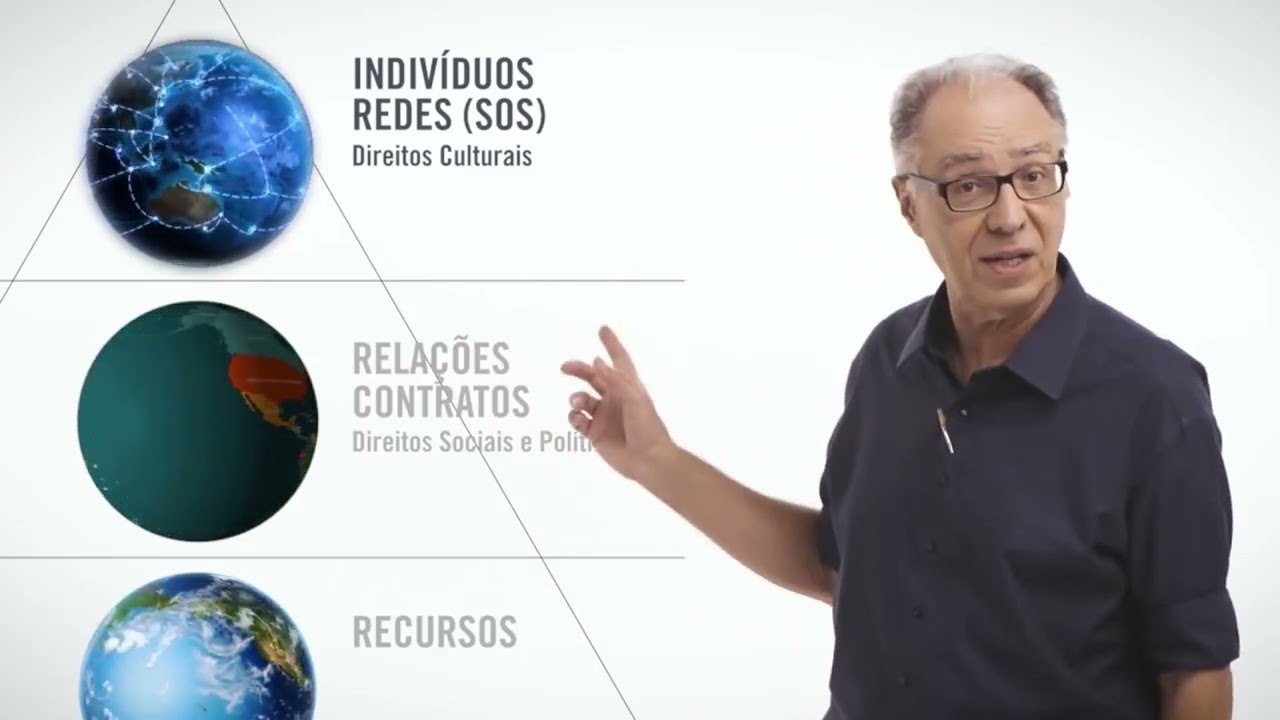
In this scenario, systemic thinking, networking, innovating bottom up helps us to understand and lead the new social and market dynamics. We need to change our mindset, but that is a subject for another conversation. Good news?
No one is totally up here, the scenario is. So here's the invitation: Identify where you are, where your business is, and make your plans. The future is here, and it is good.
Remember: we are talking about evolution and not just about change. Have a good job. See you soon.