what is persuasion we're going to take a look at a definition of persuasion explain what it's not and where you might see it in your life so let's get into it hey i'm alex lyon and we have almost 200 videos on communication and leadership on this channel and today we're going to look at this concept of persuasion from the standpoint of communication in fact i have a class on persuasive communication skills that i'll tell you more about at the end i will put a link to that and all of the other resources i consulted in
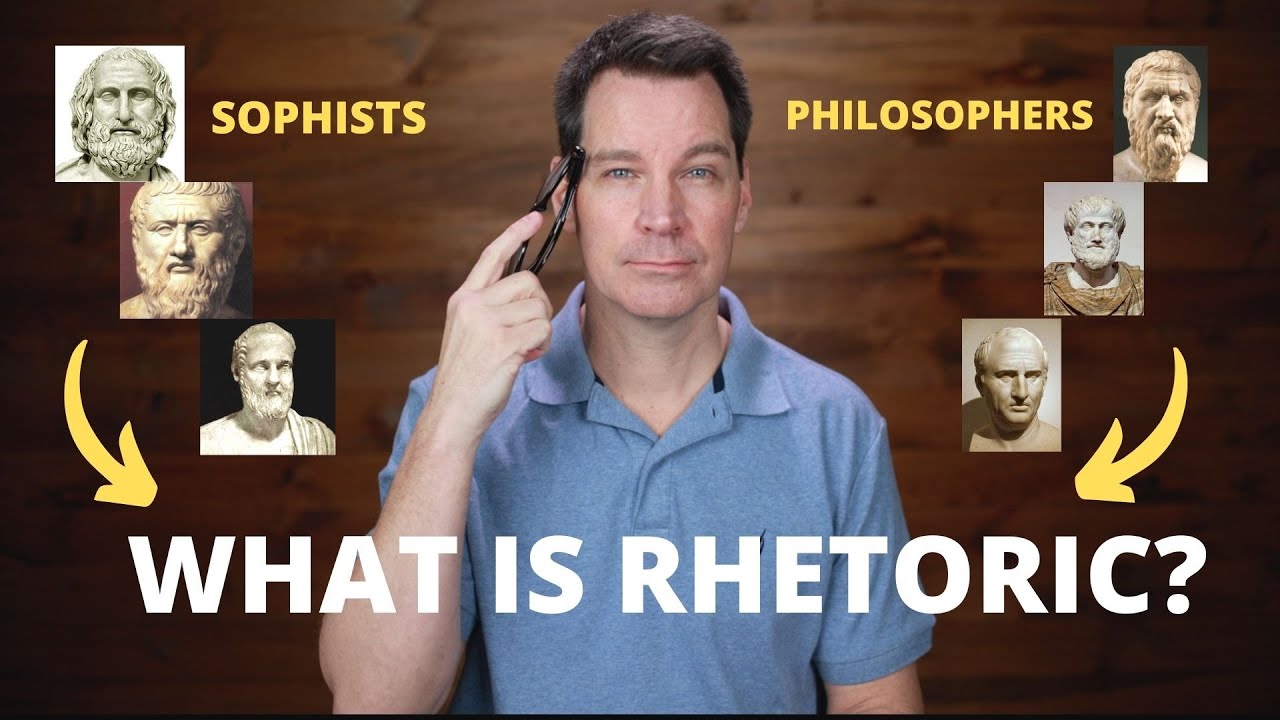
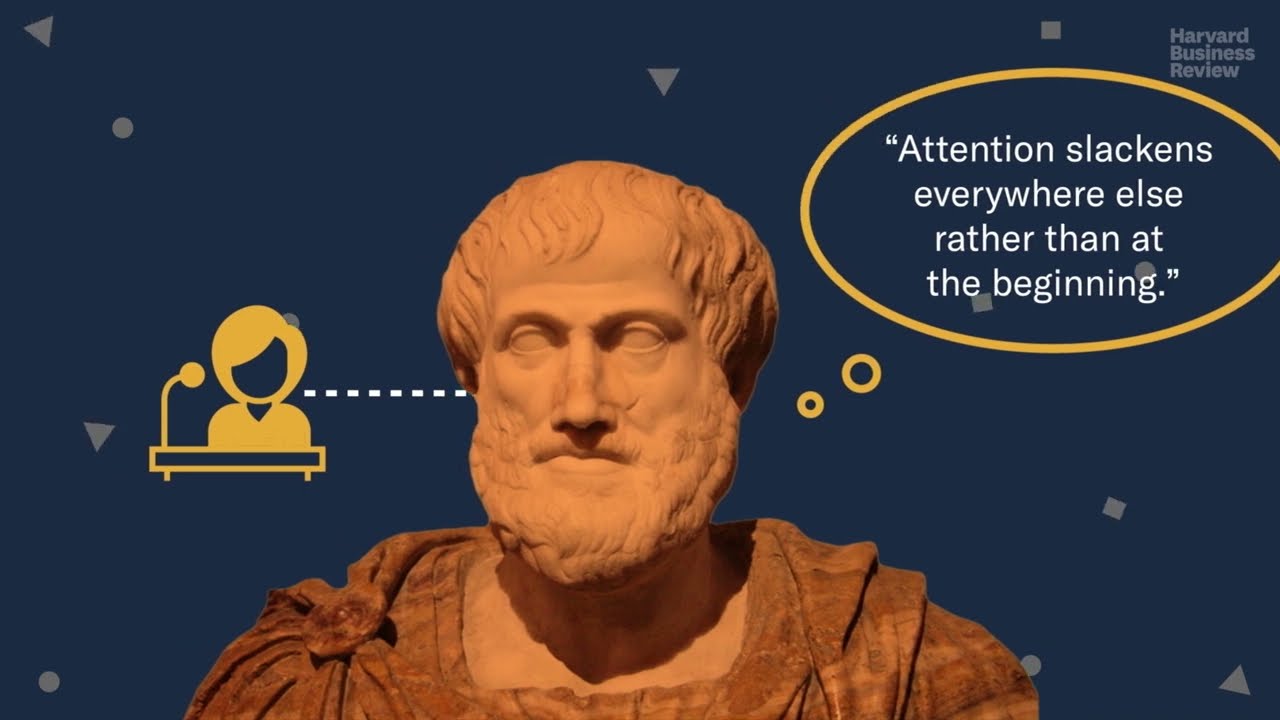
the description below this video if i boiled it down a basic definition of persuasion is the process of using spoken or written message to change another person's attitude beliefs or behaviors about something in the field of communication the study of persuasion goes back 2500 years to aristotle and even before him he wrote an entire book on it called rhetoric this traditional approach studies how we craft our arguments and support our position with hard evidence sound reasoning and demonstrate our credibility and engage listeners emotions to bring their views from where they are now point a to
the speaker's position point b now keep in mind persuasion doesn't require completely changing somebody's mind 180 degrees there are many times when listeners don't yet have a strong opinion or a persuasive message is meant to change somebody's mind just a few notches on the scale in its most basic form persuasion involves three components a speaker sharing a message to persuade an audience persuasive communication skills can be learned and if you've ever taken a public speaking class it's very likely your teacher assigned you a persuasive speech at the end of the semester now there's a little
bit of risk involved in persuasive speaking because your listeners might not be convinced they might not go along with you but persuasion also happens in almost all areas of public professional and personal life like have you ever had to convince your parents to loan you a car or persuade your boss to say yes to some request or attempt to convince a friend to vote for your favorite candidate you very likely put some thought into that message so it had a better chance of persuading them let's briefly talk about what persuasion is not first persuasion is
not forcing or threatening or compelling somebody to do what you want them to do that's coercion not persuasion second persuasion is not the same as manipulating lying or tricking people persuasion assumes that listeners are in a position to make a real choice and third and here's where it gets interesting to me persuasion is also not communicating an inspirational or motivational message to listeners who already agree with you that's what we sometimes call preaching to the choir a persuasive message is meant to change listeners minds attitudes or behaviors so there has to be some possibility that
listeners minds will be changed at least a little so question of the day how do you feel about persuasive communication do you enjoy it or avoid it now clearly there's lots more to persuasive communication than we can cover in one video as mentioned i have a class on this topic it's called the art of persuasive communication skills for beginners if you want to learn to communicate more persuasively let's say inside your organization with clients or in your community this class is a great place to start i'll put a link to that class in the description
below this video and you can take a look at more of the details there until next time god bless and i'll see you soon