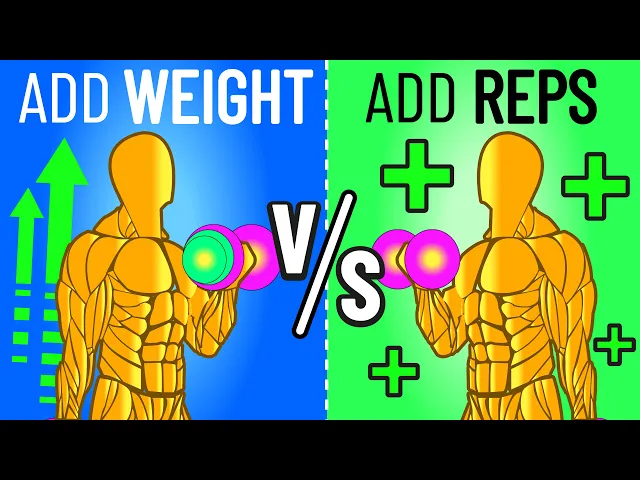
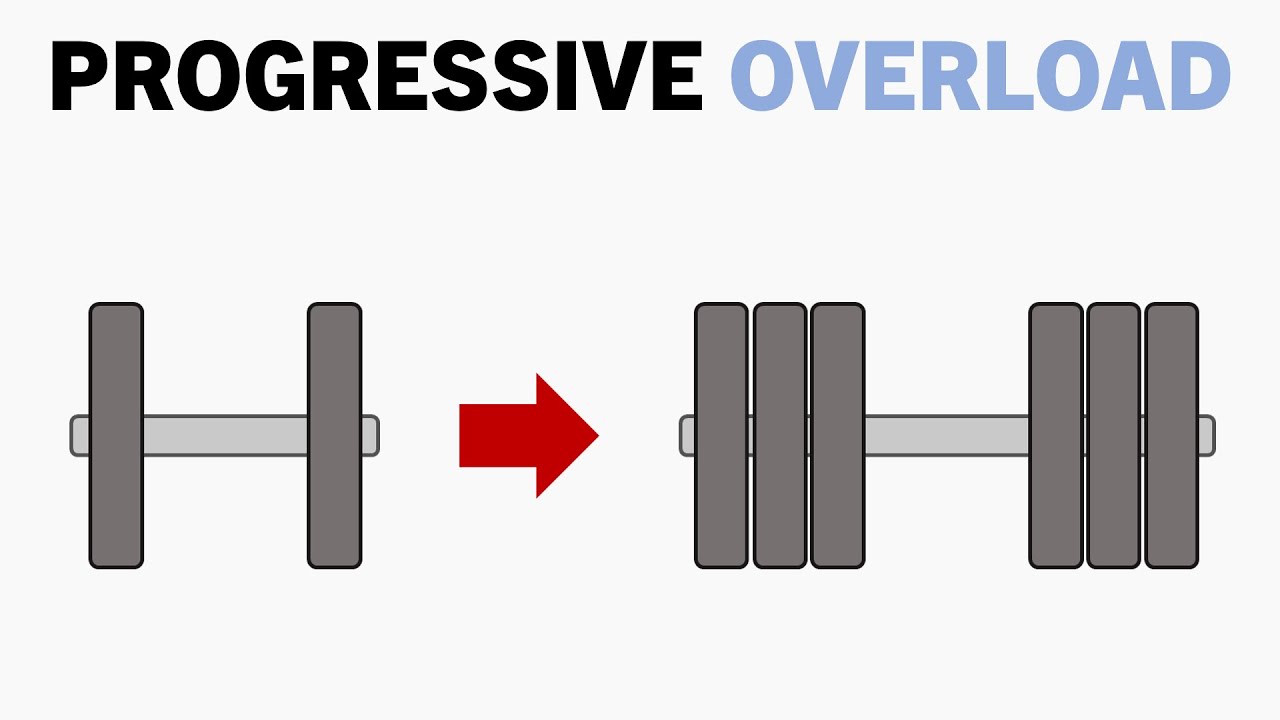
welcome to the house of hypertrophy is there an optimal Progressive overload method to maximize muscle growth many think Progressive overload is training harder than last time I actually believe this is slightly misleading and I'll describe why a little later nevertheless two common ways to Progressive overload are to either increase the load lifted or increase the number of repetitions performed there's been a brand new study comparing these let us dissect this paper and fit it into the overall scientific research we'll also discuss other potential training strategies you might use to elevate your physique and if increasing
sets or training frequency should be considered as Progressive [Music] overload this new paper recruited 39 previously untrained individuals for those disappointed about them being untrained don't worry we'll mention data on trained individuals soon the subjects trained four sets on a unilateral leg extension 2 to three three times per week for 10 weeks with one leg subjects adjusted loads to continuously reach failure in the 9 to 12 rep range every set thus this leg progressively overloaded by increasing load with their other leg they also performed reps to failure each set but they stuck with the same
load from the first session so they simply progressively overloaded by increasing reps they progressed from an average of N9 reps per set to 15 reps by the end note the number of dominant legs was equally divided between the conditions and subjects alternated which leg was trained first to every session the fact subjects trained each leg with one of the conditions is great as this means the same subjects were in both conditions therefore differences in genetics nutrition and outside lifestyle are less likely to confound the study strength gains on the leg extension were similar between both
conditions we'll talk more about Progressive overloading for strength a little later muscle hypertrophy indicated by vastest lateralis growth was also similar between both conditions suggesting progressively overloading by increasing reps was as effective for muscle growth as increasing load the subjects were previously untrained but we have this 2022 study previously seen at the house of hypy that was conducted on 38 trained individuals subjects perform these lower body exercises using these variables a load group attempted to increase load across sessions while staying in the 8 to 12 rep range a rep group stuck with the same load
from the first session and just aimed to perform more reps across the sessions growth of these quadriceps and cve muscle regions was measured and overall growth was similar between both groups so solid data indicates increasing load or reps can be similar for building muscle in both untrained and trained people I'd say there some underappreciated reasoning behind this and this reasoning also links to the multiple different training strategies that are available for you to maximize muscle growth it also links to whether we should consider increasing sets or training frequency as Progressive overload achieving a high level
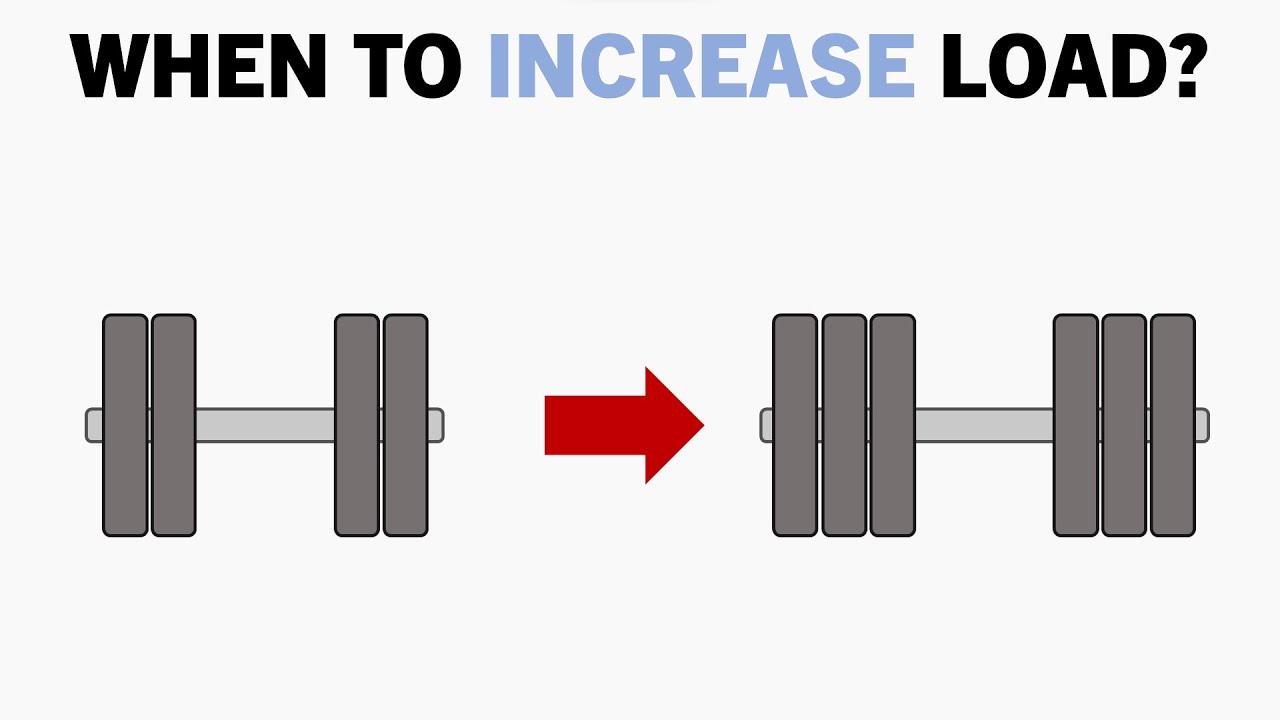
of muscle fiber Recruitment and tension are key for stimulating muscle hypertrophy how is this achieved simply by taking your repetitions to or very close to failure stopping a few reps short of failure can be fine in many cases as seen in our last video by training close to failure we're going to stimulate adaptations these adaptations mean we can do more than we could before we can lift a heavier load for the same number of reps or we can perform more repetitions with the same load in both of these cases we're effectively maintaining being close to
failure and by extension we maintain High muscle mus fiber Recruitment and tension so in essence increasing load or reps fundamentally accomplishes the same thing thinking of progressive overload as a cycle works well a hard training session stimulates adaptations these adaptations enable us to increase load or reps and doing this maintains a hard training session considering this Progressive overload isn't really training harder than last time rather Progressive overload Keeps Us training as hard as usual to continually stimulate growth moreover Progressive overload isn't a result of you digging to progressively deeper and deeper depths of effort instead
successful Progressive overload is proof gains are happening now there is an important detail we must not neglect the current literature suggest reps between 6 to 35 provided they perform two or close to failure produce similar muscle hypertrophy reps low six probably involve too little time at high tension while reps above 35 probably involve excessive fatigue that impairs muscle fiber Recruitment and tension with this in mind there is only so much you can increase reps if you somehow get to the point of Performing more than 35 reps increasing the load is recommended and overall a combination
of both increasing load and Reps over the long term is what's going to happen in most cases for instance exercises involving smaller amounts of muscle mass are harder to Progressive overload and constantly increasing load across your training sessions on these is far from always possible unless you have access to very light micr plates but as many don't adding a rep here or there on these exercises is far more typical with less frequent load increases the same logic applies as you become more trained as the magnitude of adaptations diminishes with more training experience ience adding a
rep here or there may be far more common than increasing the load this part isn't related to Progressive overload across training sessions rather it's around the multiple different training strategies you could use in a training session we've mentioned that on average similar muscle hypertrophy can be seen in the 6 to 35 rep range provided you stay in this this opens up many different training paths the most common is to keep the same load across the sets and to train two or their failure in a certain rep range but one alternative as explored in this paper
is to decrease the load across sets all subjects trained curls to voluntary failure with these variables on the first set of each exercise all subjects used a 10 rep max load that is a load that can be lifted for 10 maximum repetitions one group kept the same load on the remaining sets a second group actually decreased the load by 5% on the final two sets of each exercise and the third group decreased the load by 10% on the final two sets as subjects were training to failure they would have naturally added reps over time but
on top of this 10 rep max strength was retested every 2 weeks to update the training loads all groups ended up seeing similar biceps hypertrophy interestingly the group that decreased the load by 10% despite also training to failure and seeing similar growth subjectively rated their training sessions as being slightly easier you could also increase load across sets resulting in fewer reps in fact this study compared doing just this to another group that trains a little more typically muscle growth was similar between both so the key here is there are many different Pathways to muscle hypertrophy
as we defined it Progressive overload maintains training hard to keep stimulating adaptations increasing sets or training frequency doesn't necessarily do this for example say you perform this workout next workout all you do is just add a set nothing else the problem with this is assuming sufficient adaptations were stimulated from the first session those earlier sets are going to be easier and thus less effective the extra set you add predominantly just increases the overall work you're doing it doesn't maintain hard training on the other sets the same applies to increasing workout frequency say you perform this
same workout if all you do is add another training session in a week assuming sufficient adaptations were stimulated from the first session all these sets are going to be easier so this extra session is just largely more overall work on top of this this there's only so much you can add sets or training sessions before running into recovery problems none of this is to say you should never ever increase sets or training frequency in fact in October last year we dissected this paper finding adding sets across weeks to extremely high numbers led to Greater muscle
growth than performing the same number of sets every week although all groups progressively overloaded by increasing load on their sets and there were crucial details meaning this study isn't proof you have to add sets across weeks but as described in the previous video someone could experiment with this training style if it appeals to them all in all though it is absolutely fine and more common to perform the same number of sets and use the same training frequency every week with perhaps some changes over many months or years if you're searching for further guidance on programming
to obtain your desired physique it can can be tricky and time consuming however our highquality partner the alpha progression app can help you generate an Evidence space training program that's 100% custom to your needs in less than 3 minutes simply specify the equipment you have how often and how long you want to train for and if you want to focus or neglect certain muscles there are even Advanced options to periodize your training and Implement de loads there are over a quadrillion input combinations on which your plan is based and with the touch of a few
buttons you can customize things further through analyzing your past performance the app provides Progressive overload recommendations during your workouts to help you continue making gains the app automatically generates graphs that display your long-term progression thereby saving you time from having to manually track your progression the link in the comments and description gives you a twoe free trial of all the premium features and if you like it and decide to go beyond the link gives you 20% off off a subscription I truly believe the app is awesome and the reviews speak to [Music] this recall in
the newest paper strength gains were similar between increasing load and Reps I've also yet to mention in the 2022 paper on trained individuals squat strength gains were similar between increasing load and Reps however two technical considerations that I've decided to detail in the pin comment to say in time tell us why these findings are likely a little misleading my current thinking is since strength is generally considered as the maximum load you can lift increasing load is likely going to be better furthermore largely training with heavy loads for fewer than six reps is great for building
strength illustrating this these researchers had trained individuals trained these exercises one group adjusted loads to keep training to failure in the two to four rep range while a second group adjusted loads to keep training to failure in the 8 to 12 rep range bench press and back squat strength gains favor training with the two to four reps as they did in this study to keep training hard in lower rep ranges increasing load across training sessions is [Music] needed we mentioned how Progressive overload can be thought of as a cycle hard training produces adaptations these adaptations
allow us to increase load or reps and doing this maintains hard training progressively overloading through increasing load or reps has been shown to produce similar muscle growth both in untrained and trained individuals however there are a few reasons that mean over the long term using a combination of both is probably most feasible increasing sets or training frequency predominantly increases the overall work you're performing which has its place but on the their own they do not fit our definition of progressive overload for maximizing strength gains increasing load is likely better than increasing reps thank you for
watching feel free to check out the alpha progression app or our recent deep dive into building the LS