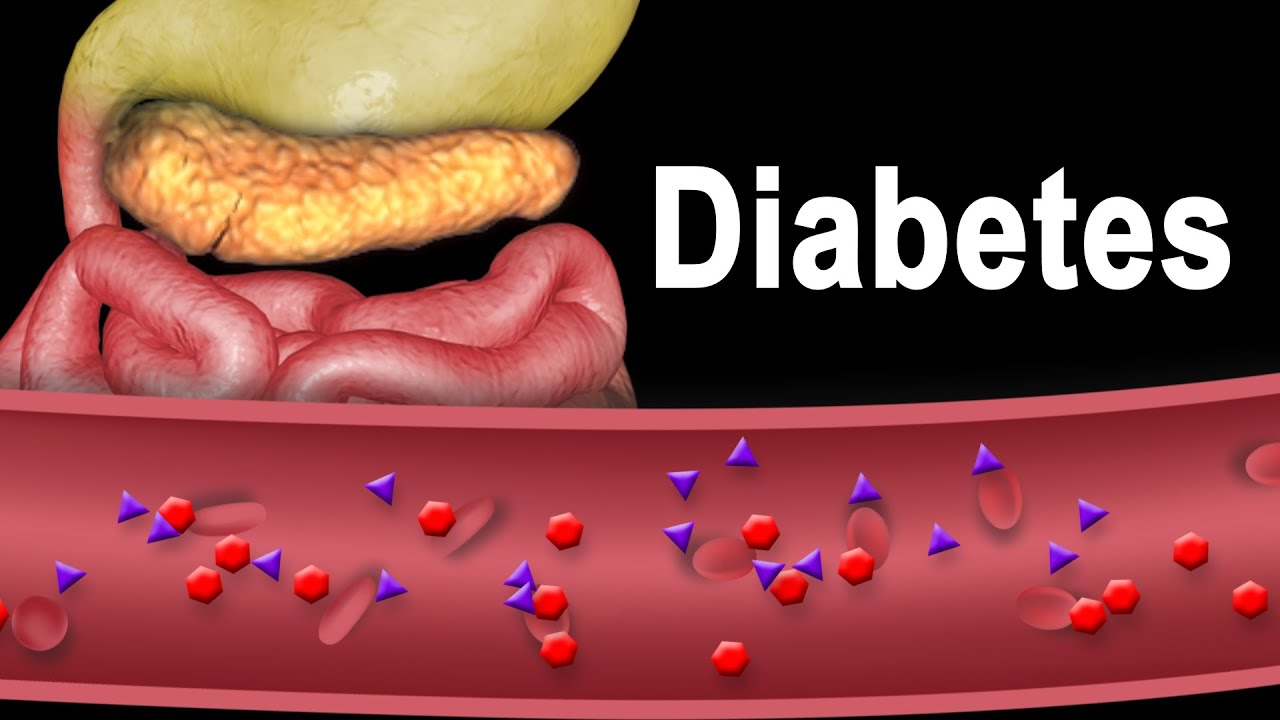
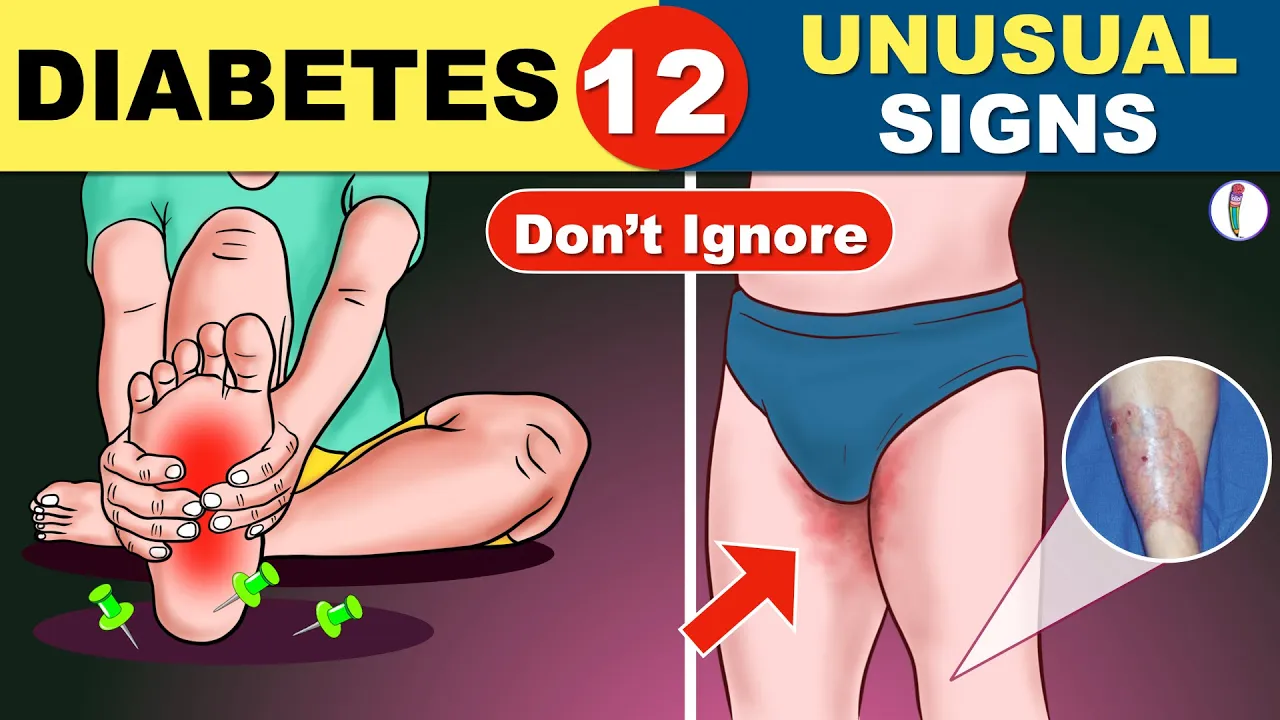
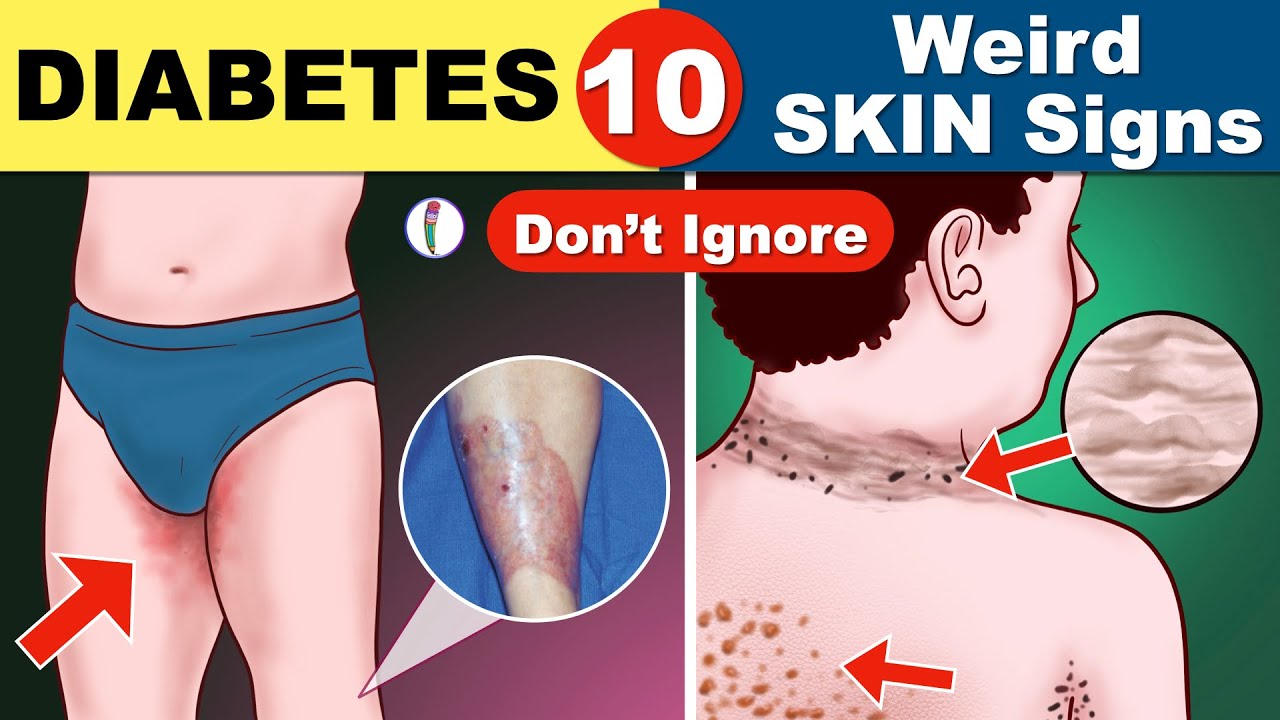
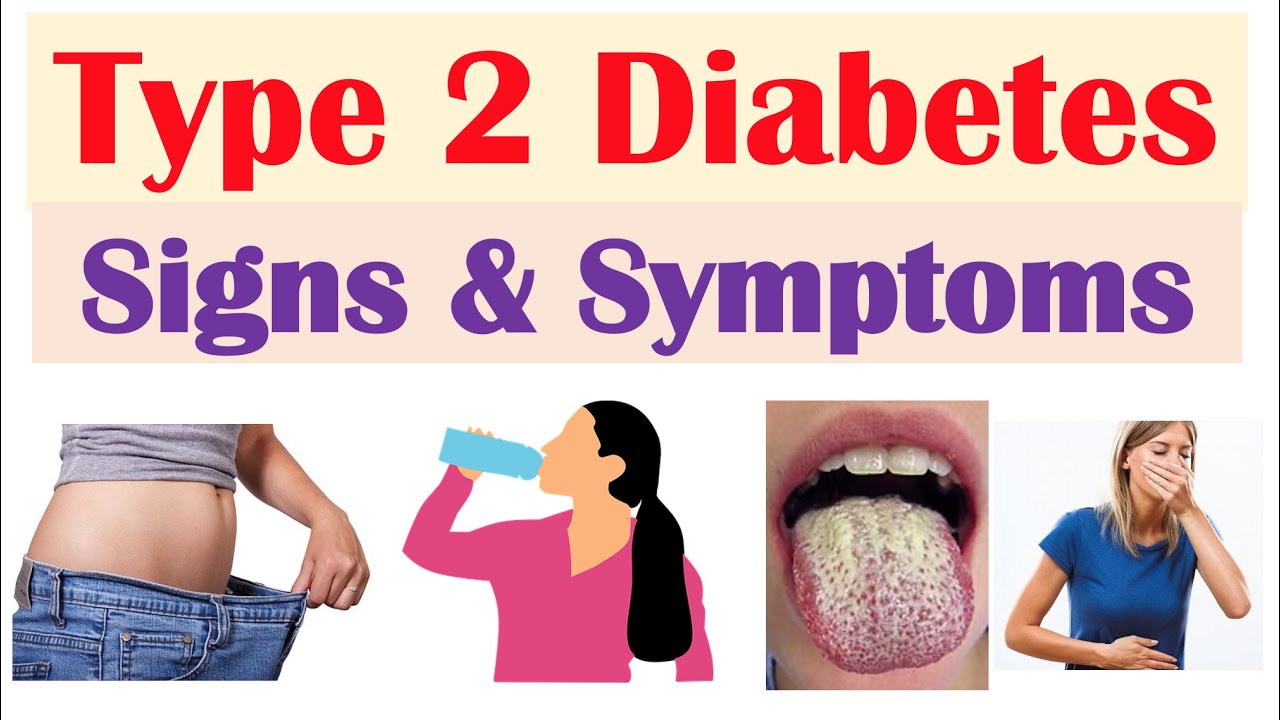
hello everyone my name is Dr Ankit and welcome back to our Channel medinas today we have an important topic to discuss that affects millions of people worldwide diabetes while many of us are familiar with the common signs of diabetes like increased thirst frequent urination and high blood sugar levels there are some unusual symptoms that can also indicate its presence and in this video we will explore 12 unusual symptoms that may indicate the presence of diabetes so let's get started first in the list is darker skin on the neck darkening of the skin in certain areas
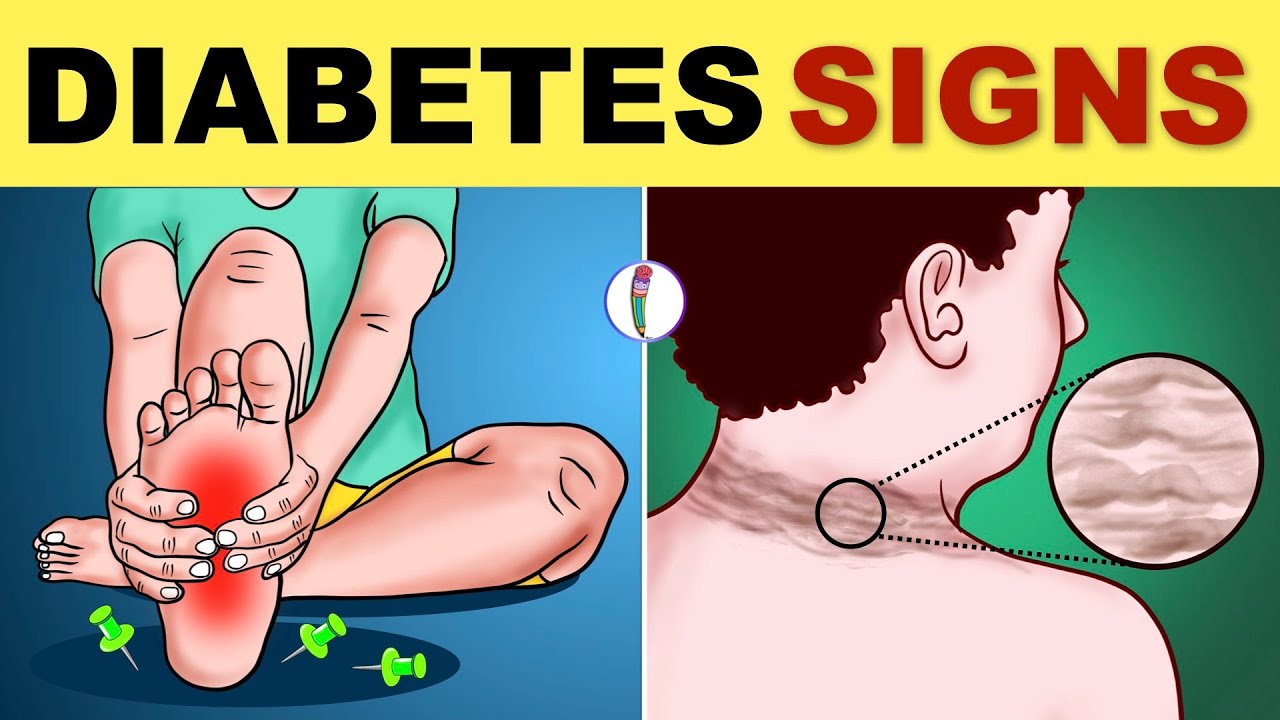
including the neck can be an unusual symptom associated with diabetes this condition is often referred to as akinth House's nigricans that patches might be widespread or only noticeable in the creases of skin the skin around your neck might also feel velvety or thicker apart from the neck these patches can also develop on various parts of the body armpits grow in and even the elbows and knees this condition is common with type 2 diabetes and in those with darker complexions in individuals with type 2 diabetes or pre-diabetes the body cells become less responsive to insulin as
a result the pancreas produce more insulin to compensate and this can lead to higher levels of insulin in the blood high levels of insulin in the bloodstream cause skin cells to reproduce faster than normal and this leads to darkening now while acanthosis nigricans is commonly associated with diabetes it can also occur due to other factors such as obesity hormonal disorders or certain medications therefore do visit a healthcare provider so that the underlying cause can be correctly determined let's go to the next symptom which is weight loss unexplained weight loss can be an unusual symptom of
diabetes particularly in the case of undiagnosed or poorly controlled diabetes in individuals with diabetes unexplained weight loss is often associated with type 1 diabetes or poorly controlled type 2 diabetes the weight loss occurs due to body's inability to effectively use glucose that is sugar for energy and this results in the breakdown of fat and muscle tissues to provide energy so the muscle wasting also known as muscle atrophy can occur due to the breakdown of muscle tissues for the requirement of energy and this can lead to weakness and further weight loss next in the list that
is Center number 3 is lightheadedness lightheadedness in diabetes is often linked to episodes of low blood sugar which is known as hypoglycemia now this occurs when your blood sugar levels drop below normal levels which is usually below 70 milligrams per deciliter hypoglycemia can be caused by taking too much insulin or other diabetes medications skipping meals or engaging in vigorous physical activity without adjusting your medication or food intake so why does this lightedness occur the lightheadedness during hypoglycemia can be attributed to a temporary decrease in the brain's glucose Supply so your brain is not getting sufficient
glucose the lightheadedness due to hypoglycemia requires immediate attention consuming a fast acting source of glucose such as fruit juice or a candy or glucose tablets can help raise your blood sugar levels quickly and alleviate these symptoms and it is very important to follow up with a balanced meal or snack so that your blood sugar can be stabilized uncontrolled high blood sugar levels that is hyperglycemia can also lead to light-headedness in some cases and this may occur when blood sugar levels are extremely elevated causing dehydration and a state known as diabetic ketoacidosis this diabetic ketoacidosis can
lead to symptoms like lightheadedness nausea and vomiting and it requires immediate medical attention number four is change in vision changes in Vision can be a symptom of diabetes and they are often related to a condition known as diabetic eye disease the changes in Vision in diabetes include first bloody Vision one of the most common Vision related symptoms of diabetes is blurry vision fluctuations in blood sugar levels can cause the lens in your eye to swell and this leads to Temporary changes in your ability to focus and this results in bloody or hazy vision you can
also experience frequent prescription changes that is if you have diabetes you may need to update your eyeglasses or your contact lenses more frequently than before this is because the fluctuations in blood sugar levels can affect the shape of the lens in your eye third is cataract diabetes can increase the risk of developing cataracts at an earlier age glaucoma diabetes can also increase the risk of developing glaucoma which is a condition that damages the optic nerve and it can lead to vision loss fifth is diabetic retinopathy which is perhaps the most significant concern for an individual
with diabetes it is a condition that damages the blood vessels in the retina which is the part of the eye responsible for the vision and if this condition progresses it may even lead to Vision impairment or blindness if left untreated so please do consult your physician if you see any of these symptoms let's go to the next symptom that is symptom number five which is sexual dysfunction erectile dysfunction is another possible symptom of diabetes and this typically affects males with type 2 diabetes making it difficult for them to achieve an erection sexual problems occur when
high blood sugar damages nerves and the blood vessels that carry blood to the penis sexual dysfunction can also occur in women resulting in lower arousal and poor lubrication however research on sexual issues related to diabetes in women is less conclusive than in men symptom number six Is frequent infections frequent infections can indeed be an unusual symptom of diabetes and they often occur due to the impact of diabetes on the immune system and the body's ability to fight off infections diabetes especially when poorly controlled can weaken the immune system's ability to combat infections high blood sugar
levels can impair white blood cell function making it harder for the body to fight off bacteria and viruses effectively and these frequent infections can include vaginal infections yeast infections urinary tract infections skin infections and respiratory infections like pneumonia and influenza people with diabetes may take longer to recover from infections compared to those without the condition this extended recovery time can be due to the compromised immune function and the impact of high blood sugar levels on the body's healing processes symptom number seven is irritability one of the primary reasons for irritability in individuals with diabetes is
fluctuations and blood sugar levels when blood sugar levels become too high that is Hypoglycemia or too low that is Hypoglycemia they can both affect the mood and emotional well-being the combination of low sugar and extreme hunger that is polyphagia can make a person feel irritable and impatient let's go to the symptom number eight that is dry skin and itching diabetes can affect the body's ability to retain moisture leading to a dry skin so when blood sugar levels are consistently High it can cause the skin to lose moisture more quickly resulting in dryness and flakiness dry
skin is often accompanied by itching which is a sensation that can be quite bothersome the itching can occur anywhere in the body but it is commonly experienced on the lower legs feet and around the ankles some individuals with diabetes May develop a complication called diabetic neuropathy which affects the nerves neuropathy can lead to abnormal Sensations which also include itching tingling or burning Sensations in the skin let's now go to next symptom that is symptom number nine which is fruity smelling breath fruity smelling breath is a lesser known symptom of diabetes and it particularly develops when
blood sugar levels are extremely high fruity smelling breath is a Hallmark sign of diabetic ketoacidosis which is a severe and potentially life-threatening complication of diabetes and it is most commonly seen in people with type 1 diabetes the diabetic ketoacidosis can also occur in individuals with type 2 diabetes though it is less common diabetic ketoacidosis typically occurs when there is a severe shortage of insulin in the body and this causes blood sugar levels to rise to dangerous levels also since there is no insulin the body is not getting sufficient energy the cells of the body are
not getting sufficient energy and because of this the body begins to break down the fat for energy and the breakdown of fat or the breakdown product of fat is ketones so there is a production of ketones when the fats are broken down these ketones can accumulate in the bloodstream and lead to an acidic state in the body and when this happens a distinct fruity or sweet odor is often noticeable on a person's breath and it may resemble the smell of acetone or over ripe fruit number 10 is dry mouth dry mouth can often be linked
to changes in saliva production and the overall impact of diabetes on oral health several factors contribute to dry mouth and diabetes and they include first high blood sugar levels can affect the function of salivary glands second frequent urination and diabetes can lead to dehydration and dry mouth third certain medications used in diabetes may also cause dehydration and dry mouth so all of these factors in diabetes can result in dry mouth symptom number 11 is pain in your limbs pain in the limbs often referred to as diabetic neuropathy can be an unusual symptom diabetic neuropathy is
a condition that affects the nerves and it can manifest as various types of pain and discomfort in the extremities the exact cause of diabetic neuropathy is not fully understood but it is believed to be related to prolonged exposure of high blood sugar levels inflammation and changes in blood vessels that nourish nerves pain in the limbs associated with diabetic neuropathy can manifest in several ways and I'll tell you a few of them first is peripheral neuropathy this is the most common form of diabetic neuropathy and it often results in burning tingling or shooting pain in the
hands and feet second is proximal neuropathy this type of neuropathy typically causes pain in thighs hips or buttocks it can lead to weakness in the legs as well third is focal neuropathy focal neuropathy affects specific nerves in various parts of the body and can lead to localized pain for example it may cause pain in the wrist or other isolated areas fourth autonomic neuropathy in some cases diabetes can affect the nerves that control automatic functions like heart rate digestion and blood pressure leading to symptoms such as digestive pain or discomfort symptom number 12 is nausea nausea
and vomiting are other symptoms that may also indicate diabetes both nausea and vomiting can occur as a result of neuropathy nerve damage May prevent your body from properly moving the food from stomach to the intestines and an interruption of this process can cause food to back up in the stomach resulting in nausea and sometimes vomiting excessively elevated blood sugar level can lead to increased urination that is polyurea and dehydration and this dehydration in turn can cause nausea and a general feeling of illness in case of diabetic ketoacidosis nausea can be accompanied by vomiting abdominal pain
confusion and other symptoms of diabetic ketosidosis in some cases nausea can also occur when blood sugar levels drop too low that is Hypoglycemia however hypoglycemia more commonly leads to other symptoms like shakiness sweating and confusions some medications which are used to manage diabetes can also have nausea as a side effect so these are the 12 unusual symptoms that could indicate the presence of diabetes remember early detection and management of diabetes are essential for maintaining good health if you or someone you know is experiencing any of these symptoms please seek professional medical advice thank you for
watching and if you found this video informative don't forget to give it a thumbs up And subscribe to medinas for more health related content stay healthy and take care








![90% of Diabetes Would be REVERSED [If You STOP These Foods]](https://img.youtube.com/vi/qCQW9e7CrEk/maxresdefault.jpg)