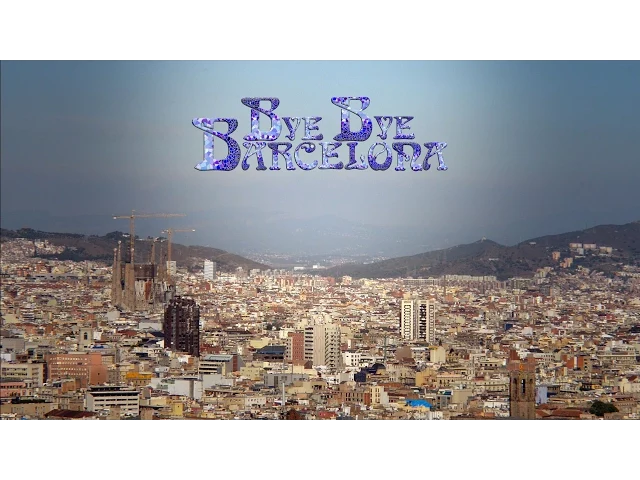
Barcelona is a place in a map that has to be visited one way or another. The thing is that Barcelona is not Paris, nor Rome, nor New York. .
. It's a small city, not reaching 1. 6 million people.
We're very small and we cannot grow more. And we're. .
. too many people come here, through every mean and at any price. Barcelona obviously can't stand this.
This is about every area of Barcelona that has the smallest touristic interest. This is not a city to live in. It's a theme park like Prague or Venice, where there's no local life left.
It's all decoration. Venice, Florence, Paris. .
. the citizens of these places are fed up with tourists. I have to say also that even the neighbors that are fed up are benefited with tourism.
It's money coming in. We are told that the number of tourist in Barcelona is really nice. Wow!
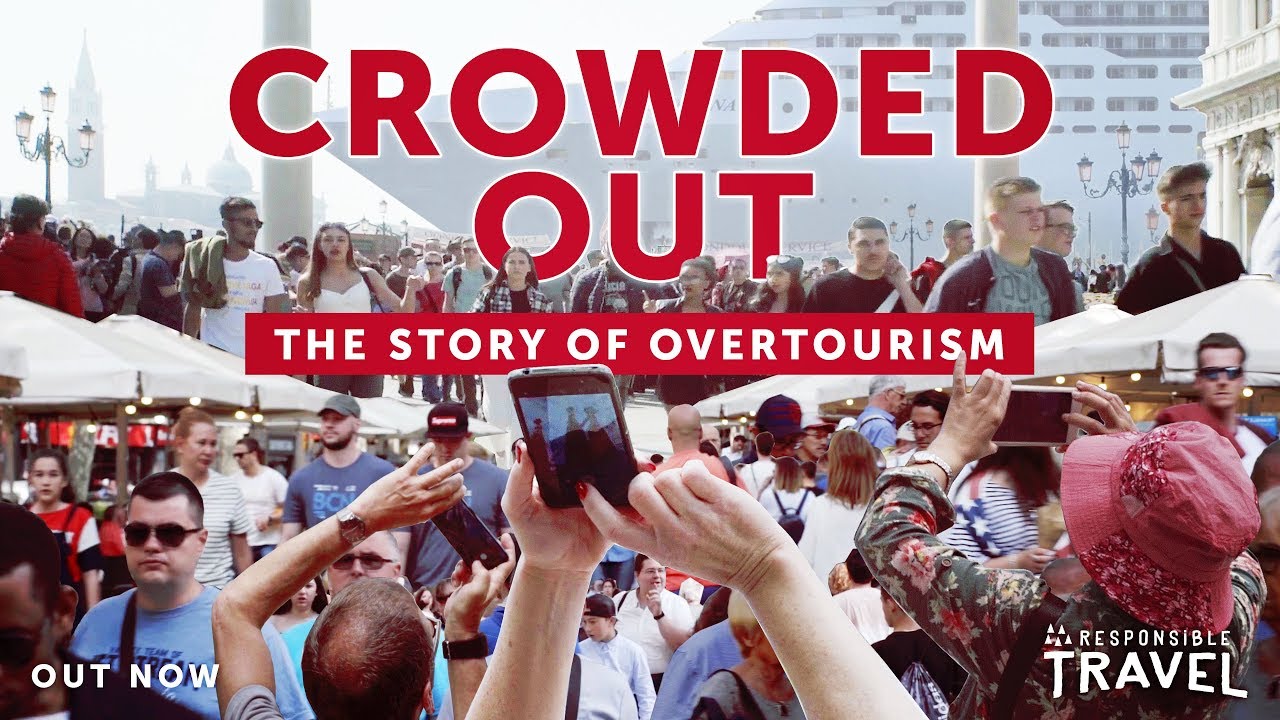
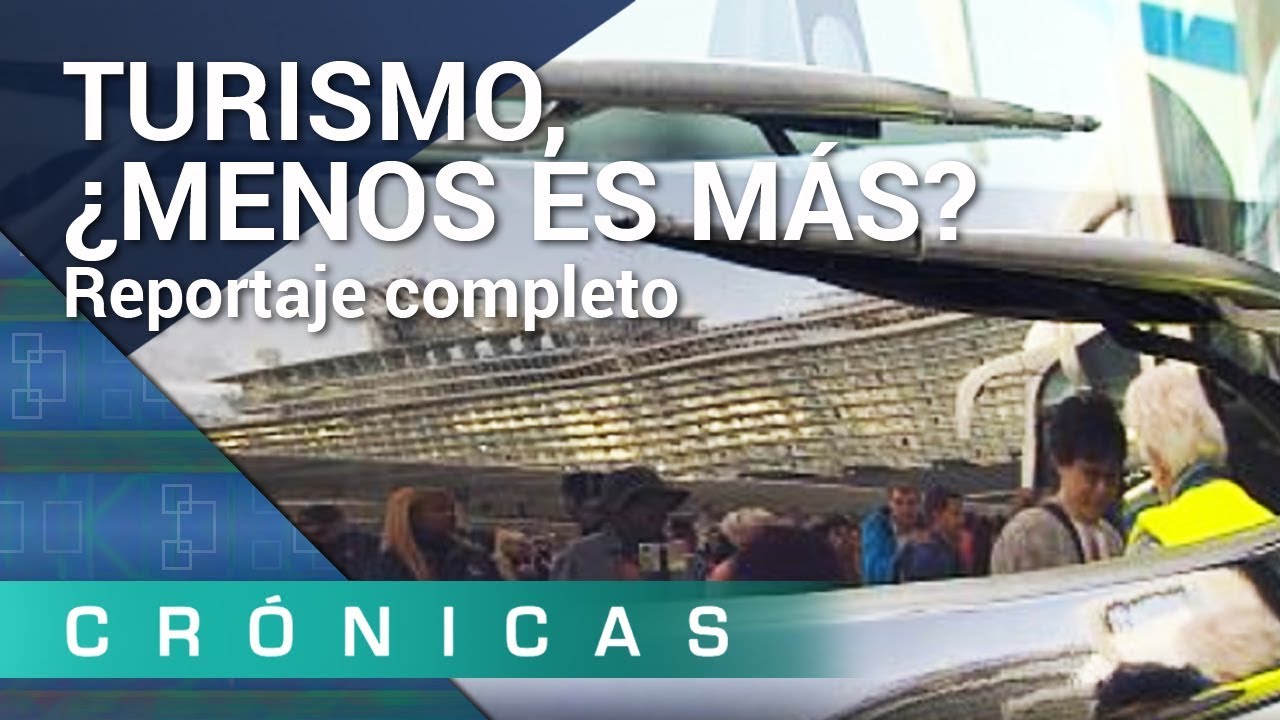
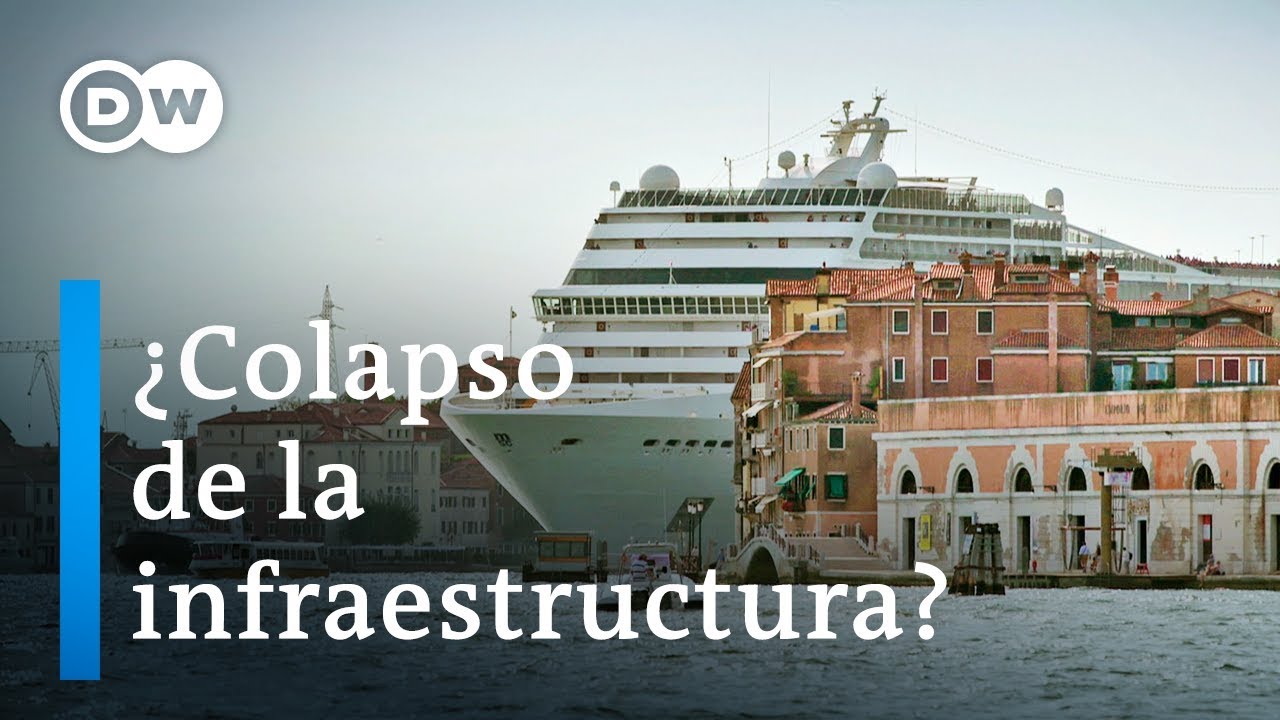
Four cruises at the same time arrive! Great! Massification, massification, massification.
. . But this massification means that life here for the local person becomes intolerable.
We're losing the city to tourist, and think in the end that's not good, because we're the one´s that are starting to be fed up by our own city. What's the problem? We're reproducing touristic itineraries, habits and activities that are very repetitive, and sometimes far from what this city s all about.
And their changing the idiosyncrasy of this city. Barcelona? It's a Theme Park.
"The world's best shop" Tourism is not going to be forever, and it's destroying other ways of life. On top of that we cannot live with these floods of people day after day. For me it's terrible and a shame.
The city loses all of it's charm. "The old city" For me La Rambla looks like a porcelain figure. La Rambla is the most important street in this country's history.
And it's the mirror of the relationship between the catalans, or Catalonia, and the established power. As we see it today, La Rambla is a Bourbon project. The Bourbons basically said "Now let's make a straight street.
. . .
. that glorifies castilian and Bourbon Spain" after the War of Succession. It was born more or less at the same time as Avenue Montaigne in Paris.
It was a time where governments started to plan the streets from the offices, more or less. You have to situate La Rambla within a State that in Catalonia is considered obscurantist and inquisitorial, which is the State imposed by Phillip V, and that is recurrent afterwards one way or another. You have to situate a Barcelona that has to achieve the Industrial Revolution without tearing down it's city walls, and that afterwards in 1909, for example, you can't speak catalan on the phone because it's prohibited.
The catalans lived inwardly and very contained, so La Rambla was like the happy place of the cage. All the illusions and the fresh air ran through it. In the mid 19th century, then you have all the praise for it's Cafés, for the social blend present in there, because the Modernist Rambla was the one that started the florists, the restaurants, the Cafés, with this sort of inter social dialogue, that projected a well bred, industrial and educated country.
The relationship between Catalonia and the Franco regime with it's prostitutes and flamenco dolls. . .
The prostitutes are a perfect analogy of what our leaders were with that regime. And afterwards it became the center of the democratic spirit and of the desires of freedom that this country continuously has. The interesting thing about La Rambla is that it goes hand to hand with Catalonia's reality, because there's this contradiction between the established power and it's people.
And that's the charm I think the tourist see even though we no longer feel identified there. "Today, 80% of the people in La Rambla are tourists" I've always bragged about being born in El Raval. For me this is great.
My mother had a shop in Boquería market and I worked in La Rambla. This is very special and singular. When I was 18 or 19 until I was 20 I worked in a stand in La Rambla at night.
I loved it. I saw elegant people coming from the Liceo Theatre walking by. .
. some tourists. .
. People from the neighborhood walking by because back then they used to do that. It was a place that had problems and wasn't perfect.
No place is. But it was a place where you could coexist with different realities and where you could walk around and buy the newspaper at any time of day or night. Now we've abandoned it because it's impossible to walk for starters.
. It's not made for barcelonans anymore. It's mainly focused for tourist.
We sell ourselves, and that's the truth. Everything turned into souvenir shops. And it's a ridiculous place.
It's a ridiculous place and it's shameful. You can't rest here, there's too much noise and it's insecure. I wanted to rise a family, which I actually did, and so I left the neighborhood.
Some time ago a friend came to visit from New York and I showed him La Rambla. I was ashamed because even he said "What's this" Before it was very nice. You had the Ramblas of the book, the Ramblas of flowers and a series of specialties that I used to know when I was a small kid and thought that it was the center of the world.
It would be a shame that La Rambla became a Theme Park. That would be the death of it. We have to keep it alive, but you have to do it through correct policies.
When I was writing my book I searched the web to see what was said about La Rambla, and I was surprised to see that they all spoke of La Rambla as if it were a really nice and elegant street, where you could buy everything, but they were speaking of the Rambla that could be, not the one that is. The book "Tourist Walk" tries to explain what's going on in Barcelona and La Rambla with massive tourism. There's no local here, and no local has anything to do down here.
So what I tried to denounce was the occupation of this space by tourists, and the expulsion of the locals. I searched for the attitudes of people on the street to contrast it to the normal neighbor's attitude. Vomiting on the ground, a lot of bachelor's parties, buying souvenirs, well, everything that's produced by that.
It's terrible because they sell Barcelona like what it's not. That's not nice nor pretty. It's just shameful.
"Millions of tourists" What makes a place become a tourist attraction? It's a mixture of different things, where a historical component, a modern component, and a third component of relaxation and tranquility meet. Also good hotels and good food.
During the past 20 and even 10 years we've seen a geometrical progression of visitors. There's been an outstanding overcrowding. The construction of the new port that takes up to 7 cruises at the same time each day, and that allows that any day in August, for example, up to 30 thousand people embark and disembark, all this has overcrowded tourism.
But we have to beware, and why? According to the last studies, Barcelona is the fourth most disappointing destiny. They visit the city motivated by other people's experiences, also by the positive impact that the city has in the social medias, and by a good marketing campaign that has been intensified since the Olympic Games in 1992.
They find a number of very interesting sites, of course, but highly overcrowded, also insecure, and of low quality due to the overcrowding. We've returned to that type of mass tourism even though it's not recognized as such. Where a handful of places have become the top ranked destinies.
"Barcelona is the fourth most visited city in Europe after London, Paris and Rome" "It is the main cruise port in the Mediterranean and in Europe" All this is due to the low costs of airplane tickets, but also by a globalized culture that wants to get to know other places in their spare times. This mixture of things generates a cocktail, sometimes explosive, that has turned tourism, not the act of traveling, but the act of consuming those destinies, as one of the main priorities of the people. That's why we should think on how can we turn all this into something stimulating and positive, but also on how can we avoid that the overcrowding turns into something negative.
"Sant Felip Neri School. Recess time" This new reality in the city is expanding. I mean, we've lost la Rambla, we've lost the Boquería market, you can't go and buy there anymore, you can't go use la Rambla anymore to meet someone and take a stroll, I think we've lost these two spaces.
Now with the inauguration of the museum space in the Born, we're expecting also a huge amount of privatization of public space, so that means more terraces, more noise, and more invasion, because we no longer receive visitors that want to come a see how people live in Barcelona, but the ones that come to shop, hopping from store to store, and consuming constantly, and that really generates a huge pressure that us neighbors are suffering and that creates unease. "Tourism represents 12% of Catalonia's GDP" Mass tourism generates in Barcelona close to €20 million each day. 25% of those are derived to activities not directly linked with tourism.
This is a very important economic activity. It's so important that all the efforts should be directed towards how we are handling Barcelona as a touristic destiny. "Tourism generates close to 100.
000 jobs in Barcelona" If Barcelona is to be an important city, it needs money. If you want money, you can make it through activities like the industry, or tourism, which is the most inoffensive way of making money. The tourist focalizes the attention of a neighborhood towards other things.
It's good because it permits the well-keeping of some monuments and sites, and also certain businesses and some types commerce take a benefit. But it's evident that it has an action on other businesses and sites that can degrade that place. So we have to act to save the situation, but knowing that these things are inevitable.
A lot of people don't know the economic benefits of tourism, but some others don't know the ecological and urban negative effects massive tourism has in a city. So we have to talk about what's going on, and most of all, what can happen if Barcelona as a touristic city is not handled correctly. "Barcelona, the third most photographed city according to Google" Nothing is left of that Born that I remember thirty years ago.
Everything is commerce and tourism. Just like in here in Barceloneta, and in all of Barcelona, and all Europe. It's a phenomenon of the times we have to live in, but it's a shame that we lose all this charm.
. . they're all theme parks.
We all have an idea of the places that have been created exclusively for vacations, and we all know what types of commerce they have. If you have a hospital, a civic center, a school, the type of commerce built around them live out of what is created around them. If you have one hotel, two, three, four.
. . the commerce built around them are souvenir shops, bars for tourists and high prices.
For example, they opened this some time ago and it used to be a very local bar. It's very nice, of course, but who's that aimed at? That's what Barceloneta is turning into.
There's no local here. When some local business closes down, it disappears. What's happening is that there's an absolute imbalance .
There's no small commerce, it's being destroyed because these other appear, prizes are higher, because touristic activity rises the price of everything, so we are driven out because there's no commerce, the price of renting or buying a flat sky rockets, and because daily life becomes impossible, We're drive out for one of these reasons or for all of them. It's a vicious circle, because we leave free space that businessmen that dedicate solely to tourism then take. Sometimes I think "Jesus, this has become like Lloret and Salou" Every night in the beach avenue all the girls drinking and having bachelors parties, well, what they do in Lloret, all dressed up with bottles in their hands.
And I think that Barceloneta is becoming that also. Listen, I've lived all my life here in Ciutat Vella, and I love it, and I've thought the I'd become old here and die, but now I'm starting to question that. Do I have to tolerate all of this?
This neighborhood has nothing to do with the one 10 years ago, that one said "Ohhh, how nice" It's not that one is against tourism. We are all tourists or wish to be. The problem is when a monoculture is produces.
When a monoculture is produced, everything around is destroyed. People obviously have a negative impact because the infrastructures were not built to support so many people, This city was not made to receive so many tourists. Without a doubt tourist overcrowding has negative consequences at an urbanistic level, but also in the quality of life of the people of Barcelona.
I think that here we can negotiate a pact based on studies of the place and it is Barcelona's City Hall along with it's citizens that has to make innovative policies. "We don't want to be a touristic monoculture" "Neighbors: An endangered species" "No to the new Uses Plan! " The Uses Plan is a local regulation that allows the arrangement and distribution of public concurrence businesses.
It regulates bars, hostels, hotels, restaurants, and it allows every district to create a custom rule thought specifically for that district. In Barcelona in 2010 there was a participative process to elaborate a strategic plan for handling tourism. To be able to really know what needed Ciutat Vella as a district and as a neighborhood, they had to first know what there was, so the old Uses Plan was based on a administrative, urbanistic, human and architectonic study.
Ciutat Vella is different from other areas of Barcelona because we're the political and administrative center, but we're also a neighborhood. "Ciutat Vella has a population of 105. 000.
The density here doubles that of Barcelona" "There are 17. 000 hotel beds, 619 legal tourist flats, and between 1. 000 and 8.
000 illegal tourist flats" With this process of tourist massification, bars, hotels, hostels and restaurants multiplied. We were saturated by hotels. In the old Uses Plan there was a prohibition to construct more hotels.
We didn't agree %100 with the old Plan, because we wanted it to be more restrictive of certain businesses, but we recognized the effort of basing the regulation according to logic and to the study made. On July 24th, 2013, a new Uses Plan was approved against the desire of most of the neighbors of Ciutat Vella. The new Uses Plan allows again the construction of hotels in buildings under "B" protection, and they are between 300-400, most of the in the maritime front.
Hotels, hostels, etc. can open again. The reason?
That there are too many empty buildings that are architectural patrimony, and they can be bought to make hotels. And it's a mistake, a huge mistake. What it does is that it allows again the growth of those types of places that have destroyed or daily lives.
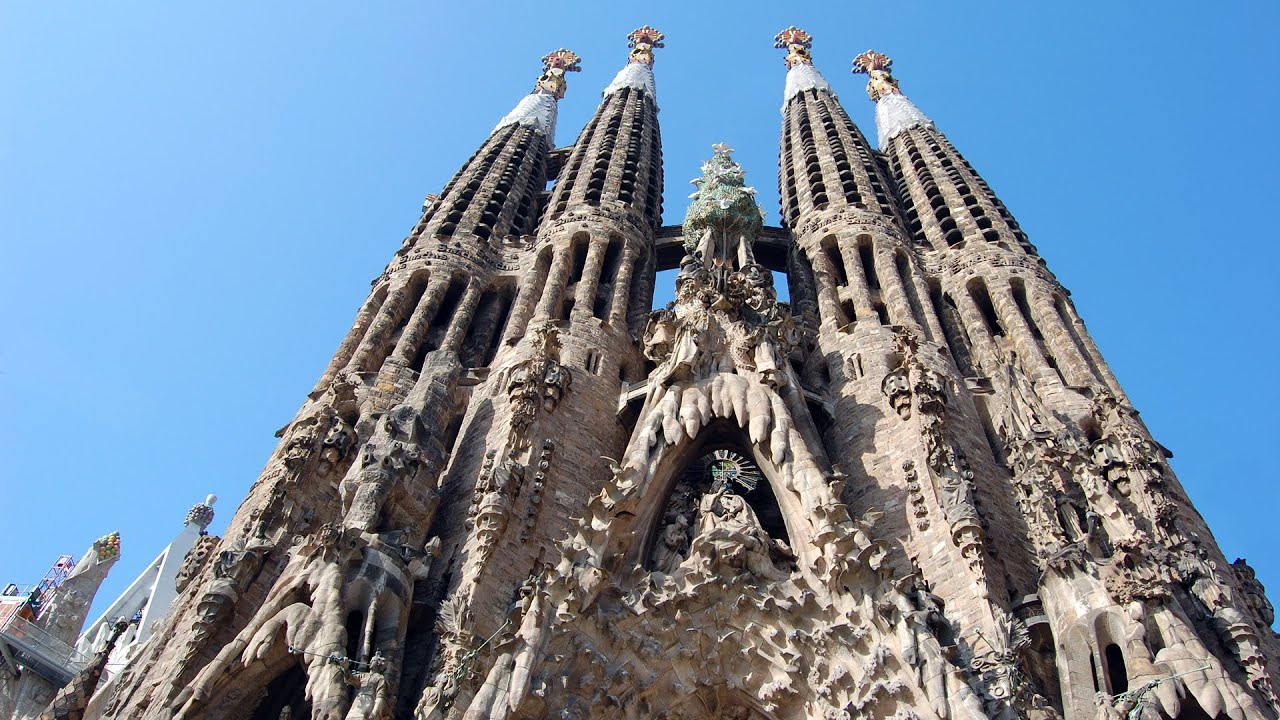
With the excuse of the crisis, we know there's a crisis but it's sometimes used as an excuse to do certain things, the idea is simple: let money come in. It doesn't matter where it comes from, who puts it and what effect it has in the life of the city. "Basilica Sagrada Familia": 3.
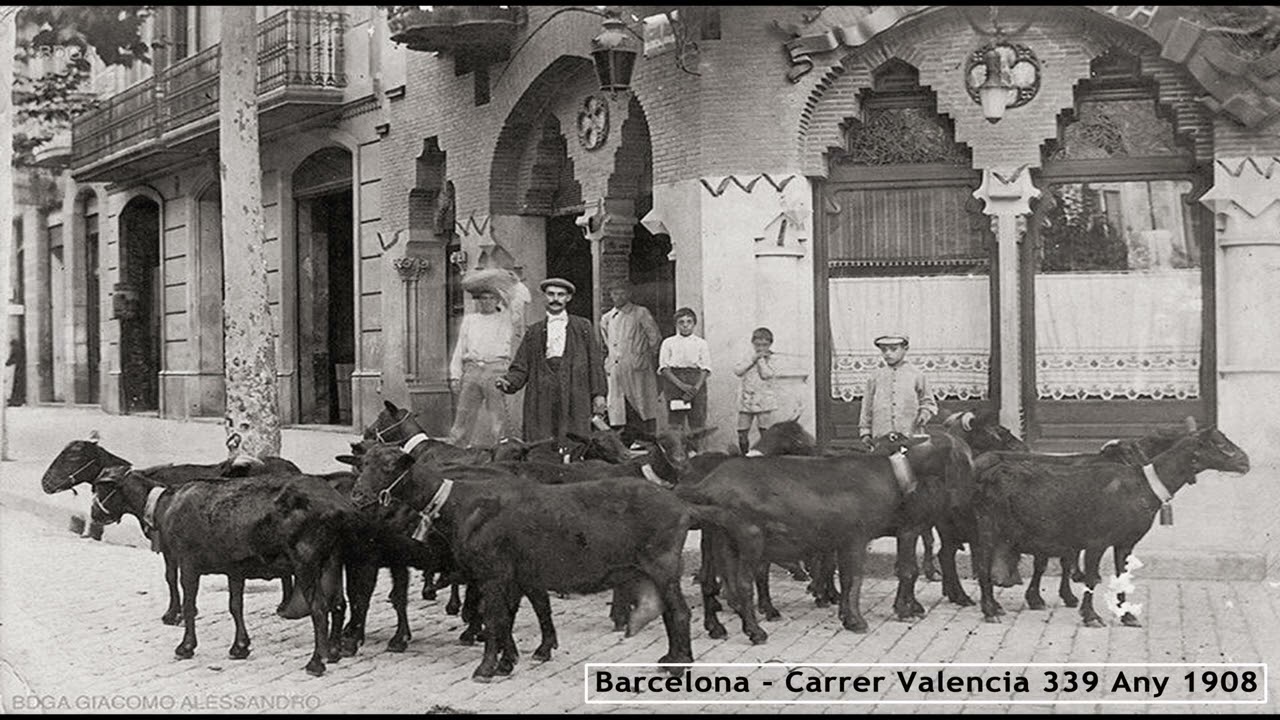
2 million visitors each year. It is Spain´s most visited monument. " I was born here in Valencia and Marina streets, I got married here, I still live here, and since I love so much this neighborhood, I want to die here.
When tourism was not so big here, perhaps this neighborhood was not so well known, but it was much more agreeable and peaceful. One could walk around and shop without any hassle. I think that even though they bother us, even though they are a nuisance, us neighbors are glad that they come, because we're showing something that we consider ours.
Well, it is actually ours. The way tourism has been handled here by the tour operators with the approval of the City Hall, was a model that brought tourists here and left them in either front of the Sagrada Familia. What was the problem?
Well, apart from the mobility issues caused by the occupation of tourists of public space, traffic around the temple in Marina and Sardenya streets was terrible. It's been ten years since I live in this neighborhood, in the corner of Marina and Valencia. Before it was hell with the buses because all of them went up to the temple and generated terrible traffic.
The buses occupied everything, and it was dangerous. In fact, in the summer of 2011, there was a terrible accident. .
. "Three gravely injured run over by a bus in front of Sagrada Familia" It's not a surprise that these things happen with such an overcrowding. Only then was it that the City Hall thought about improving the situation after so many years of protests and alerts against the buses from the neighbors.
When the new government came in, they made a decision that should have been made long before that was to take the buses from Sardenya and Marina streets, to the area of Diagonal avenue and Plaza Hispanitat. And well, here we have the result: If we compare both situations, I think this is a better solution, But we cannot hide that there are some complications: First, some neighbors complained that now they can't park where they used to, And then, well, the access towards the temple from Diagonal avenue through Sardenya and Marina streets. .
. . .
. It has become this. .
. Floods of people. It's wild, I mean.
. . .
. . Constantly, at every hour, people screaming, they stand in front of your house with the loudspeaker to explain everything.
They don't care about anything, and it's floods of people on one side, floods on the other. . .
non stop. Sometimes I see them and I´m impressed because they don't have time or space, this cannot be. Moreover, if the streets are filled with terraces, the space left for walkers and residents is nonexistent.
But what can we do? Before they came up to the temple, now if we have them 300m away we have to suffer the consequences. They walk up and down.
So what? The temple attracts people and generates money, I agree. But it doesn't assume the consequences of the problems it creates.
The City Hall has to handle with the consequences, and it does so very poorly. For example, last year the sidewalks were re-built. The ones around the temple were extended, but not the ones that go down to the buses.
What did they do here? They extended the corners, but that's not nearly enough. Still, when this was all done, the Temple did not contribute one cent.
And if you think about it, they are the ones that benefit the most from these sidewalks extensions. They enlarged the sidewalks in theory for the neighbors to be able to walk more comfortably, but now tourism occupies them anyway. If you go to the Eiffel Tower in Paris, the bus doesn't drop you off under the tower.
They are well programed and well distributed so that the buses leave the tourists at a safe distance. But Barcelona doesn't have this. It cannot have it.
There's simply no physical space. Sagrada Familia is a relatively small neighborhood. Around the temple live at most 20.
000 people. Well, a space occupied by 20. 000 residents, receives every year not the 3.
3 million of tourists that go inside the temple, but the 5. 5 or 6 million more that come to take a look at the Sagrada Familia on the outside. So we're talking about around 9 million people each walking around here each year.
It's an average of 20-25 thousand people each day. Imagine this in the summer, then. .
. There's a lot of people that say that the Sagrada Familia is good for the neighborhood. In my ten years here I've seen most of the businesses around my block disappear.
And all the new businesses are souvenir shops, with Barça T-shirts and mexican hats. What's happening is that the traditional commerce is being substituted by souvenir shops and fast food bars. Theres only a small portion of these passing people that stay here.
The tour guides already know where, how and when to take them, and so they just come, visit the temple, and leave. We've never been against tourism. On the contrary.
We think it's a healthy and agreeable activity, the thing is that in here it comes down to coming and going fast, fast, fast, and. . .
well. . .
It'll be the same as the real estate bubble. We're building everything too fast, and what will happen when tourists stop coming? Everything will blow.
I have to say something else. . .
This neighborhood with the passing of the years is becoming old. . .
. I mean. .
. . .
. all it's inhabitants. .
. . .
. Now I say something else. Because of the temple, the price of the real estate here has sky rocketed, and people are starting to leave, and only a few people stayed behind: a couple of old people and some stranded son.
Nothing more. We've lost this warmth that this neighborhood had. Why do I have to leave this neighborhood that I like because they think only in the people that come visit it for an hour?
Is that fair? My relationship with Park Güell started a long time ago. Actually it was my grandmother who was the doorkeeper and lived in the main pavilion.
and she had that job for over 40 years. Another relationship I have with Park Güell is with the other pavilion, the one with the cross. A police sergeant used to live there and then rented the place to my father for what were I think 800 "pesetas" per month.
I'm a painter and I had the enormous fortune to start painting in what had been Gaudi's study while he was working on Park Güell. "According to the city council, Park Güell used to receive an average of 25. 000 people per day" Now I live in Olot street, in front of Park Güell.
It's probably the street that suffers most of the consequences of what Park Güell turned into. Well, it is the one that suffers the most, without a doubt. Before the olympics there were people in Barcelona who didn´t know where Park Güell was, or what it was.
It was like those temples in Cambodia in the middle of the jungle, because it has it's architectural beauty, but also an exuberant vegetation and there were not so many people. Like other areas in Barcelona, Park Güell has become a theme park, exclusively for the use and enjoyment of tourists. Us neighbors have the feeling that we're a nuisance.
It's gotten out of hand. They started the promotion of Park Güell as the icon of Barcelona, and it's gone too far. It's funny that they admit that, but at the same time they go to China and the first thing they show is the dragon of Park Güell.
There has been a radical transformation. It has nothing to do with what it was before. Now this is a very problematic neighborhood, we have an enormous problem with the taxis, we can't drive around here with our own cars because of the taxis.
And the number of tourists visiting the park is insane, especially considering the cultural patrimony which is this park. It's not sustainable. I still live here, but I don't know how much longer I'll be able bear this.
"Due to the problems generated by the disproportionate amount of tourists visiting Park Güell, the City Hall decided to close the so called monumental area, charge for the entrance, and regulate the access of tourists and residents" "Sept. 25th 2013. City district of Gràcia" "Defend Park Güell.
Free and public" "No, no no to privatization" They were the ones who generated this problem. I agree that we need tourists, but what you can't do is overcrowd tourism this way. If you can sit 20 people in a restaurant, don't bring 300.
And now they want to close the park. They can't close a public park that as everyone knows was a donation of the Güell family to the city. In principle it was for the use and enjoyment of the citizens, and we are all citizens.
So these people have to respect what the Güell family proposed and left it written. The project consists of closing down everything down of the main terrace, which is what the called the "monumenal area". Everyone with a ticket can go in, up to 800 people per hour, plus 100 for free.
"The residents of the surrounding neighborhoods will be able to access the park for free at any time" "Residents of neighborhoods with free access" Who can access those free 100 entrances? Well, the person who's not from these neighborhoods will have to pay to go in. If you don't want to pay, you have to make an appointment in the City Hall, leave your finger print, subscribe to a list, wait for a week to obtain a passcode, and then ask for date and time to go in.
Well, all the problems that we have down there, because there are a lot of problems, will come up, and in the end they'll end up closing the entire park, which is what they really want. "Oct. 25th 2013.
First day of access regulation" Sure, €8 is not much, but this is just the beginning. Next year it will cost €15, which is what they've done with the Sagrada Familia and with every monument. They just want money.
Tomorrow they'll close the beaches, then the Ciutadella Park, and so on. Domino effect. I know many tourists that are happy that it's now a paying site.
They are lovers of the work of Gaudí and with the actual situation of absolute overcrowding, they can´t enjoy his work. Payment? If I'm against Barcelona's tourist politics, of massive tourism, and since I know that tourism causes a lot of wear on the city's heritage, I think it's fair that tourists pay for what they wear down.
Tourist here already pay when they go into the museum, by the way, and that's €5. 50. They have to pay €2 to go into the main pavilion.
The beer costs €5. That goes for the maintenance of the park. One of the bars pay €400.
000 a year for it's license. The other one pays €300. 000.
The book shop €114. 000. All of that goes for the maintenance of the park.
It's funny that the Gaudí museum doesn't pay anything for the maintenance of the park. It receives half a million visitors each year and these people go free. It belongs to the Sagrada Familia foundation.
All goes for the Sagrada Familia. I don´t like the closing of the monumental part because no one likes to have things closed down for them, but if the City Hall respects what they've promised to the neighbors and we can access the park freely, I think it's the lesser evil. I don't like it, but it's a lesser evil.
It's like when you have gangrene in a leg, you don´t like that leg to be amputated, but it's the only way you can live. This is my opinion, and I think that it is the opinion of most of the neighbors of La Salut, because what we know is that this situation is not sustainable. Now everyone is staying in tourist flats.
It's the great value that's being offered from Barceloneta, and it's incredible. It's everywhere and it's a speculative project. We have here hotels, hostels, apartment hotels, everything, And it's ridiculous that they now put tourists inside residential buildings, considering the problems that creates.
In Poble Nou I wanted to rent an apartment from a friend of mine, and she said "Why? " She rents it for tourists and she has 3 tenants one day, 4 the other, and it makes a lot of money. The thing is that you have to see this from the other side.
What if I'm a resident and live in that building? Having one means that you've lost a neighbor, and that the people that go in and out of your building vary every day, every week. .
. You don't know what type of control is made for the keys, nor who you're going to meet in the stairs. Most of the tenants are young people, so it's parties every night.
The owners of those flats pay the same as I pay for community expenses, but they use and wear down much more the communities' areas. Since there's so many more people going in and out, they consume much more, they wear down everything much more, they mess up everything, but they pay they same as us for the community expenses, and we don't make money out of that. there are a lot of illegal flats, but nobody does anything about it.
We've denounced them constantly, and people can't stand them anymore. For me and for us as an association, it's the same whether they're legal or not. It's the same thing if we think about coexistence, and what it means.
Before it was necessary to have a license and follow some rules, but now you just have to communicate it to the government and you do it through agencies, and that's it, all the problems for the neighbors. This is not only a problem in Barcelona. Other touristic cities have this same problem.
San Francisco outlawed them, Sydney and New York also. Paris is debating the issue. Barcelona preferred to legalize them.
"The new Uses Plan for Ciutat Vella acknowledged the problem of the tourist flats. . .
and forces them to group in single buildings newly cataloged for tourist use within the next years. " Now they say, well, since it's really a problem, let's group them all in single buildings. That means that they have to drive away the residents of those buildings to put them who knows where, Personally I think it's not going to be possible.
I don't think the administration has the ability to do it. If they can't close down one illegal flat, if they spend years closing only one down, how will they change the use of one building, and see that no neighbor is lost in it's way, if they care about neighbors. It's going to solve the direct problem with the neighbors, but another will come up.
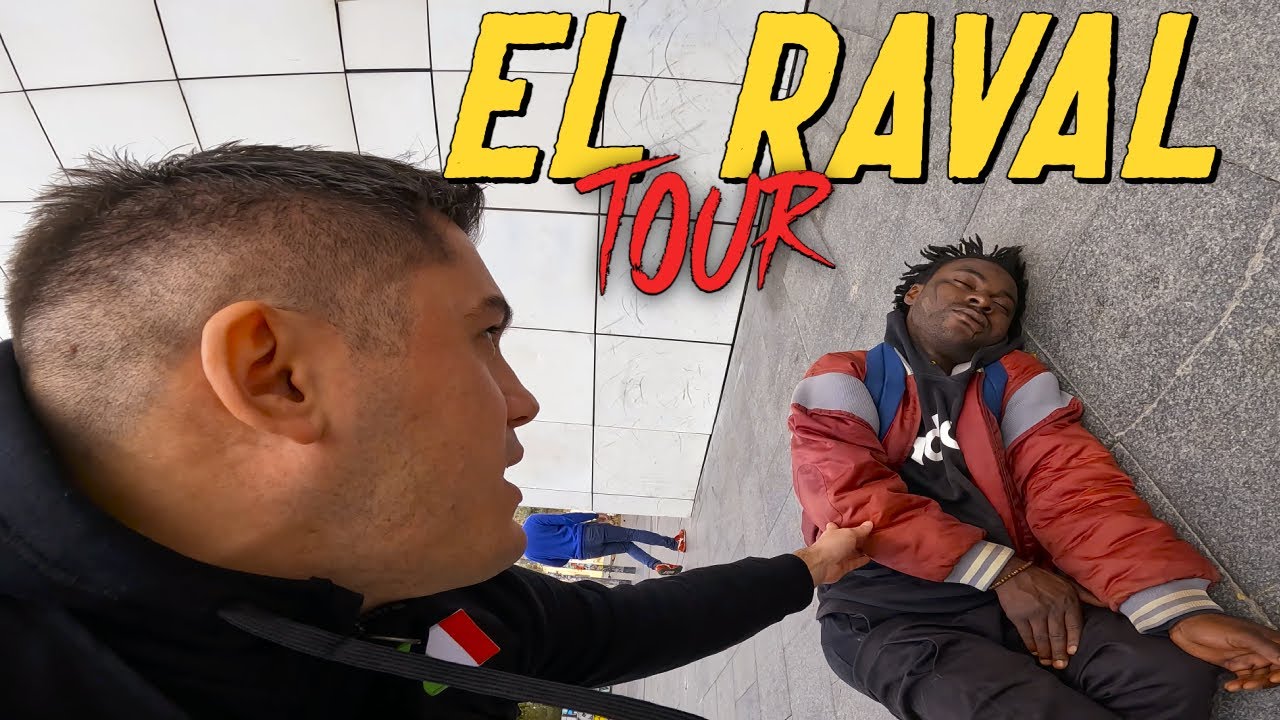
It's a way to institutionalize real-estate mobbing, which already existed. I mean, to be able to use those buildings as hotels, they have to be free of residents. I know another case from around here in Raval, a 74 year old man, a friend of mine, he was a mobbing victim.
He was kicked out of his flat. They sent people to urinate and defecate in the stairs, they put up a lot of noise, until he left. Now that building is a tourist apartment place.
Now imagine what 600 flats mean, each holding between 2-6 persons, added to all the hotels, hostels in what is Barcelona's smallest neighborhood. If we empty all the buildings, we're leaving the city without life. And that's something we're going to pay sooner or later.
It's something we have to think about. If the architectural heritage doesn't have life, in the end it creates a papier-maché city. And that's not the city we want to live in.
There was a time here where people had an Idea of Catalonia and it's place within Spain, the Mediterranean and Europe. All that generation before the civil war had a national perspective. It was a strong idea.
. . .
But all that's been trivialized. But I don't think Barcelona's dead, but there's a layer on top. .
. . When Gaudí though out Park Güell, he thought about the quality of life of the people living in it, the same as with the other emblematic buildings of Barcelona.
They were thought out for the citizens of Barcelona, whereas now, these treasures made in the past are exploited for the benefit of tourists, and tourism, well understood, can be a source of richness, but badly understood, like we have here, is nothing more that the prostitution of our territory. The tourist is that which goes to a tourist agency and buys a closed package, then we have the traveler, that permits a certain level of improvisation, and then we have the voyager, who primarily wants a genuine experience, a voyager will reject an overcrowded destiny. So we have to think in what are we offering in Barcelona, if products for tourists, who simply wants to consume something common and vulgar, or if we should center our efforts in those voyagers that might have a more positive impact in the touristic sector.
We who live here know that this could have been done much better. I mean, it's not a matter of going back to the Barcelona of the 80's, but from there to not being able to live, because there's a huge economic process that makes a lot of money for some people, and having a lot of black money coming in to open all theses businesses, which is how they are able to open. .
. It's utopic to think that these problemas can have a solution. I think it's difficult because in the end it's a speculative project.
It's not sustainable, and you have to really think how you handle this. So far it's not been well handled, and it's still not being handled well. They still think that more and more and more is more money and it's good.
We have to look for another model, and not have such a near sight. We shouldn't look for the immediate income and go get quality and not quantity. But that doesn't seem to be the strategy, on the contrary.
. . they want more tourism, and they want to make a Euro Vegas nearby so that even more come.
. . .
"The Allure of the Seas, the world's larges cruise, chose Barcelona as it's main port for 2015. . .
. . .
It's expected to move close to 160. 000 people during that year. 1.