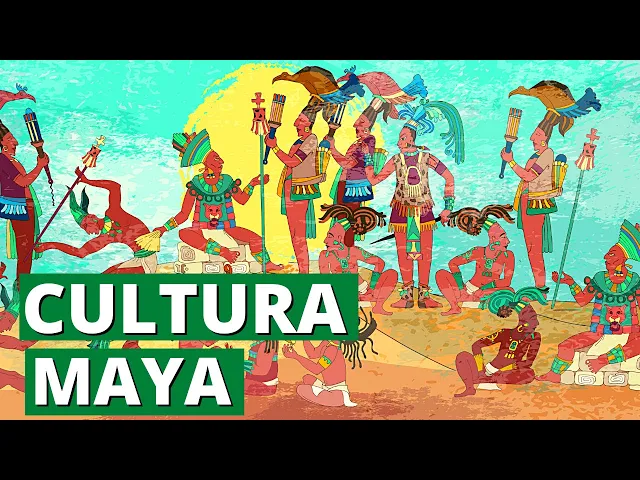
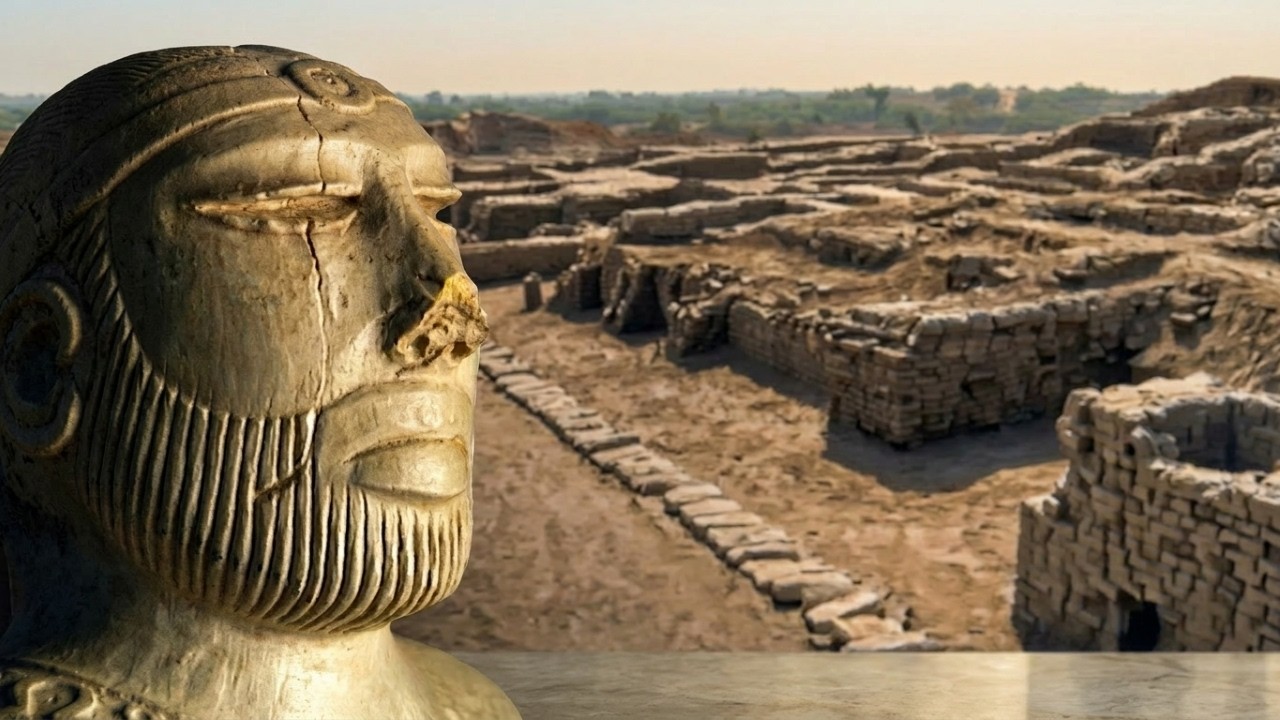
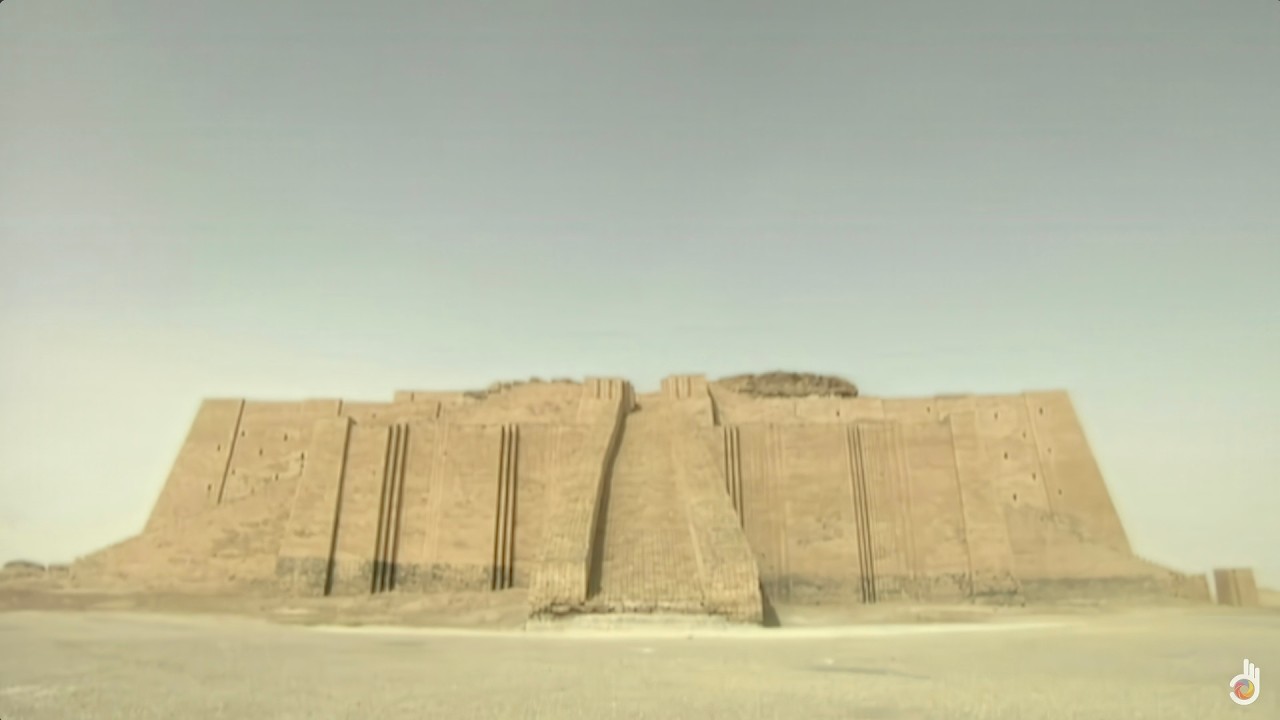
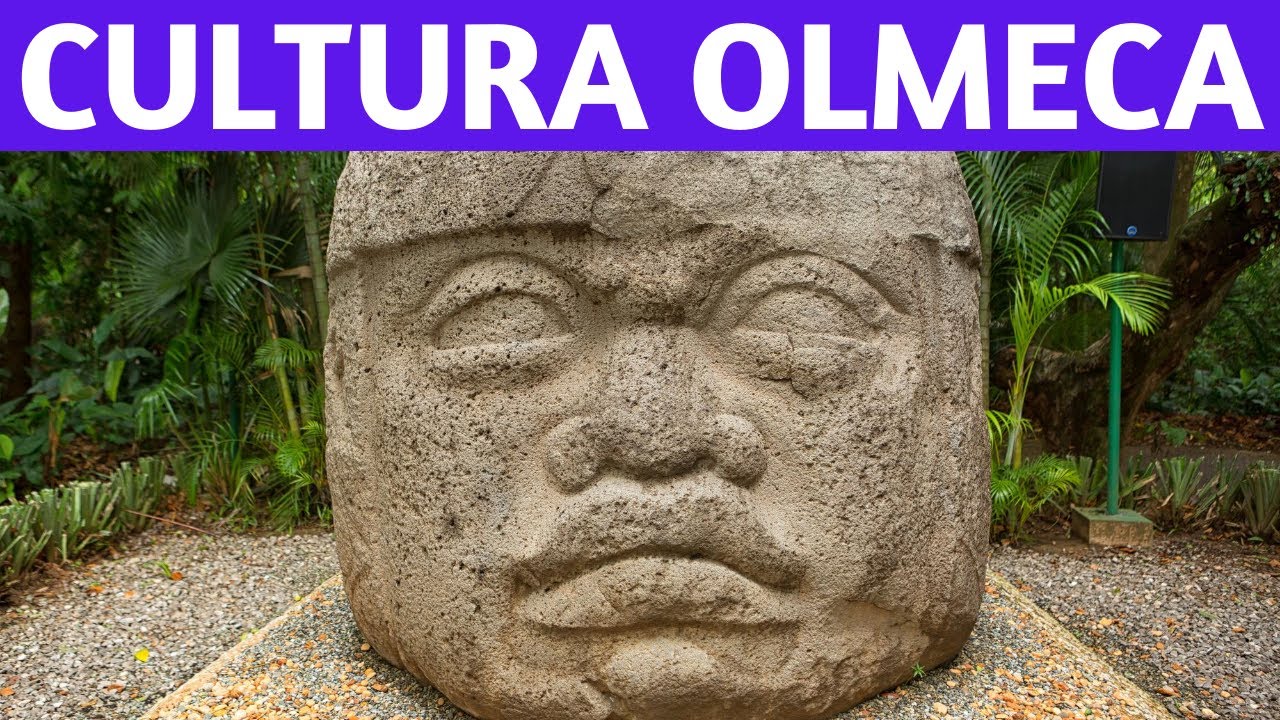
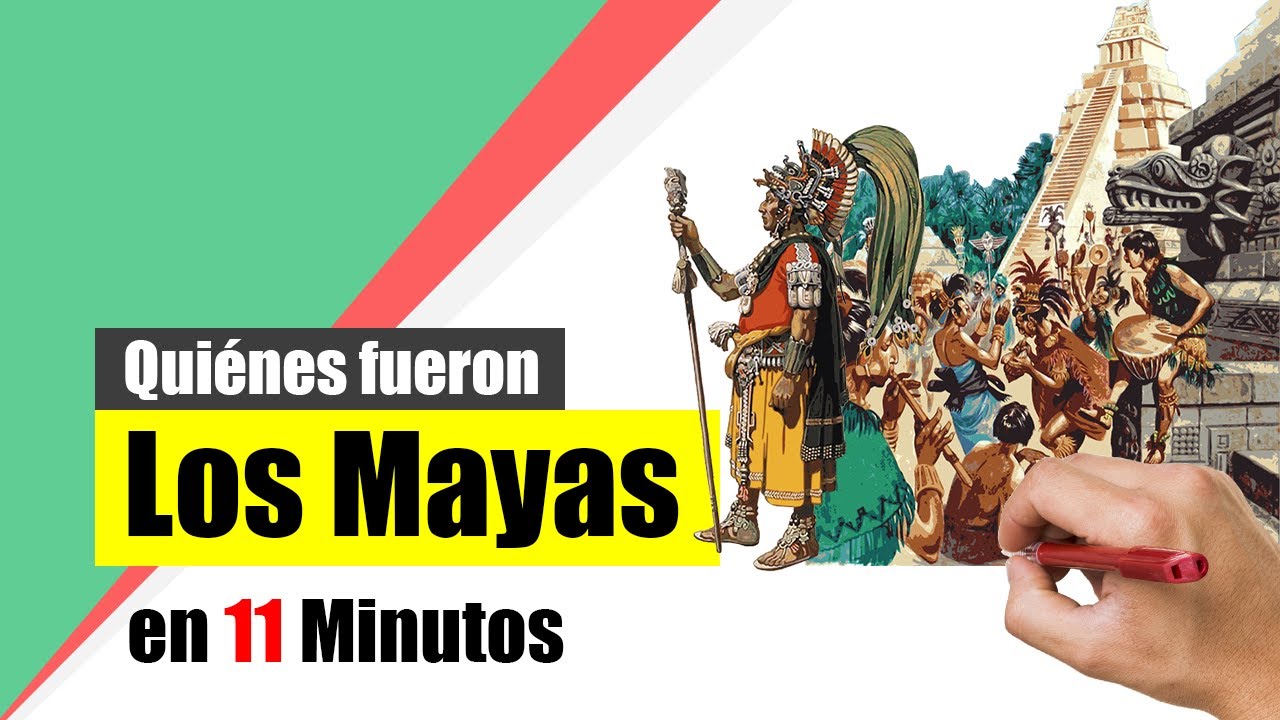
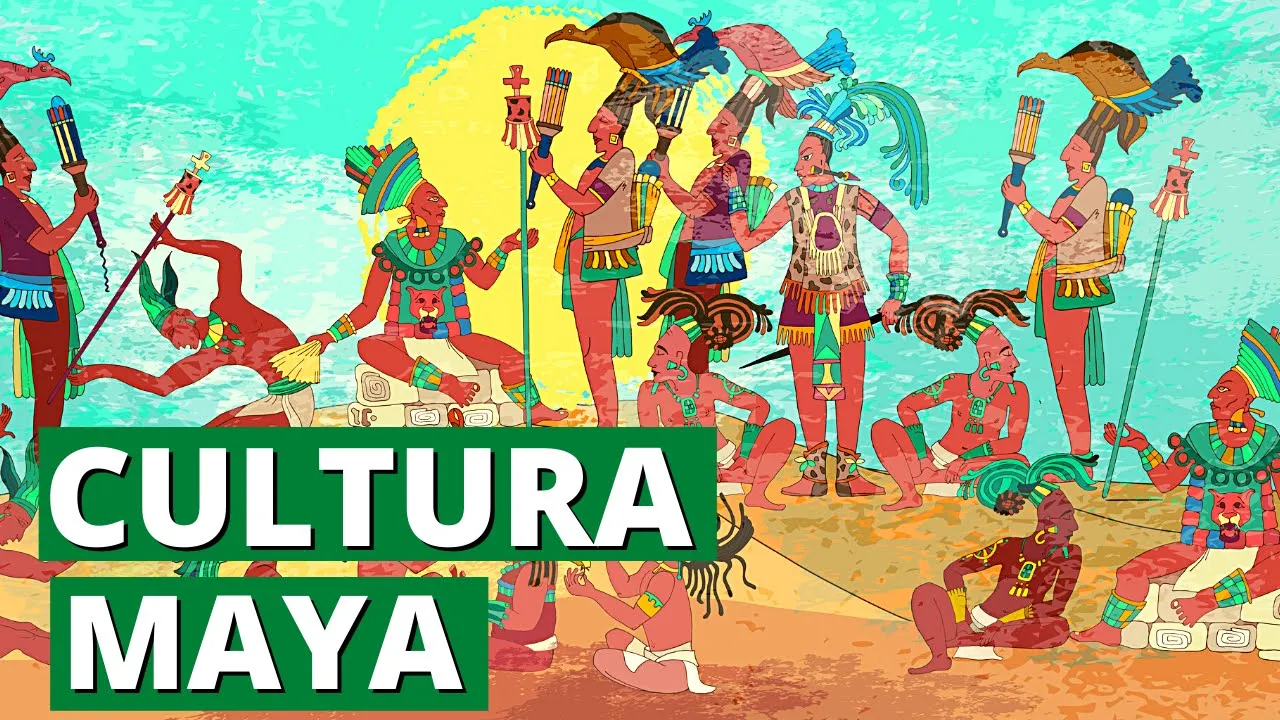
The Mayan culture was a civilization that developed in Mesoamerica and occupied the territories of what is now southern Mexico and northern Central America, reaching Guatemala, El Salvador, Honduras and Belize. Although its beginning dates back to the Preclassic period, its apogee took place during the Classic period, between 250 and 900 AD. C.
From that moment on, the Mayan civilization experienced a long decline, with the exception of the cities located in the Yucatan Peninsula, where this culture maintained its splendor for a few more centuries. The arrival of the Spanish ended with the last vestiges of this civilization. This civilization is considered one of the most advanced among all those that developed in Mesoamerica.
Among his achievements is the creation of a complete written language, as well as his contributions to architecture and art. Likewise, they were the inventors of sophisticated astronomical and mathematical systems. Unlike other Mesoamerican cultures, the Mayans did not create a unitary state, but instead formed city-states with considerable independence of their own.
The legitimacy of the kings came from religion, since they were considered divine figures within a society with a marked class character. Origin and history The origin of the Mayan culture is located in the Preclassic period, a stage that comprised between 2000 before Christ and 250 after Christ. Already in the classical period came the time of maximum splendor of this civilization.
Preclassic Period (2000 BC-250 AD) The first settlements built by the Mayans in Belize occurred around 2600 BC Eight hundred years later, they reached the Pacific coast, specifically in the Soconusco region. At this stage they already practiced agriculture, although only some basic products, such as beans, chili or corn. Already during the Middle Preclassic, Maya settlements began to grow larger, eventually becoming cities.
The oldest documented locality was Nakbé, located in the department of Petén, in present-day Guatemala. Also during this stage, the Mayans began to populate the north of Yucatan. The remains found have led archaeologists to affirm that in the 3rd century BC.
C. the Mayans had already created a writing system, at least in Petén. Later, in the Late Preclassic, the Maya cities continued to grow.
Among them, El Mirador and Tikal stood out. However, the evolution of the Mayan culture stopped in the 1st century BC. C.
Many of the great cities built were abandoned, without knowing the reason for this collapse. Classic Period (c. 250-900 AD) The Mayan civilization recovered again during the Classic period, a time during which it lived its maximum splendor.
Experts divide this period into two parts: the Early Classic, between 250 and 550 AD. C. , and the Late Classic, which lasted until 900 AD.
C. In the Early Classic, the Mayan cities picked up the influence of Teotihuacan, a large city located in the Valley of Mexico. The rulers of this locality sent a military expedition to Tikal in 378 AD.
C. and installed a new royal dynasty. Its relationship with Teotihuacan allowed Tikal to progress to become the ruler of all the central lowlands.
Only Calakmul, located in Petén, could compete with the power of Tikal, so a great rivalry developed between the two cities. Later, during the Late Classic, the Maya experienced a great cultural explosion driven by the kings of the most important city-states of this period: Tikal, Palenque, Copán, Piedras Negran or Yaxchilán, among others. As in the Preclassic period, a new collapse affected the Mayan city-states between the 9th and 10th centuries AD.
C. There are various theories about the causes of this decline, without any of them being confirmed. However, the consequences are known: abandonment of many cities and return to the political system of the first stage of the Preclassic.
Postclassic Period (c. 950-1531 AD) The Yucatan Peninsula was the only area that did not suffer the decline suffered by the Mayan cities. In this way, that territory went from being one of the least important to becoming the continuation of its entire culture.
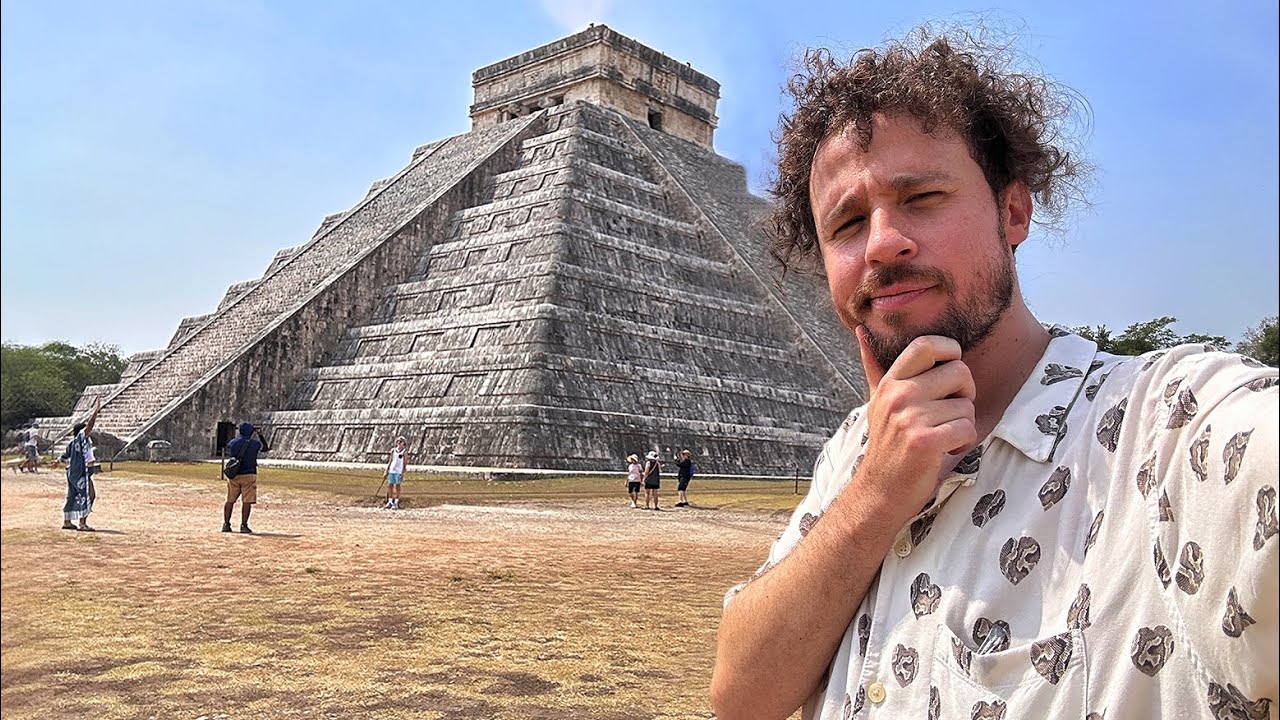
Chichen Itza was the most important city in the first part of this period. This settlement had been built in 987 AD. C.
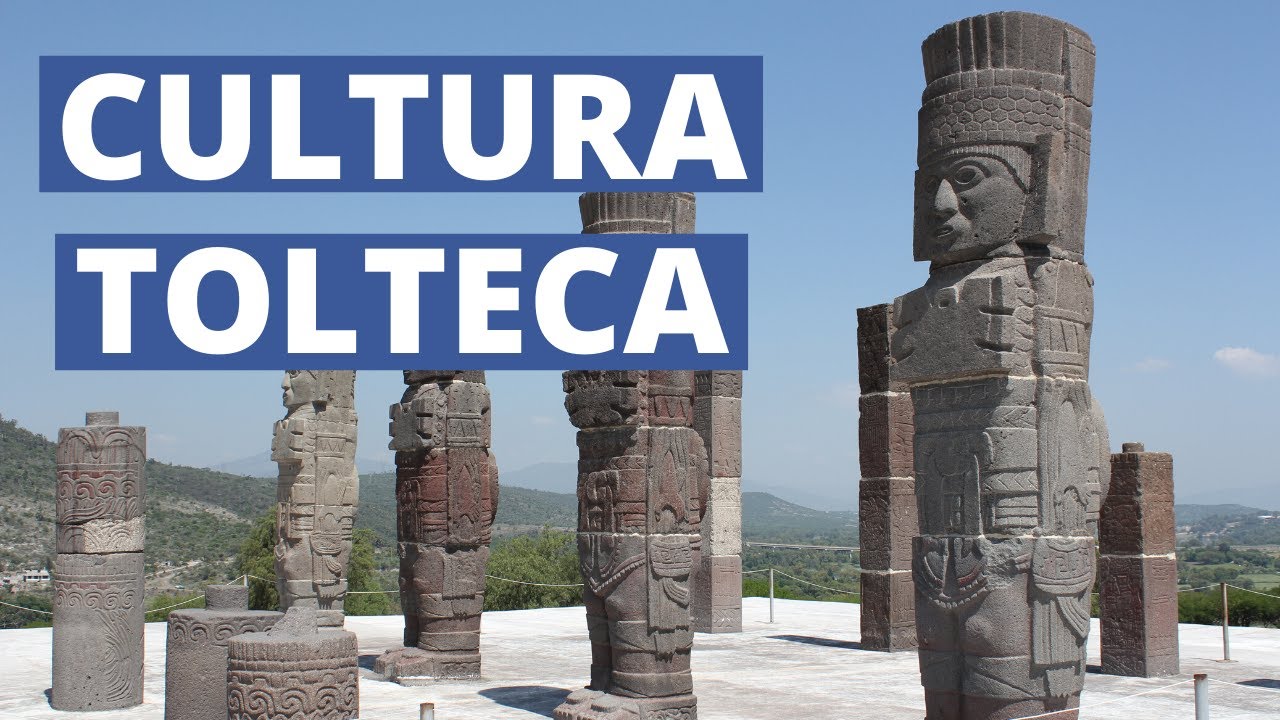
, when members of the Itzá ethnic group arrived in the area from Tabasco. Later, the town was invaded by groups of Toltec culture under the command of a leader who received the title of Kukulcán, 'Feathered Serpent' in Spanish. These were installed in the city of Mayapán.
In the 13th century, the Itza were defeated by a coalition made up of the Cocom from Mayapán and mercenaries from central Mexico. The consequence was the establishment of a system of despotic government that lasted until 1441. That year, a league of city-states destroyed the city.
The last years of the Postclassic period were characterized by the continuous wars that pitted the city-states against each other. After the arrival of the Spanish conquerors, the Mayans lost all their influence and, like the rest of the indigenous peoples, were forced to adopt the religion and customs of the victors. Despite this, some cities resisted for a time, such as Tayasal, the last stronghold of the Mayan civilization in Petén, which resisted until 1697.
Geographic and temporal location The chronology of the Mayan civilization spanned several millennia. Taking the first settlements in Belize as a reference, this culture originated in 2600 BC. C.
Although the main collapse occurred about 900 d. C. , his dominions in the Yucatan resisted several more centuries.
Geographic location The territory in which the Mayan culture settled varied over time, reaching its maximum extension during the Classic period. At that time, the Mayan civilization controlled around 280,000 square km: the current Mexican states of Yucatán, Campeche, Quintana Roo and part of Campeche and Chiapas; Petén and Izabal, in Guatemala; northeastern areas of Honduras; and Belize. In this way, the country of the Mayans (called Mayab) comprised three ecological areas: the Yucatan peninsula; the Highlands of Chiapas and Guatemala; and the central zone of the Petén.
The latter was the most complicated, since it was characterized by tropical forest and frequent rains. However, it was there where this civilization reached its maximum splendor. General characteristics of the Mayans The Mayan civilization is considered one of the most important in the entire American continent.
His contributions in subjects such as mathematics, astronomy or architecture greatly influenced later civilizations. Religion The Mayans professed a polytheistic religion and their beliefs were closely linked to nature. The most important gods were Itzamná and Hunab Ku, in addition to others related to rain, sun, agriculture, death and other aspects of their daily lives.
The Mayan religion affirmed that there had been four previous historical ages, which had been destroyed by the effect of a different natural element in each case: air, water, earth and fire. For the Mayans it was very important to perform various religious ceremonies. These ranged from fasting to sacrifices, through prayer or dances.
All these ceremonies were led by priests and, in many cases, were performed in pyramids that served as temples of worship. Much of their beliefs and mythology are collected in two different works. The first, considered the Mayan Bible, is the Popol Vuh, or Book of the Community.
The second is the Chilam Balam, written already at the time of the conquest by a Spaniard, Diego de Landa. War War and warriors were of great importance in the Mayan culture. During its history , military conflicts were very frequent that, in most cases, pitted the different city-states against each other.
All this caused the warriors to acquire great social prestige and form part of the upper class. Economy The main economic activity of the Mayans was agriculture, an activity to which they obtained a great return. Farmland ownership was a reflection of their political and religious organization.
Thus, all the land belonged to the ruler (Ahau), who was in charge of allocating it depending on the needs of each family. Peasants had the right to keep what was harvested, although they had to deliver a part of what was cultivated to the government. In exchange, the rulers helped the peasants in times of scarcity and prayed to the gods so that the harvest would be abundant.
Trade The king had under his control all the trade that took place between the different Mayan city-states. The merchants, for their part, formed their own caste, of a hereditary nature. Over time, these created a vast mercantile network.
Merchants brought luxury products, such as jade or salt, to cities like Teotihuacan and others throughout Mesoamerica. In addition, they also used to transport local agricultural products and handicrafts. The importance that trade gained over the centuries led to the appearance of a monetary system, albeit quite basic.
Tributes In addition to those mentioned above, the Mayan economy was based on another important factor: the payment of tributes. These could be paid through personal work, which provided labor for the construction of public buildings. Clothing As in other Mesoamerican civilizations, social class marked the type of clothing within the Mayan culture.
Thus, the men of the lower class wore a very basic pant and left their chests uncovered. For their part, the women of the same class wore wide shirts of various colors, made of cotton, as well as long skirts. The upper class, made up of the royal family and high officials, wore better quality clothes.
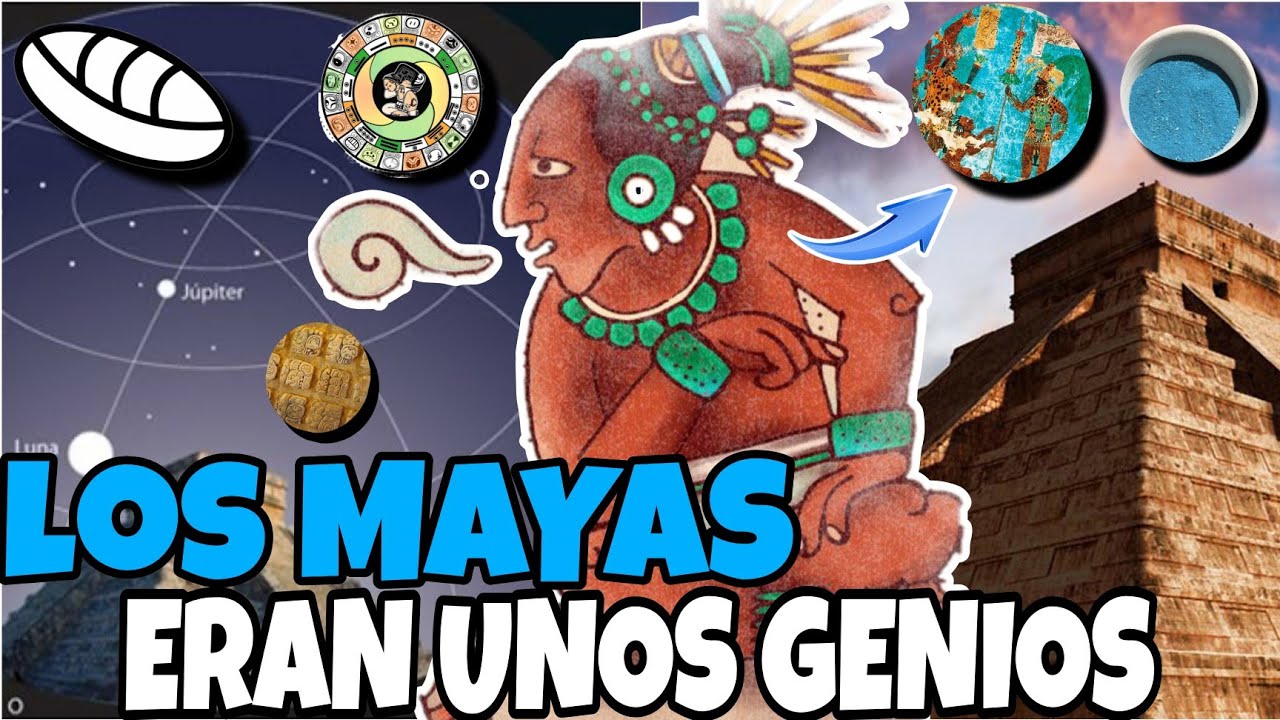
In them, the ornaments made with feathers and stones stood out. Arithmetic and astronomy The Mayans made great advances in astronomy and arithmetic, something that influenced later cultures. Among his contributions is the creation of a base 20 numbering system and, as a great novelty, he introduced a sign to reflect the number 0.
It should be noted that the zero took much longer to appear in the Arabic numerals. The creation of this system was motivated by the astronomical studies carried out by this culture. Mayan astronomers needed a way to record their observations of the sky, something they used to regulate the agricultural cycle.
Calendar The two scientific branches mentioned were used by the Mayans to create two different calendars: the tzolkin (ritual) and the haab (solar). The first of them divided the year into 13 months of 20 days each, giving a total of 260 days. The priests used it to divine the future of each individual.
For its part, the second was made up of 18 months of 20 days, with 360 days in total. To these we had to add another 5 days called unlucky. When both calendars were combined, the Mayans obtained cycles of 52 years called short rope.
Apart from the above, the Mayans created another more complex calendar called the Long Count. This was meant to count the time that had passed since the world was created, something that, according to their beliefs, occurred in 3114 BC. C.
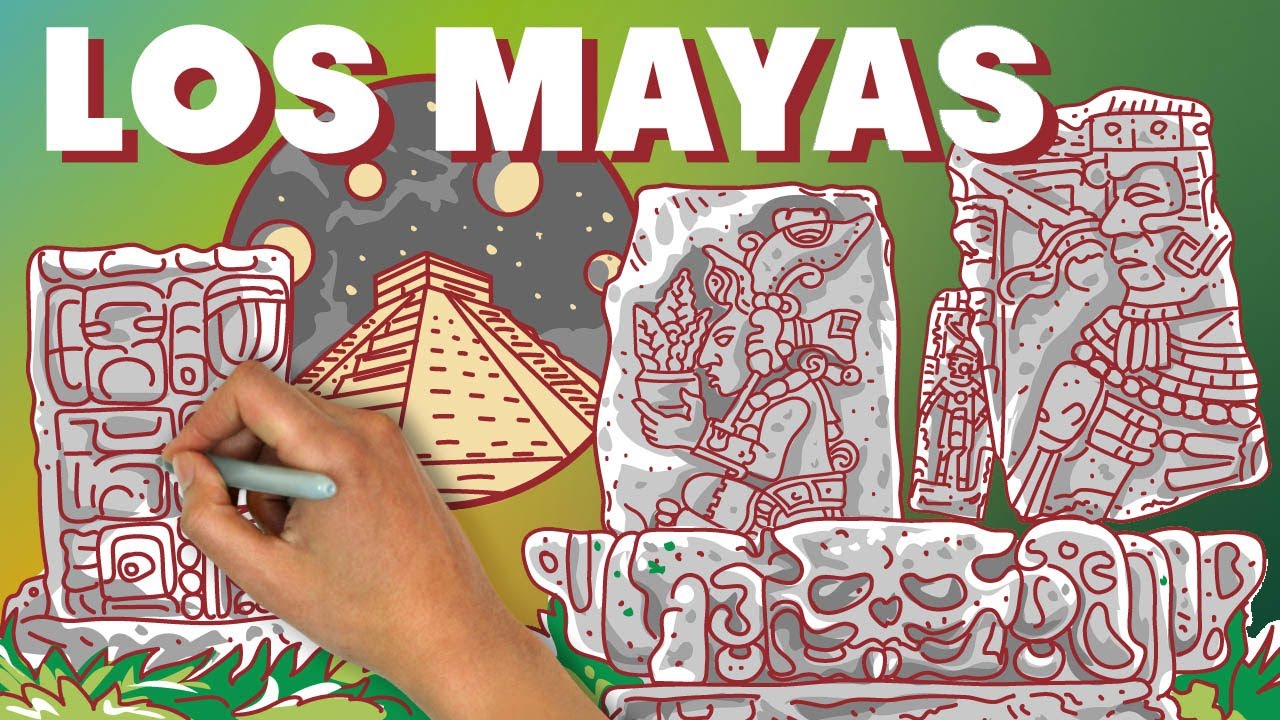
Writing Another great contribution of the Mayan culture was its writing system. His alphabet was made up of more than 700 symbols, many of them still undeciphered. His spelling consisted of both phonetic and ideographic signs.
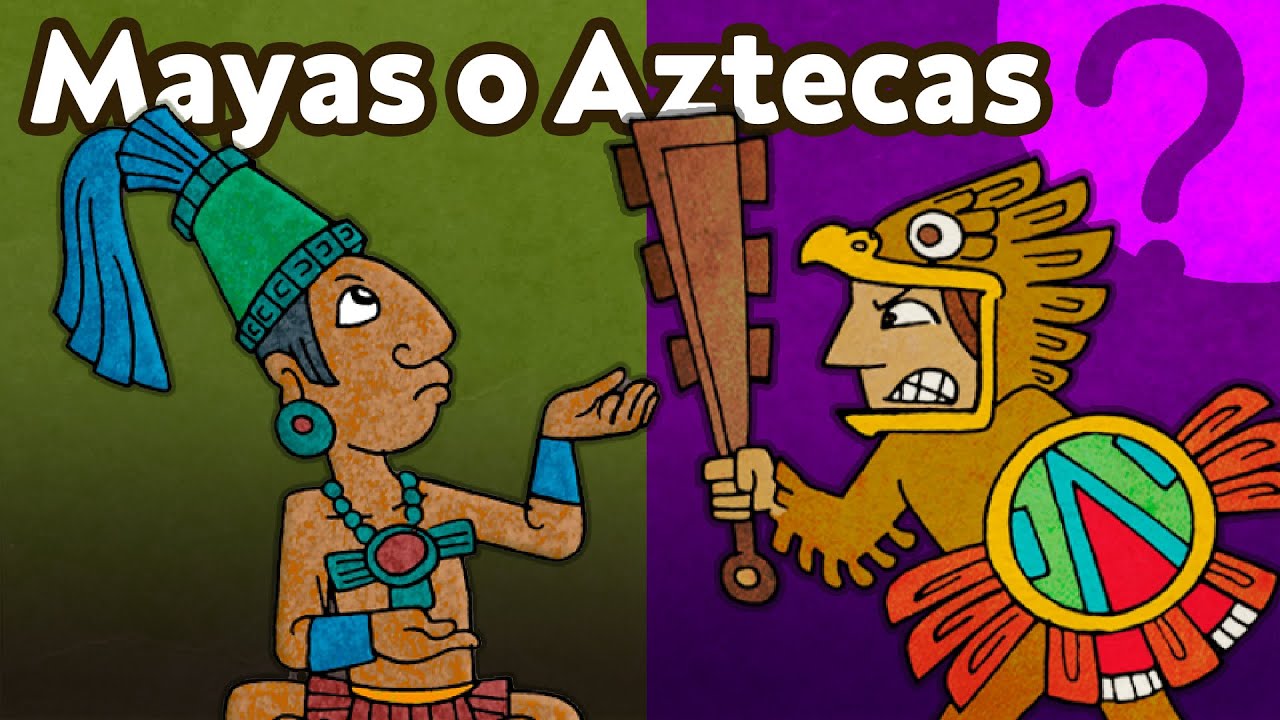
Mathematics The Mayans excelled in their use of mathematics, inventing a vigesimal numbering system, especially as an instrument for measuring time. Political organization One of the great differences between the Mayan culture and others such as the Aztec or Inca is that the former never managed to form a unified state. Their domain area was made up of independent city-states or chiefdoms.
The relationships between all these political entities have varied enormously throughout history. Thus, it was very common for periods of tension to appear between them that could lead to some settlements becoming vassals of others. Likewise, temporary alliances were also common to defeat a common enemy.
Despite the above, in some periods cities appeared powerful enough to control an entire region. Some of these dominators were Tikal, Mayapán or Calakmul. Government Each city had its own government, each with a king at the head.
This ruler, called Halach Uinic, had the status of a god and his position was hereditary. The Halach Uinic (true man in Spanish), also called Ahau, and his family dominated all the high administrative, religious, judicial and military positions. The absolute power of the monarch was based on his role as intermediary between the gods, with whom he was related, and men.
From the capital of their domains, the Halach Uinic controlled all aspects of the community. To exercise this control, the king relied on the batabood, his relatives who administered the secondary centers of the territories. In addition, these high officials were in charge of collecting taxes, presiding over local councils and administering justice.
Social organization Since the Preclassic, the Mayans created a strongly hierarchical type of society. In this way, there was a great social division between the elite and the lower class, that of the commoners. This society evolved over time, especially when cities began to grow.
With this increase in population, new trades carried out by specialized workers appeared. On the other hand, the Late Classic saw a considerable increase in the membership of the wealthiest and most powerful classes. According to experts, these changes could have led to the development of a kind of middle class.
It would include low-ranking officials and priests, merchants, craftsmen, and soldiers. Royal family At the top of the social pyramid were the king and the rest of his family. The monarch, as has been pointed out, assumed all the powers of the kingdom, including the religious ones.
The king was practically considered a god and had the role of mediating between divinities and men. The position of king was hereditary, from father to son. Women could only access the throne if there was no other possibility, although it was considered a lesser evil against the disappearance of the dynasty.
State servants Below the royal family were the state officials. This class was made up of the directors of the ceremonies, the military and the tax collectors. In this same social class were also the priests, who, in addition to their religious tasks, were engaged in the study of astronomy and other sciences.
Another sector that was in this second social step were the nobles. Their titles were hereditary and, together with the priests, they advised the kings when they had to decide on some matter. Lower class Without counting the slaves, who had no rights of any kind, the lower class of society was made up of all those who did not belong to the previous classes.
It was, therefore, the vast majority of the population. Most of these commoners were farmers, although artisans were also included in this class. Being an eminently agricultural society, peasants formed the largest group within the lower class.
Aside from their work in the fields, they were required to enlist in the army in case of war. This activity was one of the few options that the commoners had to improve their position, since the most outstanding warriors were recognized by the government. Culture (gastronomy, traditions, art) The Mayan civilization was one of the most important in pre-Columbian Mesoamerica.
Among the most important cultural contributions are those made in architecture and the creation of its calendars. Gastronomy As appears in the Popol Vuh, one of the sacred books of the Mayans, this civilization always had a very close relationship with the products of the land, especially corn. In fact, according to their beliefs, the human being was created from that cereal.
Corn was precisely the basis of the Mayan diet, along with other essential foods such as beans. The latter was used to make a kind of purée that was consumed spread on tortillas. Later, according to experts, the Mayans began to introduce fruits and vegetables into their diet.
Among the most common were pumpkin, guava, papaya and avocado. One of the best known recipes of the Mayans was the so-called "drink of the gods". This consisted of a mixture of chili, honey and cocoa and was eaten hot.
The name of this drink was “xocolatl”. Finally, specialists affirm that the Mayans also consumed meat, although it is not abundant. Evidence has been found that they domesticated animals intended for their consumption, such as the turkey or the dog.
Likewise, he also ate wild animals and fish. Traditions Among the best known Mayan traditions is the "pok a pok" or ball game. In many cities, such as Chichén Itzá, Tulum or Cobá, stadiums were built where the Mayans practiced this sport.
Apart from the above, the Mayans also performed religious ceremonies in the cenotes. According to experts, the adoration of these natural places was due to their sacred character, since they were considered as the door to the underworld. For this reason, their priests celebrated rituals, in addition to performing sacrifices.
Precisely, those human sacrifices were another of the main characteristics of the Mayans. The main reason for performing them was to feed and thank the gods. In addition, they thought that the sacrificed enjoyed eternal life in the afterlife.
Other reasons for the sacrifices was to make sure that the universe would continue to function properly. This included everything from the passing of the seasons to the growth of the crops, as well as the weather being favorable. Art In the Mayan culture, art was something reserved for the upper class, who thought that artistic works had the function of connecting them with their ancestors.
Among his most relevant creations are carvings and reliefs, such as those that appeared in Palenque, as well as anthropomorphic statues. Likewise, they also achieved great mastery in the paintings that adorned ceramics, both funerary and otherwise. A novel aspect compared to the rest of the Mesoamerican cultures is the fact that the artists signed their works, something that was discovered when some traces of writing were deciphered.
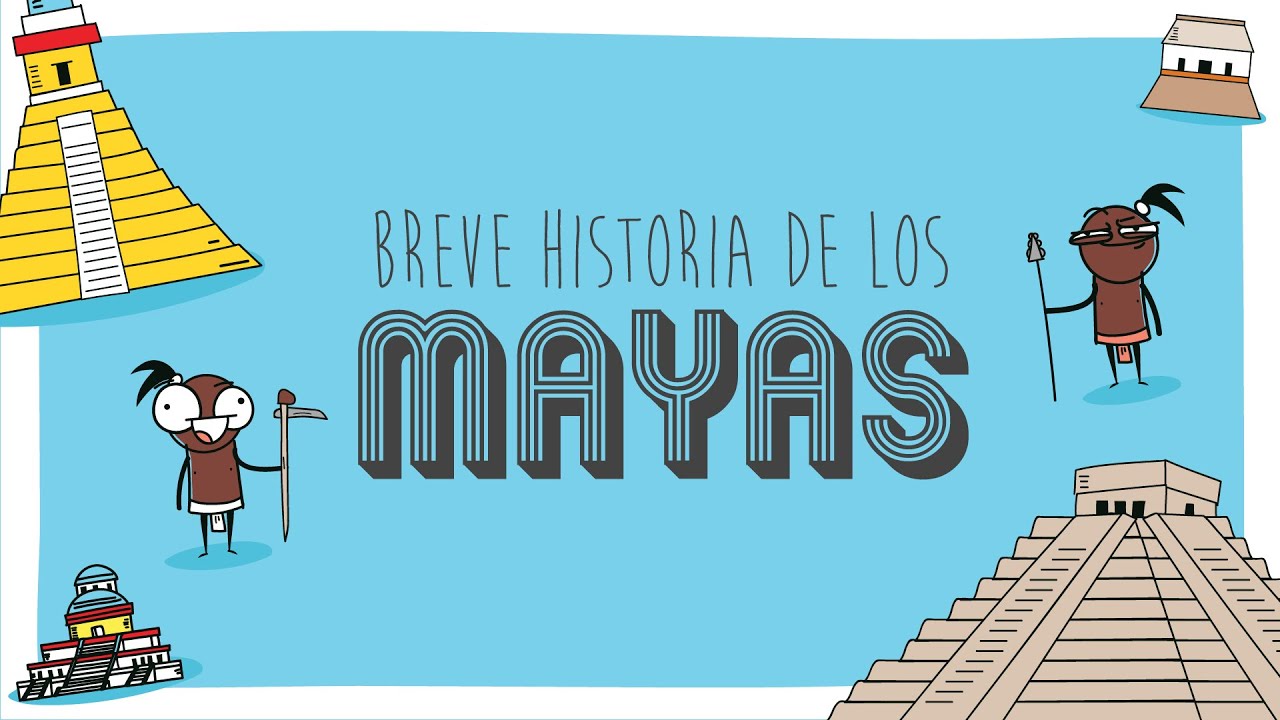
Architecture Mayan architecture is considered to be its most important artistic manifestation. However, the style of their constructions varied depending on the city, in addition to the available materials, the topography and the taste of the upper class. Historians affirm that Mayan architecture reached a high level of sophistication, especially in the construction of palaces, temples, observatories and pyramids.
Their architects began to use arches and vaults in these buildings and, in addition, they decorated them with paintings and sculptures. However, the houses of the commoners did not present any of these characteristics. In his case, the materials were weak and perishable, so no example has been preserved.