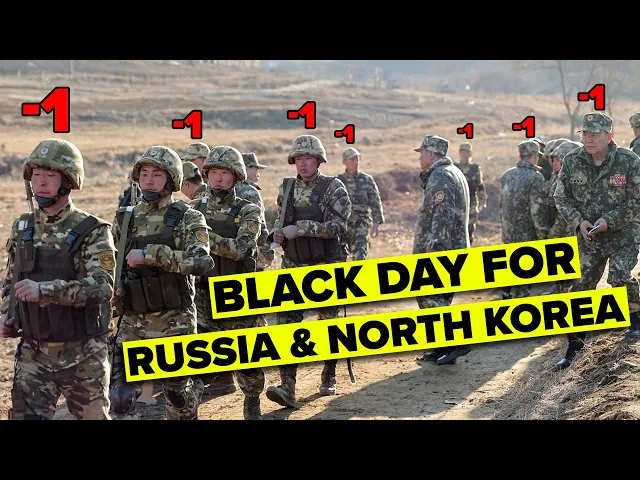
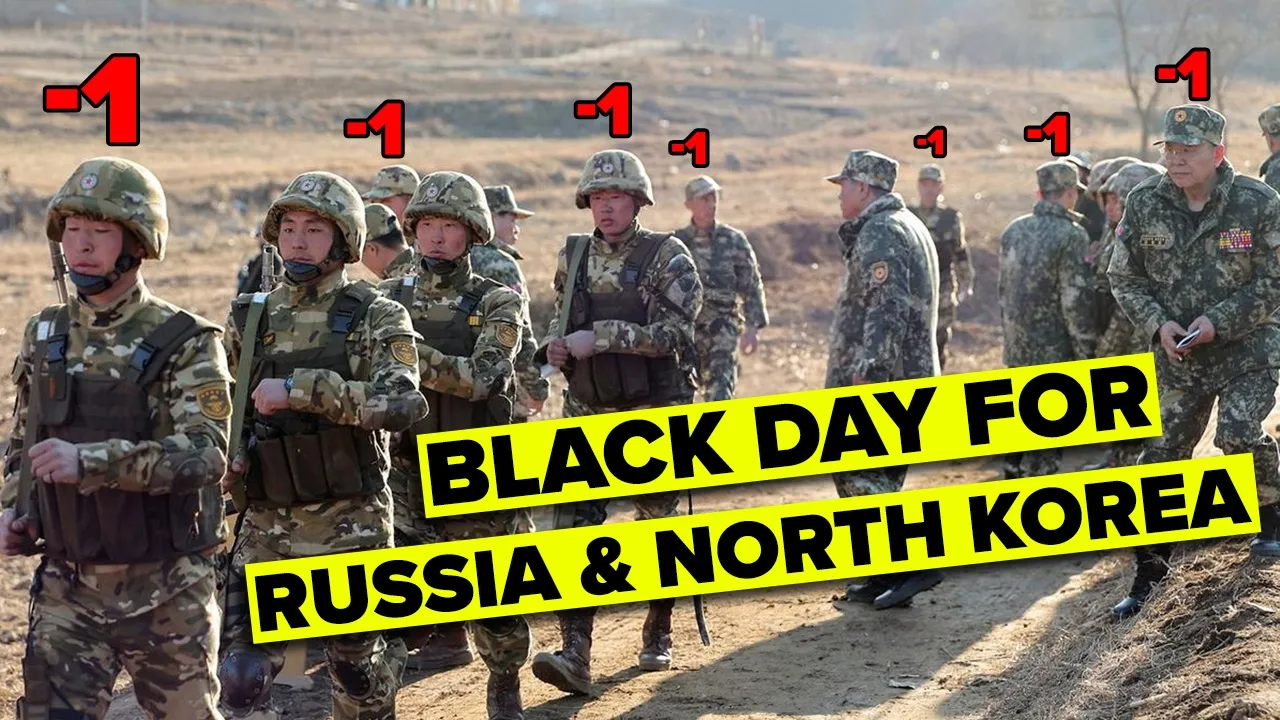
What on earth are North Korean soldiers doing in Kursk, Russia? It’s a baffling image: soldiers from one of the world’s most secretive regimes stationed thousands of miles away in Russia, in the middle of its war against Ukraine. But the explanation is as strange as the question—an alliance between Vladimir Putin and Kim Jong-un that brings echoes of Cold War politics into the 21st century.
So, what’s the deal? Is this about ideology, strategy, or something more desperate? And how on earth did this unlikely alliance come to pass?
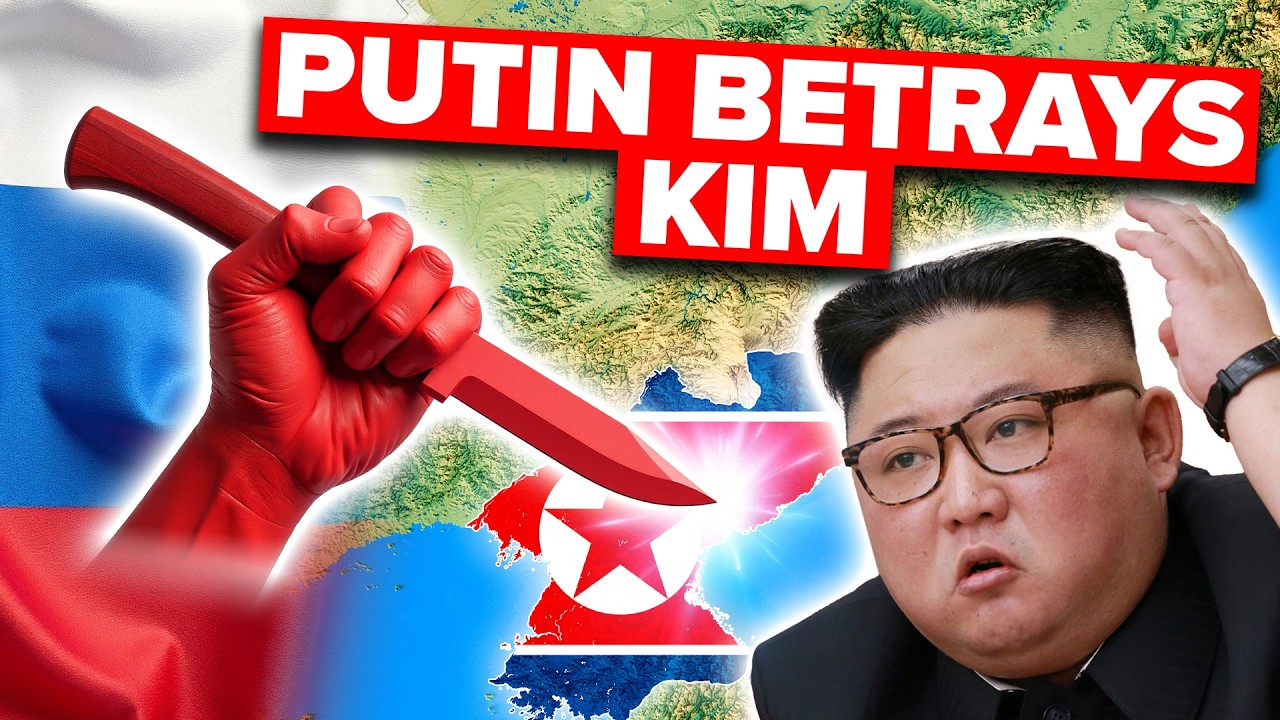
That’s a good question given that North Korea isn’t looking to take over Ukraine itself. But the reason stems back to a defensive pact that Putin and North Korea’s leader Kim Jong-un created back in June 2024. That pact, which North Korea officially ratified on November 12, 2024, right around the time Putin launched his Kursk counteroffensive, obliges each nation to come to the other’s aid if they come under attack.
If that sounds familiar, it’s because it’s almost exactly the same setup NATO has under Article 5 of its charter. If one NATO country is attacked, all respond as though they were attacked. If Russia is attacked, North Korea sends its soldiers to defend its ally.
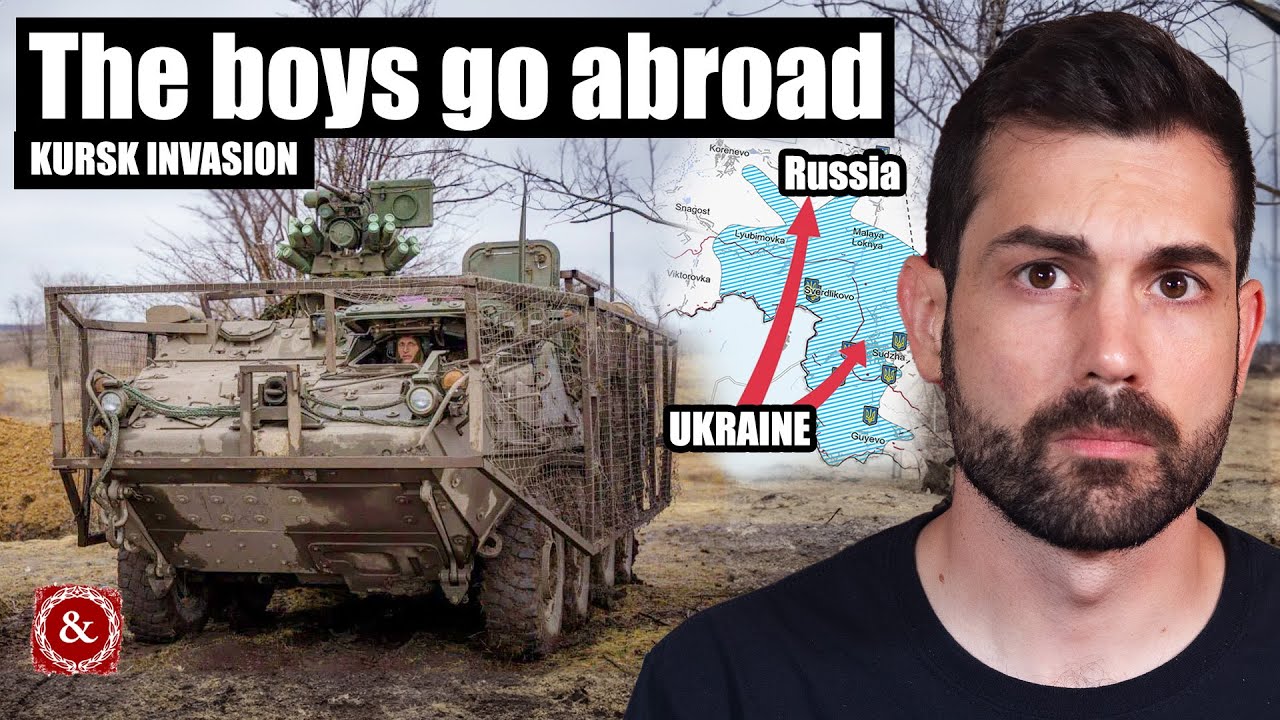
That’s precisely what we’re now seeing in Kursk. Ukraine’s early August invasion was intended to capture territory Ukraine could later use as a bargaining chip against Russia. It would hand Kursk back over to Russia if Putin delivered some (perhaps all) of the territory he’s taken in Ukraine.
While that may still be the case, what’s happened in Kursk also appears to have triggered Russia and North Korea’s well-timed defensive pact. North Koreans are streaming into Russia because Ukraine attacked Kursk. Putin is using that invasion as an excuse to introduce a whole new country to the conflict.
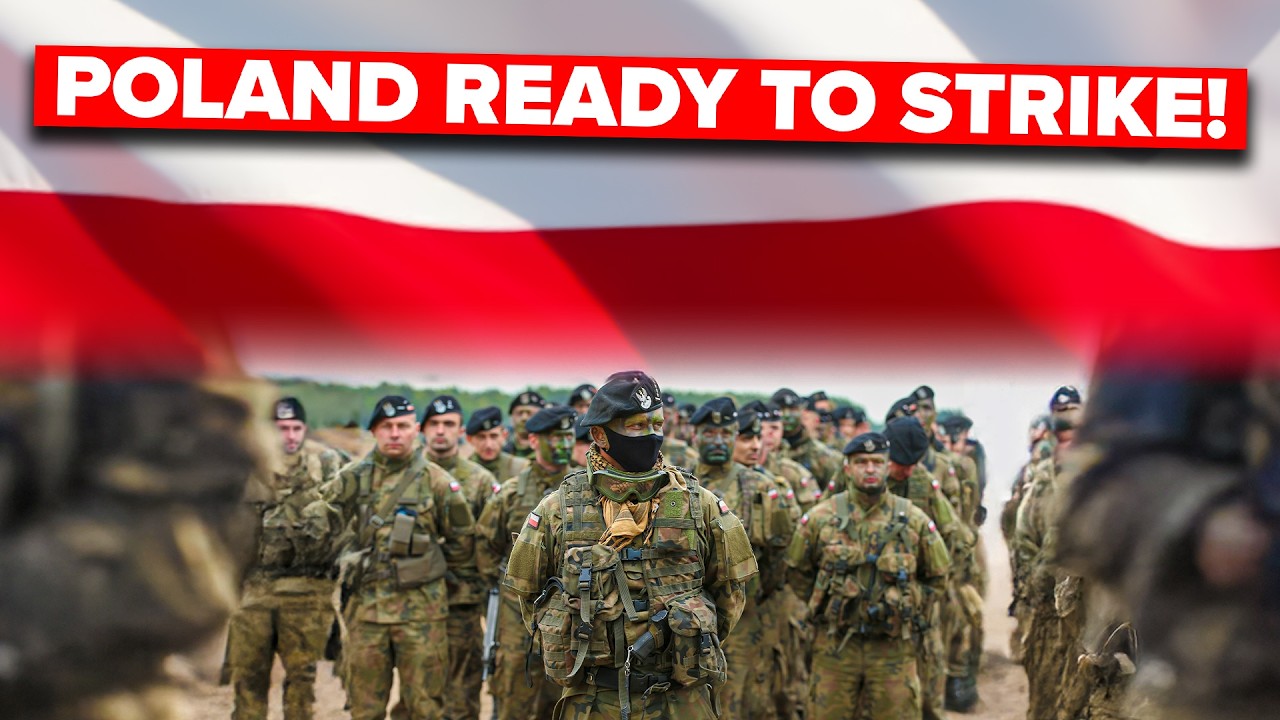
And he’s already receiving thousands of North Korean soldiers. On October 18, 2024, The BBC was among the first to report on the arrival of North Korean soldiers in Russia. It noted that South Korea’s leading spy agency believed that President Kim had sent at least 1,500 troops into Russia.
The real number was likely much higher – Ukraine’s President Volodymyr Zelensky said his country’s intelligence information suggested around 10,000 North Koreans had arrived. South Korean media outlets believed the number was even higher than that, with a 12,000 figure being bandied around. It now appears that either Zelensky or the South Korean press were right.
The number is at least 10,000 according to The Kyiv Independent, and almost all of them were being sent to a very specific part of Russia. Pentagon spokesperson Vedant Patel offered details. “Today I can confirm that over 10,000 North Korean soldiers have been sent to eastern Russia, and most of them have moved to the far western Kursk Oblast, where they have begun engaging in combat operations with Russian forces,” he claimed.
Patel also noted that the North Koreans were being trained to use Russia’s artillery and unmanned aerial vehicles. They were also learning about trench clearing – a key skill given that the Ukraine war has seen heavy use of trenches in fortifications like those Ukraine has built in Kursk. It all added up to a terrifying prospect for Ukraine.
And it only got worse from there. On November 10, 2024, The New York Times revealed that Ukraine had far more to worry about than the 10,000 to 12,000 North Korean soldiers arriving in Russia. Putin had something much bigger planned – a counteroffensive using a combined force of Russian and North Korean soldiers containing as many as 50,000 troops.
Thanks to the inclusion of North Korea, Putin was able to amass this force without having to pull any of his own soldiers out of the ongoing offensives in the Donbas. Russia was now finally ready to fight a war on multiple fronts. One that would allow it to maintain its focus in Ukraine while getting rid of the invaders that had stormed the Kursk oblast.
At least, that’s the narrative Putin and his Kremlin cronies would have you believe. The New York Times predicted on November 10 that the attack of the 50,000 would arrive in the coming days. That prediction turned out to be prophetic.
On November 12, 2024, reports emerged that Putin had his 50,000 soldiers into Kursk to take back Russian territory in what was supposed to be a glorious few days for Russia’s leader. Finally, he could overcome the humiliation that Ukraine’s invasion had caused, winning back the faith of the Russian people in the process. Only, it hasn’t worked out that way.
Russia’s Kursk counteroffensive is in the process of crumbling as Ukraine whittles away at the 50,000 soldiers Putin has sent. But let’s backtrack for a moment. On November 12, the Times of India YouTube channel published a video highlighting the early stages of Putin’s Kursk counteroffensive.
It claimed that Ukraine’s army “fretted” as Russia took it by storm with its 50,000 soldiers. The Times of India also confirmed the reports that North Korean soldiers were part of the 50,000 while adding that Zelensky believes the number to be accurate. All of these claims were accompanied by footage showing explosions and strikes against what appear to be Ukrainian vehicles and positions.
It didn’t paint a good picture of Ukraine’s prospects. Still, there was an interesting claim within the video. Zelensky, in a post on Telegram following a briefing from General Oleksandr Syrskyi, the Commander-in-Chief of Ukraine’s Armed Forces, stated that Ukrainian troops “continue to hold back” the nearly 50,000-strong enemy group in Kursk.
Russia hadn’t won. And it certainly hadn’t succeeded in decimating Ukraine’s troops in Kursk as Putin would have hoped. Instead, the counteroffensive saw Russia’s leader rely on the same wave-based attacks he’s used so often inside Ukraine.
Battalions were sent toward Ukraine’s positions, followed by more, and then yet more, as Putin began feeding his soldiers into a brand-new meat grinder. But there was a problem for Russia’s leader. Ukraine understands exactly how Putin operates at this point.
These wave-based assaults are nothing new, and Ukraine also saw that a fifth of the 50,000 were North Koreans who had received less than a month’s training – if that – in using Russian weapons. The counteroffensive sounded far more impressive on paper than it would be in reality. Ukraine would soon set about proving that fact.
Russia’s initial offensive collapsed spectacularly. The first signs of this collapse appeared on the social media platform Reddit. A user by the name of Capable-Law7184 shared an article published by The Kyiv Post claiming that the first assault on Kursk had become a “Black Day for Russia.
” Further examination of the article reveals more details. The Kyiv Post claims that Russia began a powerful offensive on November 12, sending an entire battalion to attack the 47th Separate Mechanized Brigade in Kursk. The brigade’s press officer Anastasia Blyshchyk says things went very poorly for Putin and his ramshackle assembly of soldiers and armored vehicles.
“Yesterday was truly a black day for the Russian occupiers who tried to storm in five to six waves,” claimed Blyshchyk. “The Russians tried to attack with vehicles, with paratroopers, and storm Ukrainian settlements,” the press officer added before confirming Ukraine had destroyed 10 units of armored vehicles. Ukraine made clever use of its weapons to destroy the Russian battalion.
Laying mines in strategic locations allowed it to take out at least a trio of armored transporters, with first-person visual drones wreaking havoc on the rest of Russia’s equipment. Stugna anti-tank systems also allowed Ukraine to destroy the larger vehicles in Russia’s initial fleet. And it wasn’t just the 47th Separate Mechanized Brigade getting involved in the fighting.
As Blyshchyk revealed “Other armored vehicles were destroyed by our adjacent units…A group of invaders was also liquidated, and those who survived scattered through the fields. “Liquidated” is a terrifying term. But it appears accurate.
Bild analyst Julian Ropke reveals that this initial counteroffensive in Kursk actually went on for three days, starting on November 9. During that time, Ropke claims Ukraine wiped out 28 armored vehicle units and a staggering 200 soldiers, who were either killed or wounded by Ukraine’s drones and explosives. Ropke didn’t mince words about what this means, calling it “a catastrophe for Putin and his generals.
” Putin had sent his first joint contingent of Russian and North Korean soldiers into Kursk. That battalion contained just a few hundred of the 50,000 he had lying in wait. But it was destroyed – Ukraine eliminated those first few waves in a matter of days while barely taking any casualties on its own side.
It’s a story that has repeated itself so many times during the Ukraine war. Putin has the numbers. But his tactical ineptitude leads to him sending hundreds of soldiers to the slaughter for practically no gain.
Hundreds will soon turn into thousands for the 50,000 soldiers Putin has amassed to retake Kursk. After the failed initial offensive, you might think that Putin would step back for a moment to lick his wounds and reconsider his approach. You would be wrong.
Russia’s leader is nothing if not headstrong, and he has simply started sending even more soldiers into Kursk in hopes of dislodging Ukraine from its positions. Those new waves are failing even more spectacularly than the first. At least, that’s according to The Telegraph.
On the same day that The Kyiv Post reported on the fate of Russia’s initial battalion, the U. K. -based media outlet laid Putin’s full failure bare.
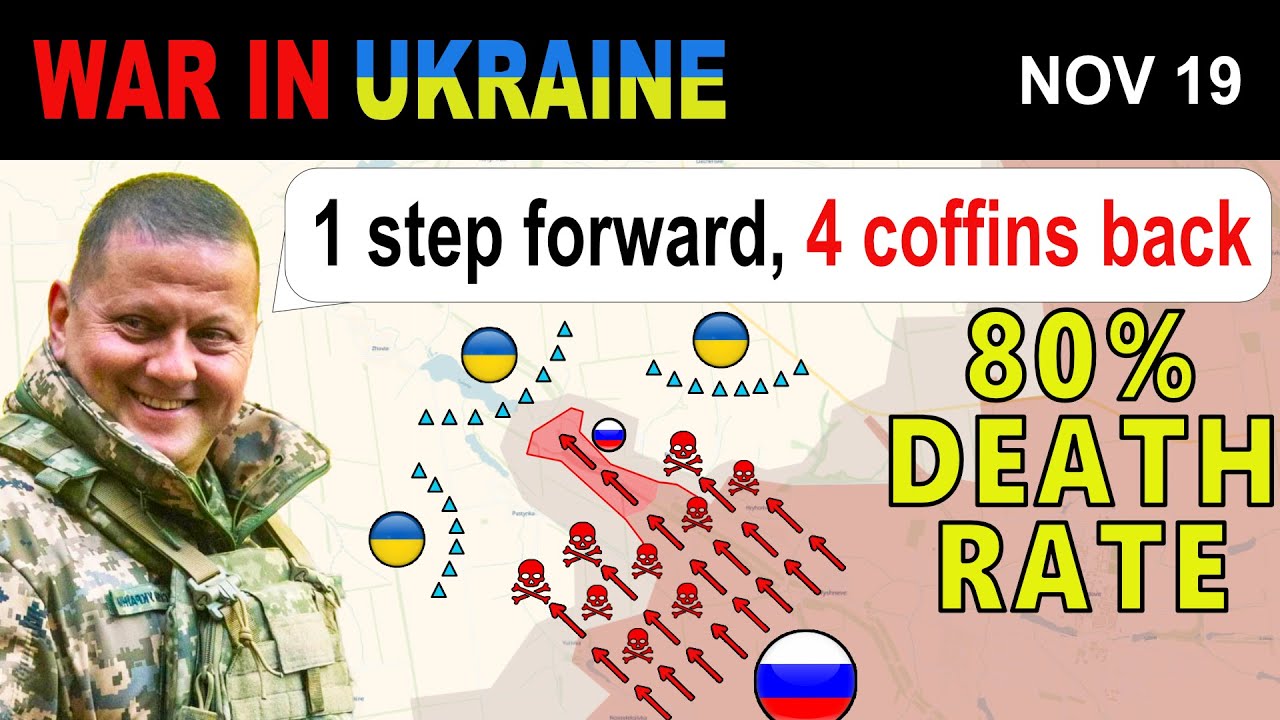
It says that Russia is losing a staggering 2,000 soldiers daily trying to recapture Kursk as it attempts to maintain its offensive in eastern Ukraine. Again, we see signs that Putin is unable to adjust his tactics in the wake of massive losses. The 2,000-per-day figure is around double the already enormous 1,000 losses per day Russia experienced during its summer offensives.
The Telegraph also revealed more details about Russia’s failure in Kursk. The outlet published a video supposedly showing a column of Russian armored vehicles, each believed to be carrying 30 soldiers, blowing up one after the other as they attempt to make their way through a Ukrainian minefield. Those soldiers never even had a chance to confront Ukraine’s troops directly.
They were decimated en route, with each vehicle being forced to blindly follow the one that exploded before, its drivers hoping they would be the ones to navigate the mines. None made it through. There were also updates on Ukraine’s “kill count.
” The Ukrainian blogger DeepState claimed that some of the early fighting focused on a village named Novoivanovka. Located about 10 miles away from Sudzha, which Ukraine uses as its control center in Kursk, the village has seen constant fighting all going Ukraine’s way. Around two-thirds of the armored vehicles Russia sent to the village have already been destroyed, with 300 soldiers losing their lives.
Despite all of this evidence, Russian military bloggers are trying to push the narrative that Putin’s Kursk counteroffensive is actually successful. On the social media platform Telegram, the Two Majors channel claimed that Ukraine’s equipment was failing them. “Towards Sudzha, the Ukrainian Armed Forces are using captured construction equipment to move through muddy roads because their equipment is getting stuck.
” Even as hundreds of Russian and North Korean soldiers are losing their lives in Kursk, Putin’s mouthpieces are still pushing the narrative that Ukraine’s NATO-supplied equipment isn’t up to the job. The footage published so far seems to reveal otherwise. All of this leaves us to ask the obvious question: What happens next?
It’s important to note that Putin’s Kursk counteroffensive is still in its early days. Ukraine is far from out of the woods, as the majority of the 50,000 Russian and North Korean soldiers are still waiting to be deployed. But the early signs aren’t good for Russia.
It is now losing 2,000 people per day in Kursk and the Donbas. Even if we conservatively say that Ukraine is killing 500 of those 2,000 in Kursk, we get a clear sign that Putin’s manpower-heavy approach isn’t going to do him much good. It’ll take just 100 days for Ukraine to deplete the 50,000 to nothing if the rate of Russian casualties is sustained.
It may even get the job done quicker if we assume that Putin will intensify his attacks with larger waves as the days roll on. For its part, Ukraine is managing to hold the line as it inflicts horrible casualties on the Russian and North Korean soldiers. And it could do even more if Zelensky has his way.
According to The Kyiv Independent, Ukraine’s president believes he could practically demolish the combined Russian and North Korean effort if the West allows Ukraine to use long-range missiles like Storm Shadow and ATACMS inside Russia. With those missiles, Ukraine could target “every camp” where North Korean troops are gathering in Russia, destroying them to the point where Putin’s 50,000-man assault collapses before it can truly begin. That permission still isn’t forthcoming, despite speculation back in September that the U.
S. and U. K.
were considering allowing the use of their weapons. Even without those weapons, Ukraine will hold the line and absorb every soldier Putin sends its way. If it’s as effective fighting against the 50,000-strong counteroffensive as it has been so far in Kursk, it’ll likely overcome Russia’s attempts to take back its territory.
Since August, According to Commander-in-Chief Oleksandr Syrskyi, Russia has already seen Ukraine kill 7,905 of its soldiers, injure a further 12,220, and capture over 700 in Kursk alone. Now that Putin is pouring troops into Kursk, those numbers are likely to rocket up as Ukraine has large contingents on which to focus its fire. As for Putin, he’s still refusing to confirm whether there are North Korean soldiers in the 50,000 that he’s sent to Kursk.
Frankly, he doesn’t need to. There’s plenty of evidence to suggest that there are, with the Pentagon’s claims we mentioned earlier being enough to confirm that North Koreans are fighting in the Russian oblast. Zelensky also has a positive spin on Putin’s Kursk counteroffensive.
Speaking after receiving a briefing from Ukrainian Commander-in-Chief General Oleksandr Syrskyy, Zelensky said: “Our men are holding back 50,000 of the occupier’s army personnel who, due to the Kursk operation, cannot be deployed to other Russian offensive directions on our territory. ” In other words, Putin being so focused on Kursk relieves some of the pressure Ukraine faces in Donetsk and the Donbas. Just as Ukraine planned.
For Putin, his initial failures in the Kursk counteroffensive likely won’t change his plans. He’ll send more of the 50,000, sacrificing both Russians and North Koreans to the altar of his own pride. The tactics won’t change.
Even more armored vehicles will be lost along with people. The only question remaining is whether the meat grinder approach that has been so faltering in Ukraine will serve him any better as he tries to retake Kursk. Early evidence suggests that it won’t.
But what do you think about what Ukraine has managed to achieve in Kursk so far? Will Putin’s combined Russian and North Korean forces be depleted before they can retake the oblast? Might the U.
S. and U. K.
finally allow Ukraine to use their long-range missiles to preemptively strike the camps of the 50,000? Share your thoughts in the comments and thank you for watching this video. Now go check out China’s Fed Up With Russia: Get North Korean Troops out of Ukraine!
or click this other video instead!