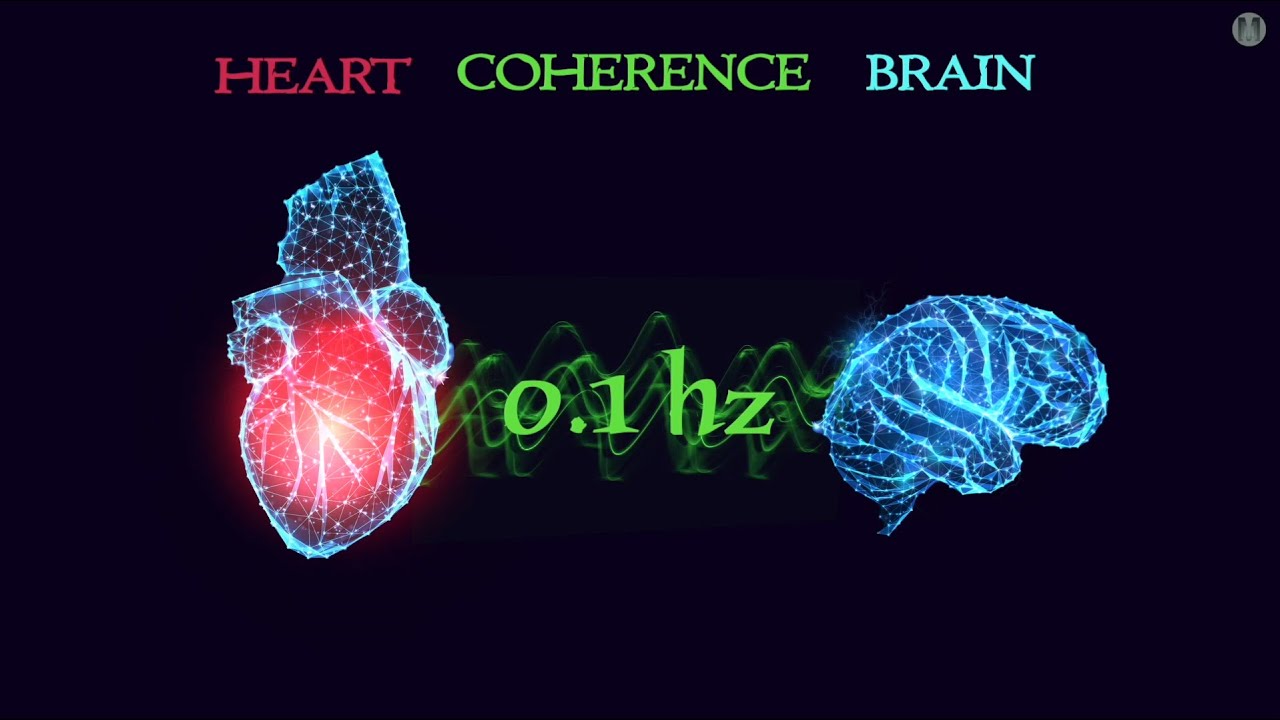
[Music] my name is greg braden i'd like to welcome you to this very special presentation of missing links the deep truth of our origin history destiny and fate so it was in tibet and it was in the 2000s in this case in 2008 where i had the opportunity to go to one of the most remote monasteries uh it took six days out of lhasa just to get to the monastery and once we were there the only way to get to the monastery was through the local mode of transportation a yak which is a amazing way to travel if you've never traveled by yak up the mountain trail to the monastery and it was in this place where i first encountered some of the nuns who i sensed were of advanced age but i didn't know for sure because on the one hand they looked like they might be but on the other hand they didn't look like elderly people that i had encountered in the west their skin was taut it wasn't baggy and saggy their eyes were bright and clear they had teeth they had hair sometimes they shave their hair especially the women shave their hair for convenience for hygiene but it's still growing and so it was in this particular monastery where i asked one particular woman how old are you and i asked because the mother superior was able to provide the papers now this is one of those places in this program i cannot show you her face for security and to honor and respect her privacy and her safety okay i'm going to tell you about her and then we are going to look at a couple of other examples where i can show you their faces and you're going to see the same thing but it was in this particular woman it was the first time this is my tip-off my clue that longevity is possible in ways that we simply don't embrace in the west we discount it we call it the hoax or we call the fake but it's like those out-of-place artifacts so many examples of advanced age are cropping up in so many places of the world the anomalies are now beginning to tell a story and the story is very different from the story that you and i probably have been led to believe in the past the tibetan nun that i'm talking about right now when we saw her papers what we saw is the confirmed date of her birth was 1885. all right and the year that i was with her was the year 2005 we went back again in 2008 my first contact with her was in 2005. 1885 to 2005 that means i was looking into the eyes of a woman who's 120 years old she did not look like 120 years old she lived in a single room she walked to the river every morning down the hillside to bring up the water she grew a lot of her own food in the vessels and the vases that were available to her basel tomatoes herbs that she would eat every day in a very very minimal diet she was good healthy strong and vital and that told me that something is happening with her that maybe is happening with other people well interestingly i asked her what was her secret and she looked at me through the translator and she said one word compassion she said that's what we learn in these monasteries that is the essence of our buddhist teachings it's all about compassion we'll see in a moment why compassion would have an effect of longevity before we do that i want to show you a couple of other cases because because i want you to see this isn't an anomaly it wasn't long after i met this tibetan woman that the national media ran a story about a woman in the palestinian territories and you're seeing her face on the screen right now because she made national news this is on the associated press this woman when you look at her ask yourself how old do you think she is because here's her story she went shopping one day she hadn't been out for a while she had to go through a military checkpoint that she didn't have to go through before didn't exist before they looked at her papers they said your papers are expired you have to go to the authorities and get some new papers and that's when she made headlines because when they checked back through her records they found that her date of birth was 1888 and the woman you're looking at in the year 2008 she is 120 years old now i'm not saying that she looks like she's in her 20s but i think she looks really good for 120 years old her eyes are bright her skin color is good her teeth are good she still has her hair and i want to know what is her secret she said the secret for her was the love that she had for her family her children her grandchildren her great-grandchildren great-great-grandchildren she said they need me every day what would they do without me she said i fix their meals i help them with their school work i help them everything they're doing in their lives i work in the garden so that i can prepare the food for them she feels needed and she loves her family and she feels loved as a heart-based experience all right so that's two and these are women and i wanted to find an example that was of a male and it was only through the research i was able to find what i'm about to share with you and i'm sharing it with you and i believe this is factual because it was documented by the military and there was also document by documented in an article in time magazine early in the 20th century the man that you're looking at right now has a very interesting history his name is lee ching yuan the image that you're seeing is a photograph that was taken of him in 1927 by the chinese military he was at the residence having a meal with an army general at the time he was born in sichuan china he spent the early part of his life as an herbalist he was a high altitude herbalist and he's also a martial artist so he lived in high elevation thin air a minimal diet of uh very specific kinds of herbs and he learned about the energy of the human body through martial arts he enlisted in the chinese military at a relatively late age he was 72 years old when he enlisted as a cartographer and he is documented as enlisting in the chinese military in the year 1749.
the chinese keep meticulous records and that's why i trust these records 1749 he he left the military and he went back to his home in the mountains after he served as a cartographer at the age of 97 and three years later the military records sent him a congratulations on his 100th birthday that was the year 1777. they sent him another congratulations on his 150th birthday and the records show this very clearly in the year 1827 this is where it gets really really interesting they sent him another congratulations for his 200th birthday in the year 1877. he died may 6 1933.
his birth date now the two different dates he said that his birth date was later he said he was only born in 1736. the military records however show that he was born in 1677 so either one of these is showing a man of tremendously advanced age his death his age at death was either 197 or 256 and this borders of what are called biblical ages when he died he was seven feet tall he had accomplished 14 marriages over 11 generations and by some estimates had as many as 180 children that were attributed to his marriages time magazine wrote an article on him on lee and actually did an obituary may 15 1933 they acknowledged the validity of his longevity and in this article they asked what was the secret to his long life before he had died he had shared that secret the secret he said was all about the heart the secret was to keep a quiet heart now this is not typical uh i don't think it's the oldest because the time that i have spent in tibet the monks and the nuns have told me that there are yogis that are much older but i'm not sharing those with you here and here's the reason why i cannot document it i cannot say to you factually as a scientist those those yogi's are actually four and five hundred years old and the truth is that the lives that i am told they live don't sound like very exciting lives they live lives of ascetics very little clothing they don't move very much they spend a lot of time in meditation in their bodies their bodies are they're strong and they're healthy but they're not as engaged in everyday life if i'm going to live two three four hundred years old i'd like to be very engaged in everyday life from the time i was five years old i told my mom that i would be in this world i'd be on earth for 200 years i'm i'm on the 200 year plan and well mom used to laugh when i would tell her that she later in life began to take it very seriously and she would say that to me when it came time to wish me happy birthday she would say i could wish you happy birthday she said but you're on the 200 year plan so i have a lot a lot more opportunities to do just this the point is can we live beyond this traditional 70 to 100 years would we want to a lot of times when i ask people if they want to what they say to me is they they don't want to because to them old age equates to suffering old age equates to the body breaking down and the things that they've seen in their lifetimes i want to say to you right now it doesn't have to be that way the science is showing us this and the indigenous traditions are telling us this what was the common link between the three people of advanced age that we just talked about the palestinian woman the tibetan nun and lee what was the common theme and i gave it away already because i'm not good at keeping secrets i gave it away each of them had a feeling the palestinian woman felt love for her family and she felt that she was loved the tibetan nun felt the feeling of compassion that's a heart-based experience lee said the secret was a quiet heart feeling the feelings of calmness and serenity in his life so the common thread for all of these all of them are linked to a heart-based experience you say well why would a heart-based experience create this kind of longevity and the answer to that is the secret to where we're going right now it probably comes as no surprise that a heart based experience would have some effect on our longevity but the mechanism is what i want to talk to you about right now because what you have just learned in the last episode the ability to harmonize your heart and your brain in a very precise way in addition to all of the benefits that we've already shared is the underlying trigger to unlock the potential of longevity and vitality healthy longevity in your life and it all begins not surprisingly with our dna and the chromosomes that we have talked about earlier in this program each time our cells divide something really really interesting begins to happen among the many interesting things that happen within the chromosomes themselves in the earlier episode i described how the tip of every chromosome the dna at the tip of every chromosome has a special component called a telomere at the end i didn't talk a lot about those telomeres then because i knew i would right now a telomere you can think of in just the way you would think of the shoelaces on your tennis shoes okay if you look at the ends of the shoelaces on your tennis shoes they typically have a little plastic cap over the end that keeps them from fraying and makes it possible for you to lace them through the eyes on your shoes well the ends of your dna your telomeres are the equivalent of those little plastic caps every time your cell divides the chromosomes in the division process they are incapable of completing division all the way to the end of the dna so what that means is with each cell division a little piece of the dna breaks off it's brittle it breaks away and it's lost that is what the telomeres do they are the buffer so that what breaks off is the telomere and not the information in the dna itself so when one cell divides into two you lose a little bit of telomeres in the end that's okay you've got a lot left two divide into four you lose a little bit more you've got a lot left but not as much as you did before and you see where this is going it goes on and on for a finite period of time until we reach a point where the telomere is so short or it is so weak it can no longer protect the rest of the dna and when your cell reaches that point we call it senescence we call it old age and eventually we call it death because the cell cannot preserve the information the dna cannot preserve the information and because of that it won't allow itself to divide with bad information all right so that's the mechanism telomere shortening it's directly linked to stress in our lives and i want to say this to you directly i'm going to read directly from the scientific document so you know it's not my opinion i want you to hear exactly what it is they're saying about this in the proceedings of national academy of sciences the title of this research article it tells the whole story listen to the title accelerated telomere shortening in response to life stress what they're saying is chronic stress erodes the telomeres it impairs the dna replication and it accelerates the aging so this is peer-reviewed science saying in open paper what we're talking about right now is this and the stress the stress of life it can come from many places it can come from the job it comes from work it can be emotional stress it can be environmental stress it can be psychological stress it can be a healing crisis there are all kinds of stress so it's not the stress it's about how we interpret and how we deal with that stress when we are born we have a very high complement of telomeres what scientists tell us is when we're born we have about 8 000 base pairs of telomeres to begin with by the time we're in our 30s we have maybe half of that number and by the time we're in our 60s we have maybe about a third of that number typically but the good news is all that can change and you can direct how it changes in your life the lifetime of a telomere in the lifetime of a cell are generally accepted to be about 40 to 60 cell division so 40 to 60 cell divisions is generally the the lifetime of an average cell and this is what scientists tell us it is the limit of that lifetime and the limit actually has a name it's named after the man that discovered the limit is called the hayflick limit hayflick limit that is the number of times the hayflick limit defines how many times our cells can divide before they reach the point where the telomeres aren't working any longer interestingly that hayflick limit equates if you take that number of cell divisions and how long they live that equates to about 120 years of human life so we're beginning to see why we do see people living up to 120 years we don't see a lot after that because they have reached this hayflick limit the question is can we increase that hayflick limit are we bound to that limit and the answer is yes or we wouldn't be having this conversation and the discovery in 2009 tells us why it's possible in 2009 the nobel prize in medicine and physiology was awarded to three people to carol greider elizabeth blackburn and jack sostak they all worked together to discover an enzyme in the human body now think about this this is 2009 that was just a few years ago and they're still discovering things about the human body that we haven't known in the past this new enzyme was mysterious at first they found the enzyme they weren't sure what the function was but the only place they found the enzyme was hovering near the end of the telomeres so they theorized maybe this enzyme has something to do with the telomeres and if it does maybe the enzyme has something to do with long life so their discovery of this enzyme is what the nobel prize was awarded for the name of the enzyme tells the whole story it gives it away okay the telomeres are what determine how long the cell can live and divide the enzyme they discovered is called telomerase and the purpose of this enzyme the only purpose of the telomerase in our bodies is to heal and repair the telomeres at the end of our dna the thing is often our telomerase is not actively uh engaged in its greatest potential its dormant or if not completely dormant it is not as active as it can be well what scientists found after they discovered the telomeres they began looking into the function of the telomeres and the telomerase working together and once again not my words i want to share with you the exact words of what it is that they found the national institutes of health produced a series of articles in the year 2011.