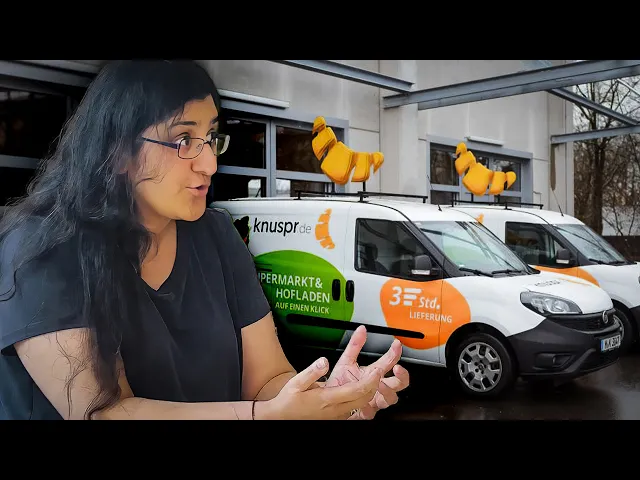
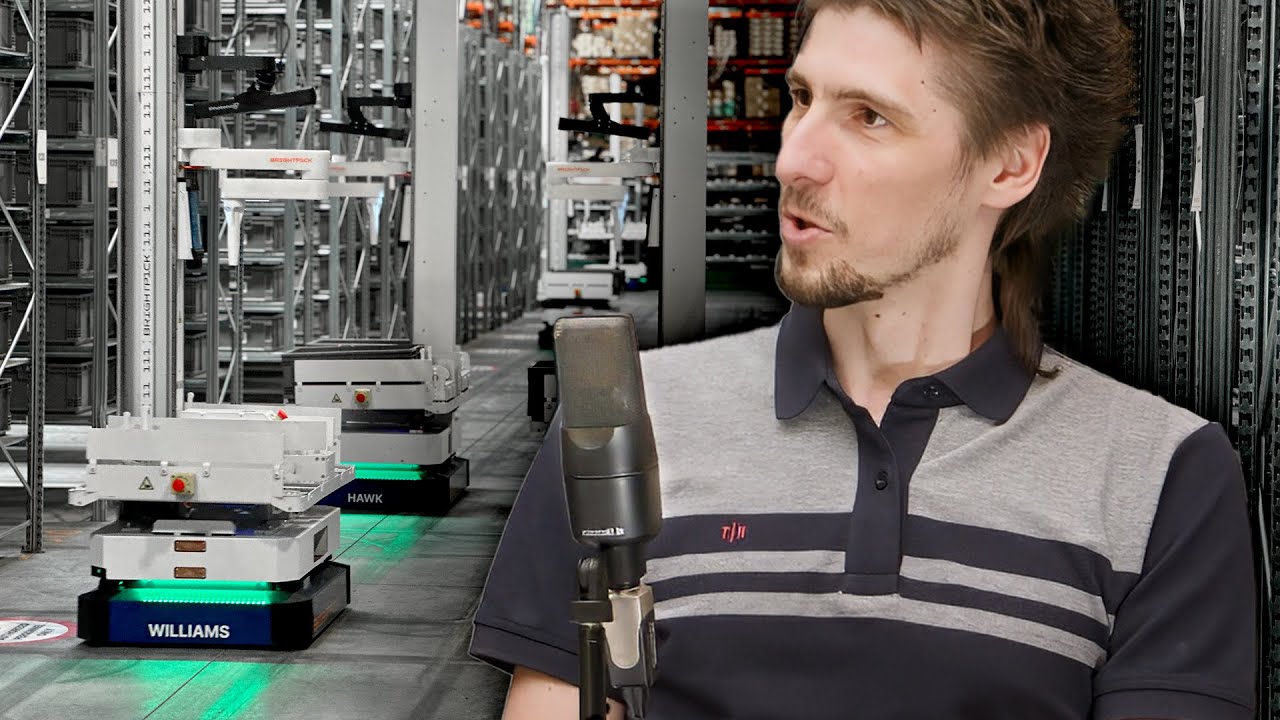
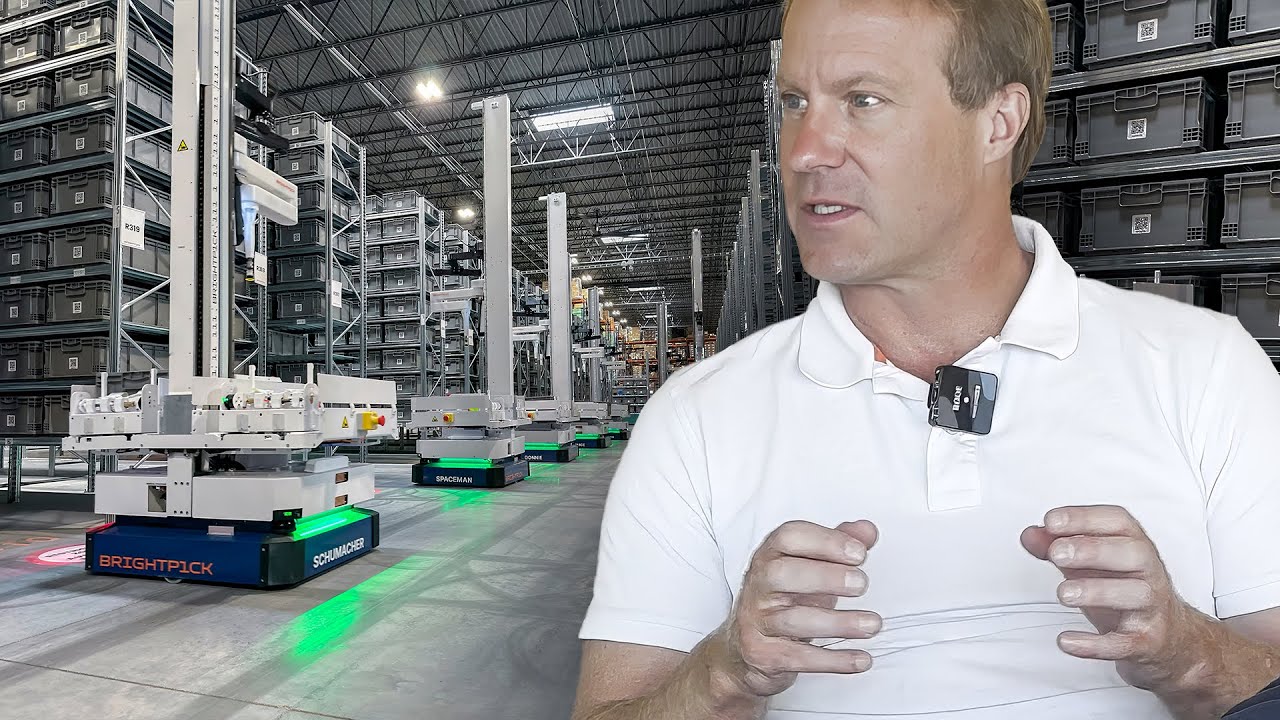
getting online grocery profitable is very much numbers game and if you are looking at all of those input metrics that drive your output metrics for me it's I want to say quite simple but it seems like a bit of a [Music] no-brainer welcome to beyond the pick where we explored the latest Innovations in robotics and AI for Supply chains I'm Andre Chief growth officer at breitbeck and I'm really excited for our guest today Veneta Bajaj is CFO at Rik group one of the world's largest and most Innovative online Grocers riik is a truly disruptive force
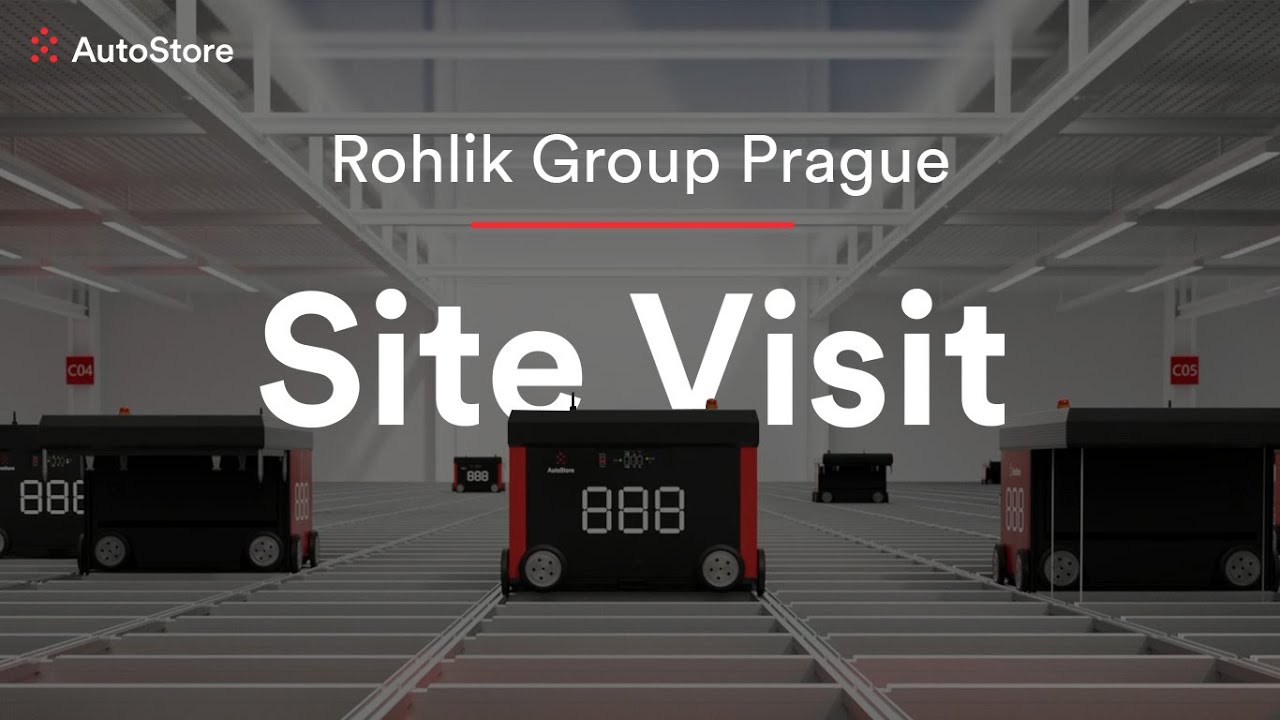
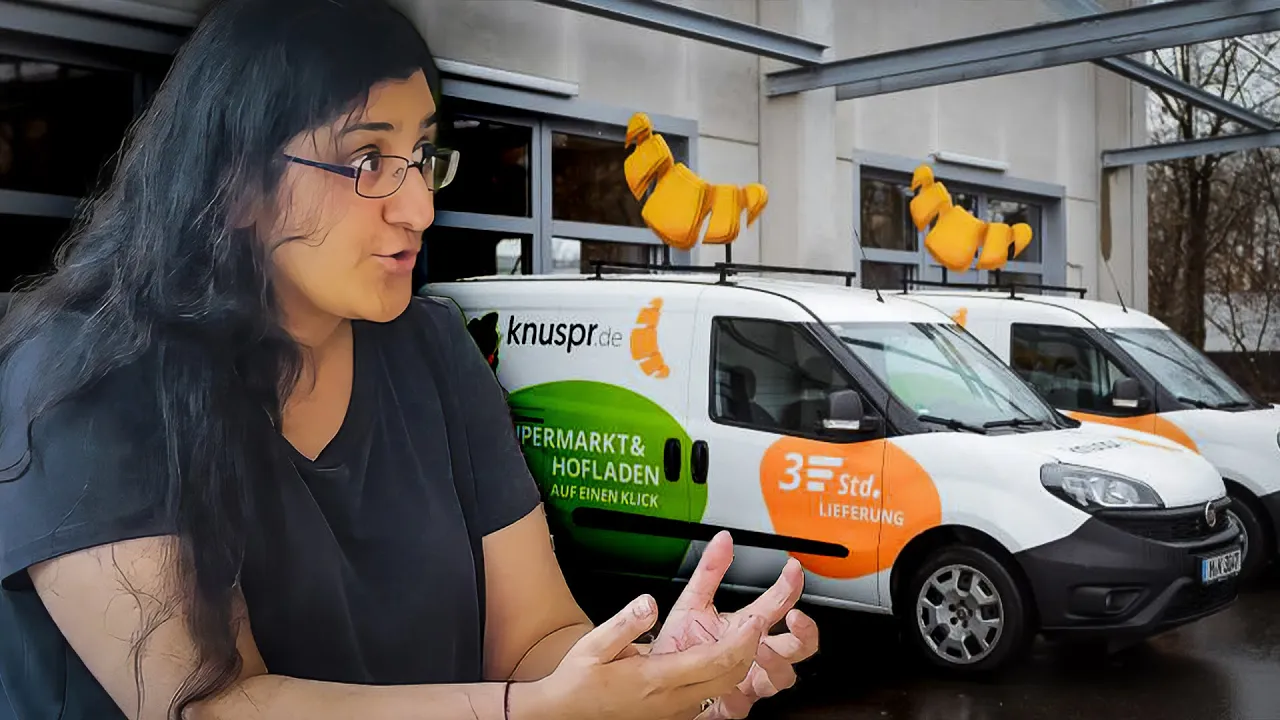
in the field of online grocery delivery it offers customers unparalleled speed such as 90minut delivery and 15minute delivery slots for free as well as a wide product assortment that Rivals even your largest supermarkets most incredibly it does all of this profit in large part thanks to its heavy investment in robotics Ai and supply chain last year Ro served more than 800,000 customers and delivered almost 12 million orders across five countries in Europe but V's background in E grocery goes much deeper than that in fact she previously held various senior Finance roles out AATA group one
of the earliest Pioneers in EEG grocery she's one of the most knowledgeable people I know when it comes to strategy and ex execution and the challenging field of online grocery delivery let's Dive Right [Music] In Vena you've been in the online grocery space for over a decade so you've seen all of the ups and downs why is eg grocery so hard to get right I don't think it is I think online grocery is about data it's about numbers and it's about Precision we often talk about Warehouse automation being you know precise we talk about uh
how you can uh bring in more customers we all talk about margin but ultimately it comes down to Precision of data getting online grocery profitable is very much numbers game and if you are looking at all of those input metrics that drive your output metrics for me it's I want to say quite simple but it seems like a bit of a no-brainer and I think a lot of people underestimate the supply chain complexity involved in EEG grocery I mean you're dealing with perishable products multiple temperature zone uh constantly evolving SKU range what implications does that
have for margins and profitability in what sense so for example many grossers they tend to limit their SKU range because they need to achieve profitability so it's almost like a give or take where you need to uh take away some customer service or some customer choice in order to achieve profitability but that's the trick right the trick is not to limit the customer one of our our important values or as we call them ingredients in our business is um amazing the customer the custo and not literally the customer is always right it's the customer if
I'm in a business where I'm choosing to limit my customer I'm never going to get profitable because the customer will choose not to shop with me so I'm not saying have the widest craziest range I'm saying having the right range for the customer that we're targeting is what we do as a business and we focus on making sure we have the right space whether it's in fresh ambient chill or Frozen and then on top of that for us as a business we have Market leading um food waste levels where our waste is only 0.4% which
is absolutely unheard of in this industry and that's because we order what our customers would like we make sure they have the right value assortment they ultimately buy from us and as a result the The pnl Works the the unit economics of the business work the beauty of online grocery versus a bricks and morar business or a hybrid business is that if you deliver everything to one location it goes to all the customers from one location it's not going from the supplier to a hub and spoke model to a store or a supplier to a
hub and spoke model to um a warehouse then goes to the consumer and so I think that from a pure play online perspective um it's about having the right algorithms and predictions to understand um what the customer may or may not order what's happening in the world is there uh is there a large sporting event is it going to um is going to be sunny this long Bank hly weekend for example uh will people be going away people will be people staying at home and then ordering for that and I think the beauty of being
a same day grosser means that we can order knowing that it will go out pretty quick so I I really don't see the complexity I think the complexity is driven for other businesses that there is likely a view of not looking at data and for us when especially when you're in online Pure Play There are you know days and years of data where I can understand how a customer shops on a public holiday weekend I can understand what they order when it's sunny I can also understand what was the most successful product and not successful
product around Christmas and then from there I can curate how I do my supply chain to make sure that again I have the right amount of products so the customer isn't limited while also managing my waste levels Because by the way waste costs money it's one thing if I donated to charity it's still money out of my bank right um and yes I can give it to charity but actually I want to make sure that I'm ordering it and using it for my business got it it's very interesting you mentioned one thing there which is
a single location and one of the let's say Trends in online groceries nowadays is mfc's and using uh traditional groceries existing Footprints to fulfill customer orders which obviously Ro League doesn't do because it's a pure play online grocer what are the advantages and maybe disadvantages that come with being a pure play online grosser I think you've answered half the question which is um if you're an online um if you're an online grocer uh firstly um there's less stop points right so I order uh I order milk and if I order milk if I'm a normal
if I'm a bricks and mortar or if I'm a hybrid where I'm utilizing my footprint to try and um to try and fulfill clicking collect or um uh store pick orders what happens is the the milk goes to probably a regional spoke it then goes to the it might go to another spoke and then it might go to the store and then the store so it's probably gone in and out of about three or four different um Chiller ambient zones right and then by the time it gets from there to the customer it's probably been
from the supplier to the customer within maybe I would say one to three days maybe um while when you're in online pure play the milk that is received in the morning is in your fridge in the evening or in the afternoon or whenever you order and uh so it's fresher than what you would get from any store walk into in any city which is like amazing and people don't kind of get that um so I think that's probably one of the big one of the biggest advantages is that what you get is the freshest from
from a pure play uh retailer like us um and it also means that uh the quality of the food is good as I said it's not going in and out of different um temperature zones I think um the other um and like you said with with micro performance centers that's definitely how the industry has been shaping since in a postco world where large very large warehouses you know on the outskirts of a city that then you deliver next day it's kind of a thing of the past or it's definitely becoming a thing of the past
and so um having smaller reasonably sized and priced warehouses that are kind of satellite close to a city but had the ability to deliver in the city and outside of the city provide the ability for a business to uh provide to the customer when they need it so whatever the offering is uh but also expand regionally and into a city so then the footprint is greater and that has huge benefits to um to the p&l let's stay on the topic of customer service for a second and Ro leak specifically so I'm a customer over leaks
uh but I am ashamed to say that until relatively recently I was a skeptic because I thought I enjoyed going to the supermarket choosing my own produce making sure it's good quality and I thought that dealing with delivery people would be more hassle than jumping into my car and driving to the supermarket whenever I wanted uh and then I decided to give Rik a shot and I was blown away you know 15minute slots all day delivery drivers which are never late and always happy to carry bags to your front door even if you live on
the fifth floor with no elevator oh goodness um a very wide product assortment that exceeds even hypermarkets uh and a subscription product which G gives you no minimum basket sizes and 90minut deliveries for just 8 EUR a month I'm I'm blown away and I think even more impressively is that Rik is able to offer all of this while being profitable at the same time which is pretty rare in the online grocery space how do you do that yeah it's a great question and and actually just to just to add to what you said which was
uh how you were a skeptic uh the example of milk that I just described I also liken it to when you go to the store and you're picking the best quality but actually when you go and you're picking the best apple and you're like this is the Apple the question anybody who is a skeptic of online grocery should ask is how many people groped that Apple before you groped it so I always go for the bottommost one but you don't know they might have gone oh no no I'm going to hide that one you just
everyone exactly right how many people groped what you are currently eating right is definitely a really good example of why you should go online um there only one you know so uh that that low touch um process an online grocery is Grace So to your question how does a business become profitable um or just have good unit economics let's call it that and I think it's first it's a balance of data and financial management and I think the other thing is um it's to understand where are the biggest levers that help that that are taking
in your cost um but also the smaller ones like waste I talked about you know waste can get pretty big if you're if you're ordering too much produce and that again costs money every time for me and for this business and for anybody in online grocery being able to provide an element or full or a full amount of automation between your gross margin and your iida is actually an absolute GameChanger it reduces my dependency on labor and labor no matter how efficient labor is Labor uh generally can and can't be reliable so people get sick
uh people have personal situations it happens maybe people some people are maybe unproductive this type of um inconsistency or instability in the p&l I want to try and lock my costs for as long as possible and what automation provides is known throughput and the investment is our time to make sure it works with our processes and that is absolutely the only way in online grocery or even a hybrid where a business can deliver reasonable uh cm2 profitability or even eaal profitability per order is being able to manage once I get to my gross margin how
do I keep the rest of my money I'll park my marketing um all of it is down to how I fulfill and fulfillment can be done in many ways and there are some fantastic uh Technologies out there that allow businesses to automate you know like like you said if I'm um if I'm a bricks and mortar store and I'm trying to leverage my very hypermarkets uh Footprints um I may want to get a store pick technology solution maybe with a bit of Bri pick maybe I want to invest in a large aluminum grid and do
that maybe um it's just a lot of tech and it's people on forklifts whatever it is some element of investment into some kind of tangible physical asset will make your life better and for that we have been able to reduce our dependency on some instable costs we've also been able to know that there's a certain part of our p&l that's fixed as a were because I know the certain matter of through but and therefore the the profitability is driven by making sure the volume comes through got it uh it's very interesting because at Bri pick
we think of EEG grocery in many of the similar ways that you mentioned and actually one of the reasons why we decided to heavily focus on e- grocery from the very beginning is because EG grossers need automation to be profitable consumers they're not willing to pay high delivery costs to compensate for Last Mile fees which are layered on top of all the other costs that already exist in groceries and because it's such a low margin business it basically takes you to negative profitability so then you need to drive efficiencies elsewhere in your supply chain such
as fulfillment picking and so forth and and just to that point you know in a world where multiple countries are going through elements of recession or higher cost of living crisises or inflation what happens is customers are looking at their wallets more and so um some retailers choose to pass the price to the customer more if you do that you you risk the fact that the customer might leave so when you're thinking about how you build an online profitable business the balance is around making sure that you're at the right right price point for your
customer number one um and number two being able to find that balance of on fulfillment but I think the other key Point here on fulfillment to to what you said is many people are skeptical about online grocery right I don't have any kids right uh but there are a lot of people during Co and even before Co who had kids in that time and when I grew up my mom took me around the supermarket on a Friday after school they gave free samples it was amazing um lots of chocolate and um and so I visualize
aisles because that's how I've been grown up and conditioned um but people who are kids who are five or kids who are 15 um they buy on their phone they buy on their tablets they do not visualize or say I'll go to the store and so people who are Skeptics of whether this industry works or even grossers who are going online it's postco world the answer is is there are five generations in the workplace that have the ability to buy you know there's my parents and then there's or older my grandparents my parents me um
j z and then the younger generation all of them have the ability to buy and they are not going to go into the store so it's not a case of well it's a fad or we only need to have a smaller amount over time the younger generation people who are 21 do not want to go to the store you don't want to go to the store I don't want to go to the store and so it's a channel shift that is happening that's going to get bigger overtime irrespective of what Skeptics say and if if
retailers do not get behind and invest in something that allows them to offer that Omni Channel approach um they'll be dead on the water long term yeah and obviously over time the purchasing power of gen Z and so forth is only going to increase right of course so yeah so it's just it's just something that I I have this debate with people many times about you know online and I'm like and then I then I talk about the gring I I talk about groping the Apple I kind of I kind of get out all those
stories and it works but I'll remember that next time I'm in the supermarket um since we're on the topic of automation uh obviously riik is a big investor uh in automation as the CFO how do you evaluate automation how do you think about the ROI the payback and so forth for me personally obviously I care about the price tag I'm like how much is this what am I getting for it but actually what I care about is the input metric which is the throughput so um if I measure myself an up or order lines per
man hour if I look at picks per item if I look at what is that particular automation that I'm trying to do and what what is it with labor what is it with automation what what is the saving of that person why is that process better now with my industry experience that's how I think I'm sitting there going right Bri pick Bri pick we have lots of people walking around now we don't because we use your your solution so I'm I was sitting there going how many steps does someone take how long does those steps
take is it cheaper for me just to rethink my internal process or am I better off actually getting something like rck and if if the business decision kind of makes sense because conceptually I understand as a finance professional if my productivity is higher my return investment will be higher then it's down to my appetite on how long am I willing to have my Roi and my payback and that is completely dependent on the current Business Financial Health it's down to the uh the long-term strategy of the business overall for me as a CFO I'm I'm
definitely more in the business than the numbers I'm very much kind of going right what's the prod what's the impact are they inbounding what's the cost what's the person going to produce will I have to have somebody above it what's the software around it what's the hyperare around it I'm trying to understand the entire process because then I I understand then that it's not just my prod as X it's all this hyperare around the the Bots um and then from there go right well then therefore although this will give me X my saving will be
X labor if I continue to scale and then what does this look like in one two three years when I'm planning to be this big and then can this help me scale so I very much have a long-term strategy thinking going is this an investment that will scale with us as a business number one number two what's a prod um or what is the throughput or productivity or key metric that I can measure and compare it to manual labor or my my manual process and understand that impact and then it's just numbers after that and
then I'm like well is it in the budget or not or can I wait later and how do I align up with strategy but my um I couldn't give you a hard number because I very much think about the entire end to end like it comes into the warehouse it leaves the warehouse and all the different efficiencies of the Zone but that's probably just down to my nerdiness and Industry experience well I think that's how people should be thinking about automation I think one of the interesting parts for us as a vendor as well is
that there's obviously the hard numbers and facts and labor savings and cost and all that but one of the things that's harder to quantify is flexibility so obviously when you're thinking about automation there's you know mobile robot solution like bright pick which require relatively little uh infrastructure easy to install move there's less flexible type Solutions like Auto store Cube as you think about buying automation how do you take into account flexibility or I guess the downside risk it's a good question um I definitely look at different things like um is there a secondary market for
this asset um um we also make sure and I also make sure that say contractually um if I don't want to use this for a while can I do I have the ability to give it to another vendor or another grocer or somebody else who can use that technology so I I always make sure we have options um even to the point that like from a finance professional perspective making sure that could I if I buy something do I do I have the ability to do a sale and Lease back for myself if I'm doing
a fully capex right I think these are all things that like a normal Financial professional should do um but um like it's going to sound silly but I I don't really see downside risk in automation um and maybe maybe I'm a flawed individual I don't know I'm I'm just kind of like uh if I know if I invest in this uh it will equal x amount of productivity or x amount of key metric and that will then equal the output of a lower cost per order which equally turns into less loss per order or more
profit per order um then I think I think my business is fine um I think the question really is down to me me es of how I would finance that investment so for example do I want to spend 5 million or do I want to do a um a different type of pricing like price per pick or um do I want to have um uptime metrics and things like that and I think um we as a business and also the industry should be flexible to that because if you go for a price per pick it
just means that um you can go pretty quick you don't in a world where money costs a lot of money you really have to think twice about and even I'm going I can put the money in the bank so it needs to be more than x percentage of Interest I can get um you will have a lot of Finance people who look at the world like that but um for vendors like yourself and other businesses to offer either a price per pick model or a payper pick model or uh some kind of uptime metric um
allows um Grocers and also non- Grocers to try before you do significant investment and I think that try before you do significant investment and that agile approach is definitely the way the industry is moving yeah and we obviously offer what we call robotics as a service but it's basically a lease model and role piloted our solution before installing it um speaking of budgets has the and and cost of money has the current uh tighter financing environment affected your appetite for investing in automation not at all so like in the last 18 months um I we
automated our second Warehouse in CIA in Prague um we we uh did further automation into our Munich Warehouse we um have fully automated our now Berlin warehouse and we are automating um our Vienna Warehouse in the last 18 months because again um me this business we believe in online grocery and that is profitable and profitability in Central Europe and um Western Europe is enabled by automation ultimately if I want to be a uh a prudent and a responsible Finance professional um Automation in a western World means that I can reduce my labor by 20 to
50% depending on my volumes going through that's a no-brainer to me the the impact will be down to when I should do it what are the stage Gates or vendors like yourself saying actually here's another type of way to buy from us that isn't give us one two5 million it's a it's a as you said robotics is a service model in your mind uh how do you compare how do you think about Ro leque in partnership with breit pick or Auto other automation vendors uh to someone like for example okato which has their own technology
which they use and obviously sell to others as well yeah I think um I think generally speaking as an industry um the the industry has and it's been really really exciting to see it the industry has really shifted um just before Co and especially during Co because what happened over Co is that so many um retailers uh grer and non- grer had to adapt to some form of online offering so everyone has done something to try and fulfill this this channel it's kind of forced everyone to go online which is great and forc them to
provide to a different channel so uh different grocery businesses have invested in something and what's happened as a result is there's been some fantastic startups that have come through that have developed some unique type of Robotics or automation or um supply chain algorithms it can be across the entire ecosystem which means that if I'm a bricks and mortar retailer that changed my Hypermarket to have you know set it up as a dark store um I may not want to spend a lot of money getting an entire end to end because I've already got a warehouse
management system I've already got my time and attendance system and I've already got my software and that's all basically written off and I wouldn't be able to justify that to my CFO if I was them so getting um add-ons to if I look at my process that's between cm1 and cm2 this part is the one that's leaking this much cash or it's the most loss-making part and I need to do something with it what's happened is the industry has developed to come up with pockets of solutions that all Interlink with each other and I think
the industry is going that way because like I said before in a world where money costs money um people don't have 10 20 30 million to invest on this online Channel um but they probably could invest five or one and there there's a plethora of vendors that deal those Solutions and I think the all-in-one solution definitely is tailored to different types of retailers but there's a lot of retailers who have already done something that want to talk to a bright pick or talk to different providers to fix certain parts of their their process I have
one last topic I want to cover with you uh which is rle obviously started in Czech Republic and this is where it has the most advanced offering for customers I would even go so far as to say globally of all e grossers it has the the best uh customer offering in Czech Republic it's it's profitable here uh and few people know that actually CIA is one of the most e Advanced nations in e-commerce in Europe with a penetration rate that Rivals the UK for example how did that help Rik start early before you know branching
out to other countries in Europe so I'll probably start off by saying that I think um roic actually drove that online shift in this country in the Czech Republic so I think that's that's the first thing that absolute uh penetr of people learning to shop online um absolutely disrupted this entire country and the way the the country shops right it's whenever I drive I always see a ro League fan without exception in Prague it's like everywhere everywhere yeah I know it's cool um sorry what was your question how how do we how was that an
advantage to ro League starting I don't think it fully impacted because we're talking 10 years ago by the way right so 10 years ago it probably was definitely not as far Advanced or even comar comparable to the UK 10 years ago so if you picture 10 years ago when it started it was probably like any other European um uh country I think what helped us uh set ourselves apart is our absolute uh laser focus on the customer if the customer wants it we should have it every time um and growing in the Czech Republic what
we were able to learn was number one I think if you grow in a country that you know that you're from you can work out what the customers want and then slowly try different aspects how big should the bakery and The Butchery range be how big should different parts of it be um how quick do people want delivery or how late because I would have a view that people should have people should have the right it's everyone's human right to be able to get groceries within an hour if not less like I have a fundamental
belief on that right um and um being in a country were able to test that um lower cost than say Western markets allowed us to work out the most effective productive way to optimize the unit economics of this business from the key metrics and as a result creating a healthy Pano and taking those learnings we then expanded to Hungary to Austria to Germany uh to then keep proving that and what we've learned uh through that journey is that automation is absolutely required later on and that's the journey that we're on now yeah I mean you
did mention costs which which I think you know labor costs are obviously lower in Czech Republic and Hungary which is where Rik is profitable that's an advantage there's many Skeptics that say that in Western Europe or in the US where labor is double or or triple the cost EG grocery will never reach profitability unless customers are willing to pay high delivery fees but actually recently late last year you announced that you reached profitability in Munich in Germany uh which is a huge achievement so is this something unique to riik or is eg grocery at an
inflection point globally no I think it's at an inflection point for sure it's not unique um we've just proven that you can do it and there's been no magic with having a fantastic customer assortment having um the right proposition across assortment and delivery not Milkman roots not next day same day today and um it's about like I said it's about leveraging the key aspects between cm1 and cm2 and understanding what costs you the most which is basically labor and then automating it and automating it that works for your business not automating it for um the
sake of up businesses that have extremely high up are often struggling to fund raise or are pulling out of markets we focus on good productivity but with a customer first a great example um you know should you have um a Butchery obviously in Continental Europe people PE I'm Irish right people like slice TOs and stuff it's not really a thing in the UK and Ireland and um uh but that's really important obviously I would love to automate that obviously I would love to put everything into you know obiously like but but the customers want it
and so at the cost productivity I'm choosing to invest in the customer because that's what they want and therefore the customers come back the customers are sticky and that's what's really important for us as a business so we have proven that we are able to deliver uh in quarter four of 2023 we are able to deliver an online grow free order profitably to a customer same day and we continue to do so and not just last year's quarter but also this year yeah and and and ever since and ever and ever since I'm more that
number keeps getting bigger right so um so really watch this space and it is all the the it's all linked to a significant amount of it is linked to investment in Automation and leading driving a business using data looking at the key inputs understanding the p&l outputs like waste great example I use it every time uh it's very important from a sustainability perspective as a business um I don't want to waste food it's just it's literally wasteful um but with my with our with our Focus as a leadership team and as a business on the
key data points that drive cost enabled by fantastic automation like yourselves um we're able to deliver a fantastic pnl and it's it's online grocery is all about you know they say retail is detail uh Jesus it is it is detail and and then some yeah absolutely um one last thing I want to touch on you mentioned customer service a lot in this conversation obviously we spoke about rik's amazing value proposition in Czech Republic 15 minute slots 90minut deliveries very wide SKU range uh when you first enter Germany you did have a slightly more restricted offering
so instead of 15 minutes you had 60 Minutes slots uh I believe 3 months ago you rolled out 15 uh you offer three-hour delivery there instead of 90 minutes I imagine because that has to do with the density of cars and how many deliveries that go out so probably sooner or later you'll offer 90 minutes as well which for what it's worth even 3 hours is very fast um tell me a little bit about why did you decide to roll out these features gradually instead of offering them all at once to customers in Germany yeah
I think uh it's a mix of actually how you grow in a market so when you're going into a market um it's about there are many things going into a market you need to go and establish a brand then you need to find the right assortment and and build those relationships uh you need to go find a warehouse you then need to automate your Warehouse you go need to get your car so there's a lot that's happening right um one of the key things that's really important is to us is not breaking the the the
the customer contract so like like you said at the beginning um we have 15 minute slots and we're never late and we want we always want to be like that so when you go into a new industry or a new country or a new city and you're learning um traffic you're learning where the orders are coming from you're learning the distance of where people are ordering from where your Warehouse is and remember online same day is hard because next day is super easy because you kind of know where the grocery orders are going tomorrow and
you can root accordingly I don't know where the orders are going to go in three hours like you know and and and that's that's quite different so it's about a gradual phasing of roll out um when you are growing into a new market and I think that's a reasonable pragmatic approach uh but ultimately uh getting to the same proposition that we offer in czechia and our mature markets is absolutely where we're going to go Vana this was super insightful I feel like we can continue talking for hours but we're going to have to end it
here thanks a lot for your time it was thanks for having [Music] me beyond the pick is brought to you by bright pick we care deeply about improving supply chain resilience and we hope these stories inspire you to view your supply chain as a source of strength not risk to learn more about how we improve supply chain resilience visit bright big. and don't forget to like share and subscribe if you enjoy this content see you next time