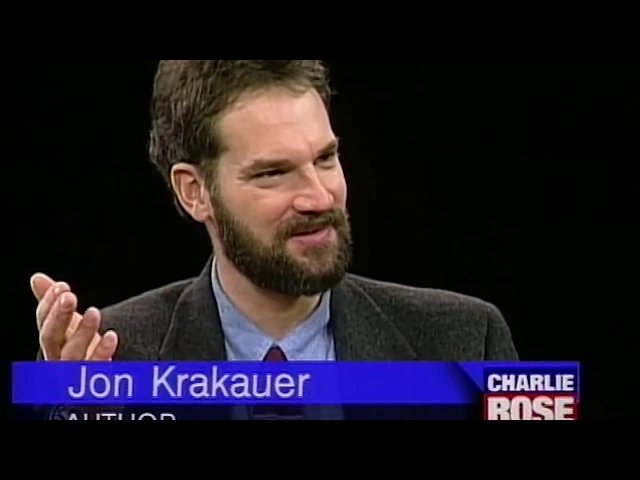
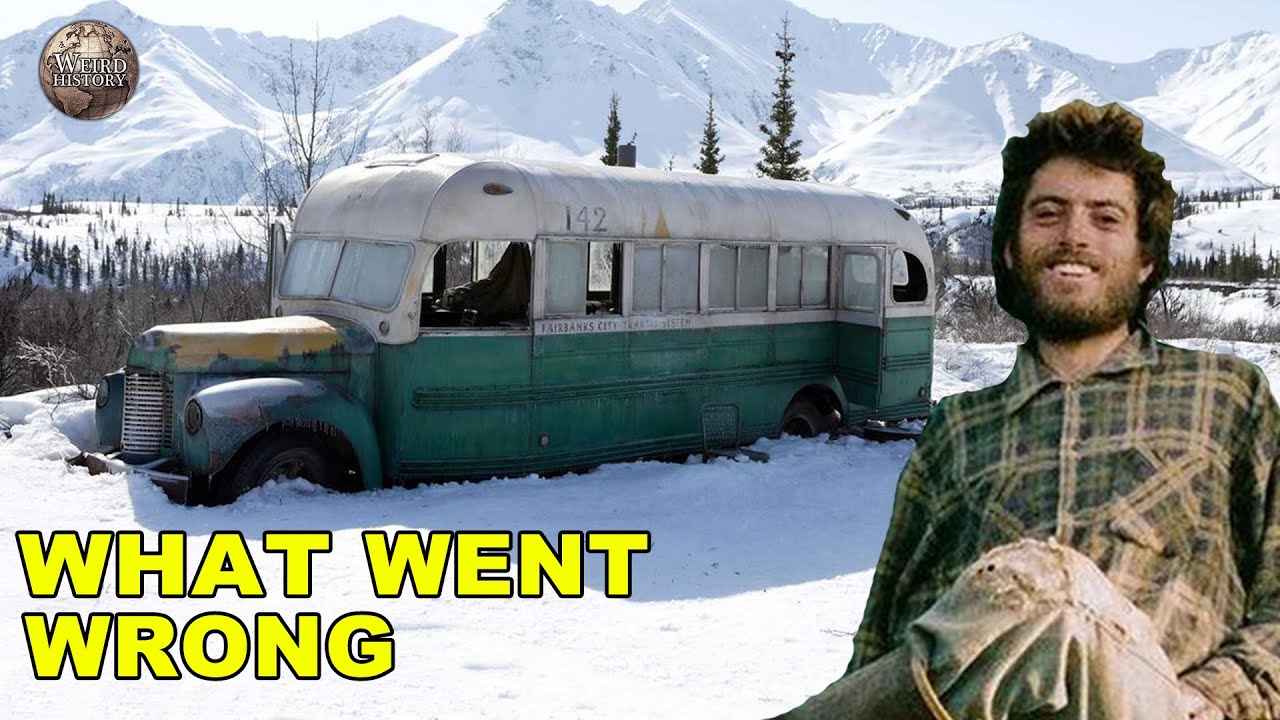
in April 1992 the young man named Chris McCandless walked into the Alaskan wilderness with nothing but a rifle and a bag of rice he was driven by the urge to challenge himself he was inspired by those embraced the American wilderness and the independence it provided but four months later his body was found at the site rate managed to survive alone for 113 days when John Krakauer was originally asked to do a story on this for outside magazine he didn't realize it would relate to it so strongly that it would provoke the largest reader respond to
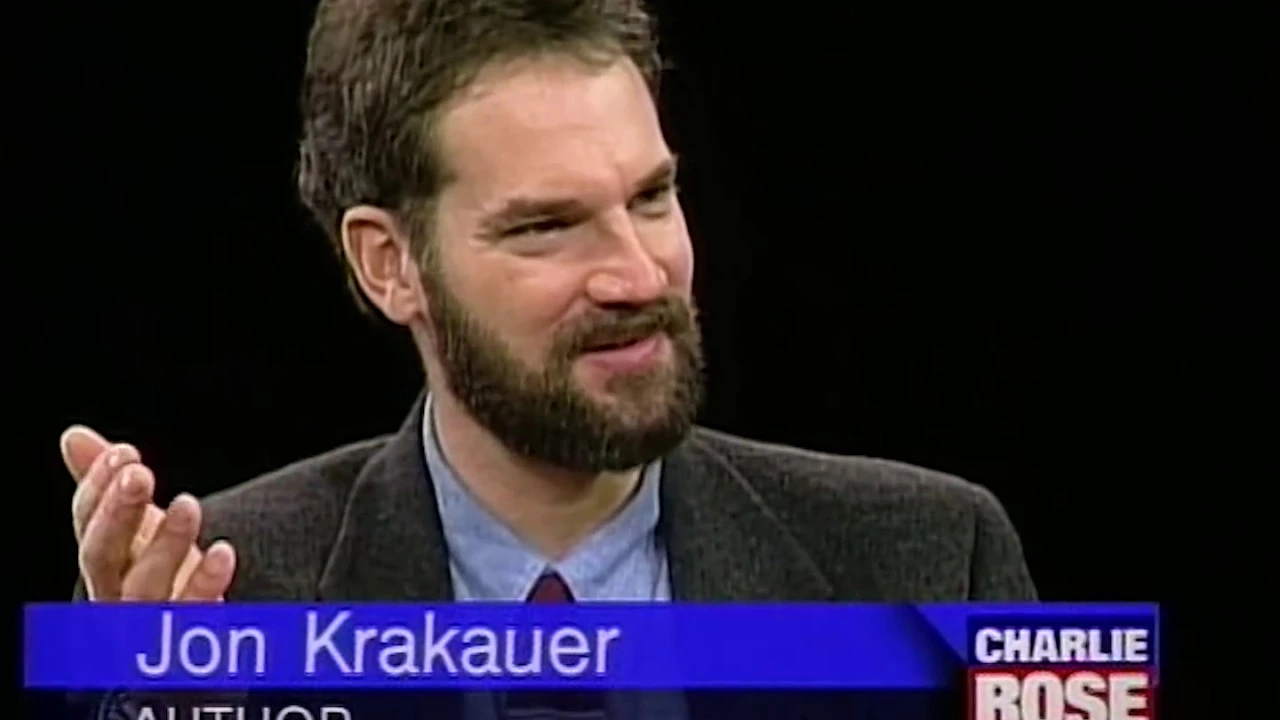
the magazine's history and that he would be compelled to write a book about this young man's Odyssey it is called into the wild and I'm pleased to have Jon Krakauer here to tell us about Chris McCandless and what he did and why welcome thanks this is really a story for you to tell and who was Chris McCandless why did he go to Alaska why didn't what did he seemingly want to up the odds of survival and why in the end did he meet the Fate he met he was a as far as I can tell
from birth he was sort of an extremists there when he was a little little kid by the time I was in high school he was a brilliant student a star athlete captain of the cross-country team in Annandale Virginia near DC where I grew up if I could be every parent's dream went to a Hemmer university was invited to join Phi Beta Kappa he declined it sort of offended him that seemed unnecessary silly honors him so init and elitism that wasn't answered by that time he was reading a lot of Tolstoy canaveri seriously began emulating accounts
Spartan lifestyle to a degree toodle armed his friends but they thought all Chris's distress be weird then he graduated from college I implied to his parents that he would see them in August and then he would go on a road trip so soon after he graduated he gave away a $24,000 trust fund to charity Oxfam the hunger relief agency and he hopped in his feed up with yellow Datsun that he loved and cause possessions into it and drove west as so many other people of drifters and dreamers and Questers of donkey is headed to the
open country and when he got west he abandoned his car in an inspired moment he burned the last caches while I 123 bucks he documented with a photograph he was so proud of it Tolstoy would project out of that too and he then he started walking through the desert through the Sierra Nevada pitching around with bums and vagabonds sleeping under a freeway abutments the next year and a half you just rambling around the West he was happy as hell you can tell us in his journals and he was having a great time all this time
you didn't ever contact his parents and in fact he scrupulously avoided letting them find them find him they had hired a private investigator a very good one and the guy never found him so all this was leading up to this great Alaska adventure this this grand odyssey in the classic sense of the word a journey that would transform him that would kill the false spiritual being with it as I think he put it huh it's sort of he had a streak of melodrama some people sneered him but he was a very serious young man he
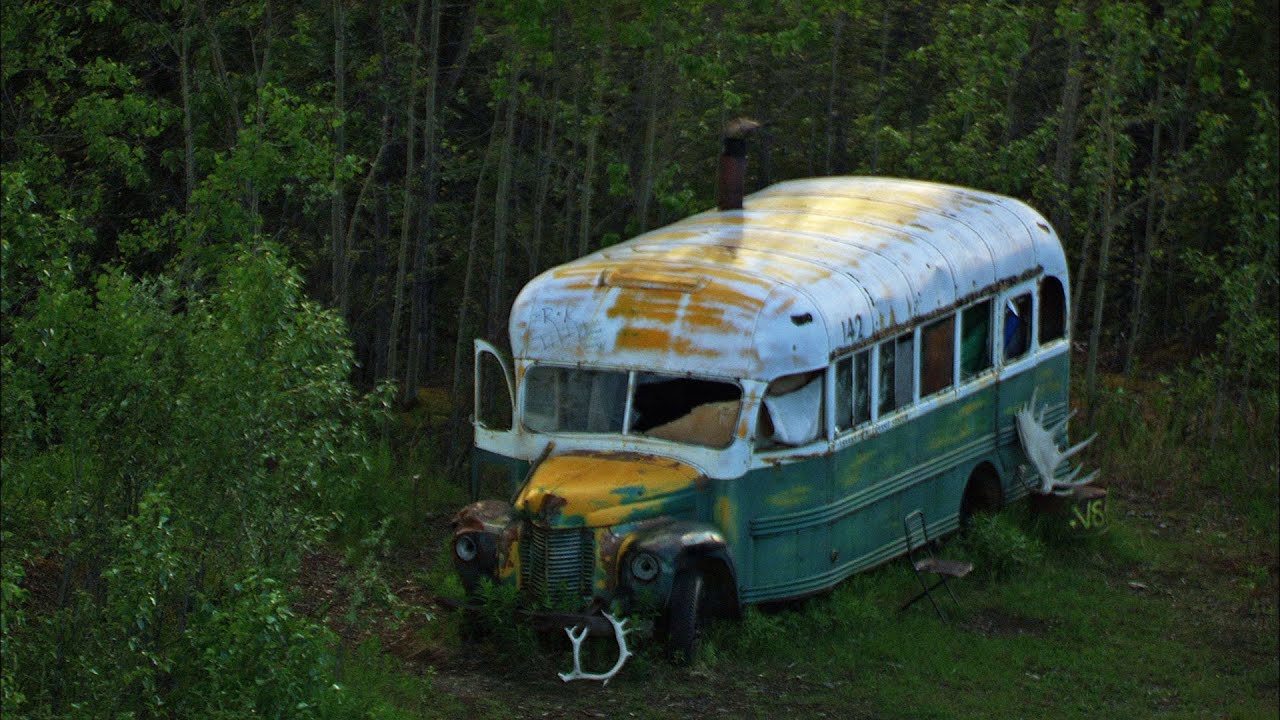
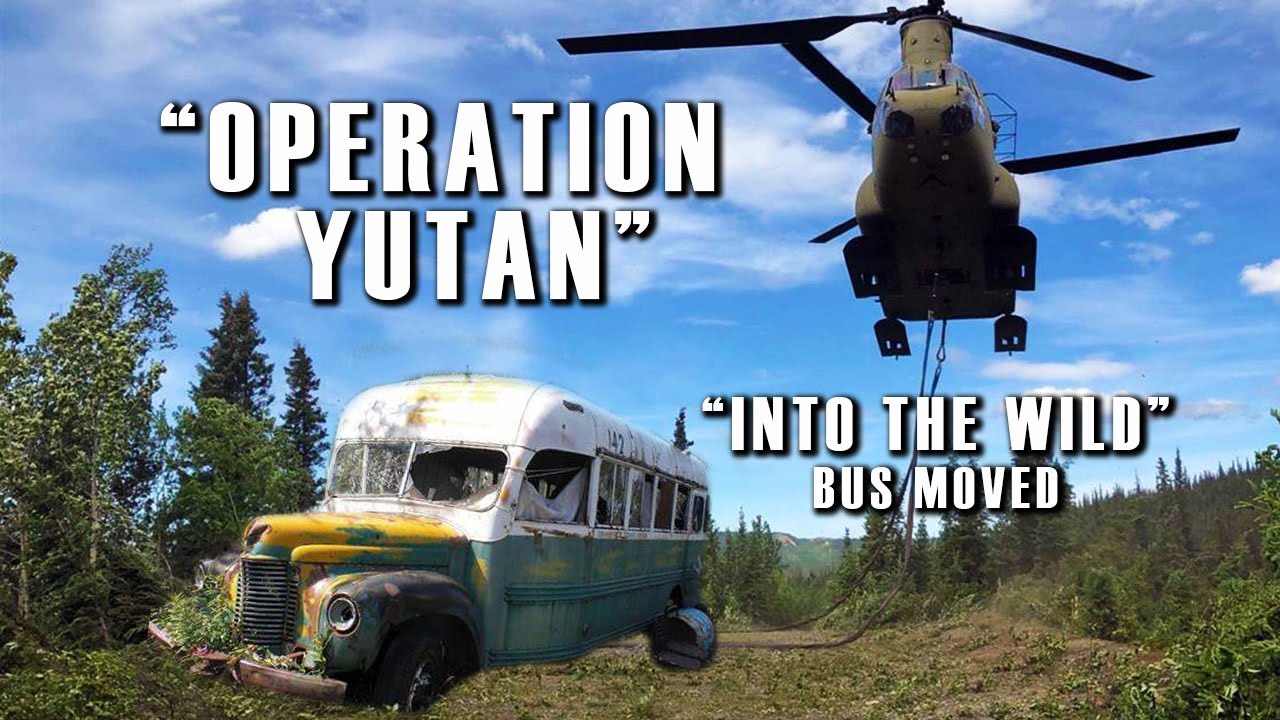
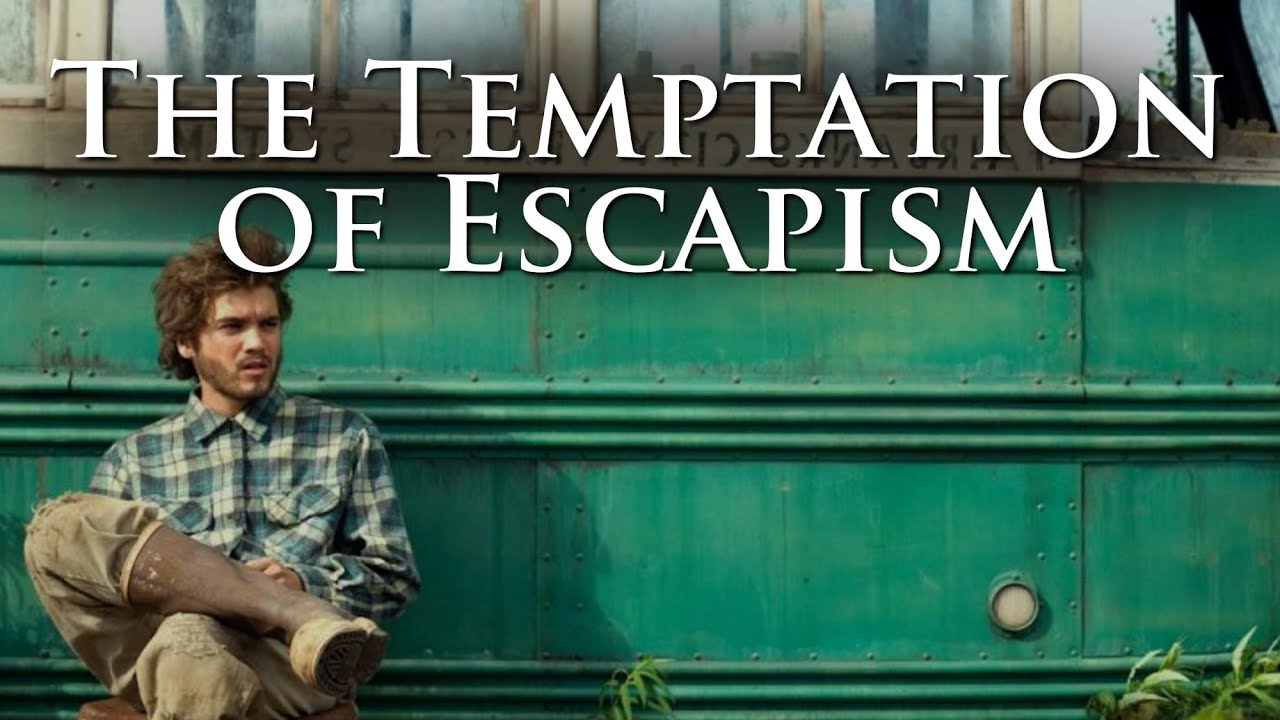
wasn't a thrill seeker this isn't bungee jumping he wasn't looking for a cheap adrenaline buzz he was a pilgrim in a true sense looking to go on a journey that would change his life he picked Alaska so many people have and still do because it's our last great wilderness and in the spring of 1992 he hitchhiked up to Alaska an electrician dropped him off at the head of the Stampede trail near Mount McKinley and started walking walking west and there a 30 miles in to his surprise he comes around a band and hears this bus
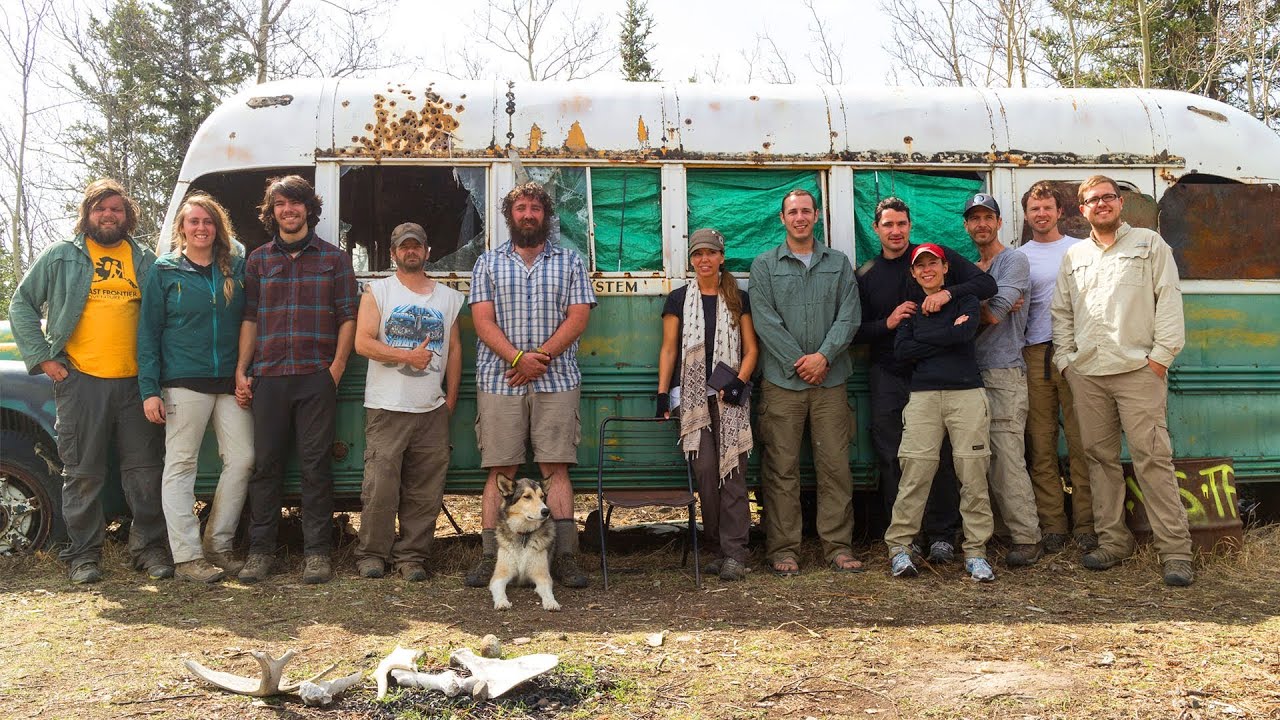
and abandoned bus it must have freaked him out it freaked me out when I went there doesn't make any sense that it's there but they tried to build a road in 1960 sort of a boondoggle go out the state of Alaska and I used the bus as a shelter for road workers the road was never built it just kept washing out before they even finish it and when I pulled their gear out they left the bus there and sort of a shelter for hunters and trappers and wait now that he was overjoyed carved he's incredible
this incredible graffiti in the walls sort of this its declarations of independence some it was quite he was doing quite well for to this Odyssey and then late after a few months he had a serious reversal of fortune that cooked his goose what did he do what happened is when he when he hiked in in April there's a big river that cross but it was largely frozen over one small channel had to be waited in July when he tried in July he determined that he'd done everything he wanted to do the adventure was a success
he killed the false being win or whatever and he was going to hike out this is you know this from his journal his journal was clear I mean he has this list of things to do before he hikes out shaved you know pack and he has a picture himself shaving and all these things he talks about hiking out he gets to the river and he freaks out because in Alaska there's essentially 24 hours of sunlight a Sun is hot its melting all the glaciers in the nearby Alaska range and this river the volume is 10
or 20 times what it was we cross in April it would have been suicide to try to board it he couldn't have so he did this prudent thing he thought well I'll just wait till another month or two and go down the fall so he hiked back to the bus he was doing okay was killing enough food to eat gather enough berries so in his mind it was no big deal but then he ate a plant that did him in and that's sort of the crux of the story he'd been eating the same plant for
most of the summer it's a it's a skull eskimo potato the natives use it it's a staple of their diet it's a root it's sweet its succulent is really good but in in summer it gets tough you wouldn't you can no longer eat it so he said well this is an edible plant now seeds are coming out I'll start eating the seeds what he didn't know is this is a member of like legume family which typically produce alkaloids poisons and they concentrate them in the seeds at certain times of years of defense against animals even
so when he started eating these seeds he was poisoned and he remarks as much in his journal he says extremely weak fault of potatoes he knew it but it doesn't kill you outright it it's this insidious poison that prevents her body from the tablet izing whatever food you doing so he was eating but he wasn't getting any sustenance in or how much he ate would just go right through him is growing weaker and weaker at some point he realizes he's going to die he he pens a farewell he rips a page out of a novel
by Nikolai Gogol and pens is he moving farewell note walks out on his last strength holds up the note no farewell to the camera and it's these looks terribly and they say and it's a very you know brave and moving picture he has this peaceful look in his eyes is he sort of he knows he screwed up he's not blowing anyone but himself I wasn't quite moved by it and you know died by starvation is a terrible way to die it's one of the works yeah you convulsions chills hair falls out your skin does weird
things that most people in that situation would have taken a gun which he had and shot himself here's a picture of him doing the famous way to the camera with the note here is a picture of him said obviously taken with his own timer self timer he shot his own food he killed his own food but once he killed all the Bison what was it he killed he killed a moose and he would've been fine if you don't have preserved the whale addict is airtight so it rotted and he felt really bad is it is
an inherent of Tolstoy you know herbs and fun and thorough he he thought wasting anything you've killed is unforgivable unconscionable so he had this crisis of conscience after the moose from when she sort of recovered but he he probably wouldn't have killed another moose because he knew Lee he couldn't make use of all the meat then he felt guilty about that yeah felt bad about that how was he found he was 19 or 20 days after he died the river had gone down and some moose hunters had come into the bus as they do every
year to hunt moose and they they smelled a terrible smell coming to the bus and they come both of us yeah they freaked out no one would go in at first and then some normal senators come and when it came to one of them looked in and poked at the sleeping bag of mattress and so I had and they called the Alaska skate state troopers who remove the body removed his possessions the heaviest thing he carried in was a paperback library nine or ten paperback books Tolstoy Thoreau Pasternak and in the books he filled the
margins with scribblings and underlined these and those were the most useful things are figuring out his mindset so the cops took that took the body took his rifle and did an autopsy they still didn't know who he was because he didn't as a matter of principle he didn't carry ID you'd like to flout the laws of the state as thorough so it took another couple weeks before they identified him that he was a kid from Annandale Virginia his parents were devastated are devastated till his day completely baffled you know I don't know I mean everything
we have about this we know from his journals right his journals his photographs and it's journals a very terse and cryptic and haunting but they don't spell everything out he wrote a couple letters to his sister just before he disappeared and that's her the last real communication with his family how did you find the story how did I do the VA right no no I mean who brought the store to your attention I first saw did it for outside man I first saw a blurb in the New York Times before that identify him and mediate
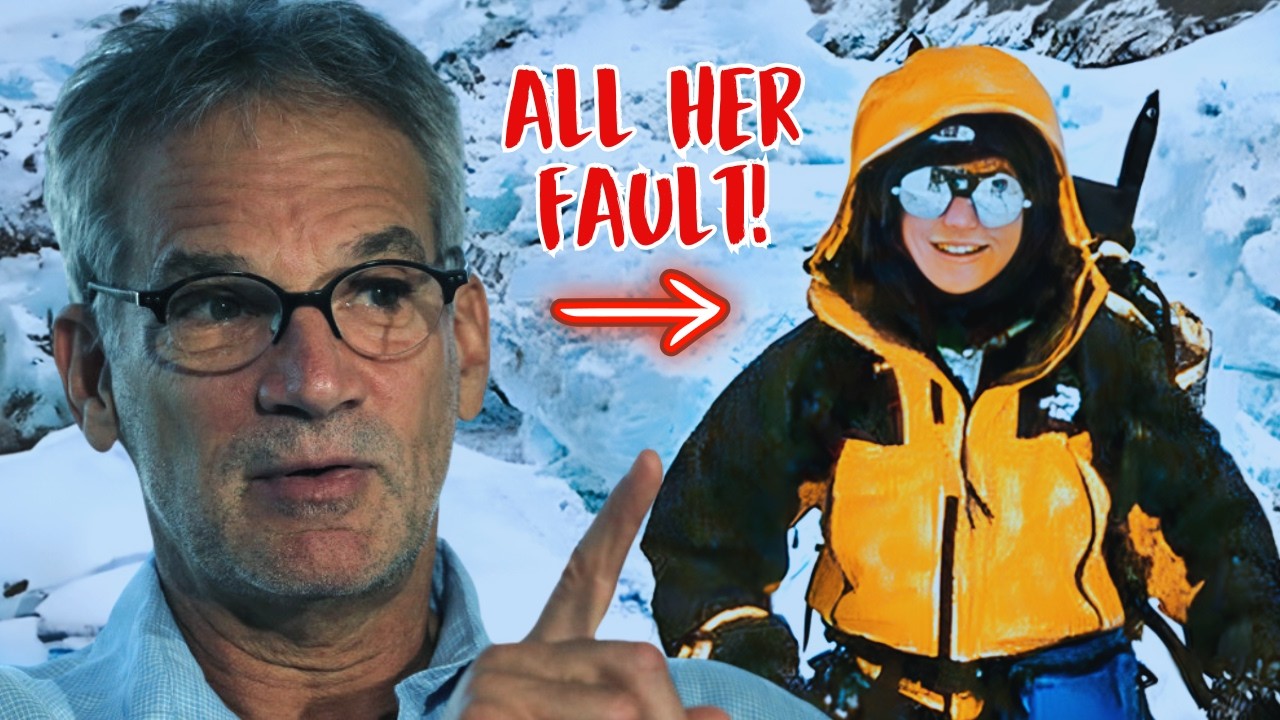
just got chills on my back it's something instruct a personal nerve and personal nerve well I was when I was 23 I was young and reckless and it is similarly stupid trip in Alaska very serious climb a major solo expedition in the Stikine ice cap to climb a mountain called The Devil's Thumb and I was very lucky I survived if I hadn't people would have set a set of me as they now say of Chris that I had a death wish I know I didn't said people say he was out to kill himself I feel
strongly that he wasn't I mean it said what was your wish the same thing I just it's hard to articulate because it defies logic I thought if I take a challenge that was hard enough and succeeded everything thereafter would be all right I mean it's it makes no sense but I was convinced to this it was not it that I would get rich it was just in some spiritual sense that you would feel so good after doing something this hard that you know it's a long tradition of people who've done this John Muir did that
over and over again throughout his life people think of Muir as this stayed founder of the Sierra Club's conservationists but he was a wild man as youth he was always doing reckless things climbing the edge of waterfalls climbing Peaks he writes repeatedly of almost dying he thought you'd like to climb 100-foot Douglas fir trees in Gales and ride out swinging back and if I do that as a kid you know I but I did I mean it was a big tree envision you dip it in a wind during the storms it would just swing and
so you would enjoy the thrill of sort of being in motion as well as the notion that it was a little bit defying somebody or something I think you know there's something going on here there's a it's almost a classic rite of passage that we have in our culture and through history many cultures have had these were risk-taking is something young man and sometimes young women feel they must do are compelled to do and it takes many forms whether it's driving too fast or drinking too much right going to the wilderness is why it's so
easy for armies to draft young men in a war that you know it's this population group that wants to like stayed you have taking risks and proving their manhood and this may be the answer to my next question which is you wrote this story for outside magazine and there was a huge response right right then completely resonated for all the reasons we're talking about and have maybe others what else um you know I think a lot of people vicariously have thought about Chi is this fantasy this is an American fantasy this romantic notion to go
into the land live off the land it's something we've always had this wound is up thinking about canoe down the Amazon all that Huck Finn from Huck Finn on and we have many literary examples and he was you know he read too much maybe maybe I mean maybe this is a problem with people who read too much and don't discriminate between the constructions of the imagination and he did things though he didn't take a map I mean they might not have made a difference and he had a map it would have because here's the deal
with a map this people really get on his case for this is the map would have showed that when he tried to walk out across the river in mid-june or mid-july whether there was a steel cable quarter mile upstream Google car on it if he'd met and I was indicated on the map it was a USGS survey station they know about that he could have hiked upstream hopping this car across the river he would have come out survived we would know none of this but because he didn't have a map you didn't know about that
there's no reason for it to be there he did the prudent thing went back to the bus and the reason he didn't take a map it wasn't because he was stupid it was because he wanted to up the stakes he wanted to increase the challenge a challenge in his mind which a successful outcome is assured is not a challenge and he wanted to find a blank spot on the map as explorers always do in this day and age where there are no but blank spots on the map you have to contrive or we have to
leave the map behind it's an elegant solution to the problem how did this story change your life if at all other than the fact that you felt compelled by it and after writing a magazine article had to write a book no I did it I relived and rethought some of the many things in my youth that the trip I did and why I did it Chris had a stormy relationship with his father as I did so I read all this ground and it was hard it was hard to write about but so I think I
know a little bit more about myself there's nothing profound I mean wisdom comes incrementally and this was maybe a large increment but it may be and the search was for for what Chris's surgery I saw both I mean I had been climbing the mountain more than I do in a sense up in the wrist the search in him was what's to parity thing it's it's something about if you have self doubts you think you're a crummy person you don't he had incredibly high standards they said for everyone especially so and he felt he was always
fail yourself he didn't run the race fast enough you know he wasn't sure enough in his thoughts if he could do this sort of stick out this challenge I think it would is the same sort of thing that outward-bound does when he send those kids out to illumine it's a rite of passage yeah yeah so make you more self assured that one other question about his journey there was no way that he could other than if he without a map that he could have gotten over that River he know there was you bet us again
he wasn't an experienced Alaska him if he'd walked two miles upstream where the rivers braided it spreads out gets shallower I crossed the river that seems a year later roots in similar flood stage I crossed the cave on the way over and waited on the way back to see if it could be done and it could be done but he wasn't a good swimmer it was very scary and you wouldn't do that if he hadn't done it before and we sort of knew that we could get away with it but he did that he acted
smart he did that he acted wisely and not trying to cross the river not given that he didn't know this cable was quarter mile away Jon Krakauer the book again is called into the wild tomorrow night Jodie Foster met to Kassovitz will be here he is the director of new film called hay also retiring editor of Cosmo magazine Helen Gurley Brown we'll see you tomorrow night