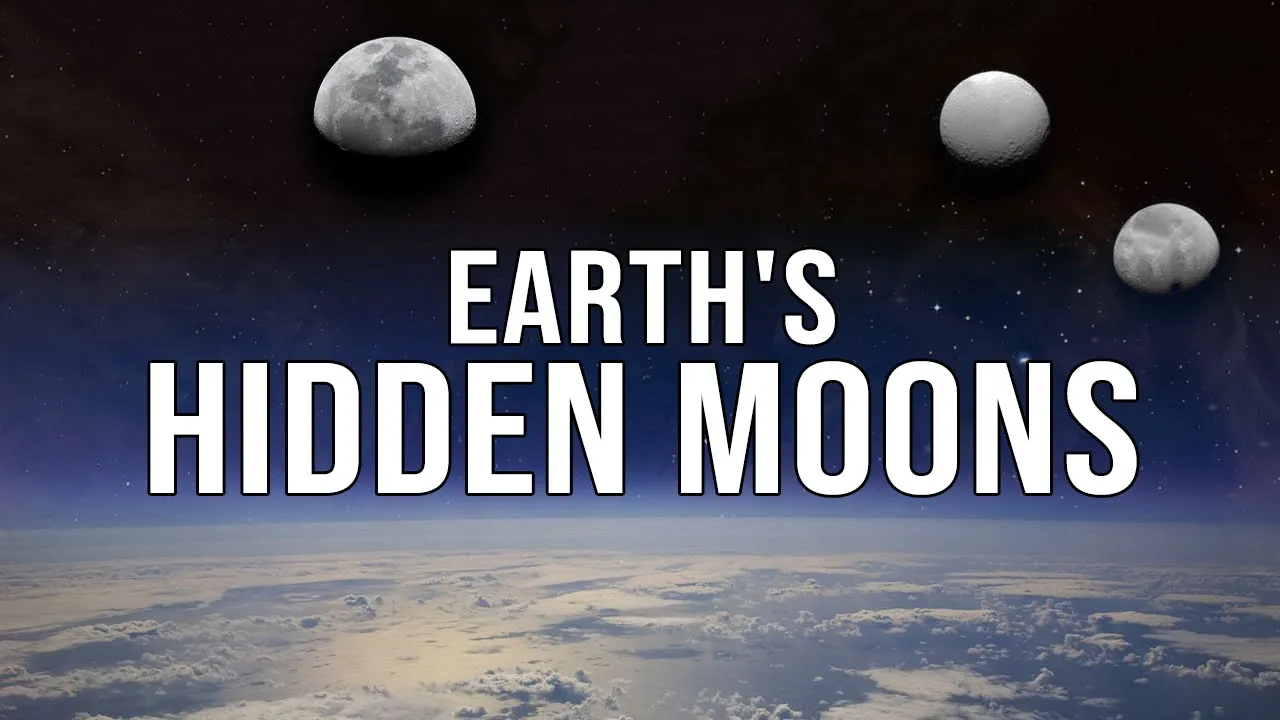
when we look across the solar system more than 290 fascinating moons have been observed most of which orbits the gas giant planets Jupiter and Saturn our planet Earth contributes just the one to this list the moon but is this big bright gray neighbor of ours really the only natural thing orbiting us since the 19th century there have been several interesting announcements from certain astronomers claiming to have discovered a new moon of Earth the French astronomer Frederick PTI for example announced in 1846 that he had observed a second moon although his Discovery gained a lot of
attention at the time it was soon dismissed by his peers largely because he placed it at a distance of only 11.4 km from Earth which is roughly how high commercial airliners fly German scientist Dr George volou announced in 1898 that he had located not only a second moon but also a system of tiny moons orbiting Earth his Discovery however could not be confirmed and was widely considered to be false even the man who discovered Pluto Clyde tomow studied the possibility of a second moon only to release a report in 19 19 59 that stated he
had found nothing during his search So based on these previous attempts it seems Earth really does only have one moon or does it because there is a far more interesting answer that implies our planet has had many moonlike objects over the years and that it currently has far more than you might think you're watching v101 space my name's Rob and if you enjoy my videos then remember to subscribe and tap the notification Bell to never miss an upload when earth first formed around 4.5 billion years ago as far as we know it had no moons
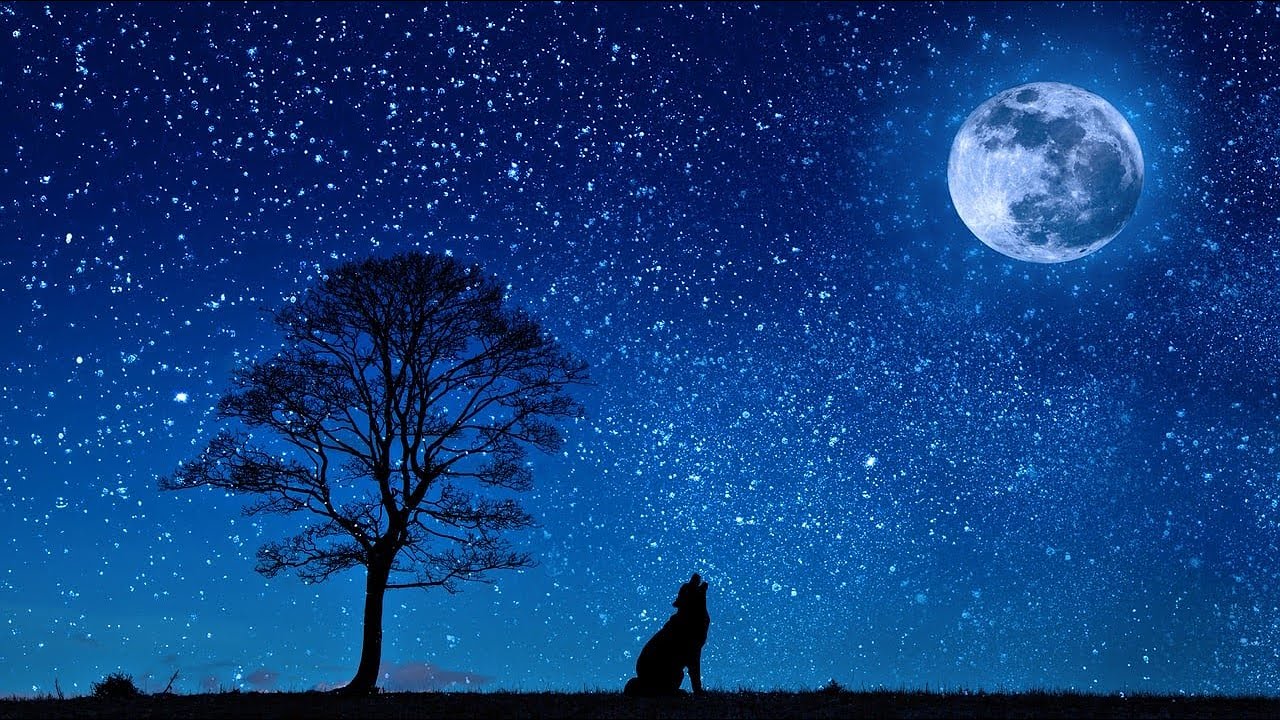
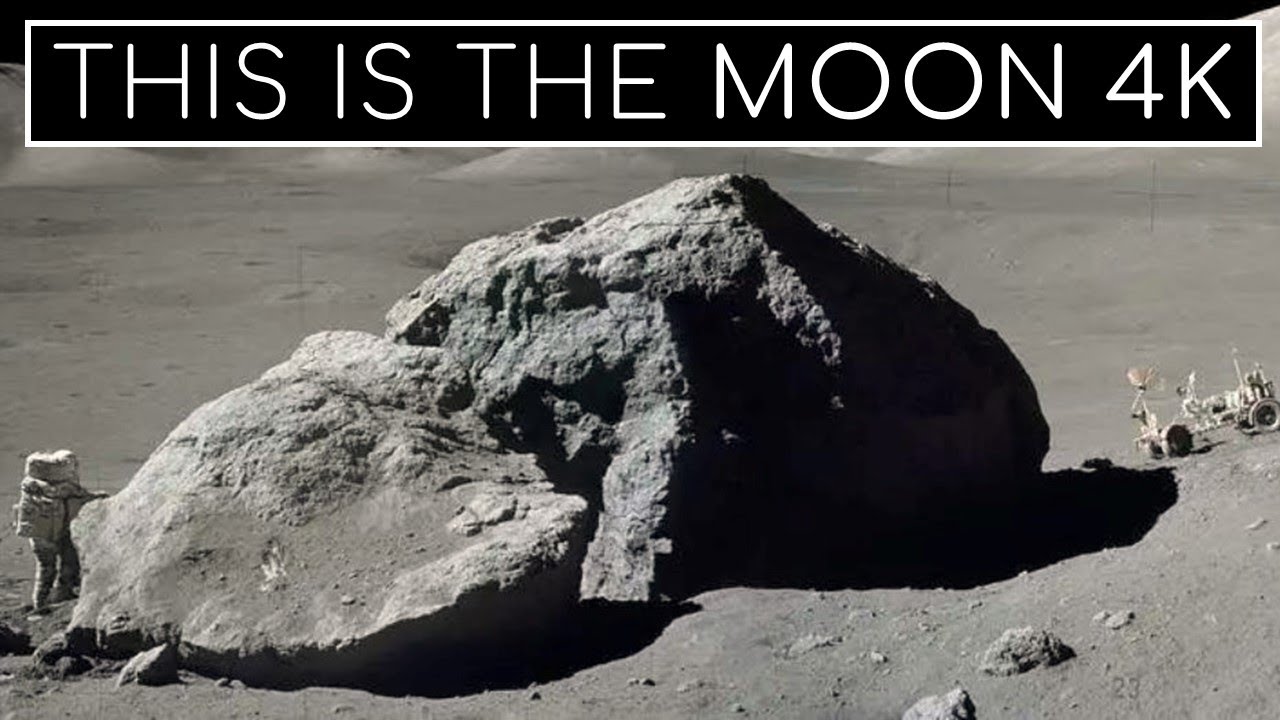
but that soon changed when according to the giant impact hypothesis a mars-sized protoplanet nicknamed Thea collided with the young Earth causing large chunks of debris to be blasted out into space this orbiting material eventually coalesced and formed the Magnificent Moon we see today some astronomers have speculated however that there may have been a companion Moon very early on in Earth's history an impact with this other Moon may help explain how the moon's near side is low and flat and is dominated by volcanic scars whereas The Far Side is mountainous and deeply crated however however other
processes can also account for these observations so the other Moon idea is still hypothetical it seems the Moon is our only permanent natural satellite but despite the previous fraudulent mistaken or failed attempts to find a second moon over the last few decades other mysterious objects have been discovered in orbit around the Earth in 19 91 for example a small object was spotted that seemed at first like it might be an old piece of NASA's Apollo Hardware but further examination indicated that it was of natural origin the mysterious object that became known as a sort of
second moon of Earth at the time was called 1991 VG and wasn't anything close to the Moon we are so familiar with in fact it was only reported to be a mere 10 m in diameter but it was the first of its kind observed to be gravitationally bound to the Earth at least for a short period making it a Mini Moon it soon became clear however that 1991 VG was a temporary Moon as it only orbited Earth for a few months it became one of only a few temporary satellites ever discovered so could it be
that Frederick p and Dr George volou who spent years searching for new elusive moons of Earth were on to something could they have discovered temporary moons possibly the earliest known mention of a temporary Moon occurred in 1913 when an odd and still unexplained parade of meteors lit up the night sky over Canada the Northeastern United States all the way down to to Brazil the origin of the event called the great meteor procession of 1913 is still a mystery however many astronomers theorized that it could have been a shortlived natural satellite of Earth a temporary second
moon that's partly burnt up in Earth's atmosphere these momentary moons tend to be small objects which have been captured by the gravitational field of our planet and so have become our planet's natural satellite but unlike other moons will eventually either leave its orbit or collide with Earth however temporary mini moons aren't the only things orbiting us it seems because in 1961 a report announced the existence of so-called ghost moons the ghost moons which are also called cordal Linsky clouds were report reported as dust clouds too faint to see with the unaided eye that orbited the
Earth on the same path as the moon for nearly 60 years ghost moons remained a matter of controversy until in 2018 when they were confirmed to exist the clouds themselves are enormous nearly nine times wider than Earth according to the study and are made up of individual particles estimated to measure just a micrometer across sunlight reflecting of these particles make them glow ever so slightly but they are extremely difficult to see although ghost moons are fascinating they are also extremely tenuous and they hardly seem to qualify as moons even though they do orbit the earth
however there are also many other space rocks that appear to orbit the Earth but that are more affected by the Sun's gravity these are called quasi satellites or quasi moons they do not follow Earth's orbit but they do take 365 days to orbit the sun just like our planet making them appear to be in orbit despite being mostly outside of Earth's gravitational influence then we have Earth's Trojans which again do not necessarily orbit the Earth but instead move along the same path just in front or just behind in locations called lrange points these are places
in our solar system where the gravitational pull of any two planetary bodies as well as the motion of their orbit combined to create an equilibrium they are points in space that are gravitationally stable objects that we send to these locations either tend to stay there naturally or can be kept there with minimal energy because the forces are in Balance NASA has taken advantage of these lrange points most famously with the James web Space Telescope which orbits the Sun at Earth's lrange Point number two allowing the telescope to stay in line with Earth as it moves
around the Sun and retain that orbit using very little fuel only two Earth Trojans have ever been discovered both in lrange point4 and although they are small one being only 400 m across and the other around 1 km across they may become fairly significant to us in the future because they could be ideal places to build bases for an advanced exploration of the solar system or they could even be a great source of resources they would be attractive targets for fast lowbudget robotic space probes possibly making them logical places to run early experiments with asteroid
mining since tests could be sent up and retrieved them much more quickly than would be possible for a mission to say the asteroid oid belt for Generations many astronomers have suggested the possibility that Earth may have more than one Moon and although we now know that the Moon is our only permanent natural satellite we also know that there are many mini moons out there as well that come and go and that one day may also have the imprints of an astronaut's boot on its surface as well [Music]
![The Insane Science of Neutron Stars [4K]](https://img.youtube.com/vi/qX6h72IyKSo/maxresdefault.jpg)