One of the most striking episodes in the history of work in Brazil is also, unfortunately, one of the least remembered. When we talk about the Second World War and Brazil's participation in the conflict, we immediately think of the Expeditionary Force and its importance in the Italian Campaign, in which our soldiers faced the Axis forces. However, Brazil did not only participate in the war by sending soldiers, but it was also fundamental in the war effort, that is, by supplying raw materials to the Allied forces.
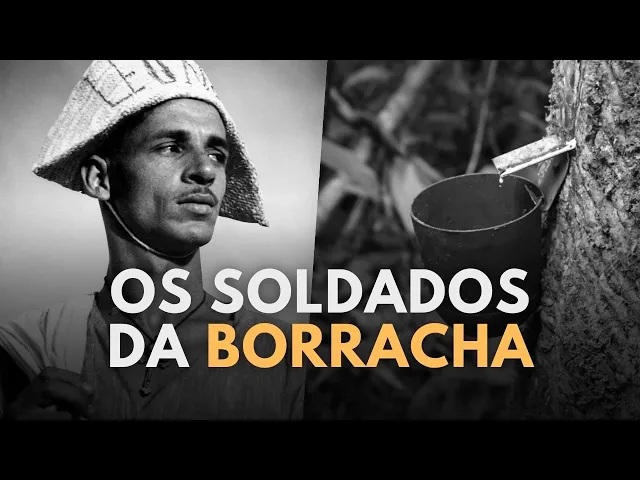
In today's video, we're going to talk about the forgotten story of the rubber soldiers. In 1942, in the midst of World War II, Japan, then responsible for 97% of the world's rubber production, in retaliation, cut off supplies to all enemy countries. As rubber is a fundamental raw material for the war industry, Japan's action left many of the countries at war, and especially the United States, in an alarming situation with low rubber stocks.
Rubber was effectively the raw material that was most at risk of running out and therefore could paralyze the North American war machine. A commission was then convened by the American president at the time, Franklin Delano Roosevelt, and, after studying the possibilities of new sources of supply, concluded that the Amazon had a number of rubber trees capable of producing 800 thousand tons of rubber annually. More than double North American needs.
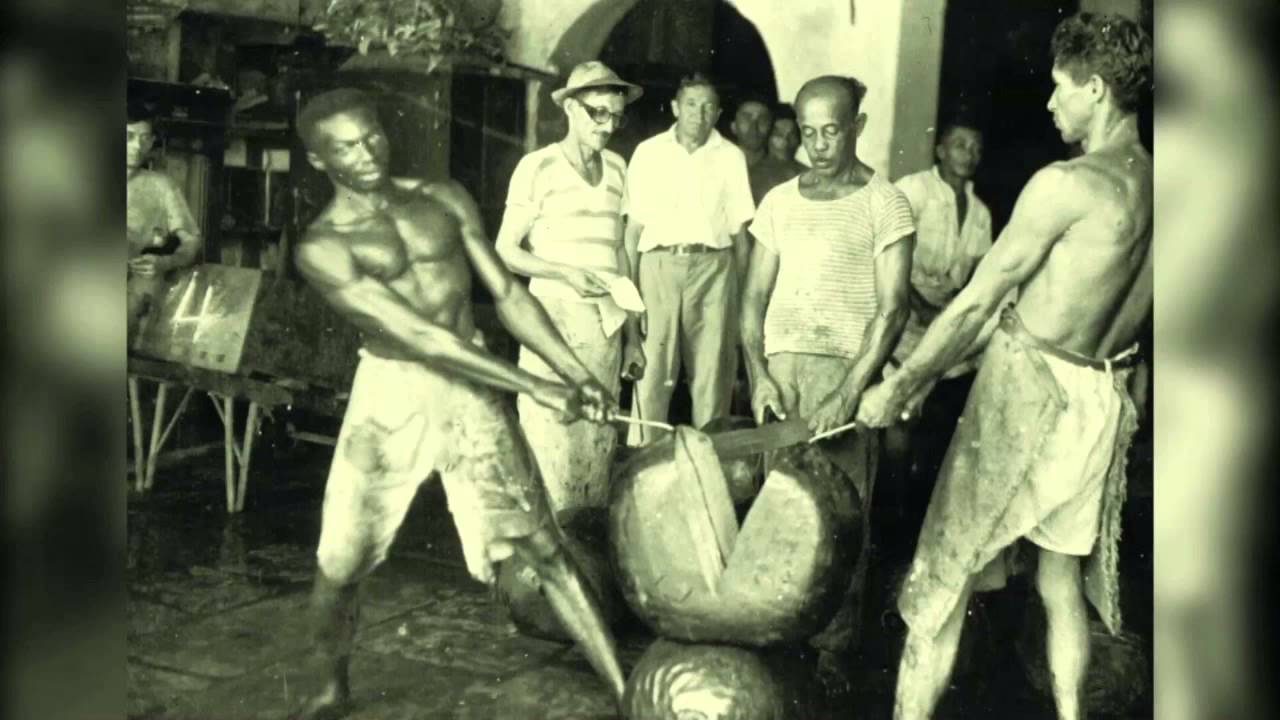
However, there was a problem. Despite the indicated potential, at the time there were only 35,000 active rubber tappers in the Amazon, when, in reality, around 100,000 men would be needed to raise production to the desired levels. It was in this context, in the midst of the Estado Novo Dictatorship, and as part of the Washington Accords, signed with the United States, as a result of Brazil's entry into the Second World War, that the country committed to increasing production to one hundred thousand tons per year.
rubber production. The American government would provide strong financing for rubber production in the Amazon, while the Brazilian government would organize the sending of large contingents of workers to the rubber plantations. In a large mobilization across the country, Getúlio Vargas, then president, made many promises to those willing to collaborate.
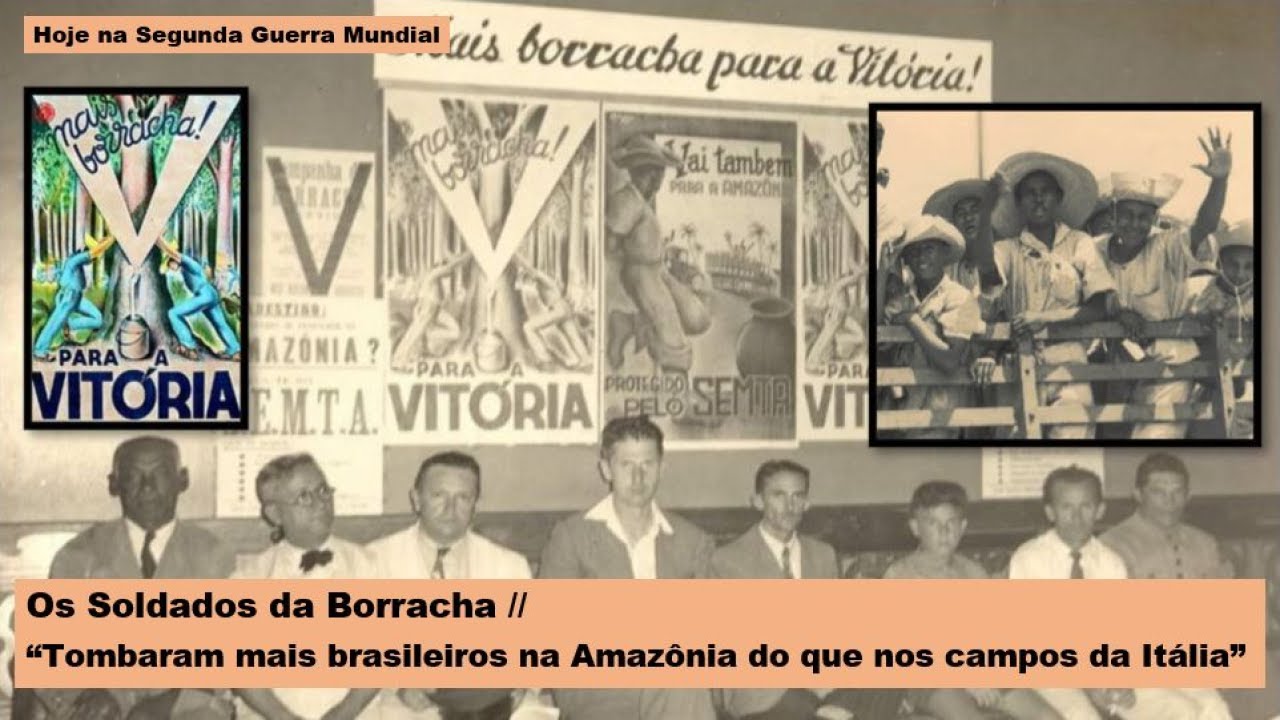
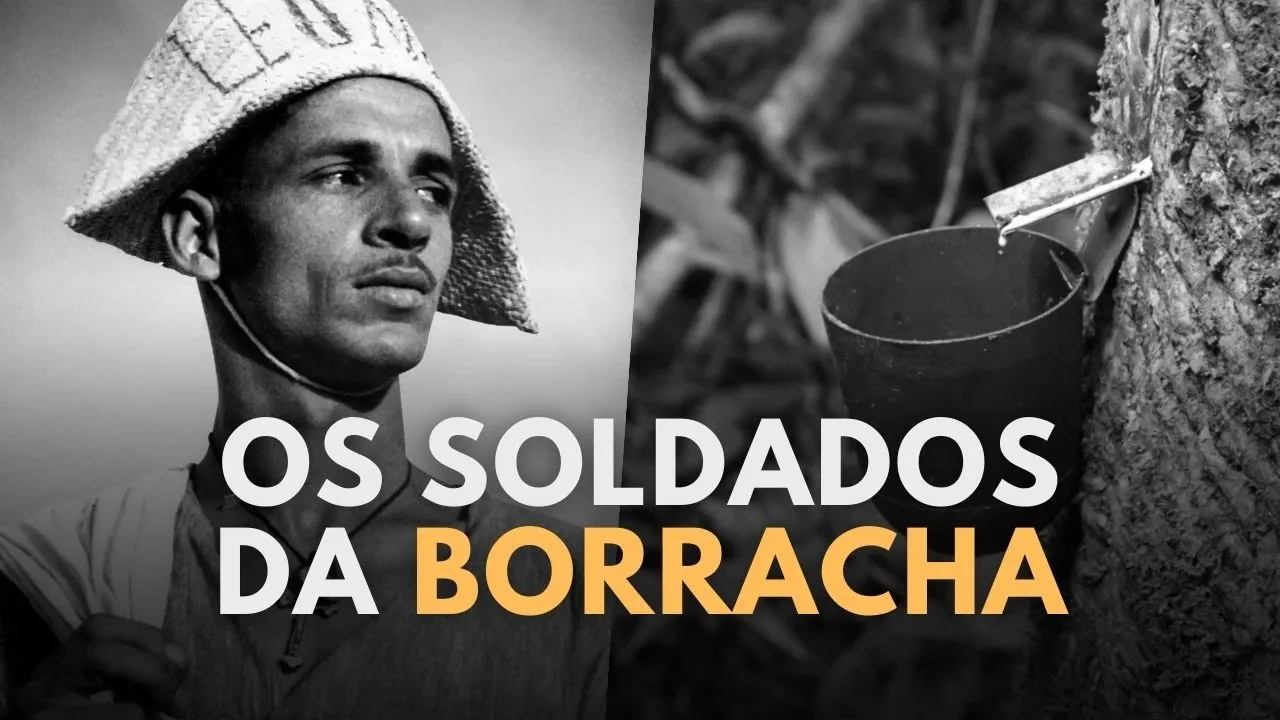
With the creation of the Special Service for the Mobilization of Amazon Workers, the government provided a small salary for the worker during the trip to the Amazon, and, upon arrival, a remuneration of 60% of all capital obtained from rubber. Furthermore, intense propaganda promised to initiate new colonization plans for the region, with land distribution, at the same time that the drought that, in 1942, ravaged the northeastern hinterland was once again highlighted . Compared by the government and the press to soldiers, which earned them the nickname “rubber soldiers”, the workers were involved in a true war effort.
Little by little it became clear that voluntary enlistment would not be sufficient to meet the expected amount of production. The forced recruitment of young people began, focused mainly on the population of the northeastern hinterland. Families were offered only two options: either their children would go to the rubber plantations as rubber soldiers, or they would go to the front in Europe.
It is not difficult to imagine that many of those young people preferred the Amazon. I'm leaving for the Amazon Goodbye princess of the north, goodbye Whoever leaves Leaves crying Who stays crying in pain Goodbye, goodbye, goodbye Goodbye everyone, my love Whoever leaves is missed and missed For someone who is left crying in pain I'm leaving for the Amazon And God will take me. Ready.
Treated, at the beginning of the campaign, as true war heroes, the rubber soldiers soon encountered numerous problems: in addition to the difficulties in reaching the Amazon, as the journey took more than three months, in terrible transport and food conditions, they suffered from the total lack of medical assistance or the numerous conflicts between workers and landowners. The result speaks for itself: of the 60,000 rubber soldiers sent to the rubber plantations between 1942 and 1945, half ended up dying in the Amazon or even on the journey. To get an idea of the numbers, just remember that, in the same period, of the 20 thousand Brazilian combatants in Italy, only 454 died.
In 2019, Ceará filmmaker Wolney Oliveira released a documentary called “Soldados da Borracha” telling this story of the fight for recognition, both from the population and, mainly, from the Brazilian State. The documentary was filmed in the states of Ceará, Acre, Rondônia, Amazonas, Pará, Rio de Janeiro, São Paulo, and Brasília, and features moving interviews with surviving "soldiers" and other characters involved in the saga. It is an important work to understand the story of these soldiers and to recognize the importance of this story that is still little known.
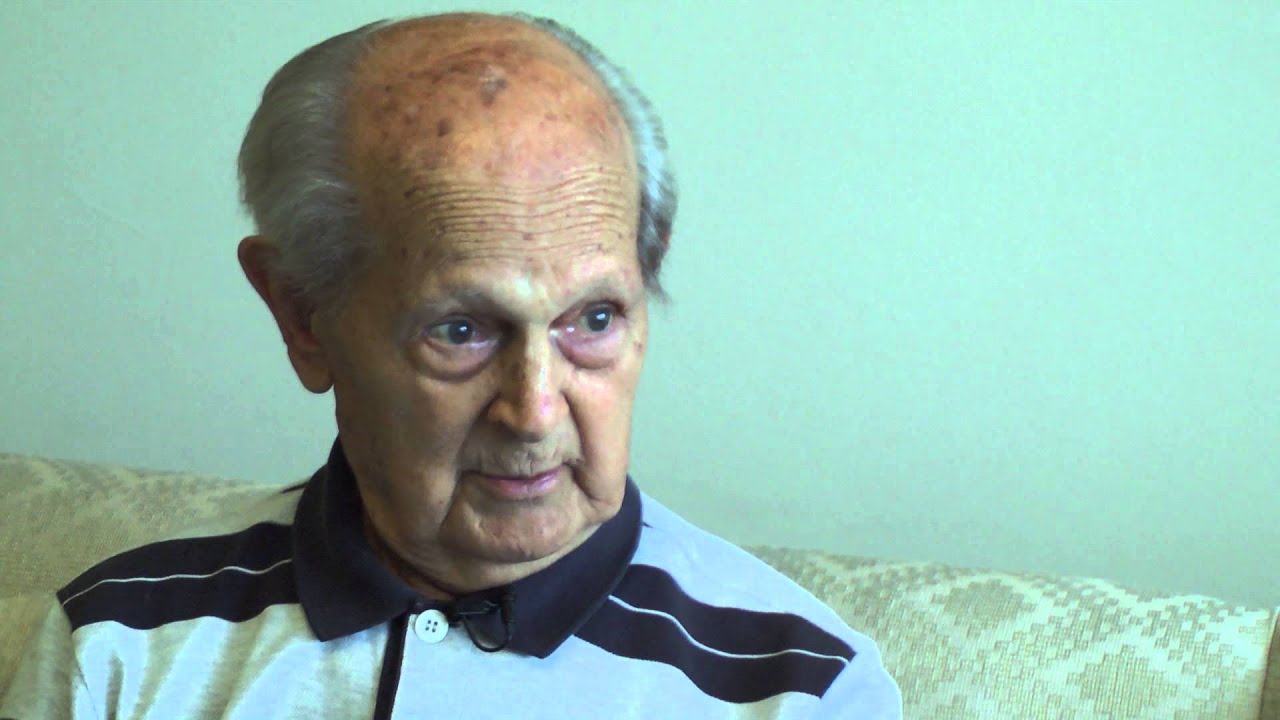
Unlike the Pracinhas, they were only recognized as combatants in the Second World War, forty years later, in 1988, and only with this recognition were they entitled to a lifetime pension worth two minimum wages. Many of these soldiers still fight today for recognition and to fulfill their promise of receiving the same pension as the military. - Boy, the promise was like this - When I arrived at the base in Belém do Pará - Then Colonel João Deus da Costa - Then he said: look, my son, when the war ends, you will be well compensated.
- It was true. - You have a lifetime license for the rest of your life. - It was exactly.
- Then you lead your life well - But when the war is over - It was exactly. - And none of that arrived. - None of this came to us.
- He promised that when the war was over we would return to our homelands - Let's not go back again, right - And see if he can still do something for us - That's not possible! - They have the right to be recognized as Rubber Soldiers - Along with those who fought on the War Front. - They promise it will work, but it doesn't.
- When you win, you forget about us. - We were, we are people who forget politicians - I don't believe in any politician, sir - The politician I believe in is Our Lord Jesus Christ. - He's the only politician I - He's the one.
. . who gives everything to us.
If you liked this video, be sure to like and share it on your social networks, this way you will be helping our project grow and reach more and more people. Stay tuned to our social media to find out what's new from our team. And if you have any questions about the content, suggestions or complements, feel free to comment below.
Thank you very much for your attention. Happy studying and see you in the next video!