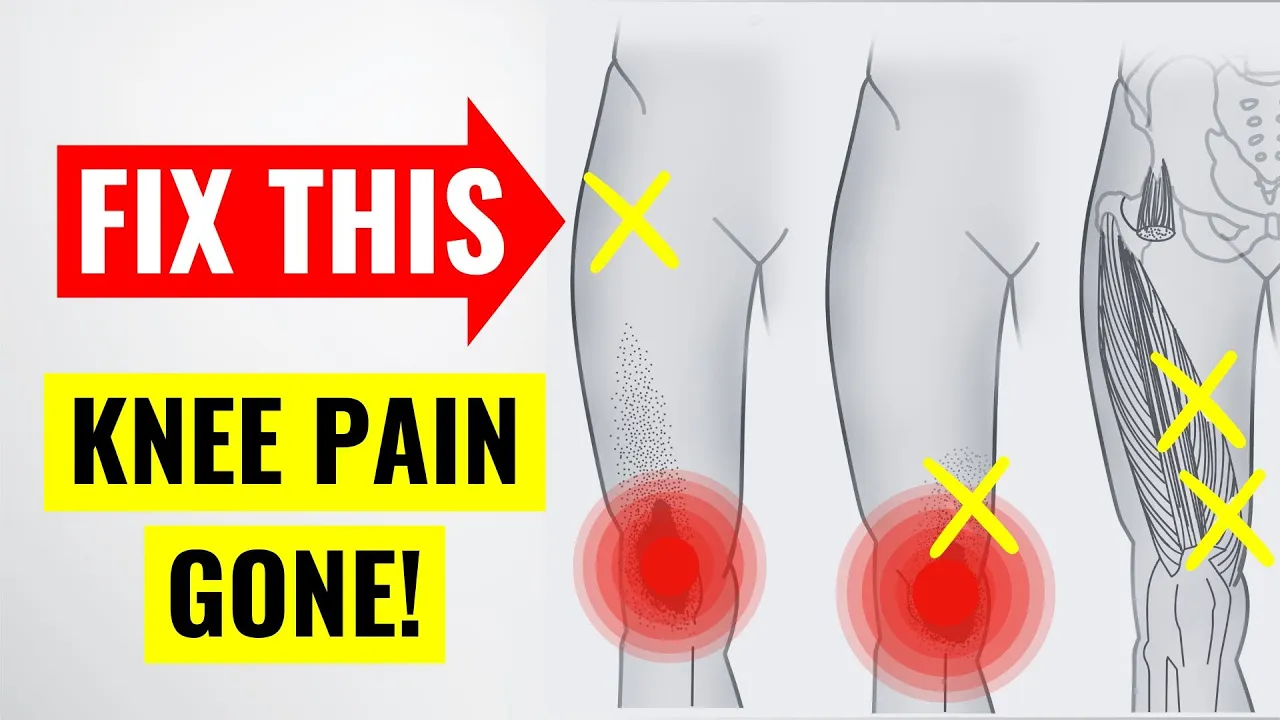
the real culprit behind many knee problems is often myofascial trigger points within the vastest medialis oblique the vastest lateralis and the rectus femoris muscles I've seen countless patients suffer for years bouncing from one Orthopedic provider to another and undergoing Physical Therapy without relief however when we address these trigger points the results are astonishing after just a few sessions their pain vanishes allowing them to walk run hike and even do squats painfree hey everyone Dr Jeff Pang here myofascial trigger points might be one of the most common causes of chronic and persistent pain yet they are
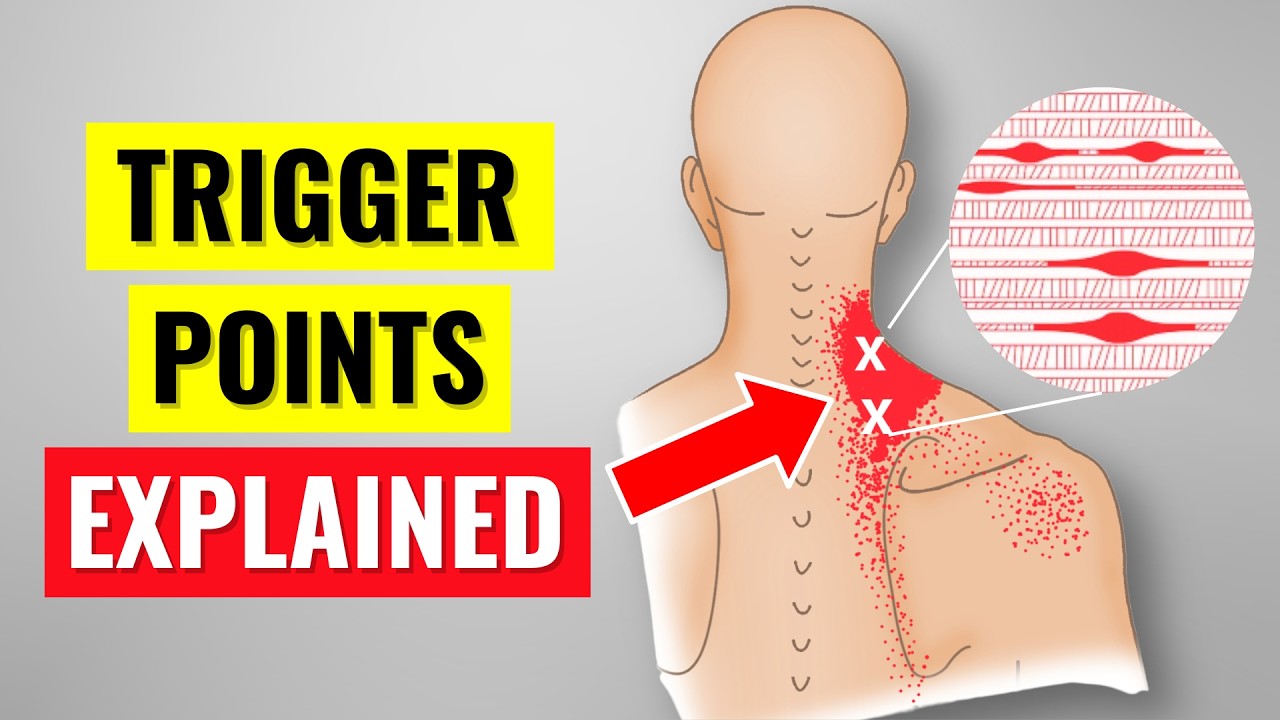
not fully understood and are often overlooked in medical education to make matters worse traditional Imaging modalities like X-rays and MRIs cannot detect trigger points the only real way to identify them is through high clinical suspicion and a thorough physical exam a trigger point is a highly sensitive spot in a tight band of skeletal muscle it's painful when compressed stretched overloaded or contracted by far the most common cause of trigger points is trauma or injury however for those without a history of trauma trigger points can also form due to a combination of poor posture repetitive movements
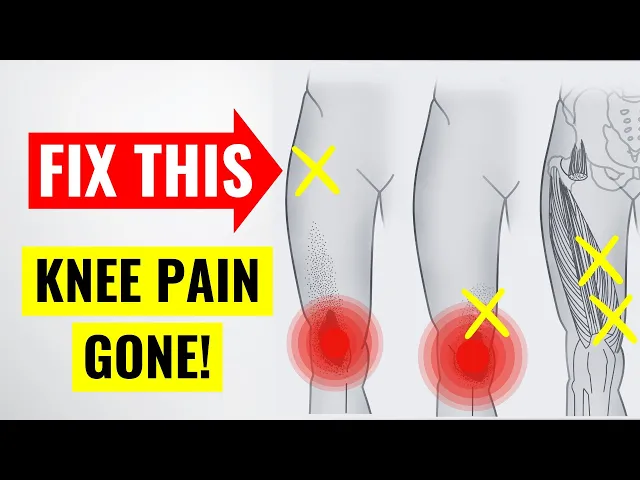
chronic tension and chronic stress for knee pain trigger points in the vasis medialis oblique also known as the VMO are often the primary culprits they cause pain pain around the knee that is difficult to pinpoint many patients often undergo extensive evaluations without relief because the problem lies in the muscles around the knee not the knee itself take a look at this picture the red areas indicate where most people feel pain while the x marks the trigger point causing the issue this is an example of referred pain and this concept often confuses people remember our knee
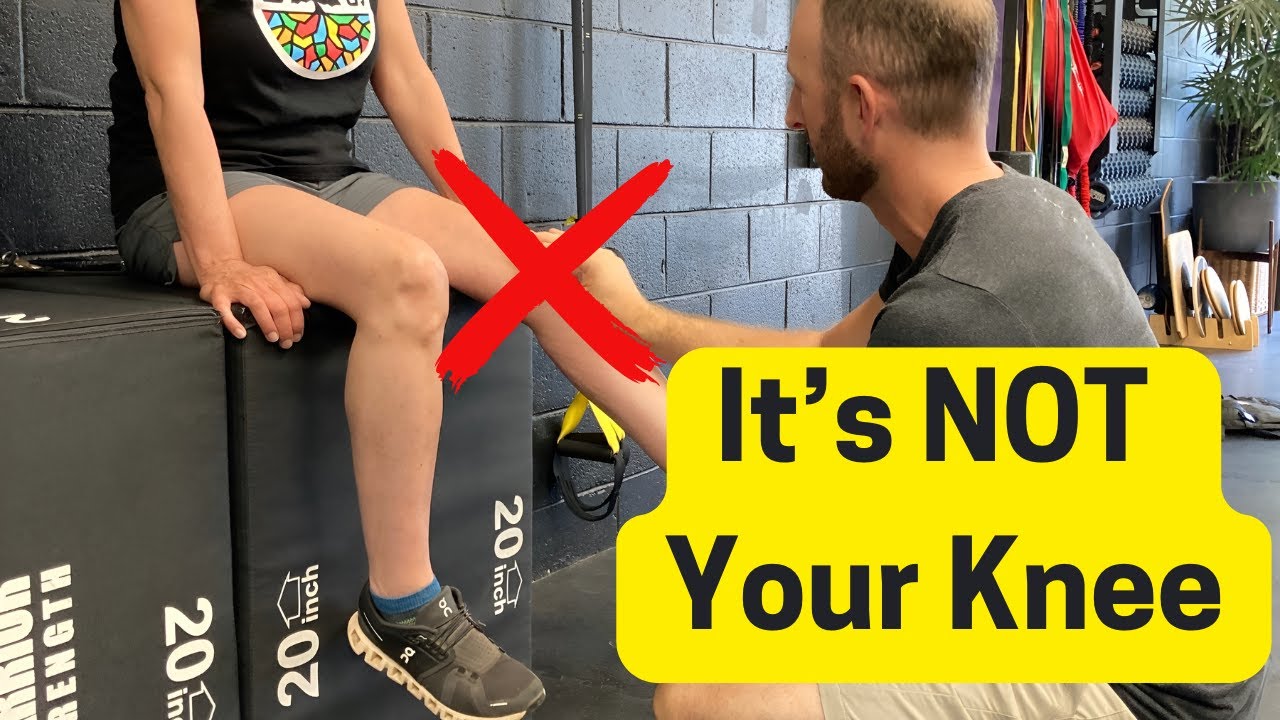
is a complex musculoskeletal unit with muscles tendons and Bones working together for smooth motion any untreated issue within this unit can lead to pain far from the actual problem site trigger points in muscles can cause pain farther down in the knee since trigger points are not covered in medical education and traditional Imaging can't detect them these problems often go untreated for years however once identified and treated patients often experience remarkable success in returning to pain-free physical activity this is actually something I encounter daily in my sports medicine clinic let me share two examples one of
my patients a 37-year-old woman had been experiencing knee pain for over 3 years an MRI suggested a tiny meniscus tear she tried extensive physical therapy and a surgeon performed an arthoscopic partial menisectomy but neither provided relief cortisone shots and various medications also failed after identifying and treating the trigger points in her VM o she returned to mountain biking and backpacking completely painfree another example is a 33-year-old Competitive Cyclist who experien pain around his kneecap especially when climbing Hills despite undergoing Physical Therapy working with personal trainers having MRI scans and visiting several orthopedist he couldn't return
to his Peak competition level after four sessions of trigger point treatments in the VMO and vasis lateralis he was able to return to competition so it's clear that treating trigger points can significantly alleviate pain and symptoms but how do you know if you have trigger points and what can you do to treat them this is where referral maps are incredibly beneficial as mentioned earlier the VMO is a major offender for persistent anterior knee pain however trigger points in the rectus femoris can also cause anterior knee pain and you'll notice that these trigger points are much
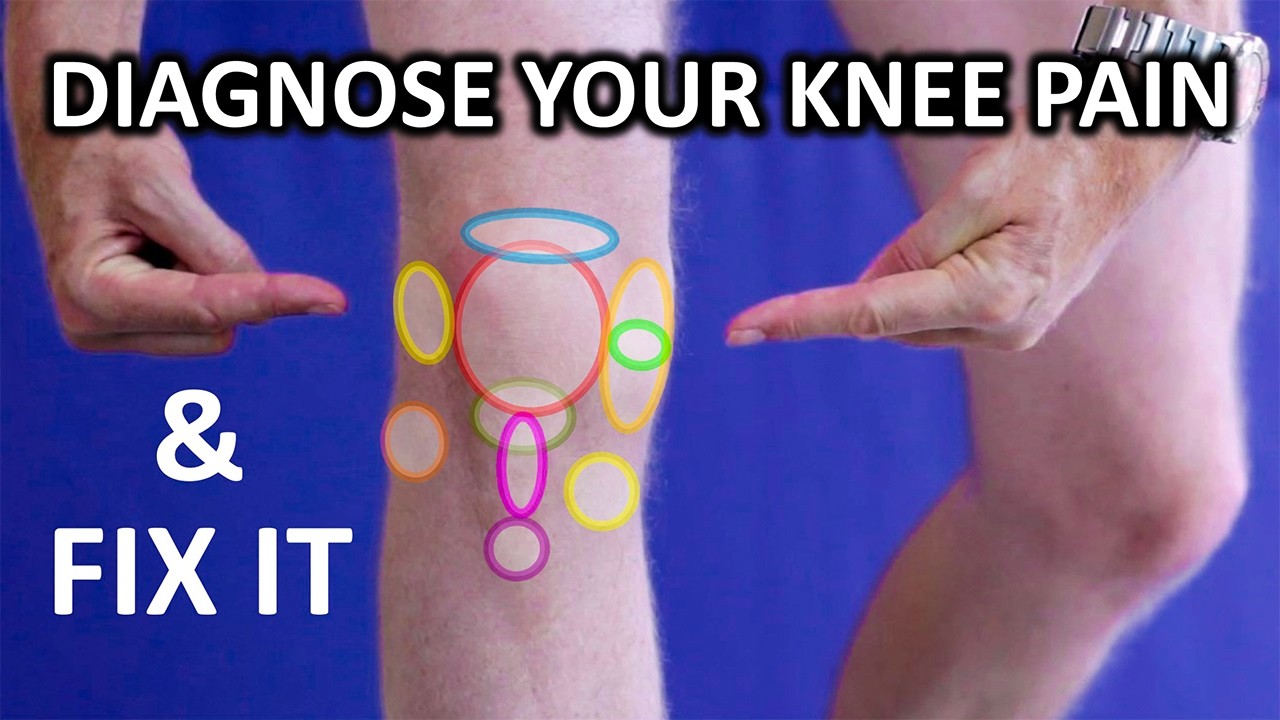
farther away from the knee than those in the VMO pain on the outside side of the knee is usually caused by trigger points within the vastest lateralis which are also quite distant from where the pain is felt for pain at the back of the knee the usual culprits are trigger points in the medial and lateral heads of the gastrus occasionally trigger points in the hamstring muscles can also refer pain to the back of the knee the key is to search for these hidden sources of pain and there are two easy ways to do that yourself
at home the first method is self palpation press down on the muscle around the X marked on the referral maps and pay attention to any tender spots when you palpate normal muscle you won't feel anything besides the weight of your fingers however trigger points will be quite painful and you might feel small knots or tight bands within the muscle pressing on a trigger point can even reproduce pain in the knee the challenge with palpation is that sometimes you have to press pretty hard to find the trigger points within the muscle and even then if you
don't know exactly where to press you might miss it the second and likely more accurate method to identify trigger points is by using a foam roller when you roll over a muscle areas with trigger points tend to feel significantly more tender and tight usually correlating almost perfectly with the trigger point map normal muscle will just feel the weight of the body on the roller for example to test if your VMO has trigger points position yourself as shown in this picture gently roll the inner part of your thigh over the foam roller and you will likely
find a tender spot right where the x is marked if you have knee pain you want to check your vastus lateralis rectus femoris and hamstring muscles in addition to the VMO okay now that you've identified your trigger points let's discuss how to treat them effectively at home the most effective home treatment is ACU pressure which includes self-massage percussive devices like a theun hand massage rollers and foam rolling among these the foam roller is by far the most effective but all of them can help I recommend spending 10 minutes every day treating the problematic areas initially
foam rolling will be quite painful and uncomfortable however stick with it the goal is to treat the areas daily and over time the muscles will have much less tension another highly effective treatment for trigger points is muscle strengthening and stretching muscle imbalances of often occur when one side of the body is weaker than the other leading to increased muscle tension and fatigue on the affected side over time this muscle imbalance increases the risk of injury and the development of myofascial trigger points starting with an easy strengthening program and gradually adding Progressive weights can address these
imbalances as you strengthen your muscles the trigger points are broken down remodeled and eventually removed by the body to facilitate this process make sure to stretch after your workouts regular stretching throughout the day can also help release the trigger points and muscle knots I've included a sample knee strengthening program here that you can follow the final treatment is very easy and can be highly effective at reducing pain heat therapy heat helps improve blood flow and circulation relax muscles and decrease tension this is why people with chronic pain often find relief in hot tubs and saunas
using a warming blanket or a heat heat wrap around the knee for 5 to 10 minutes can significantly alleviate pain and symptoms for those who have tried all of the above and still experience persistent pain finding a sports medicine physician who specializes in trigger point injections can be highly effective these injections can often result in immediate pain relief and resolution of the trigger point injecting a local anesthetic or a dextr solution into the area of the trigger points can help alleviate symptoms and prevent the trigger point from reforming I've treated countless patients with chronic knee
pain and trigger point injections have resolved their pain and allowed them to return to sporting and physical activities here are some more examples one patient a 24-year-old woman had experienced 4 years of knee pain and was diagnosed with IT band syndrome despite multiple MRIs already as normal and 2 years of physical therapy she still had no relief after just two sessions of trigger point injections into the vastest lateralis she was able to hike and run again another patient a 61-year-old man suffered from severe pain in the back of his knee that occasionally woke him up
at night he had multiple MRIs visited various Healthcare Providers and was in and out of physical therapy for several years three sessions of triggerpoint injections into his hamstring resolved his pain many patients are held back from doing what they love because of pain they we see multiple doctors and therapists each offering their interpretation but never finding a true diagnosis treating trigger points has helped these individuals return to an active life enjoying the activities they love once again if you're ready to learn more about trigger points I've created an indepth video that you can watch next
this video will teach you everything you need to know about myofascial pain and trigger points