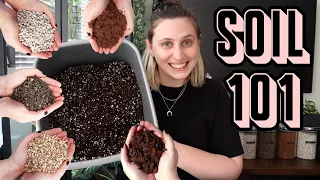
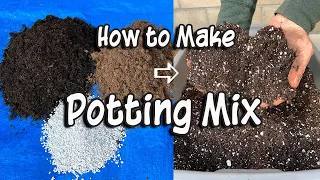
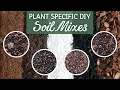
hi guys dream from aloha plant life here and welcome back to my channel so lately i've been experimenting with doing my own custom soil mixes in effort to be able to grow my plants in a type of soil that is more in line with what they are growing in in their natural habitat out in the wild and i'm here to tell you guys up front that this is a massive root rot prevention game changer and i'll be explaining more about why that is as we go along today but as a result of all my experimenting
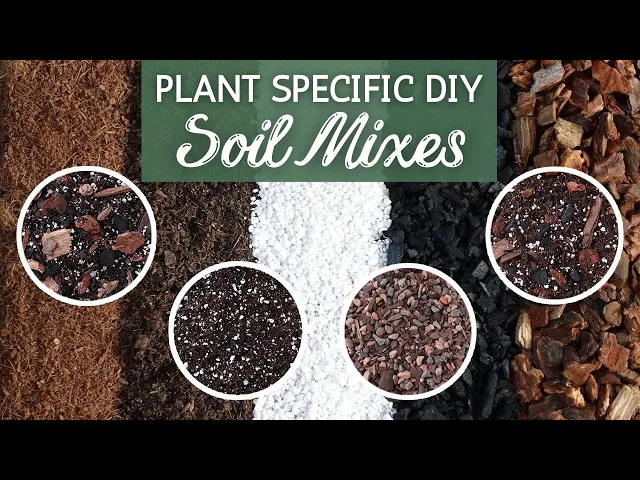
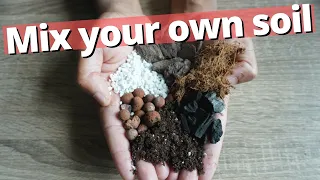
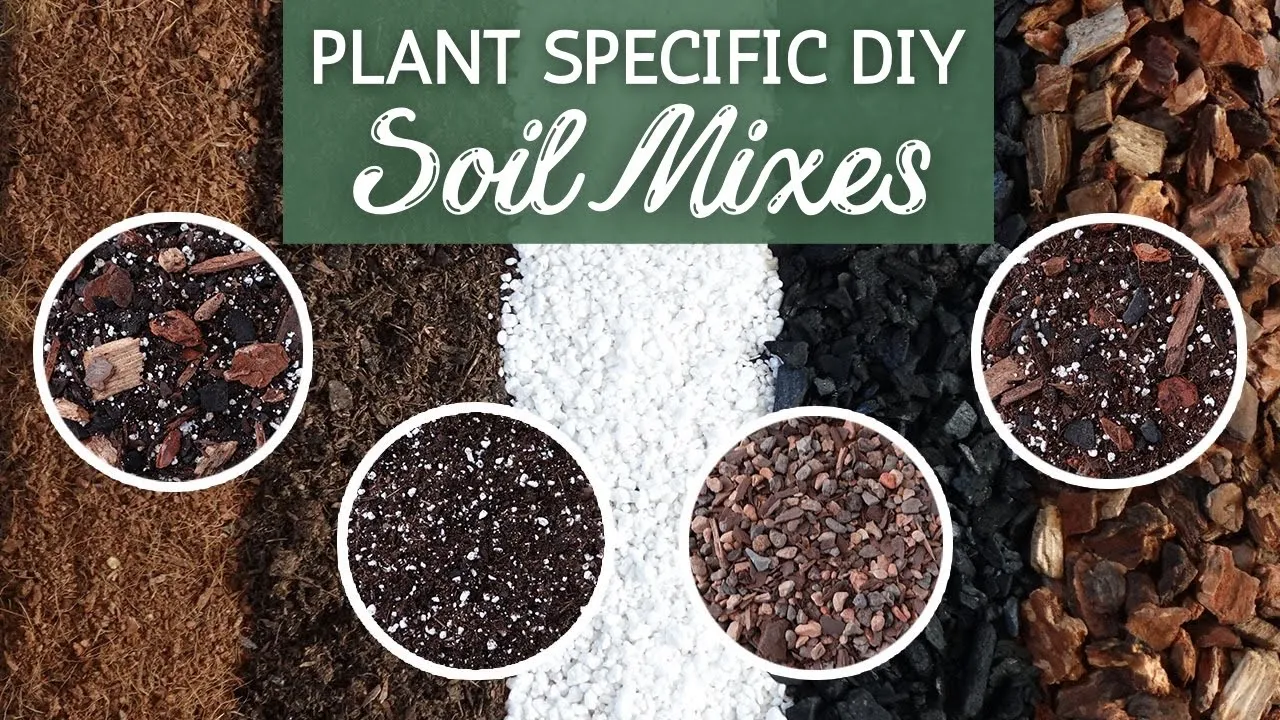
i have now narrowed it down to four primary soil mixes and these are going to be my go-to soil mixes moving forward so today i'm going to show you guys how to make each one of those mixes and i'm also going to tell you what plants to use each of those mixes for but first let's run through all the ingredients i'm going to be using today real quick and what the purpose of each is so the first ingredient we're taking a look at is perlite and perlite is expanded volcanic glass and this is used to
create extra drainage as well as aeration in soil mixes now you guys know that i've talked before about my issues with perlite the primary one being that over time prolight seems to kind of float to the surface of the pot however it is more readily accessible and typically cheaper for you guys to get so that's what we're going to be using today and i will tell you that i have discovered through this experimentation that i've had better luck with the perlite staying in place when the pieces are smaller rather than larger so as you can
see here's a piece of the old perlite that i was using and here's a piece of the one i just showed you today the smaller ones seem to mix in better and they seem to stay in place better so make sure you consider that when looking to purchase perlite now as i've mentioned in the past you can use pumice in place of pearlite but once again it's typically a little bit harder to find and typically a little bit more expensive but it's also a form of volcanic rock it also provides extra aeration and extra drainage
and it's heavier so it tends to stay in place a little bit better than the perlite now this next ingredient is just good old-fashioned bark and usually when you're buying bark as an amendment for a soil mix it's going to be pine bark and once again you can get it in different sizes i highly recommend going for like a medium-sized chunk of bark versus a larger size or a smaller size and part of the reason you don't want to go larger is because the smaller the pot is the more overkill a huge piece of bark
is gonna be but bark serves a similar purpose as the perlite or pumice in that it provides extra aeration and drainage and on kind of a larger scale because it is so much bigger so this next ingredient is actually horticultural charcoal and charcoal helps to filter out any impurities in the potting mix as well as maintain a proper ph for that potting mix now due to its chunky nature it will also help with aeration and drainage as well now this next ingredient is coco core and this is basically just fibers from a coconut husk and
the primary purpose of using this in a potting mix is to add something that's going to help to retain a little bit of moisture now regular potting soil will do that as well but coco core tends to not break down as quickly as regular potting soil and it's also a lot lighter and airier but speaking of premium potting mix let's take a look at that next so this is just your standard premium potting mix and as you can see it really has nothing added to it that's going to help with any kind of aeration or
extra drainage so once again potting soil similar to the coca core that we were looking at the primary purpose here is to retain moisture now this next one that we're looking at is actually a store-bought orchid potting mix an orchid potting mix is primarily a mixture of bark and in the case of this one specifically pine bark as well as some perlite and that's it everything else in there that may look like it's soil or dirt is just residual breaking off of that pine bark and part of the reason for using orchid potting mix in
some of our mixes versus mixing our own bark and pearlite has to do with the fact that the orchid potting mix has much flatter and smaller bark than our pine bark there are two other ingredients that we're going to be taking a look at today but they're a little bit different and so we're going to discuss them when we get to that particular mix which is the last one we're going to talk about today so let's go ahead and get into our first mix and this is my epiphyte mix so true epiphytes grow on trees
or in rocks so they aren't used to living in any type of soil which is why this mix uses zero soil and for those of you watching this video who might be looking for a mix to use for your airoids this is the mix that i would recommend for epiphytic airways and we'll get into the other types of airways a little bit later in this video but here's the list of plants that i recommend using this mix for and please keep in mind that this is not a fully comprehensive list there's a bunch of other
plants out there that i probably could have included here but i'm just trying to do the main ones that i think you guys might own however if i don't list a plant today and you're like i don't know what mix to use for this you can always comment down below and ask me and i will let you know but all the plants on this list natively grow in an environment that requires them to have large amounts of aeration and excellent drainage and so that's why this is going to be the chunkiest and lightest of all
of our mixes today so we're going to go ahead and make this mix real quick i do have a bowl here to mix everything in and something to scoop all my ingredients with and so basically what we're going to be doing is we're going to be taking five parts of our orchid potting mix we're going to be taking one part of our perlite or pumice one part of our horticultural charcoal and one part of our pine bark we're just going to mix that up really well and then it's ready to go so as you guys
can see this is a super chunky light and airy mix which is exactly what these plants want and need it also creates a ton of air pockets which keep the roots oxygenated which in turn helps prevent root rot so let's move on to our second mix and i'm calling this mix my forest floor mix so basically this mix is for plants that are more terrestrial in nature meaning that they live on the forest floor so they need to be able to retain some more moisture than the epiphytic plants but they still need excellent aeration and
drainage now this mix could also be called an aeroid mix however this is the mix that i would only recommend for airoids that are more terrestrial in nature and not epiphytic airways but let's go ahead and take a look at the full list of plants here that i'm recommending this mix for so in order to simulate the forest floor for these plants we're going to create this mix by using five parts premium potting soil one part perlite or pumice one part horticultural charcoal one part of our pine bark and one part coco core we're just
gonna mix that up really well and then it's ready to go so the premium potting mix and the coco coir in this mix are gonna help retain the level of moisture that these plants really want while the other ingredients are going to provide the extra drainage and aeration that's really needed in order to make sure that that premium potting soil and that cocoa core don't end up unintentionally suffocating the roots and leading to root rot so let's move on to the third mix and i'm basically just referring to this as my basic mix and so
i recommend using this for what i would call non-fussy house plants and i feel like this list of plants is really comprised of two different types of plants one being very fast growing plants that like to dry almost all the way out in between waterings and then on the opposite end of the spectrum plants that don't want to dry out in the slightest so that first group of plants don't really need as chunky of a soil as what we've been doing so far because they use up their water very quickly they dry out quickly and
so they might dry out too quickly if we have too chunky of a mix so for these plants think like the type of plants that like to dry almost all the way out and it usually takes about seven days for that to happen so you're having to water them once every seven days give or take now as for that second group of plants they don't need all the extra chunkiness and everything of the previous two mixes because they don't like to dry out at all so we don't need to be giving them anything that's gonna
help it happen quicker so for these plants think like those plants that you have to water them once every two to three days and even that might be pushing it ferns would be a good example but let's go ahead and take a look at the full list of plants that i recommend this mix for and this mix is super simple you guys so in order to make the basic mix all we're gonna do is we're gonna take five parts of our premium potting soil and we're gonna take one part of our perlite or pumice that's
it we're gonna mix all of that together and it's good to go now if we're talking about root rot in the case of these plants the key to avoiding root rot is basically going to be to make sure that these plants are getting enough light so that they're using up the moisture at the rate that they need to and in terms of those plants that like to dry almost all the way out also make sure you're not watering them before they've dried almost all the way out but that perlite is going to help to provide
a little bit of extra drainage and a little bit of aeration so that these roots are not just getting suffocated by pure soil so let's move on to our fourth and final mix and this is going to be our cacti and succulent mix so this mix is for plants that like to dry completely out between waterings and also store huge amounts of water in their leaves their stems their tubers etc so here we have a premium store-bought cacti and succulent mix so this mix contains a lot of gravel sand bark and pearlite and so that
makes it extremely fast draining which is what you need for cacti and succulents now as those of you who have been following me since the beginning know i typically use this next ingredient just by itself for most of my succulents which is bonsai jack's gritty mix and as you can see this is primarily rock and bark and that's about it however as part of my experimentation i did take some of my rooted propagations of my succulents and put them into the store-bought mix while the parent plant stayed in the bonsai jack's gritty mix to kind
of see what the difference really was or if there was a big difference and i'm here to tell you either one will work but let me explain my findings a little bit more so that you can better decide which one will be right for you so first of all with the bonsai jacks gritty mix because this is mostly rock with just very minimal amounts of bark this is borderline hydroponic in nature so one thing to be very aware of if you're using this mix is that top watering really doesn't work that well for this mix
you really need to bottom water the plant by setting it into a vessel of water and letting it sit there for a good 10 to 20 minutes so the roots can soak up whatever they need but the good news about this mix being mostly rock is that after you have done that the excess water drains out completely and this mix dries up within days of you watering the plant and then it's good to go until it starts to lose its reserves that it has in its leaves stems and or tubers which means very little chance
of root rot using this mix now i will tell you that i do find that this mix doesn't really necessarily work very well for plants that don't have decently established root systems so just keep that in mind now the store-bought mix will work well for both plants with established root structures and those with less established root structures but i found that that mix takes a little bit longer to dry out and honestly i had a really hard time gauging sometimes if it had completely dried out and that situation could lead to you accidentally watering too
soon and if you water too soon and you do it too frequently you're gonna then potentially have a root rot situation so i personally am going to stick to doing just my straight jax gritty mix for my succulents that are fully established ones that don't have fully established root systems i'm going to do a mix 50 of that bonsai jack's gritty mix 50 of the store-bought mix and that is what is going to work best for me moving forward so i'm just curious how many of you guys are doing your own custom mixes at home
and how many of you have mixes that are similar to some of these mixes that i've described today comment down below and let us know and if you've not yet hit that like and or subscribe button down below please do so and i look forward to seeing you guys again next time aloha