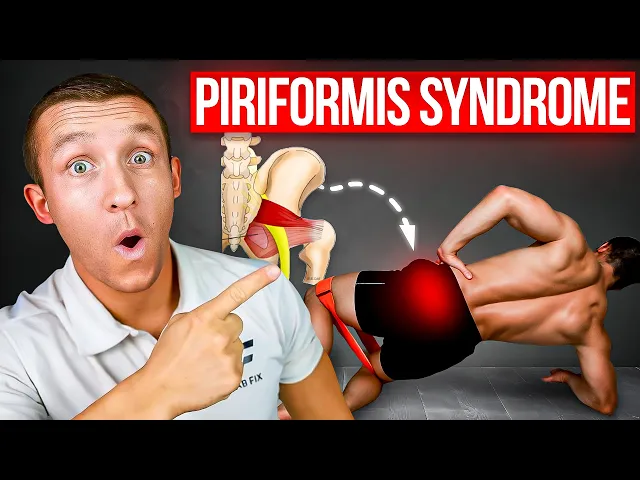
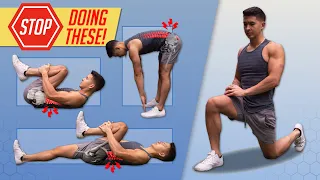
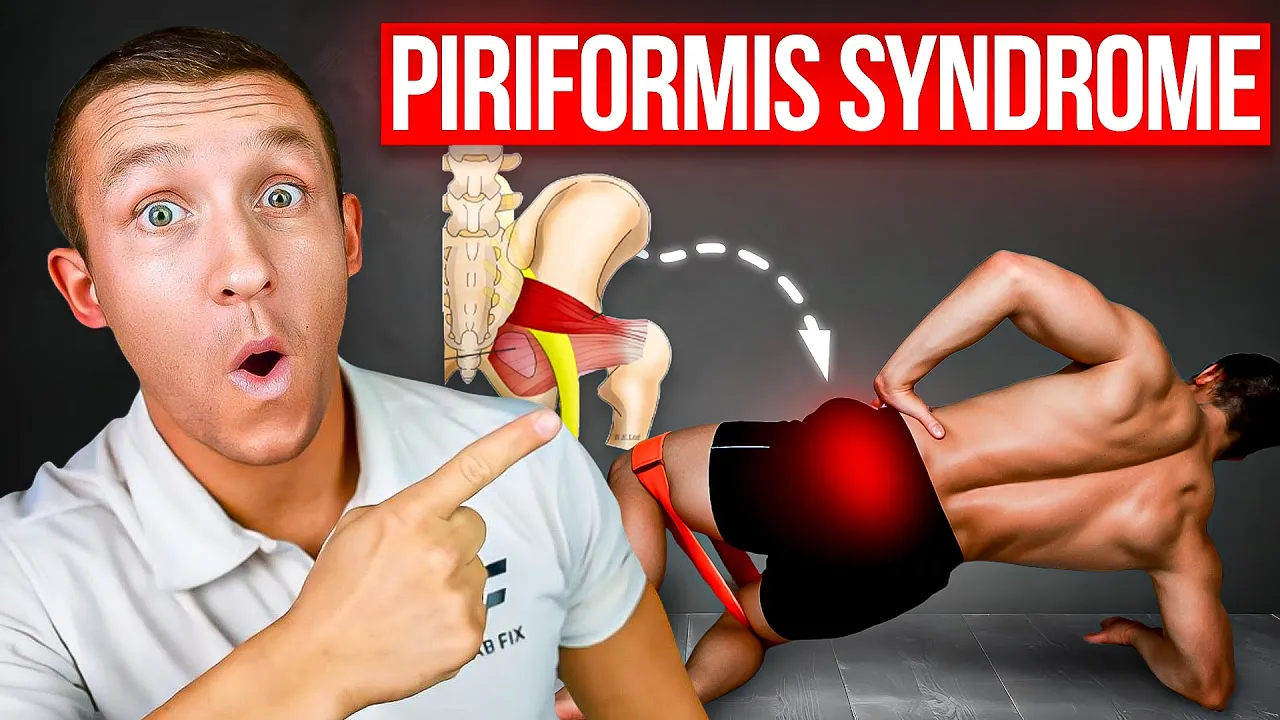
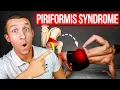
if your pureformance is burning and shooting satica pain down your leg then you don't want to do any of these stretches and risk making it worse and instead I'm going to show you a four-step diagnostic protocol for purform syndrome five top exercises to then resolve this pain faster than you can say hot potato and then a live case study showing me work with a client who was told they had performance syndrome and we reduced their pain completely during the call using my centralization process and I'm going to show you exactly what we did my name
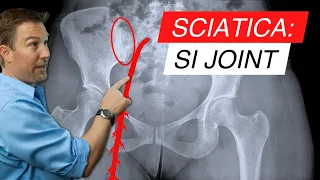
is Dr Grant and we helped thousands with back pain and satica fully recover through our 101 online coaching program and in this episode I'm going to show you how to finally address this Burning performance pain that you were ready to say goodbye to yesterday first I'm going to blow your mind by telling you that pureform syndrome is only responsible for3 to 6% of all low back pain in satica cases meaning it's rare but it's come this catchall diagnosis that's extremely overused where basically anyone with pain around their glute is told they have this because that's
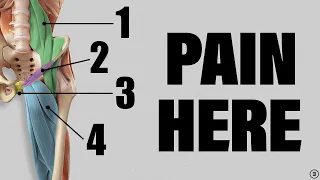
literally the definition of piriformis pain pain around your piriformis but it isn't true at all that this means you have piriformis syndrome it's super generic and non-specific because your satic nerve which is most commonly the reason for your pous pain branches and innervates the pureformance muscle so whenever the static nerve is irritated chances are super high it's going to refer and radiate to your glutalor so how can we be sure we truly have this here's the four-step diagnostic protocol test one fryberg the subject lays flat on their back your test partner can now grab your
leg and then simply internally rotate it while your leg remains straight to see if it reproduces your Chief complaint deep in the glute test two is Pace test you're sitting your partner is going to put their hands on the outside of your knees you're going to resist them like you're driving your knees out if it reproduces the complaint burning in your glute then it's a positive test test three Betty's test you're going to lay on your side you're going to bring your hips up flexing them around 45° and now you're going to raise your knee
up off the table like you're holding a clamshell and you're going to see if this reproduces the chief complaint deep in your glue if it does it's a positive test in test number four Fair test this stands for flexion adduction internal rotation the subject is going to lay on their side the partner is going to grab their leg bring it up into flexion put their hand on the knee other hand on the ankle and then push it into internal rotation if this reproduces the chief complaint deep in the glute it's a positive test now the
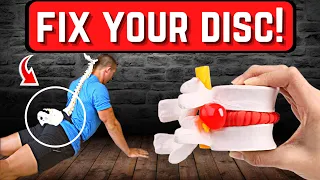
trick here is that these tests can still trigger puriform pain where the root of the problem is in the lower back because if a nerve in the lower back is being hit by a disc or aggravated by other issues in the lower back then any movement of this nerve can still trigger pain so these tests can still move the nerve and can still trigger the root issue in the lower back and can still refer to the glute one great example that I encourage you to try as well is the slump test where you sit on
the edge of a chair or a table you slouch forward chin down you straighten the symptom leg as far as you can pointing the toes to the ceiling and you compare it to the other side if you have pain in the glute that's radiating down your leg and you perform this test it's very obvious that your pureformance muscle is not moving as you do this the only thing that's changing or extend ending is your hamstring and the nerve so if this increases the pain in your performance or down your leg then we know for sure
you're not dealing with pureformance syndrome because your pureformance muscle is not being touched we're pulling on the hamstring and the nerve this is an issue in your lower back this is why a full proper assessment includes diagnostic tests and diagnostic exercises so we could take you through different exercises see which exercises reduce your pain and that would tell us the root of what's causing it which is exactly what I show in the live case study at the end of this video so keep watching but let's assume these tests bother you and you want to get
this muscle to stop feeling like a tight rubber band shooting pain down your leg hey real quick I know you're struggling with pain and obviously want to fix it so if you just text me the word pain to 37751 9509 I will send you my free back pain fix demo just text that number and you can fix your pain thank me later back to the show here are five amazing exercises I recommend for this first our moving pigeon you're going to get in a standard pigeon pose but instead of rounding your back and wrenching your
performance which could actually make it worse you're going to hold the pigeon pose with your hip lifted off the ground at least a few inches keep your back straight supporting your body on your hands and you're going to rock forward and back like you're holding the pigeon pose but moving forward and back this is going to contract and mobilize your pureformance through multiple ranges As you move second is our pigeon drops now you can pause you can hold this position lower that hip down to the ground tap and bring it back up once again strengthening
and stretching the pureformance muscle at the same time third is our banded clamshell lay on your side hips Flex to 45° put a band around your knees and now pick the hips off the ground like you're in a side plank position as you pull the band apart this is activating the P formis muscles and hip external rotators on both sides slowly lower while bringing the knees together tap the glute and come right back up number four is our oblique sit position where you're sitting like you'd be crisscross applesauce but one of the legs is rotated
behind you you're going to sit nice and Tall pick your hips up off the ground focusing on Contracting the front legs glute in the rear legs adductor or the groin coming all the way up slowly lowering yourself back down count of five tapping the glute and coming right back up and now number five is actually a modified purform stretch so many people are cranking themselves in these performance positions which once again can pull on a nerve push on a disc make it worse so instead sco scoot up close to a wall put both feet on
the wall cross the symptomatic leg over the other now slide your foot down the wall as to slowly increase the stretch on the pform so you can sit deep in this position while your back maintains complete neutrality flat on the floor therefore not bothering any low back disc or nerve issues these are amazing exercises to help your glute your pureformance that shooting pain that can help a ton of people but now let me show you a case study where it wasn't helping peer foris pain because it wasn't the exact root issue where I used our
centralization process to show you how I fixed it for this individual named Charlie now like many of you Charlie has been dealing with pure foris and back pain for multiple years has had cyclical flare-ups has tried PT was told pform syndrome to stretch it and do these glute Bridges and core movements over and over and over and they did nothing until we did this so I'm going to play the video real quick and then I'll break it down for you simple stuff you're just going to cross one leg over the other just like this so
that's tight in the pure form is area keeping everything relaxed as we do this low back relaxed glutes relaxed Let's cross the left leg over the right where we felt that tightness in the pureformance let's see if that's any different it's better and does that surprise you because we didn't do anything to your pureformance did we I mean yes it does surprise me I've never believed it was fully related to my pureformance and we just prove that it wasn't its referral from the low back yeah so that was actually really reassuring knowing that yep def
definitely not a pure forus problem that's your low back referring to your performance 100% so let me break this down to catch up to speed first I took him through a thorough history which didn't sound like perform syndrome then I took him through multiple special tests ranges of motion to see what his symptoms told me which didn't sound like performance syndrome I focused on the one test that was most significant to his pain which you saw cross the hip over the other it's called external rotation and instead of wasting time on stretches that could make
him worse or do nothing I went to a low back exercise that focuses on disk and nerve issues in the low back that can refer down into stica pain this exercise looks like the generic Cobra pose and as you can see performing the test the second time during one session using my centralization process we reduced his pform his pain and gave him the reassurance and the confidence that he's going down the right path now so if you like Charlie tired of this pain and you want it resolved quickly like we did for him with a
proper plan to follow then I have something for you just text me the word pain to 317 751 9509 to get a tailored step-by-step plan to permanently fix your back or satica issues using my centralization process and after you text me please like the video subscribe if you haven't already follow me on Instagram if you have not yet at rehab fix thank you so much for watching I'll see you on the next one and I'll see some of you in the program I'm getting painfree real soon