Abbie: What's up, my friend. Abbie here and welcome back to Writer's Life Wednesdays, where we come together to help you make your story matter and make your author dreams come true. Abbie: As you probably noticed right away, I'm in a completely new space and I actually posted on YouTube an update about it last week saying that I was not ready to film videos last week.
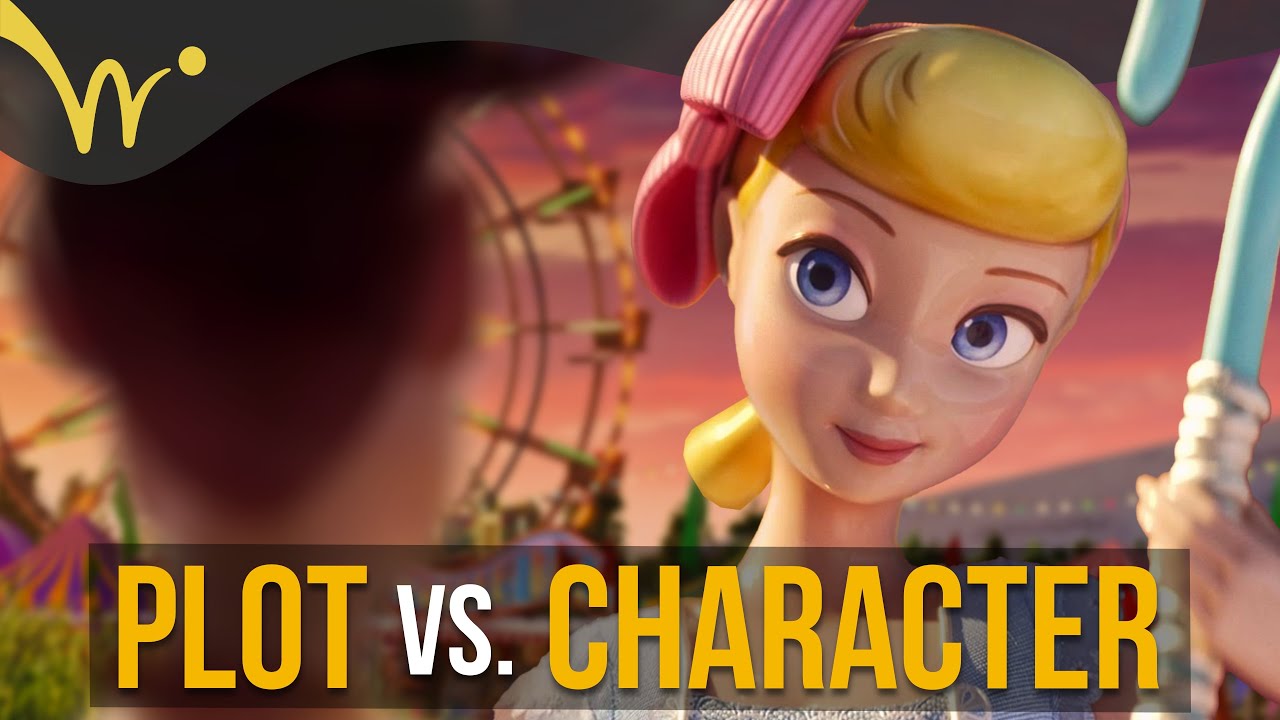
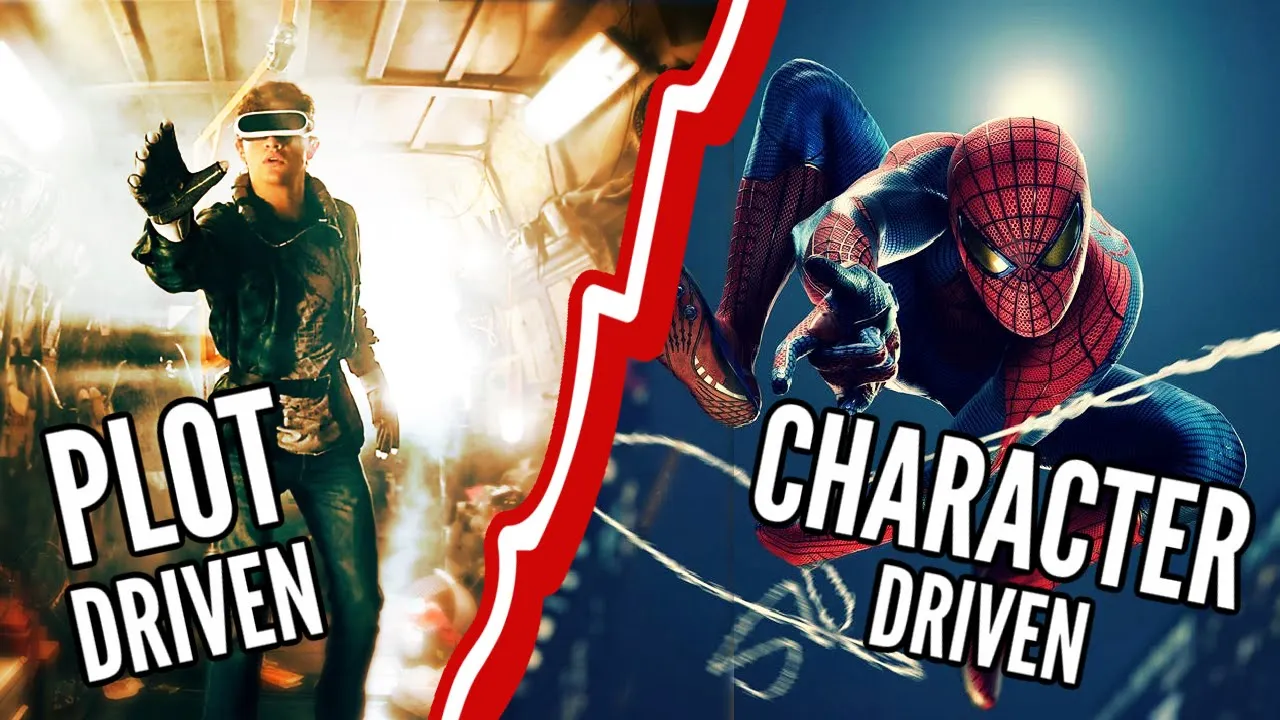
But here I am, finally filming videos again, and I'm so, so excited to be back. Abbie: Today, we're talking about plot-driven stories versus character-driven stories, and what makes them different, and why it's so important to understand the difference and find this balance, this equilibrium between plot and characters. Abbie: Here's the thing.
All good stories are character-driven. Yes, all of them. Let me explain.
Speaker 2: Why does your story matter? Good question. What if I told you that there's a science behind every great story?
I don't just teach you how to write, I teach you how to change the world with your story and make your author dreams come true. Abbie: Before we dive into this discussion, I want to erase every definition you have of character-driven stories and plot-driven stories. Because if you've ever Googled the question character versus plot-driven story, you've probably seen this result.
Character-driven stories can deal with inner transformation or the relationships between characters, whereas plot-driven stories focus on a set of choices that a character must make. A character-driven story focuses on how the character arrives at a particular choice. Wait, what?
Abbie: Don't get me wrong. I'm all about inner transformation and the relationships between characters. That's literally the foundation of a well-crafted and meaningful story, so if that's considered character-driven, then plot-driven would be the opposite.
In other words, plot-driven is something you never, ever, ever want your story to be. Am I saying that you don't need a plot for your story? Absolutely not.
You need plot, because plot is external conflict. And without external conflicts, the plot, your characters, don't change, but without internal conflict, the plot is meaningless. It's a delicate balance that you have to find between these two things or else your story will not impact the reader.
Abbie: If you've been here for a while, you've heard me say this a lot. External conflict, the plot, is all about what happens, but internal conflict, the story, is about why it matters. Which is why we have to introduce the internal conflict first, because otherwise it's just a bunch of stuff happening with no real meaning to the protagonist.
This is such a vital part of the storytelling process, and honestly, I am shocked by how many writers get this wrong. They write a bunch of crazy dangerous stuff happening to their characters right out of the gate without really showing us why any of it matters to the characters. Today, we're going to explore this balance and figure out what exactly sets the stage for a masterfully told story, the perfect balance of internal conflict and external conflict.
Abbie: If you take anything away from this video, take this. Don't let your characters just be the punching bag for your plot. They can't just spend the entire story absorbing what happens.
Rather, they have to be the agents of change. Okay? Complete with a deep desire that drives their motives and a conflicting fear that holds them back.
A plot-driven premise can be a great way to grab your reader's attention because they can relate to the basic feeling, the emotional reaction that the characters having to the plot, but you have to go beyond that, like quickly. The very first thing that happens can be plot-driven, but you better show me why it matters and fast or else I'm gone. I literally can't tell you how many books I've started reading and movies I've started watching that I couldn't get through the first 10 minutes of because nothing made me care about the characters.
Nothing showed me why this stuff that was happening mattered to anyone. And I'm a fairly patient person, so if I can't even get through the first 10 minutes, most people won't be able to get through the first five. Abbie: But Abbie, what about all of the popular books and movies that fall into the plot-driven category?
How do you explain their success? Well, how do you define success? The number of book sales or ticket sales from the box office?
I measure success by lives impacted. I can tell you right now, that even though a plot-driven story may be entertaining and may get people to turn the next page or click play on the next episode, I guarantee you it will not impact their lives. Okay?
It won't challenge their beliefs. It won't transform the way they see themselves and everyone else in the world. Abbie: In fact, they're probably going to forget about it in a couple of months, weeks, days.
Do you want that to be you? Your story? Do you want people to forget about it in a matter of weeks and be like, "Oh yeah, that was a good story, but I can't really remember anything meaningful or special about it because it didn't shake me to my core.
" Do you want that to be your book? Didn't think so. That's why it's so important to make your story character-driven, because it's the characters who are the bearers of truth, of value, of meaning to the reader.
It's the characters who are going on this journey and realizing the truth about something, the truth that you want to scream from the rooftops. But you're a writer, so instead of screaming it from the rooftops, you cleverly weave it into a masterpiece of fiction. Let's circle back to plot-driven versus character-driven.
Abbie: In order for me to take you deeper into this, we first have to talk about the human brain. Of course we have to talk about the human brain. This would not be my channel if we didn't first have to talk about the human brain.
See, you have some special brain cells called mirror neurons. You've probably heard of them before. Basically, they do exactly what they sound like, okay?
They mirror the emotional reaction of whatever it is they're watching. For example, when you're watching a movie and you see a character get their hand crushed or something, your mirror neurons go, "Ouch," and you might even be able to feel a weird sensation in your hand as if it's your hand being crushed. You can literally watch people react to this.
It's so fun. Turn around next time you're in a movie theater and watch how people physically react to what it is they're watching. Abbie: Our brains do this on autopilot.
Okay? We can't even control it. Mirror neurons are great, because they allow us to feel immediate empathy for characters who aren't even real people.
They also explain most, if not all, of the interests that people have in plot-driven stories. Your brain mirrors what's happening to the characters as if it's happening to you, which means as long as you keep the perilous high intensity survival scenes coming, our fight or flight instinct kicks in with the characters, and boom, you caught our attention. You caught our brain's attention, but only for however long our brain is entertained by this.
A few weeks later, we probably won't even remember it. Now, I'm not saying don't have any perilous plot upending your characters entire life. Absolutely have that, but go beyond that.
Like, "Yeah, this would be terrible if it was happening to me, but what does it mean for this character specifically? " Abbie: Why does it matter to this character, given their desire, fear, and misbelief? The plot-driven premise can come first, but don't wait too long to introduce your reader to the character's internal conflict or else we won't know why any of this even matters.
This works in reverse order, too, okay, so you can open your story with your character's internal conflict. In fact, I recommend that. But don't wait too long before you have some external events and external conflicts, the plot, step in and push them outside their comfort zone and make something actually happen to them.
Finding this equilibrium between characters and plot is what makes a story truly memorable. The emotional reaction that your character has to the opening hook or premise of your plot is what grabs your reader's hand, but the internal conflict is what pulls them in. Or as I like to say, the premise is the fist and the internal conflict is the punch.
Abbie: If you're only going off of your plot in your external events, in the story to make your story unique, then not only are you quickly going to lose confidence in it, but your readers will never understand why it really matters. What is your protagonist's motive? Why do they react to the plot this way?
What drives them and what do they never want to be? If you can show all of this in the opening act of your story, you will be vastly far ahead of most storytellers, because most storytellers believe that plot equals story, but that is simply not true. Because, as we know, story is not about what happens.
It's about how what happens affects and transforms the characters. That's the real difference between a character-driven story and a plot-driven story. Abbie: Even the term plot-driven is ironic to me, because a plot never really drives a story forward, it just entertains you for however long your brain is caught up in the shininess of the action.
But action is 10 times more riveting, and entertaining, and nerve wracking when we first get to know and relate to the characters. After all, if you don't know and care about these characters, then it's only perilous to watch them in danger because your mirror neurons are firing as if you were in that situation. When you know and care about the characters, not only is your brain still engaged with the action as if you were in that situation, but on top of that, you have this emotional attachment to the characters.
That's what really puts you on the edge of your seat. Abbie: Okay, so I've been talking for a while now. I want to show you what this looks like in a story.
We actually have two story examples today. One is a great example and one is a terrible example, because it's equally good to know how not to do something. Let's start with our terrible example.
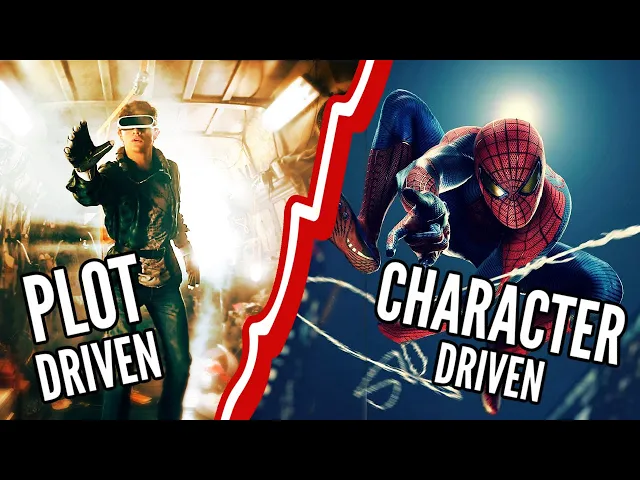
Ready Player One. Okay, so disclaimer, I couldn't even get through the first hour of this film. It was that bad, so I don't know if had some miraculously great ending to redeem itself, although my sister tells me that it didn't.
This is a classic example of a story so plot driven that you don't understand why anything that's happening matters to the characters and therefore matters to you and the world. For now, let's ignore the glaring problems like the never-ending narration info dumping and the hundreds of plot holes and just look at how this story handles character development. Or the lack thereof.
Abbie: When we first meet our protagonist, Wade, absolutely nothing shows us what his desire, fear or misbelief is. We don't even get a hint. We just get a heavy dose of exposition about the world he lives in, one of the deadly sins of story openings, by the way.
Then we learn that he and everyone else in the world wants to want to glorified treasure hunt inside this virtual reality game. Okay, that might look like a desire for Wade, but it's actually a terrible character motivation. Why?
Because it is not unique to his character. Literally everyone in post-apocalyptic Ohio wants to win this game and make millions of dollars, which means we could be following any one of these characters and it would be the same storyline. Wade has no apparent internal conflict.
All we see his external conflict, the plot, happening to him. We don't know why any of these events specifically matter to him. Abbie: What does he think will make him happy?
What is his greatest fear? What is his misbelief about the world and where did it come from and how does it continue to shape the way he sees life? I don't know.
Nobody knows. So although your mirror neurons may be firing a lot throughout this 1980s Throwback Thursday CGI love-fest, there is no real impact on the audience, for the simple reason that there is no real impact on the characters. Sure there's a physical impact.
Well, kind of sort of, seeing as almost everything that happens is inside a video games, so there is virtually no real life or death scenarios for these characters. But this is exactly what I mean when I say don't let your characters just be the punching bag for your plot. Sure, they can and should experience some external perilous conflict.
But that is not enough to make your audience care about these characters. It's not enough to just make up a character with a few quirks and toss them into a ring with a bunch of dangerous stuff happening. Abbie: Because like I said before, without the internal conflict, your plot is meaningless.
It means nothing to the characters. It means nothing to the audience. It means nothing to the world.
Sorry, not sorry for roasting Ready Player One, but this is just such a classic example of a story that begins and ends with what happens, not how what happens affects and transforms the characters. Abbie: Okay, ready to see a good example? I thought so.
As much as I would love to use a super character-driven contemporary, I'm trying to branch out and to compare and contrast and show you that yes, action adventure can be character-driven, too. Our good example is The Amazing Spider-Man, AKA Marvel's best writing yet. Just had to say that.
I'm sorry. When the film first opens, we get a glimpse into a pivotal moment in Peter Parker's backstory, which is the gateway to showing us his internal conflict, that has past haunts him, and he can't get over the mysterious, creepy way in which his parents abandoned him as a child. Abbie: At first, this simply creates a desire for Peter to solve the mystery and fulfill his father's scientific quest, but it quickly spirals into something more when Peter's bitten by a mutant spider and consequentially becomes Spider-Man.
This is a perfect example of a plot punch moment. Okay? The writer could have let the story fall flat and allow Peter to just absorb everything that happens to him like a two-dimensional punching bag, but instead the story continues to carry this thread internal conflict.
Peter still struggles with his past, which leads to strife within his family, which eventually leads to his uncle getting killed, which again, could be a punching bag moment. But instead, we're shown how this has an impact on Peter, why it matters specifically to him because he struggles with responsibility and feels like his father abandoned him. In other words, there's a reason why he does everything he does.
Abbie: Even the ultimate, "I must defeat the bad guy" mission is personal to Peter, because he's the one who gave the villain the to ruin everything. Peter now has to stop the villain, not because he's the hero, but because he must prove to himself that he takes responsibility for his actions, unlike his father. That's what internal conflict looks like and it can supercharge an otherwise plot-driven carousel of action sequence after action sequence that nobody will remember or care about 10 minutes from now.
Abbie: Hell, we even have internal conflict for the villain. I care more about the villain in the Amazing Spider-Man than I care about the protagonist in Ready Player One! I mean, just look at the differences between how these two protagonists reference their parents.
Wade: My parents didn't make it through those times, so I live here in Columbus, Ohio with my Aunt Alice. Peter Parker: It's all well and good, so where is he? Ben Parker: What?
Peter Parker: Where is he? Where's my dad? He didn't think it was his responsibility to be here to tell me this himself?
Ben Parker: Oh, come on. How dare you. Peter Parker: How dare I?
How dare you. Abbie: The biggest difference here is simply that in Spider-Man, the writers spent more time developing the characters before he threw the dangerous, adventurous plot at them. In the same way that you care more about your friends and family than you care about a stranger on the street, you can only truly empathize and care about a character when you understand and get to know them.
Abbie: That's it. That's the difference between character-driven stories and plot-driven stories. Let's recap everything we learned today.
You must find the balance between plot and characters. Without external conflict, your characters don't change, but without internal conflict, your plot is meaningless. Don't let your characters be the punching bag for your plot.
Rather, they must be the agents of change, complete with a deep desire that drives their motives and a conflicting fear that holds them back. If you want your story to have an impact, it must be character-driven, because it's the characters who are going on the journey to realize the truth about something, the truth that you want to scream from the rooftops. Ask yourself, what is my protagonist's desire?
What is their fear? What is their misbelief and where did it come from? What drives them and what do they never want to be?
Abbie: All right, boom. That's it. I know, this video was kind of a long one, but I have a lot to say about this topic and I could honestly talk for way longer about it, so I'm going to shut up now.
Comment below and tell me what is your favorite character-driven story? Bonus points if it's like an action adventure story. But you know me, I love contemporary, so if you pick a contemporary story, I'm not going to judge.
Abbie: Smash that like button. If you liked this video and be sure to subscribe to this channel if you haven't already because I post writing videos and publishing videos every single Wednesday. I would love to have you here in the community.
Also, be sure to check out my Patreon, because that's where we go beyond videos and take storytelling to the next level. The Patreon community is not the best way to support what I'm doing here on YouTube, but it's also the only way to connect one-on-one with me and get better guidance on your story. So, go to Patreon.
com/AbbieEmmons and check out all the awesome exclusive content that I have over there for you. Until next week, my friend, rock on. Abbie: If you've been here for a while, you know that I can curl my hair better than this.
I was rushing. Abbie: They mirror the emotional reaction of what . .
. Story is not about what happens, it's about how happens affects and transforms the characters. I love saying that.
I could just say that all day.