I think that Curiosity may be the human quality that I hold in the highest esteem curiosity that sense of wanting to know more of asking questions and not knowing the answer to the question and trying to figure out what the answer is and then when you start to figure out what the answer is to ask more questions to put pieces together to figure out how something works to figure out how the world Works to figure out what truth is I think without curiosity you cannot figure out what truth is and curiosity well it's a very
dangerous quality in our rigid lock up kind of crazy world crazy in so many different ways crazy for me being disconnected from truth I think about my quality of curiosity as a child I remember at some point my dad commenting Daniel is a very curious boy and saying it in a complimentary way I don't remember what I was curious about but he complimented me for it and I remember hearing it and having some part of my true self reflected and I remember really appreciating that and continuing to be curious and curious and curious until I
got to a point a few years later when my curiosity started extending to my dad and who really was he and why did he behave the way that he did sometimes ways that were angry and strange and shut down and mean and cruel and mocking and me trying to figure this out and also asking the question and really wanting to know why does he not love me so much of the time why does he despise me so much of the time and sometimes even being open about it with him and trying to be open about
it so that I could change him so that he would love me more and realizing that when I was curious about him he despised it and he hated me for it and it was very confusing because it was like wait I thought you loved this quality in me and now you hate this very quality in me when I was curious about Legos and how to put together Legos he liked it but when I was curious about why he could only talk about himself and didn't want to know about me and didn't know anything about my
friendships and didn't want to know about why I was sad and why I was hurt and why I wasn't fitting in in school and why he would only get angry at me for that well that was painful for me and that just brought up more questions and then I thought about my curiosity in school where I had questions that weren't the questions I was supposed to be asking in my class classes and I remember at the end of our chapters in in our textbooks in school in English or in math or in science these are
the questions that you're supposed to answer and these are the questions you're supposed to ask and well some of my questions were different and I remember asking some of my questions and watching my teachers get in a huff and not knowing how to answer my questions and then they'd get angry at me and you'd think that if they were science teachers especially the basis of science being trying to figure out what truth is through asking questions and making experiments that can determine the answer to these questions you'd think these teachers would be overjoyed by a
student who was asking new and original questions but what I saw is these teachers got threatened by me got threatened by my questions didn't like me for my curiosity and I came to realize that that was a big bigger pattern in the world of teachers in the world of school in the world of the fancy University that I went to the fancy College I went to with these fancy high- paid teachers and a very hard to get into college where they had small class sizes and a very high teacher to student ratio and and here
I was asking questions and majoring in science and realizing I had teachers who didn't really like me and I realized that the students who they really liked with the students who didn't ask open-ended broad-minded questions to try to figure out truth but instead the students who memorized the best and regurgitated the answers to the questions that the teachers posed and then I realized that the whole field of science was not really about explor exploring more in a broadminded way not about exploring where you brought in the ideas from different whole different disciplines but instead you
just focused in a very very narrow way and regurgitated tiny little answers to tiny little questions and this was called science and then I watched my fellow science students move forward and become doctors doctors who didn't think doctors who didn't like questions didn't doctors who couldn't think their way out of problems recently I had to go to the emergency room in New York because I was in Africa and something laid eggs in my foot and there were there was a big you know kind of a blister with eggs in it and I was like using
my creative self I didn't know what it was that had laid the eggs in my foot but I was like this needs to be cleaned out and I remember the doctor getting uncomfortable and panicking we have to x-ray this and you have to take antibiotics I'm like I don't need to take antibiotics it's not infected I need you to clean out my foot and I remember watching all these doctors and nurses who have the highest training in science being flumix and uncomfortable and not asking questions and actually just applying their knowledge from other areas the
area of infection to an area of what was going on in me and it was totally inappropriate and actually when I said no I think this is what you need to do and then they didn't know how to sort out what I was saying but they actually just listened to me because I had some sort of creative confidence and they did what I said which is weird why should they do what I say I'm not a doctor I don't I'm in their emergency room and they did it and it actually worked and they prescribed me
antibiotics which I didn't take because I didn't have an infection and then it healed nicely and then I actually figured out what the problem was that I had it was some sort of bizarre African flea that laid its eggs and embedded its body in my foot and I figured out what you're supposed to do to treat it and I realized my creative curiosity actually came up with exactly what you're supposed to do and they were wrong and had I followed their orders and eaten the pills the antibiotics that they had prescribed me it would have
just killed my gut B and made me more vulnerable and done nothing to help my foot and then I thought well these doctors and nurses and Physicians assistants well they were the products of an education that didn't value curiosity they were the products of an education that told them if you have this problem do this if you have this problem do this and they were very good at regurgitating answers but not thinking on their feet in a creative way but this subject of curiosity goes Way Beyond science I think about religion you know I was
raised in a culture where you can't really question it but it was so normal it was all around me as a kid that I didn't think much about it but when I did start to think about it and really start started to put my curiosity toward this religion and then certainly out in the world where there were religions that were totally different than what I grew up with I found it in a way almost easier to ask the question questions because I was deeply outside of it I noticed that in all religions pretty much of
the world well they were largely impervious to curiosity they didn't like curiosity they didn't value curiosity they didn't value open-ended questions that didn't come up with the end religious Dogma that they accepted as truth well what I think is when you're trying to study the world and to figure out what the world is and to figure out also the world inside each of us the world of who we are inside what's going on what was our childhood like what's buried inside of us what I found is the religions of the world the religious leaders of
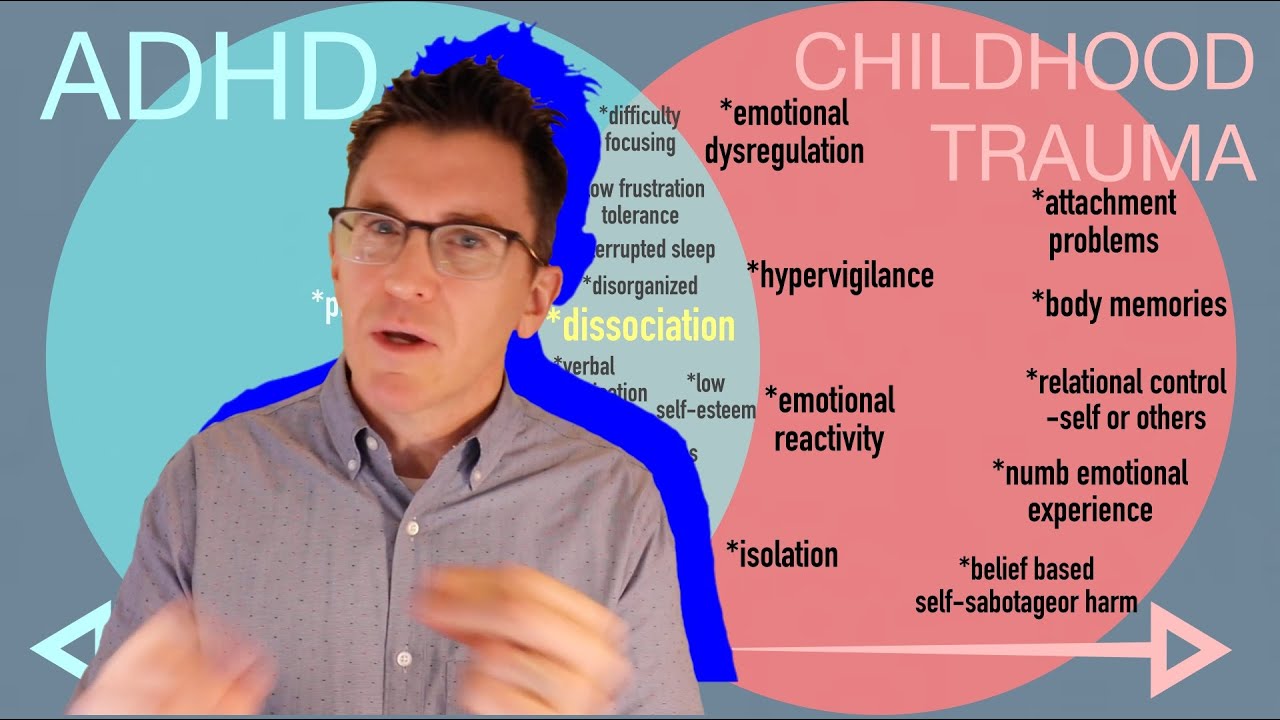
the world the religious followers of the world often mostly become very antagonistic when you become C ious and certainly for a child growing up in these religions and an adult who may be outside these religions asking these questions it's dangerous to be curious it's dangerous to ask questions I think of my time as a therapist where well I realized studying studying mental health studying psychology studying social work studying diagnosis well I realized this was a religion also and asking curious questions about this religion of psychology the religion of Psychiatry it was not acceptable this was
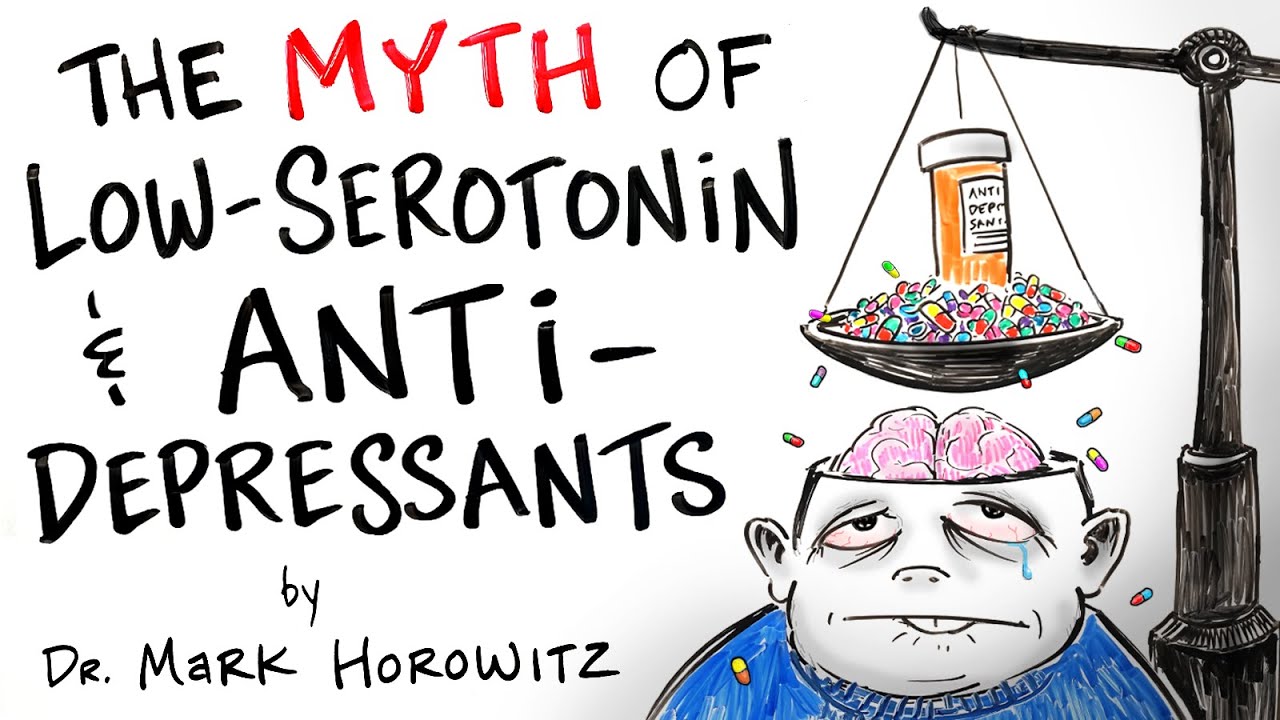
the answer these are the diagnoses these are real actual things schizophrenia is a real thing major depressive disorder is a real thing and to question that to question well what really is it where is it really coming for that they had answers oh it's genetic oh it's in the brain oh it's a chemical imbalance and me saying well that doesn't really make sense can you test it can you give a test for what's going on in the chemicals of the brain well we know very well and you have to trust the science they said trust
the science so then I'd read the science with a scientific mind having majored in science in college and realized well actually those papers seem pretty scientific L flimsy and now more and more as the decades go on hearing real scientists who apply real curiosity to the mental health field coming up with the same questions that I did saying this is flimsy this doesn't make sense and now they're saying oh there is no chemical imbalance we didn't find a chemical imbalance and all these biological diagnoses that are called mental health diagnoses that are labeled as truth
well they're not so truthful and they're not really so strongly embedded in any sort of scientific reality and me saying I was right and all those people saying well maybe you were right but back then it was like getting eaten alive and not getting referred clients because of this and being called a renegade and not in a respectful way maybe nowadays 500 years later we say oh Galileo was a renegade what a great scientist but me when I was a renegade in the year 20012 3 4 being told I think there's something wrong with this
guy maybe he even has a personality disorder as if a personality disorder order was even a real thing now this is the thing I was a therapist I saw people with all these different labels all these different mental health diagnoses which all all had their little formal codes that were considered truth that you could build and get money for all of these people had real problems everybody has problems I have problems I had problems I had a lot more problems than I have now but for me realizing it didn't serve any purpose it didn't help
me help people to give them these diagnostic labels with fancy Greek words that had numerical codes attached to them and yet what I realized is so many of my fellow therapists most of them in fact a far far majority of them actually believed that these diagnoses were real things because they weren't curious about it they didn't really question question but then I think of the biggest danger of curiosity and it's going to bring me back to where I started the video curiosity about what really goes on in the family system and I'm talking about my
own family system and questioning other people questioning how people raise their children questioning do people really love their children do most parents really love their children or do they live through their children or why do people have children what are they really having children about or questioning is it a good idea that you have children in this crazy world you who may not have enough money you who may not have enough love to give even your own self and here you are bringing more people into the world questioning who people really are on the inside
asking people about what was your childhood I've noticed this again and again no one criticizes people when they say I had a good childhood when people say they had a bad childhood that can bring up a lot of questions for people or it can bring up a lot of criticism for other people oh you have to forgive your parents oh you had a much better childhood or you had all sorts of privileges that you are not acknowledging or you're just a bitter person I certainly know my own parents were very very upset with me when
I started saying you know I don't think my childhood was so good and I'm starting to become curious about what really happened on an emotional level in my childhood my mother and my father both became very very threatened by this and what I've come to realize by becoming curious in the world and observing a lot of other families hundreds and thousands of other families is my parents were not so unusual there when children start to really question the actual emotional quality of their own parents parenting parents don't like it for the most part what I
see is most parents parent in an unconscious way they have unconscious motives for creating children and the ways in which they give love to their children or give not love to their children is also very unconscious their relationship with their children is very unconscious and what do I mean by unconscious in light of this video on curiosity what I mean by the unconscious is they're not aware of it they don't know what's going on they don't know what their motivations are and they're comfortable with that they're comfortable with not asking the questions about what is
really going on and they're even more comfortable with not getting the answer to those unasked questions because those answers would topple the facade of the self that they have built up I think of my parents I think of most parents they have a false self they don't know who they are they never really asked they never looked within or if they did ask it was so painful and terrifying and awful the questions that came up the feelings that came up the anger and sadness and rage that came up it was devastating so they had to
push it back down so instead they pushed it down they came up with Pat answers easy answers the same answers that religion gives that school gives that science gives answers to questions preformulated answers that everybody has to accept answer is called Truth and when someone comes and says no I don't accept those answers I want to know more then those people are considered aliens those people are considered dangerous and well when I ask those questions of parents generally what I find is they don't like me they don't feel comfortable around me they probably don't watch
this video or if they started watching this video by the time they got here they said you know I don't like this guy he makes me uncomfortable I think there's something wrong with him why is he asking these questions he's sick he's angry he has unresolved stuff he's acting out his rage for his parents onto me and I'm going to turn it off right now but really what's going on I think is I think based on what I've observed again and again and again is some little bell in their head starts to ring and says
uh-oh he's getting and close to the truth of what's really going on inside of me the truth of my unresolved pain the truth of the of the answers I give myself about who I am and I don't want to know anymore I don't want to listen I can't afford to my life this facade of my existence this thing that I call me and my relationship with my partner or my lack of partner my relationship with my children my work my existence is based on not asking basic questions basic open-minded questions that I don't know the
answer to basic questions that look within and really study what happened to me who is the truth of my parents who is the truth of my children what do they really need what do they really want asking these questions and really listening to the quiet voice within that actually pretty easily give the the answer if we open the door and in the Silence of our mind listen to the answer well these answers would ruin everything and what I think about our human species as a whole our human species as a whole is living a big
facade of a lot of fake answers simplistic answers untrue answers that aim to keep everyone comfortable and children suffer for it children get screwed over for it because they have parents who don't know truth and when the children ask the deeper questions the answer that they get is you ask too many questions I've seen that so many times it's cliche but I've seen it again and again and again parents saying stop asking those questions shut up stop talking be quiet speak when you're spoken to GH there's something wrong with him he asks too many questions
G he's a pest he bothers me go play your video games you don't bother me when you're quiet and playing your video go play with your friends go outside and play sports shut up shut up shut up meaning don't be curious if there is any salvation for our species a species which has become profoundly destructive because we're so distanced from truth so distanced from the consequences of our Collective actions destructive to the environment destructive to our future children destructive to Future Generations destructive to the oceans into the forest and the rivers and the lakes destructive
to the little children who are being born every day if there's any hope we've got to ask these questions and in general I don't see it happening but will we someday I think what's going to happen is our Destruction for not being curious is going to catch up with us it is it's catching up with us already but it's going to get really really dark it's going to get really really ugly and then maybe humans will be in a position where there's nothing left to do but start asking those basic questions to get us back
on track [Music]