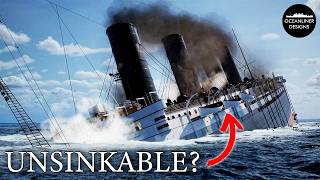
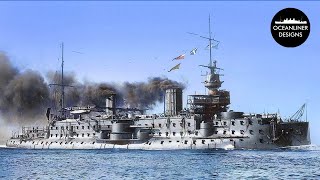
ships are and this may surprise you very big and they take a lot of careful and complex mathematics and calculations to design correctly in the last video in this series we saw how a simple single error could be carried right through from design to construction and lead to catastrophe but some errors are larger and broader some ships are doomed from the very start not just because of one mathematical error or a single calculation but because their very reason for being is built around possible design def icies that are actually key to their function in the first place ladies and gentlemen I'm your friend Mike Brady from Ocean lighter designs and today we'll look at two more design failures from [Music] history now this first one is actually very contentious see I said before that sometimes a ship's failure in design can come down to just one simple mistake last time we looked at how the hunt class destroyers were almost an absolute dismal failure because somebody got their math wrong but long before those Destroyer escorts were dreamed up the Royal Navy was experimenting with a new class of Warship that was designed to combine the Speed and Agility of a cruiser and the Armament and power of a battleship and the combination would result in an interesting new class of Warship that met both success and terrible catastrophe and it would cast doubt over the entire concept that endures to this day battleships and cruisers are classes of Warship that are very very different to one another and the distinction was even more evident in the years before the first world war see back then battleships with these large fairly slow Heavy Hitters like prize fighters of the Navy designed for absolute dominance in a fleet action in the early 1900s the Navies of the world were experimenting with fitting as many guns as they could to these powerful ships with some pretty mixed results the Royal Navy changed the game in 1906 with the world famous HMS dreadnut a battleship that was very quick for her day at 21 knots but more crucially the ship had a uniform main battery she was designed so that large turrets could fill guns of 12 in or 305 mm in such a way the powerful broadsides could be brought to bear or if the ship was facing stem onto the enemy that is directly in front or behind then at least six main guns could be put on target now this changed the idea of what a battleship was and soon the world's navies were rushing to build their own dreadnots and in a fierce Naval arms race with Germany Great Britain's admiralty rushed to rebuild their own Navy and replace many of their aging lumbering awkward battleships with dreadn style warships instead but meanwhile there had actually also been a cruiser arms race brewing for years the Cruisers were not like battleships they were smaller leaner and faster and therefore could Mount only smaller caliber guns and Torpedoes but their benefit was obvious supporting the battleships outmaneuvering the enemy and being a thorn in the enemy fleet's side but against battleships Cruisers could only hope to Pepper them with smaller caliber gunfire maybe even start a fire on deck or land a torpedo hit before dreadnut was constructed British Admiral John Jackie fiser had been toying with the idea of taking a cruiser and remedying its perceived inferiority to the battleship commissioning designs for the most upgunned Cruiser possible and in the end a design program ensured that one new Battleship design would be built HMS dreadn but three new heavily armed and armored Cruisers would be built as well now these new Cruisers were unlike any other that had been seen before they were immense in size and carried the huge 12in guns that Dradnaught had the whole reason for being was to take the fight to the enemy to run down slower older warships and hit them hard with their powerful Battleship caliber guns but to do it the designers had to pull off a few engineering Miracles first the new style of Cruiser had to be extremely long a longer hole form moves easily through the water and is very hydrodynamically efficient typically the longer and leaner a ship is the faster it will go in fact this new style of Cruiser was about 40 ft or 12 M longer than dreadn but it was narrower means they could hit 25 knots now this was the same as the then world record holding Speedy passenger liner RMS morania was very impressive they also mounted eight of the big 12in or 305 m guns that Dradnaught had was only two less than that Battleship where they differed from battleships was in their armor layout now this new class of Cruiser was as big as a dreadnut but it lacked the armor protection afforded to the heavier battleships now the reasoning was actually to do mainly with cost and Doctrine the new Cruisers were really designed for Speedy flanking operations to nip it the enemy chase him into a place he doesn't want to be in or to destroy weaker ships with their powerful main Armament but they were not designed to Duke it out with battleships of the line that was dreadn what's job so the latter was kitted out with up to 11 in or 28 cm of solid steel belt armor the armor designed to protect the ship's Hull and all the critical machinery and powder magazines inside she also had 3 in or 7. 6 cm of deck armor Now by contrast the Cruisers got less than half that amount of belt armor and only 2 and 1/2 in or 6. 4 cm of deck armor now the deck armor was important too because at Rangers battleships engaged one another the shells would be falling downwards thanks to gravity and be likely to hit from above now less armor meant that the new Cruisers were a little bit lighter than the dread norts but more importantly they were cheaper to produce they didn't get heavy armor because it was thought in their normal operation that they just wouldn't need it they were clearly not anything like the last generation of Cruisers this was something entirely different but at first there actual function obviously caused a little bit of confusion within the admiralty early on this style of ship was referred to as a cruiser Battleship and then a Dradnaught Cruiser but by 1911 the designation had officially settled on battle cruiser and a new class of warship was born the first Royal Navy battle cruiser was given the somewhat ominous name HMS Invincible now there's a lot of misinformation and mythology around the battle cruiser and it's perceived failure as a class of ship in many ways it was actually evolutionary it led to the largely successful fast battleships of the second world war but back in the first world war the Navies of Britain and Germany were excited to deploy their new battle cruiser squadrons because of course when Britain started making them Germany did as well in 1916 both Nations finally got their chance at the infamous sprawling battle known as Jutland on May 31st HMS Invincible herself steamed into action against the large German Fleet as part of vice admiral David be's dedicated battle cruiser Squadron now this was actually the first time the battle cruiser would partake in a proper Fleet action against combined enemy warships which included battleships before then HMS invincible and her type had seen great success in hunting down and destroying smaller and weaker warships like they were originally intended to but this battle would be different the battle Cruisers were supposed to harass the German line and at around4 6:00 on the 31st they engaged the Germans equivalent battle cruiser Force the results for the British were not good HMS Invincible was engaged by two German warships and within just a minute and a half had taken three salvos of enemy fire and then it happened HS Invincible did not live up to her name and she detonated in a spectacular explosion that blew the ship clean in half and sent a great gout of smoke and flame high into the sky all but six of her men were killed but shockingly this wasn't the first battle cruiser casualty of the day just beforehand at 4:00 two other battle Cruisers had actually been lost HMS indefatigable a new class of battle cruiser had taken about three shell hits to her rear gun turret and began to sink when more shell hits blew her magazines and the ship went up blown in half in a ball of flame and then at around about halfast 4 the battle cruiser Queen Mary took a hit to her forward magazine and she went up as well it prompted be the battle cruiser squadron's Commander to mutter those famous words there's something wrong with our bloody ships today now there's actually a few key takeaways from this first of all in the battle Cruiser's early careers it had been shown that they were highly successful in chasing down and destroying smaller older ships but they were clearly not without serious flaws in engaging the German battle Cruisers invincible and her Fleet mates were encountering Battleship Calibus shells in return which hit hard and cut through their thin armor like it was paper one Theory goes that the British employed unsafe and LAX handling procedures for their powder which led to the detonations but the German fleets actually employed similar practices interestingly one German battle cruiser came very near to detonation at Jutland as well SMS sadit was hit with a 15-in shell fired from the British HMS lion which slammed into her barbette the massive cylindrical armor below the gun turret which protects the powder inside now the shell didn't pen Pate but it shattered the inside of the barbette's armor and a red hot Shard of metal ignited some of the powder that was there and started a fire which killed many of the guns crew now with only seconds before the ship was going to go up a German crewman heroically flooded the magazine with water and save the ship from certain destruction now the incident was a close shave for the Germans but it highlighted one major design discrepancy between sagits and the British battle Cruisers armor see saglit had a barbette with 9 in or 23 cm of protection whereas HMS Invincible had only 7 in or 17.
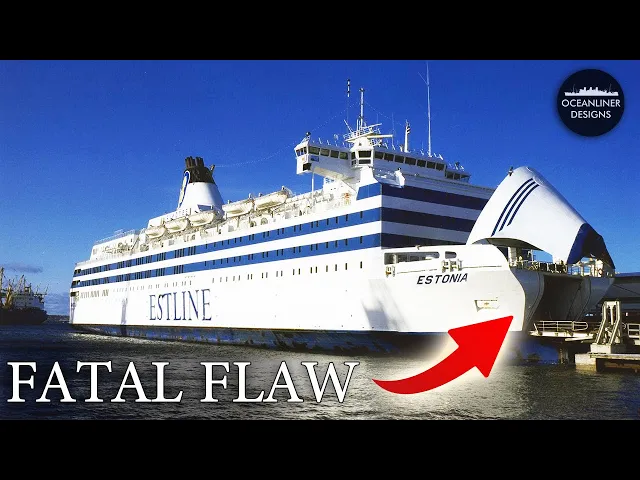
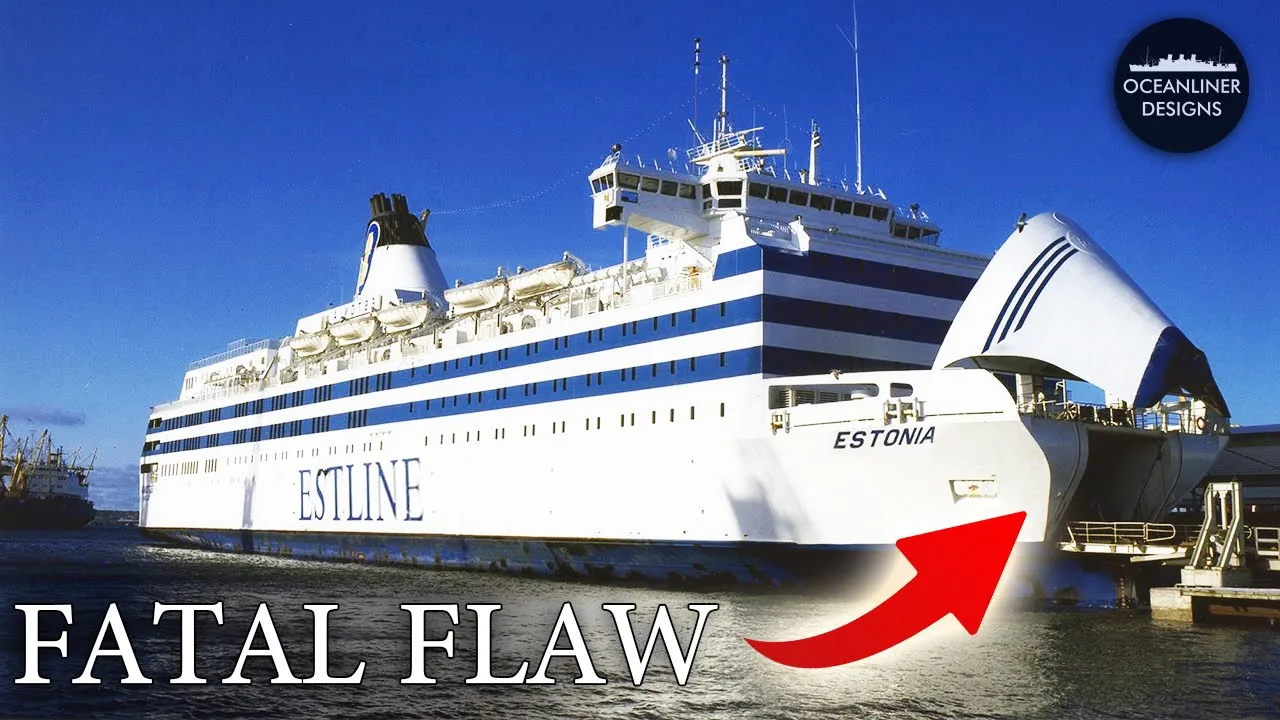
8 CM the clean hit on the British barbette was likely to penetrate and Spark off a fire within the Powder Magazine leading to the detonation of the ship so was the British battle cruiser a design failure well the class of ship has attracted much criticism but it has to be pointed out that for their original intended purpose the warships proved more than adequate and extremely useful as technology improved and battleships could be made faster in the end the battle cruiser gave way to the fast battleships in the 1930s but in World War II a few still saw combat HMS Hood famously suffered a similar magazine detonation when she was hit by the German battleship Bismark although that shot seems to have been an extremely lucky one that passed below the ship's belt armor under the waterline we've actually covered this in a video before and that kind of shot could have killed a more armored Battleship anyway in in the end the British battle Cruisers deserve a spot on the design failure list because when they were expected to support the main Battleship Fleet in larger Fleet actions they just couldn't hope to stand up to repeated hits from Battleship caliber shells now this was a failure more IND Doctrine where the design just couldn't keep up they were extremely useful as protection for merchant convoys against Raiders they could hunt down and Destroy older smaller warships very easily but when it came to taking on enemies firing anything as large as a 12 or 15in gun they just didn't have the armor to protect their magazines now you wonder if maybe they'd been built with the German style of more heavily protected barbette Invincible indefatigable and Queen Mary might have survived now this next one was actually suggested by a viewer of the channel named Chris ocean liners are designed to get people from point A to point B as quickly as possible over very large distances and I've often referred to them as big luxurious fairies but the humble Ferry shouldn't be underestimated in any way because these ships also battle through some of the harshest seas in the world but their development and use has not been without serious incidents and it's all down to one fundamental Achilles heill early fairies took people to nearby locations across water and would winch and manhandle critical cargo on board with cranes or booms but by the 20th century cars had taken over as the main form of Transport for people over distances on land and faeries had to be updated to keep with the times most passengers had their own cars and so taking hours to winch individual passenger cars on board one by one just wouldn't do a simpler faster solution would be needed now this birth the so-called roll on rolloff Ferry or roro for short where passengers could just drive right on up and into the ship them themselves now you're probably familiar with this type of ship because they're very much in use today but in the 194 40s it was a revolutionary new development and roll on rolloff ships were built to operate on short routes across the world now the ability for passengers to drive up and straight into the ship required some design quirks to say the least in order to actually get Passenger cars on board a fairly sizable hole would be needed for them to drive through now doors had to be fitted to the F's loading Bay to keep the ocean out and to keep the hull watertight early roro fairies featured doors at their Stern on the back of the ship and right off the bat having a massive hole in your ship's Hull that can cause massive and unchecked flooding is an obvious red flag and the vessel's safety will come down to the integrity and strength of the doors actually fitted to protect the hull now in a normal ship watertight compartments would be able to be sealed shut and prevent water from flooding through to the rest of the vessel but early roro fairies also needed to keep their lower decks clear and open so that cars could actually be driven in and parked they didn't have watertight compartments on the car decks now this is also a massive red flag as far as ship design goes but so long as those doors held up then there shouldn't have been an issue well this was all put to the test a few times actually but the first in January 1953 when the early roro Ferry Princess Victoria was battling her way through a nasty sea between stran rer and Scotland and Len in Northern Ireland with a Gil warning in effect the ferry put to sea with 17 passengers and crew on board but it was noted soon after that waves and spray were breaking over the ship's Stern and hammering in the doors now this should not necessarily have been a problem the designers had fitted sliding doors as well as an additional protection in the form of a guillotine door which would actually drop down like the name implies and provide an additional seal against the water but there were a few issues in the day-to-day operation of the ferry it was found that actually using the guillotine door was Impractical and slowed down the whole operation so it was rarely if ever used but more critically if the door was damaged at all it couldn't drop down and it just so happened that on that January day the guillotine door was damaged and unable to be lowered then massive waves began to burst through the stern doors and the crew couldn't shut them with water pouring in and unable to drain and with no watertight compartments to stop it the ship began to take on a list to her side but her Captain did his best to change course and keep the stern out of the worst of the waves with the list worsening and a rescue mission actually struggling to find the ship it became clear that Princess Victoria did not have long to live the Lifeboat Sir Samuel Kelly bravely battled its way through the heaving seas and actually managed to carefully rescue as many as it could before the ferry completely sank and took 153 passengers and crew with her leaving only 44 survivors now a subsequent inquiry found that the doors had not been designed with enough strength and they couldn't hope to stand up to the kind of heavy sea one might expect to encounter between stranraer and Lan to add insult to injury though the scuppers which were essentially drains intended to carry out any accumulated water in the car decks and dump it over the side were found to be totally ineffective so obviously Princess Victoria was a ship with a few design faults but surely fitting a heavier Duty set of doors would remedy the issue well years later in 19 94 another rorro Ferry very famously met disaster all thanks to the design of its doors the Swedish Estonian fery Estonia was a decently sized thing about 15,600 gross tons and around 515 or 157 M long she could carry 2,000 passengers and no fewer than 460 cars between talin in Estonia and Stockholm Sweden now on September 27th 1994 the fer set off for Sweden but encountered Heavy Seas up to 20 ft or 6 M tall and a wind speed equivalent to a force 10 she battled her way forward for hours pitching and rolling in the massive waves when around 1:00 a. m.