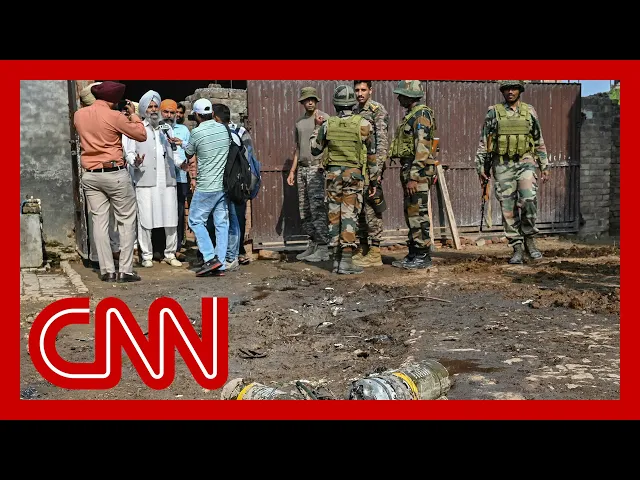
Nic, what's the latest? Yeah, I was just talking to a source who was literally in the room where it happened, where Secretary of State Marco Rubio, I was told, played a massive role in bringing about this ceasefire, a ceasefire that are multiple times today and even yesterday, because it was in the works yesterday, perhaps over the last 48 hours, as we've been reporting, Pakistan was sort of on a military pause, to give, a window for diplomacy. what I understand from the sources that was blown out of the window early this morning when India attacked three airbases, one of them here in the capital, just on the outskirts of the capital, that, according to the source.
Pakistan responded with a relentless a massive barrage of missiles and rockets. They say Pakistan says into Indian military facilities, bases inside India air bases, weapons storage and along that disputed line of control in Kashmir against military bases there. They say that this from the Pakistan perspective, their communications, how they were communicating with Secretary Rubio that that really put India on the back foot.
It didn't know what had happened. India, according to Pakistan, reached out to Secretary Rubio, reached out to the Saudis, reached out to the Turks, reached out to others to find a diplomatic offramp, got engaged after that onslaught. and diplomacy.
But telling the mediators that, they were going to go on a pause on the Indian side. And then according to Pakistan, that didn't happen. There was another exchange of rocket fire that happened several times during the day today.
And it was only in the last couple of hours before this ceasefire came into effect, just about an hour or so ago, that there was enough of a pause to call it and say that this was real, that enough diplomacy and leverage had been put on both sides to get them to stop here. Now, the key issue for Pakistan going forward is water. India is still set.
It's cut off the water from those three vital rivers, from the, mountains in Kashmir, vital to to Pakistan, existential to Pakistan. I said, what about that? And the source said, look, this is a ceasefire.
Everything works out from there. But from the Pakistan perspective, they've been up all night from the Indian perspective. They've been up all night.
There was a lot of tiredness. There was a sense that they just wanted to get this done. Otherwise, in the words of their source, it would have just spiraled into something much worse.
It was now or never, if you will. It was going to get a whole lot worse. So I think a sense of relief here, but a sense of whiplash too, for what the country has been through in the past few days.
Nic Robertson, thank you for the report from Islamabad. Now we go to India. In New Delhi is CNN's Matthew Chance.
Matthew. yeah. Hey, Michael.
Sorry. Having a few technical problems here. Must be the the conflict.
But, look, I mean, it's an astonishing, couple of hours, actually, because I was listening to Nick Paton Walsh speak out of Ukraine there about the proposal for a ceasefire there. That's that's been all the demand for a ceasefire that's been very long in coming. It's been more than three and a half years since the Ukraine war began.
And, of course, you know, to take a skeptical view as Nick was pointing out, the Russians have not yet agreed to a ceasefire. But over here on the Indian subcontinent, with the standoff between India and Pakistan, it's not three and a half years. This this latest conflict had been going on for three and a half days.
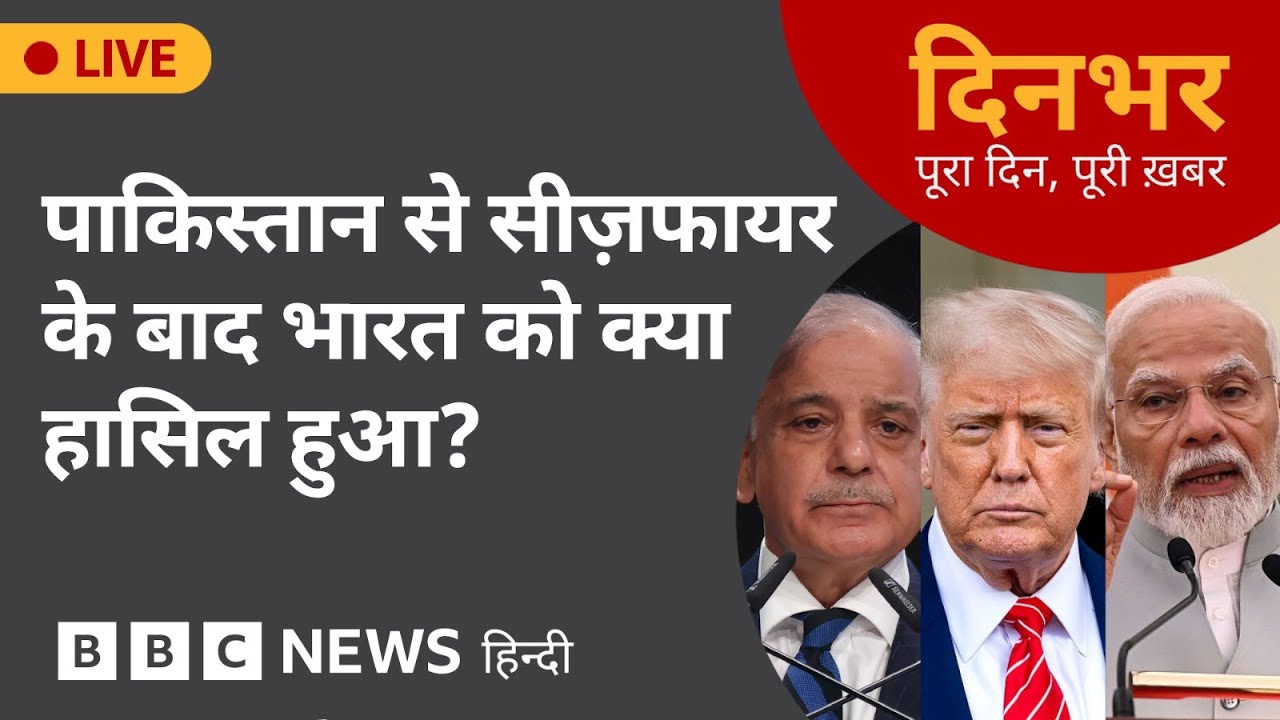
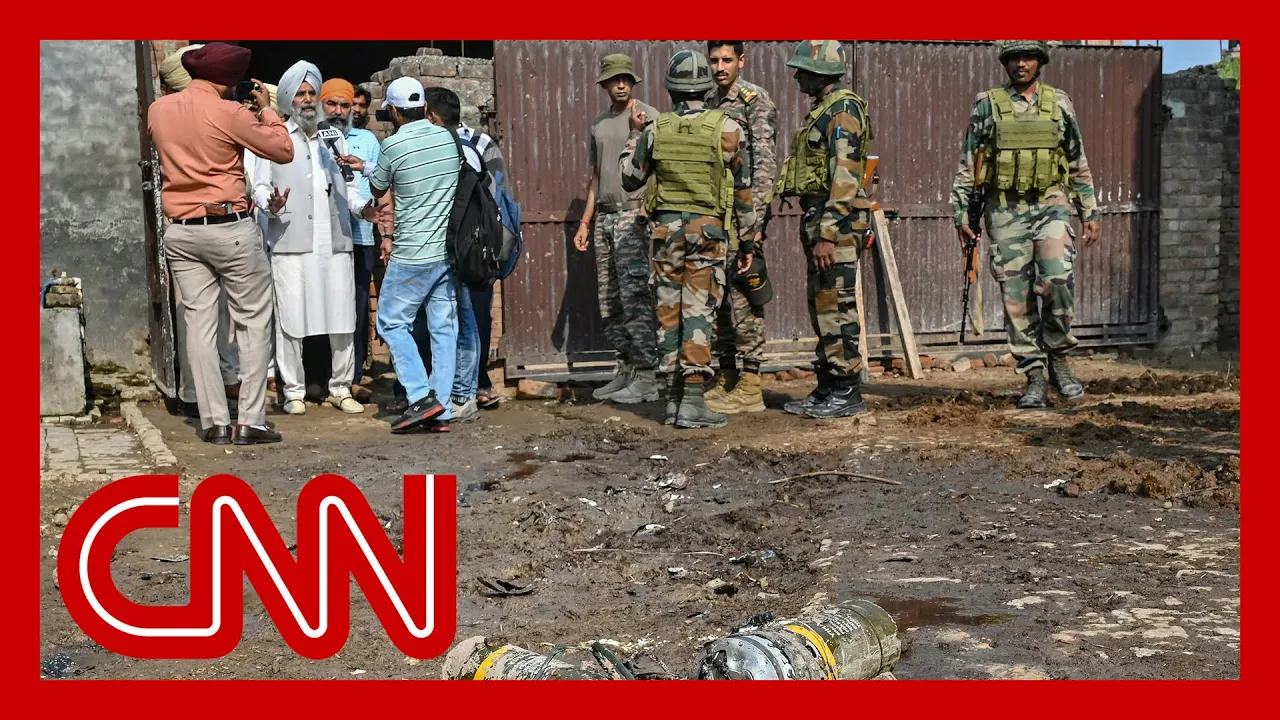
And so, at what Trump has got in his sudden, unexpected announcement of a ceasefire between the two countries is the quick victory that he very much wanted to have but couldn't get, with Russia and Ukraine as well. But nevertheless, over the past couple of hours, less than that, even President Trump, you know, announcing on his truth social media platform that a ceasefire has been done between India and Pakistan that follows, you know, a real upsurge in violence between the two nuclear armed neighbors. Remember, early this morning, excuse me, early this morning, India launched unprecedentedly deep attacks inside Pakistan.
Air airstrikes on Pakistani military bases, the deepest inside the country that India has struck for decades. Really since the the war between the two countries back in in 1971. So extremely serious escalation there.
that led to a furious Pakistani response. They struck dozens of targets, not just in the disputed territory of Kashmir, but elsewhere in India, as well. And, you know, the fact that this was taking place between these two nuclear armed neighbors, I think, shook the international community and shook, the United States in particular, into action, and basically forced diplomats from Washington to really get engaged, and to bring the two sides together, to, to get them to step back from the brink.
Remember, it was only a couple of days ago that JD Vance, U. S. vice president, was saying that dispute between India and Pakistan, it's not about business.
That was those were the words he literally said. And what we now understand from the secretary of state, Marco Rubio, is that actually there's been a day of intensive negotiations involving him and JD Vance speaking to the leadership and the military, leaders on both sides of the divide in India and Pakistan, finally getting them to talk and to agree to step back from the brink that there's going to be more talks, to finalize this cease fire. But, you know, it seems that for the moment, the threat of a spiraling, escalating conflict between these two, countries, India and Pakistan, thankfully, has has receded.
Michael, Matthew Chance, thank you for the report from New Delhi. Join.