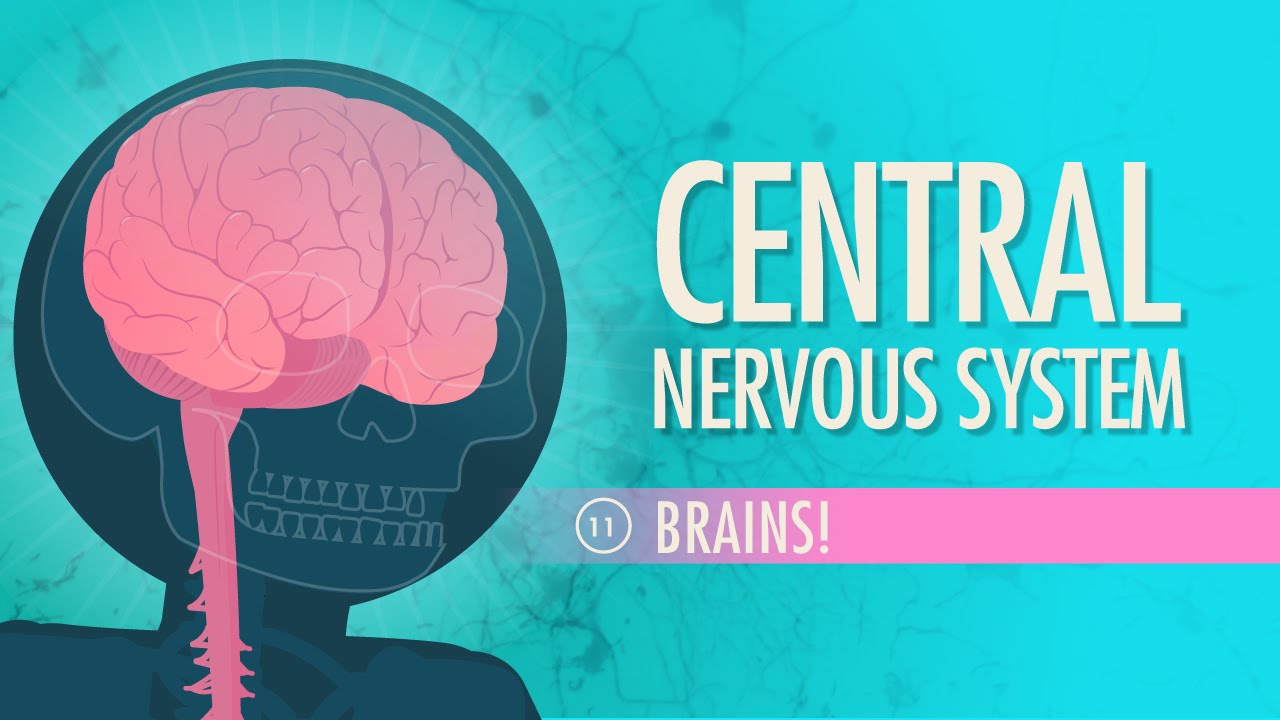
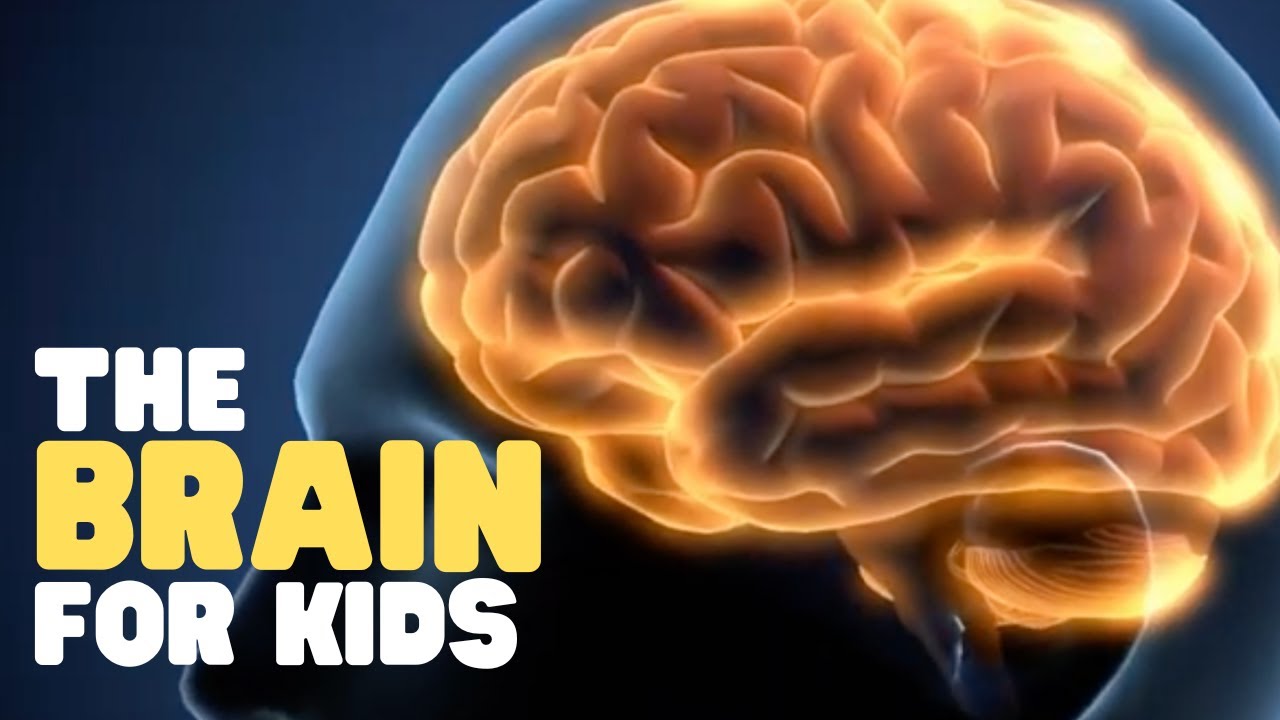
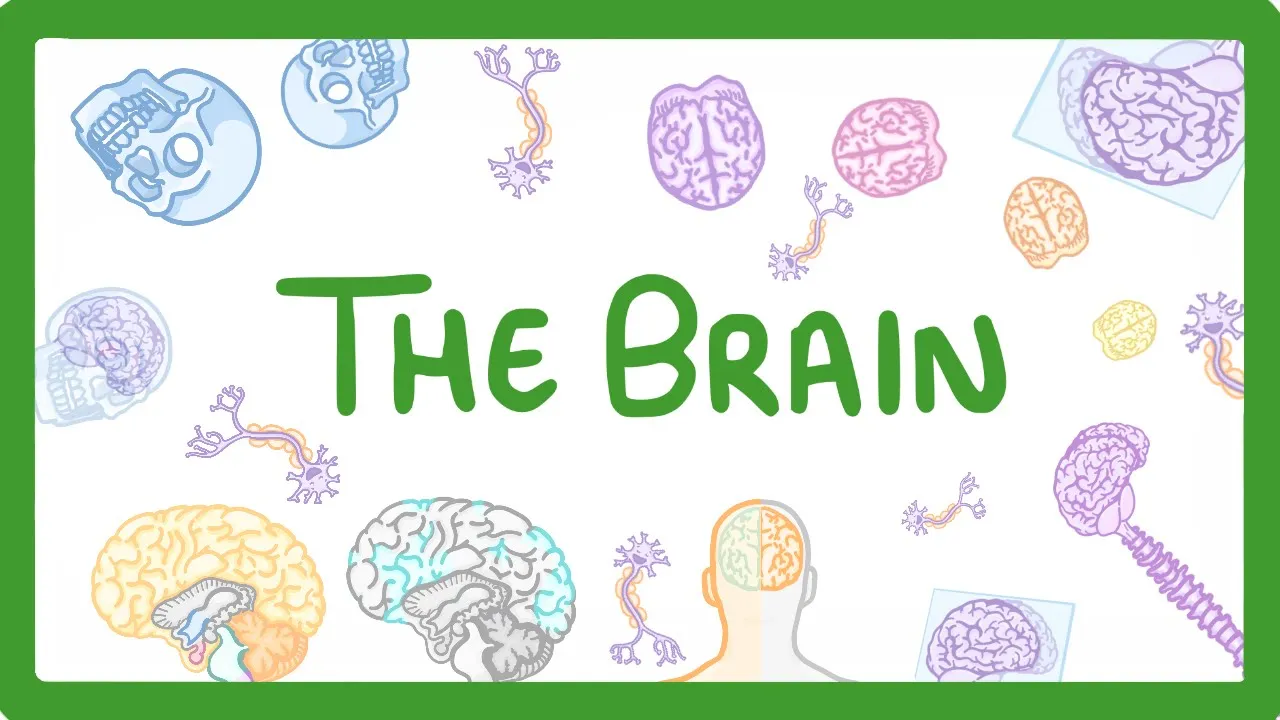
today's video is all about the brain which is made up of billions of interconnected nerve cells and holds all of our thoughts and memories it's also responsible for all of our complex behaviors from choosing which clothes to wear to running or reading the brain itself is made up of loads of different regions and we're going to take a look at the different functions that each of them perform we'll also cover how scientists study the brain and why it's so difficult to treat the first thing to say is that the brain and spinal cord together make
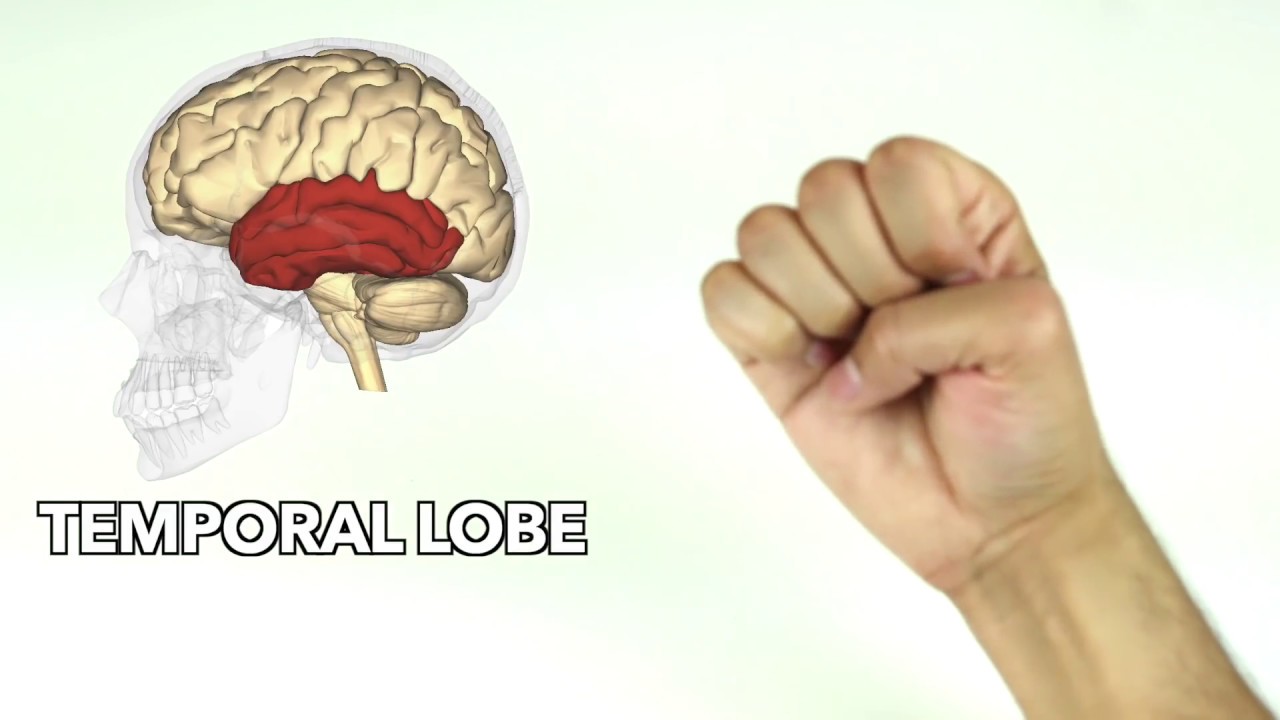
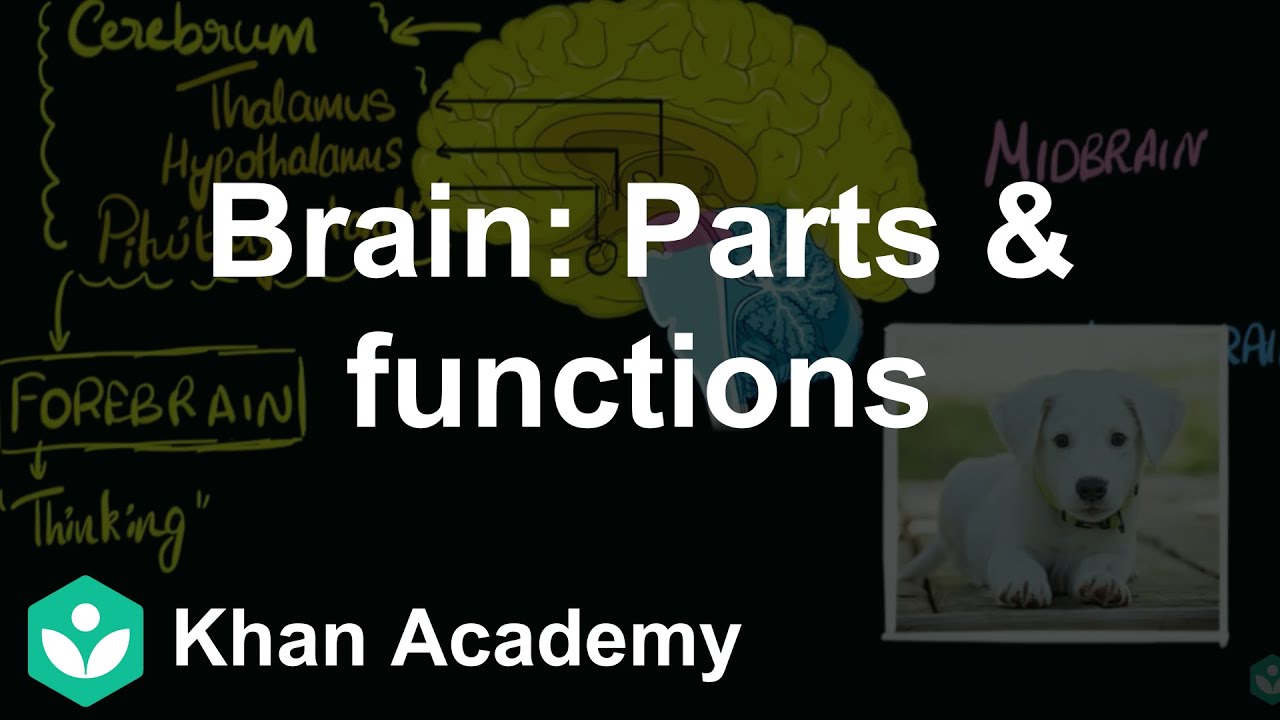
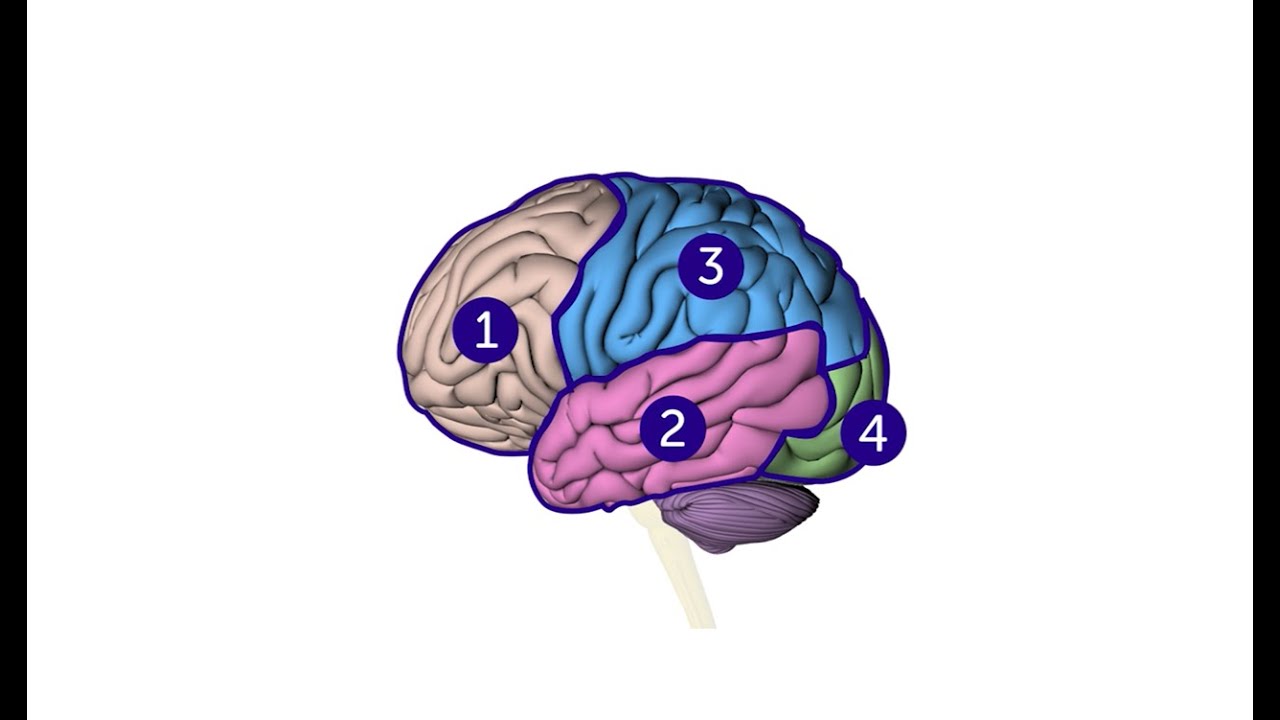
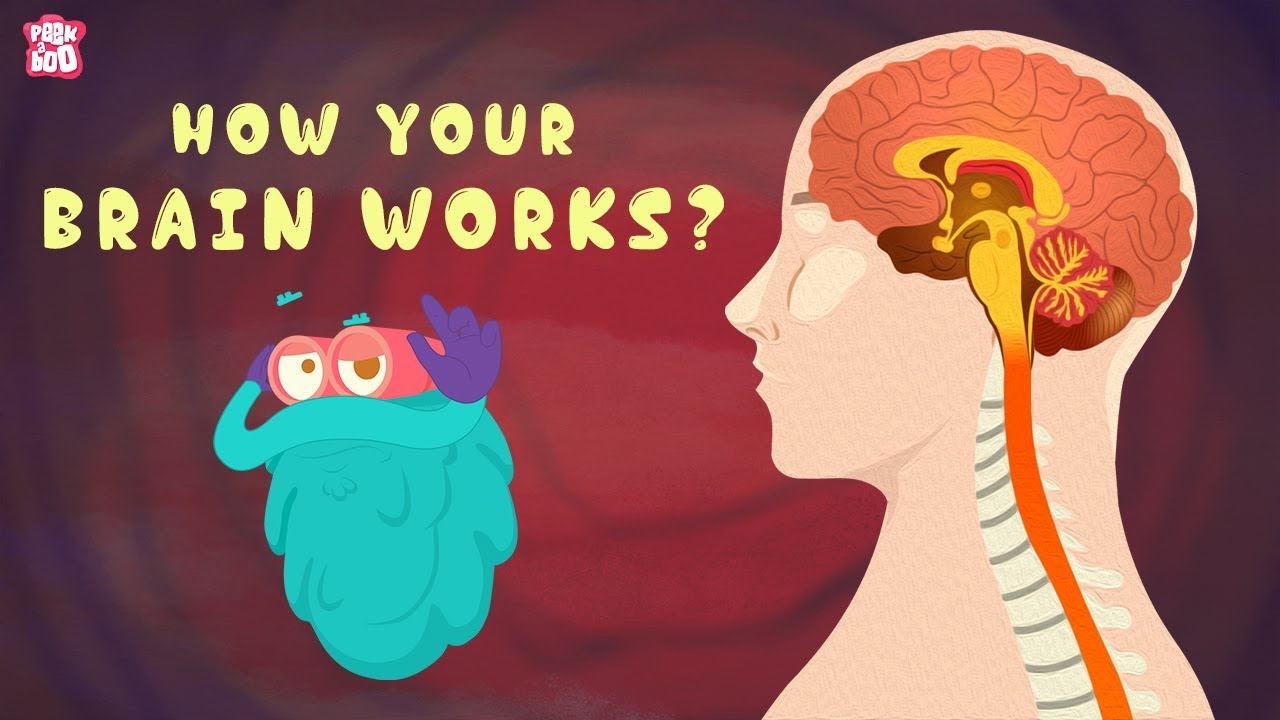
up the central nervous system but apart from simple reflexes it's the brain that makes all the important decisions so we'll focus just on the brain now this image here is actually a cross section of the brain as though it's been sliced down the middle so that we can see inside the big ring cleaver all around the top is called the cerebral cortex or cerebrum and this is the part that's responsible for some of the things we value most like consciousness intelligence memory and language as well as our sentences like vision and hearing the cerebral cortex
is actually split into two halves which we call hemispheres and oddly the left hemisphere controls the muscles on the right side of our body and the right hemisphere controls those muscles on your left side then at the back of the brain we have the cerebellum which is responsible for controlling our balance and muscle coordination so basically making sure that we can sit up straight and walk without falling over in the middle is our hypothalamus which is involved in regulating things like our body temperature and sending signals to the pituitary gland finally at the bottom connecting
the brain to the spinal cord is the brain stem and within this is the medulla which controls our unconscious activities like breathing and the beating of our hearts the next thing we need to look at is how scientists study their brain to learn which parts do what one way of doing this is to study people with brain damage for example if somebody has a stroke in which one tiny part of their brain is damaged and it leads to them not being able to hear anymore then we can make a pretty good guess that that region
was responsible for hearing in some way another technique is to electrically stimulate different parts of the brain using a tiny electrode and see if anything happens for example if we zap this part of the brain it would result in muscle contraction and the person might move an arm or a leg whereas if we stimulated this region it might cause the person's vision to go funny because this is the part of the brain involved with vision a less invasive technique and the one most used today is scanning the brain this can involve a bunch of different
forms including ct scans which use x-rays pet scans which use radioactive chemicals and mri scans which use really strong magnetic fields ct scans are mainly used for seeing which areas of the brain are damaged whereas pet and mri scans are better at measuring the underlying activity of the brain so if you're shown images that make you sad while in an mri machine then certain parts of your brain will appear brighter because they're associated with feeling sadness or with eyesight whereas if you were to listen to music while in an mri machine then you'd see a
different pattern of activity in the brain the very last thing we need to cover is why treating the brain is so difficult first of all there's a really wide range of things that can go wrong with the brain including tumors infections and trauma as well as mental health problems like depression second the fact that it's encased within our skull and that the surrounding brain tissue is also fragile makes it extremely difficult to physically fix anything like with surgery and finally because the brain is so complex and we still don't fully understand it it's also difficult
to fix things with drugs and chemicals because we don't understand the underlying processes anyways that's everything for this video so i hope you found that useful if you did then please do tell your friends about us and we'll see you again soon you