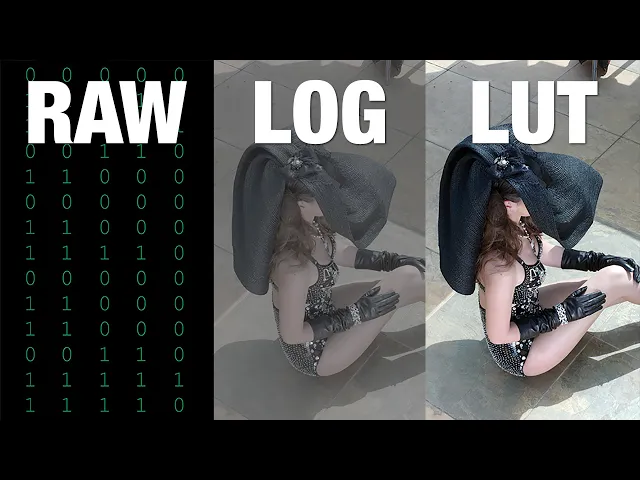
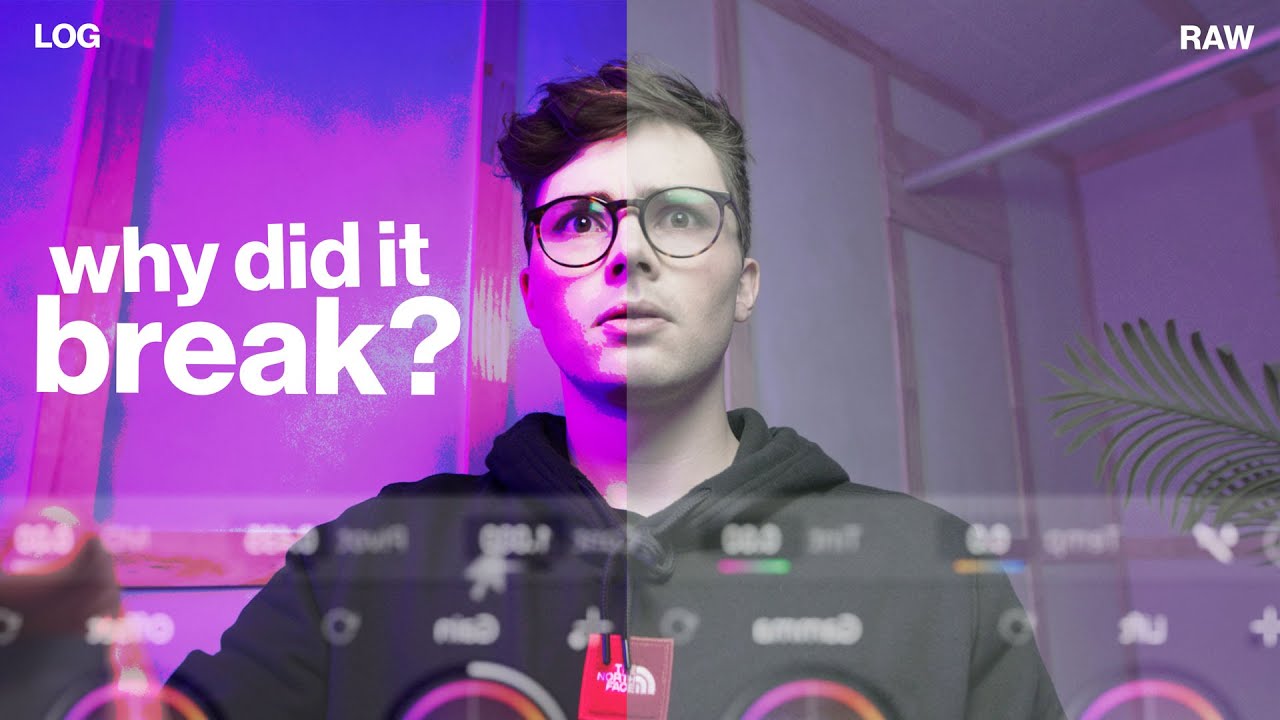
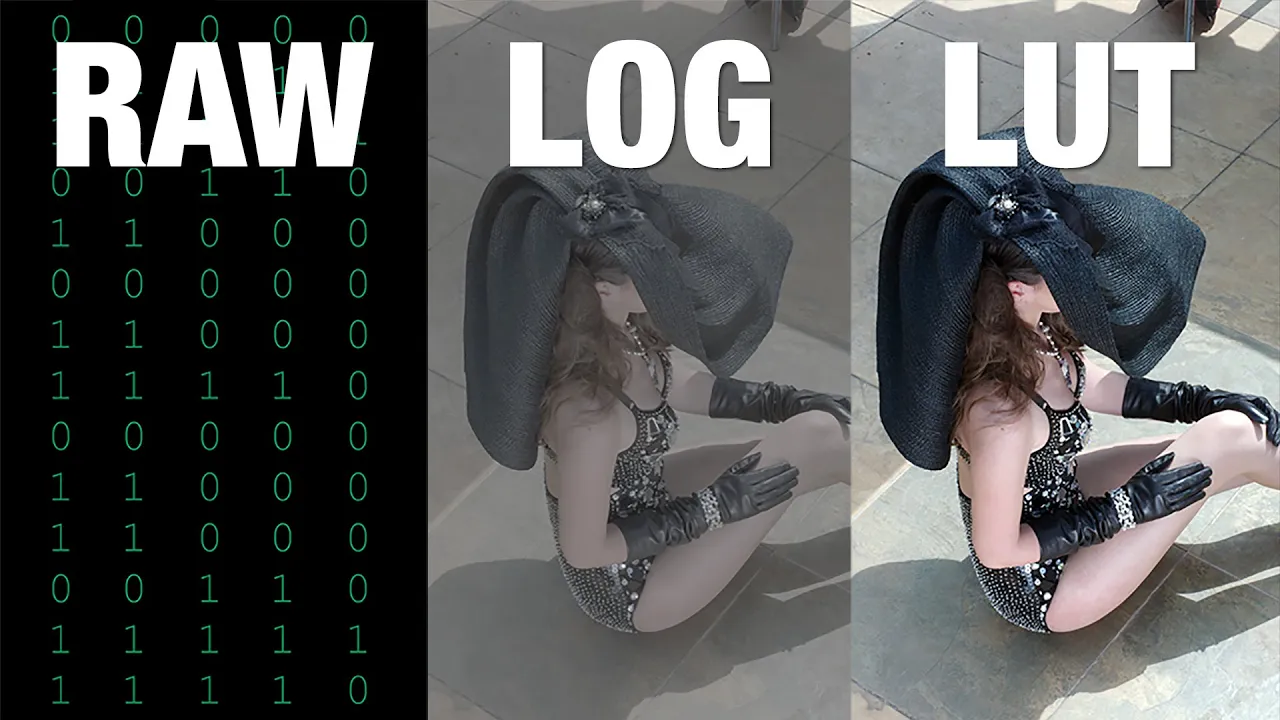
hi i'm cerry sudecker and let me explain as simply as i can the difference between raw log compression and luts pay attention it's a cinematography equivalent of the birds and the bees first up raw raw in all caps not raw some people use the phrase raw footage to mean the footage that came hot off the camera unedited footage but raw in all caps is something else you see it on the airy website or red sony anybody making cameras raw is always in caps because it means one specific thing and that is the raw data from
the sensor that has not been converted into a viewable image yet sensors are light collecting devices most sensors have a color filter system called the bayer filter there are other color filter technologies but all you have to understand is every pixel that collects light just collects light from zero to its maximum think of it as black and white light the filter in front of it is typically one color red green or blue whatever light passes through this will be tinted with this color once the data passes on to the camera processing system it has to
be blended together to form a viewable image this process is called the bearing bare filter gives it a color pattern de-bearing uses that information and with the help of cool computer trickery and images made where every pixel now has all three colors red green and blue this one color to many colors happens real time in every camera if it didn't you wouldn't see an image in the back lcd or the electronic viewfinder or an output via hdmi the camera has to do it raw data has to be deburred before it can look like an image
if you've shopped with any dslr mirrorless or video camera you'll know manufacturers give you different presets looks styles profiles whatever you might want to call it the camera manufacturers keep this process secret only they know how they're taking the data and converting it to these styles it all happens inside the camera and we don't have access to it professional photographers and cinematographers don't like that they want complete freedom to do whatever they can with the image this is why in most high-end and even prosumer cameras you get raw as a file that you can record
it what are the benefits specific to raw for one you can change colors without penalty you can change white balance you have highlight recovery etc etc in a nutshell raw is the best image possible from any camera period the raw file is usually proprietary harry has every raw with dot ari red is r3d and so on you might need proprietary software to open and manipulate the raw file or you can use third-party programs like premiere pro and resolve bottom line once the data has left the camera you need a program that can take that raw
all caps data and turn it into an image cinematographers that started with digital in the early days wanted a workflow that followed film so log was designed because film was scanned in log and arie designed log c so the raw data can be converted in camera or debared to log so now that becomes the starting point instead of giving you five presets or kodak film looks or fuji looks they decided that was too restrictive and backward looking so they made log log looks flat because it is designed to emulate the curve of film and preserve
maximum dynamic range the reason why log looks like it does is not relevant to new cinematographers because they don't have a reference to it that's why it's so confusing but what is universally true is no one likes to look at flat images on a monitor or viewfinder so you need to correct it even on set the simplest way to do this is to use a lut or lookup table a lut basically corrects a flat image quickly to an image of your choosing it's like a quick fix filter this can also be done in a complex
way through color grading where you change all the parameters to get a usable image the lookup table is just a quick formula that takes whatever footage is given to it doesn't care or judge and then blindly applies that formula baked into it it can't be changed or do any intelligent analysis for a lut to be professional you must know exactly what the final output should be like when the alexa came out the standard in the hdtv world was rec709 most hd tvs until a couple of years ago were rec 709 the reds greens blues the
dynamic range the contrast all are clearly defined in rec 709 because it was the broadcast standard for high definition tv worldwide there was still pal and ntsc from the legacy days but they are mostly dead now and need not be considered rec 709 itself is on its last legs as we speak the other standard cinematographers wanted and still want is dci p3 the color space specific to cinema so you either had rec 709 or dc ip3 arie created an official lut to be used with its official log for its official airy raw and its own
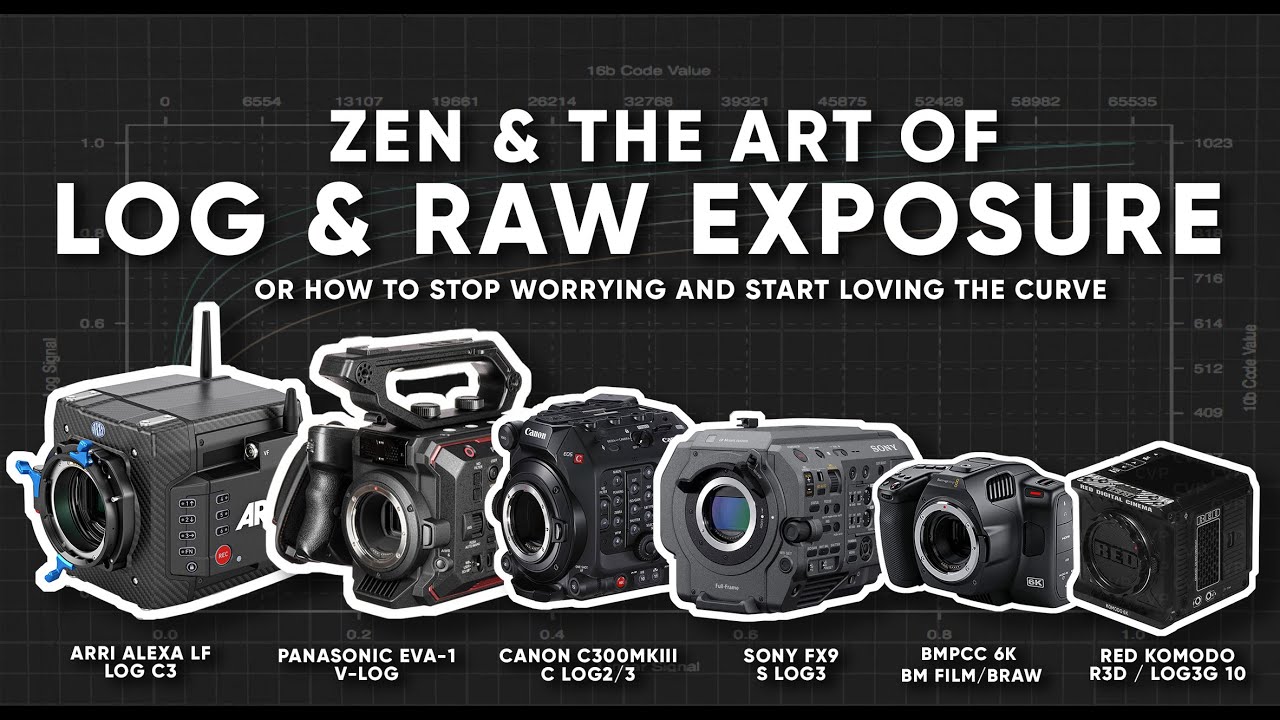
official camera the area alexa there were cameras before and after the alexa but the alexa was and continues to be the gold standard not only in usage but also in the simplicity of its workflow if you want to understand raw log and luts learn the airy workflow everybody else just copied what they did because they did it so well some blindly ape the airy simplicity others made it worse no one has done it better yet red cameras debut to reglog and red provides official lookup tables to convert the flat log to a standard you want
today the typical standard is rec 2020 the standard for uhd rec 2020 is even better than dc ip3 so dci might one day be redundant otherwise cinemas run the risk of showing worse footage than what is visible on your mobile phones and laptops then of course there's hdr but i made a whole different video about that if you're interested to continue with cameras blackmagic shoots in blackmagic raw uses log to d bear and has its own look up tables for standardized image sony and canon have the same etc every serious camera company that lets you
shoot raw will force you to debare to their proprietary log which forms the starting point you may choose to use their official lut to get a standard image for tv or cinema or you may color grade and get whatever look you want this is why raw and log are currently tied together if you shoot raw you must start with a log encoding of that raw to even see a usable image later you can do whatever you want with it remember the engineers made the camera know more about this than youtube it would be prudent to
follow their workflow and finally how does all this relate to compression data is either uncompressed in other words all of it or compressed which is enough of it so you won't miss anything here's a simplest example i can think of you have a bank account number that looks like this with four zeros in front every math teacher worth anything would have told you in school to not write those extra zeros but banks like it if you want to reduce space you can tell the computer to put zeros in later but remove them for storage so
you can save disk space compression does this and many other complicated things to reduce file size it's an entirely separate thing from raw or log raw log compression and luts are all different one video can just have one or all four things for example your camera might shoot raw or normal video which is debaired and has a look already applied to it you can choose to encode a log if you're shooting compressed video like you get with some mirrorless cameras or you could choose not to shoot lock if you're shooting raw the first step is
always long that's the correct workflow and then you can have compressed raw or uncompressed raw some cameras record an uncompressed raw red and black magic design offer compressed raw all manufacturers offer standard official luts so you can get a starting image that shows their best effort if you don't like it you can make your own or not use luts at all just grade to whatever look you want it's all possible and doable modern cameras are flexible cinematographers and post-production houses from the film era can adopt digital without too much pain and it still offers newer
cimatographers who don't care about all that to just bypass the unnecessary stuff and get to the final picture you can keep it really simple like how roger deakins does it he uses a lut based on the arie official lut just tweak to his taste and he has been using that for most of his films shop with the area alexa he was an early adopter of the camera he doesn't care about log or raw or luts or compression that lut he created is uploaded to the camera the monitor and the viewfinder and all he sees is
the image he likes to see he also sends that lot to the editor and colorist and that's it as a cinematographer there's no need to over complicate things no need to understand things further than this just go out there and shoot something good i hope you found this video useful i'll see in the next one bye now you