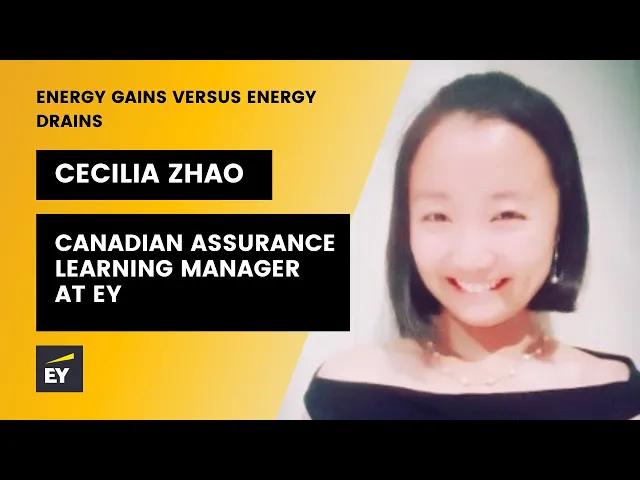
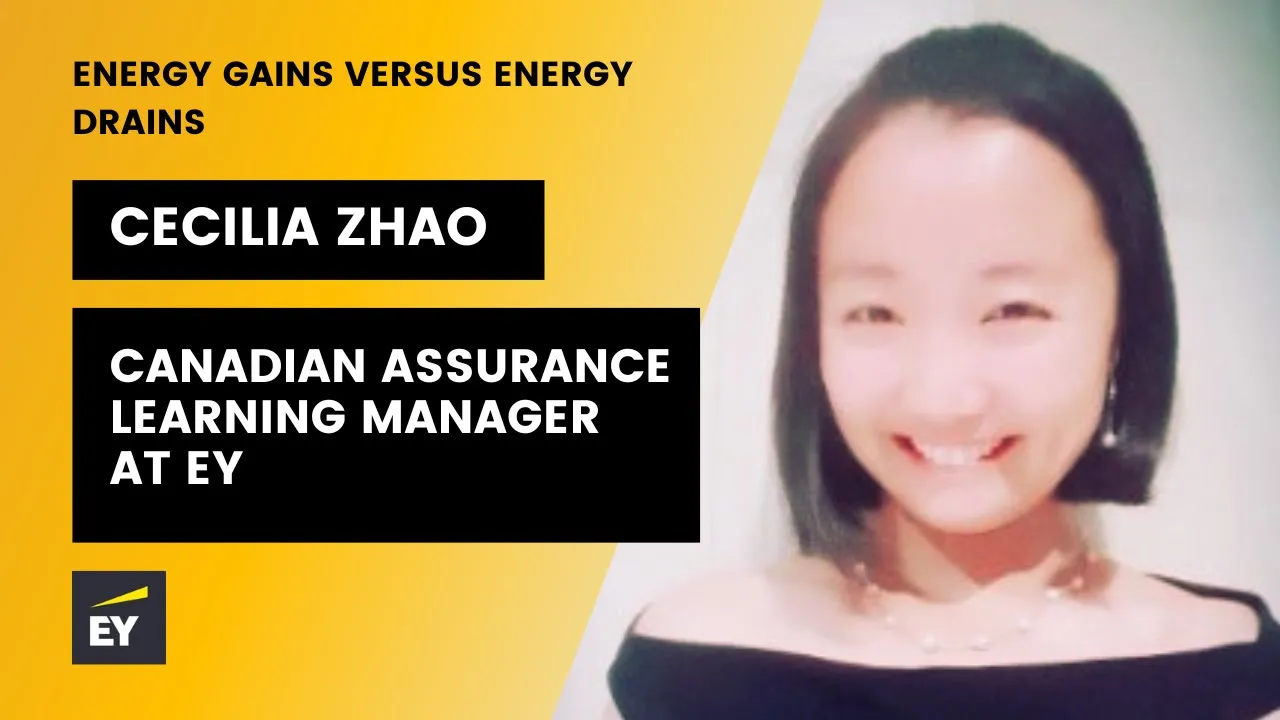
foreign [Music] podcast the cast we're so excited to have you on today's episode so thank you for being here thanks for having me I'm excited so I'll just jump right into the first question then so Cecilia could you take us through your post-secondary experience and elaborate on how it has shaped your current professional Journey sure so I grew up in China I immigrated here at 19 years old and I didn't really know what to major in I was considering I'm interested in doctor stuff medical school but I don't want to have that heavy responsibility of
handling people's life or death but I wanted to help that was then was thinking about pharmaceutics and looking into genetics and doing that but I had a chance to visit the labs of the universities in Shanghai and I saw that the people there in the bright summer day they are not as happy as I would expect them so I figured that to go through like the PHD process and really head heavy into the research process you really needed to value that long-term feedback and be patient with that I know myself I needed something in in
between so I figured that may not be a great choice for me either so then I don't really have too clear of an idea what to go with so my parents like any Chinese parents start with business it's always a good starting point and once you do business you can do anything so I did that and very fortunately the first year I went to Western so first year Western in the bmos program we have a business course that covers almost every aspect of business so there's accounting there's operation there's marketing HR so we did a
brief touch on everything and I realized that accounting is really interesting to me and I also do really well on it I like the Simplicity of it you can see an organization's full year of activity in just like three sheets and that's to me almost like math it's beautiful and so I started specializing in that and I started taking auditing classes and I really like it in my personal life I love reading detective stories and I feel like auditing is just like playing a detective and you're looking for Clues to figure out why does this
why it doesn't look great what is going on behind it and figuring out the chain changes and what to expect and what not to expect and what's the variances resulting from that so I specialize in auditing and at the same time I was taking some side classes in Japanese and psychology because I'm interested in those so I feel really happy with how I spent my University years outside of that I was like also doing extracurricular stuff to have some more experience so I got my offer after graduation joining ey for the full time so that's
where I started my career I joined the what we call Toronto Auto Group which is essentially everything other than the financial services so I did that for a couple years I was struggling with my for-profit clients don't really love what they're doing they're very clocking clock out kind of mentality and they don't really like it for us to face picking on them like what did you do wrong they see us in that way it has a lot of challenges for sure and then I had my first child I had my daughter when I was a
senior and as I come back from my math leave I break all my continuity and I talked to the partner in the not-for-profit group and I wanted to specialize in that part because in the Summers when I got put on those private schools and hospitals and universities I find that people in the not-for-profit group are actually passionate about what they're doing so they let me specialize in zad and Uhn was my main client and I really loved it and I was looking at Ministry of Health sounding list and you'll see like how many procedures they
did for like your bypass for your heart replacement and transplants and whatever I think of there are actual people behind these numbers they're actually lives being saved I get goosebumps some people say it's really cheesy but like that's what I was really passionate about so I loved it I data for many years until I had my son in the manager year and uh it was during covet so when I come back two years ago things are very different the audit environment we have lots of turnover because of everything but mostly I think Kobe definitely played
a big part of it but being remote and not being able to have face-to-face contact time with my team and also my client that really Stripped Away what I love about audit and that's when the balancing of work versus family is becoming challenging so I decided to move away from audit and begin this soul-searching journey of what do I wanted to do was my life was my career and I talked to a lot of people I did a lot of self reflection I found my purpose to be inspiring girls in people and helping people to
live authentically and flourish so that's where I started moving into learning and coaching and at the same time I'm doing a lot of extracurricular stuff outside of work on the diversity Equity inclusion so that's where I am 10 years at DUI ending all day and then two years so far in learning and loving it yeah yeah that's amazing thank you for bringing us along with that journey I love that you were able to identify what wasn't a right fit for you and what you were passionate about and then make those alterations to guide you to
where you are today and I also love that you went to Western Crystal and I are both currently going to Western they could bring us along with that I'm going to pass it off to Crystal to ask the next group of questions awesome hi Cecilia so my next question to you is could you provide insights into what a typical day or week looks like for you and how do you effectively manage your time and prioritize tasks in your role so right now I'm regularly going into the office for two days because as I mentioned I
have two kids so the days in the office versus working at home are slightly different for me basically I almost every day I wake up like 6 30 manage the kids manage everything if I'm not going to the office and eight o'clock my husband's taking both kids to Camp or daycare if I'm going to the office and I'm catching the eight o'clock train and I'll be checking the email plan for the day and then the day in the office is a lot of managing the team because for that day we're gonna take that time to
really socialize chat more Beyond work and to have that relationship that was really important for us when we're actually in the office and also reach out to other people that's within the firm that I don't normally see and then I take the four o'clock train to go home and then pick up my kids and do some wrap up during the train ride I have a very strict boundary of after five o'clock it's all family time and in my time in the audit I didn't do that well and the boundary is very blur and I didn't
enjoy that so right now I'm pretty clear on five o'clock I'm logging off I'll prioritize my task for anything that's time sensitive and if I'm the blocker for any of my team to continue the process and if that thing has a significant consequence then I'll prioritize that those things and I'll make sure those are done before the five o'clock but if there's anything else if they can wait like I came to accept that it's okay to have a to-do list for tomorrow I find that using my calendar to block off anytime that either for my
family or for Focus time and for any of the extracurricular activity I wanted to do is very important for me and it really saved my sanity I find it so inspiring that you are able to strike that balance between family and worth because a lot of women in corporate jobs find it difficult to please superiors while also making sure they find time for family my next question is as an insurance learning manager what are specific responsibilities other than the ones you've touched upon regarding training and development and how do you ensure that the learning programs
effectively equip Professionals for some challenges they may encounter in the field so every Big Four probably have a slightly different structure but for for ey I know that we have Global Learning teams which are more in charge of the development of the content and the regional teams such as like the Canadian learning team will be more focused on the deployment side of things so when I'm on global then I'll be creating the slide deck and the facilitator guide to guide people how are we going to be training them and what kind of topic we're training
on we don't really decide on which topic to train on it's the firm guidance it's the inspection results that dictate that but we get some creativity in how do we talk about these topics do we break it down into bite size pieces do we focus on some learner interaction have them to click to watch videos to have like interesting films to see or do we have Hands-On practices of quizzes or practices that they can work on so those are the things that we do from a learning perspective to make the content more user friendly to
take in and from a deployment side now that I'm in the in the regional role I do a lot of work to prepare the facilitators so if you think about it your University course your professor is the one really delivering the material they will have the textbook that's not usually written by them so the our Global team is more like the people writing the textbook whereas my regional team is more like your professors thinking about how can I deliver that how can I make it more interactive and my role in preparing the facilitators and supporting
them answering any questions and I have started collecting feedback from them and think about any kind of process Improvement that we can do to make that learning experience even better for both the facilitator and the participants and another part of my job would be just managing the team below me because the deployment has a lot of logistics side of things and coaching them through coming up with Solutions on their own and taking initiative stuff like that we all know how difficult it is for certain professors to make the content they're actually understandable so that's mad
props to you my next question is what are some key skills and competencies that students should focus on developing if they are interested in pursuing a career in auditing and are there any particular technical or soft skills that hold significant value in the industry yeah I think there are a lot of skills that you could focus on but I think from my experience there are two skills I really are key for me one is just critical thinking you're not just rolling forward you're a working paper from prior year and following whatever last year was done
and you're not just taking instructions as face value you'll actually think about like how it fits into the bigger picture what am I trying to achieve what risks are we addressing things like that so a lot of time I say the power is in the questions not in the answers especially for people newly joining The Firm from graduation we only expect you to have a lot of the answers we do expect you to have a lot of questions but what kind of questions are you asking is it more transactional or is there a lot of
thinking behind it that's what we really value and talking about asking questions that ties into my next point of communication skills communication can be so many different things asking questions one of them how do you show that when you are asking questions you're not just throwing a question at your senior or your manager you're providing what your thoughts of or your analysis of the situation is what do you think potentially the answer is and putting it that way that will help the other also to understand where your thinking pattern has been and to help guide
you more specifically where you needed to work on other side of communication would be managing expectation sometimes if you are working on different sections or you are taking instruction from different seniors or even managers people don't necessarily know what else is on your plate and being able to update the status with each one of them and let them know what your capacity is whether you have more capacity to offer your low on stuff to do or you're overwhelmed and you need an extension and ask people to help you prioritize those are all really important to
be taking that initiative to manage your own expectation also it's really just building relationships whether it's with the client with the team you just need to be yourself but you need it to be open and authentic and let people know that you're open to creating that relationship so that's all of the different type of communication that's really important from a work perspective to be a good team player really glad you touched upon feeling like you have to fit in because in University students are constantly going through imposter syndrome and managing your own expectations can be
crucial to eliminating those doubts about yourself so my next question is what advice would you offer to students who are contemplating a career in assurance particularly within the big four are there any specific steps they can take to enhance their chances of success in the recruitment process I think marks and extracurriculars are equally important I don't think either one is less important when it comes to the screening process or the interview process for the decision making but a lot of time I feel most important is your own reflection on what you're passionate about and what
gives you energy versus strings your energy because in interviews and even on your resume we can kind of sense whether you're just applying as a very transactional job search process or you have something that you want to work towards it's a lot about reframing those I have to do this I should do this I need to do this into I really want to do this and that energy level is very different and when that's info session when you're having coffee chat with people that are things that you don't articulate but like people can sense that
and that will really form your first impression or even the following Impressions and I think a lot of other stuff like how to get your marks how to get your execute clue what type of extra a lot of people talk about that but I feel like having that reflection and finding what you're passionate about isn't at least like when I was in university that wasn't too much of a focus and I wish I I focus up more on that so let me give you some examples and elaborate on what do I mean by keeping track
of what gives or drinks my energy in universities we do a lot of group projects and I would note down what are some times that makes me feel energetic after doing a group project versus sometimes I'm I'm exhausted after it it could be depending on the number of people in the group I personally found that if it's two to three people group I'm great with that and anything above four my energy get depleted quite quickly and I find that it depends on how we do the group project is it divide and conquer or is it
everyone bring storm together I find that dividing conquer less energetic for me whereas brainstorm where I'm inspiring others to throw in different ideas and we are encouraging each other that works really well for me I also find that in group projects we deal with conflicts a lot when people have different ideas have different approaches for me it is both the relationship oriented aspect of it that we're trying to work towards one goal that uh we're figuring it out together and making everyone United that makes me energetic and on the other hand I'm also very energized
by solving that problem I I use my creative thinking to find an option C other than the original option A and B so there are a lot of like different aspects of the same type of oh I did a group project today and it gives me energy but when we look into the different aspect of it it will really tell you what type of the different facets it is and that could be some of the patterns that I see across other aspects of my life and work as well awesome yeah so it's great to hear
you talk about passion because I feel like in the business World maybe some people work for too long and they kind of lose that passion or that spark what are some common paths for individuals interested in pursuing a career in assurance so once you're in assurance the big four are known for producing CPAs so you're pretty well versed in the education and you'll have the Practical experience and once you have the CPA the world is really open to you and as I was considering leaving audit and moving into what next there are really three levels
that I needed to consider one is to whether I want to stay within the big four firms or leaving then it's really there are four quadrants like one dimension is whether it's I want to stay inclined serving or not the other dimension is whether I want to stay within accounting auditing or not so very commonly a lot of my peer went outside of the firm into industry so not client serving and then into still accounting related or auditing related so that would be like Finance business administration internal audit that type of stuff but for me
I'm staying in Big Four I'm not doing client surveying and I'm like semi in accounting auditing I'm still using my technical skills but in a different way to deliberate in learning there are also tax there's Consulting there's even recruiting there's career advisor kind of a career coach type of role you can even go back to CPA Ontario or Canada to teach and go back to University to teach so there are a lot more different options once you have accumulated some experience and I just wanted to share that because I know in the university and even
first 10 years in in the UI I saw after you graduate from your big four it's really going into the industry or you go to do tax and Consulting so that's what I was struggling with when I wanted to leave audit but I didn't want to go to any of these traditional routes and I wanted to let people know that no there are more options as well I'm happy to talk more about that but it will really be another 10 home minutes on that so I'll stop here I'm so glad that students now know that
there's a lot more paths than just the traditional Consulting route so those conclude my set of questions I'm going to pass the mic to Sophie to conclude with one final question for you thank you Crystal and thank you Cecilia for all that amazing insights I really like how you're emphasizing all the different paths in that specific industry that might not be made very obvious to youth hoping to pursue a career in that industry as well so my last question for you it's a little tricky to answer but I think it's important to our listeners so
Cecilia if you could go back in time and give one piece of advice to your younger self what would it be I think growing up I'm the type of the straight A student I live up to others expectation a lot and it's very beneficial it got me where I am but I would wish I had explored more and paid more attention to my own feeling and my own voice that's not to say oh you only live once like take whatever passion you have don't care about anything and then just go do it blindly it's more
keeping track of what gifts versus drinks my energy and accept those patterns and follow those patterns to thrive it's more like accepting myself for what kind of things I enjoy I love people I love psychology I love learning I don't like conflicts I don't like having to fight over stuff and I don't like this organized and and I used to feel like you have to fix your shortest point so that you can be well-rounded but sometimes it's just accepting and focusing on more what you're passionate about and that would really help me not just time
manage but also energy manage because a lot of time I feel I do a lot of stuff which are great and check all the boxes but I'm exhausted at the end of the day and pay more attention to my feelings and listening to my own voice will help me manage that energy a lot better and that in the long term I think it will it will serve better because I had to go through that soul searching Journey 10 years after I graduated if I paid more attention to myself during University I probably could have saved
a lot of that pain younger students don't just aim for the marks and the the external stuff at least some time for yourself as well yeah definitely that's a great piece of advice it's important as well to encourage youth to gauge what excites them and then follow that path and that piece of information might just have saved one of our listeners from going through that soul searching Journey that you were explaining as well so thank you so much for that and that concludes our final podcast question for you today Cecilia I just want to thank
you so much for all of your insights and all of your wisdom and for your time today as well we really appreciate having you here thank you for having me it was a really fun experience for me as well [Music]