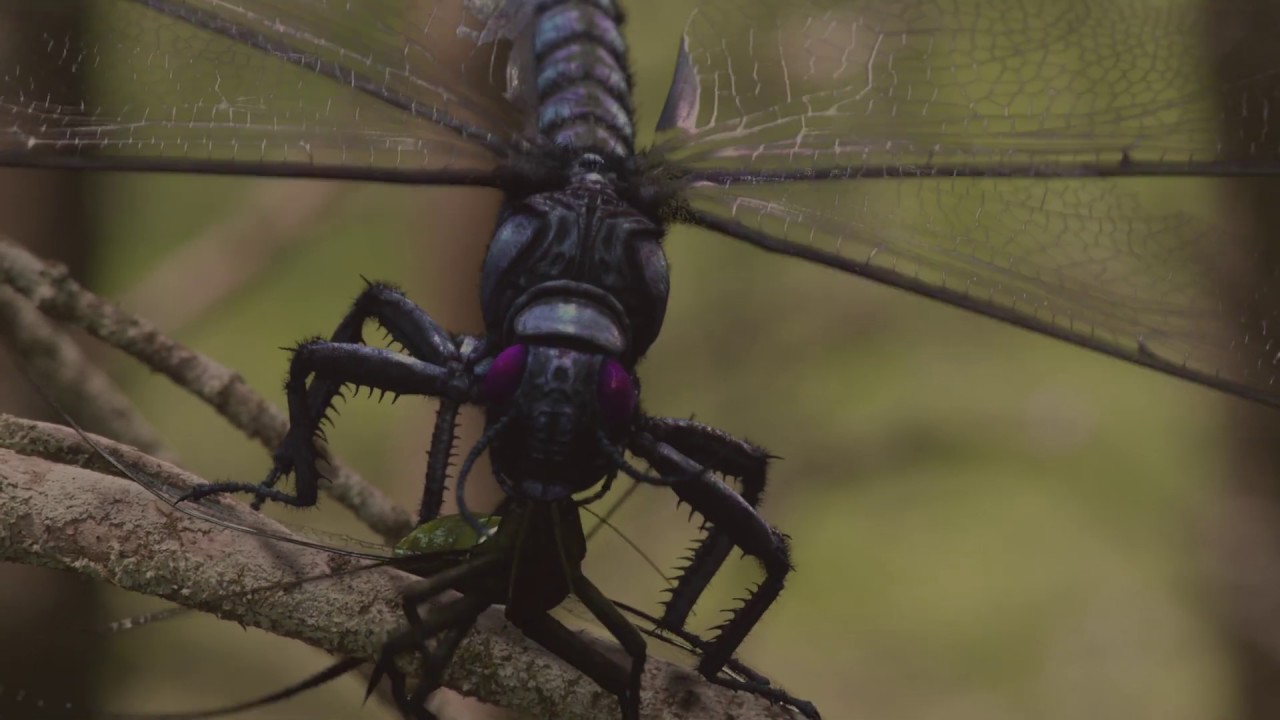
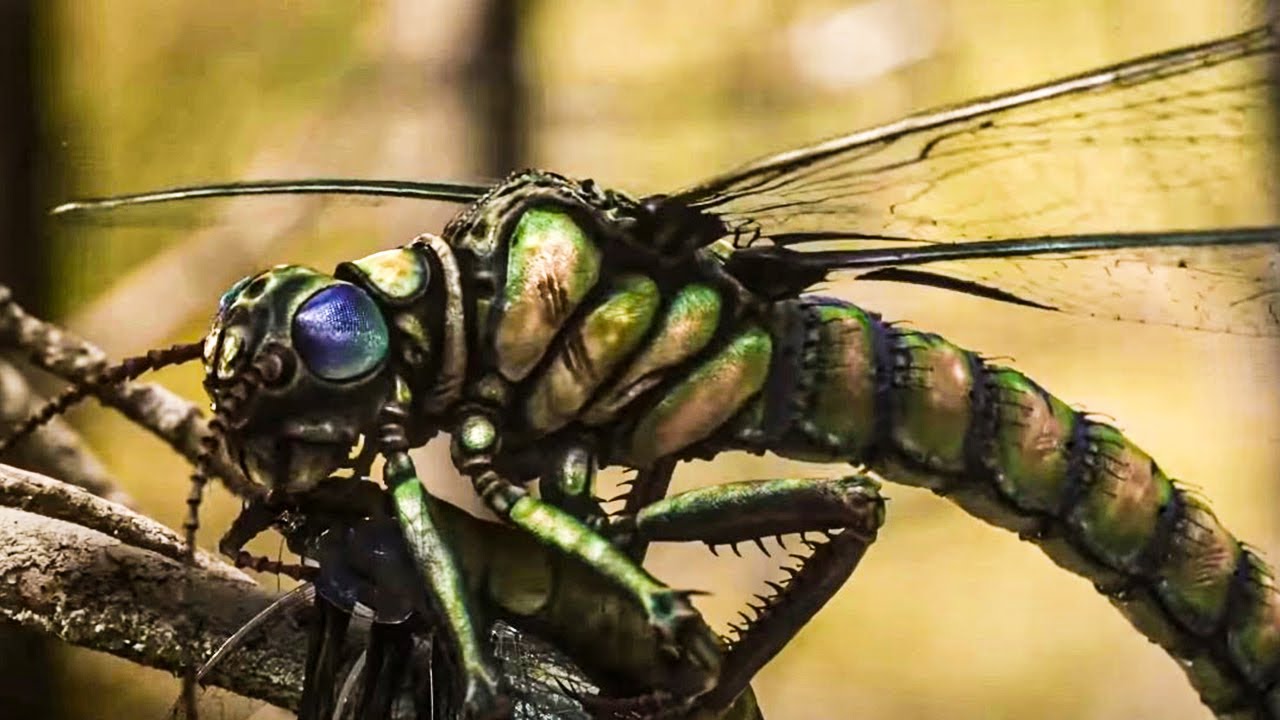
290 million years ago during the Permian period, oxygen levels decreased from 35% to 23% close to today's level, and gia had already formed a supercontinent extending from one pole to the other, surrounded by a single ocean it was subject to extreme climatic conditions. The heart of the continent suffered drastic temperature changes and deserts appeared, but at the equator heavy rainfall allowed the Great forest from the Carboniferous era to survive During this period of major climate change punctuated by the monsoons and the warming of the atmosphere, a living fungus appeared on the bark of trees. This tiny mushroom uses an enzyme to break down wood ,gradually flower debris and dead trees decompose, and no longer build up on the ground to form coal.
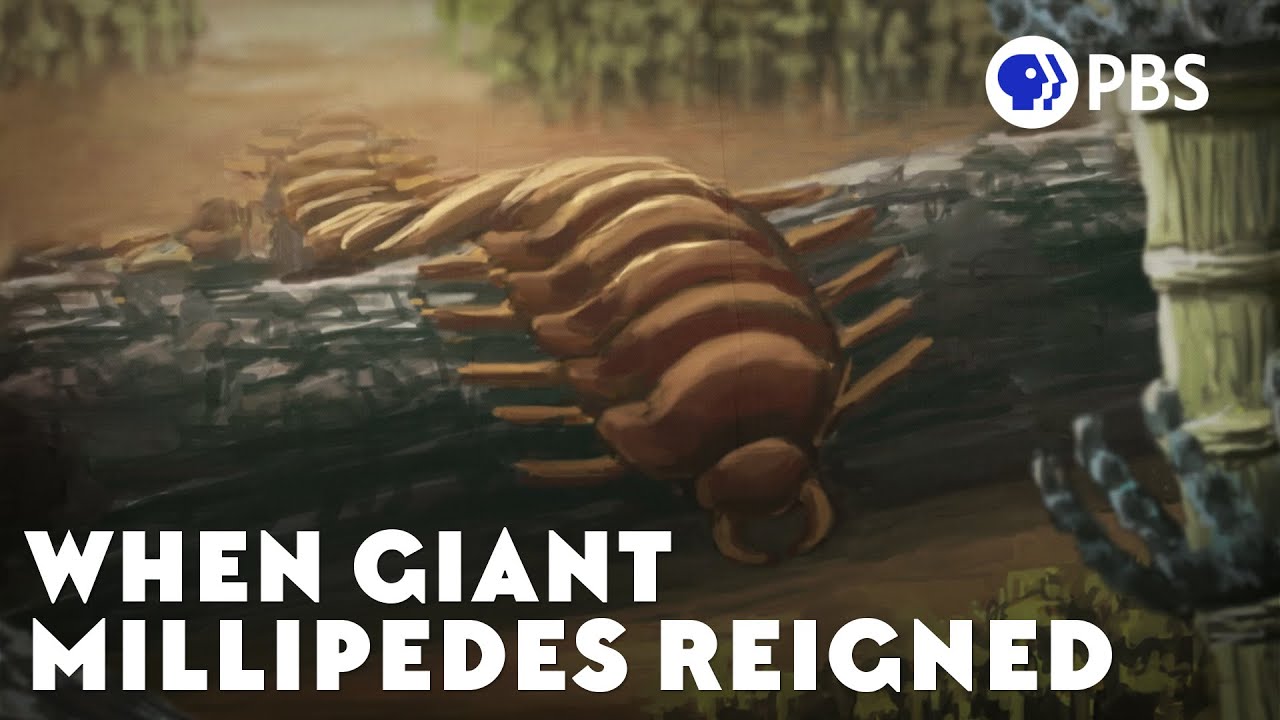
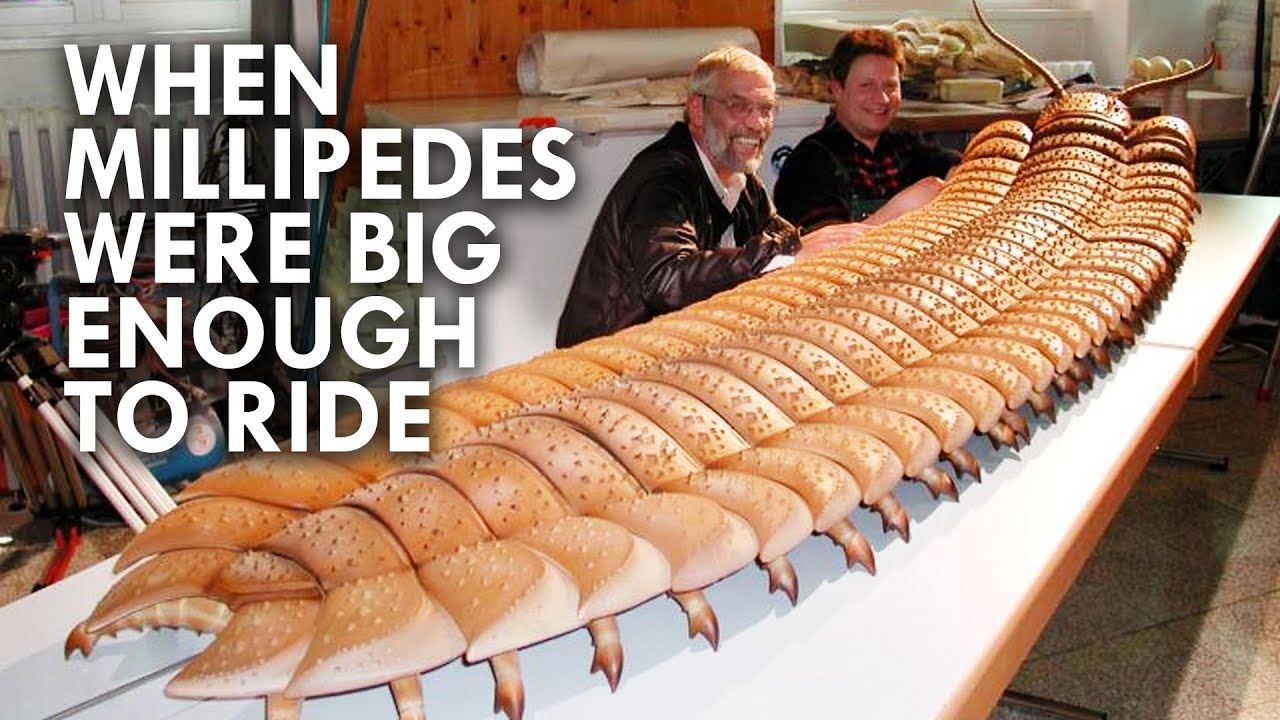
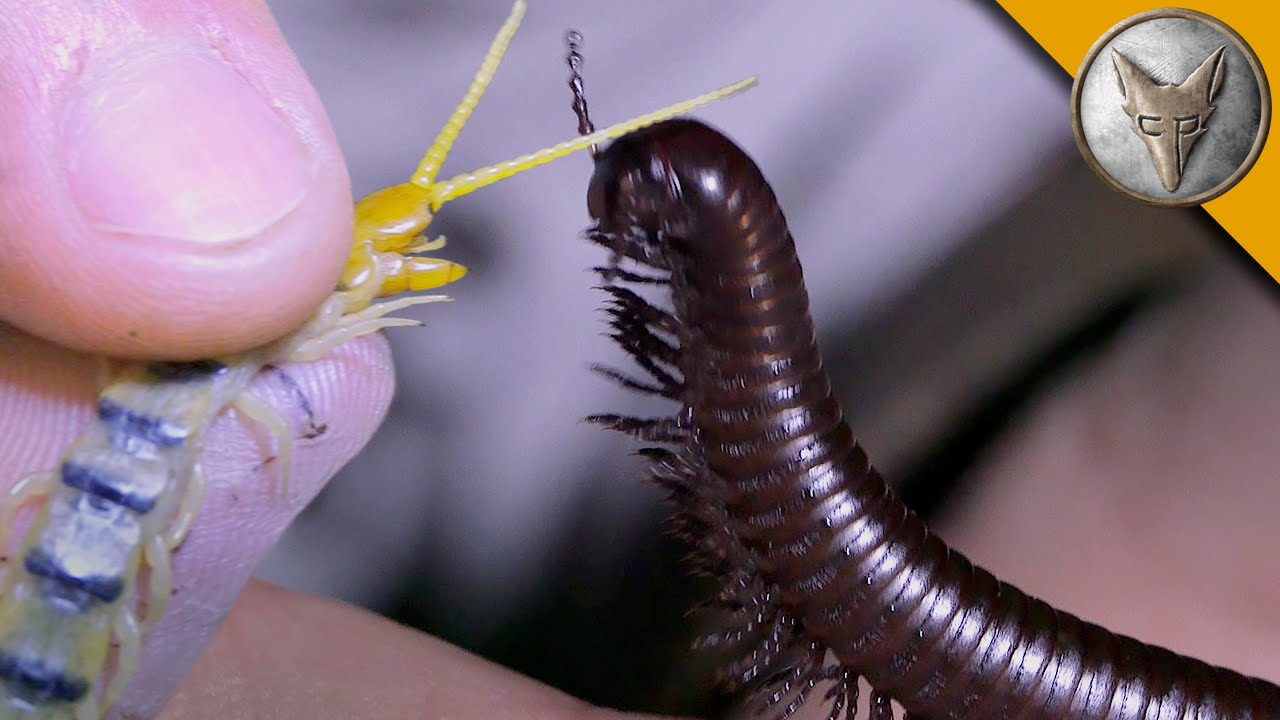
The fungus stopped the accumulation of carbon on the ground and instead it was recycled into the atmosphere the proportion of oxygen in the air decreased gradually with major consequences for the environment. This transitional period brought about the demise of arthropleura, a distant relative of the centipede. But why did the first giants of the Carboniferous period disappear?
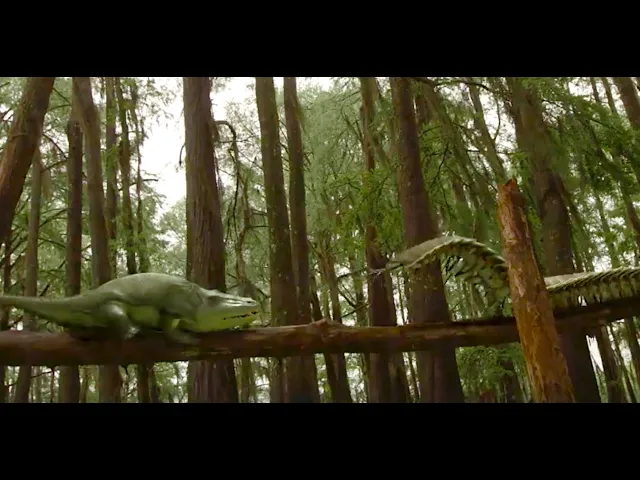
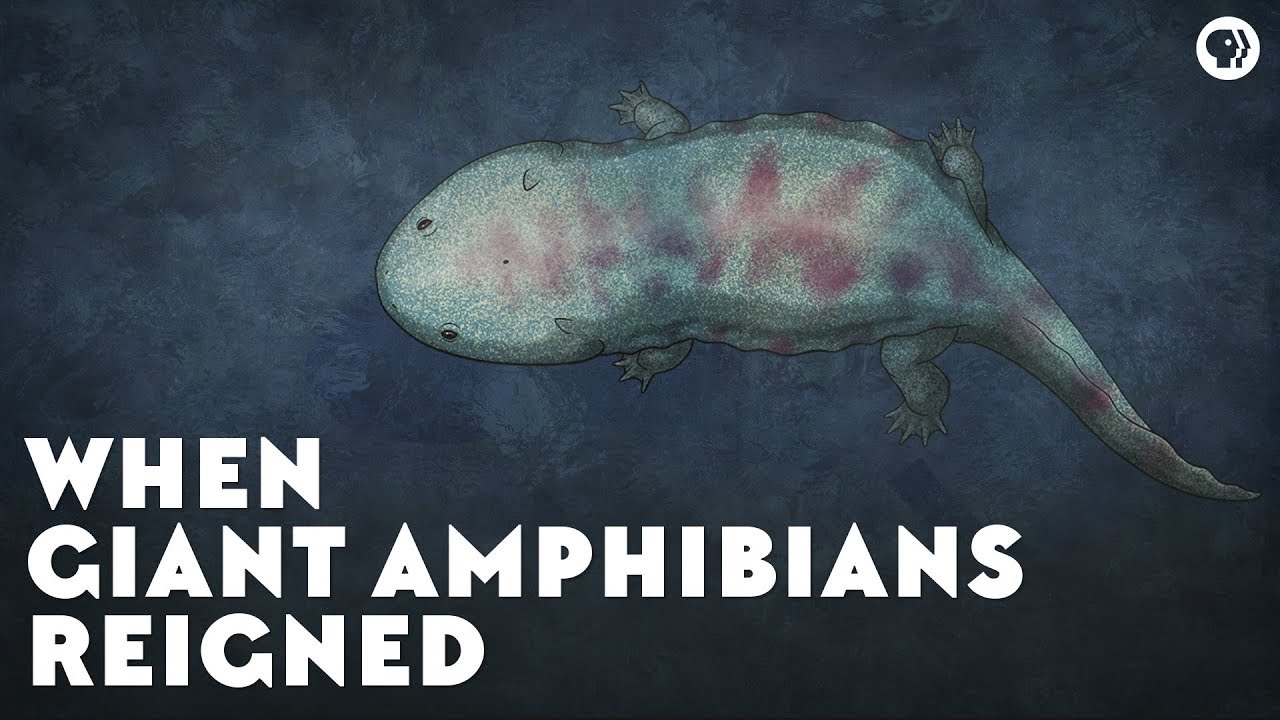
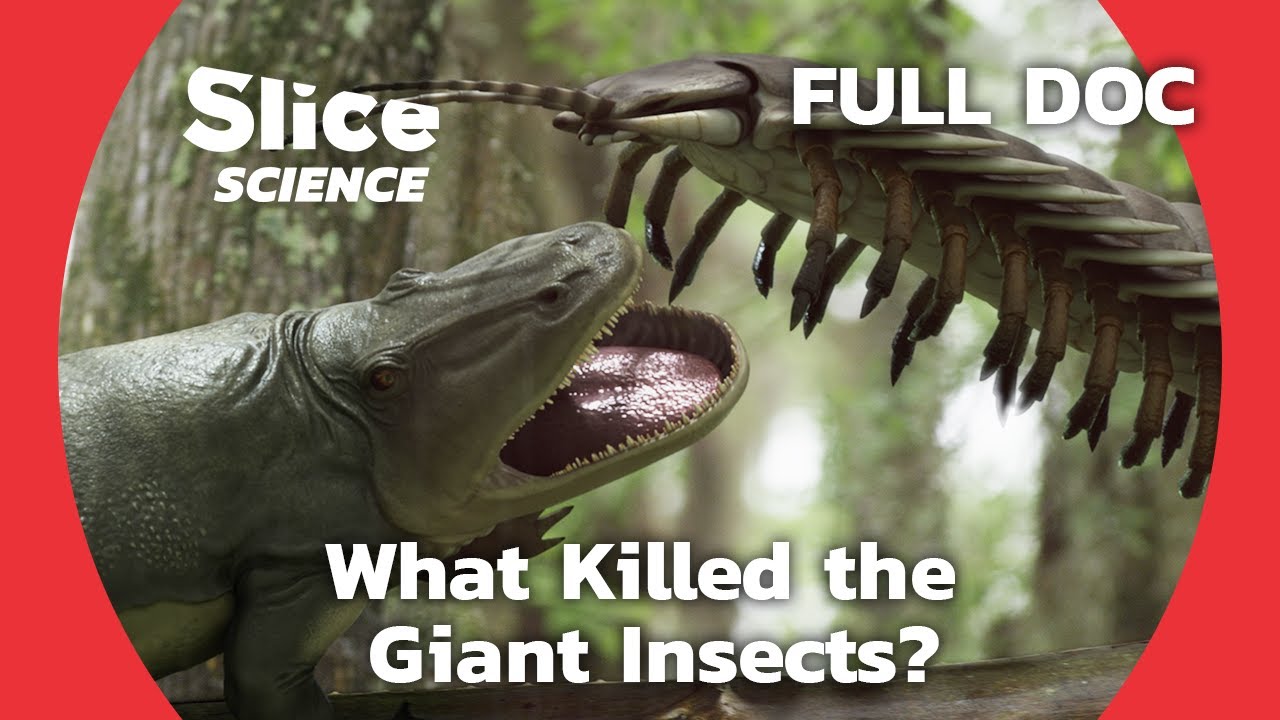
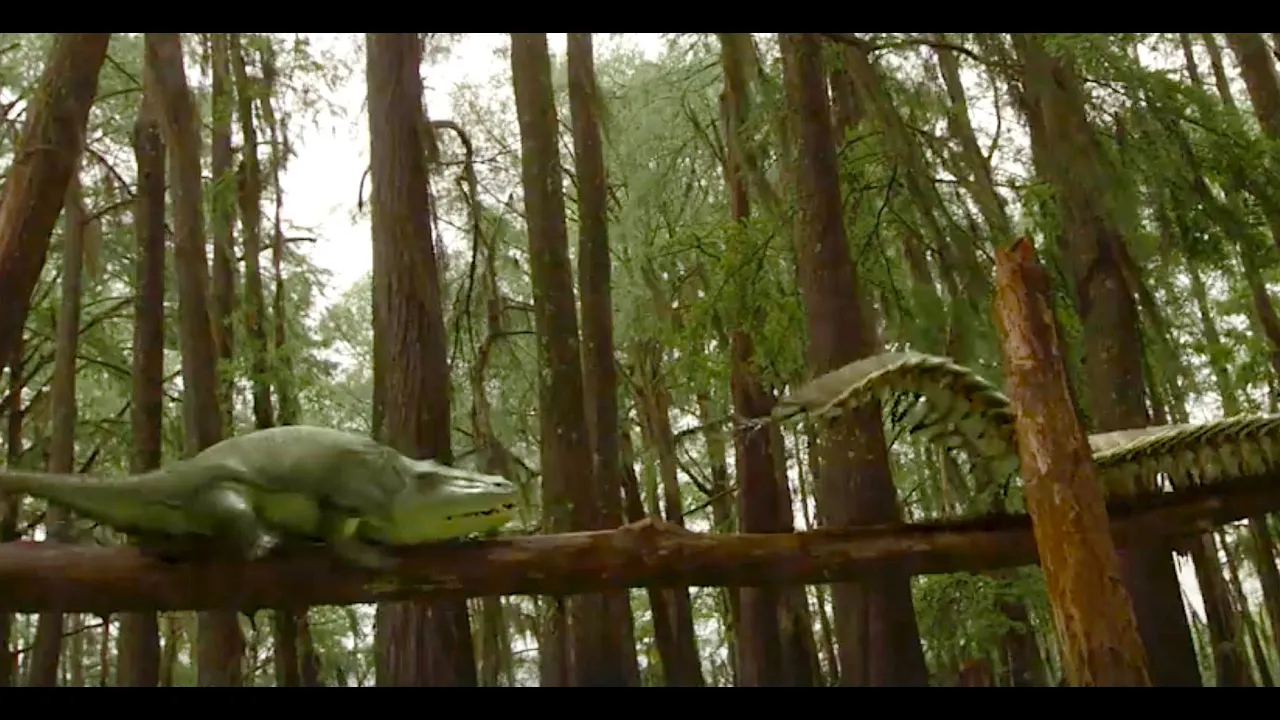
Could their lifestyle be responsible? Life in the rainforests, during the early permian period was quite similar to that of the Carboniferous period There was enough oxygen in the atmosphere for arthropleura to thrive and faced unexpected predators such as, eliops. This amphibian locates arthropleura using cells in its skin that detect vibrations on the tree trunk But arthropleura had a considerable advantage; the claws at the ends of its articulated legs allow it to grip the trunk with protective shell shields it against the attackers.
Arthropleura's disappearance may not have been caused by predators, but by decreasing food supplies.