How does upland deforestation impact water quality downstream? How do melting glaciers in the Arctic affect sea level in Florida? The field of Earth Systems science can help answer these complicated global questions.
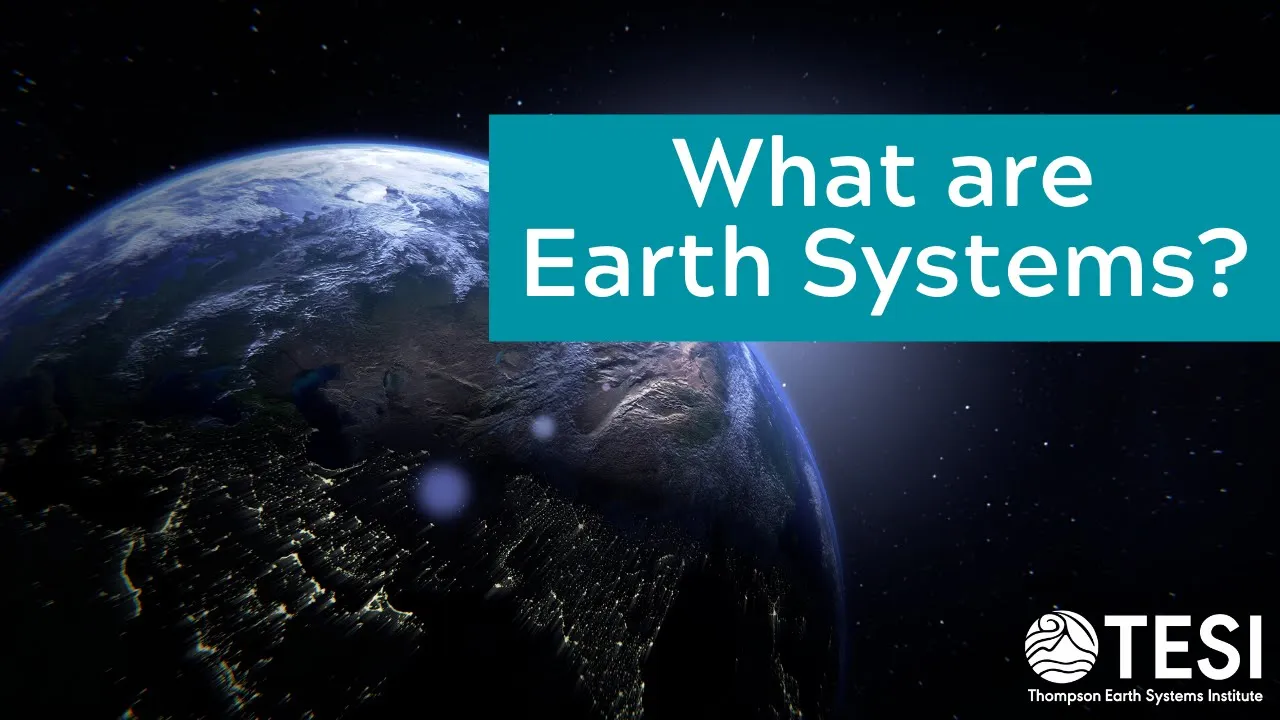
But what are Earth Systems, and why are they so important? The Earth is a large, complex planet made up of many different systems that interact in countless ways. Scientists divide our complicated Earth up into simpler processes so they can be studied more easily, and this concept is called Earth Systems.
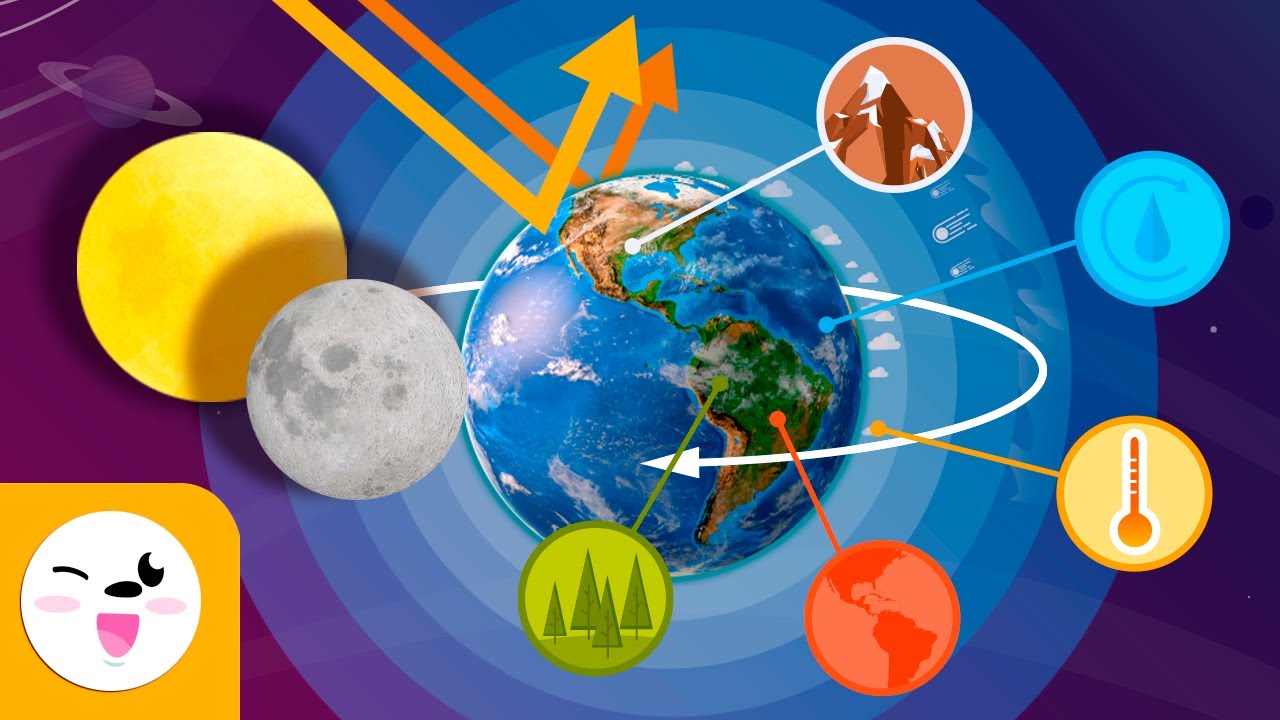
Though separating our Earth's processes can help us understand them, in reality, these systems remain interconnected with one another. The four main systems or spheres are air, land, water, and life. The air system is called the atmosphere.
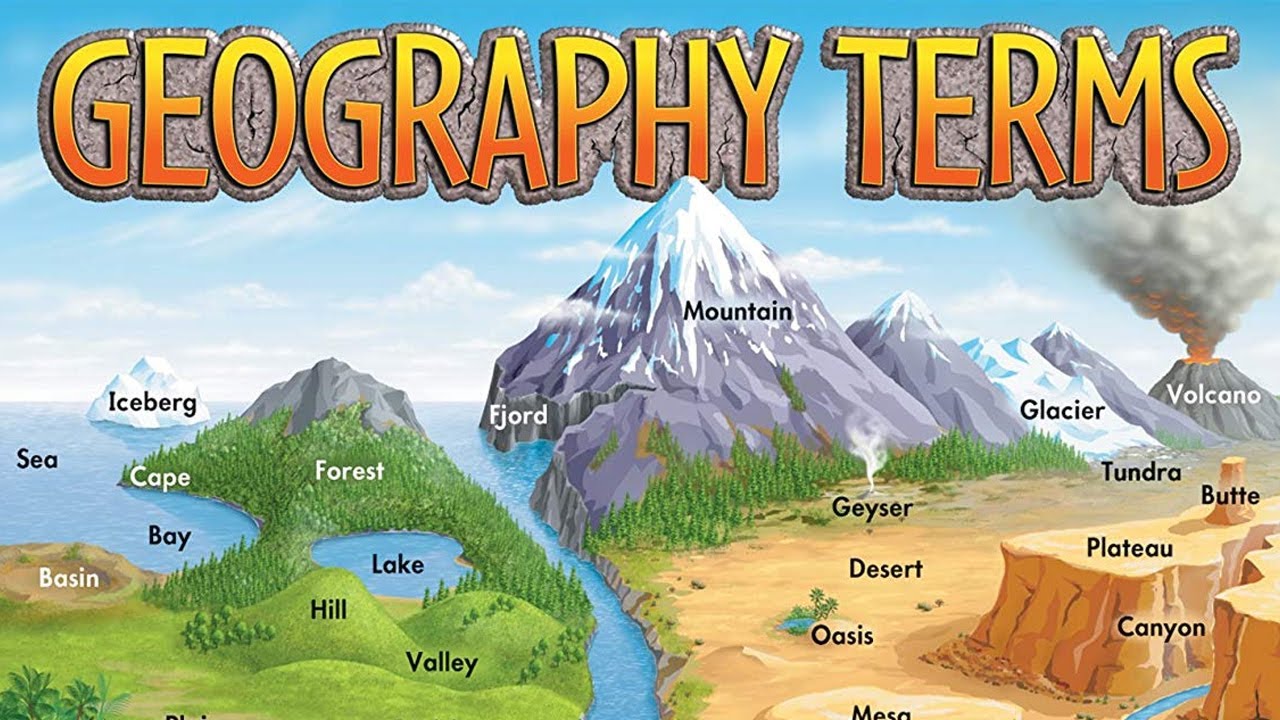
It contains gases, regulates temperature and blocks radiation, houses weather and wind, and drives climate systems on Earth. The land system is called the geosphere. Within the geosphere are rocks, soil, continents, fossils, and tectonic plates.
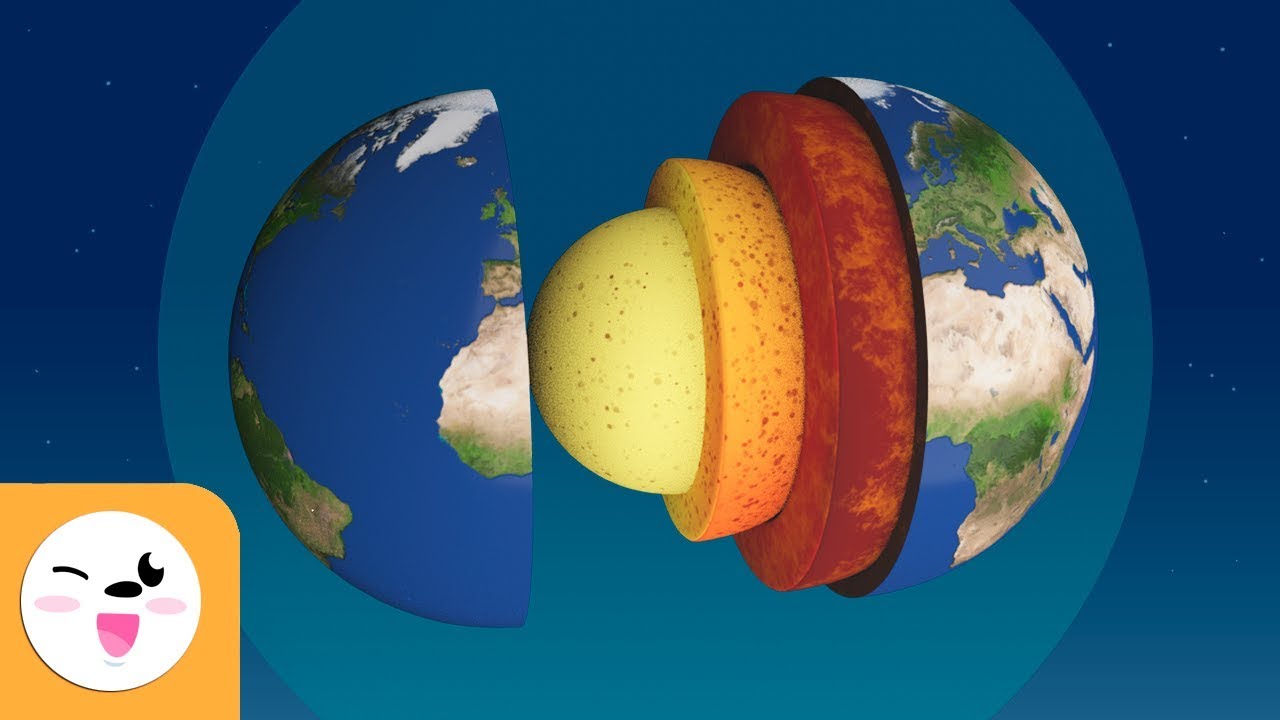
The geosphere is composed of features at the Earth's surface as well as everything below, including the Earth's core. The water system is called the hydrosphere. It includes all the salty and fresh water across the globe and how it all moves through the water cycle.
The biosphere is made up of all life on Earth. It includes plants, animals, fungi, bacteria, and all the interactions between them--like symbiosis and predation. In addition to those main four, other Earth Systems include the anthroposphere (human interactions), the magnetosphere (everything to do with the Earth's magnetic field), and the exosphere (everything outside our planet like the solar system and beyond).
Earth Systems science is the study of all of these different spheres and how they interact. For a long time, scientists had studied things like air, water, land, and life separately, but Earth Systems scientists combine these different areas of study to understand Earth as a whole. Just like how each ingredient of a pizza is tasty on its own, when combined, they offer a whole new flavor perspective.
Earth Systems science draws upon the fields of ecology, biology, geology or Earth science, meteorology, chemistry, oceanography, physics, and more to make sense of how our planet's different systems work together. That's why this type of science is often called interdisciplinary: made up of many different scientific disciplines. Earth Systems science is important because it helps us understand how the Earth was made, what it's like now, and how it will change in the future.
Finally, studying how humans affect one Earth System, and how that in turn affects others, can help us make informed decisions about the policies and actions needed to preserve the health of our planet. Let's take a look at what an Earth Systems scientist might think about when studying a Florida habitat. Consider a classic type of Florida ecosystem-- the mangrove swamp wetland.
Using energy from the Sun, mangroves and other plants produce oxygen that animals like fish, snails, birds, gators, and more must breathe in order to survive. The waste produced by these animals, along with any decomposing individuals that might have died, introduces nutrients into the ecosystem that helps the mangroves and other plants grow. The sandy bottom of the swamp allows mangrove seeds to take root, and as the mangroves grow, they help trap and pile up additional sand around them.
Fresh water flowing from the land, and salt water moved by near shore wind driven currents and tidal action, transport additional sand and nutrients into the swamp. Even through this simplified view, you can see the Earth Systems interacting to make the wetland function. Human activities can have a big impact on all of Earth's systems.
The burning of fossil fuels releases pollutants into the atmosphere which can harm humans and other animals in the biosphere. Construction can increase erosion within the geosphere, and the resulting sediment can get dumped into waterways where it affects the water quality within the hydrosphere. Fortunately, by understanding how Earth Systems interact, humans can have positive impacts on the planet, too.
That's what the Thompson Earth Systems Institute, or TESI, is all about. Founded in 2018, TESI's mission is to advance communication and education of Earth Systems science in a way that inspires Floridians to be effective stewards of the planet. Florida is on the frontlines of massive Earth Systems changes that are threatening our environment, our economy, and our way of life.
Now more than ever, science-based information needs to be communicated in a way that resonates with all Floridians so they can make informed decisions about our natural resources and our future on Earth. Visit our website or follow us on social media to learn more about how these Earth Systems changes are affecting Florida- -and what you can do about it.