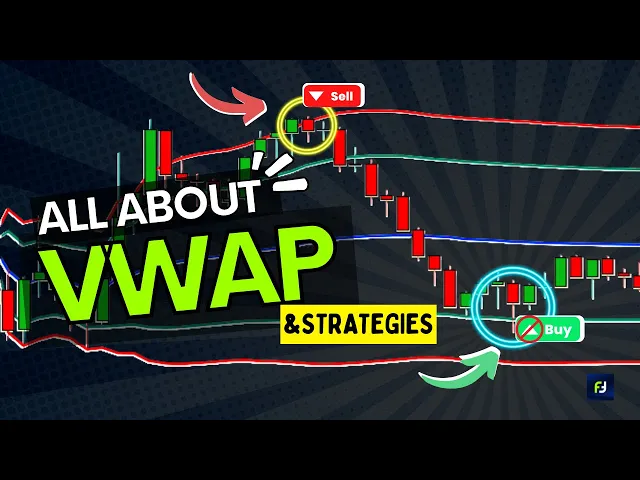
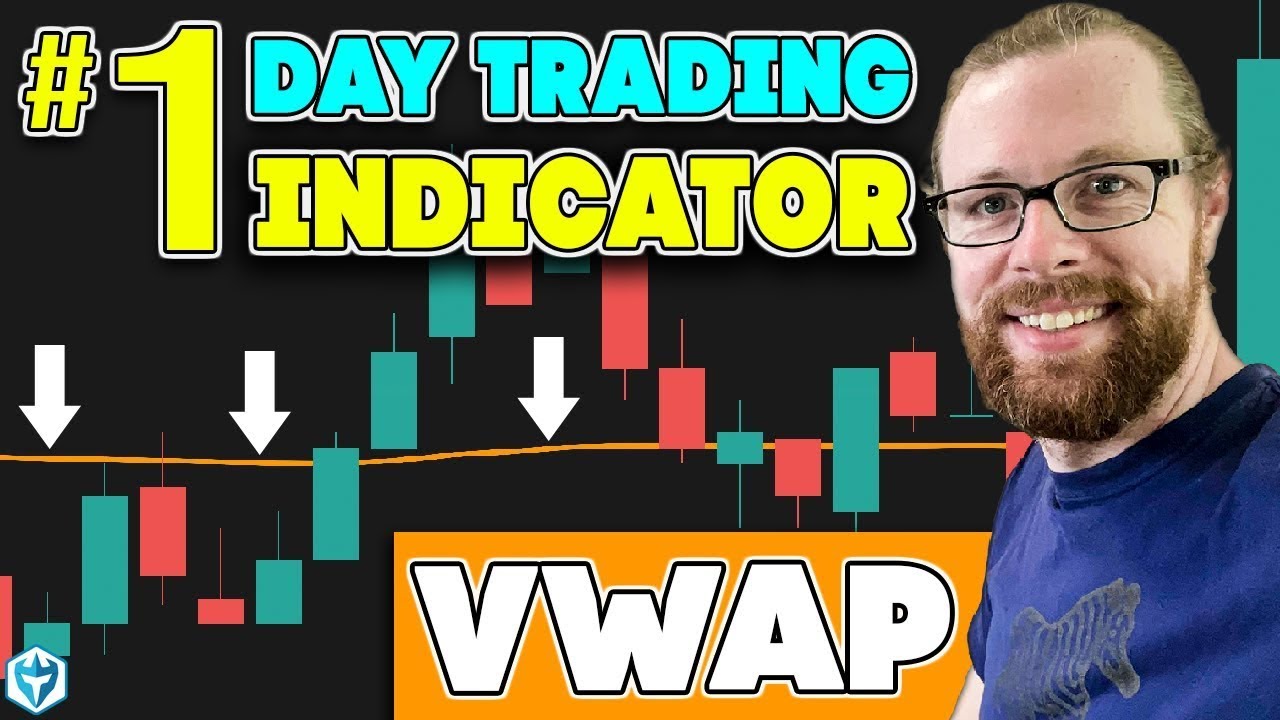
hey guys welcome back to the channel in this video we will take a look at the v-app indicator which is a special indicator when compared to other available indicators in the market this will be a very informative video so do watch it till the end and if you haven't subscribed to the channel yet please make sure to subscribe well then here is what we will discuss in this video we will talk briefly about vivap and the basic information related to webapp then we will move on to understanding why vivap is better than other technical indicators
then we will have a brief discussion on the core concepts of v web we will also be talking about the uses of view app and the importance of viva bands not to mention we will also discuss about the disadvantages of using webapp and finally we will wind up the video with three v-app strategies that you can use to trade in the market so without wasting any time let's get started vivap stands for volume weighted average price vivap is commonly used as a benchmark indicator and it is derived from a ratio of average share price for
a stock when compared to the total volume of shares traded over a particular time frame the indicator is most commonly used by short-term traders and algorithm-based trading programs the indicator helps analysts and traders evaluate the current price of a stock and determine whether it is relatively overpriced or underpriced compared to the average trading price for the day what makes vivap so popular is that it is used to measure the trading performance of smart money or large institutions professional traders who work for investment banks or hedge funds are required to trade large numbers of shares each
day so they cannot enter or exit the market by simply buying or selling a large position at any given prices so these institutional traders compare their prices to the web values so when a buy order is executed below the weave app it would be considered as a good order filling because the stock was bought at a below average price meaning that the trader has bought their large position at a relatively discounted price compared to the price that is available in the market so viva was and is used by institutional traders to identify good entry and
exit points in the market on the other hand when a professional trader has to get rid of a large position they try to sell the position at a price which is higher than the viva price so in short what we can understand is that v app is an inrad indicator that can be used to help investors decide whether to adopt an active or passive approach to enter their positions so many traders also use vivap to help them buy at a relatively inexpensive price and further sell them at a comparatively higher price now let us briefly
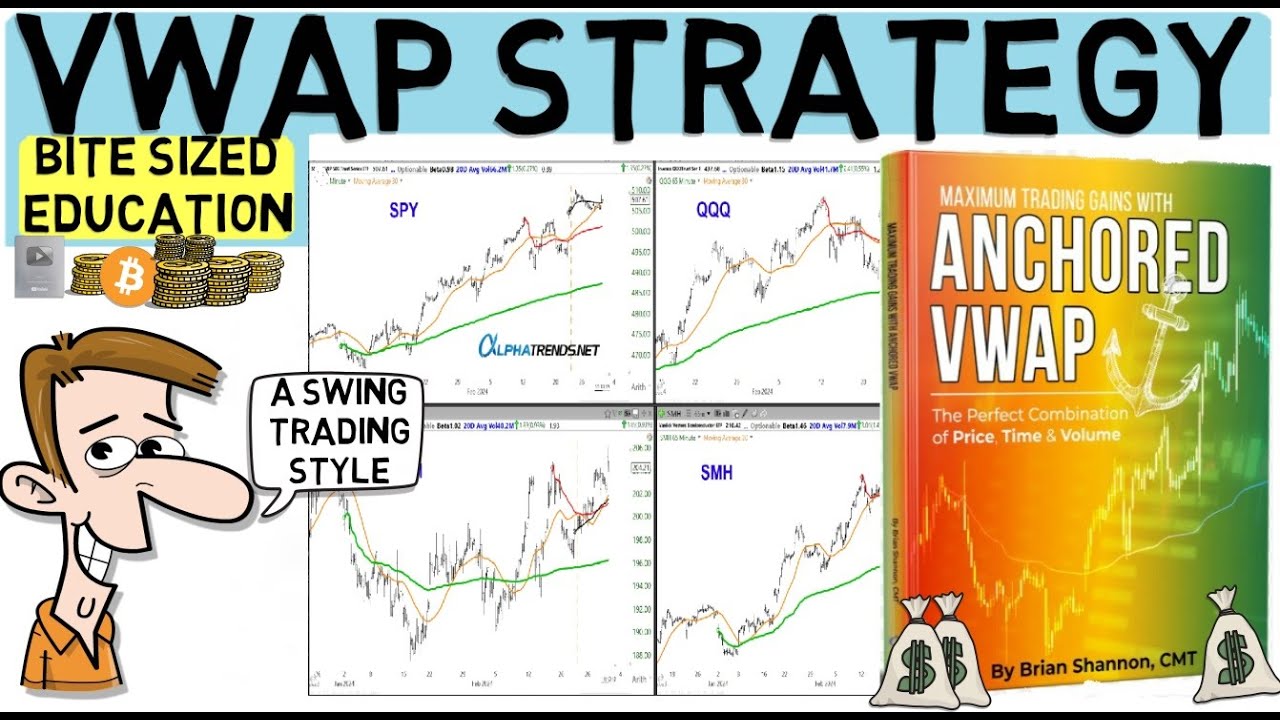
look at how we app is calculated weave app is calculated using the opening price for each day and adjusting in real time right up until the close of the session therefore the calculation uses only intraday data and the formula for calculating vivap is as follows vivap is equal to cumulative typical price multiplied by volume the whole divided by cumulative volume now the breakdown of this calculation is quite extensive and which is not great use for us so rather than dwelling deep into these calculations we will try to focus on the application side of this indicator
since the viva calculation is based on historical data of price and volumes it is considered as a lagging indicator but this does not stop traders from using this indicator to establish support or resistance level which is suitable for in ready trading and on top of this because institutional traders use viwap as a benchmark for their execution activity viva price level is considered to be highly influential in the intraday price action now let us see why view app is a superior indicator or what is the significance of webapp now webapp combines price and volume together in
its value therefore analysts consider vivab to be a more true representation of the average price of stock one of the most important features of vivap is that it is cumulative in nature while most technical indicators are periodic in nature over the recent number of candles to understand this simply think about a chart as a painting which is drawn candle by candle by an artist imagine if you could only see the last 9 10 20 or 50 candles made by the artist on the chart while everything before that disappears from the view as it continues painting
how would that feel you will not get the feel of the entire picture right so this is the same problem with periodic indicators data from beyond the arbitrary look back period you have selected is no longer factored into the calculation which means if you have selected a 9 ema or 20 sma only the previous 9 bars or the previous 20 bars are considered for calculation which leaves you with an incomplete picture of the market now when it comes to weave app its cumulative nature allows you to see the entire painting develop over the course of
the day while factoring in each and every candle and no piece of data gets left behind which leaves you with a realistic picture of the market moreover weave app isn't susceptible to changes in length type or time frame unlike moving averages what this means is that in addition to providing an increased context the cumulative calculation of weave app prevents confusion regarding the selected chart time frames and indicator settings that exist in nearly every other piece of technical analysis indicator it doesn't matter if you use view app in a one minute chart an hourly chart or
anything in between there is only one intraday viva it does not change with time frame because the factors that were taken for calculation was just the price and the volume so flipping between the time frames will not affect the calculation and the calculation remains constant the same can't be said for periodic indicator for example a 20 period moving average on a one minute chart will look drastically different than what it would look like in a one hour chart there are a few core concepts that are associated with the v app indicator number one is that
v app behaves like a magnet which means it either attracts or repels so our main objective should be identifying the market style that is if the price is moving towards the v app or away from the view app there is this myth in the market that price is always attracted towards the view app but this is not true in every case and such an interpretation will lead to an oversimplified approach when using the v-web if we go by this approach shorting stocks that trade too far away from vpap and buying those that fall too far
below the weave app with the exception that a reversal is imminent so if these conditions were true we would never witness sustained trends or uptrends or down trends in the market now the reality is that price can either be drawn towards the vivap or it can be actively repelled from it so you have to understand this magnetism concept associated with wave app or else you will find yourself trading in the wrong side of the market and thereby making a loss now the second concept associated with weave app is that v app has inertia or in
simple words it has the tendency to continue whatever it's doing now what this means is that we have given volume the equal weight in calculation of weave so we've app is intuitively more responsive to price movements on significant volume so as we app absorbs more price and volume data over time it becomes more resistant to random oscillation and sudden shifts so this allows it to accurately reflect only meaningful changes in the market's value and it increases its credibility as a reliable reference point this is what is meant by the inertia of vivap where its resistance
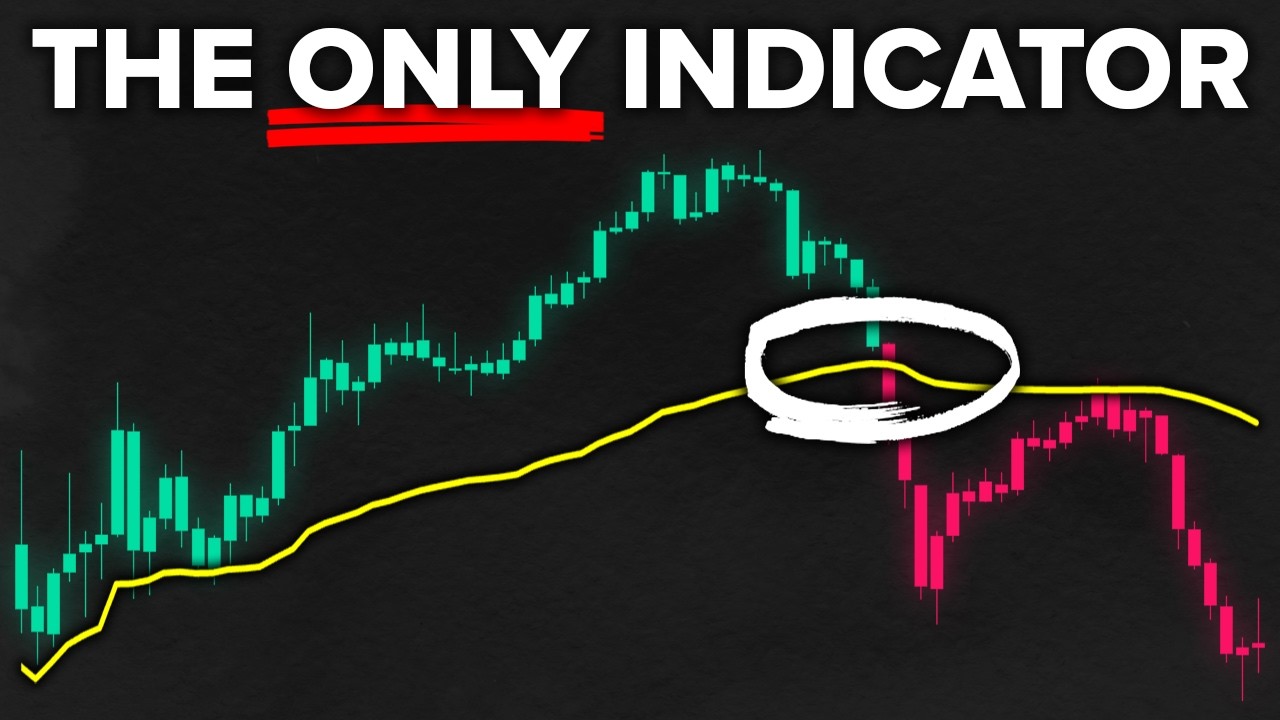
to change make it significantly more reliable than other short term indicators which randomly gives out buy or sell signals every couple of minutes moving on let us discuss some of the important uses of weave app number one we app can be used to determine the market trend so for bullish trending days the market usually stays above the v app and for bearish trending days the market stays below the way back and for ranging sessions or ranging days the market stays almost around the v web indicator which remains more or less flat now these observations show
that viewable has a great potential for helping traders identify the market tide during an intra-day activity another way of determining the market trend using view app indicator is by paying attention to the slope of the v-app so in a trending session the slope of the weave app will stay positive or negative throughout the session on the other hand when it's a ranging market the market fails to move away from the wave app and the vivap will have a relatively flat slope meaning that there is not much trending action now the second use of view app
is that it can be used as a support or resistance zone when price is above the web the vivap line will act as a support on the other hand when the price stays below the vivap the vivap line will act as a resistance to the price now the third and final use of view app is that webapp shows who's in control or who is the dominating force in the market so when a stock is traded above the view app it means that buyers are in overall control of the price and there is a buying demand
on the stock and when a stock price breaks and close below the web it is safe to assume that the sellers are gaining control over the price so in short when b web is rising then buyers are in control if we app is falling it shows sellers are in control and if vivap is flat then it indicates that no one is controlling the market and the price is in a trading range the vivap bands or the standard deviation bands associated with the vivap indicator can save your money big time so the idea of just buying
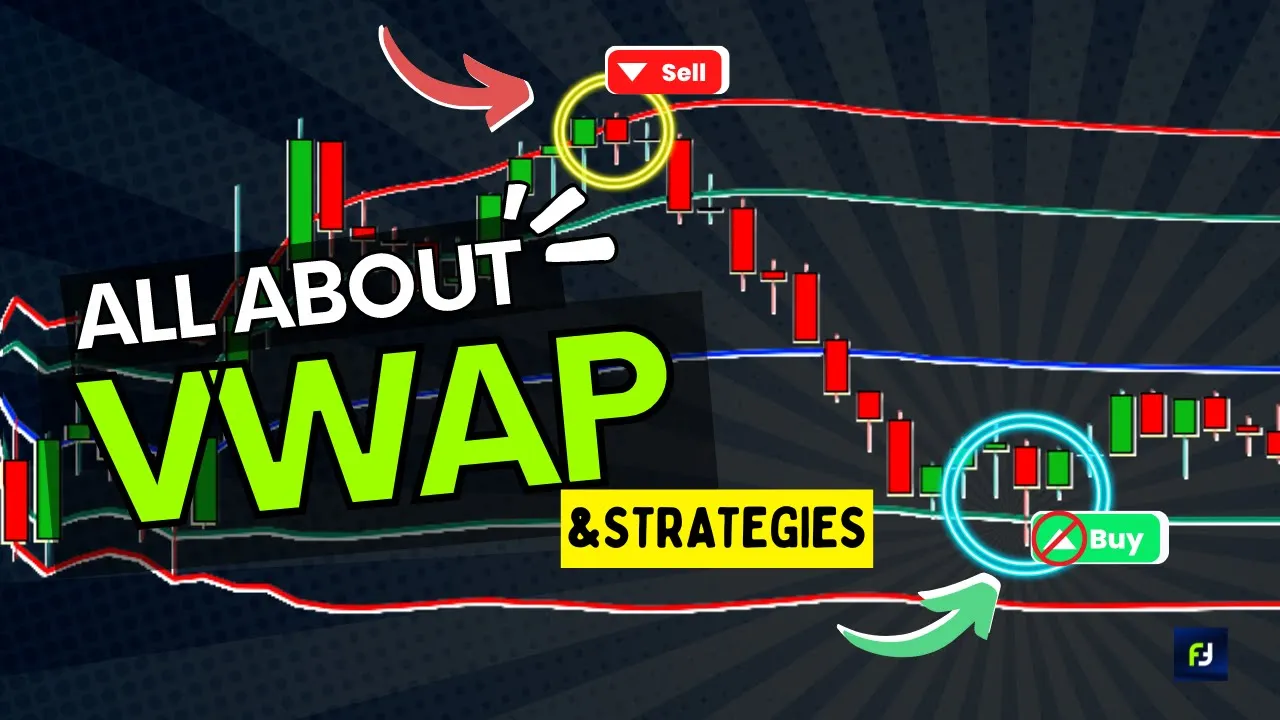
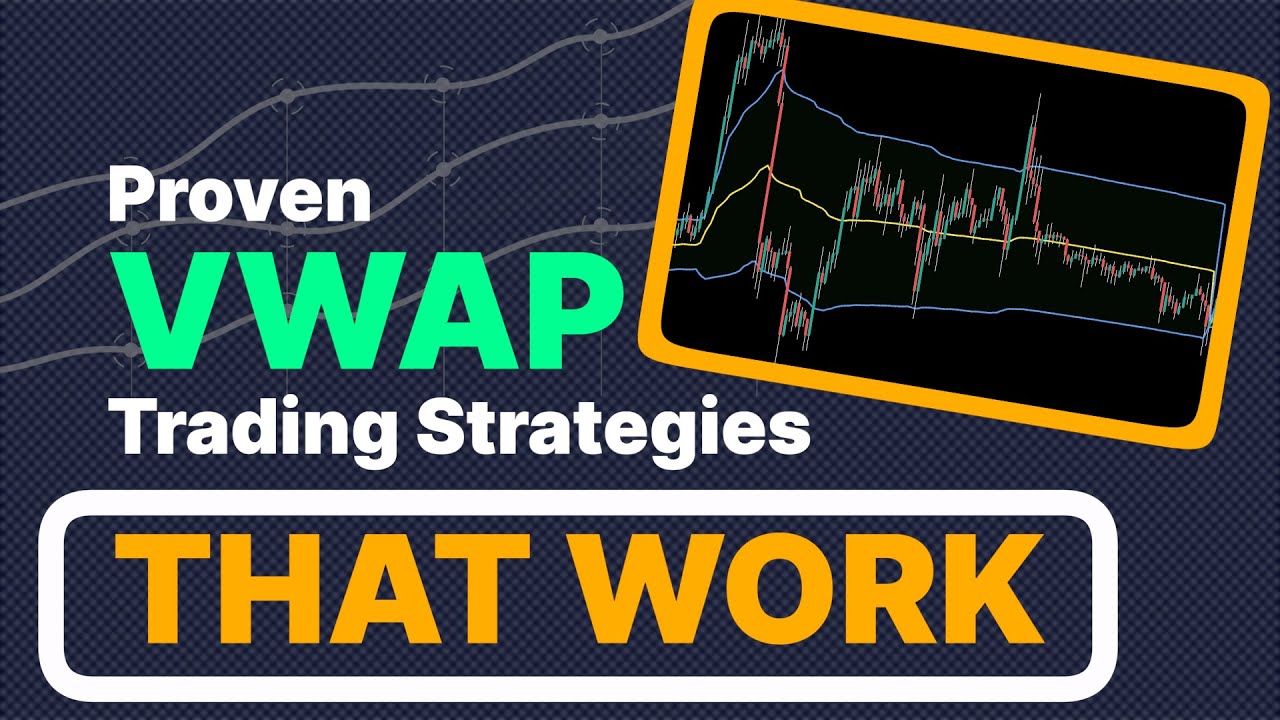
when the price is above the v app and selling when the price is below the bevap is drastically oversimplified so in order to make meaningful trades we can make use of standard deviations in association with webapp now standard deviation in short is a statistical tool which is used to quantify the variance in a data set now by applying this standard deviation tool to trading with wave app serving as the average line we can plot these deviations as bands an upper band and a lower band to create a visible unit of measurement and characterize the market
movement within these bands and also to gauge the volatility now this looks like a bollinger band but trust me this is better than a bollinger band because in bollinger bands the average line is a moving average but in case of weave app the average or the mean line is actually a v map line which in turn is an average value generated from the calculation of prices and volumes so it holds more weightage than a moving average now you can find this view app indicator with bands in the trading view site and the deviation bands are
automatically plotted and it gets adjusted as we receive more data throughout the day if you look at it at the market open they typically start off small and then expand as the price begins to break away from the market average the rate at which these bands change depend upon how far the price is away from the wave app and how much volume is being transacted to so applying view app and the deviation bands to a chart creates a grid like system which allows you to categorize the market activity into different zones and each region has
unique characteristics and different expectations what this means is that it helps you identify if the market is good enough to go long or to go short or if there is no identifiable trend this will in turn allow you to have a superior reframing on how you look at a chart now i have mentioned about the four zones that the viva would generate the first zone is above evap but it is beyond the first standard deviation and in this case the market is expected to continue uptrending if the price is above view app but it stays
between the vivap and the first standard deviation then it is expected to oscillate around the weave app similar is the case when the price is below the vivap and it is between the view app and the negative one standard deviation then the price is expected to oscillate around the view app and finally when the price is beyond the view app and it is lower than the negative one standard deviation then the market is expected to be down trending price crossing between these revamped homes is also a not worth events because more often or not there
is some sort of a resistance when the price crosses these zones these zones expand when the price sustains a trend and it contracts when the price consolidates towards the weave app [Music] now moving into the disadvantages of wevap v app is a lagging indicator because vivapp is more sensitive to price and volume changes at the beginning of the session but it becomes less responsive as the session progresses this is called as progressive lag due to this progressive lag weave app might not be an appropriate indicator for timing the market entries or in other words it
requires a supporting price action for entry or knowledge about price action is very essential while using this indicator another shortcoming is that it can be only used in the intraday time frame only if you try to use it for more than a day it will not be able to portray the correct trend and it cannot be used at the opening of the day meaning that viva app will be in line with the price and it will only expand or move away only when the session proceeds now finally let's talk about the strategies in this video
we will talk about three strategies number one is a pullback strategy number two is a reversal strategy and finally a mean reversion strategy now a word of caution before using weave app strategy is that you should avoid trading webapp at the opening of the trading session which means after the market opens the price bars tend to overlap the revap so in the first five minutes due to heavy trading happening in the market you cannot judge the market bias until the market tries to move away from webapp so after volatility decreases around 10 to 15 minutes
into the open the stock price will move towards or away from the wave app so you should stay out of the markets until the prices diverge sufficiently from the web now i'm gonna give you some general conditions before taking a trade number one do not try to go long when the price is below the v app and do not try to short a stock if the price is above the v web but there is a catch if the prices are extended way far from webapp then a reversal is okay or a main reversion is ok
but the target has to be set as the vwap line we will discuss the main reversion strategy soon enough the most important point use weave app indicator with price action and volume the first strategy that we'll be talking about is the vivap first pullback strategy now this strategy should be used in trending market let us take a look at this strategy in terms of an uptrending day so the first step is to find out if the stock is in a clear uptrend or a downtrend depending upon where the price is with respect to the vivap
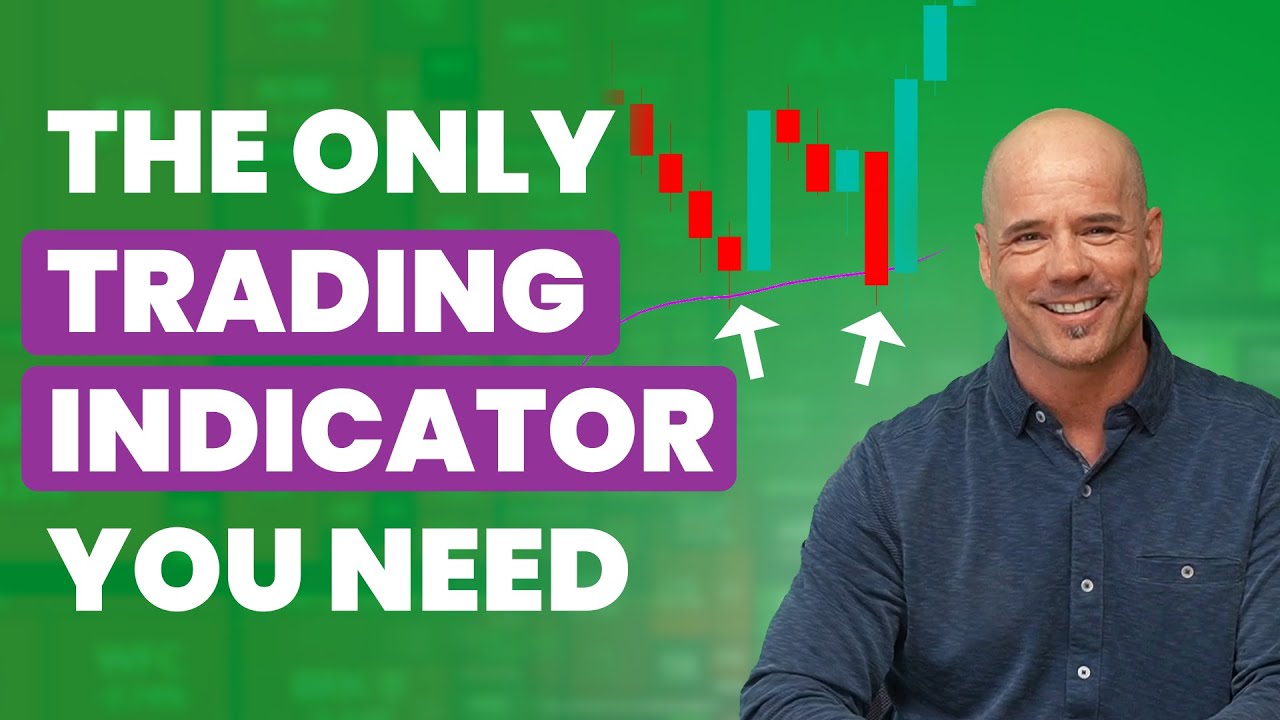
line after that you need to look for at least two to three candles in the same direction above the v wrap after that you have to wait for the price to approach the vivap line for the first time that is a pullback to the v wrap should happen and then look for a push away from the vivap line what this means is that the price should not stall at the weave app or consult it rather it should push away from the weave app you can also look for a deep rejection from the view upline and
finally observe that if the upside push follow through higher or is it rejected back to the vivap level from the previous swing high level in case of an uptrend and if the price manages to break above the previous high you can take a long entry or initiate a buy order keeping a stop loss below the rejection candle and when the move turns out to be in your favor you can keep a trailing stop loss below the vivap line with suitable buffer you can accept the trade when the price moves below the bvap line or hits
your trailing stop loss the same strategy can be used in downward trending markets also just by changing the rules now the second strategy is a reversal strategy in this case we will talk about a viva reversal towards the upside here are some of the criterias of this strategy the previous day should be an uptrending day or a bullish day and the price should not close below the last swing low now we will draw a horizontal line from the v-vap level of the last candle of the previous day and we can name this as the pv
app level for a buy side trade the price should close above the v-vap level look to see in the morning if the price moves into the previous day vap or the pv app level the volume of this move is also important preferably low volume is the best the price opens and moves down with lesser volume and stores at the pv app level and is unable to close below the pv web this is very important that is the price should not close below the pv wrap look for a push away from the pv app level if
the upside push follow through higher then look to take a long entry or initiate a buy order it is best if we make use of price action we will take the trade only if we get a good entry and good risk to reward ratio by keeping the stop loss below the pv vap level and when the price moves in your favor keep a trailing stop loss below the vivap level with suitable buffer you can also make use of the vivap's upper band to book your profit that is when the price reaches the upper band you
can exit the trade now the last and final strategy is the mean reversion to vivap from the standard deviation band this is a very useful strategy that can be used in ranging markets or when the price is very much overextended from the revap level the idea is to take a buy or sell entry from the second standard deviation band keeping the vivap line as the target now you may ask why the second standard deviation band and not the third band or only the first band now the answer is very simple and can be explained using
the normal distribution curve where a single standard deviation band above and below the v-map will cover only 68 percentage of the price move while the second standard deviation band encompasses more than 95 percentage of the price mo even though the third standard deviation bands predicts over 99 percentage of the price moves but such moves are rare in occurrence and so you might not get a suitable entry as the price might return to the main line before testing the third standard deviation bands which means you will not get a lot of trades if you use the
third standard deviation band now the trade idea is simple we will wait for the price to test the second deviation band either from above or below the b pap line now keep an eye on the price action formed if the candle formed at the band shows some sort of a rejection and then goes on to form a reversal candlestick pattern for example if the price is at the lower standard deviation band and the price rejects lower prices and forms a hammer candlestick this can be a confirmation for taking a long entry if the next candle
crosses above the high of the hammer candle now the strength of this strategy is higher when the reversal happens near an area of value like a support or resistance where there is enough liquidity for the move to happen the stop loss for this trade would be below the hammer candle or below the support level in case of this example for a short trade the setup is similar but we have to look for a rejection from the upper viva band and look for a bearish reversal candlestick more preferably near a resistance level the stop loss can
be placed above the rejection candle or above the resistance level with suitable buffer the target in both these setups is the viva plan itself the primary goals of technical analysis in trading is to identify a probable trend or a counter trend that is expected to continue and then provide a suitable entry at the trade at a credible support or resistance level with a predefined risk and further monitor the likelihood of the continuation or a reversal to optimize your exit now if you ask me weave app meets all these criteria the view app along with the
band system helps you to forecast the market direction and also predict the dynamic supports and resistance level thereby giving clear-cut risk levels that we can use both initially to enter the trades and also to actively manage them as we progress without raid now weave app in no way is the holy grail to trading but it has got some exceptional utility the thing is it won't save you from undisciplined trading view app is a superior indicator and it is recognized by institutions so i recommend you to put more effort into learning this indicator and applying it
to your charts and back testing the data to see if it actually works for you i hope this video was informative for you and if it added some value please do like the video do not forget to subscribe the channel and press the bell icon so that you won't miss out on the upcoming videos i'll see you guys in the next video till then bye
![BEST VWAP Trading Strategy [87% Win Rate]](https://img.youtube.com/vi/18cy7G2zz_Y/maxresdefault.jpg)