You're looking at one of the most revolutionary inventions of the 21st century, the selfie camera. Digital cameras, small enough to be embedded in our phones, have transformed photography and changed how we interact with the world and each other. But did you know that this sophisticated piece of modern technology has its roots in the science that won Einstein a Nobel Prize?
Like most smartphones today, my iPhone camera uses a sensor called a complementary metal oxide semiconductor or CMOS. It's similar to a CCD or charge coupled device and works because of this one weird trick physicist discovered more than a century ago. It's called the Photo Electric Effect.
In Einstein’s time, light was thought of as a wave. It clearly has wavelike properties, diffraction, interference and so on. But every once in a while it seemed to behave in a very un-wave-like fashion.
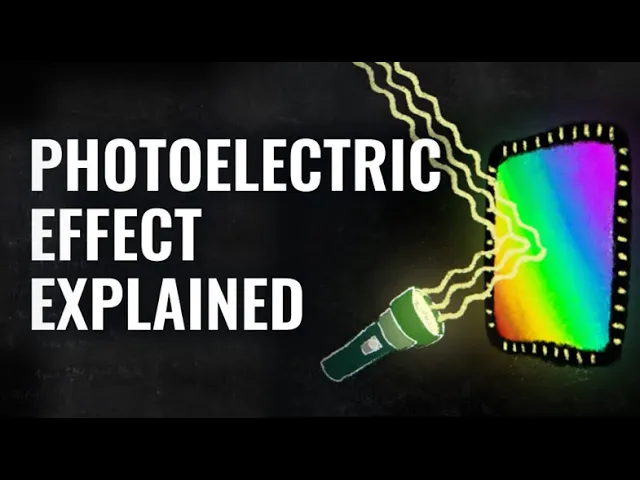
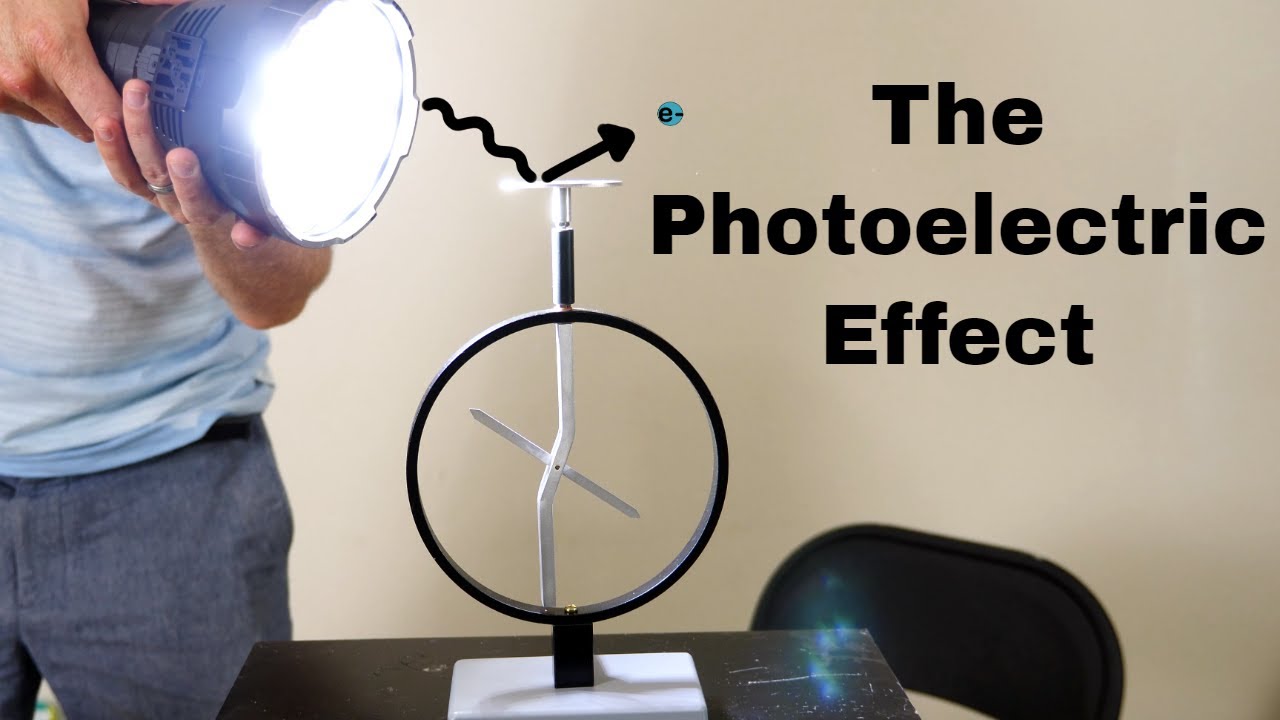
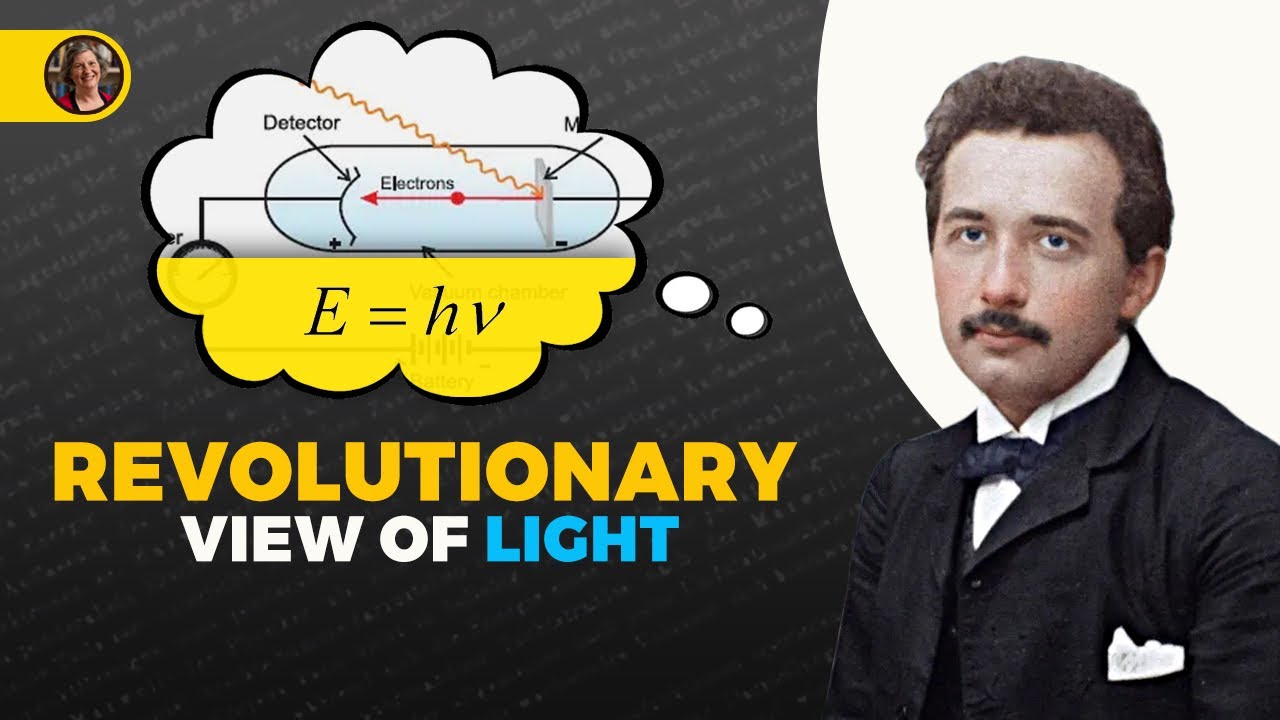
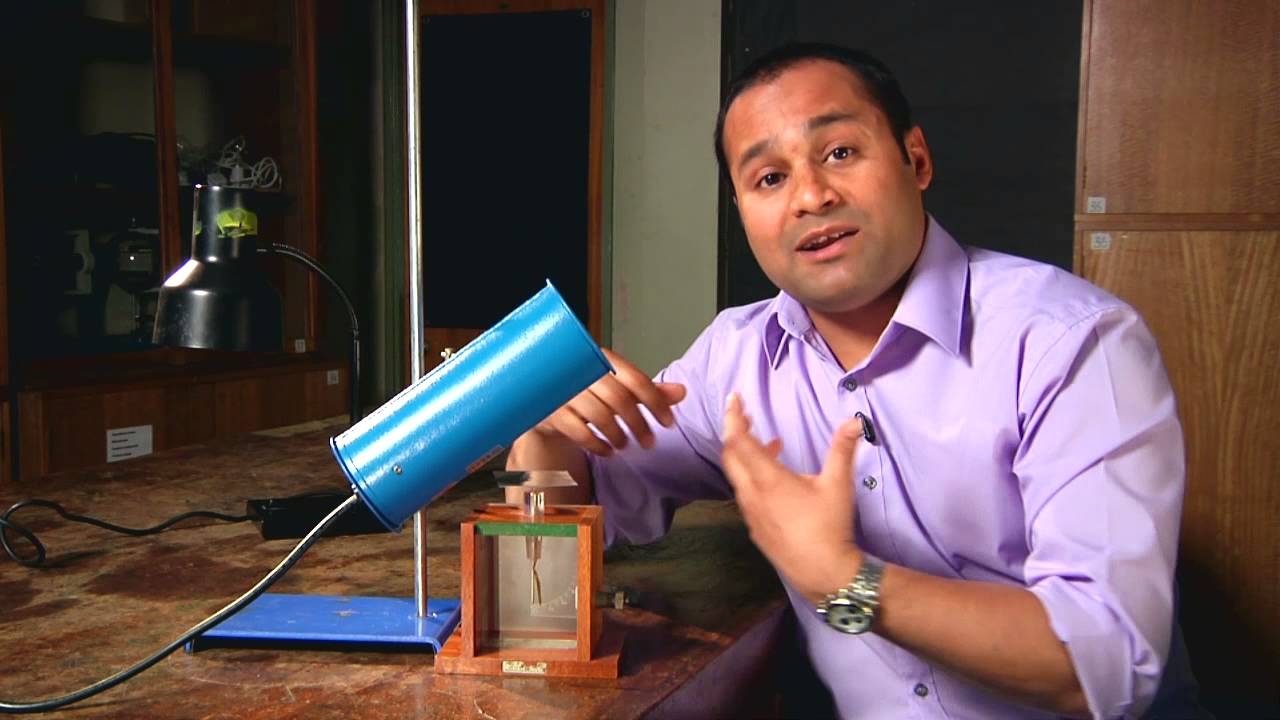
Some experimenters found that if you shine a light on a metal surface in just the right way instead of illuminating or warming it, a bit of the light would hit like a tiny cannonball, knocking an electron right out of the metal. This effect was first demonstrated in the 1800s, but at the time, no one could explain why this happened. If light were just a wave of energy, shining a light on the surface should either do nothing or it should gradually transfer enough energy to push the electron around.
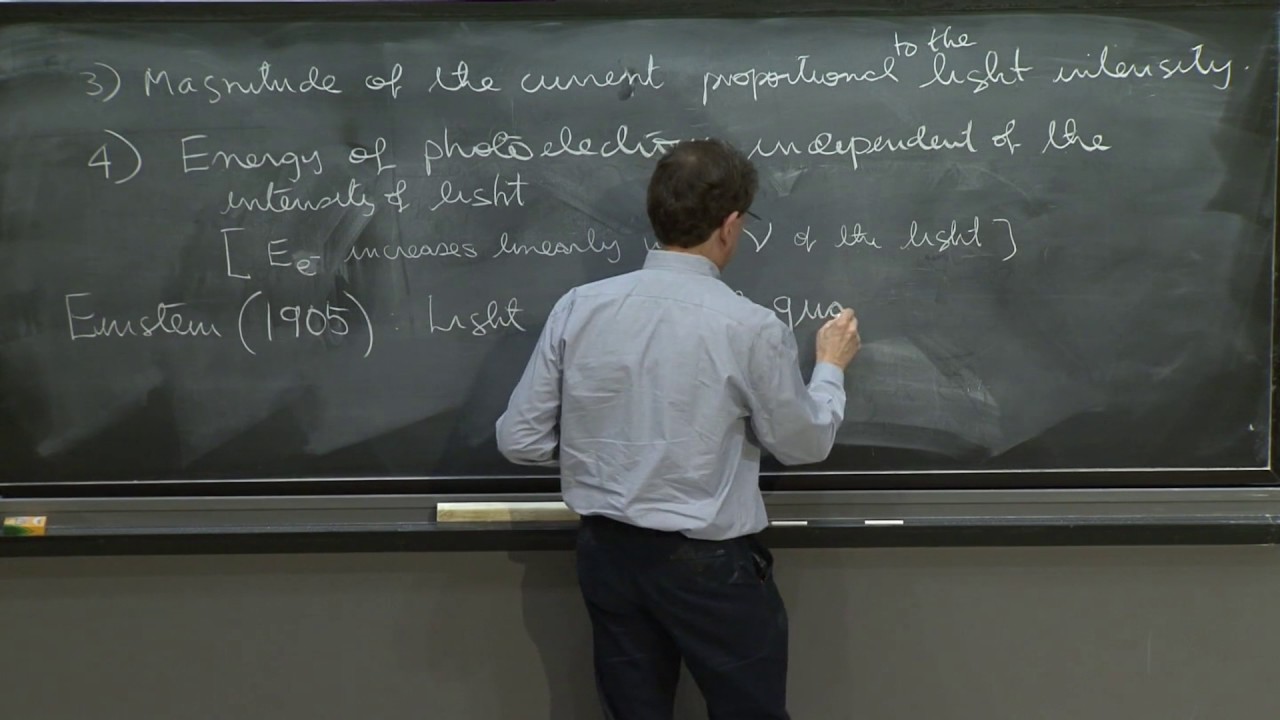
Higher intensity light should, of course, dislodge more electrons. But the experiments with the light on the metal showed that it didn't matter how long the light was shining or even how intense it was. All that mattered was its colour.
A light with a a low frequency, like infrared or visible light would do nothing. But if you gradually increase the frequency of the light into the ultraviolet at some threshold colour, suddenly electrons would start pinging off the metal like they were shot with tiny light pellets. That's not how a wave is supposed to work.
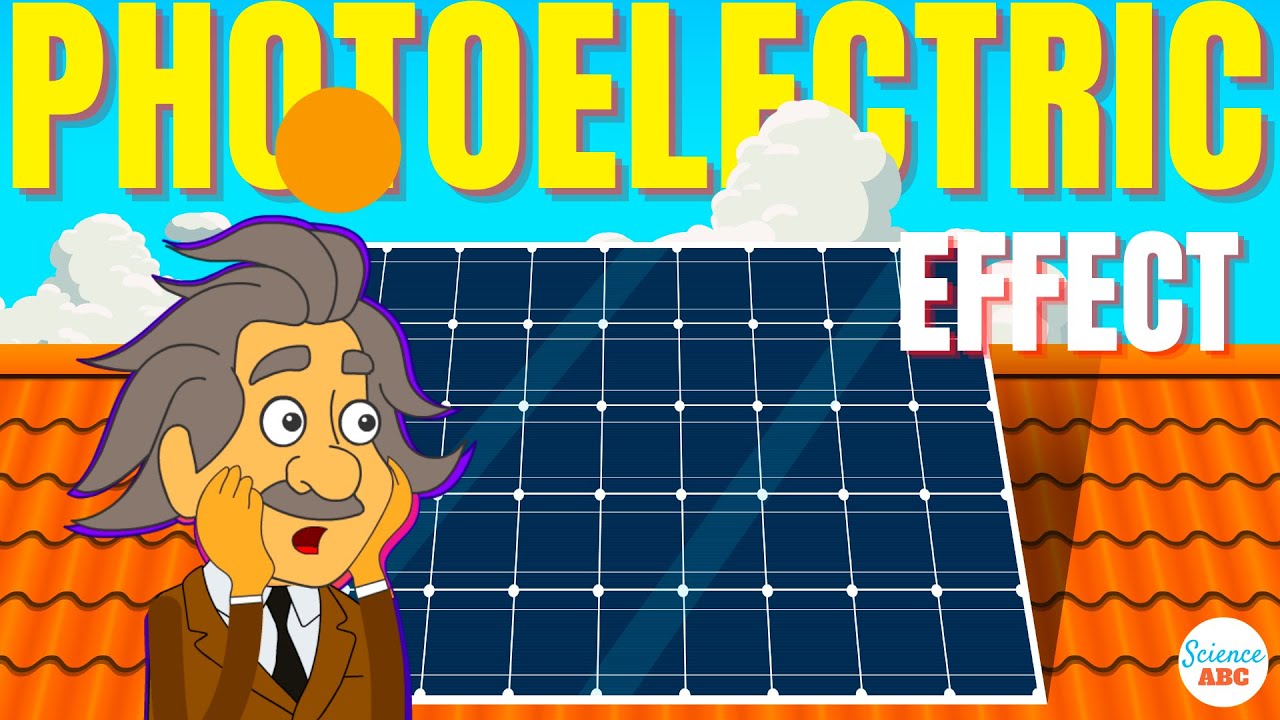
Einsteins Nobel Prize came from explaining what's really happening here. Light isn't really a wave at all. Or rather, it's not just a wave.
It's really made up of tiny particles called photons. Each photon is a little packet of energy, and the amount of energy in each photon is determined by the light's frequency or color. A photon of visible light has too little energy to knock an electron out of the metal.
Even if you shine a lot of visible light photons on the metal, each photon will just shift an electron to a higher energy level, after which it will fall back down. Because the energy levels of electrons only exist in discrete steps, you need a photon of just the right energy to remove the electron completely. And for that, you need to dial up the light's frequency into the ultraviolet so each photon can pack enough of a punch.
This, incidently, is why sitting too long in direct sunlight can burn your skin, but spending all day under a desk lamp at home can't. The sunlight has UV photons in it, and each U. V.
photon has so much energy that it can deliver its punch right into your skin cells and damage them. Visible light mostly just bounces off. It's also why you don't want to spend time around gamma rays, the highest energy part of the electromagnetic spectrum.
So, what does all this have to do with your cell phone camera? Both CCDs and CMOS sensors make use of the photoelectric effect to convert the light that hits the sensor into electricity for a pixel. They use materials called semiconductors, in which even low frequency photons can boost the electrons.
So all the light that hits the sensor can create an electrical current. Filters, lenses and materials optimized for different light frequencies work together to record the color of the light. Once the image is recorded by the sensors, the signals can be re-encoded into an image for your screen.
Einstein is perhaps the most famous scientist in history. He made amazing contributions to our understanding of the universe space, time, gravity. But what actually won his Nobel Prize for was light.
And he was the first person to realize that light is actually made of tiny little packets or pieces of energy that we call photons today. And that was important because he solved a problem that has stumped every other scientist for about 60 years or so. And as a scientist, a physicist, what I find most interesting and coolest about that was that shows that it's not just matter, it's not just electrons that are quantum and quantized, it's light as well.
And so energy, so everything at the most fundamental level, as far as we know in a universe is quantum. You just can't get away from it. CCD Technology is so amazing that in 2009, it actually produced its own Nobel Prize for the inventors of the first CCD sensor.
These days, CCD and CMOS sensors are everywhere in digital imaging, including in giant telescopes like Hubble and JWST. Quantum mechanics, once an esoteric math filled flight of fancy, now plays a role everywhere we look. In the behavior of the tiniest particles and how we see the night sky and even in how we see ourselves.
Maybe someday, the obscure theories we physicists of today spend all our time scratching out on chalkboards will produce a breakthrough in our understanding of how light and particles work. Maybe it will change the way we see the world around us. Maybe we'll even carry it around with us in our pockets.
Picture that.