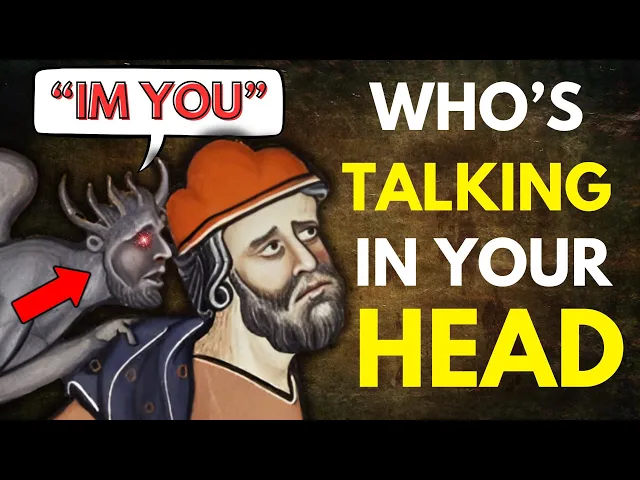
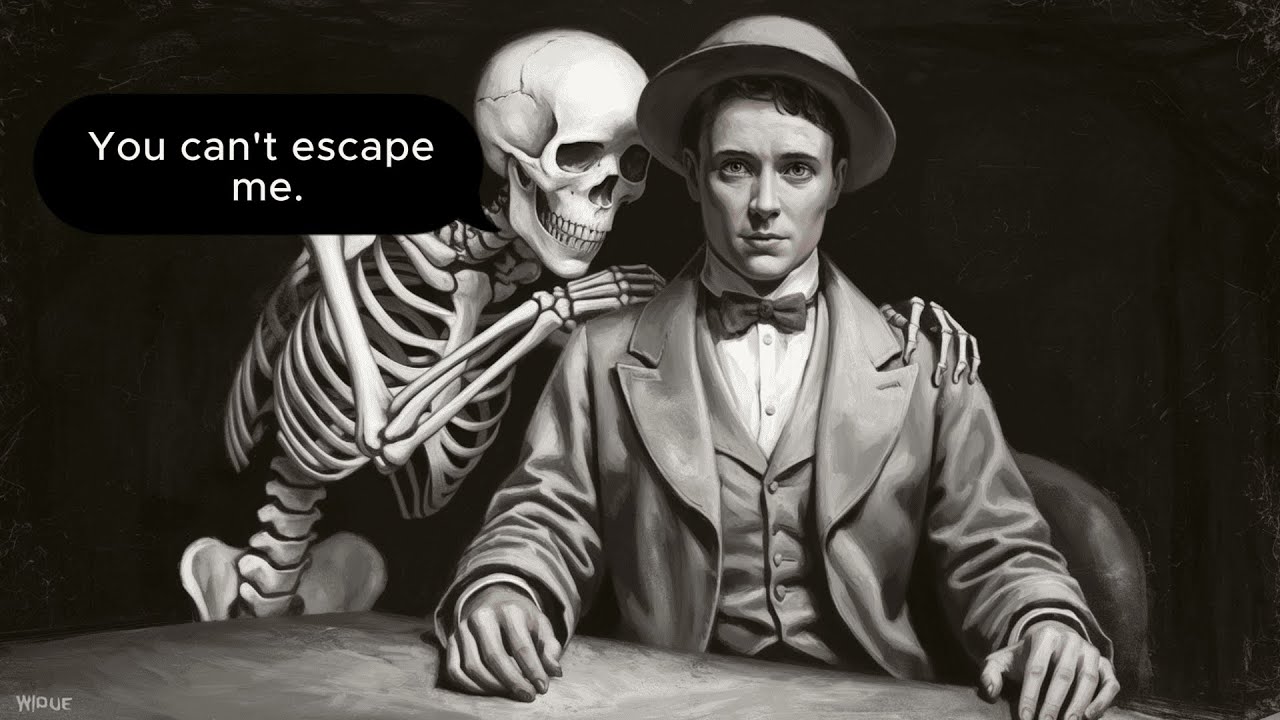
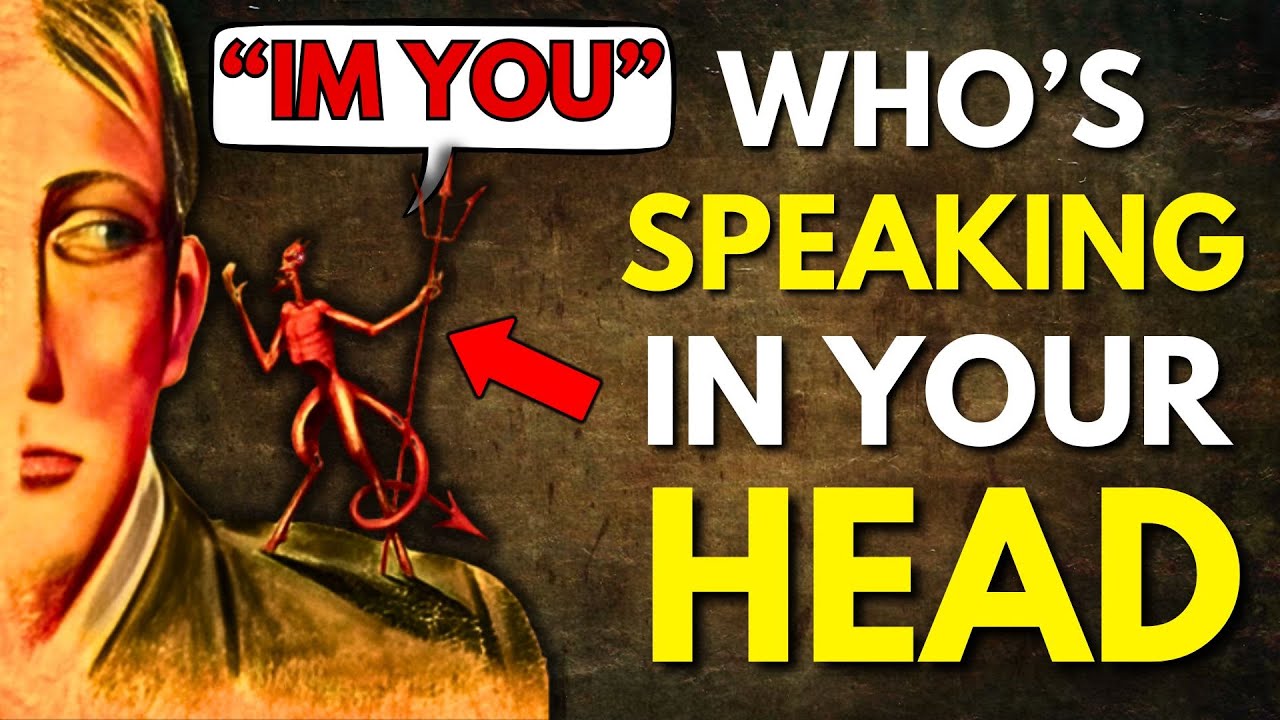
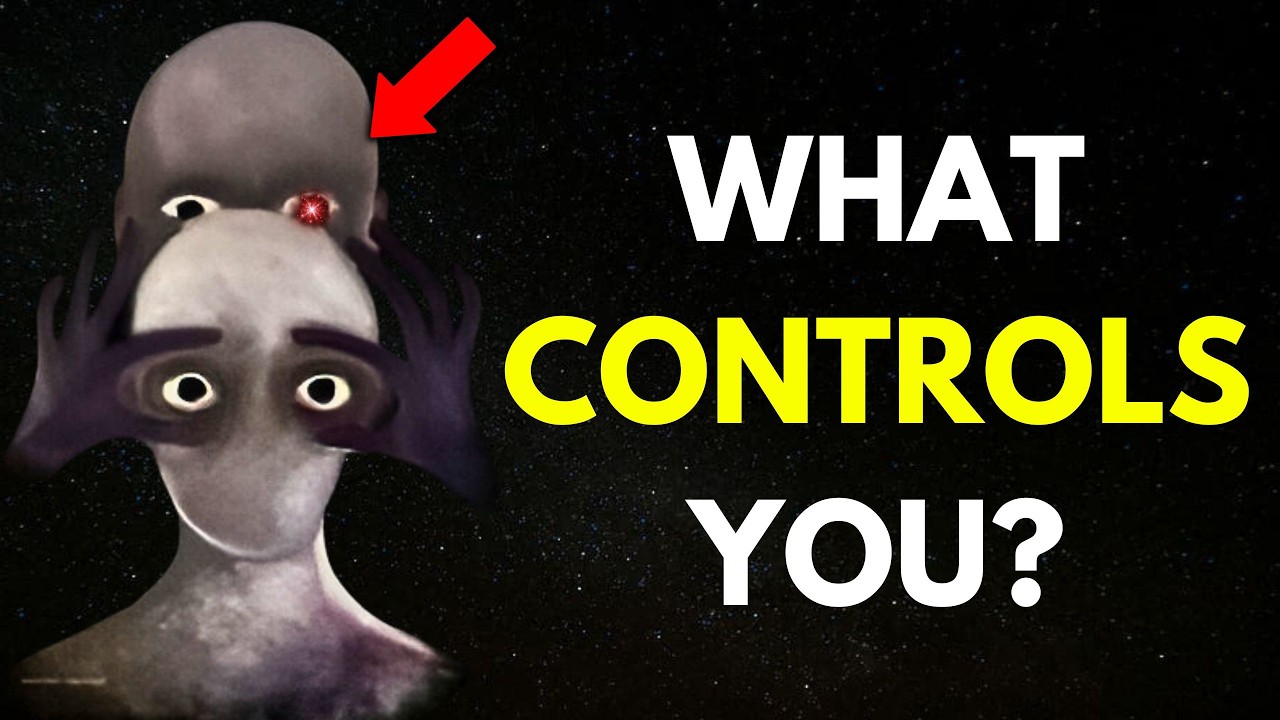
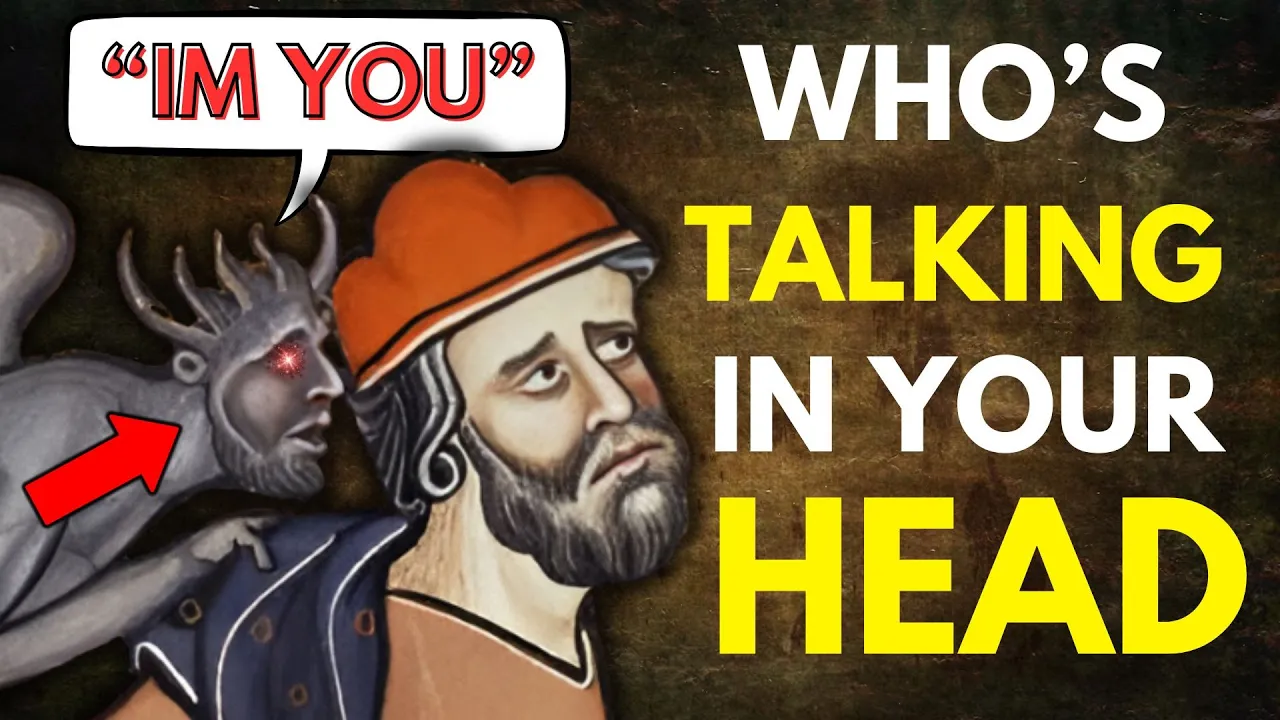
Right now, there's a voice in your head narrating, analyzing, judging, talking nonstop. But have you ever stopped to ask who’s actually speaking, and more importantly, who’s listening? Most people never question this, but once you do, it changes everything.
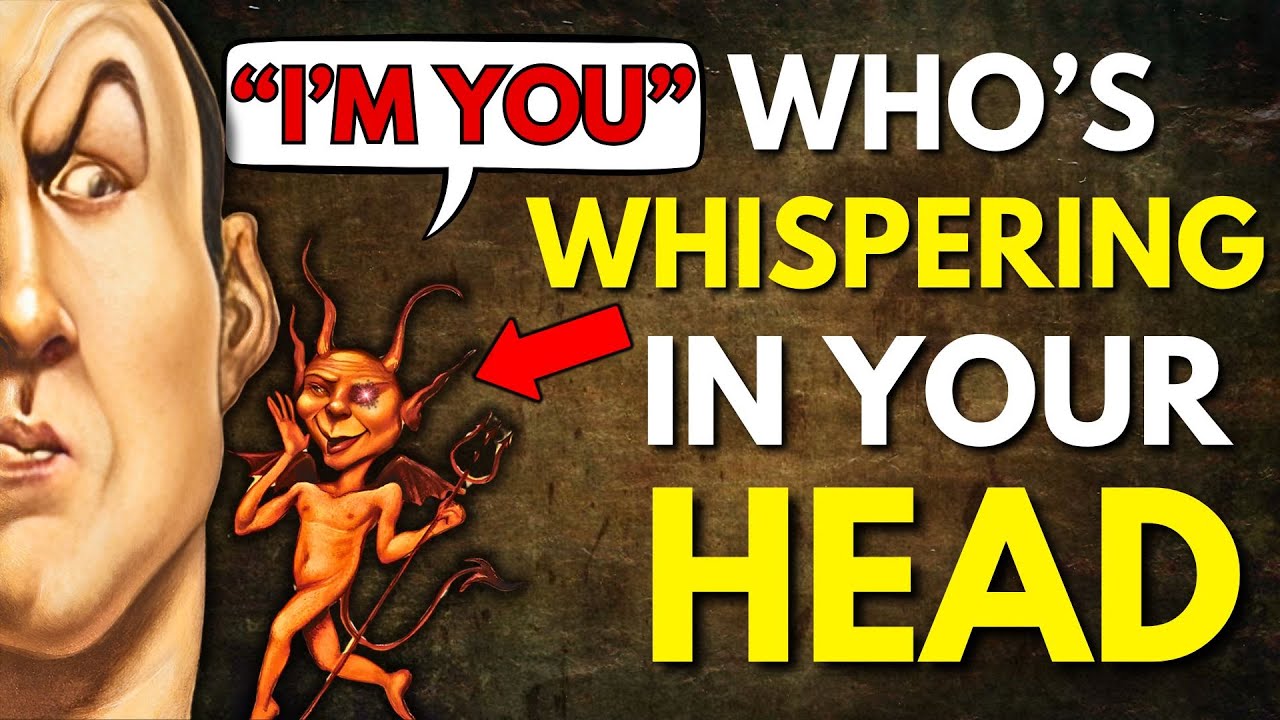
The thoughts you hear, the endless mental chatter—it's not really you. The voice in your head never stops; it comments on everything: what you should do, what you shouldn’t have done, what people think of you, what might go wrong tomorrow. And for most people, this voice runs completely unchecked.
But here's something few ever consider: if you are the one thinking, then who is the one listening? This is where everything starts to change. When you wake up in the morning, before your first thought appears, there's a brief moment of stillness.
But then, like an engine revving up, the mind starts talking. It reminds you of what you need to do today, worries about things that haven’t happened yet, and replays moments from yesterday that are already gone. But here's the key: you don't control this.
You don't choose which thought appears first. The moment you realize this, you start to see that thoughts are like weather patterns in the mind; they come and go, but they are not you. Have you ever had a thought so strange or random that you wondered, "Where did that even come from?
" That alone is proof that you are not your thoughts. If you were, wouldn’t you only think things that align with what you want? The reality is your mind produces thousands of thoughts a day, many of them conflicting, repetitive, or completely unnecessary.
If thoughts were truly you, they would be consistent, under control, and only beneficial. But they’re not. The reason the mind is so convincing is because it speaks in your voice; it sounds like you, so you trust it.
But have you ever noticed how the voice changes? Some days it’s kind and encouraging; other days it's critical and negative. If this voice were really you, wouldn’t it always be the same?
The fact that it shifts proves that it is not you; it's just an automated system repeating patterns it has picked up over the years. The mind creates stories and convinces you that they are reality. It takes a single event—someone not responding to your message, a slight look from a stranger—and turns it into a full narrative: "They must be mad at me; I must have done something wrong.
People don’t like me. " But these thoughts are not facts; they are interpretations, and they are often wrong. The mind fills in blanks based on past conditioning, assumptions, and fears.
The moment you see this, you stop believing every thought as if it's the truth. One of the biggest tricks of the mind is its obsession with time. It drags you into the past, replaying old mistakes, making you feel regret or embarrassment, then in the next moment, it hurls you into the future, creating anxiety about things that haven’t even happened yet.
But notice this: both past and future only exist as thoughts in your mind. The only thing that is actually real is this moment right now. The more you realize this, the less power thoughts have over you.
The voice in your head is like an internal narrator, constantly commenting on life. You're walking outside, and instead of just experiencing the world, your mind is labeling things: "That's a tree; the sky looks gray; I feel tired; I should really get more sleep. " But who is it talking to?
If it were really you, why would it need to explain things that you are already experiencing? It’s like an unnecessary tour guide for your own life—one that never shuts up. When you step back and just listen, you realize that this commentary is completely optional.
The key to freedom isn’t to stop thinking; that’s impossible. The key is to recognize that thoughts don’t need your constant attention. Imagine sitting in a room where someone is talking nonstop.
You don't have to argue with them or tell them to be quiet; you can just tune them out. The same is true for thoughts. You don’t need to fight them, suppress them, or get lost in them.
You just need to recognize that they are not you and let them pass like clouds in the sky. Here’s something to try: pause for a moment and just listen. Don’t try to control anything.
Don’t force your mind to be silent; just sit and observe. When a thought comes, instead of engaging with it, ask yourself, "Who is hearing this thought? " The moment you ask that question, you step into the observer’s seat.
You shift from being caught in the thought to seeing it from a distance, and the more you do this, the more freedom you feel. Before we continue, if you’re finding this video helpful, take a moment to subscribe and turn on notifications. It’s completely free and helps grow this community of people looking for deeper self-awareness and mental freedom.
Plus, you won’t miss the upcoming videos that will take this understanding even further. The biggest realization of all is this: you are not the thinker; you are the awareness behind the thinking. Thoughts come and go, but you remain.
The mind narrates your life, but you are the one experiencing it. When you truly grasp this, the endless chatter loses its grip on you. You stop getting pulled into every thought, and instead, you watch them with a quiet understanding.
And in that space of awareness, beyond all mental noise, you find real peace. The voice in your head never stops; it comments on everything: what you should do, what you shouldn’t have done, what people think of you, what might go wrong tomorrow. And for most people, this voice runs completely unchecked.
But if you take a step back and just listen. . .
Something interesting happens: you realize that thoughts are happening, but you are not the one actively creating them. They arise on their own, play out, and then disappear; yet you assume they are yours. But if they were truly yours, wouldn't you be able to control them?
Most people assume that because a thought appears in their mind, it belongs to them. But is that really true? Thoughts come and go without your control, yet you take ownership of them.
If a random negative thought appears, like doubting yourself or feeling unworthy, you immediately believe, “This is my thought; this is me. ” But why? If you were truly in control, wouldn't you only think things that serve you?
The fact that thoughts arise spontaneously means they are not yours; they are simply happening. The only mistake is assuming they define you. Ever notice how the same thoughts seem to play on repeat?
You wake up, and before you even realize it, you're caught in the same patterns: thinking about your to-do list, worrying about the past, anticipating the future. The mind isn't doing this because it's helpful; it's doing this because it's running on autopilot. The brain follows patterns, repeating what it knows.
The more attention you give to a thought, the stronger it becomes. But the moment you stop engaging, the loop weakens. This is why stepping back and simply observing is the key to breaking free.
The reason the voice in your head never stops is simple: it’s trying to control everything. It comments, analyzes, and predicts because it believes that by thinking about something enough, it can influence reality. But that's an illusion.
No amount of overthinking can change the past or guarantee the future. The more you try to control life through thought, the more trapped you become. True peace comes when you surrender the need to mentally control everything and just exist in the moment.
Your thoughts often revolve around you: what people think of you, how you compare to others, whether you are succeeding or failing. This is because the ego feeds on thought. The more you think about yourself, the more the ego feels real.
But the ego is just a collection of mental images, a story you tell yourself about who you are. And like all stories, it's not the full truth. The moment you stop giving every thought your full attention, the ego weakens, and something much deeper emerges: the real you, beyond thought.
The mind doesn't just think; it weaves narratives. You see someone glance at you, and suddenly your mind creates a whole story: "They don’t like me. " A small failure happens, and your mind narrates, "I'll never succeed.
" These aren't facts; they're just interpretations, and interpretations can be wrong. The key is to see thoughts as suggestions, not reality. Just because a thought appears doesn’t mean you have to believe it.
Have you ever noticed that when you get upset, your mind starts spiraling? Thoughts rush in to justify the emotion: "They shouldn't have said that," "I was right," "Why does this always happen to me? " The more you react emotionally, the stronger these thoughts become.
But when you simply watch the thoughts without feeding them with emotion, they lose their energy. This is why awareness is so powerful: it breaks the cycle. The voice in your head always wants more.
It tells you, "Once I get this, then I’ll be happy. " But when you get it, it immediately moves the goalpost: "Now I need more. " This cycle never ends.
The mind is always chasing happiness in the future, but the truth is happiness is only available here and now. The moment you stop believing the thought that something is missing, you experience peace. Most of what you think today isn't new; it's a recycled version of thoughts you had yesterday, last week, last year.
Your brain is conditioned by past experiences, shaping the way you think and react. But here’s the important part: just because you’ve thought something before doesn’t mean it’s true. Many of your current beliefs, fears, and doubts are just mental habits, not reality.
The moment you question them, they start to lose power. Try this right now: the next time a thought appears, don't engage with it; just watch it. Instead of following it, simply notice, "Oh, there’s a thought.
" When you do this, something incredible happens: the thought weakens. The only reason thoughts control you is because you get pulled into them. But when you observe them without attachment, you separate yourself from them, and in that space, you find freedom.
The biggest realization of all is this: thoughts will always come and go, but you don't have to get caught in them. The secret isn't to stop thinking; it's to stop being attached to thoughts. When a thought arises, instead of believing it or reacting to it, simply recognize it for what it is: just mental noise.
This simple shift in perspective changes everything. You move from being a prisoner of your mind to being the observer, free to experience life as it truly is, without the constant distortion of thought. Thanks for watching.
If this video helped shift your perspective, make sure to like and subscribe, so you don't miss the next one. Turn on notifications so you can stay updated with more content like this. I appreciate your support, and I'll see you in the next one.