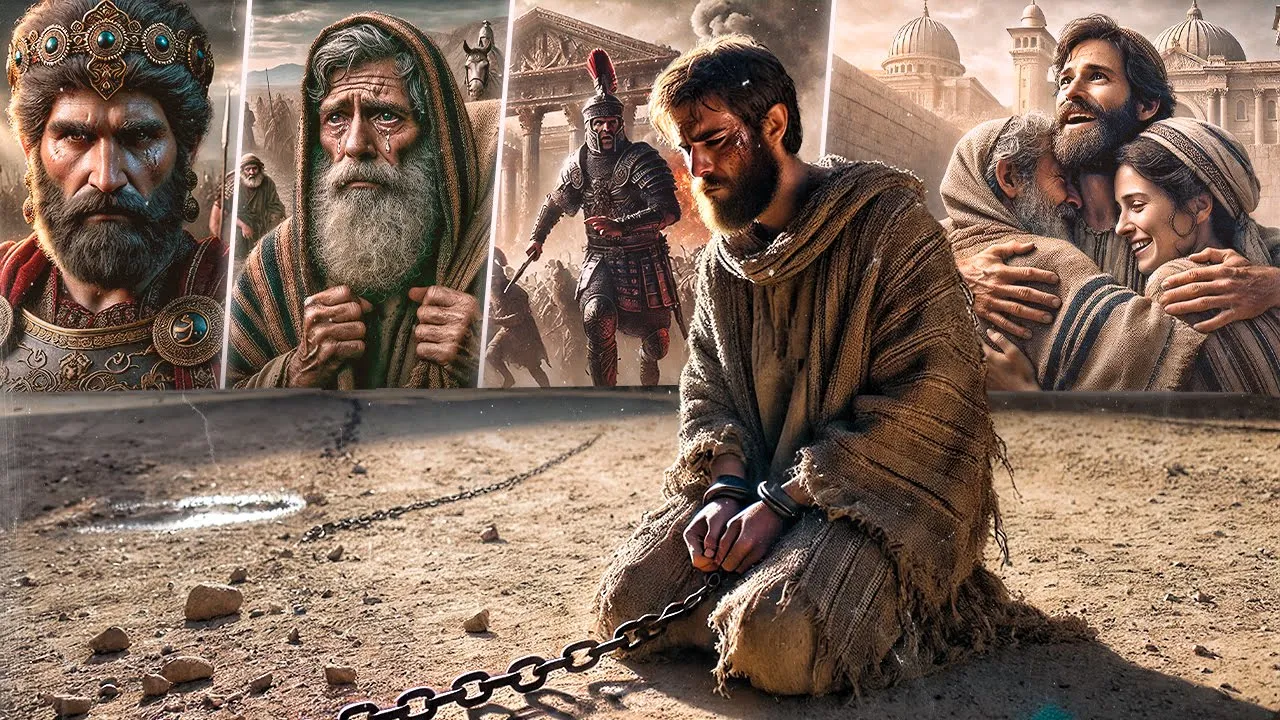
[Music] the Babylonian captivity is one of the most significant events in the history of the Jewish people profoundly impacting their culture religion and identity this period of forced Exile began with the rise of the Babylonian Empire and the subsequent invasion of Jerusalem resulting in the deportation of many Jews to Babylon this event not only transformed the lives of those who were taken but also had lasting repercussions reflected in the biblical narrative and subsequent Jewish history the roots of this captivity are intrinsically linked to the Prophecies of Jeremiah and other prophets who warned the people of
Judah about the consequences of their Disobedience and idolatry the vision of these prophets regarding the inevitability of captivity served as a Prelude to the events that would unfold in the following years their words recorded in the Bible echo through the centuries as a reminder of the lessons learned during this tumultuous period the Babylonian captivity was not only a Divine punishment but also a catalyst for the spiritual renewal and cultural transformation of the Jewish people far from their Homeland the Exiles had to find new ways to practice their faith and maintain their identity this period of
adversity paradoxically strengthened the Jewish community uniting them around their traditions and sacred writings understanding the Babylonian captivity is essential to comprehend the resilience and evolution of the Jewish faith this chapter of Biblical history shows how adversity can serve as fertile ground for Spiritual and cultural growth shaping the destiny of a Nation before the Babylonian Invasion the kingdom of Judah experienced a period of relative stability under the reign of Josiah one of judah's last great Kings Josiah was known for his religious reforms which sought to purify Worship in Jerusalem and restore the worship of the god
of Israel 2 Kings 22 and 23 however his premature death in battle against Pharaoh Neco II of Egypt left Judah vulnerable to external threats the political and religious landscape in Judah began to deteriorate after Josiah death his successors such as jeim and zedekiah did not follow his example of devotion and righteousness Leading the People back to idolatry and religious syncretism 2 Kings 24920 this departure from Divine Commandments was severely criticized by the prophets who saw it as the cause of the impending destruction and Exile the influence of foreign powers such as Egypt and Babylon exacerbated
the situation Judah became a Battleground for the Ambitions of these Empires being forced to alternate alliances and pay heavy tributes the constant pressure led to a series of revolts and internal instabilities further weakening the kingdom the inability to maintain strong and unified leadership made Judah an easy target for Babylonian Conquest the years preceding The Invasion were marked by a growing sense of disp spare and uncertainty the people of Judah were divided between those who believed in the need for resistance and those who like Jeremiah preached submission as a way to avoid complete destruction Jeremiah 2781
this dilemma would become Central to The Narrative of the Babylonian captivity and the decisions that would lead to the fall of Jerusalem Jeremiah known as the weeping prophet played a crucial role in the history of the Babylonian captivity he began his ministry during the reign of Josiah and continued to prophesy during the subsequent Reigns including the turbulent period that led to the Exile Jeremiah 1 13 his message was clear and unwavering the destruction of Jerusalem was inevitable due to the accumulated sins of the people unlike other prophets who promised deliverance and victory Jeremiah was called
to deliver a message of judgment judement and repentance he repeatedly warned the Kings and the people of Judah about the consequences of their Disobedience his prophecies included visions of a destroyed Jerusalem and the people taken into captivity Jeremiah 25112 which made him unpopular and frequently persecuted Jeremiah 386 one of Jeremiah's most notable prophecies was the vision of the two baskets of figs representing the Jews who would be taken into Exile and those who would remain in Jerusalem Jeremiah 24 he predicted that the Exiles would be the ones to prosper and eventually return while those Left
Behind would face further disasters this Vision reinforced the message that captivity would be a period of purification and renewal despite the difficulties he faced including imprisonment and death threats Jeremiah remained faithful to his mission his prophecies not only documented judah's decline but also offered hope of restoration he foresaw a New Covenant between God and his people marked by A Renewed heart and sincere Faith Jeremiah 31 3134 which would become fundamental in postexilic Jewish theology the Babylonian empire under the leadership of Nebuchadnezzar 2 emerged as one of the most formidable powers of the ancient world World
Nebuchadnezzar the son of nabopolassar continued to expand the territories conquered by his father transforming Babylon into a center of power and culture the rise of Babylon was marked by successful military campaigns and the subjugation of various kingdoms including Judah 2 Kings 2412 the victory over the Assyrians and the conquest of their Capital Nineveh in 612 BC marked the beginning of Babylonian hegemony with the fall of Assyria Nebuchadnezzar turned his attention to Egypt and the lands to the West including Judah his campaign against Jerusalem was motivated both by strategic reasons and the need to maintain control
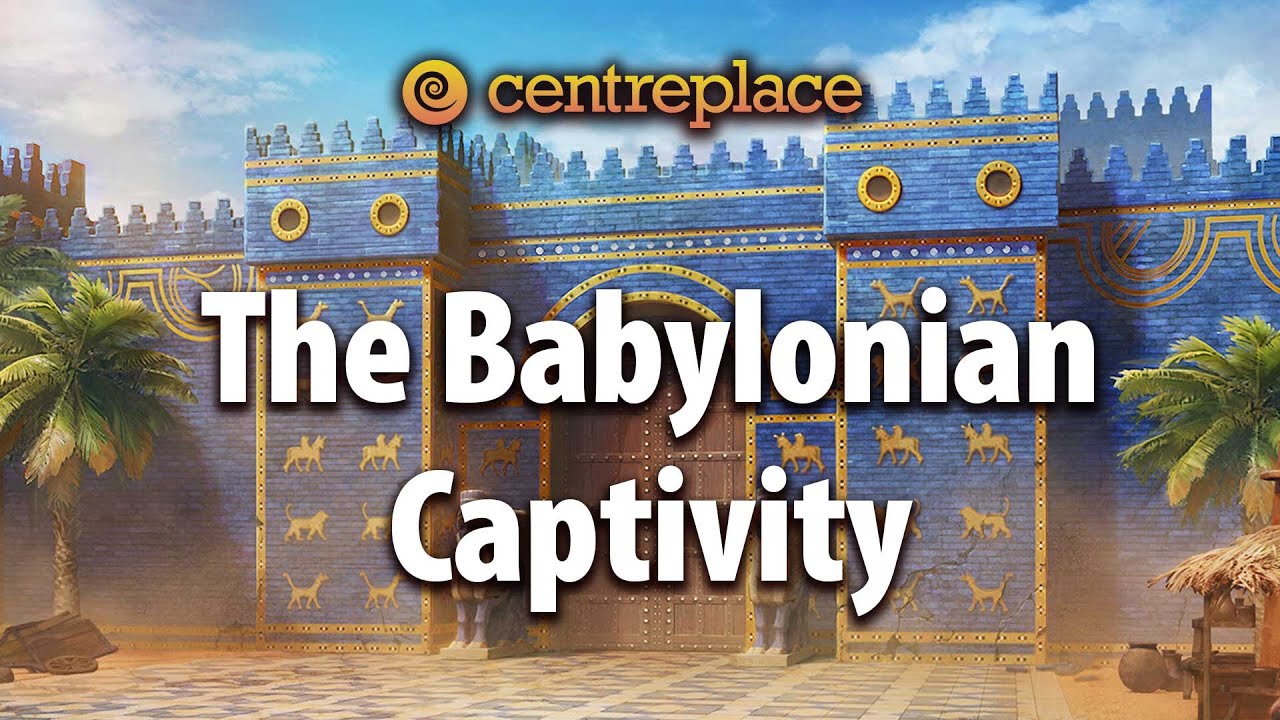
over vital trade routes in the region 2 Kings 24:7 Babylon was not only a war machine but also a center of culture and learning the city of Babylon with its magnificent Hanging Gardens in the Tower of Babble was a symbol of power and Innovation the Babylonians made significant advances in astronomy mathematics and architecture profoundly influencing the cultures they came into contact with Nebuchadnezzar's military prowess and babylon's cultural Prosperity created a scenario in which the conquest of Judah seemed inevitable the fall of Jerusalem and the subsequent captivity of the Jews were events that further solidified Babylonian
dominance in the region leaving a lasting impact on the history of the Middle East Nebuchadnezzar the setu is a central figure in The Narrative of the Babylonian captivity known both for his military conquests and his architectural achievements he ascended to the throne in 605 BC after the death of his father nabopolassar and quickly demonstrated himself to be an ambitious and capable leader his reign marked the peak of the Babylonian Empire with decisive victories and Monumental projects one of Nebuchadnezzar's first actions was his victory over the Egyptians at the Battle of Kish which secured Babylonian control
over Syria and Palestine Jeremiah 462 this victory was crucial for securing trade routes and consolidating babylon's Power in the region from there Nebuchadnezzar turned his attention to Jerusalem which had become a focal point point of rebellion against Babylonian rule 2 Kings 24101 in addition to his military exploits Nebuchadnezzar is remembered for his contributions to architecture and urban planning he transformed the city of Babylon into one of the wonders of the ancient world with the construction of the Hanging Gardens the Ishtar gate and the renovation of the Temple of Marduk these projects not only demonstrated his
power and wealth but also his intention to leave a lasting Legacy however Nebuchadnezzar's Reign was also marked by episodes of personal instability biblical and historical accounts suggest that he suffered a period of Madness during which he temporarily lost the throne Daniel 42833 this episode described in the Book of Daniel is interpreted as Divine punishment for his arrogance but also as a lesson in humility that the king eventually learned the first invasion of Jerusalem by Nebuchadnezzar occurred in 597 BC during the reign of jeho yakim this event marked the beginning of the Babylonian captivity and was
a crucial turning point in the history of Judah Nebuchadnezzar besieged Jerusalem and after brief resistance the city was taken jeim died during The Siege and his son Je hoakin or jeconiah took the throne but his Reign lasted only 3 months before he was captured and taken captive to Babylon during this first Invasion Nebuchadnezzar took many of judah's nobles Craftsmen and warriors leaving only the poorest in the land this group included notable figures like the prophet Ezekiel who later recorded his visions and prophecies from Exile Ezekiel 1 13 the deportation aimed to weaken judah's ability to
Rebel again and ensure the Region's submission to Babylonian control the first invasion of Jerusalem had a profound and immediate impact the loss of leaders and skilled individuals significantly weakened Jewish Society Additionally the presence of Jewish Exiles in Babylon began to shape new forms of religious and cultural expression influencing practices and beliefs that would endure for Generations the experience of Exile and the hope of return became Central themes in Jewish life and literature this event also set a precedent for future invasions and deportations the partial destruction of Jerusalem and the initial captivity were only the beginning
of a period of great trials for the people of Judah continued resistance against Babylonian rule would lead to more destruction and suffering culminating in the complete dest destruction of Jerusalem a few years later after the first invasion of Jerusalem many of judah's nobles Craftsmen and warriors were taken captive to Babylon this initial captivity was strategic to weaken Judah and prevent future rebellions among the Deportes was the young king jeho yakin also known as jeconiah along with his mother servants and Palace officials among the Exiles was the prophet Ezekiel who would play a crucial role in
the spiritual and cultural life of the Jews in Babylon he received his visions and began his prophetic Ministry during this period of Exile offering messages of Hope and restoration as well as severe warnings of divine judgment Ezekiel 215 ezekiel's prophecies were a Beacon of Hope for the Exiles reminding them that God had not abandoned them life in Babylon was challenging but the Exiles found ways to make maintain their identity and Faith the Jewish community in Babylon began to organize creating synagogues as places of worship and Torah study this adaptation was crucial for the cultural and
religious survival of the Jews during the Exile they also engaged in economic activities contributing to babylon's Prosperity while preserving their traditions this initial period of Exile was a time of great transformation for the Jews far from their Homeland and the Temple they began to develop new forms of worship and religious practice that did not depend on Temple sacrifices these Innovations helped preserve the Jewish faith and prepared them for the eventual return to Jerusalem where they would rebuild their lives and Community Ezekiel one of the Exiles taken to Babylon emerged as a powerful prophetic voice during
the Captivity his visions and messages recorded in the Book of Ezekiel are fundamental to understanding the period of Exile and the hope of restoration he offered to the Jewish people Ezekiel began his ministry at the age of 30 while living among the Exiles by the kabar river one of ezekiel's most famous Visions is that of the Throne of God surrounded by Celestial creatures which he had while in Babylon this Vision not only reinforced God's sovereignty over all nations including Babylon but also reminded the Exiles that God was present with them even in the foreign land
this message was crucial for maintaining the Faith and Hope of the Jews during the Captivity Ezekiel also had the vision of the valley of dry bones symbolizing the house of Israel in this Vision God commands Ezekiel to prophesy over the bones which then gain flesh and life representing the resurrection and restoration of Israel this power ful Vision provided a deep sense of hope and certainty that despite apparent death and desolation God would restore his people in addition to visions of restoration Ezekiel also prophesied about the judgment and destruction of Jerusalem he used various symbolic acts
to convey his messages such as lying on the ground for 390 days to symbolize the years of sin of Israel and Judah Ezekiel 4 46 his prophecies about the fall of Jerusalem were fulfilled in 586 BC confirming his authority as a prophet and reinforcing the need for repentance and spiritual renewal jeho yakim son of Josiah became king of Judah after his brother jehoahaz was deposed by Pharaoh Neco II of Egypt jeho yakim reigned from 609 BC to 598 BC and is remembered for his Rebellion against Babylonian rule a decision that had disastrous consequences for Judah
for most of his Reign jeho yakim was a vassel of Babylon paying tribute to Nebuchadnezzar 2 Kings 241 however after 3 years of submission jeho yakim rebelled against Nebuchadnezzar likely hoping for an alliance with Egypt this rebellion was a direct violation of Jeremiah's prophetic warnings which advised submission to Babylon as a means to avoid total Destruction Jeremiah 27811 jeho yakim decision led to a Swift and severe military response from Nebuchadnezzar during The Siege of Jerusalem jeak Kim died and was succeeded by his son jein also known as jeconiah jeak Kim's death did not prevent Nebuchadnezzar's
wrath who continued The Siege and eventually captured jein taking him captive to Babylon along with many Nobles and treasures from the temple this event marked the beginning of the Babylonian exile and the first major deportation of Jews jeho Kim's Rebellion is seen as an act of Pride and imprudence which brought great suffering to the people of Judah his decision to resist Babylonian rule instead of following Jeremiah's counsel resulted in the devastation of Jerusalem and the beginning of the 70-year Captivity this period of Exile was a time of reflection and spiritual renewal for the Jews who
ultimately understood the importance of following God's will the second invasion of Jerusalem occurred in 586 BC under the reign of zedekiah the last king of Judah zedekiah was installed as King by Nebuchadnezzar after Jean's deportation but he too eventually rebelled against Babylonian rule incited by false hopes of aid from Egypt Nebuchadnezzar's response was Swift and decisive resulting in the final Siege of Jerusalem Jeremiah again warned zedekiah against Rebellion advising submission to Babylon to avoid complete destruction however zedekiah did not heed the prophet's counsel and the result was catastrophic after a prolonged Siege Jerusalem's defenses were
breached and the Babylonians invaded the city destroying everything in their path 2 Kings 2514 during this Invasion Solomon's Temple was burned and destroyed along with the Royal Palace and all the important houses in the city zedekiah tried to flee but was captured on the plains of Jericho he was taken to ribler where his sons were killed before his eyes and his eyes were then gouged out before he was taken captive to Babylon this event marked the end of the kingdom of Judah as an independent political entity the destruction of Jerusalem and the temple was a
devastating blow to the Jews symbolizing the loss of their National and religious identity those who survived were taken into captivity and the land of Judah was left in Ruins this period of Exile and destruction was seen as a fulfillment of the prophetic judgments of Jeremiah and other prophets and also as an opportunity for Spiritual renewal and a return to true worship of God after the fall of Jerusalem Nebuchadnezzar ordered a mass deportation of the inhabitants of Judah to Babylon this event is described in detail in two kings 25 1112 and Jeremiah 52283 the deportation was
a strategy to weaken any future resistance and integrate the Jews into the Babylonian Empire among the the deported were religious and political leaders and a large part of the urban population the Jewish Exiles were settled in various parts of the Babylonian Empire where they were forced to adapt to a new life far from their Homeland in Jeremiah 29 the prophet sends a letter to the Exiles encouraging them to build houses plant Gardens and seek the peace and prosperity of the city to which they were taken for this would contribute to their own well-being this guidance
was crucial in helping the Jews maintain their identity and faith during the Exile the mass deportation was not just a movement of people but also a movement of cultures and ideas the Jews brought with them their Traditions scriptures and religious practices which influenced and were influenced by the Multicultural environment of Babylon this cultural exchange was one of the factors that contributed to the survival and renewal of the Jewish faith this period of Exile and dispersion also marked the beginning of the Jewish diaspora the scattering of the Jewish people beyond the borders of Israel the experience
of the Babylonian captivity became a paradigm for future Generations shaping the Jewish narrative and identity in profound and Lasting ways the destruction of Solomon's Temple was one of the most traumatic events in Jewish history in 586 BC during the second invasion of Jerusalem Nebuchadnezzar's forces destroyed the temple which had been the center of Israel's religious cultural and National Life for centuries this destruction is detailed in Lamentations and the Book of Jeremiah the temple was not just a building it represented the presence of God Among the people of Israel its destruction was seen as a sign
of Divine judgment due to the people's continued Disobedience and idolatry the loss of the temple led to a period of great mourning and reflection as recorded in the book of Lamentations which expresses the Deep pain and anguish of the people of Judah besides the religious and emotional impact the destruction of the temple had significant practical consequences the rituals and sacrifices that were Central to Jewish religious life could not no longer be performed forcing a shift in religious practice religious leaders began to emphasize the study of the Torah and prayer as means of maintaining Jewish faith
and identity this period marked the beginning of a Judaism more centered on the synagogue and the study of the scriptures the memory of the Temple's destruction was kept alive in Jewish tradition and continued to influence religious and cultural life for centuries the hope and promise of a future return and reconstruction of the temple became Central themes in the prophecies and Psalms fueling the spiritual resilience and hope of the Exiles the lives of Jewish Exiles in Babylon were marked by challenges and adaptations despite being taken against their will many Jews managed to establish a relatively stable
and even prosperous life in Babylon they settled in communities along the rivers chabar and Euphrates where they could maintain some of their cultural and religious practices Ezekiel 1 1 Psalm 1371 the Exiles faced the difficult task of maintaining their identity in a foreign environment Babylon was a Cosmopolitan city with a rich mix of cultures and religions however the Jews managed to preserve their Traditions by establishing synagogues where they could gather for prayer and study of the scriptures this period saw the consolidation of communal prayer practices and the development of new forms of worship that did
not depend on the temple in addition to religious challenges the Jews also had to adapt economically many Exiles engaged in trade Agriculture and other work that contributed to the prosperity of the Babylonian Empire Jeremiah's letter to the Exiles Jeremiah 2947 encouraged them to work for the peace and prosperity of their new communities advice that many followed despite the adversities the experience of Exile also brought spiritual growth and renewal the exiled Jews deeply reflected on their relationship with God leading to a strengthening of faith and A Renewed commitment to the law and traditions this period of
Exile became a time of redefining and reaffirming Jewish identity the stay of the Jews in Babylon had a significant impact on Jewish culture and religion Babylon was a center of learning and culture and the exiled Jews were exposed to new ideas and practices that influenced their own tradition this cultural exchange is evidenced in various areas from language to religious practices one of the most notable influences was the adoption of Aramaic as the lingua franer among the Jews Aramaic the language of the Babylonian Empire became the common language of the Jews during and after the Exile
and many parts of the scriptures were later written in Aramaic including portions of Daniel and Ezra this linguistic shift had a lasting impact on Jewish culture and the interpretation of the scriptures besides the language the Babylonian experience also influenced the structure and organization of Jewish communities the practice of gathering in synagogues for prayer and study which became common during during the Exile continued after the return to Jerusalem and became a central element of Judaism this practice helped preserve Jewish faith and identity in a time of dispersion and adversity the Jews also absorbed intellectual and philosophical
influences from Babylon including aspects of literature astronomy and law these elements were integrated into the Jewish tradition in ways that enriched Jewish culture and thought therefore the experience of the Babylonian exile was not only a time of suffering but also a period of cultural growth and renewal Daniel a young Jewish Noble taken captive to Babylon is a central figure in The Narrative of the Babylonian captivity his prophetic visions and interpretations recorded in the Book of Daniel provide a unique insight into the period of Exile and the hopes of restoration Daniel served in the Babylonian Court
and later in the Persian Court gaining respect and influence As an interpreter of dreams and Visions one of Daniel's most famous prophecies is the interpretation of Nebuchadnezzar's dream about a statue made of different materials which represented the kingdoms that would succeed Babylon Daniel 23145 this Vision not only revealed the political future of the region but also reaffirmed God's sovereignty over history and human Empires Daniel explained that the kingdom of God symbolized by the stone that destroys the statue would be Eternal and indestructible another important vision of Daniel is that of the four beasts emerging from
the sea representing different kingdoms that would rule the Earth before the establishment of God's kingdom Daniel 7 this Vision like other Revelations of Daniel provided hope and perspective to the exiled Jews reminding them that despite appearances God was in control and had a plan for the Redemption of his people Daniel is also known for his faithfulness to God even in the face of great danger his refusal to worship idols or abandon his religious practices such as daily prayer led to perilous situations including being thrown into the lion's den Daniel 6 his unwavering faith and divine
intervention in his life served as a powerful testimony to the exile reinforcing the importance of faithfulness and trust in God in addition to being a counselor in the Babylonian Court Daniel is widely known for his apocalyptic visions and prophetic interpretations one of the most notable is the vision of the 70 weeks a prophecy relating to the duration of the Exile and the eventual liberation of the Jews Daniel 92 through prayer and the study of the scriptures Daniel realized that the time of captivity was coming to an end as prophesied by Jeremiah another significant vision is
that of the four beasts which emerge from the sea and represent the four Great Empires that would rule before the establishment of God's Eternal Kingdom Daniel 7 these beasts symbolize the sequence of Empires starting with Babylon and followed by Meadow Persia Greece and Rome the vision ends with the arrival of the son of man who will receive an eternal Kingdom of offering a message of Hope and Redemption Daniel also had the vision of the RAM and the Goat Daniel 8 where the ram represents the MEO Persian Empire and the Goat symbolizes the Greek Empire specifically
Alexander the Great this Vision details the rise and fall of these Empires and the subsequent division of Alexander's Empire providing a historical context that aligns with events unfolding after the Babylonian period Daniel's visions and interpretations had a profound impact on the exiled Jews offering them a long-term perspective on history and the hope of a future Divine Kingdom his Revelations reinforced faith in God's Sovereign control over world events and inspired the Jews to maintain their confidence and faithfulness one of the most well-known stories from The Book of Daniel is that of Nebuchadnezzar and the golden statue
Daniel 3 Nebuchadnezzar commanded the construction of a massive golden statue and ordered all subjects of the Empire to Bow Down and Worship the statue when they heard the sound of various musical instruments this order represented not only the worship of an idol but also loyalty to the Babylonian Empire three young Jews Shadrach mesach and Abednego refused to Bow Down and Worship the statue defying the king's order when confronted by Nebuchadnezzar they declared their unwavering faith in God and their willingness to face death rather than disobey God's Commandments Furious Nebuchadnezzar ordered them to be thrown into
a fiery furnace miraculously Shadrach mesach and Abednego were protected inside the furnace and emerged unharmed accompanied by an Angelic figure this event had a profound impact on Nebuchadnezzar who acknowledged the power of the god of the Jews and decreed that no one should speak against him the story underscored The Faith and courage of the Exiles showing that faithfulness to God can result in Divine protection even in the most difficult circumstances another significant episode involving Nebuchadnezzar is the dream of the cut tree recorded in Daniel 4 the king dreamed of a great tree that provided shelter
and sustenance to all living beings however the tree was was cut down by a Heavenly messenger leaving only the stump and Roots Daniel was called to interpret the dream and revealed that the tree represented Nebuchadnezzar himself Daniel 42022 Daniel explained that the dream was a warning from God due to Nebuchadnezzar's pride and arrogance he would be removed from the throne and live as a wild animal for seven years until he recognized God's sovereignty over all the kingdoms of the Earth the prophecy was fulfilled and Nebuchadnezzar was temporarily deposed living like an animal until he finally
acknowledged God's greatness Daniel 43334 this episode served as a powerful lesson on humility and divine sovereignty after his restoration Nebuchadnezzar praised and honored the god of Daniel recognizing his supreme authority Daniel 4:37 the story of the C tree reinforces the message that human pride is insignificant before God's power and that true greatness comes from acknowledging dependence on the Divine The Madness of Nebuchadnezzar as foretold in the dream of the cutree is one of the most dramatic events in the history of the Babylonian captivity after receiving Daniel's warning about his dream Nebuchadnezzar continued to exhibit pride
and arrogance a year later while walking in his Palace and boasting about his achievements a voice from Heaven announced that the kingdom would be taken from him immediately Nebuchadnezzar lost his sanity and was driven away from Human Society living like an animal and eating grass like oxen this period of humiliation lasted 7 years during which Nebuchadnezzar remained in a state of Madness Daniel 4:33 this experience was a direct punishment from God for his pride and a lesson in humility for the powerful Babylonian King after the seven years Nebuchadnezzar regained his sanity and in an act
of recognition and repentance praised honored and glorified the god of Heaven he acknowledged that God's sovereignty is absolute and that all inhabitants of the Earth are insignificant before his will Nebuchadnezzar's restoration to the throne was a testimony to Divine Mercy and the importance of humility before God this event had a lasting impact not only on Nebuchadnezzar but also on his kingdom and the exiled Jews who saw in this story a powerful example of God's power and Justice Nebuchadnezzar's Madness is a reminder that God rules over the kingdoms of men and that Pride will always be
subjected to his will belshazzar Nebuchadnezzar's grandson is is another important figure in The Narrative of the Babylonian captivity he assumed the throne as co-regent with his father nabonidus and his Reign is primarily remembered for the episode of the writing on the wall during a great banquet he hosted Daniel 51 during the banquet belazza profaned the sacred vessels from the temple in Jerusalem which had been brought by Nebuchadnezzar using them to drink wine and praise pagan gods Daniel 524 in the midst of the feast fingers of a human hand appeared and wrote a message on the
palace wall terrified Bel shazar called all the wise men of the Kingdom to interpret the writing but none could decipher it finally the Queen Mother recommended calling Daniel known for his wisdom and ability to interpret dreams and Visions Daniel 51012 Daniel was brought in and interpreted the message for belazza the writing men men tle parin meant that God had numbered the days of belshazzar's Reign and decided to end it that belazza had been weighed on the scales and found wanting and that his kingdom would be divided and given to the mes and Persians that very
night belazza was killed and Darius the meid took the kingdom the reign of Baza and his for all are a testimony to Divine judgment and the justice of God his profanation of the Sacred vessels and his pride led to his destruction fulfilling the prophecies and demonstrating that God's sovereignty cannot be challenged with impunity this event marked the end of the Babylonian Empire and the rise of the mes and Persians setting the stage for the eventual liberation of the Jews the fall of Babylon is a significant historical event that marked the end of Babylonian Rule and
the beginning of the Persian Empire under Cyrus the Great this event was predicted by Daniel during the reign of Baza and its fulfillment met biblical prophecies in 539 BC the Persians led by Cyrus the Great conquered Babylon with virtually no resistance a remarkable feat in ancient history according to historical records in the Bible the conquest of Babylon was facilitated by diverting the Euphrates River allowing Persian soldiers to enter the city through its dry riverbed Cyrus was welcomed as a liberator by the population of Babylon who were discontented with the reign of Bel shaza and his
father nabonidus the fall of Babylon was seen by the exiled Jews as an act of divine Deliverance the Prophecies of Isaiah and Jeremiah had announced that Babylon would fall and that the Jews would be free freed to return to their Homeland the rise of Cyrus brought hope and the promise of a new beginning for the Jews who had long awaited the restoration of Jerusalem Cyrus's success was not only military but also political and administrative he implemented a policy of religious and cultural tolerance allowing conquered peoples including the Jews to practice their own religions and Customs
this approach helped consolidate his power and brought stability to the vast Persian Empire which extended from Asia Minor to India Cyrus the Great the founder of the Persian Empire is a central figure in The Narrative of the Jews return to Jerusalem his policy of religious tolerance and respect for the traditions and beliefs of conquered peoples were fundamental to his governance' success the Bible portrays Cyrus as an instrument of God for the liberation of the Jews a role he fulfilled with distinction Isaiah 4514 in 538 BC in the first year of his Reign Over Babylon Cyrus
issued a decree allowing the Jews to return to Jerusalem to rebuild the Temple of the Lord this decree was seen as a fulfillment of the Prophecies of Isaiah and Jeremiah who predicted the liberation of the Jews and the Reconstruction of Jerusalem Cyrus not only allowed the Jews to return but also provided them with resources for rebuilding the temple he returned the sacred utensils that Nebuchadnezzar had taken from the temple and encouraged his subjects to contribute voluntary offerings to support the project Ezra 171 this generosity and practical support were crucial to the exile's mission's success Cyrus's
role in Jewish history is significant not only for the decree of Liberation but also for the lasting impact of his policy of Tolerance and respect for diverse cultures and religions within his Empire his approach helped shape an environment in which the Jews could Thrive and preserve their identity even after their return to Jerusalem the decree of Cyrus marked the beginning of the return of the Jews to Jerusalem and the Reconstruction of the temple this event is described in detail in the book of Ezra where it is reported how Cyrus was moved by God to fulfill
the prophecies and allow the Jews to return to their land Ezra 114 the decree was a milestone in Jewish history symbolizing the restoration and renewal of the nation according to Ezra Cyrus declared the Lord the god of Heaven has given me all the kingdoms of the earth and he has appointed me to build a temple for him at Jerusalem in Judah any of his people among you may go up to J Jerusalem in Judah and build the Temple of the Lord the god of Israel The God Who is in Jerusalem Ezra 1 23 this Proclamation
was received with great joy and hope by the Exiles Cyrus's decree also instructed the neighbors of the Jews to provide silver gold goods and livestock along with voluntary offerings to help rebuild the Temple this instruction ensured that the Exiles had the necessary resources to begin the Monumental task of rebuilding their city and their Center of worship Cyrus's leadership and his decree were crucial for the restoration of Jerusalem and the Revival of Jewish faith the return of the Exiles and the Reconstruction of the temple marked the beginning of a new era for the Jews who were
able to reestablish their community and religious practices in their ancestral Land The Return of the Jewish Exiles to Jerusalem was an EXC fting and transformative event led by figures such as zerubabel a descendant of David and jeshua the high priest the first groups of Exiles began to return in response to Cyrus's decree Ezra 212 this return was the start of a process of physical and spiritual reconstruction of the Jewish Nation the Jews who returned to Jerusalem faced many challenges the city was in Ruins and the temple had been destroyed destroyed despite the difficulties the return
was marked by a spirit of renewal and hope the first task of the r returnes was to build an altar and reinstitute the daily sacrifices as described in Ezra 3 23 this act symbolized the reconsecration of the land and the renewal of the Covenant with God next the Exiles began rebuilding the temple despite opposition and difficulties they managed to lay the foundations of the new Temple in the second year after their return the celebration of the laying of the foundations was a moment of great joy and tears as the older ones remembered the original Temple
and wept while the younger ones shouted for Joy the return of the Exiles was not just a physical Journey but also a spiritual rebirth they renewed their commitment to the law of Moses and the traditions of their ancestors this period of reconstruction marked the beginning of postexilic Judaism with a renewed emphasis on the law ritual Purity and Community identity the Reconstruction of the temple in Jerusalem was a long and challenging process but also profoundly significant led by zerubabel and jeshua the Jews who returned from Babylon began working on the temple facing opposition from local adversaries
who tried to Halt the work construction was in interrupted for several years due to this opposition and a lack of resources however the prophets Hagi and Zechariah inspired the people to resume the work exhorting them to trust in God and continue with the construction under zerubbabel's leadership the Jews redoubled their efforts and finally completed the temple in 516 BC about 20 years after the work began Ezra 6:15 the dedication of the second temple was a great Celebration The People offered sacrifices and celebrated Passover with joy recognizing God's faithfulness in allowing them to rebuild his house
Ezra 6622 although the second temple did not have the same Glory as Solomon's Temple it became the center of Jewish religious life and a symbol of the nation's spiritual renewal the Reconstruction of the temple all also had a lasting impact on Jewish identity this new center of worship served as a constant reminder of the people's commitment to God and His Mercy in bringing them back from Exile the second temple remained the heart of Jewish religious life until its destruction by the Romans in 70 AD marking an important period in Israel's history Ezra a scribe and
priest played a crucial role in the spiritual restoration of the people of Israel after their return from Exile sent by arac Xerxes King of Persia Ezra arrived in Jerusalem in 458 BC with the mission of teaching God's law and reestablishing the observance of the Torah among the Jews his arrival marked the beginning of a religious revival focusing on spiritual Purity and strict observance of divine Commandments one of Ezra's first actions was to gather the people and read the Torah in a large public assembly this event is described in Nehemiah 8 where Ezra and other Levites
explained the law to the people resulting in deep repentance and a renewal of the Covenant with God the people celebrated the Feast of Tabernacles for the first time since the days of Joshua symbolizing a return to ancient religious practices and a new dedication to life according to the law of Moses Nehemiah 8:17 Ezra also confronted issues of intermarriage with foreign peoples which threatened the identity and purity of the Jewish people he convened a great assembly in Jerusalem where the people confessed their sins and committed to separating from marriages that violated the law this drastic action
aimed to protect the religious and cultural identity of the Jews and ensure faithfulness to the Covenant with God Ezra's leadership was fundament in establishing a solid foundation of law observance and spiritual renewal in Israel his dedication to the Torah and commitment to teaching and applying Divine Law helped strengthen the Jewish community and prepare it to face future challenges Ezra is remembered as a reformer who guided the people back to their spiritual and religious Roots Nehemiah a high official in the court of ARX Xerxes King of Persia received permission to return to Jerusalem and lead the
Reconstruction of the city walls upon learning about the deplorable conditions in Jerusalem Nehemiah was deeply moved and prayed to God for guidance and favor in 445 BC he arrived in Jerusalem with a clear mission to restore the city's walls and strengthen the security and dignity of the Jewish people Nehemiah organized the Reconstruction work effectively dividing the task among different families and groups each responsible for a specific section of the walls Nehemiah 3 despite Fierce opposition from local enemies such as sanbalat toaya and Gem who tried to sabotage the project through threats and conspiracies Nehemiah remained
focused and determined he armed the workers and instituted guards to protect the work reinforcing security while the walls were being rebuilt the Reconstruction of Jerusalem's walls was completed in record time taking only 52 days to finish Nehemiah 6:15 this remarkable achievement was celebrated with a great dedication and Thanksgiving where the people marched on the walls in procession praising God for his help and protection the Reconstruction of the walls not only restored the physical security of Jerusalem but also boosted the morale and confidence of the people Nehemiah also implemented social and religious reforms to consolidate the
spiritual renewal initiated by Ezra he confronted economic abuses such as the exploitation of the poor through highin loans and promoted social justice and land redistribution Nehemiah also reinforced the observance of the Sabbath and other Torah laws ensuring that the community remained faithful to the Covenant with God the Babylonian captivity left a lasting Legacy on the Jewish people shaping their identity religious practices and culture in profound ways during the Exile the Jews developed forms of worship that did not depend on the temple such as prayer and the study of the Torah in synagogues practices that continued
to be Central in Judaism after the return to Jerusalem the experience of Exile also reinforced the importance of the scriptures the need to preserve faith and identity in a foreign environment led to the compilation and editing of sacred texts forming the basis of what we know today as the Tanakh Old Testament this period of reflection and writing resulted in a rich literature that includes historical prophetic and poetic books Jewish theology was also deeply influenced by the Captivity the vision of God as Sovereign Over All Nations was reinforced and the Messianic hope of a future Divine
King who would restore Israel became a central expectation the Prophecies of Daniel Isaiah and Jeremiah which spoke of redemption and God's Eternal Kingdom were particularly significant during and after the Exile culturally the Babylonian experience brought new influences and practices the adoption of Aramaic as a Common Language facilitated communication and integration within the Persian Empire interactions with other cultures also enriched the Jewish tradition although the people remained dedicated to maintaining their distinct identity and religious Commandments the period of the Babylonian captivity had lasting influences that profoundly and enduringly shaped Jewish religion and culture the need to
maintain identity and faith in a foreign environment led to the development of new practices and institutions that remain Central to Judaism one of the most significant changes was the establishment of synagogues as centers of worship and study without the temple Jews needed new places to gather and worship and synagogues became the heart of community and religious life this practice continued after the return to Jerusalem and spread throughout Jewish communities in the diaspora the focus on studying the scriptures also intens ified the Torah and other sacred texts were copied studied and interpreted more systematically leading to
the emergence of a class of scribes and teachers of the law who played a crucial role in religious life this development paved the way for the rabbinic tradition that would emerge in the following centuries moreover the experience of Exile reinforced the importance of individual and communal prayer without the possibility of offering sacrifices in the temple new developed prayers and liturgies that could be recited anywhere this focus on personal prayer and piety became a central element of Jewish practice culturally the Babylonian period introduced Jews to new ideas and influences interaction with other cultures and religions enriched
Jewish tradition although they strove to maintain their distinct identity the experience of Exile also solidified the idea that the Jewish people people could survive and even Thrive outside their Homeland a reality that would continue to shape the Jewish diaspora for centuries the celebration of the return of the Exiles to Jerusalem and the Reconstruction of the temple were events of great significance and joy for the Jewish people these celebrations were marked by religious festivities that renewed the connection with their traditions and their land the first major celebration was the dedication of the second temple in 516
BC which was an event of great Jubilation and spiritual significance the people offered sacrifices and celebrated with songs and Praises recognizing God's faithfulness in allowing the Reconstruction of his house this dedication marked A New Beginning for the Jewish community and reaffirmed their commitment to God the celebration of Passover after the completion of the temple was also a moment of spiritual renewal the Jews celebrated The Liberation from Egypt and the new Liberation from Babylonian captivity seeing both events as acts of divine Redemption this festival with its emphasis on freedom and God's faithfulness became a powerful symbol
of Hope and continuity of the Jewish faith other festivals such as the Feast of Tabernacles were also revitalized after the return Ezra and Nehemiah led the celebration of this Festival which symbolized God's protection during The Exodus from Egypt and his continued sustenance of the people in their land these festivals not only commemorated past events but also reinforced communal identity and religious devotion the return of the Exiles and the Reconstruction of the temple renewed the practice of Jewish festivals which continued to be celebrated with fervor and joy these celebrations helped to unite the community reaffirm faith
and transmit Traditions from generation to generation ensuring the continuity of Jewish identity and culture






![The Story of Jesus [The Life of Jesus in 90 minutes]](https://img.youtube.com/vi/sXs2r3ubw3I/maxresdefault.jpg)