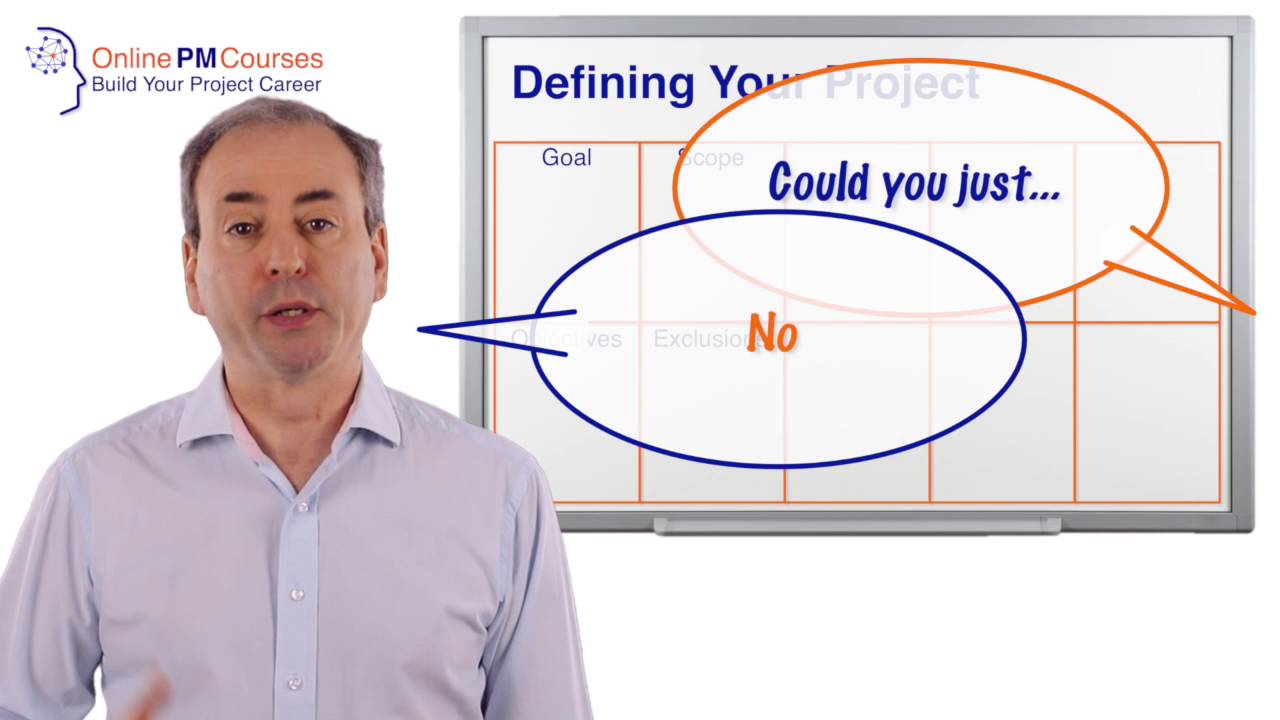
[Music] [Music] hi I'm Mike Layton founder of online p. m. courses I'm also the author of how to manage a great project I'd like to talk to you about a crucial stage in your project defining it in fact I could argue that this is the most important stage of a project with a simple reason that if you don't get the foundations right if you don't define your project properly right from the start then you have nothing to build on your plans will be based on a weak understanding of what it is you're trying to create and you will execute based on 40 plans based on weak foundations so the definition stage isn't just the first stage in your project it's arguably the most important and in this seminar I want to show you the ten components of a really good project definition and let's get started straight away with the goal the goal of your project answers a very simple question what is it that you want the goal sets out the whole aim for the project and I always advise project managers to think very carefully about crafting the wording of your goal to make it a little bit inspirational something that will inspire your team to follow you a rallying cry for your stakeholders the goal sets out what the project is and then the second thing in our project definition is our objectives and our objectives set out constraints on how we deliver our project how we deliver our goal if you like so that we know what success looks like an objective tip it could come in three types but every project you need to think about are there time or schedule objectives are there costal budget objectives and are there quality objectives set out the criteria against which you'll measure success and these are your project objectives the third thing to consider is the scope the scope of your project is all the things that you need to do to make your project a success or put another way is all the things that you need to create but we won't put it that way because there are two different ways to think about scope and for me the more convenient is to think about the scope of work the tasks the activities that you and your colleagues need to engage in so here you're starting to think about what you will do and the fourth item is what you won't do the out of scope items or exclusions so in defining our project so far we've got the goal what we want we've got the objectives how we want it the constraints that we put around achieving our project successfully we've got the scope what it is we need to do to achieve our goal and objectives and we've got the exclusions things that we deliberately determine will not be part of our project and this is important because once your project starts people will come up to you and they'll say hey Mike cause it's going really well it's one thing could you just could you just the three words the project managers fear above all else and they're someone else's attempt to get their hobbyhorse their concerns included in your project and of course in doing that in adding to your scope they are using up your resources your budget in your time so we need to be explicit in stating what the exclusions are from our scope so that when we get our project definition signed off by our boss by a client or by our sponsor we have signed off what we're not going to do so that we've got ammunition to turn to somebody and say no it's not included within a scope we shan't be doing it because we don't have the time we don't have the resource and we don't have the budget if the most convenient way to think about scope is the work or the activities that need to be done the things that you produce the products or deliverables of the project are the fifth component of our project definition make a list of all the deliverables or all of the products that your project will produce and those two words by the way mean the same thing it's just that in up the UK we tend to use the word deliverable more frequently and in the u.
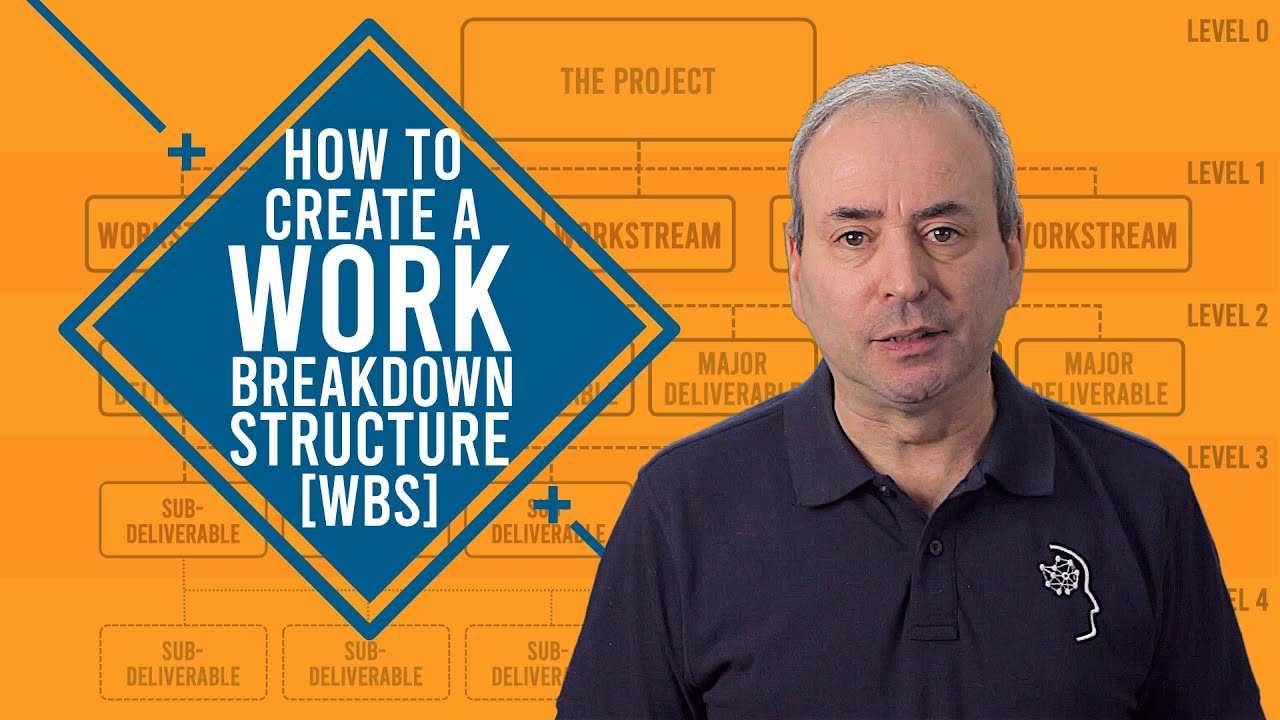
s. project managers tend to use the word product more frequently during the definition stage both your scope statement and your list of deliverables will tend to focus on the big items and some of the more detailed items may be left for the planning stage one of the other things that you'll be leaving for the planning stage are the detailed specifications of the deliverables that you are identifying in the definition stage what you need at this stage is to note any critical functionality specifications or any compliance requirements the sixth element of our project definition our dependencies and constraints strictly speaking these are two different things but it makes sense to take them together at the outset dependences are things external to your project on which your project is dependent constraints are things that constrain the choices you will make within your project so dependencies and constraints are often very similar and some things could equally well be framed as one or the other both of them will dictate some elements of the planning choices you make in the next stage so for me it makes sense to include them together if you prefer to separate them out that's fine so what is your project dependent upon and what are the constraints typical examples might be other activities going on within your organization that create dependencies pass its use of resources or perhaps its key milestones or deadlines for other projects which will get in the way of your project and typical constraints are things like operating procedures or regulations or legislation but it may also be around preferences of senior people within the organization the seventh component of our project definition needs to be an identification of any risks or issues that are affecting the project the big risks the big issues that need to be resolved or accounted for early on in the project to give you a strong platform for success now risks are uncertainties that can affect the outcome anything that could go wrong basically issues are not uncertainties they are certainties that can affect outcome there are things that have happened or will definitely happen that need to be taken care of so strictly speaking one could argue that an issue is just a risk with a probability of 100% anyway make sure that you identify all the things you need to take care of all the things that could go wrong or are going wrong and that's your risks and issues the eighth item is uncertainties and assumptions of course the two are intimately linked we're uncertain what the budgets going to be but we're assuming it's going to be $100,000 uncertainties need to be cleared up as we move from the definition stage into the planning stage and assumptions need to be validated as we move from the definition stage into the planning stage there is nothing wrong with making assumptions by the way it's a necessary way of operating as we build our project plans the mistake is not in making assumptions and brilliance in forgetting that all you've got is an assumption and not a certainty so list everything that you're assuming to be true but don't know to be true everything you're not sure about and need to clarify and that's the eighth component of our project definition the ninth component is vital it's your stakeholders because stakeholders are the people who have any kind of interest in your project and often they will be the ones who judge the success or failure of your project during the definition stage therefore it is vital to identify who the key stakeholders are the ones with the biggest impact the ones who are most affected the ones who are most likely to oppose your project and potentially cause you trouble and the ones who have the greatest ability and willingness to support you and be helpful of course as you move from the definition stage to the planning stage you will increasingly identify more and more stakeholders with lesser and lesser stakes but at the outset you need to be starting to think and plan your project around those all-important key stakeholders indeed it may well be that the definition of your project the goal you set the objectives you set and the scope you set are determined in large part by the needs the preferences priorities and the desires of your key stakeholders the final part of our Tim Park project definition worksheet are your project team now at the outset you are unlikely to be able to identify all of your projects he members but what you should be able to do is identify the key roles that you will need to fulfill and put names possibly to some of the essential roles key experts that you're absolutely dependent upon and some of the governance roles who is going to be the project manager who is going to be the sponsor or project director who or what part of the organization is going to oversee the project acting as your project board or your project steering group this is your opportunity to show joy in a project definition stage that you're aware of the level of priority of the project and you've thought about who the key personnel are and what skills you need to draw into your project to make it succeed so 10 components to a project definition and you'll see that you can download a simple worksheet so you can start to plan this out for yourself down below this video [Music] oh I'm Mike Layton and this is the second of my series of short videos about managing a project in the last one we looked at the 10 critical elements for defining your project and in this video we're going to look at 10 essential components to a good project plan the first thing that needs to go into your plan is the scope of your project the things that you're going to need to do this sets out all the tasks or activities and the best tool to use to create your scope plan is a work breakdown structure a work breakdown structure is nothing more than a hierarchical grouping of activities it sets out the main areas of work and breaks each one down into its component parts and continues to break the activities down into component parts until each of the components of the greatest level of detail represents a single coherent task or activity for the person who's going to do the work often work breakdown structures are represented as hierarchical diagrams but of course when we represent them in our finished plan they often come out as numbered lists using an indented numbering system the second element of our project plan has to address the deliverables or products that we're going to produce as a result of our project two things will make up this component the first is a schedule of all of those deliverables often that schedule will be reconciled to your work breakdown structure but then attached to that schedule will be a series of specification sheets for each deliverable there needs to be a specification documenting the functionality the quality standards and the regulated requirements to which it needs to conform time or schedule is the third element of our project plan and to start understanding the timing of our project we use milestones we identify key points in the project the beginning at one end the completion at the other and the major points along the way and those are known as milestones milestones often represent the delivery of important products they might represent the completion of phases of the work some milestones represent essential decisions or perhaps external events that will impact our project milestones are best represented by a list of key events or milestones with dates attached to them a project plan also has to have a budget there are lots of different ways of preparing a project budget but perhaps the most obvious ones you've built a work breakdown structure is to attach costs to each element of your work breakdown structure to produce what is known as a cost breakdown structure this has the advantage but once each activity or element of the work is completed it's a relatively straightforward task to compare the out term cost of that element with the budget cost quality is the fifth component of our project plans so you should have a quality plan which documents how you're going to ensure that the quality of all of your deliverables meets the standards set out in the design or specification documents of those deliverables often this will involve two separate processes a quality assurance process which makes sure that the production of deliverables is designed to create deliverables to the quality specified and a quality control process which makes sure that deliverables are not handed over to their new beneficial owners until they have been checked to ensure they conform with the quality standards the sixth element of our project plan is going to be the schedule when different activities take place we thought about time in terms of milestones earlier on but when you combine that with the activities you produce a schedule and the communist tool that project managers use for building articulating and communicating the schedule and also for monitoring and tracking progress against it is the gang shot there are other tools of course but what a Gantt chart is particularly good at is representing activities against time they often have a familiar long diagonal structure of bars each one representing an activity going forward through time and there will be sequences of activities running in parallel which we know as work streams vii components of our project plan is resourcing in particular here I'm thinking about the people on your project two tools are commonly used for resource planning the first is what's called an organization breakdown structure where we take our work breakdown structure and we allocate individuals to each activity some activities will have more than one individual allocated to them others will have a single individual many of your project team members will be allocating to multiple activities clusters of activities will be supervised by a named individual and those are often known as work packages and at the top the clusters of clusters of activities and the major areas of the work and its work streams and they are led by work stream leaders the other tool that is commonly used is a linear responsibility chart or a racy chart and whilst technically these are two slightly different charts often what is actually a linear Responsibility chart is often called a racy chart because of its similarity but these charts all they do is they take each of the tasks and they allocate individuals to those tasks giving different individuals different roles these role activity type charts are easy to use and particularly good for publicizing and communicating who is doing what on your project engaging effectively with stakeholders is a crucial part of delivering project success so communications is the eighth element of our project plan here you need some form of stakeholder communication plan which sets out which stakeholders are going to receive what communications at what times using what formats and they'll allocate responsibilities as well a stakeholder communication plan is not difficult to draw up principal the hard work goes into thinking about precisely what message needs to be delivered and how best to deliver it not forgetting that sometimes tone of voice well that's written or spoken voice is crucial to communicate the message effectively ix elements of your project plan needs to address the question of governance making sure that your project is transparent and accountable and conforms to good organizational practice you need to think about goons going to monitor and oversee your project and how important project decisions are going to be made indeed how the direction for the project is going to be set and reset if things change this is about governance and what your plan needs to reflect are two things firstly the governance roles and responsibilities and the best way to deal with that is often to create written terms of reference for the key players in the governance chain the project manager response or project director and the project board or steering group and the second thing is to identify which individuals will fulfill those roles and to confirm that they have read and understood and accepted their terms of reference the final elements of our project plan is risk strictly speaking risk management is a project control rather than a project plan but our risk register the primary tool for risk management is a planning tool as much as a control tool it enables you to record every risk you identify and not only to record your evaluation of that risk but your plan for addressing it indeed in a full risk register you may have central lines of risk actions against each risk I tend to find what needs to be done when it needs to be done and who needs to do it that does not have a risk register and use it actively is one that is putting itself at grave risk so there we have 10 components of a project plan now I'm not saying that your project may not need more components and I'm not necessarily saying that every project needs all of these components but for me these are the top 10 of course there may be others things like a health and safety plan for example but if you've got those 10 components and you've done your work well in preparing the plan in each of those 10 dimensions you will have been really solid ground to move from planning into delivery or implementation [Music] hello I'm dr. Mike Lane founder of online p.
m. courses and this is the third of our series of four videos about managing projects in the first we saw how to define your project and in the second how to plan your project in this one I want to look at how to deliver your project and in particular the ten project heartbeat functions of a project manager the ten things you need to be doing during delivery to keep that heartbeat regular and keep your project patient healthy the beating heart of your project during the delivery stage is the monitor and control cycle constantly monitoring what's going on in your project understanding how what's happening can pass your plan and controlling your project by intervening to bring it back on plan that money certain control loop or monitor control cycle is the beating heart and if you go around that loop fast enough you'll catch any problems while they're still small and be able to fix them with a simple and subtle intervention and check very quickly whether you've got it right or if you need a further tweak clearly if you're not monitoring frequently enough then problems may be very large by the time you spot them your interventions will need to be course and if you're not monitoring frequently enough and your intervention isn't right then your project very quickly spiral out of control the second discipline for a project manager during the delivery stage is reporting you need to report for many reasons firstly of course it's essential to put project progress on the record to create an audit trail it's important for good governance and for transparency and we also report because communication is important your sponsor your board your colleagues on the team and your stakeholders need and want to know what's going on but the third reason is a compelling reason for me as a project manager I need to report because I will sometimes need decisions I will sometimes need guidance and advice and we sometimes need access to resources and by putting my requirements into a report I can flag to my boss to my sponsor to my client that I need that guidance that support those resources all those decisions and therefore get them and help myself to do my job of monitoring and controlling my project the third discipline is risk and issue management you need constantly to be reviewing issues that have emerged and risks that are on the horizon make sure that you're taking action on your risks and continuously updating your risk register be constantly alert for new risks and new issues periodically get team members together to help you to identify new things that are emerging constantly work your risk register quality is the fourth discipline in fact there are two disciplines here firstly there's quality assurance make sure that you take the lead in ensuring or assuring the quality of all those allowables that are being produced oversee the process to make sure that deliverables are matching the specifications that have been set for but quality control is also important and as a project manager I make it my responsibility to finally sign off any deliverable that is released to my client to my boss to my sponsor to my customers that way I know that what's passing out of the project and into beneficial use meets the standard required so Quality Assurance is about getting it right and quality control is about making sure it is right for you part with your deliverables your team members are important and the fifth discipline is to make sure that you have regular team meetings which keep your members briefed which share knowledge and learnings which offer praise and recognition for success but crucially work together to solve problems to identify issues that need to be worked on so set up regular team meetings but think very carefully about how to craft them so that they take up no more time than is needed but cover everything that needs to be covered and give everybody a sense of ownership and don't assume that your team meetings need to look the same towards the end of your project as they did at the beginning as your project moves from one stage to the next so the nature and style of your team meetings may need to change to accommodate the needs of what's going on during that stage your team members are so important that I'm going to distinguished from discipline five team meetings to discipline six which is about two morale team morale doesn't all happen in meetings yes good well-run team meetings that offer recognition and praise are an important part of maintaining team morale but your responsibility to your team extends well beyond just having good meetings make sure as a project manager that you take the time to visit team members to talk with them to listen to them and hear what they've got to tell you you don't have to solve all of their problems but you have to have knowledge of them and give them perhaps a little bit of support and guidance to help them to solve their problems for themselves maintaining team morale is crucial particularly during the high-pressure times of the project and if you're not working on team morale when it's easy and the team isn't under pressure then picking up on it later when's he is under pressure is going to be all the more difficult related to team meetings and team morale is the seventh discipline to make sure that you're harvesting lessons learned as you go through the project a lot of project managers push their lessons learned to the back end of the project as a closing stage activity and yes you should be learning lessons at the close of your project but you know what if something goes wrong - daddy I don't want to wait till the end of the project to acknowledge it and understand it I want to have a frequent cycle of lessons learned meeting so we can look at the problems we're having and learn our lessons as soon as possible and likewise if one of my colleagues discovers something clever something that makes a real positive difference to the project then I want to be able to share that as soon as possible and implement that and institutionalize it across the project so make sure you have frequent and regular lessons to learn meetings partly about recognition praise but partly about sharing and developing good practice and good habits on your project stakeholders are a vital component of the success of any project or indeed its failure so continued stakeholder engagement is vital my experience is that this is something that gives on many projects once we get into delivery we stop engaging with our stakeholders we think we've got what we need from them during the planning and definition stages but actually it's during delivery that we need to be constantly checking in with our stakeholders maintaining their enthusiasm and remenham for the project and also dealing with concerns they have and as some of our stakeholders from there learn new things about what we're doing or encounter new problems in the real world on your opportunities we can use their knowledge and their learning to feed into improving our project so constant stakeholder engagement is a vital part of that project heartbeat our ninth discipline is change control because if your projects going well someone is bound to come up to you and say all Mike congratulations the projects going very well we're all very happy for you anything is changed my mind I want something different and you as project manager need to have a process in place to control those requests for change so that you don't carelessly say yeah leave it with me we'll sort that out - any requests that comes which of course will SAP the project of its budget of its time but likewise you don't want to be that project manager who stands on an established scope and says we can't do anything else other than what we've committed to doing because to do that would be to fail to recognize what the world changes the project discovers new stuff commercial environments change technological opportunities change regulation changes and if we freeze the project requirement on day one we never revisit it then we may end up with the project that doesn't meet the needs of the organization when the project finally delivers so have a strong change control process and infrastructure available and work that process effectively during the delivery stage the final discipline of our project heartbeat during the delivery stage is what I call the next Bend process and this one's very personal to me it's a personal discipline that I've given myself and it's one I recommend to all project managers then the next burn process is a very simple process it involves a notebook a pen and a coffee shop once a week or maybe once a fortnight we shot but nothing more than a pen and a notebook and I'll spend half an hour thinking just letting my mind wander across the project and see what strikes me because I know that during the hurly-burly of the project you're so focused on what needs to happen and what's going to happen what is happening and the concerns of your team and your stakeholders and getting the reports ready and checking the quality of the deliverables you don't have the time to think ahead but what we're missing what's coming around the next bend that we're not paying attention to and my experience is that half the time you come away with a few notes in your notebook but nothing particularly inspiration or nothing particularly useful but half the time you get an idea and that will take your thinking in a new direction it might lead you to check up on something that you wouldn't otherwise checked up on or it might it says sometimes happen with me lead you to open up a whole new stream of work on your project because you've suddenly realized that something is going to happen at some point and we haven't human been thinking about it so there you have it ten disciplines that create a regular heartbeat for your project during the delivery stage [Music] hello I'm dr. Mike Clayton founder of online p.
m.

![Project Management Basics - Part 1 [THE ULTIMATE STARTER PACK]](https://img.youtube.com/vi/IJH17vkF2wg/maxresdefault.jpg)