Once upon a time, a group of hedgehogs faced the cold winter. As they were feeling cold, they decided to move closer to each other and share bodily warmth. Unfortunately, as soon as they crawled together, they hurt each other with their sharp spines.
And thus, the hedgehogs moved away from each other again, as the cold weather was more tolerable than being hurt by the spines. So, the hedgehogs faced a dilemma: when they kept each other at a distance, they suffered cold. But when they got closer to each other, they experienced and caused hurt.
The tale of the hedgehogs was coined by none other than pessimistic philosopher Arthur Schopenhauer, serving as a metaphor for human intimacy, and was later adopted by psychiatrist Sigmund Freud. The story shows the tragic dilemma of human relationships: we seek closeness with others, but the closer we become, the more likely we seem to get hurt (and hurt others). This video explores the hedgehog dilemma and possible ways to deal with this predicament.
The beauty of superficial relationships is that the lack of emotional investment in one another (for the most part) exempts us from being hurt by this association. When shared moments and memories are few, when there’s no commitment, when any form of interdependence is absent, then not much is lost when the relationship ends. Also, because of the lack of knowledge about one another and any significant involvement in each other’s lives, it’s difficult for emotional injury to occur.
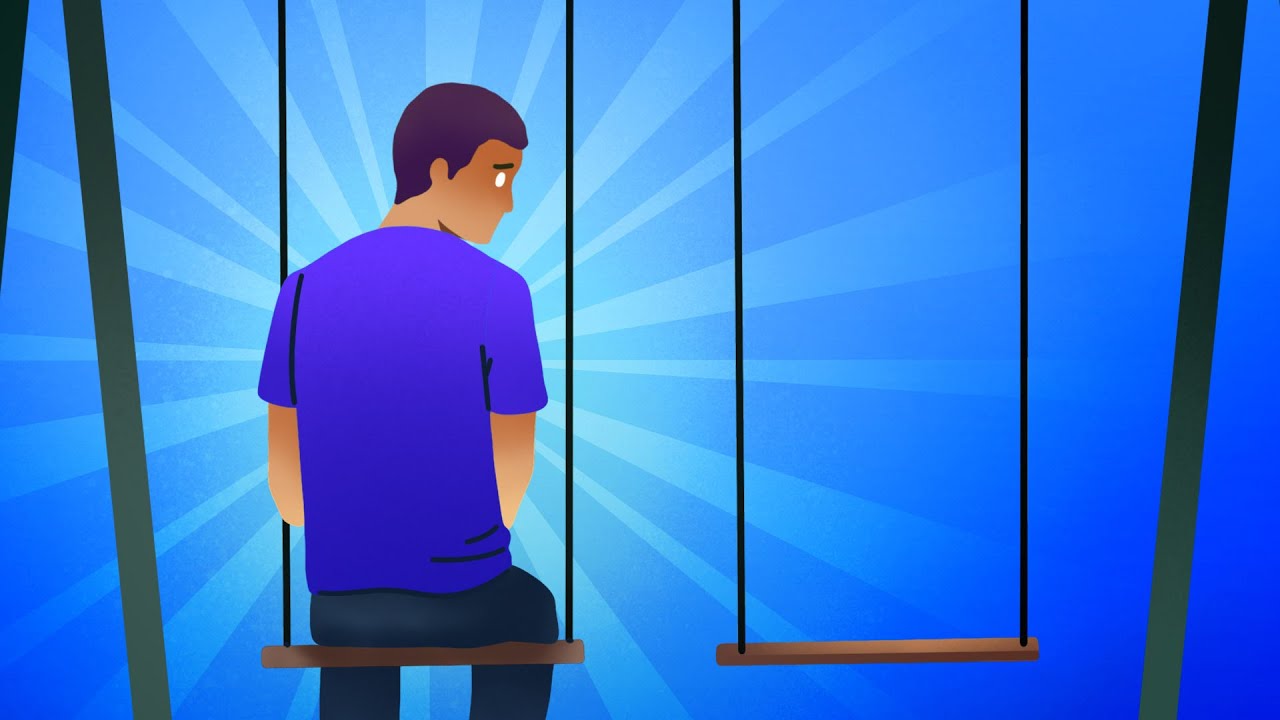
However, the downside of superficial relationships (or no relationships at all) is that we lack the warmth, intimacy, and other benefits of being close to someone. Without closeness to others, we’re standing in the cold, just like the hedgehogs from Schopenhauer’s tale. We feel lonely and disconnected.
So, quite tragically, by avoiding pain, we experience pain. Yet, many people choose to live with only superficial social connections, and some almost completely isolate themselves from society. An example of the latter group are the Japanese Hikikomori, known as modern-day hermits, who chose to live their lives in seclusion.
The amount of Hikikomori in Japan exceeds one million: half of them are youth. They generally live with their parents, refuse to leave their houses, and spend their existence in a single room. An article in The Conversation suggests that traumatic experiences of shame and defeat as a consequence of failures are triggers that cause people to hide from society.
I quote: It’s possible that Japan’s cultural value system may make this population more vulnerable due to the pressure for collective uniformity and the fear of social shame. Hikikomori people avoid re-traumatisation by choosing to opt out of the “normal” pathway set out for them by society. End quote.
So, we could state that these people isolate themselves from society to avoid getting hurt. And that not so much their failures in themselves are the source of their suffering but how Japanese culture perceives these failures and how, in turn, those in isolation handle society’s sentiments. Although their seclusion might be a successful way of avoiding further trauma, it comes with another range of problems, as there’s a link between their lifestyle and depression, anxiety, and several mental disorders.
Also, their lifestyle does not allow them to enjoy the good of social interaction: real-life friendship, intimacy, a sense of belonging, and connection. During the COVID-19 crisis, we’ve also experienced the downsides of social isolation, during which many reported increased loneliness, anxiety, stress, and feelings of meaninglessness. Nevertheless, numerous people enjoyed social isolation; it liberated them from the irritations associated with dealing with others.
It was a vacation from nasty coworkers, nosy family members, and high-maintenance friends. We experienced how life felt without other hedgehog’s sharp spines piercing our skin for a while. But eventually, the coldness of social distancing became hard to bear.
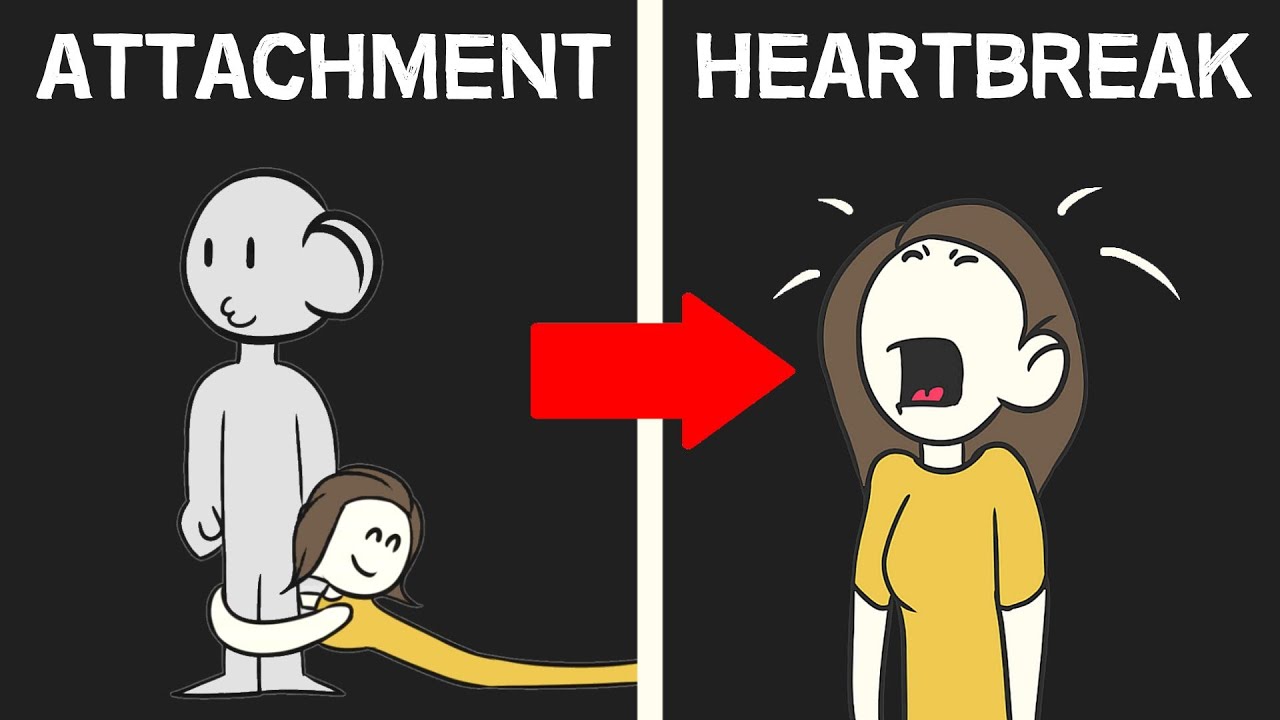
So, what’s the solution to loneliness and isolation? The obvious answer is: engaging in human interaction, preferably close and meaningful relationships. However, the tale of the hedgehogs shows us that by getting involved in such relationships, we expose ourselves to types of pain that do not occur if we keep our distance from people.
To avoid the pain of loneliness, we seek closeness to one another. But once we tread the warm spring of intimacy, the water starts to irritate our skin. As opposed to the frozen plains that surround the spring, the warm water keeps our bodies comfortable.
But we can’t stay in too long; we climb upon the icy shore when we cannot bear being in the water anymore. People generally agree that seeking close relationships is the solution when suffering at the hands of loneliness. Psychologists encourage lonely clients to seek real-life social connections.
We seek friendships to fill in the empty hole we’ve been experiencing. We join groups and clubs just to be around people – to feel the warmth of a community. We romanticize friendships and romantic relationships and the idea of sticking with our loved ones through thick and thin.
The ancient Greek philosopher Epicurus even believed that friendship is one of the most important sources of happiness, saying (and I quote): “of all the means which wisdom acquires to ensure happiness throughout the whole of life, by far the most important is friendship. ” End quote. But people tend to ignore the miseries accompanying these close relationships, which Arthur Schopenhauer seemed well aware of.
Relationships aren’t all rainbows and sunshine. When we consider the pain that goes together with closeness, it’s no surprise that many friendships result in fighting, and romantic relationships often fall apart dramatically. When dealing with others, we risk being betrayed, insulted, and abandoned.
People may cross our boundaries, confront us in ways that make us uncomfortable, waste our time, and hinder us from achieving our goals. Relationships may involve psychological and physical abuse. So, there are many reasons why we choose to stay far away from others.
However, after a period of distancing, when loneliness begins to overwhelm us, we tend to seek social connection again, only to re-experience the hurt of being close to people. We find ourselves in a cycle of attraction and repulsion, of seeking closeness and seeking distance. Schopenhauer stated, and I quote: Now when the need for warmth once more brought them together, the drawback of the quills was repeated so that they were tossed between two evils, until they had discovered the proper distance from which they could best tolerate one another.
Thus the need for society which springs from the emptiness and monotony of men’s lives, drives them together; but their many unpleasant and repulsive qualities and insufferable drawbacks once more drive them apart. End quote. Caught between two evils, the bitterness of loneliness and the pain of togetherness, the hedgehogs wonder how to deal with the situation.
And so it is with people who suffer from loneliness and crave social connection: they want to escape loneliness. Still, they know that closeness to other people will inevitably cause them pain. So, how do we deal with the hedgehog dilemma?
We can identify several modes of positioning ourselves toward the hedgehog dilemma if we still want to enjoy some form of human warmth. The first one is… Taking the risk The pain isn’t constant (this is where the hedgehog dilemma may be lacking). Pain – and sometimes very intense pain – will come.
But these moments of hurt are often fleeting. The stings of other people’s spines likely won’t be enduring. Still, the amount and frequency of pain that we encounter depend on how fortunate (or unfortunate) our dealings with people will be.
Also, different scenarios could cause pain, but not all of them necessarily occur. Separation because of death, for example, is inevitable, but pain as a consequence of infidelity or physical violence might never happen. There are examples of friendship and intimate relationships that involve minimal suffering while generating the warmth of intimacy.
Unfortunately, whether we’ll encounter such relationships is ultimately not in our control. Like many before us, we might just be unlucky, causing us to distance ourselves from people again. On the other hand, we might actually be fortunate and find relationships that generate a tolerable amount of pain.
So, if we seek closeness, pain is inevitable. But if we’re lucky, it’s at least endurable, and bearing it is worth the benefits. Schopenhauer identified another way of dealing with the hedgehog dilemma: regulating our social interaction through politeness and manners.
Doing so will create a moderate closeness to one another, but not too close. I quote: The mean distance which they finally discover, and which enables them to endure being together, is politeness and good manners. Whoever does not keep to this, is told in England to 'keep his distance.
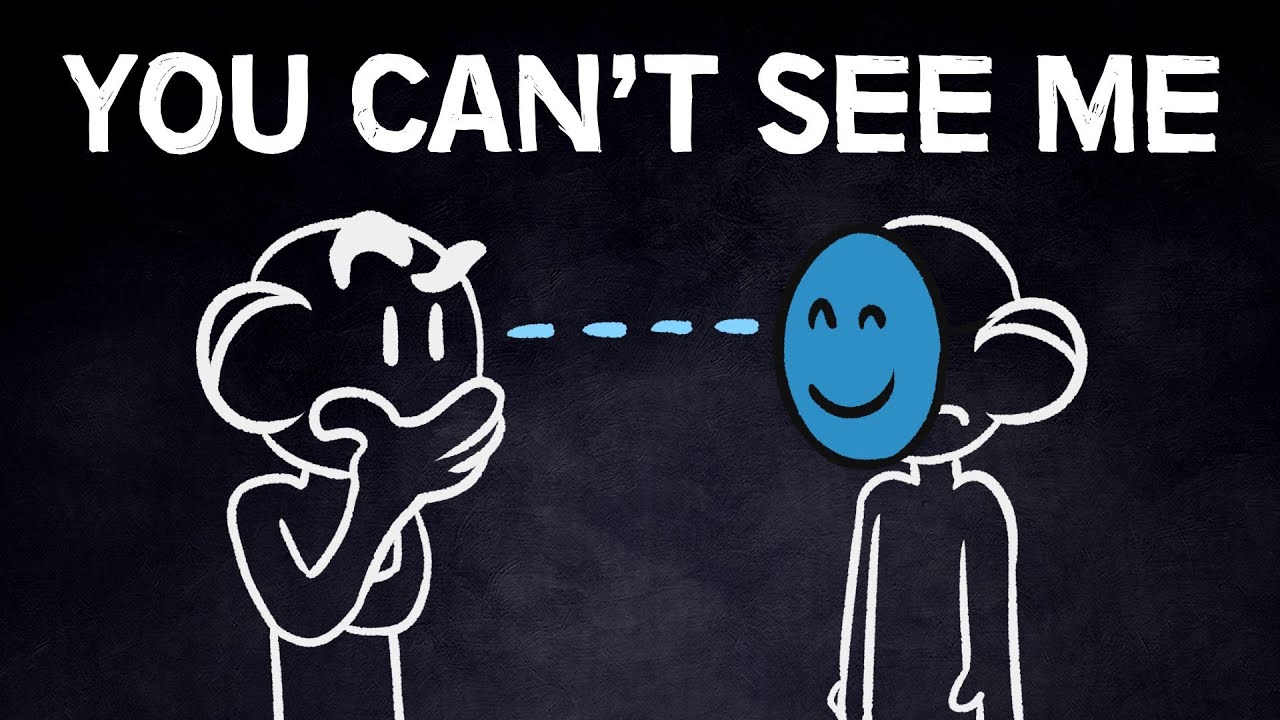
' By virtue thereof, it is true that the need for mutual warmth will be only imperfectly satisfied, but on the other hand, the prick of the quills will not be felt. End quote. It’s possible to keep relationships superficial through specific codes of conduct, which allow us to interact with other people in a friendly, kind manner while keeping them at arm’s length; by not revealing too much about each other.
A classic example of such a code of conduct is the “how are you doing,” answered with, “I’m doing good, and you? ” again answered with: “good. ” By not sharing how we’re genuinely doing (which might not be that “good”), we prevent sharing sensitive information about ourselves and avoid burdening others with our troubles.
Although interactions such as these are low-risk, friendly, and light, they aren’t very significant and hardly satisfy our need for closeness. Another option is choosing a life of solitude, but in a way that minimizes our desire for closeness so we don’t feel lonely. As Schopenhauer stated, and I quote: Yet whoever has a great deal of internal warmth of his own will prefer to keep away from society in order to avoid giving or receiving trouble or annoyance.
End quote. Why would we need someone else’s warmth if we can keep ourselves warm? A life of solitude probably isn’t for everyone.
It takes incredible mental fortitude to bear being alone without eventually feeling lonely. Keeping ourselves warm without closeness to others means that we can somehow generate this warmth ourselves: we’re happy and fulfilled in solitude. Those rare individuals that have achieved such a state have successfully liberated themselves from the Hedgehog Dilemma.
Thank you for watching.