One Continent, Infinite Stories. Millennia of art, wars, and peace merge into a single breath. The breath of a land that never stops telling its story.
This is Europe. From the ruins of the Roman Empire to Gothic cathedrals challenging the sky, this strip of land has shaped art, philosophy, and science as we know them today. But there is a time of year when Europe reveals its deepest, most mysterious soul.
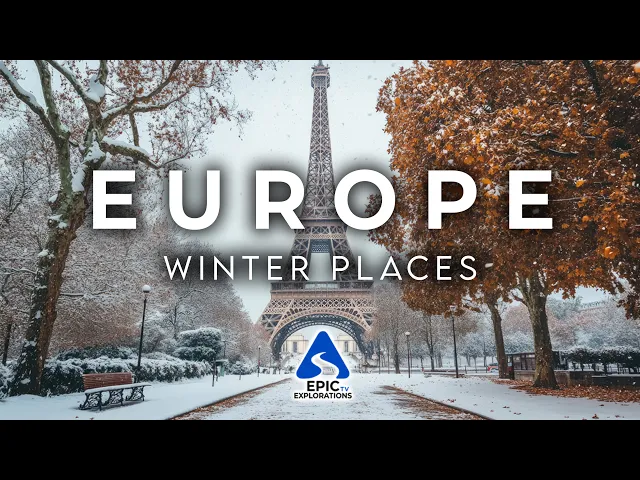
And this moment is winter. This is where magic comes alive. Christmas markets illuminate ancient medieval squares.
Frozen lakes reflect mystical northern lights. Snow-covered castles emerge from the mist like visions of a forgotten time. This is the tale of a journey through Europe's most enchanting winter places.
A journey where every snowflake tells a story, every place conceals a secret, and the beauty of cold merges with millennia of culture. Welcome to winter in Europe. A place where fairy tales come to life, and reality surpasses imagination.
Europe has always been the destination for dreamers, travelers, and lovers of art and history. Each year, millions of people traverse its lands in search of authentic emotions, unforgettable flavors, and stories that only these ancient stones can tell. But it is during winter that this continent reveals its truest soul.
When snow blankets the cities, when the cold turns every breath into a puff of vapor, Europe adorns itself with an almost otherworldly beauty. The crowds thin out, the lights grow warmer, and every place unveils its most intimate secrets to those brave enough to embrace the chill. This is the perfect time to uncover the hidden gems of the old continent.
So let us embark on this journey through wintertime Europe, discovering its most enchanting corners. Alsace, France Imagine a place where France and Germany blend together, where half-timbered houses reflect in the canals like an Impressionist painting. Welcome to Alsace!
Strasbourg, with its Gothic cathedral soaring towards the sky, preserves in its narrow streets the essence of a united Europe. Petite France, with its covered bridges and window boxes full of geraniums, tells stories of tanners and fishermen. Just 73 miles away, Colmar emerges from the mist like a Grimm brothers' fairy tale.
Little Venice, with its pastel-colored houses, looks like a life-sized gingerbread village. In winter, when snow blankets the sloping roofs and the aroma of mulled wine and pretzels wafts through the Christmas markets, these twin cities reveal their most authentic magic. Golden lights reflect in the canals creating kaleidoscopic patterns, while in the winstubs, traditional Alsatian taverns, time flows as slowly as the Rhine.
It's here, between a steaming choucroute and a glass of Riesling, that you understand Alsace is neither France nor Germany – it's simply itself. Vienna is a symphony of imperial history and modern innovation, a capital that breathes art in every corner. The Ring, the circular boulevard embracing the historic center, is an open-air gallery of 19th-century architecture, where every palace tells the story of Habsburg grandeur.
Schönbrunn Palace, the Habsburgs' summer residence, stands majestic with its 1,441 rooms, surrounded by gardens that are a triumph of Baroque art. The State Opera and the Musikverein are temples where musical tradition is preserved and renewed every evening. In historic cafés like Café Central or Café Sacher, time seems frozen in the era when artists and philosophers gathered to discuss art and politics.
But it's precisely when winter wraps Vienna in its icy mantle that the city transforms into an enchanted stage. Imperial balls are organized in historic palaces, New Year's concerts create a fairy-tale atmosphere, and every square hosts its own Christmas market, with the oldest dating back to 1298, each illuminating the city with thousands of lights while the scent of mulled wine and cinnamon sweets fills the air. Lapland, Finland Beyond the Arctic Circle, where the boundary between reality and magic dissolves into the polar night, Lapland holds secrets as ancient as ice itself.
This land isn't just Santa Claus's home – it's a realm where nature still dictates the rules of the game. In winter, when the sun becomes a distant memory, the sky ignites with northern lights dancing like ancestral spirits above endless forests of snow-covered birch and pine trees. Ice hotels glisten like crystal palaces, while glass igloos offer beds beneath the stars.
Reindeer, guardians of this Arctic wilderness, roam freely in the tundra, while huskies eagerly await their next snow run. In Sami villages, where time follows the rhythm of seasons, elders tell stories of spirits and shamans around fires that have burned for millennia. It's here, immersed in the absolute silence of primordial nature, that you understand how Lapland isn't a destination but a state of soul.
A place where winter isn't a season to endure, but an enchantment to experience. Amsterdam, Netherlands In the heart of the Netherlands, where water has always been the undisputed protagonist of the urban landscape, Amsterdam weaves through its 165 canals like a living work of art. This city, born from a small fishing village in the 12th century, has transformed into one of Europe's most vibrant cultural capitals, with every bridge ready to tell ancient stories.
The concentric canals, declared UNESCO Heritage sites, aren't merely waterways but true arteries pulsing with life. The characteristic pointed-roof houses, narrow and tall, reflect in the waters creating an infinite play of mirrors. These buildings aren't just homes – they're silent witnesses to the Dutch Golden Age, when Amsterdam was the center of world trade, and merchants built their dwellings as symbols of wealth and power.
When winter embraces the city, the frozen canals occasionally transform into natural ice-skating rinks, and the tourist crowds become just a vague memory. This is undoubtedly one of the best times to visit this magnificent city. Swiss Alps, Switzerland In the heart of Europe, the Swiss Alps rise like giants of rock and ice, guardians of valleys where time seems to flow at a different pace.
Zermatt, in the shadow of the iconic Matterhorn, is a car-free village where the only sounds are cowbells tinkling and snow crunching under boots. The Glacier Express, often called the world's slowest train, winds through this idyllic landscape, crossing 291 bridges and passing through 91 tunnels. From the panoramic window, passengers witness an ever-evolving spectacle.
Millennial glaciers alternate with Alpine meadows, while small wooden villages dot the valleys like miniature nativity scenes. Winter transforms these mountains into a crystal kingdom, where every snowfall recreates a new world, and the world's most prestigious ski slopes attract enthusiasts from every corner of the planet. Prague, Czech Republic Nicknamed "The City of a Hundred Spires," Prague rises above the Vltava River like a fairy tale book carved in stone.
Its medieval skyline, miraculously surviving the wars that transformed Europe, tells millennia of history through an extraordinary fusion of architectural styles. From Romanesque to Gothic, from Baroque to Art Nouveau, each era has left its indelible mark. Charles Bridge, the ancient artery connecting the Old Town to the Castle District, is much more than a simple crossing – it's an open-air art gallery where 30 Baroque statues have watched over passers-by for over three centuries.
At dawn, when fog rises from the river, the figures seem to come alive, creating an atmosphere that has inspired writers and artists for generations. In winter, when snow blankets the roofs of the Jewish Quarter and the Gothic spires of Týn Church, Prague transforms into a stage where it feels like returning to the era of Mozart and Kafka. London, United Kingdom Fog dancing between Victorian buildings, while Big Ben marks time in a city that never sleeps.
London isn't just a metropolis, it's a living tale where past and future merge in a surreal embrace. The Thames divides yet unites this urban jungle, where punk rockers and businessmen share the same Underground carriage. In Borough Market, world cuisine aromas blend with vendors' calls, creating a multicultural symphony only London can orchestrate.
In winter, when snow blankets Hyde Park and pubs fill with laughter and dark beer, the city reveals its most authentic soul. Winter Wonderland lights transform streets into a kaleidoscope of magic, while Camden Lock markets smell of mulled wine and roasted chestnuts. It's in these moments that London whispers: "Stay a bit longer," and you can only obey.
Dolomites, Italy The Dolomites rise from Italian territory like stone cathedrals, with vertical walls that turn pink at sunset, a natural spectacle that has fascinated generations of mountaineers and travelers. These mountains, born from the sea 250 million years ago, tell a geological story unique in the world, worthy of UNESCO recognition. Cortina d'Ampezzo, known as the "Queen of the Dolomites," is much more than a simple ski resort.
It's an open-air museum where Ladin culture survives in traditions, language, and architecture. The mountain refuges scattered among the peaks aren't just rest stops but authentic outposts of mountain culture, where every dish tells the story of the territory. Tre Cime di Lavaredo, Marmolada, Sassolungo – each massif has a distinct personality, each valley conceals alpine lakes with different and unique characteristics.
In winter, this already dramatic landscape transforms into a surreal world, with rocky walls contrasting against white snow, creating fairy-tale scenery. Munich, Germany In the heart of Bavaria, Munich presents itself as a fascinating fusion of centuries-old tradition and modernity. The Marienplatz, dominated by the neo-Gothic Neues Rathaus, still pulses to the rhythm of the medieval carillon, which three times a day stages its show of dancing figures, telling stories of knights and tournaments.
Beer culture here isn't just a commercial activity but a living heritage rooted in the 16th century. The biergartens and ancient breweries like the Hofbräuhaus aren't simple meeting places but true cultural institutions where centuries-old traditions are passed down. The frescoed vaults and long wooden tables tell stories of generations that have succeeded one another, keeping the spirit of Bavarian friendship alive.
Winter transforms the city into a sparkling stage, where the domes of Baroque churches, embellished by snow, create a skyline as romantic as it is unique. French Alps, France The French Alps rise toward the sky like sentinels of rock and ice, with Mont Blanc reigning supreme over the entire massif. Chamonix, nestled in the valley at the foot of Europe's highest mountain, isn't just a ski destination but the cradle of modern mountaineering, where in 1786 two men dared to challenge the impossible, becoming the first to reach the summit of "Europe's Roof.
" The Mer de Glace, France's largest glacier, flows like a river frozen in time, sculpting the valley with the patience of millennia. When winter wraps these peaks in its white mantle, the French Alps transform into a realm of silence and majesty, where every snowflake makes this wild and untamed land even more magnificent. Warsaw, Poland Like a phoenix risen from its ashes, Warsaw represents one of the most extraordinary examples of urban rebirth in European history.
Its Old Town, completely destroyed during World War II and rebuilt stone by stone by its inhabitants, tells an incredible story of resilience. Every brick, every fresco, every architectural detail was recreated using old photographs and detailed paintings by Canaletto, transforming memory into tangible reality. The Royal Castle, the center of Polish power for centuries, rises majestically over the market square, its halls testifying to the ancient grandeur of the Polish-Lithuanian Commonwealth.
Winter wraps the city in a white mantle, transforming the gardens of Wilanów Palace into a fairy-tale landscape, while golden lights reflect off the snow creating an almost mystical atmosphere. Geneva, Switzerland Nestled on the shores of its alpine lake, Geneva is much more than a city – it's a crossroads of cultures where Swiss precision meets French elegance. The Jet d'Eau, a fountain shooting water 460 feet into the air, isn't just a city symbol but a metaphor for the city itself: powerful, precise, and always reaching skyward.
The Old Town, with its stone alleyways and hidden squares, preserves centuries of Protestant Reformation history, while St. Peter's Cathedral, where John Calvin preached his revolutionary doctrines, still dominates the urban landscape. But Geneva doesn't just live in the past – it's home to numerous international organizations, from CERN to the United Nations, making it a living laboratory of diplomacy and scientific research.
When winter descends on the surrounding Alps, the city transforms into an elegant salon, where lights reflecting on the frozen lake create a natural spectacle of rare beauty. Sofia, Bulgaria At the foot of Vitosha Mountain, Sofia presents itself as a living mosaic, where each era has left its indelible mark. Alexander Nevsky Cathedral, with its golden domes gleaming under the Balkan sun, is much more than a church – it's a symbol of Bulgarian liberation from Ottoman rule and one of the largest Orthodox temples in the world.
Beneath the city's modern streets, archaeological excavations continuously reveal new chapters of its millennial history, with the ancient Roman city now coexisting with Ottoman mosques and medieval churches, creating a unique architectural dialogue. The Rotunda of St. George, moreover, the city's oldest building, conceals within its walls frescoes that tell sixteen centuries of uninterrupted Christianity.
Winter brings not only snow that whitens Vitosha but also the opportunity to immerse oneself in thermal bath culture, a Roman legacy that survives in the city's numerous historic establishments, where sulfurous waters naturally spring from underground. Berlin, Germany A city of contrasts and perpetual rebirth, Berlin pulses with energy that defies every convention. The scars of its dramatic history have been transformed into urban canvases where art and culture flourish with extraordinary vitality.
The East Side Gallery, the longest preserved stretch of the Berlin Wall, is no longer a barrier but an open-air art gallery 0. 8 miles long, where artists have transformed concrete into a manifesto of freedom and hope. Museum Island, a UNESCO heritage site, stands like a citadel of culture in the heart of the city.
Here, five monumental museums house treasures ranging from ancient Egypt to European modernity. Charlottenburg Palace, Queen Sophie Charlotte's favorite residence, preserves gilded halls and French gardens where German imperial elegance continues to shine, in stark contrast to the city's modern dynamism. When winter envelops the city, parks like the Tiergarten transform into enchanted landscapes, while Christmas markets bring light and warmth to the long German nights.
Budapest, Hungary Divided by the mighty Danube but united by majestic bridges, Budapest is an architectural symphony that tells millennia of European history. Buda, perched on its hill, watches from above with its Royal Palace and Matthias Church, whose colored tiles sparkle like jewels against the sky. Pest, with its aristocratic boulevards and neo-Gothic Parliament, reflects the grandeur of the Austro-Hungarian empire in every building.
The city's historic thermal baths aren't simple bathing establishments but true water temples, where Ottoman architecture blends with Art Nouveau elegance. The Széchenyi Baths, Europe's largest thermal complex, testify to centuries of refinement and wellness, with thermal waters springing from over half a mile deep. Winter transforms Budapest into an Impressionist painting.
Steam rising from outdoor thermal baths contrasts with the city's snow-covered roofs, Christmas lights reflect in the waters of the Danube, and the markets in Vörösmarty Square fill the air with the scents of traditional sweets and mulled wine. Zurich, Switzerland On the shores of its lake, Zurich elegantly combines its medieval past with a cutting-edge present. Bahnhofstrasse, one of the world's most exclusive shopping streets, follows the path of ancient city moats, showing how every corner of Zurich contains layers upon layers of history.
The Grossmünster, with its twin towers dominating the city skyline, isn't just a church but the symbol of the Protestant Reformation in Switzerland. In the alleys of Niederdorf, the medieval quarter, every house tells a story, every wrought-iron sign is a work of art, every small square a theater of daily life that has repeated for centuries. When winter embraces the city, the lake transforms into a mirror reflecting city lights, while historic cafés become cozy refuges where the aroma of hot chocolate and pastries mingles with crisp Alpine air.
Barcelona, Spain Where the Mediterranean meets Gaudí's visionary art, Barcelona dances to its own rhythm. In winter, while the Costa Brava rests under a mild sun, the Ramblas come alive with more intimate life, and Park Güell offers special views over the city without summer crowds. The Sagrada Familia rises toward the sky like an enigma, its towers seeming to merge with the clouds, telling a story of devotion and creative genius spanning more than a century.
Inside, columns branch like stone trees, creating a sacred forest where light filters through polychrome windows, painting the air in a thousand colors. The Gothic Quarter, moreover, preserves two thousand years of history in its narrow, winding streets. It's here, among medieval arches and hidden squares, that Roman remains and artisan workshops keep centuries-old Catalan traditions alive.
Innsbruck, Austria Nestled among the Tyrolean Alps, Innsbruck is a city where alpine history merges with Habsburg imperial splendor. The Golden Roof, the city's symbol, still gleams today with its 2,657 copper-gilt tiles, testifying to the era when the city was the center of Habsburg power in the Alps. Built by Emperor Maximilian I, this golden balcony overlooks Maria-Theresien-Strasse like a beacon of Alpine Renaissance.
The old town is a mosaic of colorful houses reflecting in the Inn River's waters, while mountains create a breathtaking natural backdrop. In the ancient medieval streets, narrow and winding, noble palaces with pastel colors and their elegant baroque facades tell centuries of history, while craftsmen continue to work wood and glass as their ancestors did. Winter transforms Innsbruck into a natural stage, with snow covering the historic center's roofs, creating a magical contrast with the colored facades of Renaissance palaces.
Salzburg, Austria In Mozart's city, where music seems to emerge from the stones themselves, every corner tells a story of art and beauty. Hohensalzburg Fortress, Europe's largest fully preserved fortress, dominates the city from its hilltop like a silent guardian. Its massive walls have protected prince-bishops and ecclesiastical treasures for over 900 years.
The historic center, a UNESCO World Heritage site, is a perfect harmony of Italian Baroque architecture and Austrian Alpine character. Church spires punctuate the sky like notes on a musical staff, while the Cathedral, rebuilt after a fire in the 17th century, represents the triumph of Baroque art north of the Alps. Getreidegasse, with its wrought-iron signs protruding from medieval palace facades, preserves intact the charm of the 16th century.
Here, at number 9, Mozart's birthplace has become a sanctuary of classical music, where the composer's genius still seems to hover among the rooms. In winter, when snow blankets Mirabell Palace gardens and statues reflect moonlight, Salzburg transforms into a natural stage for concerts and festivals celebrating its most illustrious son. Manchester, United Kingdom In a symphony of red brick and industrial steel, Manchester pulses to the rhythm of Oasis and Stone Roses.
Every alley tells a story of revolution – musical, industrial, and cultural. In the Northern Quarter's Victorian warehouses, transformed into hipster cafés and vintage shops, specialty coffee aroma mingles with used vinyl. Canal Street glows with neon at night, while Manchester City and United divide families but unite passions.
In winter, rain isn't an annoyance but a cinematic filter, transforming light reflections on cobblestones into an art gallery. It's when cold bites that pubs transform into collective living rooms, where a stranger can become a friend between a pint of dark beer and a Happy Mondays story. Copenhagen, Denmark "Hygge" isn't a word, it's Copenhagen in winter.
When days shorten and Danes light candles, the Danish capital transforms into a living manual of Nordic happiness. Nyhavn, with its colored houses, is no longer just a tourist postcard but a refuge where mulled wine warms hands and conversations. Bicycles, residents' faithful companions, zoom through snow, while steam rises from coffee cups in design bars.
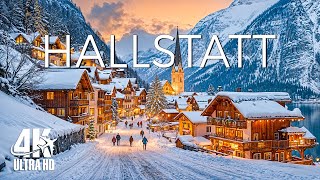
But it's in hidden courtyards that Copenhagen reveals its magic, with children building snowmen, elderly playing chess wrapped in wool blankets, and the aroma of freshly baked kanelsnegle wafting from windows. Winter here isn't a season to endure, but to celebrate. Hallstatt, Austria There's a place where mountains reflect in water so perfectly you can't tell where reality ends and reflection begins.
That place is Hallstatt. This Austrian village, nestled among the Alps like a forgotten jewel, seems to have stepped out of a Grimm brothers' fairy tale. Wooden houses climb the rock like notes on a musical staff, while their sloping roofs wear snow hats.
In winter, when the lake nearly freezes and morning mist wraps the bell tower, time seems to stop. Silence is broken only by boots crunching on fresh snow and bells chiming between mountains. When lights turn on and reflect on the frozen lake, Hallstatt creates its most magical show, transporting everyone to a world where reality and dreams dance together, protected by majestic Salzburg Alps.
Edinburgh, Scotland Nestled on volcanic hills, Edinburgh weaves myth and reality into every stone. The castle, emerging from rock as if carved from the mountain itself, has watched over the city for more than a millennium, guarding in its halls the Scottish Crown Jewels and the legendary Stone of Destiny, symbols of a proud and untamed nation. The Royal Mile winds through the Old Town's heart like a river of history, connecting the Castle to Holyrood Palace through a world of medieval wonders.
Every building here tells a different story, with century-old shops hidden in narrow closes, literary cafés where J. K. Rowling gave life to Harry Potter, ancient taverns where Robert Burns's verses still echo between stone walls.
When winter wraps Edinburgh in its mantle, the city reveals its most authentic soul, with fog descending and dancing between spires and steeples, while centuries-old pubs shine like beacons in darkness, promising warmth and fine whisky in long Scottish nights. Moscow, Russia In Russia's heart, where East meets West, Moscow stands as a living museum of architecture and power. Red Square, vast stage of Russian history, is dominated by St.
Basil's Cathedral's multicolored domes, rising toward the sky like frozen flames. This 16th-century masterpiece, with forms seeming to emerge from a fairy tale book, tells the glory of Ivan the Terrible's ancient Russia. The Kremlin, an ancestral fortress transformed into a citadel of power, preserves priceless treasures in its golden cathedrals.
Russian winter transforms the city into a realm of ice and snow, where golden domes gleam against white sky, and Gorky Park becomes an immense winter amusement park. Austrian Alps, Austria The Austrian Alps rise like giants, guardians of valleys where time seems to flow at a different pace. The Salzkammergut region, with its crystal-clear lakes nestled among mountains, features millennial salt mines that have shaped these lands' history and economy.
The Grossglockner, Austria's highest peak, dominates the landscape with its majestic presence, while the panoramic road leading to it is a masterpiece of Alpine engineering, winding through idyllic landscapes where ibexes and marmots reign supreme. Millennial glaciers, silent witnesses to climate change, remind of past ice ages and geological metamorphoses. In winter, this already dramatic landscape transforms into a surreal realm, where every valley has a ski resort, and every village preserves centuries-old Alpine traditions.
Paris, France City of light, love, and art, Paris is a symphony of history and beauty to be admired even in the winter months. The Eiffel Tower, a universal icon of romance, stands against the sky with its seemingly delicate structure, concealing engineering strength that was revolutionary for its time. At night, its regular sparkle transforms the Parisian sky into a stage of lights.
The Louvre, from royal palace to temple of world art, preserves millennia of human creativity behind its Renaissance facade, while in its infinite corridors, the Mona Lisa smiles enigmatically at visitors. Montmartre, perched on its hill, preserves the bohemian atmosphere that has inspired generations of artists, with its stone squares and the majestic Sacré-Cœur basilica. When winter embraces Paris, the Tuileries Gardens transform into an Impressionist painting, while historic cafés become cozy refuges, where the aroma of chocolat chaud and freshly baked croissants mingles with the cold air of the City of Light.
Madeira, Portugal In the middle of the Atlantic, where nature meets paradise, Madeira emerges from the waters like a floating garden. Known as the "island of eternal spring," this volcanic archipelago is a collection of microclimates, with wild orchids and endemic plants creating a unique ecosystem. The levadas, ancient irrigation channels built in the 16th century, cross the island like vital arteries, offering over 1,240 miles of paths that wind through primordial forests and hidden waterfalls.
Funchal, the capital, climbs the volcanic slopes like a natural amphitheater overlooking the ocean, and its botanical gardens, true galleries of plant art, host species from every corner of the world. Winter here is a relative concept. While continental Europe is covered in snow, Madeira offers a refuge of eternal spring, where one can swim in natural pools while watching Atlantic waves crash against volcanic cliffs.
Andalusia, Spain Land of passions and contrasts, Andalusia guards Spain's deepest soul. Granada, with its Alhambra, is a poem written in stone and water. This palace-fortress, the last bastion of Moorish presence in Spain, is a labyrinth of courtyards, fountains, and gardens where Islamic architecture reaches unmatched heights of refinement.
Its inlaid wooden ceilings recall sultans and poets, while the Generalife gardens whisper love legends through their murmuring fountains. Seville, meanwhile, pulses to the rhythm of flamenco in the winding streets of the Santa Cruz quarter, where orange trees perfume the air and hidden patios behind wrought-iron gates conceal oases of tranquility. The Cathedral, the largest Gothic church in the world, watches over the city with its Giralda, an ancient minaret transformed into a Christian bell tower.
Andalusian winter is mild and bright, offering days of clear sunshine that make the Alcázar's mosaics gleam, and allow outdoor tapas enjoyment in lively city squares, without massive tourist crowds. Bergen, Norway Set among seven mountains and overlooking a spectacular fjord, Bergen is the gateway to the Norwegian fjords. Bryggen, the ancient Hanseatic quarter and UNESCO heritage site, aligns its colorful wooden houses along the harbor like sentinels of time.
These buildings, silent witnesses to medieval cod trade, now house art galleries, craft shops, and restaurants serving the day's catch. Mount Fløyen, accessible by a historic funicular, offers an incredible view of the city and surrounding fjords. Winter transforms the city into a realm of soft lights and magical atmospheres, where colorful houses reflect in the harbor's calm waters, while surrounding mountains don their snowy mantles, creating a Nordic fairy-tale scene.
Liverpool, England On the banks of the River Mersey, Liverpool pulses with energy that has changed modern music history. Birthplace of The Beatles, it has a musical DNA that breathes in every corner, from the legendary Cavern Club to statues celebrating the Fab Four. But Liverpool is much more than a rock sanctuary.
Its UNESCO heritage waterfront reminds us it was one of the British Empire's greatest commercial ports, where goods from half the world passed through the majestic Royal Albert Dock. Among Bold Street's alleys and Church Street's shop windows, the city's beating commercial heart tells a story of rebirth, with bohemian cafés and vintage shops alternating with elegant boutiques in Victorian buildings. Winter gives the city, especially the waterfront, an almost Gothic atmosphere, while historic pubs become cozy refuges where live music warms the long northern evenings.
Dublin, Ireland Nestled on the Liffey's banks, Dublin is a city where literature flows through its inhabitants' veins like Guinness flows in century-old pubs. Trinity College, Ireland's oldest university, with its library's Long Room, its oak vaults and endless shelves of ancient books, appears a temple dedicated to knowledge. Temple Bar, with its Georgian buildings and stone streets, pulses with cultural and musical life.
Here, the tradition of seisiún, improvised Irish music sessions, continues every evening, keeping a centuries-old tradition alive. Dublin Castle, built on Viking settlement foundations, tells stories of conquest and resistance. In winter, when Atlantic winds blow through the city, literary pubs become cultural salons, where Irish storytelling tradition stays alive beside the fire.
Tromsø, Norway Beyond the Arctic Circle, where polar night wraps the city in a long winter embrace, Tromsø shines like an Arctic beacon. Known as the "Paris of the North" for its vibrant cultural life, this city has more pubs per capita than any other in Norway, but is also a world-important Arctic research center. The Arctic Cathedral, with its iceberg-like shape, stands against the sky, while the historic center, with northern Norway's oldest wooden houses, recalls polar explorers and whale hunters.
Winter here isn't a season but a mystical experience. The city becomes one of the world's best observation points for the northern lights, dancing in the night sky like a curtain of green and purple light, while the sun stays below the horizon for two months, creating a surreal blue light Norwegians call "the blue hour. " Bavarian Alps, Germany Where German legends come to life, the Bavarian Alps rise majestic like a fairy-tale realm.
Neuschwanstein Castle, commissioned by King Ludwig II, emerges from the forest like a vision, its towers defying gravity while contrasting against snowy peaks. This castle, which inspired Walt Disney, isn't just a tourist attraction but a symbol of German Romanticism and a king's passion for Wagner's art and music. The Allgäu region, with its Alpine pastures and traditional farms, keeps alive a millennial culture of mountain cheese-making and agriculture.
Characteristic villages like Oberammergau, famous for its frescoed houses and centuries-old Passion Play tradition, seem to have stepped out of Grimm brothers' pages. Here, the art of woodcarving passes from generation to generation, creating works that decorate churches and homes. Winter transforms this region into an Alpine paradise, where snowy peaks backdrop frozen lakes and silent forests, while Christmas markets illuminate medieval towns with magical light.
Reykjavik, Iceland At the edge of the habitable world, where earth still boils and sky dances, Reykjavik emerges as humanity's last outpost before Arctic immensity. Colorful-roofed houses dot the landscape like bold artist's brushstrokes on a white canvas, while Hallgrímskirkja church's unmistakable silhouette stands against the horizon like a concrete sentinel. In winter, the city immerses in an almost perpetual night, illuminated only by northern lights painting the sky with green and purple veils.
The old harbor, with its fresh fish restaurants and contemporary art galleries, pulses with life even on darkest days. It's the starting point for exploring an island where nature still rules, among steaming geysers and frozen waterfalls. Even Sky Lagoon's geothermal pool becomes a surreal refuge, where one can immerse in warm waters while snowflakes dance around.
Canary Islands, Spain While winter tightens its icy grip on Europe, the Canaries offer a refuge of mild climate, where one can go from beach to volcano summit in few hours. Tenerife, dominated by majestic Mount Teide, Spain's highest peak, is a microcosm of ecosystems ranging from subtropical forests to lunar-like lava expanses. UNESCO World Heritage Teide National Park offers volcanic landscapes so surreal they've been used as sets for numerous science fiction films.
Lanzarote, shaped by visionary artist César Manrique, is a unique example of how humans can live in harmony with a volcanic landscape. La Geria's vineyards, where vines grow in hollows dug in volcanic ash, create a unique agricultural landscape. Off the African coast, the Canary Islands emerge from the Atlantic as an archipelago of eternal spring, for those who don't love cold, with almost constant 77 degrees Fahrenheit.
St. Petersburg, Russia Morning fog slowly rises over the canals, revealing silhouettes of imperial palaces that seem to have stepped out of an 18th-century aristocratic dream. St.
Petersburg is a symphony of golden domes and pastel facades, where every bridge recalls a story of tsars or revolution. In winter, the city transforms into a crystal realm, with snow muffling sounds while ice on the Neva reflects streetlamp lights in thousand sparkles. Nevsky Prospect, the city's pulsing artery, stretches like a ribbon of history through the urban heart, while St.
Isaac's Cathedral's spires pierce a sky often heavy with snow. It's here that Russian art found its highest expression, from the Hermitage to Mariinsky Theater performances. When temperatures drop below freezing, people take refuge in cozy literary cafés, the same where Dostoevsky imagined his tormented characters, sipping hot tea from gleaming vessels.
Rotterdam, Netherlands Where other Dutch cities whisper history, Rotterdam shouts future. Like a phoenix risen from World War II ashes, it has transformed its scars into architectural artworks. The iconic Cube Houses tilt defying gravity, while the Markthal, with its ceiling painting as large as two soccer fields, transforms daily shopping into an artistic experience.
Europe's largest port never sleeps, and in winter, the city reveals its cyberpunk soul, with neon lights reflecting off skyscrapers' polished surfaces, creating a sci-fi movie atmosphere. The Erasmus Bridge, nicknamed "The Swan," cuts the gray sky like a blade of light, while street artists transform walls into living canvases. Moreover, in floating cafés along the Maas, the aroma of freshly baked stroopwafels mingles with sea's salty air, reminding us this city has never stopped reinventing itself.
Nice, France Forget summer postcard Nice. In winter, the Queen of the French Riviera sheds its tourist dress to reveal a surprisingly intimate soul. The Promenade des Anglais, free from crowds, becomes a runway where residents jog at dawn, while Mediterranean waves crash with primordial force against the balustrade.
In Old Nice's heart, ochre and terracotta alleys transform into a labyrinth of aromas, with freshly baked socca, Niçoise olives, the salty taste of the sea. The Cours Saleya flower market continues blooming even in cold weather, painting winter with yellow mimosas and Provençal violets. This is the time of year when Nice whispers its secrets, in art deco cafés where elderly play pétanque, in restaurants still following grandmother's recipes, in small squares where time seems to have stopped in the Belle Époque era.
Bruges, Belgium There's a moment when Bruges stops being a medieval postcard and becomes a living fairy tale. . .
winter. When morning fog wraps the canals like a veil, swans glide silently under century-old bridges, guardians of untold stories. Half-timbered houses reflect in still waters, creating an upside-down world where every window tells a different story.
The Belfort, ancient bell tower, emerges from the mist like a giant, while its bells' sound bounces between stone alleys. In this season, Belgian chocolate aroma grows stronger, slipping out of artisan shops where master chocolatiers work like medieval alchemists. At dusk, when lanterns light one by one, the Markt transforms into a stage where time has stopped running.
Horse-drawn carriages pass by, while thin ice on canals creates lace-like patterns, and when snow falls silently, this museum-city becomes the perfect set for a story waiting to be told. Athens, Greece Where past and present dance in an eternal embrace, Athens stands as the cradle of Western civilization. The Acropolis, witness to 2,500 years of history, dominates the city skyline like a beacon of democracy and philosophy.
The Parthenon, with its perfectly proportioned Doric columns, defies time telling stories of gods and heroes, while the Mediterranean sun plays with Pentelic marble creating shades ranging from golden to pink. The Plaka district, with its winding alleys and neoclassical houses, climbs the Acropolis slopes hiding century-old tavernas, where rebetiko, Greek blues, still resonates on starry nights. Athenian winter offers a unique perspective on the ancient city, with crystalline air revealing magnificent views to the sea, while squares and archaeological sites, free from summer crowds, take on an almost mystical aura.
Lisbon, Portugal Reclining on seven hills like a queen on her throne, Lisbon is a symphony of pastel colors and Atlantic light. The Alfama district, surviving the devastating 1755 earthquake, is a maze of alleys where fado, the music of the Portuguese soul, echoes between walls covered in centuries-old azulejos. These characteristic painted tile panels tell stories of navigators, saints, and overseas conquests.
The Jerónimos Monastery stands majestic in the Belém district, celebrating the golden age of Portuguese discoveries with its unique Manueline style. Its intricately carved vaults seem like petrified ocean waves, while the cloisters tell the story of Vasco da Gama and Oriental spices. When winter embraces the city, yellow trams climbing up hills create a vivid contrast with the pearl-gray sky, while the Atlantic Ocean offers spectacular sunsets that paint the palaces pink.
Bucharest, Romania Once known as "The Little Paris of the East," Bucharest is a city of surprising contrasts where Belle Époque elegance merges with contemporary vibrancy. The Palace of Parliament, the world's second-largest administrative building after the Pentagon, dominates the urban landscape, a symbol of an era that deeply marked the city's history. Along Calea Victoriei, the city's historic artery, Art Nouveau palaces and Neo-Romanian style buildings tell of a glorious past.
The Romanian Athenaeum, a jewel of neoclassical architecture, houses a concert hall whose perfect acoustics have made the world's greatest musicians sigh. Winter transforms Cișmigiu Gardens, the city's oldest public park, into a fairy-tale landscape, while historic literary cafés become cozy refuges where it feels like returning to the Belle Époque. Stockholm, Sweden Imagine a Venice of the North, where individual islands dance on water.
Stockholm is this and much more: a symphony of modernity and tradition reflecting in Baltic waters. Gamla Stan, the medieval heart, is a maze of golden alleys, where every door tells a Viking saga. In winter, when snow blankets the green copper roofs of churches and palaces, the city transforms into an ice kingdom.
Candlelight gleams through Södermalm windows, a hipster district where cafés serve warm kanelbullar and Scandinavian design stories. At twilight, when the sun paints the sky pink for a few hours, residents take refuge in cafés for "fika," a ritual of coffee and sweets that warms more than any coat. This is when Stockholm reveals its true elegance that needs no ostentation, just like a Swedish winter.
Porto, Portugal There's a city where time flows as slowly as the wine bearing its name: Porto. Reclining on the Douro's banks like a melancholic queen, it proudly shows its wrinkles: faded azulejos, worn steps, cracked walls telling stories of navigators and merchants. In winter, when Atlantic rain washes granite alleys, and fog wraps the Dom Luís I Bridge, Porto reveals its most authentic soul.
In covered markets, salted cod aroma mingles with roasting chestnuts' steam, while in Vila Nova de Gaia cellars, Port wine patiently ages in century-old barrels. The Ribeira, with its colored houses reflecting in the river, becomes an Impressionist painting under fine rain. This is the season when Porto whispers its secrets: in historic cafés people discuss football and poetry, in taverns francesinha warms hearts, while at miradouros sunset tints the Douro purple.
Krakow, Poland In Europe's heart, Krakow almost hides beneath Gothic spires and Baroque towers. The Rynek Główny, Europe's largest medieval square, pulses like the heart of a city that has seen kings and dragons, saints and merchants pass by. Wawel Castle dominates the Vistula, while in Kazimierz's alleys, the ancient Jewish quarter, time seems frozen between vintage cafés and century-old synagogues.
In winter, when snow blankets roofs and cold pinches cheeks, Krakow transforms into a magical stage, with steam rising from cups of red barszcz in art nouveau cafés, market stalls fragrant with mulled wine, and horse-drawn carriages gliding silently on cobblestone streets, like in a Polish fairy tale. Madrid, Spain Don't be fooled by sunny Spain clichés. Madrid in winter reveals a surprisingly intimate soul.
When low sun illuminates Plaza Mayor, the Spanish capital wakes later, wrapped in scarves and churros con chocolate aroma. Retiro Park, free from summer crowds, becomes a theater of lights and shadows where Madrileños stroll, wrapped in elegant coats. Frozen fountains look like contemporary sculptures, while the Crystal Palace sparkles like a jewel in winter light.
At dusk, when the sky takes on colors that inspired Velázquez, La Latina's tapas bars transform into cozy refuges, where red wine warms better than any heater. The Prado Museum, moreover, with less crowded halls, allows unique intimacy with Goya and El Greco masterpieces. This is perhaps the best time to visit Madrid, with covered markets where jamón gleams like ruby, and century-old chocolaterías where animated conversations last until dawn.
Oslo, Norway Where fjord meets forest, Oslo challenges winter by transforming it into art. The Norwegian capital doesn't fight darkness – it embraces, illuminates, celebrates it. When snow blankets the Opera House roof, the white marble building becomes an ice mountain where residents love to walk.
In Vigeland Park, snow-covered sculptures appear even more dramatic against the Nordic sky, while brief sunset paints everything pink and gold. Grünerløkka, former working-class district, pulses with life among cozy cafés and design shops, where the concept of koselig, Norwegian hygge, breathes in every corner. At dusk, Holmenkollen ski jumps light up on the hill, while in the city red trams glide silently on fresh snow.
It's when cold bites that Oslo reveals its magic, with heated museums, public saunas, and restaurants offering freshly caught Nordic fish. Helsinki, Finland Think cold is just about temperature? Helsinki will change your mind.
One of Europe's northernmost capitals doesn't fight winter, it celebrates it. Here, where design meets wild nature, public saunas become social lounges and harbor ice transforms into a walking track. The Kallio district pulses with hipster life among cozy cafés and old rattling trams, while the white Cathedral dominates the sky like a snow giant.
On shortest days, when sun makes just a brief appearance, Helsinki illuminates with different light – that of restaurant lanterns, courtyard fires, and design shop windows. Finnish winter paints the city with northern lights brushstrokes, transforming long nights into shows of dancing lights. Rome.
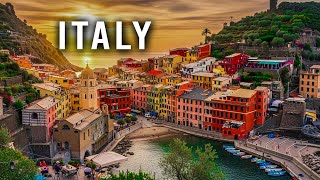
Italy Who said the Eternal City couldn't reveal new secrets even in winter? Rome is Italy's empress, where every cobblestone whispers legends, and Renaissance palaces guard masterpieces that have defined the history of art. The city breathes history through its golden ruins, while baroque fountains adorn squares that have seen emperors and popes, artists and revolutionaries pass by.
Winter transforms the city into a theatre of light and shadow, with morning mist caressing the Colosseum, while winter sunbeams ignite St. Peter's dome in gold. It is during this season that Rome reveals its most intimate soul: majestic in its eternity, yet with a Mediterranean warmth that melts even the coldest of days.
Tallinn, Estonia Where Medieval meets future, Tallinn emerges from the Baltic like a fantasy tale come true. The Estonian capital, with its pointed towers piercing the sky, guards the secret of ancient and modern coexistence. In the Old Town, a UNESCO heritage site, stone alleys wind between perfectly preserved medieval walls, while in winter, the city transforms into an enchanted stage.
Christmas lights in Town Hall Square, where reportedly the world's first public Christmas tree was erected, dance among snowflakes, while the aroma of toasted almonds and mulled wine fills the air. It's in this season that bastions and watchtowers, wrapped in mist, seem to protect the city. In medieval cafés, moreover, residents share stories of knights and Hanseatic merchants over steaming cups of spiced hot chocolate.