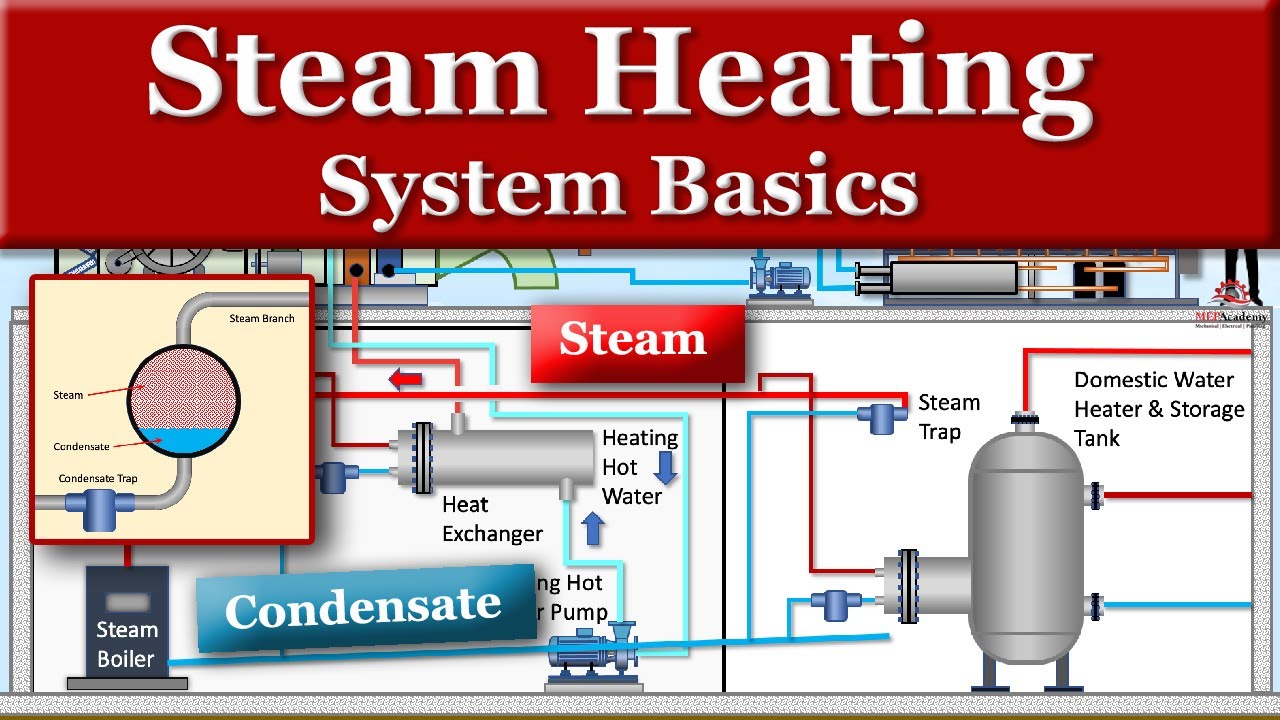
steam heating systems can be found in residential commercial and even industrial sites they're very common in large campuses especially larger older buildings these systems do not require pumps instead they use the steam itself to distribute the heat around the building although we might find a condensate pump on the return line if we add thermal energy or heat to some water at standard atmospheric pressure it's temperature rises until it reaches 100° C or 212° F at this point it begins to boil and evaporate into steam the thermal energy is carried away by the steam if we
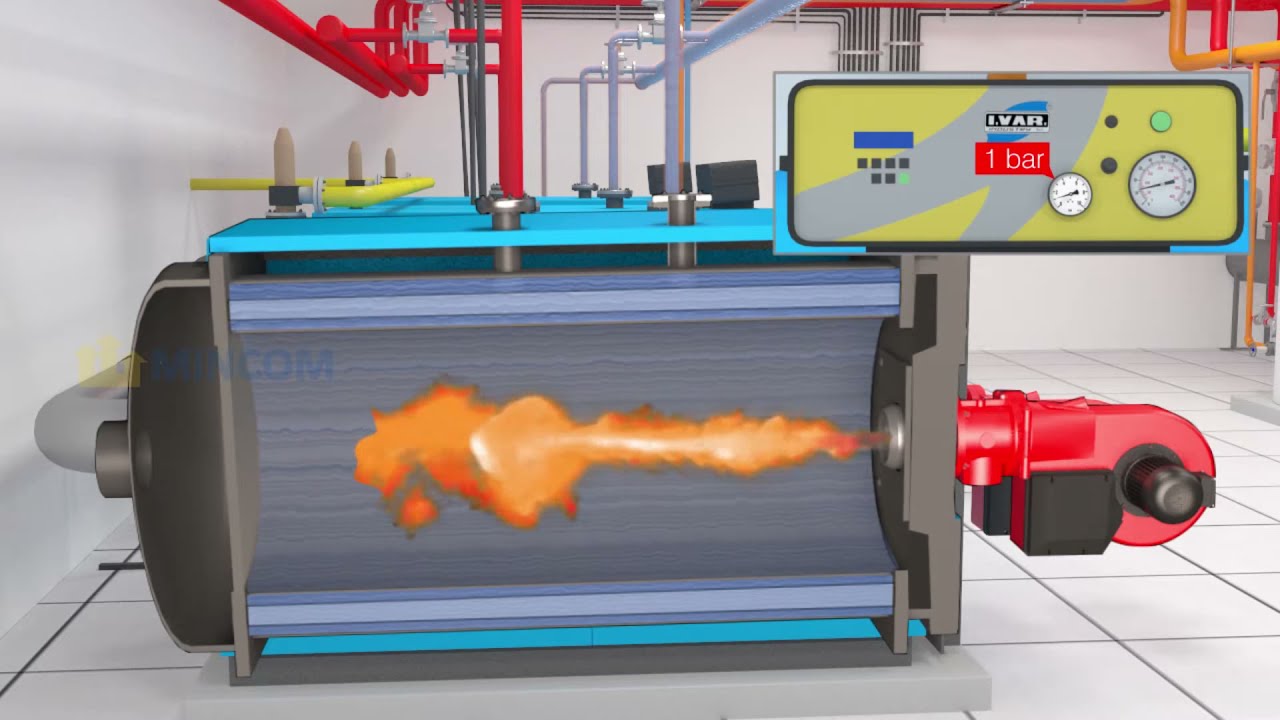
capture and contain the steam by placing a Loosely fitting lid over the vessel we would see the lid rise up if we fix the lid firmly to the vessel we would see the internal pressure increase that's because the water molecules are EXP expanding and taking up more space in Cool Water the molecules are tightly packed together but as more thermal energy is added the water molecules become excited and they vibrate rapidly which increases their volume it increases so much that one unit of water can expand into steam approximately 1,600 times its original volume if the
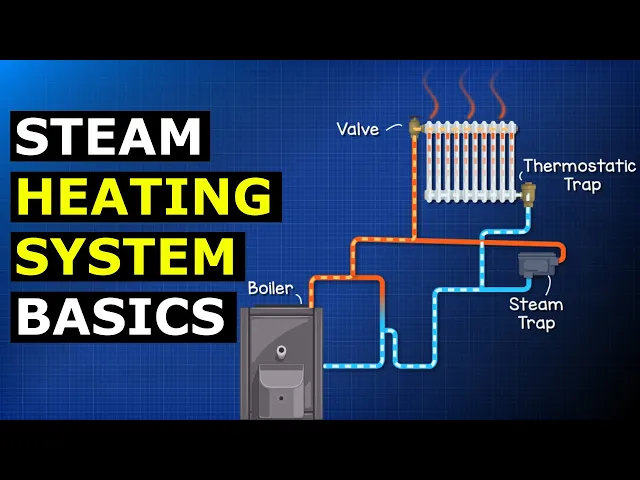
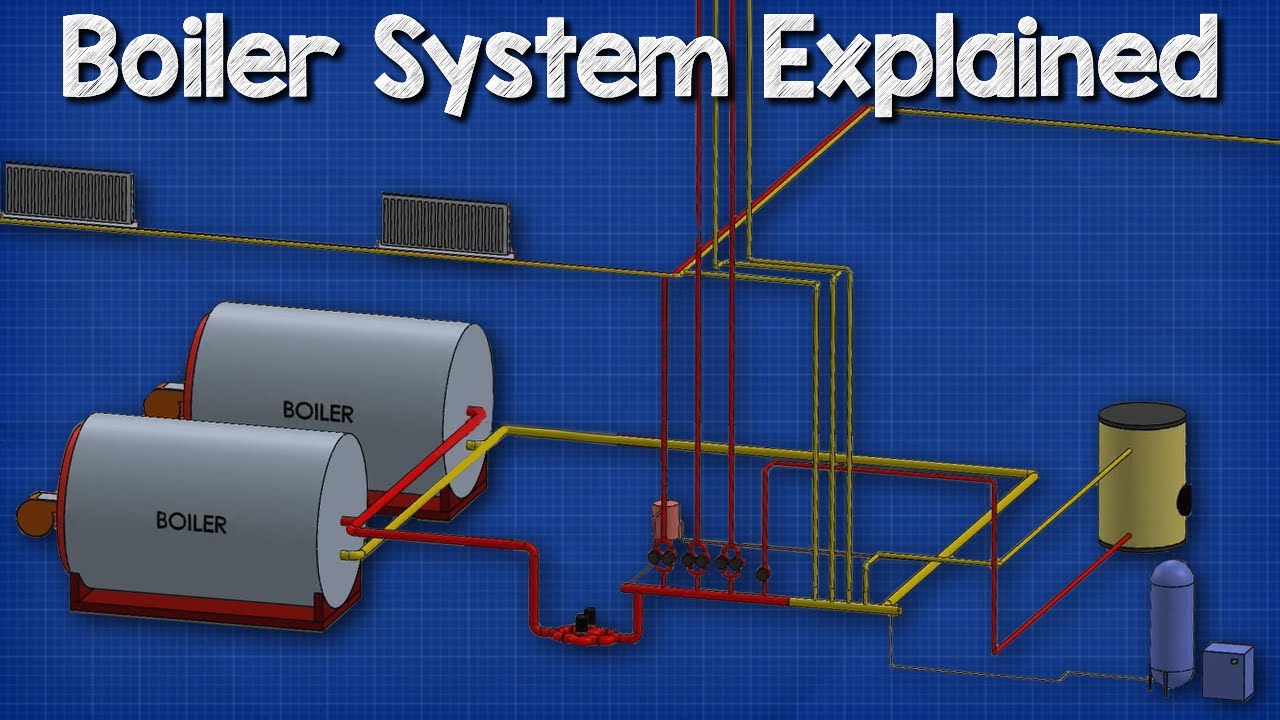
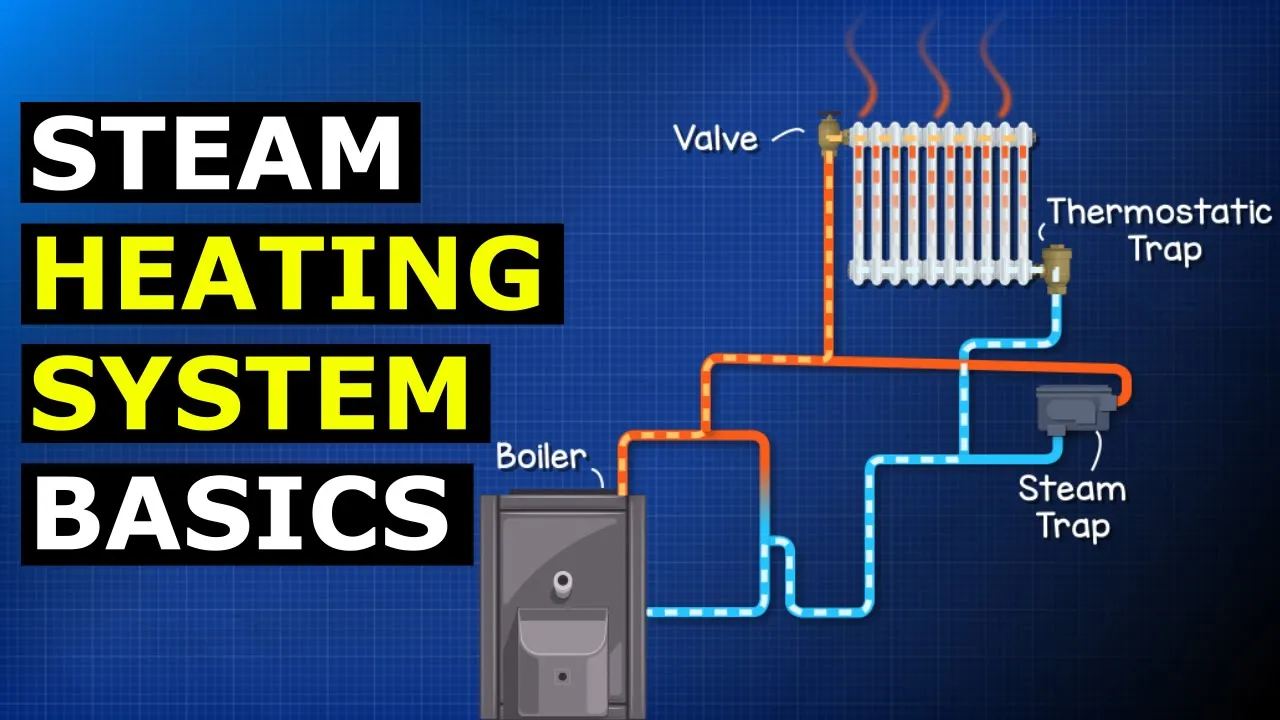
volume of the vessel is fixed and more thermal energy is added the water molecules are going to become excited and move faster they will collide with the walls of the vessel more frequently and with more Force this increases the pressure inside the vessel the pressure pushes the steam it naturally tries to reach a location of lower pressure we can use that pushing force to distribute the thermal energy through pipes to radiators and then back to the boiler in a typical two pipe steam heating system the boiler is adding thermal energy and heating the water which
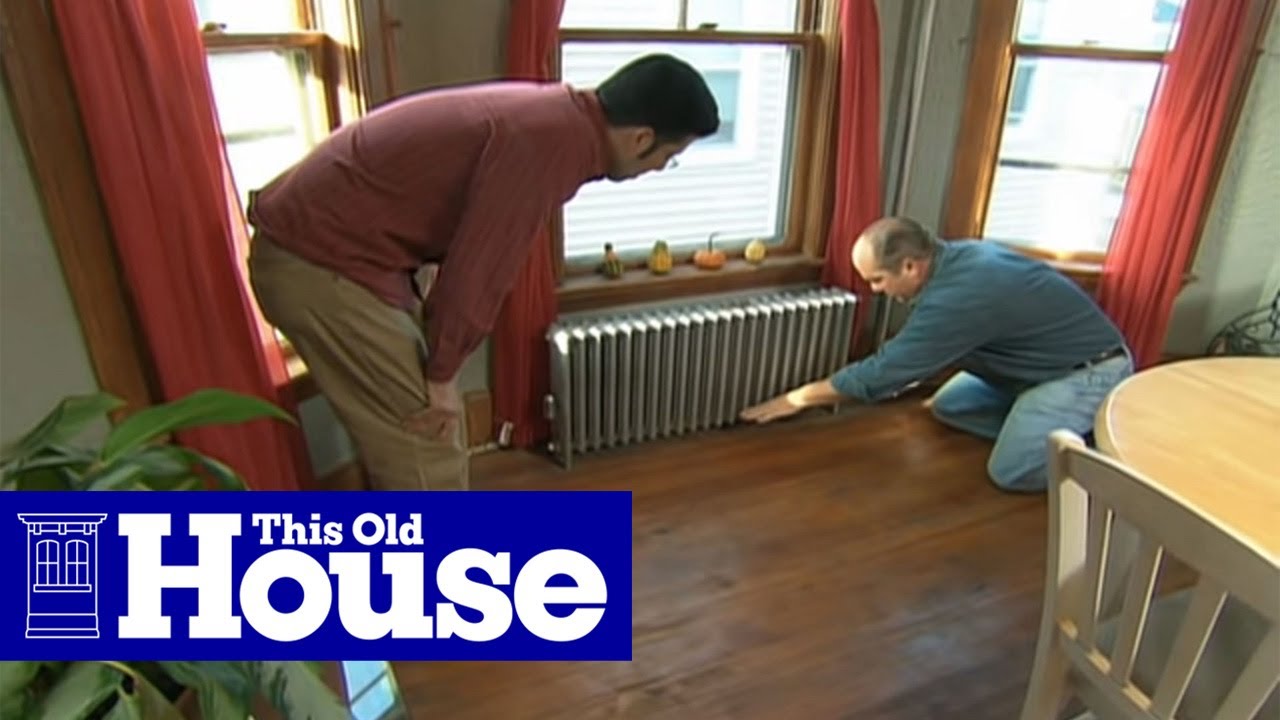
turns it into steam the pressure is pushing the steam along the pipe into the radiator the radiator heats the ambient air of the room so the thermal energy is transferred from the steam through the radiator wall and into the air of the room as the air is heated it rises up and cooler air then rushes in to take its place this will repat continuously the steam is giving away its thermal energy as it does so it condenses back into a liquid the high pressure of the system is going to push this water back to the
boiler where it will be reheated and repeat the cycle we only want condensate liquid returning to the boiler we don't want any steam getting into the return lime this would be a waste of energy as it will warm the condensate liquid and also lose heat on the way way back we've PID to create the steam so we don't want to waste it mixing the Steam and the condensate will cause many problems for the system also such as Steam binding and also steam Hammer this can be catastrophic for the system so we must try to avoid
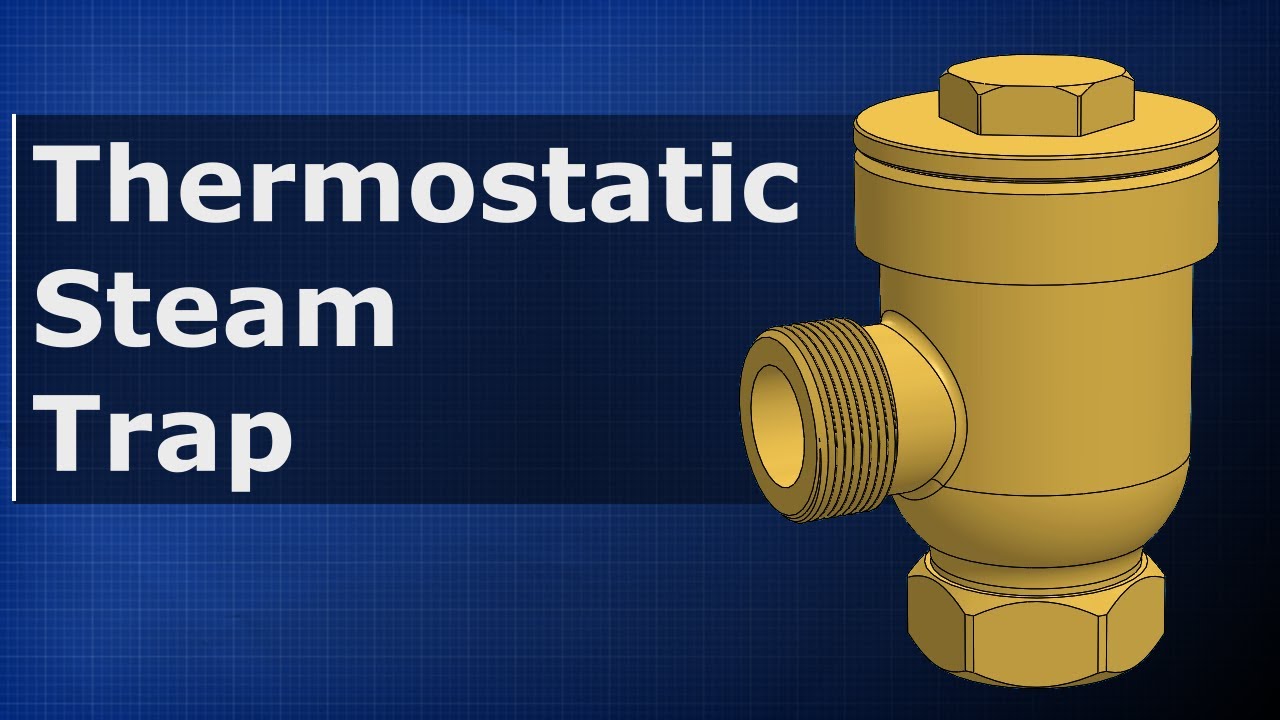
this one way to do that is through a thermatic radiator Trap by the way we have covered that in detail in our previous video do check that out links can be found in the video description down below okay that's it for this video but to continue learning about heating systems and Engineering check out one of the videos on screen now and I'll catch you there for the next lesson don't forget to follow us on Facebook Twitter Instagram LinkedIn and of course the engineering mindset.com